
Overview of Full Colour Printing
Full colour printing, also known as four-colour printing, is a process that reproduces images and graphics using a combination of four primary ink colours: cyan, magenta, yellow, and black (CMYK). This method allows for the creation of vibrant, detailed, and high-quality images that closely resemble original artwork or photography. Its ability to produce a wide spectrum of colours makes it the preferred choice for many commercial and artistic printing projects.
In various applications, full colour printing is indispensable—from marketing materials such as brochures, flyers, and posters to packaging and product labels. The precision and colour richness achievable through this process enhance visual appeal, brand recognition, and overall professionalism of printed materials. For businesses looking to make a lasting impression, the depth and clarity provided by full colour printing can significantly impact marketing efforts.

Compared to monochrome or limited colour printing, full colour printing provides superior visual fidelity, ensuring that every hue and tone matches the intended design with high accuracy. This capability is particularly crucial for photographs, detailed illustrations, and colourful branding elements where colour vibrancy and detail are essential. Hence, many print service providers offer full colour options to meet the diverse needs of their clients, ensuring high-quality outputs that stand out in competitive markets.
Whether used for commercial advertising, educational materials, or personalized projects, full colour printing delivers a dynamic and eye-catching result that elevates the overall impact of the printed piece. The versatility, combined with technological advancements, continues to make it a vital component of modern printing solutions worldwide, including in Singapore's thriving printing industry.
Types of Full Colour Printing Technologies
Full colour printing encompasses several advanced printing technologies, each suited to different project requirements, material types, and production scales. Among these, the most prevalent method is digital printing, which offers quick turnaround times and high quality for small to medium runs. This technique employs digital files directly to produce vibrant images without the need for physical plates, making it ideal for customized batches and rapid prototyping.
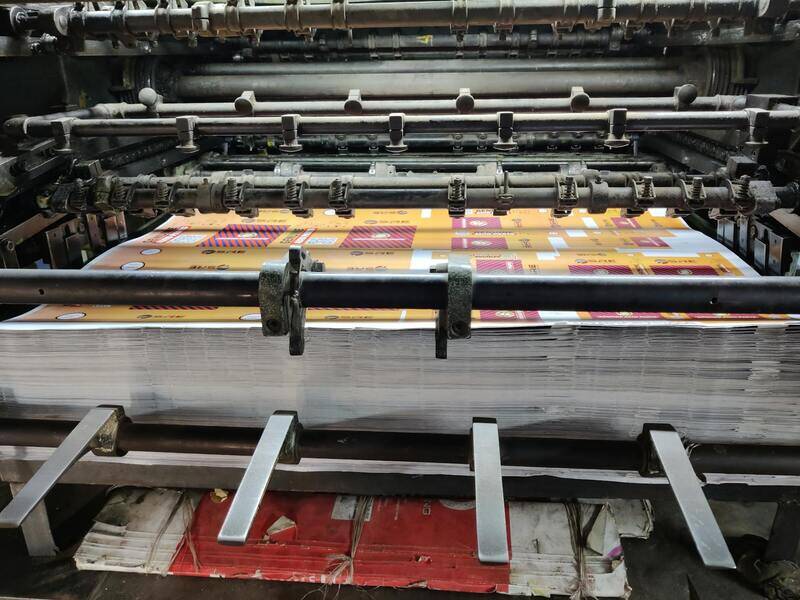
Offset lithography remains a cornerstone for producing large volumes with consistent quality and colour fidelity. It utilises metal plates to transfer ink onto rubber blankets, which then print onto substrates such as paper, cardboard, or coated materials. The high consistency and sharp detail achievable with offset printing make it suitable for premium marketing brochures, magazines, and packaging materials.
Flexography is commonly used for packaging applications, especially on flexible materials like plastics, foils, and corrugated cartons. Its ability to print on uneven surfaces and a wide range of substrates makes it versatile for labels, bags, and wrapping materials. Additionally, ultraviolet (UV) printing employs UV light to instantly cure inks, resulting in highly durable, vibrant prints on diverse surfaces, including glass, metal, and plastics.

Types of Full Colour Printing Techniques
Within the realm of full colour printing, different techniques are tailored to optimize specific aspects of quality, cost, and application. The four-colour (CMYK) process is the most common, where cyan, magenta, yellow, and black inks are layered to produce a broad spectrum of colours. This method excels in reproducing detailed images like photographs and complex illustrations with accurate colour gradients.
Another technique is spot colour printing, where specific pre-mixed inks are used to achieve exact brand colours or metallic shades. Spot colours are particularly advantageous for brand consistency, where matching proprietary hues is critical. Additionally, techniques like digital direct-to-object printing allow printing directly onto products or irregular surfaces, expanding creative possibilities in product branding and customized packaging.
Materials and Substrates Suitable for Full Colour Printing
Full colour printing is compatible with a diverse array of materials, enabling it to serve multiple industries. Standard papers, including glossy, matte, and textured finishes, are the most common substrates for flyers, posters, and brochures. Coated and uncoated papers can both be used, depending on the desired finish and durability.
For packaging purposes, substrates such as cardboard, kraft paper, plastics, and flexible films are frequently employed. These materials benefit from printing methods like flexography and UV printing, which adhere well to textured and non-porous surfaces. Fabrics and textiles are also suitable for dye-sub or direct-to-garment printing techniques, especially for promotional apparel and fabric-based branding.
The selection of material significantly influences the final appearance and longevity of the print. High-quality substrates support vivid colour reproduction, sharp details, and resistance to wear and environmental factors, ensuring that the printed materials maintain their visual appeal over time.
Advanced Techniques in Full Colour Printing
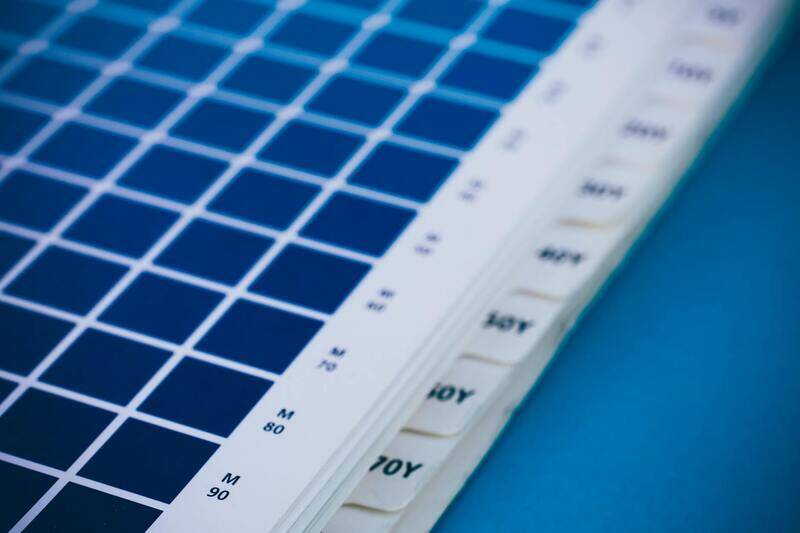
To harness the full potential of full colour printing, leveraging advanced printing techniques is essential. Techniques such as 4-color process printing utilize precise CMYK (Cyan, Magenta, Yellow, and Key Black) color mixing to achieve a broad spectrum of hues, ensuring vibrant and accurate reproductions of complex images. This method is especially effective for detailed photographs and graphics where color blending is critical.
Another sophisticated approach is spot colour matching, which involves using pre-mixed inks to replicate specific colours, particularly brand colours that require high fidelity. Spot colours are frequently used in logos and packaging where consistency is paramount. These inks can be specially formulated to match Pantone shades, providing a precise colour match across various print jobs.
UV printing is also gaining prominence for its ability to print directly onto non-porous surfaces such as plastics, glass, and metal. This method cures UV inks instantly, resulting in high-resolution, durable images suitable for outdoor signage, promotional products, and industrial branding.
Role of Digital and Offset Printing in Full Colour Output
Digital printing has revolutionized the approach to full colour printing by allowing short runs with quick turnaround times and minimal setup costs. It is ideal for personalized marketing materials, small batch production, and on-demand printing. With sophisticated digital presses, print quality rivals traditional methods and offers precise colour control.
Offset lithography, on the other hand, remains a preferred technique for large volume prints that demand exceptional quality and consistency. It employs plates to transfer ink onto substrates, ensuring sharp image detail and consistent colour reproduction across extensive batches. Modern offset presses also incorporate advanced colour management software, enabling tight control over colour matching, resulting in predictable and high-quality outputs.

Both digital and offset printing methods can be optimized through software calibration and colour management systems, facilitating precise colour matching aligned with client specifications.
Conclusion
Understanding the various methods of full colour printing allows for strategic selection tailored to project requirements. Whether opting for high-volume offset printing or flexible digital solutions, the goal remains to deliver vibrant, accurate, and durable colours that enhance brand identity and visual impact.
Materials and Substrates Suitable for Full Colour Printing
In the realm of full colour printing, selecting the appropriate materials and substrates is pivotal to achieving the desired vibrancy, durability, and overall quality of the final product. The choice of material impacts not only the visual output but also the printing process's efficiency and the longevity of the print.
Common materials used for full colour printing include various types of paper, cardstocks, fabrics, plastics, and metals. Each material offers unique qualities that cater to specific application needs. For instance, coated papers and high-gloss substrates are ideal for promotional materials and displays, as they enhance colour richness and sharpness. Conversely, uncoated papers are preferred for items requiring a softer finish or for readability reasons, such as business forms and stationery.
Specialty materials like canvas, vinyl, or transparent films expand the possibilities for creative marketing and branding campaigns, enabling prints on varied surfaces like banners or vehicle wraps. These materials are typically compatible with large-format printers equipped for high-quality colour reproduction, ensuring vivid visuals on both flexible and rigid surfaces.

Choosing the right substrate involves assessing factors such as the intended environment, exposure to elements, and the tactile or aesthetic qualities desired. For outdoor signage, weather-resistant materials like vinyl or laminated prints are recommended to withstand environmental stresses. Meanwhile, premium users might opt for textured or art papers for a high-end finish that complements luxury branding.
Compatibility with the printing technology also plays a crucial role. Digital printers excel with flexible materials like vinyl and paper, while offset presses are more suited for standard sheets of coated or uncoated paper. Large-format inkjet printers handle diverse substrates, including fabrics and rigid surfaces, supporting diverse applications from fine art reproductions to large-scale banners.
Additionally, the environmental suitability of materials is gaining importance. Eco-friendly options such as recycled papers and bio-based plastics are increasingly considered for sustainable branding initiatives. Proper consideration of material specifications not only ensures the fidelity of colour reproduction but also optimizes the print’s lifespan and environmental impact.

In sum, aligning substrate choice with project goals, environmental conditions, and printing method capabilities is crucial for achieving high-quality, durable, and visually striking full colour prints that effectively communicate brand messages and captivate audiences.
Materials and Substrates Suitable for Full Colour Printing
Choosing the right materials and substrates is essential to achieve vibrant, durable, and high-quality full colour prints. Different applications demand specific substrate characteristics, such as surface texture, flexibility, weather resistance, and print compatibility. The most common substrates include various types of paper, fabrics, plastics, vinyl, and rigid surfaces, each offering unique advantages for specific use cases.
Common Substrate Types for Full Colour Printing
- Paper: Ranging from standard coated and uncoated papers to specialty art papers, paper is a versatile substrate suitable for brochures, posters, flyers, and packaging. Premium papers with smooth surface coatings enhance colour vibrancy and sharpness.
- Fabric: Materials such as cotton, polyester, and mesh fabrics are frequently used in apparel printing, banners, and textile displays. Digital textile printing technologies enable high-resolution, full colour designs that are both durable and washable.
- Plastic and PVC: Ideal for durable signage, menu boards, and promotional items, plastics and PVC sheets offer weather resistance and flexibility. They are suitable for both indoor and outdoor applications, ensuring longevity despite environmental exposure.
- Vinyl: A popular choice in large-format printing for banners, vehicle wraps, and window decals. Vinyl substrates boast excellent durability and adhesive qualities to adhere to various surfaces.
- Rigid Surfaces: Materials such as foam boards, acrylic, wood, and metal enable high-end signage and displays. These substrates support vibrant full colour printing while offering structural integrity and aesthetic appeal.
Considerations When Selecting Substrates
Choosing the appropriate material depends on multiple factors, including the intended environment of use, durability requirements, budget, and desired aesthetic qualities. For instance, outdoor signage necessitates weatherproof and UV-resistant materials like laminated vinyl or coated metal, while interior displays may leverage lighter materials with a premium finish for visual impact.
It is also crucial to assess the compatibility of the substrate with specific printing technologies. Digital printing methods, such as inkjet and UV printing, work efficiently with flexible materials like textiles and vinyl. Offset printing suits coated papers and standard sheets, offering high volume and cost efficiency. Large-format printers excel in printing on diverse surfaces including fabrics, rigid panels, and plastics, accommodating a broad spectrum of designs and sizes.
Eco-Friendly Material Options
Sustainable printing practices increasingly involve the use of eco-friendly substrates, such as recycled papers, biodegradable plastics, and bio-based textiles. These options are gaining prominence among brands committed to reducing their environmental footprint, ensuring that their full colour prints are both visually striking and environmentally responsible.
Materials and Substrates Suitable for Full Colour Printing
Choosing the right materials for full colour printing is essential to ensure that the final product achieves the desired visual impact, durability, and functional performance. Various substrates are compatible with full colour printing, each offering unique benefits tailored to specific applications. Common substrates include paper, plastics, fabrics, metal, and wood, with selections often guided by the project's environmental exposure, aesthetic intent, and budget constraints.
For high-quality marketing materials, coated papers and cardstocks are popular choices due to their smooth surfaces that facilitate precise colour reproduction. These materials are ideal for brochures, flyers, and posters, where colour fidelity and fine detail are critical. In contrast, textiles such as banners and clothing utilize fabric substrates that require ink adhesion and flexibility, making UV and solvent-based printing methods preferable.
Rigid materials like acrylic, PVC, and aluminum are often employed for signage, display stands, and decorative panels. These substrates provide strength and weather resistance, supporting outdoor installations that endure environmental challenges. Wooden panels and kraft papers are also versatile options, adding a textured or rustic aesthetic to printed designs.

Eco-conscious options are increasingly incorporated into substrate choices. Recycled papers, biodegradable plastics, and bio-based textiles serve brands committed to reducing environmental impact while maintaining high visual standards. Such materials are compatible with various full colour printing technologies, enabling sustainable yet vibrant results.
Factors Influencing Material Selection
- Application Environment: outdoor signage requires weather-resistant substrates such as laminated vinyl or coated metals, whereas indoor displays may use lighter, visually appealing materials.
- Durability Requirements: projects demanding long-term exposure need substrates with high resistance to UV, water, and physical wear.
- Budget Considerations: cost-effective materials like standard paper or PVC are suitable for bulk production, while premium substrates like fine art papers or specialty fabrics are reserved for limited, high-end projects.
- Ink Compatibility: ensuring the substrate's compatibility with specific inks and printing techniques enhances colour vibrancy and adhesion.
Optimal material choice ensures that the vibrant colours produced through full colour printing are retained throughout the product’s lifecycle, delivering consistent, high-quality results resilient to environmental factors. Proper substrate selection ultimately amplifies the visual impact and longevity of printed materials, aligning with the strategic goals of branding and communication efforts.
Color Management and Quality Control in Full Colour Printing
Maintaining color consistency and achieving precise color reproduction are fundamental aspects of successful full colour printing. This involves various processes and technologies designed to ensure that printed outputs match the original design intent as closely as possible, regardless of the size of the print run or printing method used.
One of the key elements in effective color management is the use of standardized color profiles and calibration of printing equipment. Professional printers employ color management systems that utilize color profiles, such as ICC profiles, to translate digital colors into physical inks accurately. Regular calibration of printers ensures that ink color output remains consistent over time, minimizing discrepancies that could compromise visual quality.
Color calibration involves adjusting the printer settings, including color density, gamma, and tone curves, to match a predetermined reference standard. This process usually includes the creation of custom ICC profiles for specific printers, inks, and substrates. When the printer is correctly calibrated and profiles are accurately applied, users can expect reliable color reproduction across multiple print jobs.
Another critical component of quality control is the use of colour proofs or test prints before the final batch. These proofs serve as physical samples that allow designers and clients to verify that colours appear as intended. Adjustments can then be made to digital files or printing parameters to fine-tune the final output, reducing the risk of costly reprints or unsatisfactory results.

Spot colours, such as those in the Pantone Matching System (PMS), are also integral to achieving consistent and precise hues, especially for branding and corporate identity applications. Incorporating spot colours ensures that specific shades, like corporate reds or signature blues, are consistently reproduced in every print, reinforcing brand recognition.
Additionally, monitoring colour reproduction throughout the entire printing process with quality control checks can detect and correct potential issues early. This includes reviewing colour density, registration, and registration offsets. Implementing meticulous quality control measures reduces waste, enhances the final product’s aesthetic appeal, and guarantees that colour accuracy aligns with design specifications.
Ultimately, mastering colour management in full colour printing involves a combination of advanced technology, standardized procedures, and careful quality oversight. By adhering to these methods, print providers can deliver consistently vibrant, accurate, and high-quality printed materials that meet the precise expectations of their clients and enhance the overall visual impact of their branding efforts.
Materials and Substrates Suitable for Full Colour Printing
Choosing the right materials and substrates is crucial to achieving optimal results in full colour printing. The versatility of full colour printing allows for a wide range of substrates, each offering unique benefits depending on the intended application. Common substrates such as paper and cardstock are prevalent in business cards, brochures, and posters, providing excellent colour vibrancy and flexibility. For outdoor environments and durability, materials like vinyl, polyester, and banners are suitable, offering resistance to weather elements while maintaining vivid colour output. Metal surfaces, acrylic sheets, and glass are also compatible with full colour printing, making them ideal for signage and decorative displays that require high resolution and tactile appeal.

Surface texture and treatment influence print adhesion and colour richness. Coated papers, for example, enhance gloss and colour sharpness, while uncoated papers lend a matte, subdued finish suitable for a softer aesthetic. Some substrates may require pre-treatment, such as coating or priming, to ensure ink adherence and colour accuracy. Consideration of the substrate’s thickness, weight, and compatibility with specific printing technologies will help prevent issues like ink smudging, bubbling, or misalignment, ensuring a smooth printing process and professional results.
Design Considerations for Full Colour Printing
Effective design plays a pivotal role in maximising the potential of full colour printing. It involves careful selection of colours, resolution, and layout to ensure the final product aligns with branding and communication goals. Designers should be mindful of colour consistency, especially when printing multiple copies or batches. Utilizing colour palettes that account for the gamut of the chosen printing technology helps prevent colour shifts or dull tones. Incorporating high-resolution images and vector graphics ensures sharp details and prevents pixelation when scaled. Furthermore, understanding the limitations of substrates and printing techniques allows designers to make informed choices, avoiding over-inked areas or intricate details that may not reproduce well. This strategic approach guarantees that the printed materials are visually impactful, precise, and aligned with the creative vision.
Color Accuracy and Matching in Full Colour Printing
Achieving precise colour matching is essential for maintaining brand consistency and visual appeal in full colour printing. This process involves calibrated digital files and the deployment of colour management systems that control and standardise colour output across devices. Colour calibration tools, such as spectrophotometers, ensure that screens and printers operate within the same colour space, reducing discrepancies between digital designs and printed results. For projects requiring exact colour reproduction, spot colour systems like Pantone Matching System (PMS) are employed to achieve specific hues that are outside the standard CMYK spectrum.
Print proofing plays a vital role in colour accuracy by providing a tangible preview of the final product. These proofs allow for adjustments before the full run, minimizing errors and costly reprints. Quality control throughout the printing process, including monitoring ink density, registration, and colour consistency, helps uphold the desired standards. It is also beneficial to communicate closely with the print provider regarding colour expectations, substrate compatibility, and binding options to ensure the end product satisfies design specifications and brand requirements.
Materials and Substrates Suitable for Full Colour Printing
One of the most critical aspects of achieving high-quality full colour printing results relies on choosing the appropriate materials and substrates. The versatility of full colour printing allows it to be applied across a range of surfaces, each offering unique benefits and challenges that influence the final outcome. Selecting the right substrate ensures that colours are rendered vividly, details are sharp, and durability aligns with the intended use of the printed item.
Paper remains the most common substrate for full colour printing, with options ranging from glossy and matte finishes to textured types. Glossy paper enhances colour vibrancy and contrast, making images pop, ideal for brochures, posters, and packaging. Matte papers offer a subdued, elegant look, reducing glare and allowing for detailed text or subtle graphics. Textured papers can introduce tactile appeal and are often used in premium stationery or invitations.

Vinyl is another popular substrate, especially suited for outdoor signage, vehicle wraps, and banners. Its synthetic nature grants resistance to weather elements, UV rays, and moisture, all while delivering vibrant, long-lasting colours. The adhesive backing of vinyl ensures secure application on various surfaces, making it a versatile choice for large-scale signage where visibility and colour impact are priorities.

Fabric substrates are increasingly utilized in textile printing projects, including apparel, promotional banners, and customized bags. Modern digital printing technologies enable full colour designs to be accurately transferred onto fabric, which can withstand washing and physical wear depending on the ink and fabric type. The integration of full colour printing in textiles enhances branding efforts and allows for creative, eye-catching designs that are durable and vibrant over time.
Other materials such as rigid plastics, metal sheets, and glass can also be used in specialized printing processes like UV printing or screen printing, expanding the range of possibilities. These materials are particularly relevant in creating decorative panels, signage, and personalized gifts, where colour intensity and precision are paramount.
Choosing the Right Material for Your Project
- Assess the environment where the printed material will be used, considering factors like weather resistance, durability, and exposure to light.
- Determine the desired look and feel, whether glossy, matte, textured, or smooth, to match the branding or artistic intent.
- Evaluate the printing technology compatibility with the substrate to ensure optimal colour reproduction and adherence.
- Factor in budget constraints, as some materials may incur higher costs due to their quality or specialty nature.
Working closely with experienced printing professionals helps in selecting the most suitable materials for specific applications, ensuring the final product meets both aesthetic and functional expectations.
Optimal Material Compatibility for Full Colour Printing
Achieving high-quality full colour prints necessitates careful selection of substrates that can effectively receive and retain vibrant images without compromising durability. The compatibility between the material and the printing method influences not only the aesthetic appeal but also the longevity of the printed design.
For paper and cardstock, a variety of finishes such as matte, gloss, or matte-lustre can be used to enhance colour vibrancy and tactile experience. These materials are prevalent in printing brochures, business cards, and posters where sharp detail and rich colours are essential. Coated papers, which have a specific surface treatment, allow for greater ink adhesion and superior colour depth.
In textiles, fabrics made from cotton, polyester, or blends are frequently subjected to digital direct-to-garment or sublimation printing. These methods enable full colour, detailed designs to be securely transferred onto the fabric, maintaining brightness through multiple washes. Textile substrates require inks that are flexible and resistant to washing, which makes the choice of ink and fabric compatibility critical.
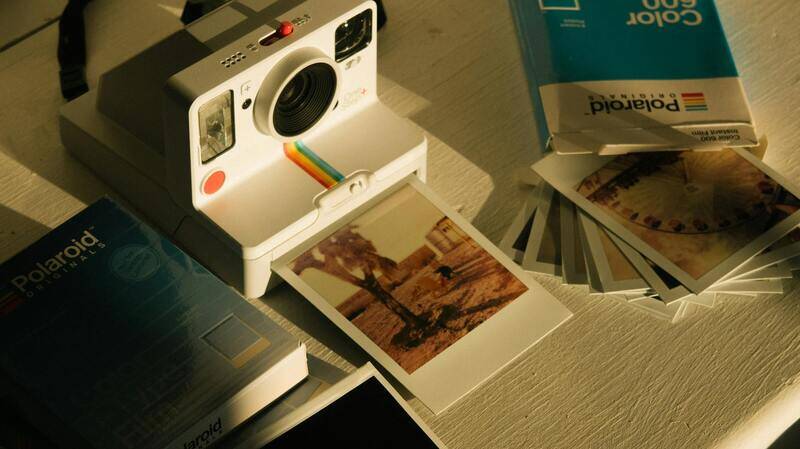
Rigid surfaces like plastics, metal, and glass are often processed using UV printing or screen printing, capable of producing vibrant, durable images. These materials are ideal for signage, decorative panels, and corporate branding items. The surface finish—glossy, matte, or textured—can significantly influence the visual impact and tactile feel of the final product.
In each case, the key is to assess the substrate's surface tension, porosity, and ability to withstand the printing process and subsequent use. Compatibility ensures that colours remain vivid, edges are crisp, and the entire design resists fading or damage over time.
Technical Considerations for Material Suitability
- Surface Preparation: Proper cleaning and surface treatment improve ink adhesion, especially for non-porous materials like plastics and metals.
- Ink Compatibility: Selecting inks formulated for the specific substrate ensures accurate colour reproduction and durability.
- Environmental Resistance: Consider weather, UV exposure, and physical wear to choose materials and inks that sustain the visual quality and product lifespan.
Careful evaluation and collaboration with experienced printing professionals facilitate optimal material selection, aligning the project's aesthetic goals with functional requirements.
Materials and Substrates Suitable for Full Colour Printing
Achieving optimal results in full colour printing necessitates the selection of appropriate materials and substrates that are compatible with the chosen printing technology. The nature of the substrate significantly influences ink adhesion, colour vibrancy, and the durability of the final output.
For digital and UV printing, common substrates include rigid materials like acrylic, aluminum panels, and glass. These surfaces, when properly prepared through cleaning and surface treatment, allow for precise ink adhesion and vivid colour reproduction. Such materials are frequently used in signage, storefront displays, and corporate branding elements.
Flexible materials such as textiles, vinyl wraps, and flexible plastics are also widely used in full colour printing. These substrates demand inks that can withstand stretching, washing, and prolonged use without deteriorating. Textile substrates require inks that are flexible, water-resistant, and resistant to fading, which makes the choice of ink formulation critical.
Specialized substrates like wood, leather, and ceramic tiles expand the scope of full colour printing, particularly for custom decorative pieces and personalized gifts. Proper surface preparation, including priming or sealing, is essential to ensure ink adherence and prevent colour migration or smudging during the printing process.

Engineers and designers must evaluate substrate surface properties such as porosity, surface tension, and hardness before proceeding with printing. Choosing the right substrate enhances colour accuracy, edge sharpness, and overall durability, ensuring that the final product meets aesthetic and functional expectations.
Conversations with experienced printing professionals can help identify suitable materials that balance visual appeal with practical performance, considering factors like environmental exposure, handling, and long-term wear resistance.
Advanced Techniques and Quality Control in Full Colour Printing
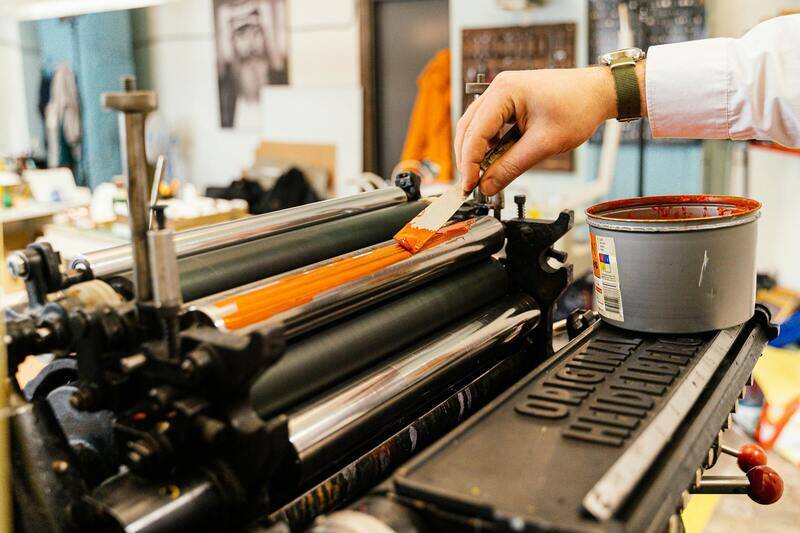
Maintaining consistent color reproduction in full colour printing requires meticulous quality control measures throughout the production process. This encompasses calibration of printers, monitoring ink density, and employing color management systems that align digital files with printed output. Modern printing facilities often use spectrophotometers and colorimeters to ensure color fidelity, allowing for precise adjustments before the main batch of prints is produced.
Color management workflows involve profiling both the digital source and the printing device, creating an ICC profile that guides the printer in matching the intended colors accurately. This is crucial in scenarios where brand consistency and visual integrity are paramount, such as in corporate branding or product packaging.
Color Calibration and Proofing Processes
Before proceeding with large-scale production, proofing serves as a vital step to verify color accuracy and overall print quality. Proofs are typically produced on the actual substrates intended for final production or on color-managed digital displays. This process allows clients and production teams to review and approve the color output, reducing the risk of costly reprints due to mismatched hues or poor color fidelity.
There are various types of proofs, including soft proofs displayed on calibrated monitors, and hard proofs printed on the same or similar materials. High-quality proofing ensures that the final product will meet expectations for color vibrancy, detail sharpness, and overall appearance.
Incorporating Finishing and Protective Coatings
Once the full colour print is completed, applying finishing touches enhances durability and visual appeal. Laminates, varnishes, and UV coatings act as protective layers, shielding prints from scratches, moisture, and UV damage. These coatings can be gloss, matte, or satin, depending on the desired visual effect and functional requirement.
The choice of finishing techniques can also influence the tactile experience, with options like embossing or spot UV adding texture and highlighting key design elements. These enhancements are particularly beneficial for promotional materials, luxury packaging, and high-end signage, where visual impact and longevity are critical.
Environmental Considerations and Sustainable Practices
Adopting eco-friendly practices in full colour printing involves selecting sustainable substrates and environmentally conscious inks. Water-based and soy-based inks produce less volatile organic compounds (VOCs), contributing to healthier printing environments and lower environmental impact. Additionally, using recyclable materials and implementing waste reduction strategies can promote greener operations.
Many printing service providers also engage in responsible disposal of waste inks and substrates, adhering to environmental standards and regulations. Such practices not only support sustainability but also enhance the company's reputation for environmental responsibility, which can align with the values of environmentally conscious clients.
Upgrading Technology for Improved Outcomes
Investing in state-of-the-art printing technology ensures higher precision, faster turnaround times, and expanded material compatibility. Digital presses equipped with advanced inkjet or toner-based systems can handle complex colour schemes with ease, enabling results that are true to the digital design files. Similarly, latent image and variable data printing capabilities open new avenues for personalized marketing and customized product packaging.
Continuous technology upgrades also facilitate innovation in finishing options, substrate compatibility, and eco-friendly solutions, ensuring that print providers can meet evolving market demands with confidence and competence.
Materials and Substrates Suitable for Full Colour Printing
In full colour printing, the choice of materials and substrates significantly influences the final output quality, durability, and overall effectiveness of the printed product. Selection depends on the intended use, environmental conditions, and budget constraints. Commonly used substrates include paper, cardstock, vinyl, fabric, plastic, and metal, each offering unique advantages and challenges.
For paper-based projects, options range from matte and gloss coated papers to specialized textured stocks that enhance colour vibrancy and detail. Coated papers are preferred for high-resolution images due to their smooth surface, which prevents ink absorption and allows for sharper imagery. Uncoated papers, however, are suitable for casual or eco-friendly applications and can provide a more tactile feel.
Vinyl and plastic materials are ideal for outdoor signage, banners, and product packaging due to their weather resistance and durability. Fabric substrates, such as polyester or canvas, are frequently used for custom apparel, wall art, or promotional merchandise, offering vivid colour reproduction and flexibility.
Metal sheets and acrylic panels provide a sleek, modern aesthetic for signage and display items, presenting high gloss finishes that enhance colour depth. For each material, compatibility with the chosen printing technology ensures optimal results and longevity.
Materials and Substrates Suitable for Full Colour Printing
Choosing the appropriate material for full colour printing is a critical step to ensure the desired visual impact and durability of the final product. A diverse range of substrates can be used, each suited to different applications, environment conditions, and aesthetic preferences. Understanding the characteristics of these materials enables selecting the most fitting options for specific projects.

Common Materials for Full Colour Printing
- Paper and Cardstock: Ideal for brochures, flyers, posters, and business cards. Coated varieties provide smooth surfaces for sharp image reproduction, while textured papers add tactile appeal.
- Vinyl and Plastic Sheets: Suitable for outdoor signage, banners, and labels. These materials are weather-resistant and capable of withstanding environmental exposure.
- Fabrics: Polyester, canvas, or other textiles are used for custom apparel, wall coverings, and promotional merchandise. They allow vibrant colour reproduction and flexibility for different shapes and sizes.
- Metal Sheets and Acrylic Panels: Favoured for high-end signage and display items, offering glossy finishes that enhance colour depth and photo-realistic quality.
- Wood and Other Novel Materials: Used in specialty applications such as decorative panels or artistic installations where unique aesthetics are desired.
Preparation and Adhesion Techniques
Proper surface preparation, such as cleaning, priming, or coating, is essential to achieve optimal ink adhesion and prevent issues like peeling or fading. Material-specific primers can enhance durability, especially for outdoor applications or items exposed to environmental stress.
Additionally, understanding the environmental factors and lifespan expectations of each substrate ensures that the printed product maintains its aesthetic and functional qualities over its intended use period.
Material Compatibility with Printing Technologies
The compatibility of materials with specific printing technologies—such as inkjet, solvent, or UV printing—affects the clarity, colour vibrancy, and longevity of the print. Consulting with experienced printing providers helps in selecting the right combination of substrate and technology for optimal results.
In-depth knowledge of material properties and environmental considerations not only ensures a high-quality finish but also enhances the durability and overall impact of the printed work.
Full Colour Printing: Essential Considerations and Best Practices
Ensuring Color Consistency and Standardization
Achieving consistent and accurate colours across multiple print runs is fundamental in full colour printing. To maintain uniformity throughout large batches, printers utilize standardized colour management protocols, including calibration of devices such as monitors, printers, and proofing systems. The use of colour profiles, like ICC (International Color Consortium) profiles, ensures that colour reproduction remains predictable regardless of the printing equipment or substrate employed. Color management workflows enable designers and printers to pre-visualize the final output accurately, mitigating discrepancies that could otherwise compromise brand integrity or visual appeal.
Post-Printing Processes and Finishing Techniques
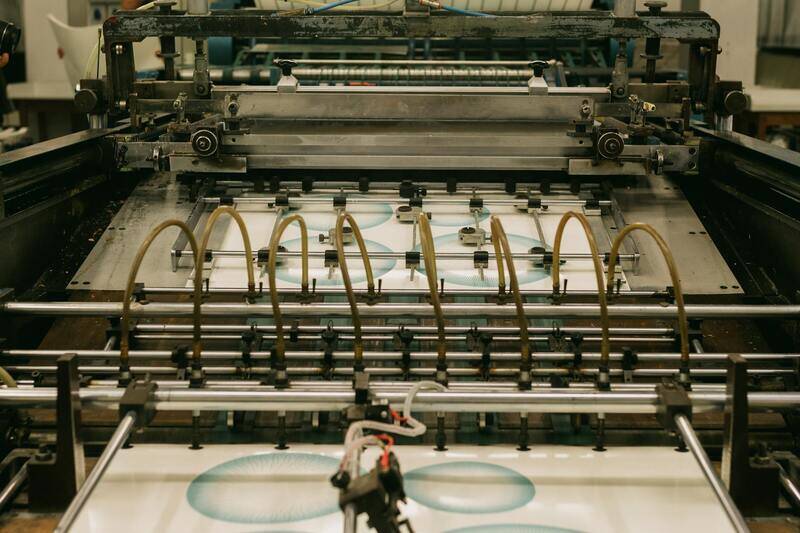
Post-printing procedures significantly enhance the durability, aesthetic appeal, and functionality of full colour printed materials. Processes such as laminating, coating, or varnishing add protective layers that guard against scratches, UV exposure, and wear over time. Embossing, debossing, or foil stamping further elevate visual impact, especially on packaging, promotional products, or high-end displays. Proper finishing not only preserves colour vibrancy but also provides an additional layer of protection, ensuring the printed items maintain their quality in various environmental conditions.
Sustainability and Environmental Considerations
With growing environmental awareness, selecting eco-friendly solvents, biodegradable substrates, and soy-based or vegetable inks is increasingly important. These choices reduce the ecological footprint of full colour printing processes. Many Singapore-based printing companies now prioritize sustainability by adopting green practices, such as waste reduction, recycling waste materials, and choosing energy-efficient equipment. Employing sustainable methods ensures compliance with environmental standards and appeals to clients seeking responsibly produced printed materials, thereby enhancing brand reputation.
Innovative Trends Shaping Full Colour Printing
Technological advancements continue to push the boundaries of what is achievable with full colour printing. Digital inkjet printing allows for rapid prototyping and short runs with vibrant colours and high detail. Additionally, variable data printing opens avenues for personalized marketing materials, enabling each piece to feature unique images or messages without sacrificing colour fidelity. 3D printing, UV printing, and nano-ink technology are also making inroads, offering new textures and effects that elevate the visual and tactile experience of printed products. Keeping abreast of these trends enables businesses to leverage cutting-edge solutions for their branding and promotional needs.
