
Types of Booklet Printing Services in Singapore
Singapore boasts a diverse range of booklet printing services that cater to various business, educational, and personal needs. The selection of the appropriate printing method depends on factors such as budget, intended quality, design complexity, and production volume. Among the most common options are digital printing, offset printing, and specialty finishes, each offering unique advantages suited to different applications.

Digital Booklet Printing
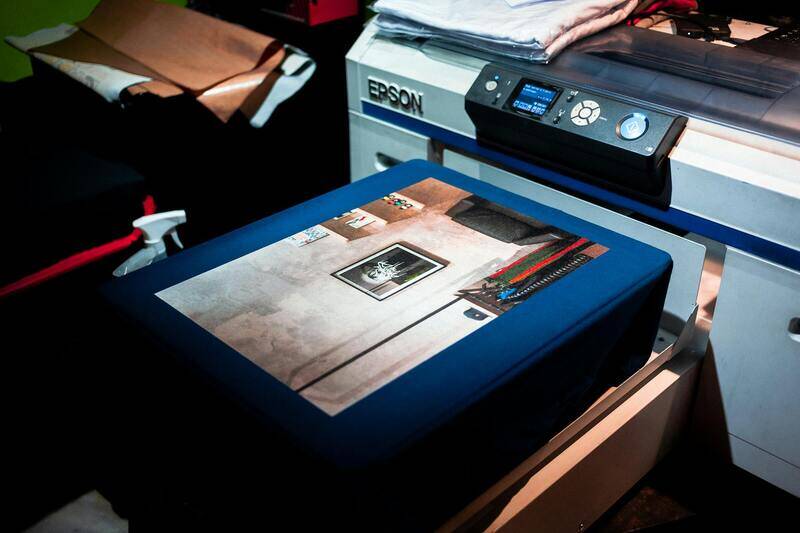
Digital printing is renowned for its quick turnaround times and cost-effectiveness for small to medium print runs. It employs high-quality inkjet or laser technologies, enabling vibrant color reproduction and detailed graphics. Digital booklet printing is especially suitable for customized projects, short promotional runs, or prototypes where flexibility and speed are essential.
Offset Booklet Printing
Offset printing remains a preferred choice for large-scale booklet productions owing to its superior print quality and cost efficiency at high volumes. This method involves transferring ink from plates to rubber blankets before printing onto paper. Offset printing ensures consistent color reproduction and sharp imagery, making it ideal for corporate brochures, catalogs, and high-end publications.
Specialty Finishes and Custom Options
For projects requiring a distinctive appearance, specialty finishes such as gloss, matte, or soft-touch coatings are available. Embossing, foil stamping, and spot UV coating can further enhance the tactile and visual appeal of booklets. These techniques are often used for luxury branding, event programs, or limited edition prints where aesthetic impact is paramount.
Considerations for Choosing a Service
- Project Volume: Low volumes favor digital methods, while offset is more economical for larger runs.
- Quality Requirements: Offset provides sharper images and more precise color matching for high-end needs.
- Budget Constraints: Digital printing generally incurs lower setup costs for small batches.
- Timeline: Digital printing allows faster delivery, which is critical for tight schedules.
Understanding these varied options enables clients to select the most suitable printing technology, ensuring optimal results regardless of project scope.
Design Considerations for Booklets
Creating an impactful booklet requires meticulous attention to several design elements. The layout must facilitate easy navigation, with a clear hierarchy guiding the reader through the content. Consistent margins, spacing, and alignment create a balanced appearance that enhances readability. Proper use of white space prevents the pages from appearing cluttered, ensuring that key messages stand out.
Images and graphics should be chosen for their relevance and quality. High-resolution visuals can significantly elevate the perceived value of a booklet, especially when paired with appropriate color schemes. Fonts selected should align with the branding and be legible across various formats; typically, sans-serif fonts are favored for modern aesthetics, while serif fonts may convey a more traditional or formal tone.
Page count impacts both design and printing considerations. For instance, certain binding methods require the total number of pages to be divisible by specific numbers, influencing layout planning. A well-structured table of contents combined with logical section divisions enhances the reader's experience, guiding them seamlessly through the content.
Paper Types and Finishes
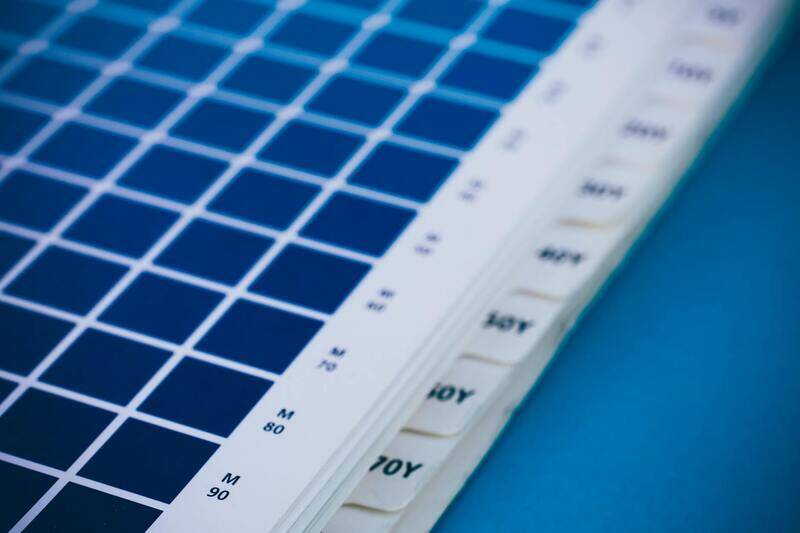
The selection of paper directly influences the tactile and visual quality of your booklet. Common options include gloss, matte, and silk finishes, each offering distinct benefits. Gloss paper enhances vibrancy and sharpness, making images pop, whereas matte provides a sophisticated, non-reflective surface that is easy to read. Silk finish combines attributes of both, producing a smooth, elegant appearance.
For applications demanding a premium feel, specialty finishes such as soft-touch coatings can add an extra layer of luxury. When durability is a priority, thicker, heavyweight paper options are advisable. Recycled and eco-friendly papers are increasingly popular among environmentally-conscious brands, providing sustainable options without compromising on quality.
Finishing techniques further augment the booklet's appeal. Spot UV coating, for example, can highlight specific areas like logos or headings with a glossy accent, creating visual contrast. Embossing or debossing adds tactile dimension, ideal for branding elements that require prominence. Foil stamping offers metallic accents that catch the light, perfect for high-end event programs or corporate awards.
Choosing the Right Printing Quantity
The volume of your booklet project influences both cost and production lead times. Small quantities, often under 100 copies, are best suited for digital printing, which enables quick turnarounds and minimal setup costs. This approach is ideal for testing markets, internal use, or limited editions.
For larger quantities, offset printing offers cost savings per unit, making it attractive for bulk production of catalogs or promotional materials. The initial setup costs are higher, but the economies of scale significantly reduce the cost per booklet as volume increases. It’s essential to analyze projected demand and storage capacity when determining order size, as excess inventory can incur additional expenses.
In certain instances, hybrid printing solutions can offer flexibility—producing a smaller batch digitally, followed by offset printing for subsequent large runs—aligning with budgetary and timeline considerations.
Turnaround Time and Lead Times
Efficient project management hinges on understanding the typical production schedules. Digital printing generally allows turnaround times as short as 24 to 48 hours, making it suitable for urgent needs. Offset printing, requiring more extensive preparation such as plate creation, may take several days to a week, depending on the print shop's capacity and project complexity.
Design approval processes should be factored into the timeline, especially when custom finishes or specialty coatings are involved. Early planning with your chosen printer ensures that deadlines are met without compromising quality. For projects with tight schedules, engaging a printer that offers rapid prototyping or on-demand printing services can be a strategic advantage.
Types of Booklet Printing Services in Singapore
Booklet printing in Singapore encompasses a variety of methods tailored to meet diverse needs, specifications, and budgets. Among the most common types are digital printing, offset printing, and hybrid solutions. Each caters to specific project requirements, offering unique benefits in terms of quality, cost-efficiency, and turnaround times.

Digital Booklet Printing
Digital printing is a versatile and fast method suitable for small to medium runs, especially when customization and quick turnarounds are priorities. This technique involves transferring digital files directly onto printing substrates, eliminating the need for plates. As a result, setup costs are minimal, allowing for lower minimum order quantities and rapid production schedules. Digital booklet printing is ideal for prototypes, promotional materials with personalized content, or limited editions.
Offset Booklet Printing
Offset printing is best suited for large-volume runs, offering superior print quality and cost savings at scale. It involves creating plates for each color, which then transfer ink onto the paper. The initial setup incurs higher costs due to plate creation and calibration, making offset printing more economical for bulk orders such as catalogs, corporate reports, or high-volume marketing materials. The process produces sharp, consistent images and color fidelity, ensuring that every copy meets professional standards.
Hybrid and Custom Solutions
Many printing providers in Singapore offer hybrid options that combine the speed of digital printing with the cost-efficiency of offset. Typically, a small batch is produced digitally for testing or limited distribution, followed by offset printing for the larger quantity. Custom finishing touches, specialty coatings, or unique paper selections can also be integrated into hybrid processes, providing added flexibility for specialized projects.
Image Placeholder

Considerations for Choosing a Service
When selecting a booklet printing service in Singapore, it’s essential to evaluate factors such as project volume, desired quality, turnaround time, and budget. A professional printer can advise on the most suitable method, balancing these variables to achieve the best outcome. For projects with tight deadlines or small runs, digital printing offers speed and flexibility. For large, high-quality batches, offset methods are more economical and produce superior results. Hybrid solutions provide a strategic balance, blending the advantages of both techniques for customized needs.
Types of Booklet Printing Services in Singapore
Singapore's diverse printing industry offers a variety of booklet printing options tailored to different needs, quality standards, and budgets. Digital printing is ideal for small batches, quick turnarounds, and personalized projects, allowing for cost-effective, on-demand production with minimal setup. Offset printing, on the other hand, is preferred for large-volume orders due to its cost efficiency and high-quality output, producing sharp and vibrant images suitable for professional presentations, catalogs, and annual reports. Hybrid printing blends both methods, providing flexibility for projects that require rapid prototyping with the ability to scale efficiently for volume outputs.

Digital Booklet Printing
This service uses electronic files to produce booklets directly from digital presses. It offers quick turnaround times, excellent for short runs, customized printing, or when revisions are frequently needed. Digital printing is also cost-effective for projects with fewer than 1000 copies, providing clear, vibrant images with minimal setup costs.
Offset Booklet Printing
Offset printing employs photochemical plates to transfer ink onto paper. This method excels in producing high-volume print runs while maintaining consistent color quality and sharpness. Offset is suitable for environmentally conscious companies that require a premium finish, numerous copies, and precise color matching for marketing materials, brochures, or corporate literature.
Hybrid Booklet Printing
Hybrid printing services combine the speed and personalization capabilities of digital with the high-volume efficiencies of offset. Small quantity projects can be handled digitally for quick proofing, while larger print runs switch to offset for optimal cost-effectiveness. This flexible approach caters to businesses seeking customized, batch-specific solutions without compromising on quality or speed.
In Singapore, reputable printers utilize advanced equipment and skilled craftsmanship to ensure each booklet’s quality aligns with brand standards and visual expectations. Choosing between these options depends on the specific requirements of each project, including volume, deadline, and budget constraints.

Types of Booklet Printing Services in Singapore
Singapore offers a diverse range of booklet printing options tailored to meet various business needs and artistic preferences. The most common types include digital, offset, and hybrid printing, each suited for different project scales, quality requirements, and turnaround times.
Digital Booklet Printing
Digital printing is renowned for its rapid production capabilities and cost-effectiveness, especially for small batches and customized designs. It employs digitally processed images and designs directly onto the chosen paper, eliminating the need for printing plates. This method is ideal for short runs, quick revisions, or pilot projects where flexibility is paramount. Digital booklets often feature sharp images and vibrant colors, ensuring visual impact without the hefty setup costs associated with offset printing.
Offset Booklet Printing
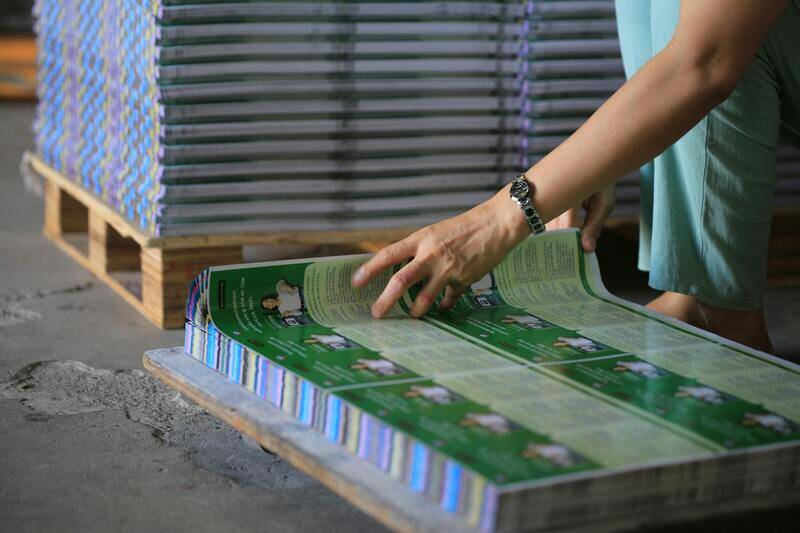
Offset printing involves transferring ink from plates onto rubber blankets before applying it to paper. Known for its ability to produce high-volume print runs, offset offers consistent, sharp, and accurate color reproduction. This method is particularly advantageous for corporate brochures, catalogues, and marketing materials that require uniformity and a premium finish. Offset printers in Singapore utilize advanced machinery to ensure precise color matching and high-resolution results, accommodating larger order quantities efficiently.
Hybrid Booklet Printing
Combining the best of both worlds, hybrid printing services integrate digital and offset techniques to provide flexible solutions for varied project demands. Small, quick-turnaround batches may be handled digitally, allowing for easy customization and efficient proofing processes. Larger quantities are transitioned to offset, offering cost savings and high-quality output. Singapore’s advanced print facilities often employ this integration to accommodate diverse client requirements seamlessly, ensuring timely delivery without compromising on quality.
State-of-the-Art Printing Equipment in Singapore
Leading printing establishments in Singapore are equipped with the latest Heidelberg, Komori, and other top-tier presses, enabling the precise execution of different booklet printing techniques. This technological edge ensures that every project benefits from sharp details, accurate color reproduction, and consistent quality across batches.
Types of Booklet Printing Services in Singapore
Singapore offers a diverse array of booklet printing options tailored to meet various business and individual needs. Among the most common types are digital printing, offset printing, and hybrid printing, each suited to specific project scales, quality expectations, and budget considerations.
Digital Booklet Printing
Digital printing stands out for its quick turnaround times and cost-effectiveness, especially suitable for small batches or projects requiring frequent updates. This method involves directly printing from digital files to the chosen paper, eliminating the need for plates and reducing setup costs. Digital printing maintains high quality with vibrant color reproduction and sharp details, making it ideal for marketing brochures, event programmes, or short-run booklets that need to be produced swiftly and efficiently.
Offset Booklet Printing
Offset printing is renowned for its superior quality and consistency, particularly in high-volume production. This technique utilizes plates to transfer ink onto paper, delivering crisp images and accurate color matching across large quantities. Offset booklet printing is best suited for corporate brochures, academic materials, and catalogs where uniformity and a polished finish are paramount. Modern offset presses in Singapore are equipped with advanced technology, ensuring precision and minimizing waste during the process.
Hybrid Booklet Printing
Combining the flexibility of digital and the quality of offset, hybrid printing services in Singapore enable clients to enjoy cost-effective short runs with the option to scale up to larger quantities. This approach allows for personalized or customized elements, such as variable data printing, while maintaining high-quality production for bulk volumes. Hybrid solutions are a strategic choice for businesses seeking adaptable options without compromising on quality or timing.

Design Considerations for Booklets
Effective booklet design in Singapore requires careful attention to layout, imagery, and typography to communicate the intended message clearly and professionally. The design process should incorporate considerations such as print dimensions, bleed margins, and fold lines to ensure the final product aligns perfectly with the conceptual vision.
- Content Organization: Structuring content logically with clear headings and sections facilitates ease of reading and enhances engagement.
- Visual Hierarchy: Using size, color, and font styles to distinguish primary messages from supplementary information boosts readability.
- Image Selection: High-resolution images that complement the text reinforce brand identity and visual appeal.
- Color Consistency: Choosing a color palette that aligns with branding and ensures consistency throughout the booklet.
Technical Specifications
Designers should also keep in mind technical parameters such as resolution (minimum 300 DPI), color mode (CMYK for print), and safe margins to prevent important content from being cut during trimming. Collaborating with a professional printing service familiar with these standards ensures a smooth transition from design to final product.

Paper Types and Finishes
Choosing the right paper type and finish is crucial to achieving the desired tactile feel and visual impact of your booklet. Singapore’s printing industry provides a broad spectrum of options suited for various aesthetic and functional requirements.
- Uncoated Paper: Known for its matte finish, uncoated paper offers a natural feel, making it suitable for content-heavy booklets, educational materials, and reports where readability is a priority. It also facilitates easier writing if readers need to take notes.
- Glossy Paper: With its shiny surface, glossy paper enhances vivid color reproduction and sharp imagery, ideal for photo-rich brochures and portfolios. It gives a premium look and makes visuals pop.
- Satin or Silk Finish: Combining the qualities of matte and gloss, satin finishes provide a smooth, elegant surface with slight sheen, suitable for sophisticated design projects.
- Textured and Specialty Papers: For a unique tactile experience, textured papers such as linen or embossed finishes can add a distinctive touch, often used in luxury branding or invitations.
Finishing Options
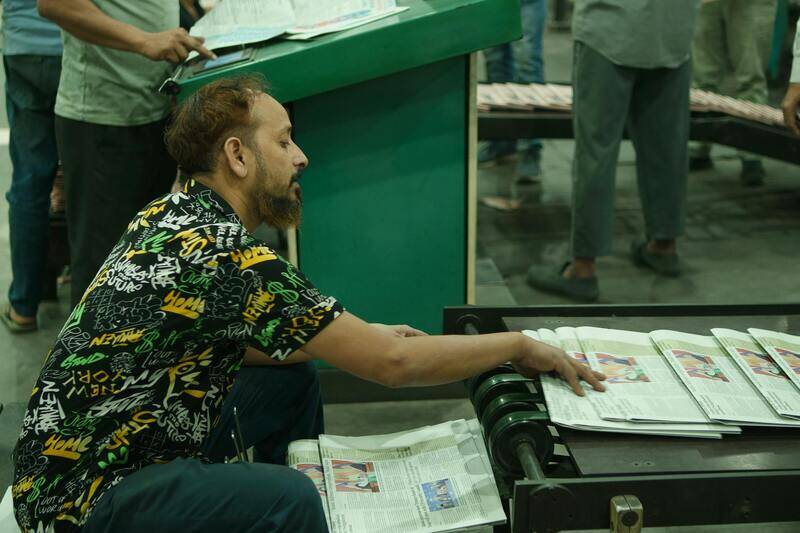
Enhanced finishes such as embossed covers, spot UV coating, foil stamping, and rounded corners elevate the professional appearance of booklets. These options not only improve durability but also enhance visual appeal, making the printed material more memorable.
Choosing the Right Printing Quantity
Determining the appropriate print volume is vital for cost management and inventory control. Small runs are better suited for digital or short-run offset printing, which allows for flexibility and quick revisions. Larger quantities, on the other hand, become economically viable with offset printing, offering lower per-unit costs and consistent quality.
- Short Runs: Typically up to 500 copies, ideal for testing markets, limited campaigns, or personalized projects.
- Medium to Large Runs: Ranges from 500 to 10,000 copies or more, suitable for ongoing marketing efforts or widespread distribution.
- Bulk Printing: For high-volume orders, offset printing provides the best value, especially when uniformity and high-quality output are essential.
Clients should collaborate with their printing provider to balance cost efficiencies with timeline requirements and project scope.
Turnaround Time and Lead Times
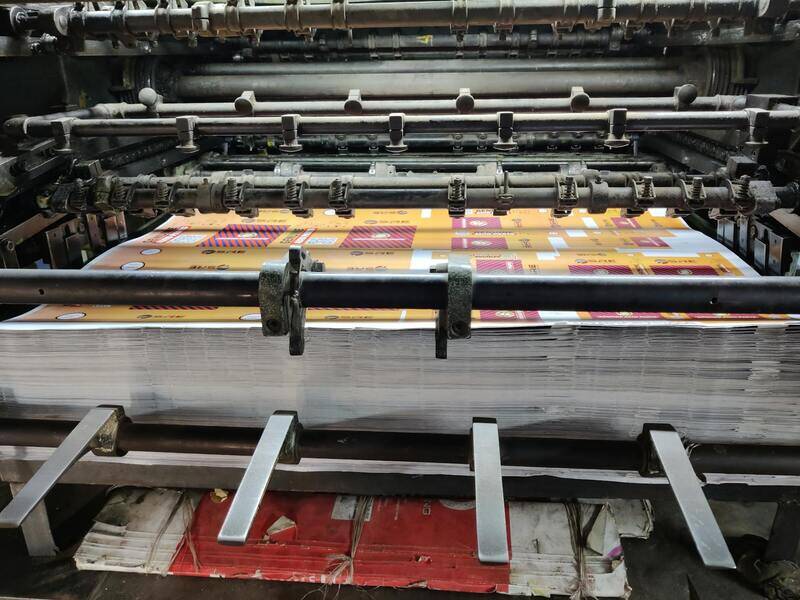
Understanding turnaround times is crucial for planning successful print projects. Singapore’s modern print facilities use advanced machinery capable of supporting quick production cycles, especially for digital and hybrid processes. Typical lead times vary depending on the complexity and volume of the order.
- Standard Turnaround: Usually ranges from 3 to 7 business days, allowing sufficient time for design preparation, pre-press checks, and printing.
- Rush Services: Many printers offer expedited options for urgent needs, often delivering within 24 to 48 hours with additional charges.
- Complex or Large-Scale Projects: Longer lead times might be necessary for detailed finishing, custom coatings, or large volume productions, often extending to 2 weeks or more.
Types of Booklet Printing Services in Singapore
Singapore offers a diverse range of booklet printing services tailored to different needs and budgets. Digital printing is popular for short runs and quick turnaround times, ideal for small-scale marketing materials or event programs. Offset printing, on the other hand, is suited for larger quantities, delivering high quality with consistent color reproduction and sharp images. Hybrid printing combines digital and offset techniques to provide flexibility for medium-sized projects, allowing for cost-effective production without sacrificing quality.
Specialized finishes such as lamination, embossing, or foil stamping can be incorporated to enhance the visual appeal and tactile experience of your booklets. Moreover, some printers provide eco-friendly options, utilizing soy-based inks and recycled paper, catering to environmentally conscious clients. Whether you require basic black-and-white booklets or vibrant, full-color brochures, reputable printers in Singapore employ state-of-the-art technology to meet various specifications.

Design Considerations for Booklets
Effective design is crucial in ensuring your booklet communicates its message clearly and professionally. It’s important to focus on layout, typography, and imagery to create a cohesive visual flow. Consistency in font choices and color schemes enhances readability and brand recognition. When designing for print, resolution and quality of images should be prioritized to avoid pixelation or blurriness.
Layout considerations include appropriate margins, gutters, and columns to ensure ease of reading and aesthetic balance. Incorporating call-to-action elements strategically can boost engagement and responses from your target audience. Many printing companies offer design assistance or can connect you with professional designers, ensuring that your vision translates effectively into a print-ready format.
Paper Types and Finishes
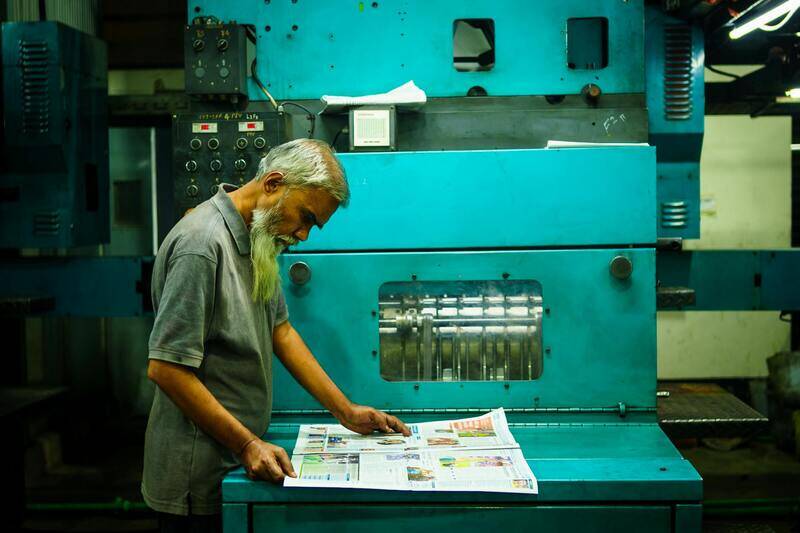
Choosing the right paper type significantly affects the durability, appearance, and overall impression of your booklet. Common options include gloss, matte, and satin finishes. Gloss paper enhances vibrancy and sharpness, making colors pop, suitable for image-heavy content. Matte finishes offer a softer, glare-free appearance ideal for text-heavy or minimalist designs, providing a sophisticated look.
Special finishes like velvet lamination, soft-touch coatings, or UV coatings can add tactile appeal and protection against wear and tear. For environmentally conscious projects, recycled or bamboo paper options are widely available, aligning your printed material with sustainable practices. Detailing your selection of paper and finish during the planning stage helps optimize both aesthetic and functional outcomes.

Choosing the Right Printing Quantity
Determining the appropriate number of copies is a key step in booklet production. Small quantities, typically under 500 copies, are best suited for digital printing, providing quick turnaround times and flexibility for modifications. Medium runs from 500 to 10,000 copies often utilize offset printing, balancing cost efficiency with quality and volume requirements.
For large-scale distributions like corporate campaigns or extensive marketing efforts, bulk quantities benefit from offset processes that reduce per-unit costs while ensuring consistency. Adjusting your order volume according to your distribution plan, budget, and timeline helps maintain control over project costs and delivery schedules. Collaborating closely with your printer can aid in making informed decisions to prevent overproduction or underinvestment.

Turnaround Time and Lead Times
Timely delivery remains critical for the success of booklet projects, especially when tied to campaigns, events, or product launches. Modern printing facilities in Singapore leverage advanced digital and offset machinery to facilitate quick production cycles. Standard turnaround times typically range from 3 to 7 business days, covering proofing, pre-press, and printing stages.
For urgent needs, many printers provide express services with turnaround times as short as 24 to 48 hours, often at an additional cost. Larger or more complex projects, such as those requiring special finishes, custom bindings, or large volumes, may necessitate longer lead times. Proactive planning and clear communication with your chosen printer are essential to meet deadlines and ensure quality standards are maintained throughout the process.

Types of Booklet Printing Services in Singapore
Singapore offers a diverse range of booklet printing solutions tailored to various needs, from small business marketing materials to large corporate presentations. Offset printing remains popular for bulk orders due to its cost-effectiveness and high quality, producing sharp images and consistent colors over large quantities. Digital printing, on the other hand, is ideal for short runs or projects requiring quick turnaround times, offering flexibility and lower setup costs.
Specialized services such as saddle stitch binding are commonly employed for booklets, magazines, and catalogs, providing a clean, professional appearance. For more intricate designs or premium finishes, some printers offer specialty binding options like perfect binding or spiral binding, adding durability and aesthetic appeal. Additionally, digital enhancement technologies enable the inclusion of variable data printing, which is useful for personalized marketing materials or customized content within each booklet.
Design Considerations for Booklets
Effective booklet design plays a crucial role in engaging the target audience and conveying the intended message. Designers should consider readability, visual hierarchy, and the overall flow of content. Using high-resolution images and adhering to the printer’s specifications for margin and bleed ensures sharp output and professional finishing.
Colour schemes and font selection are vital to maintain brand consistency and enhance visual appeal. When planning the layout, it is essential to keep in mind the binding method, as it influences the page margins and the overall design structure. Collaboration with professional graphic designers can help optimize design elements for print readiness, ensuring that the final product aligns with your branding and communication goals.
Paper Types and Finishes
The choice of paper significantly impacts the tactile quality and durability of the booklet. Standard options include matte, gloss, and satin finishes, each offering distinct visual effects. For a premium feel, heavyweight papers such as 150gsm or 200gsm are popular, providing sturdiness and an upscale appearance.
Finishing touches like lamination or varnishing can enhance the cover's resistance to wear and tear, while foil stamping or embossing adds distinguished embellishments for special editions. Some printers also offer recycled or environmentally friendly paper options, supporting sustainable practices without compromising quality.
Choosing the Right Printing Quantity
Selecting an appropriate printing volume requires balancing cost efficiency with your distribution needs. For small-scale projects, digital printing allows for economical short runs with quick turnaround times, making it suitable for testing markets or limited editions. Offset printing becomes more advantageous with larger quantities, as it reduces the per-unit cost and maintains consistency across copies.
Forecasting demand and considering storage capabilities help in planning optimal order quantities. Additionally, some printers provide pricing incentives for bulk orders, which can significantly reduce overall expenses. Careful planning ensures the final output meets your promotional objectives while adhering to your budget constraints.
Turnaround Time and Lead Times
Efficient production schedules are vital to meet project deadlines, especially for time-sensitive campaigns or product launches. Advanced digital and offset technologies in Singapore enable swift processing—from proof approval to final delivery—with typical turnaround times ranging between 3 to 7 business days. For urgent requirements, express printing services are available, capable of delivering within 24 to 48 hours at an additional fee.
Complex projects involving special finishes, large volumes, or custom bindings might require longer lead times. Proper planning, early engagement with the printer, and clear communication streamline the process, helping to mitigate delays and ensure the finished product aligns with your schedule. Building in buffer periods is recommended to accommodate unforeseen adjustments and quality checks.
Cost Factors in Booklet Printing
Budgeting for booklet printing involves understanding various cost components, including paper selection, binding type, finishing details, and volume. Offset printing tends to be more economical per unit at higher quantities, whereas digital printing offers affordability for small runs. Finishing options like lamination, foil stamping, or special coatings naturally increase production costs but add value and durability.
Work with your printer to explore package deals or bulk discounts that fit your financial plan. Transparent communication about your requirements ensures accurate quotes and helps prevent unexpected expenses. Quality should always be prioritized to deliver a product that reflects professionalism and effectively communicates your message.
Selecting a Reliable Printer in Singapore
Choosing a reputable printing partner involves evaluating their portfolio, technological capabilities, and customer feedback. A reliable printer should provide detailed consultations, sample proofs, and flexible service options to accommodate your specific needs. Proven track records in delivering consistent quality on time and within budget are essential indicators of credibility.
Additionally, a printer's commitment to eco-friendly practices and adherence to industry standards enhances your project’s sustainability credentials. Engaging with experienced professionals ensures seamless project execution, from pre-press adjustments to final delivery, guaranteeing that your booklet reflects your brand's values and goals.
