
Understanding Color Booklet Printing
Color booklet printing is a specialized publishing process that involves the creation of multi-page documents with vibrant, full-color images and text. This printing method is widely used across various sectors, including marketing, education, corporate communications, and event planning. Its primary purpose is to effectively convey detailed information or promotional messages in a visually appealing manner that captures the attention of the target audience. By utilizing a range of full-color printing techniques, organizations can produce highly engaging materials such as product catalogs, training manuals, event programs, and promotional brochures.
In the commercial landscape, color booklet printing serves as an essential tool for branding and advertising. Companies leverage this printing method to showcase their products and services through high-resolution imagery and compelling graphics, which help resonate with consumers. Educational institutions benefit from color booklets during orientations, workshops, and seminars, providing detailed information in an accessible visual format that enhances understanding and retention. Similarly, event organizers rely on color booklets for programs, souvenirs, and informational handouts that enrich the attendee experience.

When planning for color booklet printing, understanding its core functionalities and applications is vital for achieving desired results. This process involves high-quality printing techniques capable of reproducing accurate colors and sharp images across multiple pages. Furthermore, it requires a careful selection of materials that enhance durability and visual appeal. Whether for a simple marketing brochure or a comprehensive company manual, proper implementation of color booklet printing ensures the final product is professional, eye-catching, and effective in delivering its message.
As with any printed material, the success of a color booklet hinges on strategic design, quality production, and thoughtful material choice. Knowing the common uses and benefits of color booklet printing can significantly influence the overall impact and return on investment for businesses and organizations alike.
Understanding Color Booklet Printing
When selecting a color booklet printing solution, it is essential to comprehend the array of professional methods available that ensure vibrant and precise color reproduction. The primary printing techniques often utilized include offset printing, digital printing, and hybrid solutions, each suited to different project scales and quality demands. Offset printing remains the go-to for large-volume orders, offering high color accuracy, sharp image detail, and cost efficiency per unit when printing in bulk. Digital printing, on the other hand, provides flexibility for smaller runs, quick turnaround times, and the ability to easily incorporate variable data or personalizations, making it ideal for targeted marketing campaigns or customized informational booklets.
Another important aspect of color booklet printing revolves around the consistency and management of color fidelity throughout the production process. Experts employ color calibration tools and workflows such as Pantone matching or ICC profiling to guarantee that the printed output aligns with the original design intent. This involves detailed proofing steps, where test prints are scrutinized to ensure accurate color reproduction prior to mass production. Emphasizing professional quality control measures throughout the printing process helps prevent issues like color shifts or inconsistencies, ultimately delivering a product that aligns with branding standards and visual expectations.

Moreover, advanced finishing techniques such as varnishing, coatings, or lamination can significantly enhance the visual appeal and durability of color booklets. These treatments not only protect against smudging, moisture, and wear but also add an extra layer of richness to colors, making the printed images pop and the layout more striking. When choosing the best method for your project, it is vital to collaborate with experienced printing professionals who can recommend suitable techniques based on the desired quality, budget, and intended use of the booklet.
Considerations for Ensuring Optimal Results
- Prepress Preparation: Proper color profiles and proofing stages are necessary to avoid surprises during production. Ensuring your digital files are correctly formatted, color-correct, and resolution-optimized is crucial for achieving professional results.
- Material Selection: Selecting the right paper stock impacts both the visual quality and durability of your booklet. Glossy finishes enhance vibrancy, while matte papers reduce glare and create a more subdued, elegant look. Thicker paper options improve the tactile experience and serve as better supports for detailed graphics.
- Environmental Considerations: Opting for eco-friendly inks and recyclable materials aligns your project with sustainable practices, appealing to environmentally conscious audiences and reducing ecological impact.
Legitimate printing services in Singapore uphold strict standards for quality control and utilize advanced technology to meet these rigorous expectations. Partnering with reputable printers ensures that your color booklets are produced with consistency, precision, and an acute attention to detail. These professionals also provide guidance on file preparation, material choices, and finishing options, helping you avoid costly mistakes and secure the best possible output for your investment.
Final Thoughts on Professional Methods
Opting for official printing channels that leverage cutting-edge technology and adhere to strict quality management protocols guarantees a finished product that captivates and communicates effectively. From the initial design concept to the final delivery, engaging with experienced printers ensures your color booklets meet high standards of excellence, resonate with your target audience, and enhance your brand presence in competitive markets.
Understanding Color Booklet Printing
Color booklet printing is a meticulous process that requires precise execution and high-quality standards to ensure the final product effectively communicates your message and appeals visually. Utilizing professional printing services with reputable credentials guarantees that every aspect, from color accuracy to material durability, aligns with your expectations. In Singapore, legitimate printing providers employ advanced technology, including high-definition presses and color management systems, to produce vibrant, consistent colors across large volumes. These facilities adhere to strict quality control protocols, ensuring each booklet maintains the same high standards from the first to the last copy.
The choice of printing technology plays a critical role in the finished product. Offset printing remains the preferred method for bulk production, delivering exceptional color fidelity and print quality at a competitive cost for larger quantities. Conversely, digital printing offers flexibility for smaller runs, allowing quick turnaround times and easy customization without sacrificing quality. Both methods benefit from professional file preparation and color calibration, emphasizing the importance of working with experienced printing partners who understand the nuances involved in color reproduction and finishing techniques.

Maintaining Color Accuracy and Consistency
Achieving precise color matching across multiple copies is fundamental in professional color booklet printing. Reputable printers utilize calibrated devices and standardized color profiles to minimize discrepancies. They often employ tools such as spectrophotometers and color management systems to ensure that the colors in your digital design translate accurately onto the printed material. This meticulous attention to detail is crucial for marketing materials, product catalogs, or any publication where brand colors must remain consistent.
Besides equipment, expert pre-press procedures play a vital role. This includes converting your files into appropriate color spaces—usually CMYK—and checking for issues such as color bleed, resolution, and image placement. Consistent communication with your printer, along with color proofs for approval, is recommended to address any potential variances before the full print run begins.

Finishing Techniques and Protective Coatings
The finishing stage of booklet printing significantly impacts both the aesthetic appeal and durability of your product. Options such as lamination—glossy or matte—provide a protective layer that enhances color vibrancy and shields against environmental damage. Spot UV coating can be used selectively to highlight specific design elements, adding a tactile dimension to your booklet.
Additionally, varnishes and coatings contribute to moisture resistance and scratch protection. For booklets intended for frequent handling, selecting thicker cover stocks combined with protective finishes ensures longevity. Professional printers also provide creasing, folding, and binding options that complement your design, resulting in a polished, professional appearance.
By choosing legitimate printing providers with advanced finishing capabilities, you secure a product that is not only visually compelling but also resilient enough to withstand the rigors of distribution and use. These added layers of protection and refinement underscore the importance of engaging reputable experts for high-quality color booklet production.

Choosing the Right Materials and Paper for Color Booklets
Optimal selection of materials and paper stock is fundamental to achieving vivid, durable, and professional-looking color booklets. The choice of paper influences not only visual quality but also the tactile experience and longevity of the printed material. For vibrant color reproduction, glossy and semi-gloss finishes are popular options, as they enhance the richness and clarity of printed images and graphics. Matte finishes, on the other hand, provide a sophisticated, understated look that reduces glare, making text and detailed images easier to read in various lighting conditions.
When selecting paper types, weight plays a significant role. Heavier stocks, such as 120gsm to 170gsm for covers, offer sturdiness and a premium feel. Lighter inner pages, typically ranging from 80gsm to 100gsm, balance flexibility with print quality. Specialty papers, including textured or uncoated options, can add a distinctive tactile appeal, aligning with the branding message or design style of the booklet.
Additionally, coatings and finishes should be considered to extend durability. UV coatings or aqueous coatings can protect against scratches and moisture, ensuring that colors remain vibrant over time. Some projects benefit from specialized materials like recycled paper, which underscores environmental responsibility while maintaining print quality. Consulting with professional printers can help determine the best combination of paper and finishing options that suit your specific project requirements and budget.
In summary, careful selection of quality materials and compatible finishes ensures your color booklet will be visually striking and resilient through handling, distribution, and storage. This foundational step in the printing process directly impacts the overall perception and professionalism of the final product.
Understanding Color Booklet Printing
Color booklet printing demands specialized techniques to produce vibrant, accurate, and consistent color output across all pages. Achieving high-quality visual appeal involves carefully managing every stage of the process, from digital file preparation to the final press run. Precise color calibration ensures that the intended hues are accurately rendered, preserving the integrity of images and graphic elements. Standard CMYK color profiles are typically used to simulate the full spectrum of colors during printing, but advanced color management systems can extend this range for more vivid results.

During the pre-press phase, proofing plays a crucial role. Hard proofs, which are physical copies of your booklet before the final print, allow you to judge color accuracy and overall quality. Digital proofs can also be used for quick reviews, though they may not perfectly match the final output due to monitor calibration differences. Consistent quality control involves regular calibration of printing equipment, adherence to standardized color profiles, and systematic checks throughout the print run to detect and correct deviations.
High-end color booklet printing utilizes sophisticated lithographic or digital printing technologies that support a wide color gamut, ensuring that intricate images and subtle color gradations are accurately reproduced. These methods also enable high resolution, sharp lines, and smooth color transitions. The selection of ink types, such as UV or aqueous coatings, further influences the vibrancy and durability of the colors, providing options for additional protection and aesthetic enhancement.
Press Checks and Final Quality Assurance
Prior to completing the entire print run, on-site press checks allow for direct inspection and adjustments. This step guarantees that color consistency, registration, and overall print quality meet the specified standards. Post-printing inspection should include thorough reviews of color fidelity, print finishing, and binding quality. Any imperfections or inconsistencies can be addressed early, minimizing waste and ensuring that the finished booklet aligns with your intended design and quality expectations.

In addition to color accuracy, other quality indicators include page alignment, binding integrity, and smoothness of coatings or finishes. High-quality finishing techniques such as UV coating, lamination, or matte varnishes not only enhance the protective layer but also contribute to the overall visual richness. Regular communication with your printing provider ensures that any concerns are promptly addressed, leading to a polished, professional final product.
Investing in meticulous quality management and clear specifications promotes a superior color booklet printing outcome, helping your project stand out with crisp visuals and enduring appeal. Professional printers employ state-of-the-art equipment and comprehensive quality assurance processes to deliver consistent, vibrant results that meet your expectations, whether for corporate branding, marketing campaigns, or informational materials.
Understanding Color Booklet Printing
Color booklet printing involves a complex interplay of design, materials, and technical execution to produce high-quality, visually appealing publications. This process requires attention to detail at every stage, from initial concept to final finishing, ensuring that vibrant colors and crisp images are accurately rendered on each page. Advanced printing technologies, such as offset and digital printing, are employed to achieve optimum color fidelity, consistency, and sharpness, particularly for large quantities or highly detailed artwork. Proper color management protocols are essential to maintain color integrity throughout the production process, encompassing pre-press adjustments, calibration of printing equipment, and on-press color checks.

Achieving remarkable color vibrancy and consistency demands rigorous quality assurance measures, including precise registration, uniform drying, and controlled color profiles. These measures help prevent common issues such as color bleeding, misregistration, or dull hues, thereby ensuring the finished product accurately reflects the original design intentions. Professional color booklet printing also involves understanding the intricacies of different inks, coatings, and substrates, which collectively influence the final appearance and durability of the booklet.
For projects requiring intricate artwork or corporate branding, specialized color matching techniques like Pantone color systems and custom color profiles are often utilized. These methods provide a standardized framework for reproducing specific shades across different print runs, essential for maintaining brand consistency. Additionally, a comprehensive pre-press preparation stage, including proofing and sample runs, offers opportunities to verify colors and quality before committing to full-scale production. This proactive approach minimizes errors and ensures that the printed booklet meets the desired aesthetic and quality standards.
Incorporating environmental considerations into color booklet printing involves selecting eco-friendly inks and recyclable materials, along with adopting sustainable practices in paper sourcing and waste management. These measures not only align with corporate responsibility goals but also appeal to environmentally conscious audiences. It's vital to work with a printing partner that employs responsible practices, utilizes certified materials, and adheres to industry standards for environmental management.
Ultimately, the goal of color booklet printing is to produce a visually compelling, durable, and cost-effective product that effectively communicates your message. Whether for marketing, educational, or informational purposes, investing in professional color printing services ensures your booklet will stand out with vibrant images, consistent color reproduction, and superior finish quality. Regular communication with your printing provider, clarity on color expectations, and thorough pre-press preparations are key elements in achieving an outstanding final product.
Size, Format, and Binding Options
Choosing the appropriate size and format for your color booklet directly influences its visual appeal, usability, and overall impact. Common sizes include A4, A5, and square formats, each offering distinct advantages depending on your content and target audience. A4 booklets, for instance, are ideal for comprehensive catalogs or detailed guides, whereas A5 formats lend themselves to portable pamphlets and handouts.
The format also extends to the layout design, encompassing single-fold, bi-fold, or multi-page saddle stitched spreads. These options provide varying degrees of complexity and aesthetics, allowing you to tailor your booklet to match your branding and organizational goals.

Binding methods significantly affect both the durability and presentation of your color booklet. Common options include saddle stitching, perfect binding, spiral binding, and wire-o binding. Saddle stitching, often utilized for thinner booklets, involves stapling along the spine, offering a sleek, professional look. Perfect binding, suitable for thicker publications, uses adhesive to secure the pages, resulting in a more polished and durable product.
Spiral and wire-o bindings increase flexibility and lay-flat capability, making these ideal for manuals, cookbooks, or catalogs that require frequent handling. Each binding type has its unique advantages, and selecting the right one depends on your content’s length, use-case, and desired aesthetic.
Customization and Special Features
- Embossing or Debossing: Adding tactile elements to cover pages enhances visual interest and perceived quality.
- Spot UV Coating: Creates shiny highlights on specific areas, making images or text stand out.
- Rounded Corners: Softens the edges, providing a modern, refined appearance.
- Inner Inserts or Pockets: Incorporate additional materials, samples, or promotional items seamlessly within the booklet.
Work closely with your printing provider to explore these options. Proper planning ensures that your chosen size, format, and binding style align with your branding objectives and functional needs, resulting in a captivating, durable, and professional color booklet that effectively engages your audience.
Legal and Compliance Considerations in Color Booklet Printing
When producing color booklets, adherence to permitted methods and standards is paramount to ensure the final product meets industry expectations and regulatory guidelines. Reputable printing companies in Singapore employ established procedures that guarantee the quality, safety, and consistency of printed materials, aligning with recognized industry practices.
One core aspect of legitimate printing involves the use of authentic inks and dyes approved for commercial use. These inks are manufactured to meet safety standards, reduce environmental impact, and achieve vibrant, long-lasting colors. Employing certified inks ensures that printed materials are safe for all consumers and comply with local environmental regulations.

Furthermore, legitimate printing facilities utilize modern, compliant printing presses and technology that adhere to strict operational protocols. These include regular calibration of equipment to maintain color accuracy and consistency across batches. Such practices help guarantee that the colors in your booklet are reproduced faithfully, maintaining brand integrity and visual appeal.
Material selection is also governed by compliance standards. Printing on approved paper stocks not only enhances the aesthetic value but also aligns with sustainability and recyclability guidelines. Reputable printers often source eco-friendly, FSC-certified papers that meet environmental and safety benchmarks, further solidifying their legitimacy and commitment to responsible practices.
Transparency in the printing process is a hallmark of trustworthy providers. Reputable companies provide detailed specifications and documentation concerning the inks, papers, and finishing processes used. This transparency allows clients to verify that all materials and methods conform to established standards, providing peace of mind that their products are produced through legitimate, ethical methods.
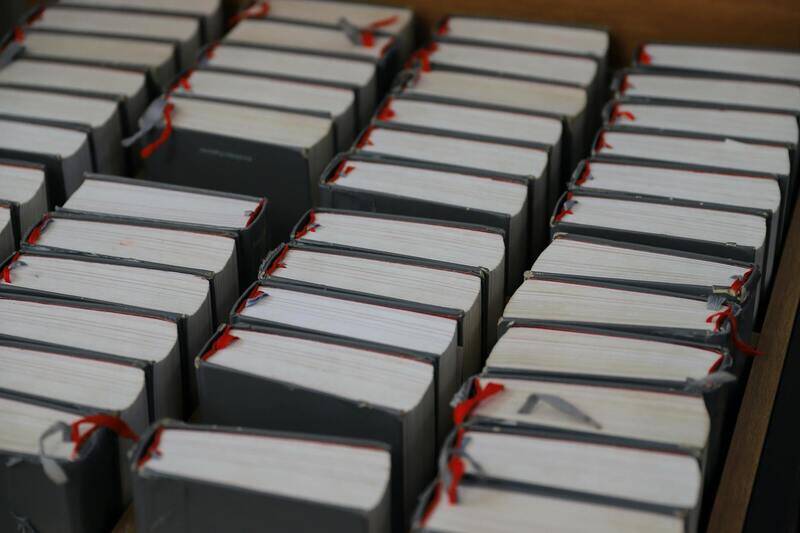
Compliance also extends to quantity consistency and quality control. Legitimate printing firms implement rigorous inspection protocols at each stage—from pre-press preparations to final output—to detect deviations in color fidelity, paper defects, or binding quality. This ongoing quality assurance process guarantees the production of high-standard color booklets that fulfill contractual and regulatory expectations.
Engaging with certified printing providers involves verifying their accreditation and certifications. Many established companies obtain industry certifications such as ISO standards for quality management and environmental sustainability. These credentials not only validate their legitimacy but also demonstrate their commitment to maintaining high operational standards in color booklet printing.
In summary, the use of approved inks, proper equipment, compliant materials, and adherence to quality control protocols ensures that your color booklet printing project remains within legitimate parameters. Working with reputable providers guarantees that your printed materials are safe, compliant, and of the highest quality, providing confidence in the authenticity and professionalism of your marketing or informational collateral.
