Understanding Booklet Printing
Booklet printing is a versatile and effective method for presenting information in a compact, organized, and visually appealing format. It involves the creation of printed materials that are folded and bound to form a small book or pamphlet, commonly used for marketing campaigns, product catalogs, event programs, instructional guides, and corporate reports. The process enables businesses, educational institutions, and organizations to communicate their message efficiently while maintaining a professional appearance.
At its core, booklet printing combines graphic design with precise printing techniques to produce content that is both informative and engaging. This method can incorporate diverse design elements such as high-quality images, detailed diagrams, and compelling typography. Its multifunctionality makes it an invaluable tool across many industries — from retail to education, healthcare to hospitality. By leveraging booklet printing, companies can effectively showcase their offerings, educate their audience, and foster brand recognition.

One of the primary advantages of booklet printing is its ability to condense a large amount of information into a manageable and accessible format. This method facilitates storytelling, step-by-step instructions, and detailed product descriptions while remaining visually appealing. Consequently, it enhances user engagement and comprehension, which is vital for promotional materials and instructional content alike.

Choosing the appropriate printing method and materials is crucial to achieving the desired quality and durability. When correctly executed, booklet printing not only improves the aesthetics but also reinforces the credibility of the message being conveyed. As a result, it remains a preferred choice for businesses aiming to leave a lasting impression and communicate their brand story through tangible, professionally crafted printed materials.
Different Binding Options for Booklets
Choosing the appropriate binding method is vital to enhance the durability, functionality, and overall presentation of a booklet. Several binding techniques are commonly employed in professional booklet printing, each suited to specific needs and purposes.
- Saddle Stitch Binding: This is one of the most prevalent binding methods for booklets. It involves stapling sheets together along the fold line, creating a clean, sleek finish. Saddle stitching is ideal for smaller booklets with a limited page count, typically up to 64 pages. It offers cost-effectiveness and quick production times but may be less suitable for heavier or thicker booklets.
- Perfect Binding: This method involves gluing the pages together at the spine with a strong adhesive and affixing a cover over the spine. Perfect binding provides a professional appearance similar to that of paperback books and is suitable for larger booklets exceeding 64 pages. It ensures a durable, high-quality finish but may incur higher costs and longer turnaround times.
- Spiral Binding: Using plastic or metal coils, spiral binding creates a laid-flat, easy-to-read format. This method is often chosen for manuals, catalogs, and instructional booklets that require frequent handling. Spiral binding offers flexibility in thickness and is highly durable, though it can be less aesthetically formal.
- Wire-O Binding: Similar to spiral binding but with double loops, Wire-O provides a more polished look. It allows the booklet to lay flat or be folded back completely, making it suitable for presentation materials and reports where ease of reference is important.
- Comb Binding: Featuring plastic combs inserted through punched holes, this option is commonly used for workbooks and presentations. It offers easy page addition or removal but provides a more casual appearance compared to other methods.
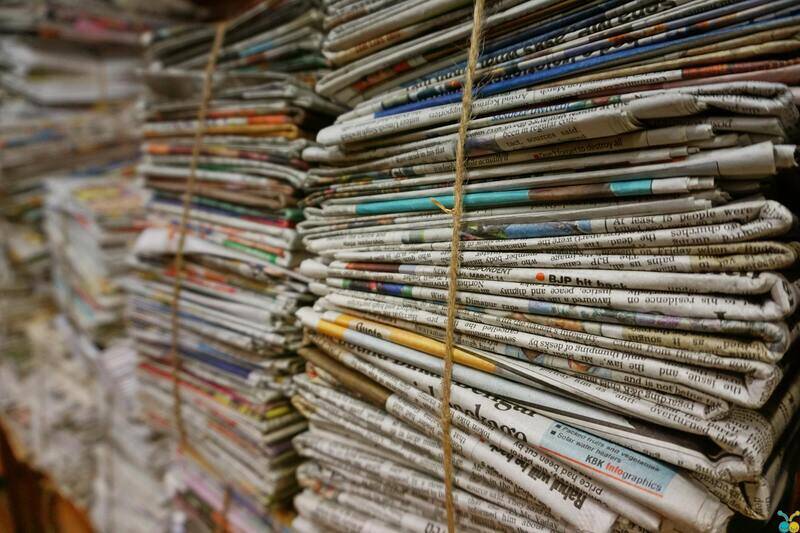
Selection of a binding method should consider the purpose of the booklet, its expected handling frequency, and the desired visual impact. Combining binding techniques with suitable materials and high-quality finishing touches ensures that the final product not only looks attractive but also maintains its integrity over time.
Understanding Booklet Printing
Booklet printing is a strategic and professional process that involves the assembly, binding, and finishing of printed materials into a compact, easy-to-handle format. The objective is to produce a visually appealing and durable product that effectively communicates the intended message, making it a popular choice for marketing materials, event programs, educational resources, and corporate communications. A well-executed booklet combines high-quality content presentation with engaging design, ensuring that recipients find the material both attractive and accessible. The process involves careful planning from initial design and layout to selecting appropriate materials and binding methods, all contributing to the final product's overall quality and functionality. Properly managed, booklet printing can serve as a powerful tool for branding, information dissemination, and audience engagement across diverse sectors.
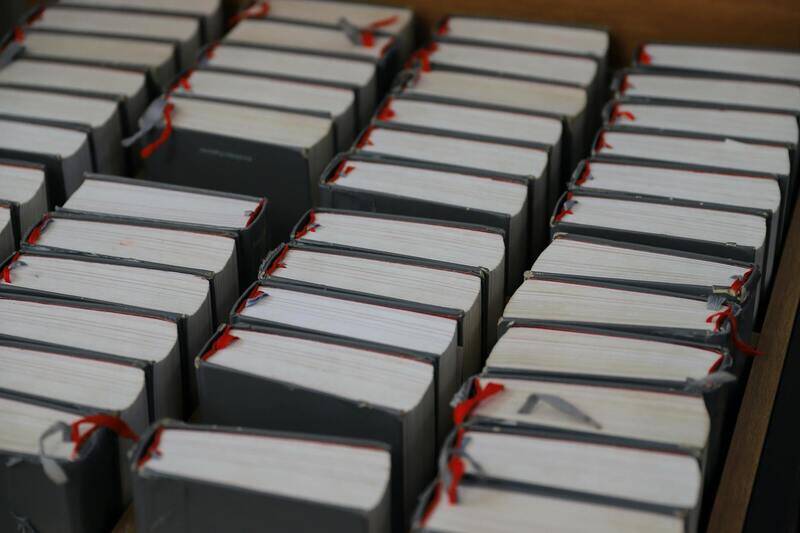
Key Components of Booklet Printing
- Design Layout: The foundation of an eye-catching booklet, including cover design, page organization, typography, and graphics.
- Material Selection: The choice of paper, cover stock, and finishes that influence the texture, weight, and visual appeal of the final product.
- Printing Technique: The method used to reproduce the content onto paper, affecting clarity, color vibrancy, and overall quality.
- Binding Method: The way pages are assembled and secured together, which impacts durability and aesthetics.
- Finishing Touches: Aspects such as lamination, coating, or foil stamping that enhance protection and presentation.
The Importance of Professional Booklet Printing
Utilizing professional booklet printing services ensures that each element, from color accuracy to binding, aligns with high standards. It allows for precision in color matching, consistent print quality, and reliable finishing techniques that are often not achievable with DIY approaches. Skilled printers employ advanced equipment capable of handling a variety of materials and formats, ensuring crisp text, vibrant images, and durable bindings. Additionally, professional services often provide consultation to optimize design and material choices, tailoring the final product to specific business or project needs. This level of expertise guarantees a polished output that enhances brand reputation, fosters trust, and leaves a lasting impression on recipients.
Optimizing Binding Choices for Longevity and Appeal
When selecting a binding method for booklet printing, it’s important to evaluate how each option aligns with the purpose and expected lifespan of the finished product. Professional printing services in Singapore typically offer a range of binding methods, each suited to different types of booklets, whether they’re promotional materials, annual reports, or event programs.
- Ideal for smaller booklets up to around 80 pages, saddle stitching involves stapling the pages through the fold. This method offers a clean, streamlined appearance and cost efficiency, making it suitable for brochures, catalogs, and simple manuals.
- Commonly used for thicker booklets, perfect binding involves gluing the pages along the spine and attaching a soft cover. It creates a professional look with a spine that allows for labeling or printing, perfect for longer reports, catalogs, or training booklets.
- Used for high-end, durable booklets, case binding involves sewing the pages into signatures and attaching a sturdy cover. This method provides maximum durability, making it suitable for annual reports, corporate portfolios, or collections meant to last over time.
- These options facilitate ease of use, allowing the booklet to lay flat when opened. They’re often chosen for presentations, workbooks, or manuals that require frequent handling or note-taking.
Considering the expected use, environmental conditions, and aesthetic preferences will guide the selection of an appropriate binding method. Professional printers can advise on the best options that balance cost, durability, and visual impact, ensuring your booklet remains an effective communication tool.
Beyond the choice of binding, finishing techniques such as soft touch lamination, matte or gloss coating, foil stamping, or embossing can further elevate the visual appeal and tactile experience of your booklet. These enhancements not only protect the printed surface but also add a professional touch that distinguishes your materials.
Binding Options for Booklets
Choosing the appropriate binding method is essential to ensure that a booklet not only looks professional but also functions reliably throughout its intended use. Different binding techniques offer varying levels of durability, aesthetic appeal, and cost-efficiency, making it important to select the one that aligns with your project's requirements.
Saddle Stitching
Saddle stitching is among the most common methods used for smaller booklets, typically those with a limited number of pages. This technique involves folding sheets of paper and stapling them along the spine. It offers a sleek, minimalistic look and is highly cost-effective, making it ideal for brochures, event programs, and newsletters. While saddle stitching provides sufficient stability for light to moderate use, its suitability diminishes as the booklet's thickness increases, due to possible trampling or cracking over time.
Perfect Binding
Perfect binding is often associated with professional-looking publications, such as annual reports or catalogs. This method involves applying adhesive along the spine of the gathered pages and attaching a soft cover, creating a clean and polished finish. Perfect binding allows for larger page counts and offers better durability compared to saddle stitching. It also provides opportunities for printing on the cover, which can help reinforce branding. However, it may require longer turnaround times and higher costs due to the additional materials and processing involved.
Spiral Binding
Spiral binding uses a continuous plastic or metal coil that passes through holes punched along the edge of the pages. This method ensures that the booklet opens flat and remains easy to flip through, making it particularly useful for manuals, recipe books, or workbooks. The durability of spiral binding is high, and it offers flexibility in terms of page size and thickness. Additionally, spiral-bound booklets can be customized with various coil colors to enhance visual appeal. On the downside, this binding style might not convey the same formal aesthetic as perfect binding, which could influence your choice based on the purpose of the booklet.
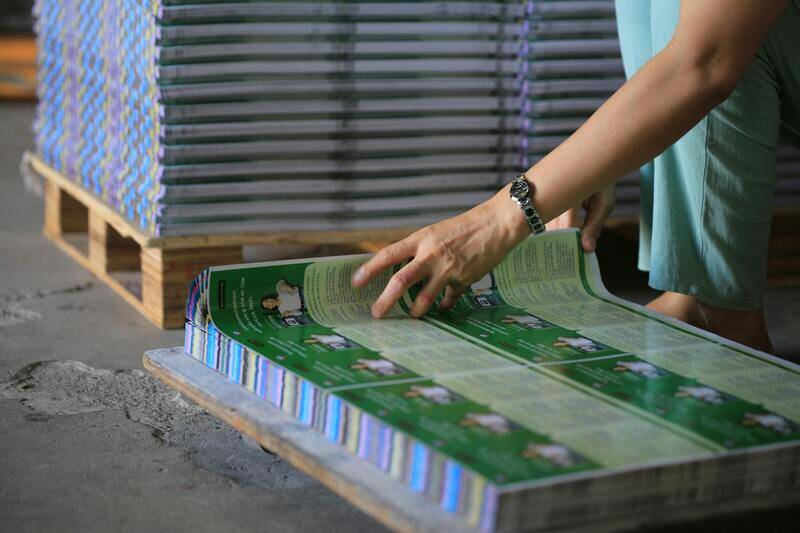
Beyond these primary options, there are hybrid techniques and specialized bindings tailored for specific needs. For instance, comb binding or wire binding might be selected for presentations or educational materials that demand frequent page turning. Understanding the strengths and limitations of each binding type provides the foundation to produce a booklet that aligns with both functional requirements and aesthetic expectations.
The selection process involves considering the volume of content, frequency of use, budget constraints, and desired visual impact. Consulting with professional printing providers can greatly assist in making an informed decision, ensuring that your booklet’s binding enhances its overall quality.
Considerations for Ensuring Print-Ready Files and Quality Output
When preparing files for booklet printing, meticulous attention to detail is crucial to achieve optimal quality results. The process begins with ensuring that the digital files are formatted correctly, typically in PDF format, with all fonts embedded and images embedded at the highest possible resolution, ideally 300 DPI. This prevents pixelation and blurriness in the final print and preserves professional appearance.
Color management is another essential aspect. Utilizing CMYK color profiles ensures that the colors on the screen closely match the printed outcome. It is advisable to perform color checks and soft proofs before finalizing the files to prevent unexpected color shifts. Additionally, bleed areas should be included—usually 3mm beyond the trim line—to accommodate any slight misalignments during cutting, ensuring no white edges appear after trimming.
Proofreading the content thoroughly prior to printing is necessary to eliminate errors in text, images, or layout. A printed proof, whether digital or physical, allows for a final review and approval process. This step is vital because once the files are sent to print, any errors identified would require reprints, leading to additional costs and delays.
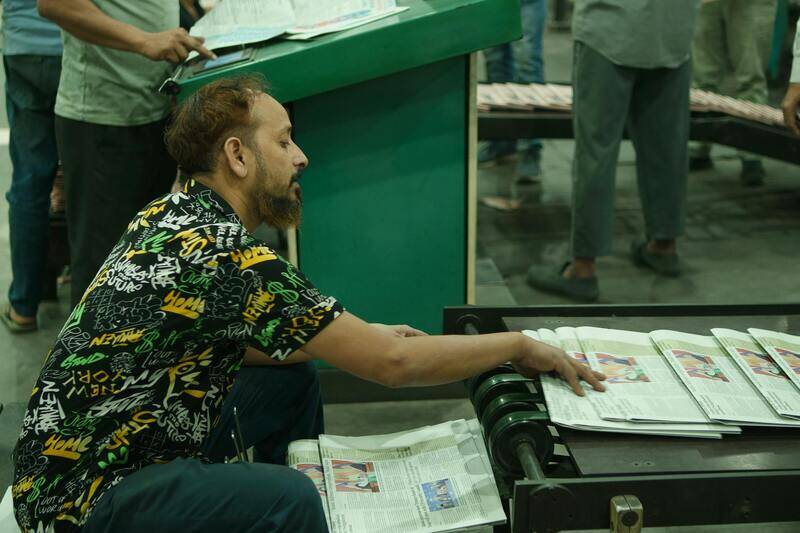
Collaborating with a professional printing service can streamline this process. They often provide dedicated pre-press support to verify file integrity, color accuracy, and layout consistency. Using their expertise minimizes the risk of misprints and ensures that the final product aligns with your expectations.
During the printing process, quality control measures should be instituted. These include inspecting proofs for color fidelity, registration, and paper quality—checking for defects such as scratches or misalignments. Regular monitoring throughout the production run guarantees uniformity and helps address issues promptly before completing large quantities.
Additional Tips to Enhance Your Booklet Printing Experience
- Maintain consistency in fonts, colors, and layout throughout all pages.
- Use vector graphics where possible for logos and illustrations to ensure sharpness.
- Specify finishing options such as lamination or varnishes to protect and enhance the cover.
- Request sample batches or test prints before committing to a full run, especially for large orders.
By adhering to these guidelines, you ensure that your printed booklets not only meet your aesthetic expectations but also uphold professional standards in presentation and durability. Proper preparation of digital files combined with diligent quality control during production significantly impacts the overall success of your booklet project.
Ensuring Proper File Preparation for Booklet Printing
Accurate and high-quality booklet printing begins with meticulous file preparation. Creating print-ready files that adhere to industry standards is crucial to achieve professional results. Digital files should be formatted according to the specifications provided by your chosen printing service, typically including PDF format with embedded fonts, high-resolution images (minimum 300 dpi), and correct color modes (CMYK) for accurate colour reproduction.
Designers must also pay attention to the layout, margins, and bleed areas. Bleed extends beyond the trim edge to prevent unwanted white borders after cutting, usually about 3mm on each side. Safe zones ensure that critical text and images are not too close to the edges, maintaining a clean appearance after trimming. Consistency in font usage, alignment, and spacing contributes to a cohesive, professional appearance.

When preparing files for printing, it is advisable to use vector-based graphics for logos and illustrations to maintain sharpness at any scale. Raster images should be of sufficient resolution and optimized for print quality. Additionally, converting all text to outlines can prevent font substitution issues during the printing process, enhancing layout accuracy.
Choosing the Appropriate Printing Methods
Different printing techniques influence the final appearance, durability, and cost of your booklet. The most commonly employed methods include digital printing, offset printing, and hybrid approaches, each suited to specific production needs:
- Digital Printing: Ideal for short runs and quick turnarounds. It offers cost-effectiveness for small quantities and allows for variable data printing, enabling personalized content.
- Offset Printing: Better suited for large volume orders, providing superior colour fidelity and consistency across extensive batches. It delivers high-quality images and smooth finishes, making it a top choice for professional booklets.
- Hybrid Printing: Combines elements of digital and offset methods to optimize quality and efficiency, often used when a small-run booklet demands high resolution and customisation.
Material Selection and Finishing Options
The choice of paper stock directly affects both the aesthetic appeal and durability of your booklet. Heavier, smooth finishes like matte or gloss coated papers provide a premium look and feel, while lighter matte options can offer a more understated appearance. For print durability, consider coated papers resistant to moisture and handling.
Finishing touches such as lamination, spot varnishes, or UV coatings can further enhance your booklet’s presentation. These options not only improve the visual impact but also protect against wear and tear, especially for covers or frequently handled pages.

Print Testing and Quality Control
Prior to the full production run, requesting a proof copy is essential. This allows for a detailed review of colours, layout accuracy, and overall quality. Digital proofs offer a close approximation, but physical samples provide the most accurate representation of the final product. Carefully check for color consistency, proper binding, and alignment.
During the actual print run, it’s important to implement ongoing quality control measures. Regular inspections at various stages help identify defects such as misregistration, ink smudges, or paper flaws. Utilizing a reliable print provider with robust quality assurance processes minimizes discrepancies and ensures the final batch meets your standards.
Maintaining detailed communication with the printing team throughout the process guarantees that any issues are promptly resolved, preventing costly reprints or delays. Documenting your specifications and approvals at each step further streamlines production and guarantees that the printed booklets reflect your original design intent.
Securely Distributing Your Booklets with Proper Copyright Practices
When preparing your booklet for distribution, ensuring that all content is properly protected is essential. This involves using official licensing agreements for any third-party materials and obtaining necessary permissions before publication. Proper copyright practices not only safeguard your content but also uphold the integrity of your publication. Using watermarks or digital rights management (DRM) features on digital copies can help prevent unauthorized sharing or reproduction.
Implementing Effective Distribution Methods
Distributing your booklet through reputable channels ensures it reaches your target audience efficiently. Consider partnering with established distributors, bookstores, or online retail platforms that specialize in printed materials. Direct mailing campaigns targeting specific demographics can also be highly effective, especially if your booklet contains valuable or niche information. Additionally, leveraging professional networks and industry events allows your booklet to gain visibility within relevant communities.
Utilizing Proper Packaging and Presentation
- High-quality packaging can enhance the perceived value of your booklet and protect it during transit.
- Include branding elements like custom covers or embossed finishes to make your booklet stand out.
- Clear labeling and barcoding aid in inventory management and tracking during distribution.
Legal and Ethical Considerations
It’s important to adhere to ethical standards when distributing printed materials. Respect intellectual property rights and avoid reproducing content without necessary permissions. If your booklet includes data, images, or quotes from other sources, ensure proper attribution. Additionally, comply with any local regulations related to advertising or promotional printing to prevent misunderstandings or potential disputes.
Feedback Collection and Post-Distribution Follow-Up
- Gather feedback from recipients to assess the impact and effectiveness of your booklet.
- Use surveys or direct communication channels to collect insights for future improvements.
- Maintain an organized database of distribution contacts and feedback responses to inform subsequent print projects.