
Comprehensive Overview of Print Services in Singapore

Types of Printing Services Offered
Within the landscape of professional printing, a variety of services cater to diverse requirements, ranging from quick turnarounds to large-scale production runs. Digital printing stands out for its flexibility and short turnaround times, making it ideal for small quantities or personalized items. Offset printing, renowned for high quality and cost-effectiveness in bulk, is suitable for producing catalogs, brochures, and corporate materials. Large format printing enables the creation of banners, posters, and signage that demand high-resolution imagery and durable materials. Additionally, specialty printing services include customized options such as embossing, foil stamping, and textured finishes, which enhance the visual impact of marketing collateral, packaging, and promotional materials.

Digital Printing
This service utilizes digital files directly fed into high-tech printers. It’s highly suitable for short runs, proofs, and projects requiring quick delivery. Digital printing allows for easy modifications and personalized printing, making it a preferred choice for customized marketing materials or on-demand printing needs.
Offset Printing
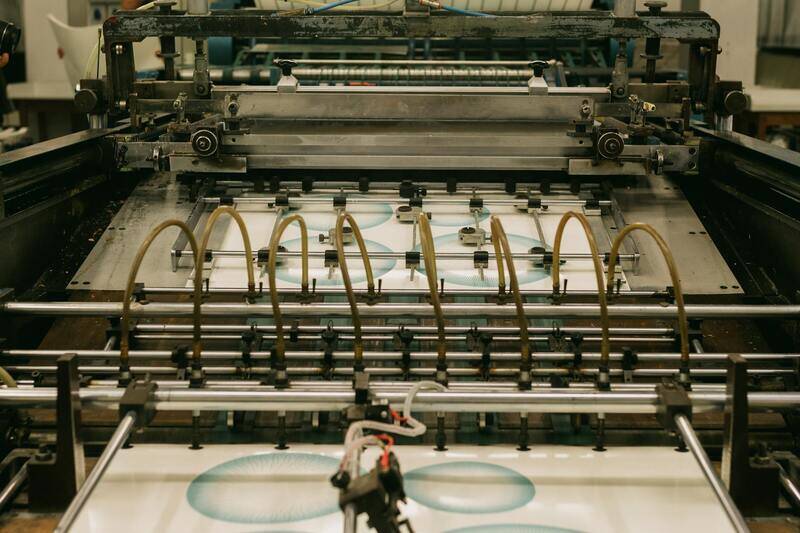
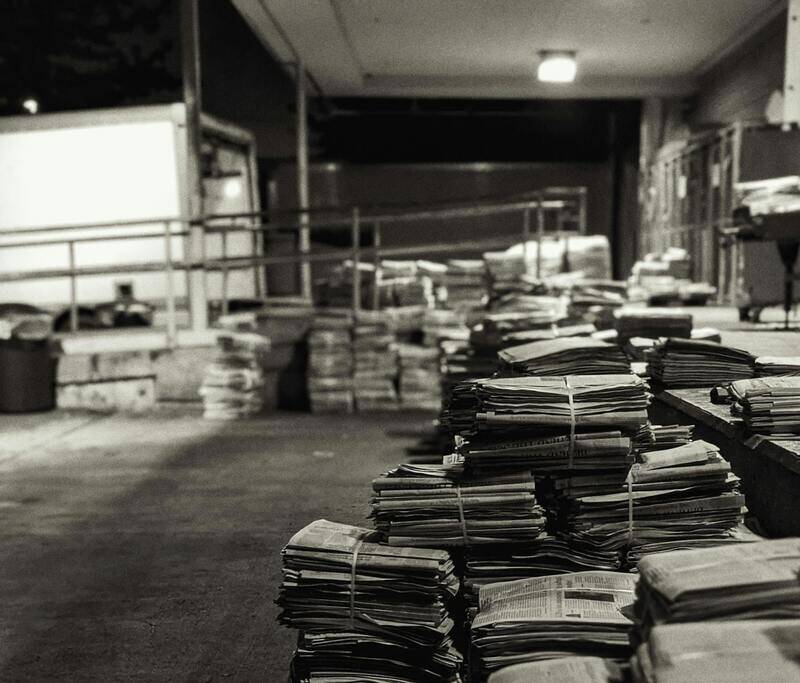
Offset printing employs plates to transfer ink onto a rubber blanket, which then prints onto the substrate. It is cost-efficient for large runs, providing sharp image quality and consistent results. This method is commonly used for high-volume printing of magazines, newspapers, and packaging materials.
Large Format Printing
Designed for large visuals, this service supports banners, posters, vehicle wraps, and exhibition displays. Using wide-format printers and durable materials, it ensures vibrant colors and high-resolution imagery suitable for both indoor and outdoor displays.
Specialty Printing
This category covers innovative techniques such as foil stamping, embossing, die-cutting, and textured finishes. These add tactile and visual richness to printed pieces, often elevating branding and promotional efforts.
Common Printing Materials and Substrates
Print services utilize a broad array of materials tailored to the specific needs of a project. Paper remains the most common substrate, available in various weights, finishes, and textures. Matte, gloss, and satin finishes are selected based on the desired aesthetic and functional appeal. For outdoor applications, durable substrates such as vinyl, mesh, and weather-resistant banners are employed to withstand environmental elements. Specialty materials like textured papers, plastics, fabrics, and corrugated boards expand creative possibilities, allowing for unique and impactful printed products.

Design and Proofing Processes
Effective print services commence with detailed design and collaborative proofing stages. Clients typically submit digital files in specified formats, ensuring compatibility with printing equipment. Professional printers provide pre-press checks to review color accuracy, resolution, and layout integrity. Proofing options include digital proofs, which allow quick review and adjustments, and physical proofs for color matching and tactile inspection. This process minimizes errors and ensures that the final product aligns precisely with the client's expectations, reducing costly reprints and delays.

Customization and Finishing Options
Beyond standard printing, a plethora of finishing options elevate the visual appeal and durability of printed products. Binding styles such as saddle stitch, perfect binding, and wire-o binding cater to books and catalogs. Finishing touches include lamination, varnishing, spot UV coating, die-cutting, and embossing, which enhance tactile experience and aesthetic appeal. Custom shapes and cutouts, along with foil stamping and holographic effects, help create distinctive branding elements. These enhancements not only improve durability but also significantly impact overall presentation and branding effectiveness.

Pricing and Cost Factors
Calculating printing costs involves several variables, including project volume, material choices, complexity of design, and required finishing techniques. Digital printing typically offers cost-effective pricing for small quantities, while offset printing benefits large-scale production with lower unit costs. Size dimensions, color complexity, and the type of substrate also influence the overall expense. Transparent quotation processes and detailed estimates enable clients to plan their budgets effectively, ensuring the selection of appropriate options that balance quality with affordability.
Sustainable and Eco-Friendly Printing Practices
As environmental awareness grows, many print service providers adopt sustainable practices. These include utilizing recycled and FSC-certified papers, vegetable-based inks, and energy-efficient machinery. Waterless printing and the use of eco-friendly coatings further reduce environmental impact. Responsible disposal and recycling of waste materials are integral components of sustainable printing workflows. Clients seeking environmentally conscious options can specify these preferences to align their projects with sustainability goals without compromising quality.

Common Printing Materials and Substrates
Choosing the appropriate material for a printing project is crucial to achieving the desired quality and durability of the final product. The selection depends on the intended use, longevity requirements, and aesthetic preferences. In Singapore, print service providers offer a diverse array of substrates, each suited to specific applications and environmental conditions.

Standard paper remains the most versatile and commonly used substrate, suitable for flyers, brochures, posters, and business cards. Its variety ranges from lightweight 80gsm office paper to heavier cardstock and textured finishes for premium printing. For applications requiring flexibility and durability, such as banners or outdoor signage, materials like vinyl or mesh fabric are preferred. These substrates are resistant to weather and handling stresses, making them ideal for banners, vehicle wraps, and outdoor displays.
Textile printing has gained popularity for fashion, promotional items, and custom apparel. Sublimation printing on polyester fabrics produces vibrant, long-lasting images. Canvas, cotton, and other textiles are also used for art reproductions and personalized gifts, emphasizing the importance of selecting the right fabric for durability and visual impact.
For more industrial or product packaging needs, plastics such as PVC, PET, and acrylic sheets provide sturdy, waterproof options. These are essential for labels, point-of-sale displays, and packaging solutions that require resistance to moisture and handling.
Specialty substrates like transparency films are used for overlays and presentations, offering clear, high-resolution output. Additionally, environmentally friendly options are increasingly available, such as recycled paper and biodegradable plastics, aligning with sustainability initiatives.
Factors Influencing Material Choice
- End-use environment: Outdoor signage demands weather-resistant materials such as vinyl or laminated papers.
- Desired lifespan: Long-lasting projects benefit from durable substrates like plastics and coated papers.
- Print quality and resolution: High-resolution images may require smooth, coated surfaces for best results.
- Budget constraints: Cost-effective options include standard paper and lightweight materials, while premium finishes involve specialty substrates.
- Environmental considerations: Eco-friendly materials like recycled paper and biodegradable plastics support sustainability goals.
By carefully assessing these factors, clients can work with print providers to select the most suitable substrates that meet both technical and aesthetic expectations, ensuring the success and longevity of their printed materials.
Types of Printing Services Offered
Printing service providers in Singapore offer a diverse range of options to meet the specific needs of businesses and individuals. These services include large-format printing for banners, posters, and signage, ideal for advertising campaigns and events. Digital printing is prevalent for short-run jobs requiring quick turnaround times, precision, and vibrant color accuracy. Offset printing remains a popular choice for high-volume projects, delivering consistent quality and cost-effectiveness over extensive runs. Specialized services such as UV printing enable customization on a variety of substrates with durable, high-gloss finishes suitable for signage, promotional items, and personalized gifts. Screen printing is extensively used for apparel, textiles, and promotional merchandise, providing vibrant, long-lasting designs. Additionally, niche services like embroidery or foil stamping cater to branding efforts that demand texture and sophistication. Many print providers also offer binding, laminating, and mounting services, allowing clients to create professional-quality presentations, reports, and portfolios. Digital embellishments such as spot UV coating or embossing further enhance the visual appeal of printed materials, making them stand out in competitive markets. In essence, the comprehensive range of printing services available supports diverse business needs and creative pursuits, ensuring clients can find tailored solutions for their project specifications.

Common Printing Materials and Substrates
The choice of materials and substrates plays a crucial role in achieving the desired aesthetic and functional outcomes in printed products. Standard paper types like offset paper, gloss, and matte finishes are widely used across various applications, from flyers to brochures. These materials are valued for their affordability, print quality, and versatility. For outdoor signage, weather-resistant materials such as vinyl or laminated paper are preferred, offering durability against environmental elements. Products like fabric banners and mesh prints utilize specialized textiles suitable for large-scale advertising displays. Plastic-based substrates including PVC, PET, and acrylic sheets serve multiple purposes, especially for items requiring waterproof qualities, such as labels, point-of-sale displays, and packaging components. These materials offer high durability and a sleek appearance. Specialty substrates like transparency films are designed for overlays, presentation sheets, or window displays, facilitating layered and professional visual effects. Environmentally friendly options such as recycled paper, biodegradable plastics, and plant-based inks align with sustainable practices. The selection process often incorporates factors like durability, cost, environmental impact, and specific visual or tactile requirements. Working with printing experts ensures choosing materials that are suitable for the intended application while maintaining quality standards.

Types of Printing Services Offered
Printing service providers in Singapore deliver a broad spectrum of options tailored to meet diverse needs across multiple industries. From traditional methods like offset and digital printing to specialized techniques such as UV printing, silkscreen, and large-format digital printing, clients can access solutions suited for everything from simple document copies to high-impact visual displays. Each method offers unique advantages in terms of cost, quality, and turnaround time, enabling businesses and individuals to select the best fit for their project specifications.
Offset printing remains a reliable choice for high-volume runs requiring consistent color accuracy and sharp detail. Ideal for producing brochures, catalogs, and magazines, it supports a variety of paper types and finishes. Digital printing, on the other hand, excels in rapid turnaround projects, short runs, and variable data printing, making it suitable for personalized marketing materials and promotional items. Large-format digital printers enable the creation of banners, posters, and signage that command attention in outdoor and indoor settings, utilizing wide media widths and vibrant inks.
Specialized print services such as UV printing allow for direct printing on non-traditional surfaces like glass, wood, or metal, often used for decorative items and branding displays. Screen printing offers high durability and is popular for apparel, bags, and promotional merchandise. Additionally, dye-sublimation printing is preferred for producing vibrant, long-lasting images on fabrics and textiles, essential for custom apparel and soft signage.
Common Printing Materials and Substrates
The choice of materials significantly influences the quality and functionality of printed products. Paper remains the most prevalent substrate, with options ranging from textured art paper and glossy photo paper to matte finishes and recycled variants that cater to sustainability goals. For products requiring durability and weather resistance, materials such as vinyl, polyester, and laminated substrates are used, especially in outdoor signage and banners.
Specialty materials include transparent films for overlays, window displays, or decorative effects, adding depth and visual interest. Rigid substrates like acrylic sheets, PVC boards, and metal panels are ideal for signage that needs to withstand external conditions while maintaining a sleek appearance. Textiles such as fabric banners, mesh materials, and canvas support large-scale advertising and branding efforts, providing flexibility and durability.

Biodegradable plastics and recycled paper substrates reflect a commitment to environmentally responsible practices, addressing growing demand for sustainable options. When selecting substrates, factors such as substrate thickness, printability, environmental impact, and compatibility with chosen printing technology are crucial considerations.
Design and Proofing Processes
Effective design and meticulous proofing are key components of a successful print project. During the initial phase, clients collaborate with designers and printing experts to develop visual concepts aligned with brand identity, marketing goals, or personal preferences. Digital mockups and prototypes are created to give a tangible preview of the final product, enabling adjustments before mass production begins.
Proofing processes include soft proofs via digital files and hard proofs printed on actual materials for realistic validation. This step is essential to verify color accuracy, layout, and overall visual impact. Modern print shops often utilize advanced color management systems to ensure consistency from digital proof to final prints. Clients are encouraged to review proofs thoroughly, checking for color fidelity, registration accuracy, and surface finishes.
Once approved, files are prepared for ongoing production, with attention to resolution, bleed, and crop marks. Accurate preparation minimizes errors, reduces waste, and enhances overall quality. Working with experienced print service providers guarantees that the design intent is faithfully translated into the physical product, meeting both aesthetic and functional requirements.
Types of Printing Services Offered
Singapore printing organizations provide a diverse array of printing solutions tailored to meet various industry needs and personal preferences. These services include digital printing, offset printing, large-format printing, screen printing, and specialized finishes such as embossing, foil stamping, and varnishing. Each type is suited for specific projects depending on volume, material, and desired output quality.
Digital printing stands out for quick turnaround times and cost-effectiveness, especially in short runs or personalized items. It is ideal for producing brochures, business cards, and promotional materials with high resolution graphics. Offset printing offers high-quality output for large volumes, providing consistency and vibrant color reproduction, making it the preferred choice for magazines, catalogs, and corporate stationery.
Large-format printing caters to banners, posters, signage, and backdrops, utilizing wide-format printers capable of handling oversized media with exceptional detail. Screen printing remains relevant for textile applications such as custom apparel, as well as for producing signage and promotional items in bulk. Additionally, specialty finishes like embossing lend tactile sophistication to print pieces, elevating branding efforts or art projects.

To ensure optimal results, many print providers offer tailored solutions such as variable data printing for personalized marketing campaigns or hybrid printing, combining digital and offset methods for cost efficiency on medium-sized projects.
Common Printing Materials and Substrates
The choice of materials significantly influences the durability, aesthetic appeal, and overall impression of the printed product. Standard substrates include paper stocks ranging from lightweight flyers to heavy, textured covers for bookbinding applications. Coated papers with smooth finishes are commonly selected for high-resolution graphics, while uncoated papers are preferred for readability and eco-friendliness.
Beyond paper, print services extend to a variety of substrates such as vinyl, canvas, fabric, and plastics, enabling applications like outdoor signage, point-of-sale displays, and custom apparel. Rigid materials such as foam boards, acrylic sheets, and metal panels are used for high-impact signage and displays, offering structural integrity and long-lasting performance.
Environmental considerations are increasingly influencing substrate choices. Recycled and biodegradable materials are gaining popularity to support sustainable practices without compromising quality. Compatibility between substrate and printing technology is essential to prevent issues like misregistration, ink smudging, or inadequate adhesion.
Design and Proofing Processes
Effective design and thorough proofing are foundational to achieving the desired output. Clients and designers collaborate closely to develop initial concepts, ensuring visual elements align with branding objectives or personal preferences. During this phase, digital mockups are generated to visualize layout, color schemes, and overall aesthetics. These prototypes allow for adjustments before committing to physical production, saving time and resources.
Proofing involves two key stages: soft proofs and hard proofs. Soft proofs facilitate quick review via digital files, focusing on layout and color accuracy. Hard proofs are printed on the actual chosen material, providing a realistic preview that highlights the final look and feel. This step is crucial to confirm color fidelity, registration, and finishing effects.
Modern printing workflows incorporate advanced color management systems, ensuring consistent results across different media and jobs. Clients are encouraged to examine proofs meticulously, scrutinizing aspects such as image clarity, text readability, and surface finishes. Approvals are documented systematically to avoid discrepancies during production.
Once proof approval is secured, files are optimized for print with considerations for resolution, bleed areas, and crop marks. Proper file preparation minimizes errors, reduces waste, and ensures that the final product aligns precisely with the initial design intent.
Types of Printing Services Offered
Within the realm of print services, providers in Singapore offer a diverse array of options designed to cater to various client needs. These services encompass traditional methods such as offset printing, digital printing, screen printing, and flexographic printing. Offset printing remains a popular choice for large-volume projects, owing to its cost-effectiveness and high quality for bulk orders. Digital printing, on the other hand, provides rapid turnaround times and the flexibility to produce short runs or custom items with intricate designs.
Specialized printing services such as large-format printing are also widely available, ideal for banners, posters, and signage requiring high-resolution images at sizable dimensions. Textile printing, including direct-to-garment (DTG) and sublimation printing, serves the fashion and promotional product sectors. Additionally, 3D printing has gained traction, offering innovative solutions for prototypes, models, and unique product components.

Common Printing Materials and Substrates
The choice of materials plays a pivotal role in achieving optimal print quality and durability. Core substrates such as paper and cardstock serve the majority of print projects, ranging from business cards to brochures and packaging. For outdoor signage, weather-resistant materials like PVC, vinyl, and corrugated boards are used to withstand environmental elements.
Textile printing requires different substrates such as cotton, polyester, or blends, each offering specific advantages for apparel, promotional items, or interior decor. For large-format graphic displays, materials like mesh, fabric banners, and backlit films are popular choices. Printing on specialty surfaces such as acrylic, glass, wood, or metals opens avenues for creative installations and custom signage.

Design and Proofing Processes
Accurate design and thorough proofing are fundamental to delivering print projects that meet expectations. The process begins with collaborative development of digital mockups, where clients and designers review layout, color schemes, and visual elements. This step ensures alignment with branding guidelines or personal preferences before moving forward.
Proofing involves multiple stages: soft proofs delivered via digital files allow quick review of composition and color accuracy, enabling modifications to be made efficiently. Hard proofs, printed using the actual substrate, provide a realistic preview of the final product, highlighting how colors, registration, and finishes will appear in physical form. This step is essential for confirming the fidelity of the design and making any necessary adjustments.
Modern workflow systems incorporate precise color management and calibration, guaranteeing consistent output. Detailed feedback from clients is gathered and recorded systematically, minimizing misunderstandings and rework. Proper file preparation, including resolution checks, bleed areas, and crop marks, further ensures precision and readiness for production.
Customization and Finishing Options
Personalized print products can be elevated with a variety of finishing techniques that add value and practicality. Finishing options such as lamination, UV coating, embossing, and spot varnishing enhance visual appeal and durability. For instance, gloss or matte finishes can be applied to emphasize specific elements or provide a certain tactile experience.
Advanced finishing methods include die-cutting for custom-shaped prints, fold and bind options for booklets and brochures, and mounting or framing for display pieces. Specialty trims, foiling, and texture applications open avenues for unique branding opportunities. These finishes not only improve aesthetics but also extend the lifespan of printed items, making them suitable for long-term use or outdoor exposure.

Pricing and Cost Factors
Understanding the cost structure of print services involves several important considerations. Key factors include the choice of printing method, material selection, volume of production, and complexity of design. Offset printing tends to be more cost-effective for large quantities, while digital printing offers better value for smaller runs or quick turnarounds.
Material costs vary significantly depending on the substrate quality and finish required. Specialty materials or high-resolution large-format prints typically incur higher expenses. Additional costs can stem from design complexity, custom finishes, and the need for proofing or rapid production requests.
To optimize budgets, clients should consider establishing clear project scopes and requesting detailed quotations from service providers. Bulk orders often attract discounts, and selecting appropriate substrates and finishing options can balance quality with affordability. Transparent pricing models and detailed estimates help ensure that clients are aware of all potential costs before project initiation.
Types of Printing Services Offered
Printing service providers in Singapore offer a diverse array of solutions tailored to meet various business and personal needs. The most common methods include offset printing, digital printing, large format printing, and specialty printing techniques. Offset printing is ideal for high-volume production, providing consistent quality and cost-efficiency at scale. Digital printing, on the other hand, is suited for smaller runs, quick turnarounds, and projects requiring variable data or personalized elements.
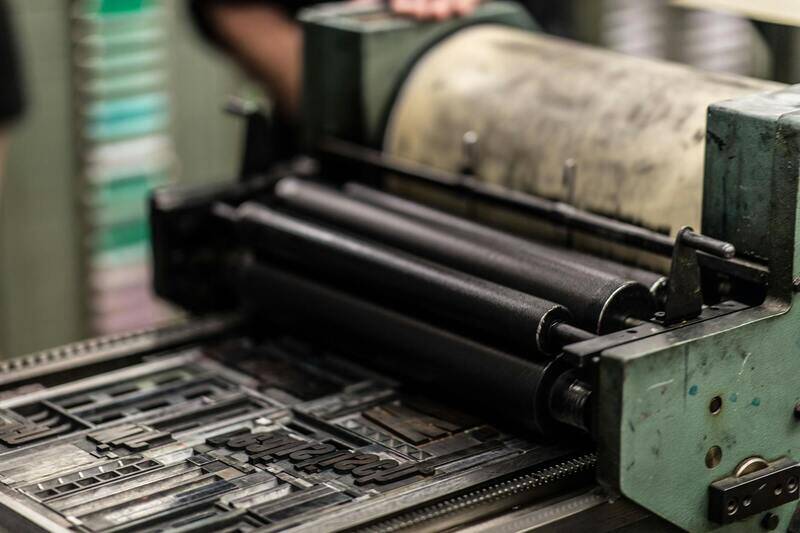
Large format printing accommodates banners, posters, trade show displays, and signage, utilizing specialized inkjet printers that deliver high-resolution images on wide substrates. Specialty printing includes techniques such as letterpress, foil stamping, embossing, and textured finishes, which add a tactile dimension and elevate branding aesthetics.
Common Printing Materials and Substrates
The range of materials used in professional printing extends beyond traditional paper to include diverse substrates that meet specific aesthetic and functional requirements. Standard options encompass coated and uncoated papers, cardstock, poster board, and high-gloss or matte finishes. For outdoor or high-durability applications, materials such as vinyl, canvas, weatherproof banners, and rigid plastics are preferred.
Specialty substrates like transparent films, fabric textiles, and magnetic sheets are also available for niche applications, expanding creative possibilities. Selection depends on the intended use, environment, and desired visual impact. High-quality substrates ensure the durability and vibrancy of printed images, maintaining their appeal over time.

Design and Proofing Processes
Effective collaboration between clients and print providers begins with a thorough design and proofing stage. Digital file preparation involves adhering to technical specifications such as resolution, color profiles, and bleed requirements. Vendors typically provide digital proofs—either as PDFs or soft proofs—for client review and approval before actual printing begins.
This process helps identify potential issues with layout, color accuracy, or design errors, ensuring a seamless transition to final production. Some providers offer physical proofs, especially for premium or complex projects, allowing clients to evaluate the tactile and visual fidelity of the print materials firsthand.
Customization and Finishing Options
To enhance the aesthetic appeal and functionality of printed outputs, a variety of customization and finishing options are available. These include laminating for added durability, die-cutting for unique shapes, embossing and debossing for tactile effects, and spot UV coating for glossy accents.
Further customization features involve binding, mounting, perforating, or framing, which prepare the final product for presentation or display. Specialty finishes like foil stamping, textured coatings, or holographic effects can turn simple prints into eye-catching marketing pieces or artwork.
Pricing and Cost Factors
Understanding the pricing structure in print services requires consideration of multiple components, such as the complexity of design, choice of materials, volume, and finishing treatments. Offset printing offers cost advantages for large orders due to economies of scale, while digital printing is more economical for short runs and rapid delivery.
Material selection significantly influences overall costs; premium substrates and specialized finishes increase expenses. Additional charges may arise from the need for proofs, expedited turnaround, or tailor-made finishing techniques. Clients should proactively request detailed quotations and clarify all associated costs, enabling better budget management.
Sustainable and Eco-Friendly Printing Practices
Environmental consciousness plays an increasingly vital role within the printing industry. Many providers employ eco-friendly practices such as using vegetable-based inks, recycled paper, and sustainably sourced materials. Additionally, digital workflows reduce waste through precise job estimation and minimized excess production. Waste management protocols, energy-efficient equipment, and eco-certified inks further contribute to sustainability commitments.
Some companies promote green certifications and environmentally responsible processes, aligning printing solutions with sustainable development goals. Clients seeking eco-conscious options can specify these preferences during consultation to ensure their projects adhere to environmentally sustainable standards.
Types of Printing Services Offered
The spectrum of print services available in Singapore includes traditional methods such as offset and digital printing, as well as specialized options like large-format, screen printing, and label printing. Offset printing remains a preferred choice for high-volume projects, delivering high-quality and consistent results for materials like brochures, catalogs, and annual reports. Digital printing offers flexibility for small to medium runs, allowing for quick turnaround times and personalized prints, including direct mail campaigns and promotional items. Large-format printing is essential for banners, posters, and trade show displays, utilizing wide-width printers to produce vibrant, eye-catching visuals. Screen printing is often used for apparel, signage, and custom merchandise, providing durable and vibrant results. Label printing is tailored for product packaging, offering adhesion, durability, and custom shapes. Selecting the appropriate printing method hinges on project specifications, volume, and desired quality, ensuring optimal resource utilization and superior outcome.
Common Printing Materials and Substrates
The choice of printing substrates significantly impacts the final appearance and durability of printed materials. Standard paper types such as gloss, matte, and satin are widely used for marketing collateral, offering versatility across various design styles. Specialty papers, including textured finishes or recycled options, cater to eco-conscious clients or unique aesthetic preferences. For large-format and outdoor signage, materials like vinyl, mesh fabric, and PVC are preferred for their weather resistance and robustness. Packaging applications often utilize rigid substrates like cardboard, Kraft paper, or plastic, tailored for product protection and visual appeal. Additionally, textiles, such as canvas or polyester, are used in custom fabric printing, suitable for bulk orders like banners or apparel. The selection process involves considering factors such as weight, finish, environmental exposure, and purpose, enabling the creation of print materials that are both functional and visually compelling.
Design and Proofing Processes
Effective design and proofing procedures are pivotal in achieving high-quality print results. Clients typically collaborate with graphic designers to develop artwork that adheres to technical specifications, including bleed, margins, and color profiles. Advanced tools like Adobe Photoshop and Illustrator facilitate precise layout development, while pre-press checks ensure the fidelity of colors and resolution. Digital proofs serve as a preliminary review, allowing clients to verify layout, content, and visual accuracy before final production. For complex or large projects, physical or soft proofs enable requested adjustments and approvals, minimizing errors and revisions. This iterative process aligns client expectations with production capabilities, ensuring the printed outputs precisely match the envisioned design. Clear communication during this phase preserves project timelines and mitigates costly reprints, establishing a seamless workflow from conception to final product.
Customization and Finishing Options
Enhancing printed materials through customization and finishing options adds value and visual appeal. Common finishes include gloss, matte, and UV coatings, which protect surfaces and influence tactile experience. Specialized finishing techniques such as embossing, debossing, foil stamping, and spot varnishing provide elegant accents and tactile differentiation. Binding options like saddle stitching, perfect binding, or spiral binding cater to magazines, catalogs, and report publications, offering durability and professional aesthetics. Die-cutting allows for bespoke shapes and window cutouts, ideal for packaging and promotional items. Additionally, lamination enhances durability and water resistance for outdoor applications. Clients can also select environmentally friendly finishes, such as aqueous coatings and recycled paper, aligning with sustainability goals. Customization ensures that each project reflects specific branding or functional requirements while creating memorable impressions for target audiences.
Pricing and Cost Factors
Pricing for print services varies based on multiple elements, including print volume, material selection, complexity of design, and required finishing techniques. Offset printing generally offers cost efficiency for large orders due to economies of scale, while digital printing is more economical for short runs with quick turnaround needs. Custom finishes like embossing, foil stamping, or UV coatings tend to add to the overall expenses. Design complexity, such as intricate graphics or color matching, may require additional pre-press work, influencing costs. The choice of substrates, especially premium or specialized materials, also impacts the final price. Turnaround time is another variable; expedited services typically incur premium charges. It is essential for clients to request detailed quotations, clearly outlining all potential charges, to facilitate effective budget planning and project management.
Sustainable and Eco-Friendly Printing Practices
Promoting environmentally responsible printing processes involves the adoption of eco-conscious materials and techniques. Many providers incorporate vegetable-based or soy inks, which reduce volatile organic compound emissions. The use of recycled paper and sustainably sourced substrates minimizes the environmental footprint of print projects. Digital workflows contribute to waste reduction by leveraging precise job estimations and eliminating excess production. Energy-efficient equipment and waste management protocols further support sustainability initiatives. Certification programs for green printing encourage adherence to eco-friendly practices, providing clients with confidence in their environmental commitments. During project consultations, clients can specify preferences for green certification, recyclable materials, or eco-friendly finishes, aligning their print projects with broader sustainability objectives and corporate social responsibility goals.
Choosing the Right Printing Service Provider
Selecting an appropriate printing partner demands careful evaluation of their expertise, technology, and service offerings. A reputable provider demonstrates a comprehensive portfolio of printing solutions, including sample work that reflects their technical capabilities and quality standards. Advanced equipment, such as high-resolution presses and large-format printers, underpins consistent and high-quality outputs. Transparent communication about pricing, turnaround times, and finishing options fosters trust and clarity. Experience in handling diverse substrates and complex projects indicates versatility and reliability. Additionally, proximity and accessibility facilitate smoother logistics and project management. Clients should also prioritize providers with robust quality control protocols and eco-friendly practices, ensuring their print solutions align with both technical and ethical expectations. Conducting consultations and requesting references can aid in assessing the provider’s professionalism and suitability for specific project requirements.
