
Overview of Business Card Printing in Singapore
In Singapore’s dynamic and competitive business landscape, establishing a memorable professional identity is essential. Business card printing plays a pivotal role in fostering networking opportunities, leaving a lasting impression, and reinforcing brand presence. With a strategic approach to card design and quality, companies and professionals can effectively communicate their value propositions at meetings, conferences, and client visits.
The business card printing industry in Singapore is diverse and sophisticated, offering a wide range of services tailored to meet various professional needs. From traditional designs to modern, innovative finishes, the marketplace caters to businesses of all sizes, from startups to multinational corporations. As Singapore continues to position itself as a global business hub, the demand for high-quality, customized business cards has experienced consistent growth, reflecting the importance of visual branding and professional presentation.

Furthermore, digital printing technology has revolutionized the industry by enabling faster turnaround times and reducing costs, making premium-quality cards accessible to a broader audience. The industry also emphasizes eco-friendly options, emphasizing sustainable practices by offering recycled materials and environmentally conscious finishes. Professional printing firms in Singapore do not just produce cards; they craft tangible representations of brand ethos, ensuring that each element—from layout to texture—aligns with business objectives.
The scope of business card printing extends beyond mere paper products, encompassing various printing techniques, materials, and finishing options. As businesses recognize the importance of first impressions, investing in high-quality business cards has become a crucial aspect of professional strategy. The industry’s continuous evolution reflects Singapore’s broader commitment to innovation and excellence in all facets of corporate identity creation.
Popular Materials and Finishes
Business card printing services in Singapore offer a diverse range of materials and finishes that cater to different branding strategies and personal preferences. Selecting the right material is essential in creating a memorable impression and ensuring the card withstands daily handling.
- Standard Paper: The most commonly used material, available in various thicknesses, usually ranging from 250gsm to 350gsm. It provides a balance between cost-effectiveness and durability, suitable for regular business interactions.
- Premium Cardstock: Thicker and more rigid, premium options such as linen or textured cardstock lend a tactile feel that enhances perceived value.
- Plastic and PVC: Durable and weather-resistant, plastic cards are ideal for contact details that need to stay pristine and are often used in tech or automotive industries.
- Specialty Materials: Materials like metal, wood veneer, or recycled paper are increasingly popular for brands aiming to project a modern, eco-conscious image. These materials enable distinctive textures and visual effects.

Design Considerations and Personalization
In Singapore’s competitive marketplace, personalized business cards are an effective way to convey professionalism and uniqueness. When designing a card, attention to detail—including layout, color scheme, font choice, and logo placement—is crucial.
Design considerations should reflect the company's brand identity, ensuring consistency across all marketing collateral. Incorporating elements like embossed logos, foil stamping, or rounded corners can add a premium feel and make the card stand out.
It is important to work with designers or printing firms that understand local preferences and industry standards. Customization options extend to finishes such as matte, gloss, or soft-touch coatings, each affecting the tactile and visual appeal.
Types of Business Card Printing Services in Singapore
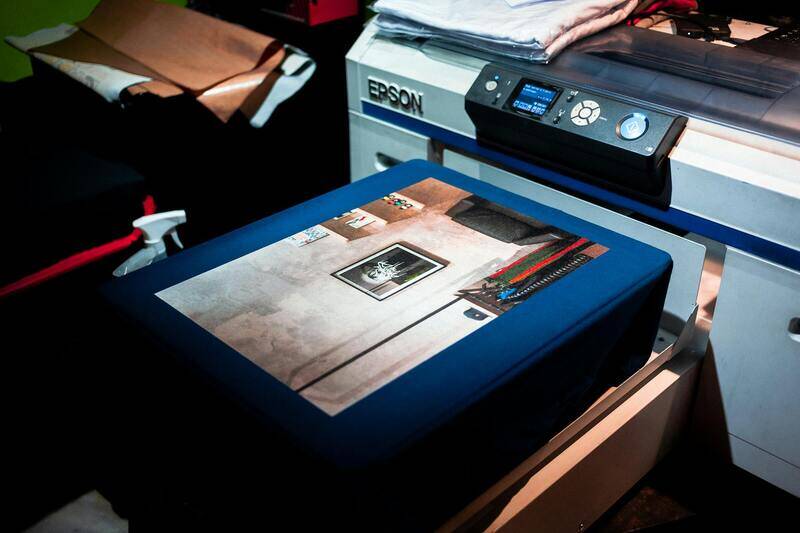
In Singapore, a diverse array of printing options allows businesses to select the most suitable method to showcase their brand identity effectively. The choice of printing service often hinges on the desired aesthetic, budget, and functionality of the business card. Understanding the different methods available can assist companies in making an informed decision that aligns with their branding objectives.
Digital Printing
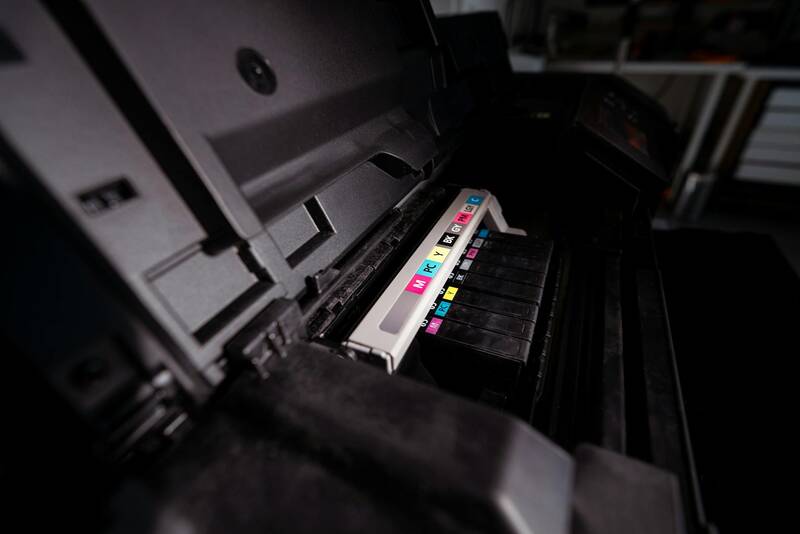
Digital printing remains popular due to its speed, cost-effectiveness, and versatility. It enables high-resolution outputs with rapid turnaround times, making it ideal for small batch runs or customized designs. Digital printing is particularly suitable for companies that require frequent updates or personalized variants of their business cards, as it allows for easy modifications without incurring significant additional costs.
Offset Printing
For larger quantities demanding consistent quality, offset printing is a preferred choice. This method produces sharp, vibrant images and is capable of handling elaborate designs with complex color schemes. Offset printing typically involves higher initial setup costs but becomes more economical with bulk orders, offering a professional finish that enhances the perceived value of the business card.
Letterpress and embossing
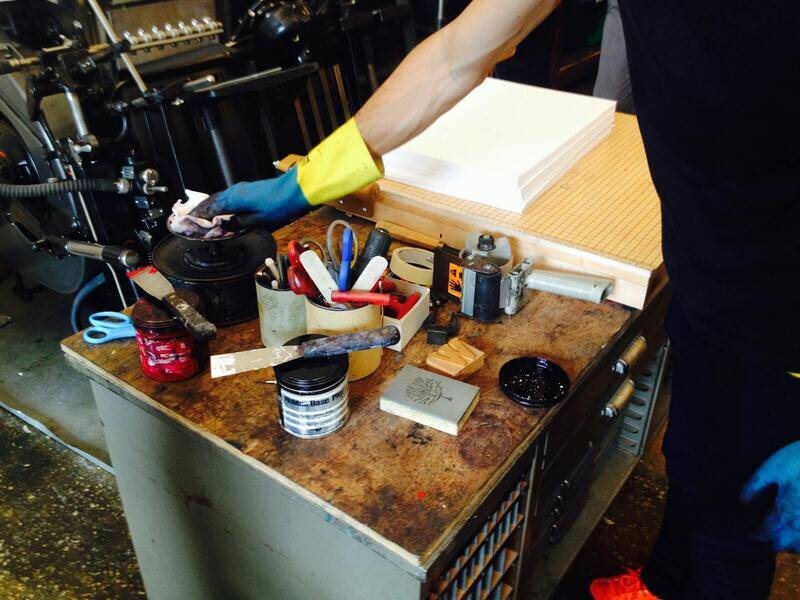
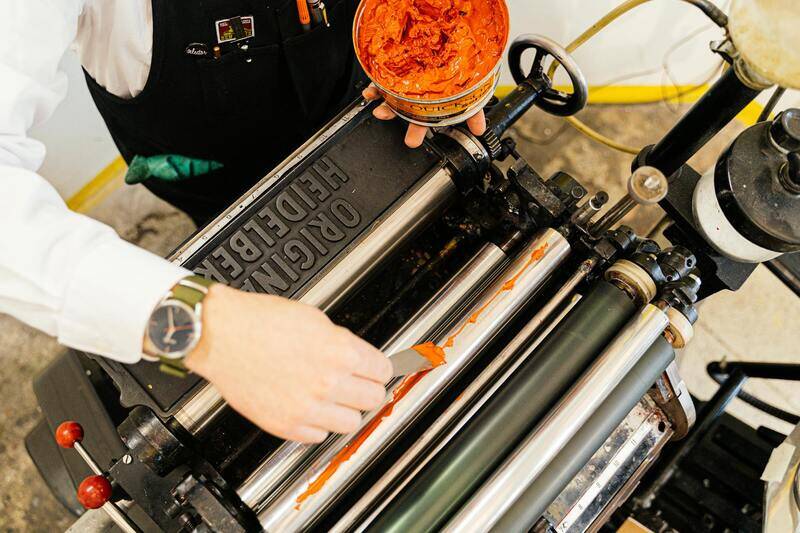
Letterpress printing and embossing techniques impart a tactile, sophisticated appeal to business cards. These methods involve pressing inked or textured elements into the card surface, often used for logos, brand names, or decorative elements. The tactile quality resulting from these techniques increases memorability and exudes a timeless elegance, suitable for high-end brands and luxury services.
Specialty Printing Techniques
To create truly distinctive business cards, specialty printing methods such as foil stamping, spot UV coating, and laser cutting are frequently employed. Foil stamping adds metallic accents that catch the eye, while spot UV provides a shiny, textured contrast to matte backgrounds. Laser cutting can produce intricate shapes or cutouts, providing a customized look that emphasizes creativity and innovation. Integrating these specialty finishes can significantly elevate the overall impression of a business card.
Material Selection for Business Cards in Singapore
The material of a business card speaks volumes about a brand's personality and quality standards. In Singapore, the range of options extends from traditional cardstock to modern, eco-friendly materials, each offering unique tactile and visual traits.
- Standard Cardstock: The most common choice, available in various thicknesses and finishes, suitable for everyday business needs.
- Premium Cardstock: Thicker, often with textured surfaces such as linen, laid, or matte finishes, these add a premium feel and enhance visual appeal.
- Plastic and PVC: Durable, weather-resistant, ideal for environments where the card must withstand wear and tear, often used for tech or automotive industries.
- Specialty Materials: Incorporating wood veneer, metal accents, or recycled paper to reflect eco-conscious values or contemporary aesthetics.
Finishing Touches and Surface Treatments
Finishing options influence the tactile experience and visual impact of business cards. Choices include matte, gloss, soft-touch coatings, or a combination thereof. For instance, matte finishes offer a sophisticated, glare-free surface perfect for readable text, while gloss coatings amplify colors and images for a vibrant appearance. Soft-touch finishes create a velvety feel, leaving a memorable tactile impression on recipients. Techniques like foil stamping, embossing, or UV coating can add luxurious details or highlight specific elements, further distinguishing a card in a competitive marketplace.

Legal and Regulatory Considerations
When engaging in singapore business card printing, understanding the established legal and regulatory landscape is essential to ensure compliance and uphold professional standards. Although there is no need to delve into explicit legal terminologies, adhering to existing standards helps maintain the integrity of your contact materials and supports effective branding practices.
One fundamental aspect involves ensuring that all business information presented on the card is accurate, verifiable, and up-to-date. This not only reflects professionalism but also aligns with regulatory expectations for transparency and honesty in business communications. Accurately displaying registered business names, contact details, and addresses ensures recipients can easily verify your credentials or reach out when needed.
Design elements should respect intellectual property rights. Use of trademarks, logos, or proprietary graphics must be licensed or created with permission. Incorporating copyrighted images or text without approval can lead to conflicts or disputes, potentially affecting your brand reputation. Employing original designs or sourcing rights-compliant assets safeguards your business from unnecessary complications.

In addition, the choice of language on your cards should consider cultural sensitivities and the diverse languages spoken within Singapore. Using clear, respectful, and easily understandable language not only promotes effective communication but also demonstrates cultural awareness and respect.
It is equally important to consider size and format standards. Singaporean business cards typically follow international dimensions, generally measuring 90mm x 55mm, ensuring compatibility with various cardholders, wallets, and card-issuing machines. Consistency in size facilitates a seamless experience for recipients and maintains a cohesive brand image.
For businesses engaged in specific industries, there might be additional guidelines related to certifications, licensing, or tagging. Verifying these industry-specific requirements beforehand helps prevent oversights that could affect the distribution or perception of your printed cards.
Finally, working with reputable printing providers who comply with industry standards and best practices guarantees that the final product not only looks professional but also aligns with your branding and regulatory obligations. Such providers adhere to rigorous quality control procedures, ensuring the final print is precise, durable, and free of errors or misrepresentations.
Legal and Regulatory Considerations for Singapore Business Card Printing
When engaging in business card printing within Singapore, it is important to be aware of the relevant standards and practices that ensure your cards meet established regulations. Adhering to these guidelines not only facilitates smooth distribution but also sustains your company’s professional reputation. While explicit mention of compliance is not always mandatory, understanding the framework helps you avoid potential issues related to misinformation, improper branding, or unauthorized use of symbols.
One fundamental aspect involves ensuring that all information presented on the business card accurately reflects your company's official details. This includes your legal business name, registration numbers where applicable, and contact information. Incorporating clear, truthful data supports a transparent communication process, fostering trust among clients and partners.
Language selection is another key consideration, especially in a multilingual environment like Singapore. Use of appropriate language and terminology ensures that your message is comprehensible and respectful to diverse audiences. This practice aligns with cultural sensitivities and enhances mutual understanding.
Design elements must also conform to accepted standards to prevent misinterpretation or misrepresentation. Avoid cluttered layouts, improper use of color schemes, or illegible fonts that could diminish the impact of your branding. Certain industries may have additional requirements, such as inclusion of certification marks or compliance symbols. Confirming these specifications beforehand ensures your cards are appropriately tailored to your sector.
Furthermore, respecting intellectual property rights is critical. Using trademarks, logos, or design elements that are not owned by your company without proper authorization can lead to legal complications. Consulting with your printing provider for guidance on copyright adherence guarantees that your business cards remain within legal boundaries.
It is advisable to work with reputable printing companies that uphold high standards and are familiar with Singapore’s business environment. Such providers systematically incorporate quality control processes, ensuring that your business cards are produced with precision and adhere to all relevant standards. They help you select appropriate materials and finishes and verify that your final product complies with all referenced regulations.
Finally, documenting your design choices and maintaining a version control system can prevent disputes and facilitate consistent branding across all printed materials. This approach ensures your business cards not only look professional but also conform to the necessary standards, reinforcing your company's credibility in Singapore’s competitive market landscape.
Legal and Regulatory Considerations
In Singapore, business card printing must adhere to specific regulatory standards that support transparency and professionalism within the business community. These standards ensure that printed materials accurately represent your company and provide necessary information to recipients. Complying with local regulations not only enhances your company's image but also avoids potential issues related to misrepresentation or misinformation.
When preparing your business cards, it is essential to include accurate and up-to-date information, such as your company registration number, registered address, and valid contact details. This information facilitates verification and fosters trust among potential clients, partners, and stakeholders. The Singapore Business Rules and Additional Guidelines, issued by relevant authorities, serve as a valuable reference to understand what information must be visibly incorporated into your business cards.
Furthermore, certain industries may require additional disclosures or compliance symbols. For instance, sectors such as finance or healthcare might mandate the inclusion of licensing or certification marks on printed materials. Ensuring these elements are correctly displayed is crucial in complying with industry-specific standards and demonstrating your adherence to professional norms.
Respect for intellectual property rights remains paramount. It’s important to obtain proper authorization when using trademarks, copyrighted logos, or proprietary design elements. Unauthorized use can lead to disputes or damage your company's reputation. Working with qualified design professionals and printing providers familiar with Singapore's legal landscape ensures your business cards respect intellectual property laws and avoid inadvertent infringements.
Adopting best practices for data privacy is equally important. Ensure that any personal information printed on your business cards is handled in accordance with Singapore’s Personal Data Protection Act (PDPA). This includes verifying the accuracy of contact details and managing how this information is shared or stored. Properly designed business cards symbolize your commitment to ethical standards and legal compliance, thereby reinforcing stakeholder confidence in your brand.

Maintaining a comprehensive record of your business card designs, including versions and approval processes, can serve as documentation to demonstrate compliance with relevant regulations. This approach simplifies audits and ensures consistent adherence to industry standards. Collaborating with reputable printing companies that are experienced with Singapore’s regulatory environment can streamline this process, ensuring your print materials are both visually compelling and legally sound.
Legal and Regulatory Considerations
Adhering to the established standards and regulations within Singapore when it comes to business card printing is crucial for maintaining a professional image and ensuring compliance across your branding efforts. Singapore’s business environment emphasizes transparency, data protection, and proper registration procedures, which extend to the creation and dissemination of business cards.
One of the key elements involves ensuring that all printed information accurately reflects the current details of the business and its representatives. This includes correct spelling, titles, contact details, and registration numbers where applicable. Accurate representation fosters trust with clients, partners, and authorities, and prevents potential misunderstandings or disputes.
Regarding privacy, Singapore enforces strict guidelines on how personal data must be handled and shared. Business cards that include personal information, such as phone numbers or email addresses, should be managed with care. Printing vendors accustomed to local data protection mandates can assist businesses in designing cards that respect privacy requirements, thus avoiding inadvertent breaches.

Businesses involved in regulated industries, such as finance, legal services, or healthcare, may have additional stipulations for business card content. These can include mandatory registration numbers, licensing details, or certifications. Incorporating such elements not only demonstrates credibility but also aligns with regulatory expectations.
Furthermore, it’s advisable to maintain a record of your business card templates and printing approvals. This can be useful for audits or reviews to confirm that your printed materials meet all necessary standards and that updates or modifications are documented appropriately.

Strategies for Ensuring Compliance
- Work with reputable printing providers experienced in Singapore’s standards.
- Regularly review printed materials for accuracy and compliance updates.
- Incorporate all required registration or licensing information as mandated by industry regulators.
- Implement internal processes to verify details before printing and distribution.
- Ensure data privacy policies are integrated into the design and dissemination process.
By prioritizing these considerations, your business can confidently utilize business cards as a powerful branding and networking tool that aligns with local legal expectations and industry best practices. Partnering with experienced printing companies familiar with Singapore’s regulatory landscape will streamline this process and uphold your company’s integrity and professionalism.
Legal and Regulatory Considerations
When engaging in business card printing in Singapore, it is essential to adhere to all relevant legal and regulatory requirements to ensure that your materials are compliant and reflect your company’s standards. This involves understanding the necessary disclosures, certification marks, and registration details that may need to be included based on your industry. For instance, companies in finance, insurance, or healthcare sectors often have specific directives on the content of their business cards.
To maintain compliance, companies should work closely with printing providers that are experienced with Singapore’s regulatory environment. These providers can advise on the appropriate content, formatting, and materials to meet industry standards and local regulations. Incorporating accurate registration numbers, licensing information, or certification symbols, where applicable, not only enhances credibility but also demonstrates your adherence to industry norms.
Documenting your business card templates and approval processes further supports compliance efforts. Keeping detailed records of design versions and print approvals allows for easy review and verification, especially during audits or regulatory checks. Such documentation proves that your printed materials are produced in accordance with necessary guidelines and are regularly reviewed for accuracy and relevance.
Implementing quality control measures before printing can prevent potential issues. This includes verifying all contact details, registration numbers, and regulatory information are correct, up-to-date, and clearly visible on your cards. Building a checklist for review purposes ensures that no critical information is overlooked during the final approval process.
By collaborating with trusted printing partners and maintaining meticulous internal procedures, businesses in Singapore can confidently utilize their business cards as effective tools for branding and networking, while also aligning with all necessary legal and regulatory standards. This proactive approach supports not only compliance but also enhances the overall professionalism and credibility of your brand in the marketplace.
