
Types of Banners and Materials
When it comes to creating impactful visual displays, selecting the appropriate banner type and material is essential. Different banners serve different purposes, environments, and audiences, necessitating a comprehensive understanding of available options. In the realm of printing services, particularly for businesses in Singapore, a variety of banner types and materials can be tailored to meet specific needs, whether for indoor displays, outdoor advertising, or event promotions.
Common Types of Banners
- Vinyl Banners: Durable and weather-resistant, vinyl banners are ideal for outdoor advertising. They are capable of withstanding the elements, making them suitable for long-term outdoor campaigns and events. Their flexibility allows for large-format printing without compromising clarity and color vibrancy.
- Fabric Banners: Made from materials like polyester or nylon, fabric banners offer a sophisticated appearance with excellent print quality. Their soft texture makes them popular for indoor displays, trade shows, and retail environments. They are lightweight and easy to install.
- Mesh Banners: Constructed with a perforated material, mesh banners are designed to permit airflow, reducing wind load stress. This makes them ideal for outdoor use in windy conditions, such as on building facades or fences.
- Canvas Banners: Heavier and more traditional, canvas banners provide a classic look with high durability. They are often used for art displays, gallery exhibitions, or premium indoor branding.
- Backlit or Illuminated Banners: Equipped with lighting to enhance visibility in low-light settings, these banners are excellent for events or storefront promotions that require nighttime visibility.
Material Considerations
- Polyester: Known for its strength and vibrant color reproduction, polyester-based fabrics are suitable for indoor and outdoor banners where durability and quality are priorities.
- Vinyl: Its waterproof and UV-resistant properties make vinyl an excellent choice for outdoor banners exposed to weather conditions.
- Mesh: Lightweight and permeable, ideal for areas prone to strong winds and heavy weather exposure.
- Polypropylene: An affordable option that provides decent durability and color fidelity, often used for short-term displays.
Application Suitability
The choice of banner type and material should align with the intended application:
- Outdoor Promotions: Vinyl and mesh banners offer resilience against environmental factors, ensuring longevity and consistent display quality.
- Indoor Advertising: Fabric and canvas banners provide a refined appearance suitable for retail, exhibitions, and office environments.
- Event Signage: Lightweight materials like fabric or polypropylene are easy to transport and set up, facilitating quick deployment for temporary events.
Understanding these distinctions enables business owners and marketers in Singapore to select the most effective banner type and material that match their branding objectives, budget constraints, and environmental considerations.
Understanding the Various Banner Materials for Printing Service Banner
When selecting a printing service banner, the material plays a crucial role in ensuring that your message is effectively communicated and your banner remains durable over its intended lifespan. The choice of material depends on the environment where the banner will be displayed, the duration of use, and aesthetic preferences.
Common Banner Materials Used in Singapore Printing Services
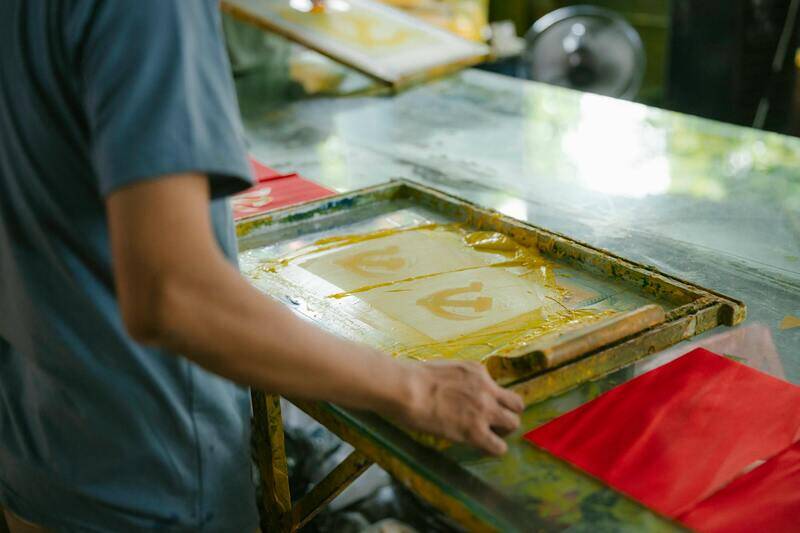
- Polyester Fabric: Renowned for its vibrant color reproduction and tensile strength, polyester is a popular choice for indoor displays, trade show booths, and premium storefront banners. This material provides a smooth finish suitable for detailed printing, making it ideal for high-end branding.
- Vinyl: Known for its waterproof qualities and resistance to UV rays, vinyl banners are predominant in outdoor settings. They withstand harsh weather conditions, including rain and direct sunlight, without fading or tearing, thus ensuring longevity and consistent branding exposure.
- Mesh: Lightweight with perforations, mesh banners are designed to allow wind passage, reducing stress on mounting points. These are especially suitable for large-format outdoor banners in open spaces exposed to strong winds, without compromising visibility and durability.
- Polypropylene: An affordable alternative, polypropylene banners are best suited for short-term promotional campaigns. They offer decent resistance to moisture and are easy to roll and transport, making them popular for event signage and temporary displays.
Matching Materials to Application Requirements
Understanding where and how the banner will be used helps determine the ideal material. For instance, outdoor promotional banners demand weather-resistant materials like vinyl or mesh, ensuring they retain their integrity over time. Indoor banners, like those for retail or corporate events, can favor elegant fabrics that impart a high-quality appearance. Event signage often prefers lightweight options such as polypropylene, facilitating quick setup and easy transportation.
Accurate material selection maximizes the impact of your branding efforts and enhances overall visibility, whether for a retail storefront, trade show, or outdoor advertising campaign in Singapore. Consulting with professional printing services ensures you receive guidance tailored to your specific environment and budget constraints.
Visualizing Banner Materials for Your Campaign
Understanding Different Printing Techniques for Banners
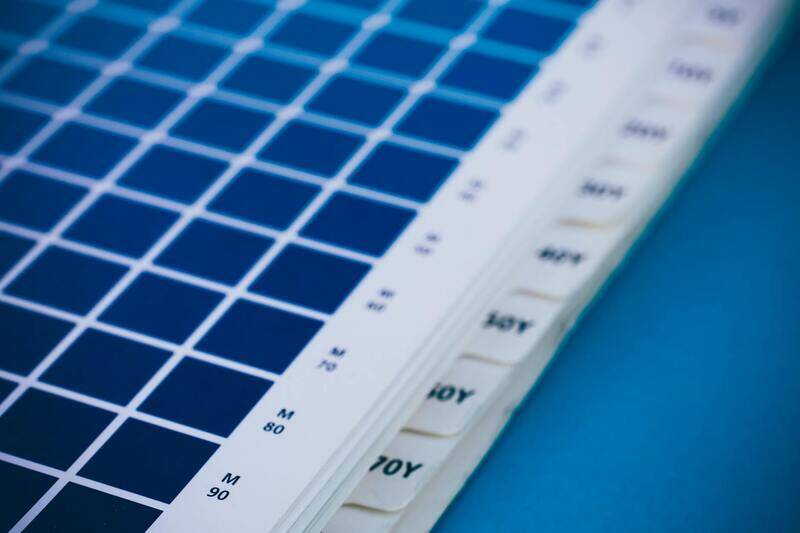
Choosing the appropriate printing technique plays a crucial role in ensuring that your banner not only appears visually appealing but also withstands environmental challenges. Digital printing emerges as the most versatile and prevalent method in modern banner production. It allows for high-resolution images, vibrant color reproduction, and rapid turnaround times, making it ideal for both small and large-scale campaigns. Digital printing techniques employ inkjet or laser-based systems that can handle various materials, including vinyl, fabric, and mesh, providing flexibility based on the banner's intended use.
Screen printing is another established method, particularly effective for large volume orders with simple one- or multi-color designs. This technique involves creating stencils (screens) for each color and pushing ink through these screens onto the banner material. Screen printing produces highly durable prints with excellent color vibrancy, which is well-suited for outdoor banners exposed to weather elements. Despite longer setup times compared to digital methods, it remains a cost-effective option for bulk productions.
Large-format printing technology combines the advantages of digital and high-resolution capabilities, enabling the production of expansive banners with fine details and color accuracy. This method employs wide-format printers that can print on large sheets of material in a single run, reducing seams and joints that could compromise the visual integrity of the banner. Additionally, lamination or UV coating options can enhance durability and weather resistance, essential for outdoor advertising campaigns in Singapore.
Material Compatibility with Printing Methods
Selecting the right printing technique involves understanding the compatibility with your chosen material. Digital printing works seamlessly on vinyl, fabric, and mesh, offering detailed images suitable for indoor and outdoor use. Screen printing, with its thicker ink layers, tends to be best suited for durable materials like vinyl, providing longevity for outdoor banners. Large-format printing can accommodate various substrates, ensuring that your banner remains resistant to environmental wear and tear.
Professional printing services leverage their expertise to match your campaign goals with the most suitable printing method and material combination. This combination guarantees the banner's visual appeal and durability, aligned with the environmental conditions and budget constraints specific to Singapore's diverse climate.
Design Considerations for Banner Printing
Beyond choosing the right technology and material, effective banner design emphasizes clarity, high contrast, and minimal clutter. Large, bold fonts capture attention from a distance, while contrasting colors improve readability against various backgrounds. Incorporating branding elements cohesively across the banner ensures consistent visual identity.
- Use high-resolution images and graphics to prevent pixelation.
- Maintain a balance between text and visuals for quick comprehension.
- Consider the viewing distance when selecting font sizes and image details.
- Opt for simple, impactful messages that align with campaign objectives.
To maximize the effectiveness of your banner, collaborating with experienced printing providers offers insights into best practices, material choices, and technological options tailored to the specific application environment.
Material Selection for Your Printing Service Banner
When considering the material for your banner, it is essential to evaluate the environmental conditions and the desired longevity of the display. Durable and weather-resistant substrates like vinyl, mesh, or fabric are frequently used in singaporeprinting.org's offerings, ensuring that banners stand up well against Singapore’s humid climate and sudden weather changes. Vinyl, particularly, is favored for outdoor banners due to its robustness, resistance to tearing, and ability to handle inclement weather. Mesh banners allow wind to pass through, reducing the risk of damage in high-wind areas, and are perfect for large-format outdoor advertising.
Fabric banners made from polyester or a polyester blend can also be an excellent choice, especially for indoor events or trade shows where a softer aesthetic is desired. These materials often provide a premium look with the benefit of being lightweight and easy to handle. Additionally, special coatings such as UV coating or lamination can further enhance durability by protecting against fading, scratching, and water damage—crucial for maintaining the banner’s visual impact over time.
Understanding Printing Technologies for Banners
Advancements in large-format printing technologies have revolutionized how banners are produced, enabling vibrant color reproduction, sharp details, and quick turnaround times. Solvent, eco-solvent, UV, and latex printing are common methods used by professional printing services to achieve high-quality results.
- Solvent and Eco-solvent Printing: Known for their ability to produce vivid colors on a variety of substrates, these technologies provide excellent durability and resistance to environmental conditions. Eco-solvent inks are environmentally friendlier, emitting fewer volatile organic compounds (VOCs), aligning with sustainable practices in Singapore.
- UV Printing: Utilizing ultraviolet light to cure the inks instantly, UV printing provides crisp details and a glossy finish. It is highly suitable for rigid materials or banners that require a high-end appearance.
- Latex Printing: Offering flexibility, durability, and eco-friendliness, latex printing is ideal for banners that demand repositioning or need to withstand outdoor elements while providing outstanding print quality.

For banners that require outdoor application and durability, solvent and UV printing technologies are particularly effective. These methods ensure that the colors remain vibrant and resistant to environmental factors such as UV rays, rain, and humidity. An experienced printing provider can assist in selecting the most appropriate technology based on the intended deployment and environmental exposure of your banner.
Integrating Design and Material in Banner Printing
Precision in design and material pairing is crucial to achieve impactful visual communication. High-resolution images and vector graphics help maintain clarity regardless of the banner size. Recognized printing services emphasize the importance of using CMYK color modes for optimal color accuracy and consistency in production.
- Optimizing font sizes to ensure legibility from a distance is critical. Bold, sans-serif fonts are typically preferred for outdoor banners.
- Maintaining a balance between visuals and text enhances message delivery and viewer engagement.
- Choosing contrasting colors not only boosts visibility but also enhances the overall aesthetic appeal.
By partnering with a professional banner printing service, clients gain access to expert insights on material compatibility, print resolution, and finishing options such as hemming or grommets. This collaboration ensures that every banner produced aligns with campaign requirements and environmental considerations, delivering maximum visual impact.
Durability and Weather Resistance
When selecting a printing service for banners intended for outdoor use, durability and weather resistance are crucial considerations, particularly in Singapore’s humid and tropical climate. The materials chosen must withstand prolonged exposure to sunlight, rain, and wind without fading, tearing, or deteriorating. High-quality banner materials such as PVC vinyl, mesh fabric, and polyester are popular choices due to their robustness and resistance to environmental elements. PVC vinyl banners are known for their impermeability and flexibility, making them ideal for large-format printing that requires longevity.
To enhance durability, finishes like lamination or coating are recommended. Both gloss and matte lamination provide protective layers that shield the print from UV rays, moisture, and dirt, extending the lifespan of the banner. UV coating is particularly effective at preventing colors from fading over time caused by sunlight exposure. For outdoor banners exposed to high wind or other harsh conditions, reinforced hems with rust-proof grommets are advisable to ensure secure installation.
Official printing providers utilize advanced solvent, eco-solvent, and UV printing technologies that not only produce vibrant and precise images but also contribute to the banner’s resilience. These techniques infuse ink beneath the surface of the material, making them resistant to scratching and weather-related wear. Such printing solutions are essential for banners that are meant to endure the unpredictable Singapore weather over extended periods.
Additionally, proper installation and maintenance are vital to preserving the banner’s integrity. Ensuring that banners are securely fastened with appropriate fixtures prevents damage caused by wind or accidental pulls. Regular cleaning with mild soap and water helps maintain visual clarity and prolongs the appearance of colors, especially for daily advertising displays or event banners.
Types of Banners and Materials
Choosing the appropriate type of banner and the right material is pivotal for achieving desired visual impact and durability. Common banner types include mesh banners, vinyl banners, fabric banners, and fabric mesh options. Each type offers unique advantages tailored to specific applications and environments.
- Vinyl Banners: The most versatile and widely used material, vinyl banners are known for their durability and vibrant color reproduction. They are suitable for both indoor and outdoor use, with options for gloss or matte finishes.
- Mesh Banners: Constructed with tiny perforations, mesh banners allow wind to pass through, making them ideal for high-wind outdoor settings such as building wraps or large-scale advertisements.
- Fabric Banners: Made from polyester or nylon, fabric banners offer a premium look with rich textures and are often used for indoor displays, event backdrops, or trade shows.
- Farming and Specialty Materials: For specific purposes like fabric backdrops or textured finishes, specialized materials are available to enhance visual appeal and tactile quality.
Material selection should be based on intended exposure conditions and display duration. For example, vinyl is suitable for long-term outdoor advertising owing to its weather resistance, whereas fabric banners are preferred for indoor environments where aesthetic presentation is prioritized.
Design Principles for Effective Banners
Effective banner design hinges on clarity, visual hierarchy, and compelling messaging. A well-designed banner communicates its message quickly to viewers, even from a distance, and guides their attention toward the Call to Action (CTA).
- Bold and Readable Fonts: Use large, clear fonts that can be easily read from afar. Avoid cluttered or intricate typography which can diminish readability.
- Contrasting Colors: Employ contrasting colors to highlight key messages. Bright colors against darker backgrounds or vice versa ensure visibility.
- Simplified Messaging: Limit the amount of text, focusing on compelling headlines and minimal details. Let visuals communicate most of the message.
- High-Quality Images and Graphics: Use sharp, relevant images that reinforce the advertising message. Avoid pixelation or low-resolution graphics that diminish professionalism.
- Consistent Branding Elements: Incorporate brand logos, colors, and fonts to maintain branding consistency across all marketing materials.
Design layout should balance visual elements and negative space. Strategic placement of messages ensures that the viewer's eye is naturally drawn to the most important information.
Printing Techniques and Technologies
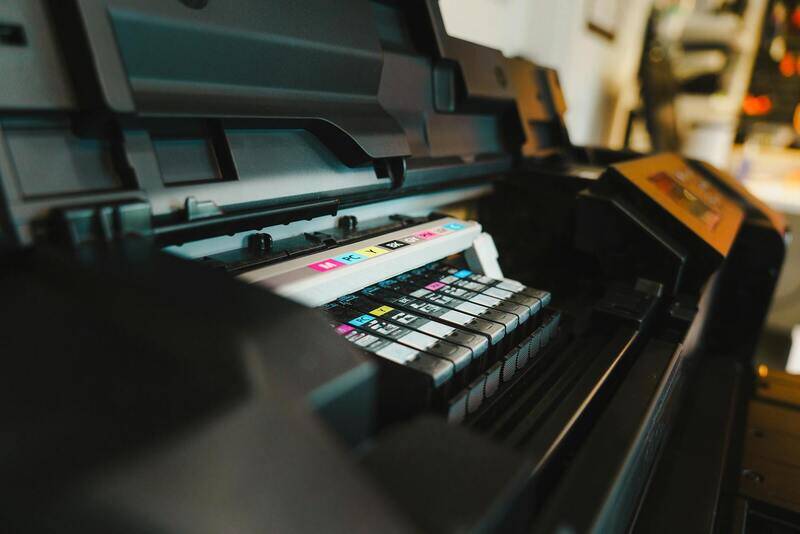
The quality of printing directly impacts the overall appearance and longevity of banners. Advanced printing technologies employed by reputable providers ensure vibrant colors, detailed images, and durable finishes. Common techniques include solvent, eco-solvent, UV, and Latex printing.
- Solvent and Eco-Solvent Printing: Known for high durability and color vibrancy, these methods are suitable for outdoor banners exposed to weather elements. Solvent inks penetrate the material, providing resistance to UV rays and water.
- UV Printing: Using ultraviolet light to cure inks instantly, UV printing yields sharp, vivid results with excellent scratch and weather resistance. It’s ideal for high-quality indoor displays as well.
- Latex Printing: Eco-friendly with flexible prints, Latex technology offers vibrant colors and softer finishes, suitable for both indoor and outdoor banners that require frequent handling or bending.
Advanced print technology enables the production of precise, high-resolution images with consistent color fidelity. Investing in such equipment or working with vendors possessing these capabilities ensures professional results that stand out effectively.
Choosing the Right Banner Size and Dimensions
Optimal banner size depends on placement location, viewing distance, and the message complexity. Common sizes range from small signage (2ft x 4ft) to large-scale displays (20ft or more). For outdoor billboards or building wraps, larger dimensions are necessary to maximize visibility, while smaller banners are suitable for indoor use or targeted advertising.
- Factor in Viewing Distance: Larger banners work well for distant viewing, such as roadside or rooftop displays, whereas smaller banners are more appropriate for close-up environments like storefronts or conference booths.
- Consider Physical Space: Measure the installation area carefully to avoid overcrowding or inadequate visibility.
- Account for Content Complexity: Simple messages with bold fonts require less space, whereas detailed information may necessitate larger sizes to prevent clutter.
Dimension selection should also consider the aspect ratio and material constraints, ensuring that the design remains proportionate and legible after printing. Confirming upon size beforehand reduces the risk of distortion or pixelation in the final product.

Proper Installation Techniques and Maintenance for Longevity
Ensuring that your printed banner not only captures attention upon installation but also retains its visual appeal over time requires careful handling and ongoing maintenance. The choice of installation method should align with the banner's material, size, and location. For lightweight fabric banners, securing edges with grommets and heavy-duty ties or bungee cords offers flexibility and strength. For more substantial vinyl banners, using sturdy hooks, ropes, or retractable banner stands provides stability against environmental factors such as wind or rain.
When installing banners outdoors, it’s important to consider anchoring points that can withstand weather conditions. Reinforcing corners with additional grommets and using corrosion-resistant fixtures help prevent tearing or damage. For indoor banners, adhesive solutions like double-sided tapes or velcro strips can facilitate clean, damage-free mounting on walls or partitions.
Routine maintenance extends the lifespan of banners and preserves their visual impact. Regularly inspecting for signs of wear, such as fading, rips, or loose fittings, allows for prompt repairs. Cleaning methods should be gentle yet effective; for vinyl banners, wiping with a soft cloth soaked in mild soap and water typically removes dirt and grime. Avoid abrasive cleaners or high-pressure washing, which can deteriorate the material or degrade print quality.
Adapting to Changing Environments and Usage Conditions
Changes in weather or prolonged exposure to sunlight can accelerate banner degradation. UV-resistant coatings and weatherproof materials offer increased protection against fading and tearing. When banners are repositioned or reused, careful storage in a cool, dry place prevents material warping or mold growth. Rolling or folding the banners with suitable supports avoids creases and damage, particularly for large displays.
For banners that are part of ongoing campaigns, scheduling periodic inspections and cleaning ensures they continue to communicate your message effectively. Rotating banners based on seasonal themes or promotional periods also maximizes their relevance and lifespan.
Types of Banners and Materials
When selecting the appropriate printing service banner for your project, understanding the variety of banner types and materials available is essential. Each type offers specific advantages tailored to different environments, purposes, and durations of use. Common banner types include vinyl banners, mesh banners, fabric banners, and biodegradable options. Vinyl banners are the most versatile, suitable for both indoor and outdoor applications due to their durability and weather resistance. Mesh banners, featuring tiny holes, allow wind to pass through, making them ideal for large outdoor displays subjected to high wind conditions. Fabric banners, crafted from materials like polyester or satin, provide a premium look suitable for indoor events, trade shows, or retail displays. Biodegradable banners are an eco-friendly choice, crafted from natural or recycled materials, aligning with sustainability goals.
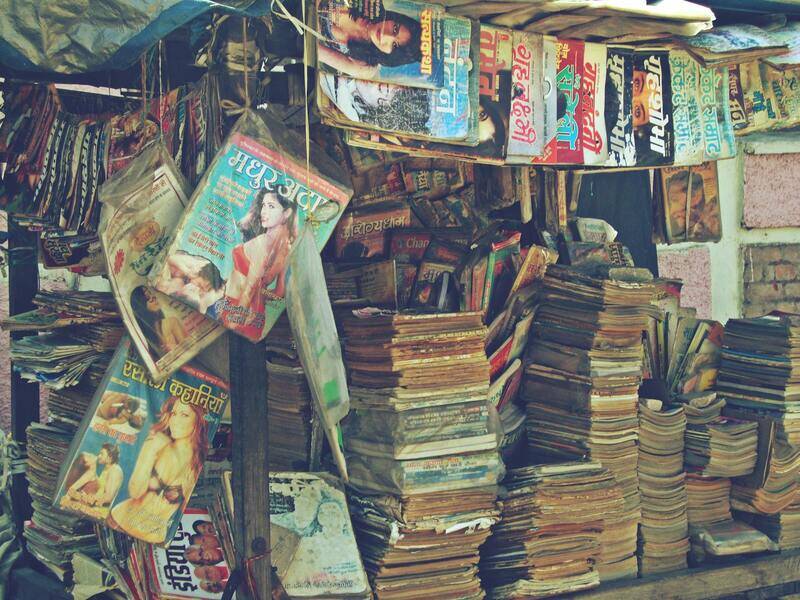
Material selection impacts the banner's lifespan, visual appeal, and suitability for specific installation environments. High-quality vinyl with UV coating ensures bright, fade-resistant printing, especially important for outdoor displays exposed to sunlight. Mesh materials enhance wind resistance, preventing damage during long-term outdoor displays. Fabric banners tend to have a refined finish, often requiring specialized printing techniques to achieve vivid, high-resolution images. It is vital to choose the right material in conjunction with the intended location, expected weather conditions, and budget considerations to maximize the impact of your advertising display.
Design Principles for Effective Banners
Effective banners communicate messages clearly and efficiently. Utilizing bold typography, contrasting colors, and minimal text ensures readability from a distance. Visually striking graphics and logos reinforce brand recognition. Consistency with branding elements such as color schemes and font styles supports a cohesive visual identity. Incorporating whitespace around key messages prevents clutter and enhances visual hierarchy. Ensuring sufficient resolution and high-quality images guarantees a professional appearance, reflecting credibility and attention to detail.
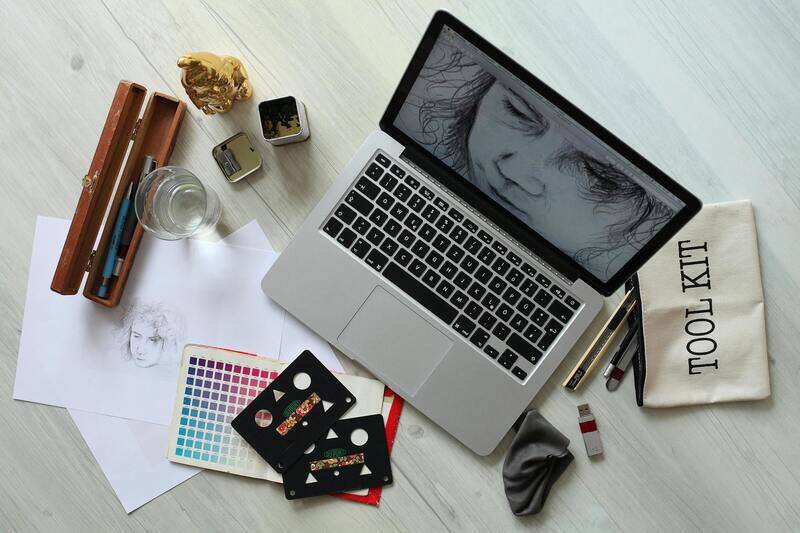
Designing banners with their installation environment in mind is crucial. For outdoor banners, high-contrast colors and large font sizes improve readability under various lighting conditions. Indoor banners may feature more detailed graphics and smaller text, given the proximity to viewers. Incorporating clear call-to-action prompts can lead to better engagement. Professional design software and experienced graphic designers can help craft visually compelling banners that resonate with target audiences, ultimately boosting marketing effectiveness.
Printing Techniques and Technologies
Advancements in printing technology ensure high-quality, durable banners. Wide-format digital printing, including UV, latex, and solvent-based printing, allows for vibrant and detailed images to be produced efficiently across large surfaces. UV printing provides excellent color retention and scratch resistance, ideal for outdoor displays. Latex printing offers flexibility and eco-friendliness, with vibrant color reproduction and fast drying times. Solvent-based inks, although effective for outdoor durability, may require proper ventilation and handling precautions due to solvent content. Choosing the right technology depends on factors such as budget, desired longevity, and environmental considerations.
Choosing the Right Banner Size and Dimensions
Proper sizing ensures your banner delivers maximum visual impact without overwhelming the installation space. Key considerations include the viewing distance, placement location, and message complexity. Larger banners are suitable for outdoor events and high-traffic areas, often measuring several meters in width and height. For indoor use, smaller, more precise dimensions enhance visibility without overwhelming interior spaces. Precise measurement and planning prevent issues such as distortion or incomplete display of graphics and text. Consulting with a printing provider experienced in customizing banner sizes helps optimize visual communication and ensures adherence to spatial constraints.
Durability and Weather Resistance
For outdoor banners, weather resistance is paramount. Materials with UV coatings, waterproof features, and wind-resistant structures extend the lifespan and maintain visual quality amid varying environmental conditions. Reinforced grommets and hems provide additional strength during installation, reducing wear over time. Properly finished edges and sealed seams prevent tearing and fraying. UV-resistant inks further enhance color retention against prolonged sunlight exposure. Routine inspections and maintenance, such as cleaning and repairing minor damages, help preserve the banner’s appearance and structural integrity, ensuring consistent branding and messaging for the duration of your campaign.
Cost Factors and Budgeting
Budgeting for banner printing involves assessing material quality, size, complexity of design, and quantity. Premium materials and high-resolution printing typically incur higher costs but deliver longer-lasting results. Larger formats or intricate designs with multiple colors also influence expenses. Bulk orders may benefit from discounts, making them more cost-effective for extensive campaigns. Additional costs include installation hardware, finishing touches like eyelets or hemmed edges, and transportation. Analyzing your project’s scope and desired lifespan helps determine an appropriate budget, balancing quality and affordability to achieve your branding objectives effectively.
Installation and Maintenance of Banners
Proper installation ensures your banner remains securely mounted and visually appealing. For outdoor banners, eyelets, grommets, or reinforced edges facilitate stable attachment to various fixtures such as poles, walls, or fences. Indoor banners may use adhesive tapes, hooks, or retractable stands, depending on the design and location. Maintenance includes regular cleaning with gentle solutions to remove dirt and pollutants, which can dull colors and degrade materials. Prompt repairs of tears or loose fittings extend the banner’s use and ensure consistent visibility. Seasonal removal and storage, when applicable, should involve rolling the banners carefully onto tubes or folding them with supports to prevent creases and damage, preserving their quality for future use.
