
Understanding Banner Printing
Banner printing is a versatile and effective method of creating large-scale visual displays to communicate messages, promote brands, or enhance event decor. This process involves the production of banners, which are wide-format printed materials that can be displayed in both indoor and outdoor environments. The primary goal of banner printing is to ensure that the message conveyed is clear, eye-catching, and easily visible from a distance. Banners are widely used across various sectors including retail, corporate, hospitality, and community events, making them a popular choice for advertising and branding purposes.
In essence, banner printing combines advanced printing technology with high-quality materials to produce durable visuals. These visuals can range from simple text-based advertisements to intricate designs featuring images and graphics. Traditional banners served as static displays, but modern printing techniques allow for vibrant color reproduction, sharp details, and custom sizes tailored to specific needs. The adaptability of banner printing allows for its application in numerous contexts such as promotional campaigns, grand opening celebrations, trade shows, sports events, and public awareness drives.
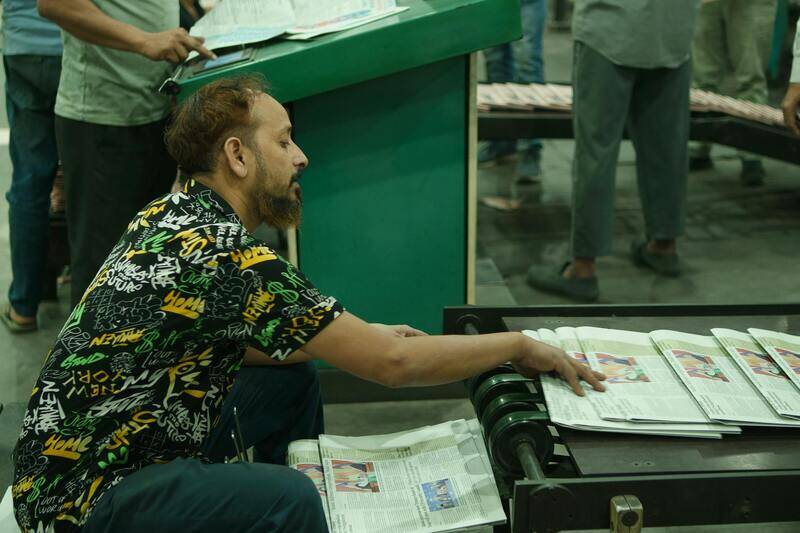
Choosing the right type of banner and printing method hinges on understanding the intended use, location, and duration of display. For example, long-term outdoor banners require weather-resistant materials and robust printing techniques, while short-term indoor banners can utilize lighter, more economical options. The ability to produce high-resolution banners with vibrant colors also plays a crucial role in capturing attention and delivering messages effectively.
Overall, banner printing remains a highly practical and impactful tool for communication, enabling individuals and organizations to reach broad audiences with compelling visual content. Proper selection of materials, printing methods, and design elements ensures that banners serve their purpose effectively and withstand environmental conditions, providing value over their lifespan.
Types of Banners Suitable for Print Out
When considering banner printing, it is essential to select the type of banner that best fits the specific requirements of the project. Different types of banners are designed for varying durations, environments, and display locations. The main categories include vinyl banners, fabric banners, mesh banners, and paper banners. Each type offers distinct advantages and is suitable for particular applications.
- Vinyl Banners: Known for their durability, vinyl banners are the most common choice for both indoor and outdoor use. They are resistant to weather elements like rain and wind, making them ideal for events that last several days or weeks.
- Fabric Banners: Made from materials such as polyester or nylon, fabric banners provide a high-quality finish with vibrant color reproduction. They are often used for indoor displays, trade shows, and high-end promotional events.
- Mesh Banners: Composed of a perforated material, mesh banners allow wind to pass through, reducing stress on hanging structures. They are particularly suitable for large outdoor advertising on scaffolding or fences.
- Paper Banners: Typically used for short-term indoor occasions, paper banners are cost-effective and easy to produce but are not suitable for outdoor exposure or long-term display.

Understanding Banner Printing
Materials and Finishes for Banner Printing
Selecting the appropriate materials and finishes is crucial for achieving the desired impact and longevity of your banner print out. The choice of substrate influences not only durability but also visual appeal, color vibrancy, and ease of installation. Common materials include vinyl, fabric, mesh, and paper, each offering unique benefits tailored to specific display needs.
Vinyl remains the top choice for outdoor banners due to its resilience against weather elements such as rain, UV rays, and wind. Typically made from PVC, vinyl banners can withstand prolonged exposure to the elements, ensuring your message remains clear and vibrant over time. They can be finished with matte or gloss coatings, which affect the reflection and visibility under various lighting conditions. Additionally, vinyl banners can be reinforced with grommets or pole pockets, facilitating easy installation and added durability.
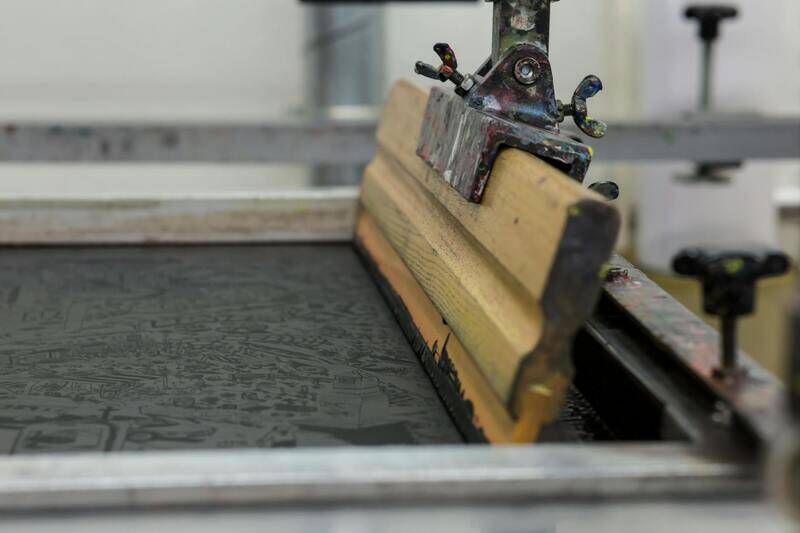
Fabric banners, crafted from polyester or nylon, offer a sophisticated appearance with rich, vibrant colors. These are often chosen for indoor events, exhibitions, or retail displays where aesthetic quality is prioritized. The fabric's texture adds depth to printed graphics and reduces glare, enhancing visual clarity. Finishing options for fabric banners include hemming, eyelets, and pole pockets, which contribute to a refined presentation and sturdy hanging.
Mesh banners are optimized for outdoor environments with high wind conditions. Their perforated design allows air to pass through, minimizing stress on hanging structures and reducing the risk of tearing. Usually produced with either vinyl or polyester mesh, these banners are ideal for fencing, scaffolding wraps, and large-format outdoor advertising, where visibility and durability are essential.
Paper banners are primarily used for short-term indoor events, such as celebrations, product launches, or temporary signage within a contained environment. They are lightweight and easy to produce, making them cost-effective options for quick and transient displays. However, they lack resistance to outdoor conditions and are best suited for indoor use only.
Choosing the Right Printing Techniques
The printing technique selected significantly influences the quality and durability of your banner print out. High-resolution digital printing is predominantly used, offering vibrant colors and sharp details that are essential for promotional visuals. Techniques such as eco-solvent printing and UV printing are preferred for outdoor banners due to their resistance to weathering and fading.
Eco-solvent printing uses environmentally friendly inks that penetrate deeply into the material, resulting in a long-lasting and weather-resistant print. UV printing, on the other hand, employs ultraviolet light to instantly cure inks on the surface of the material, providing a tough finish suitable for both indoor and outdoor applications. Both methods enable the production of durable, high-quality images suited to professional banner displays.
Large-format dye sublimation printing is another option often used with fabric materials, producing vibrant, high-quality prints that are resistant to cracking and peeling. The choice of technique should align with the intended application, environmental exposure, and budget constraints.
Design Considerations for Banner Print Out
A well-designed banner enhances visibility and communicates the intended message effectively. It is important to use high-resolution images and vector graphics that maintain clarity at large sizes. Color schemes should align with branding guidelines while considering contrast to ensure readability from a distance. Typography needs to be clear, bold, and legible, with appropriate font sizes proportionate to the viewing distance.
Whitespace balance is essential to prevent clutter and focus attention on key messages. Incorporating simple, impactful headlines and strategic placement of visuals can improve overall effectiveness. When preparing designs, always consider the banner's location and lighting conditions, adjusting the visual elements for maximum visibility. Additionally, incorporating framing or border elements can help draw attention and improve presentation quality.
Color contrasts, font choices, and visual hierarchy play pivotal roles in ensuring the banner is easily readable and visually attractive. It is advisable to seek professional design services or consult with printing specialists to optimize design layout, resolution, and printing specifications tailored to your display environment.
Official Methods for Banner Print Out
To ensure high-quality and durable banners, it is essential to utilize legitimate printing methods that adhere to industry standards. These methods typically involve advanced printing technologies and premium materials, guaranteeing vibrant colors, sharp images, and longevity, especially when banners are exposed to outdoor elements.
One of the most common legitimate printing techniques is UV printing. This process involves applying ultraviolet light to instantly cure the ink onto the surface of the banner material. UV printing produces vivid colors and offers excellent resistance to fading, scratches, and weather conditions. It is especially suitable for large-format prints and provides the flexibility to print on a variety of materials, including vinyl, fabric, and rigid surfaces.
Another widely used method is solvent and eco-solvent printing. These techniques employ solvent-based inks that penetrate deep into the material, ensuring durability and resistance to moisture and UV rays. Eco-solvent options are environmentally friendly and produce less odor, making them suitable for indoor and outdoor banners alike.
For banners that require intricate details or photographic quality, latex printing offers an excellent solution. Latex inks are flexible, highly resistant to environmental factors, and produce vibrant, long-lasting images. This method is suitable for custom banners, event displays, and promotional campaigns.
Proper surface preparation and calibration of printing equipment are vital steps to achieve optimal results. Reputable printing service providers in Singapore employ high-quality digital printers such as flatbed or wide-format inkjet printers, which guarantee precision and color accuracy. Choosing a certified print shop aligned with industry best practices ensures that your banner print out will meet your expectations and stand the test of time.
When selecting a printing provider, verify their adherence to safety standards and quality control processes. Request samples or view previous work to assess print quality, material compatibility, and finish options. Utilizing trusted, licensed professionals not only safeguards your investment but also guarantees your banner’s visual impact and durability across various display environments.
Understanding Banner Printing
Banner printing is a specialized process that transforms digital designs into large-scale visuals suitable for various promotional and informational displays. It involves a combination of high-resolution digital imaging, precise color management, and advanced printing technology to produce banners that are vibrant, durable, and suitable for multiple environments. Whether for trade shows, outdoor advertising, or event signage, understanding the core principles of banner printing ensures that your visual communication effectively captures attention and conveys your message.
Technical Aspects of Banner Printing
Modern banner printing utilizes large-format digital printers capable of producing high-resolution images on a variety of materials. These printers employ advanced inkjet technology that deposits tiny droplets of ink onto substrates with precision, ensuring sharp details and rich color gradations. The capability to print on different materials allows for customization based on the intended setting—be it outdoor durability or indoor aesthetic appeal.

Color accuracy and consistency are maintained through meticulous calibration of printing equipment, alongside the use of color profiles. This ensures that the printed banners closely match the digital design specifications, thereby enhancing brand consistency and visual appeal. Additionally, the application of advanced finishing techniques, such as lamination or grommet installation, extends the lifespan of banners and enhances their visual impact.
Environmental Considerations in Banner Printing
Eco-friendly printing options are increasingly prevalent. Eco-solvent inks, for example, emit fewer volatile organic compounds (VOCs) and produce less odor, making them suitable for both indoor and outdoor banners in sensitive environments. Latex inks further contribute to sustainability, offering flexible, resilient prints that resist cracking and environmental wear. Choosing environmentally conscious materials and inks aligns with responsible branding and minimizes ecological footprints.
Quality Assurance and Expert Guidance
Partnering with experienced printing service providers is crucial for obtaining optimal results. Reputable providers utilize industry-standard digital printers, maintain rigorous quality control processes, and adhere to safety standards. They can provide guidance on material selection, finishing options, and the most appropriate printing techniques based on your specific needs. Viewing samples and previous work offers insight into the consistency of quality, ensuring your banner print out will meet your expectations and withstand the demands of various display conditions.
Advantages of Professional Banner Printing
- Superior image quality with vibrant color reproduction
- Durability against weather conditions
- Wide selection of materials and finishes
- Customization options tailored to specific branding needs
- Efficiency and quick turnaround times
Ensuring Optimal Banner Print Out Quality
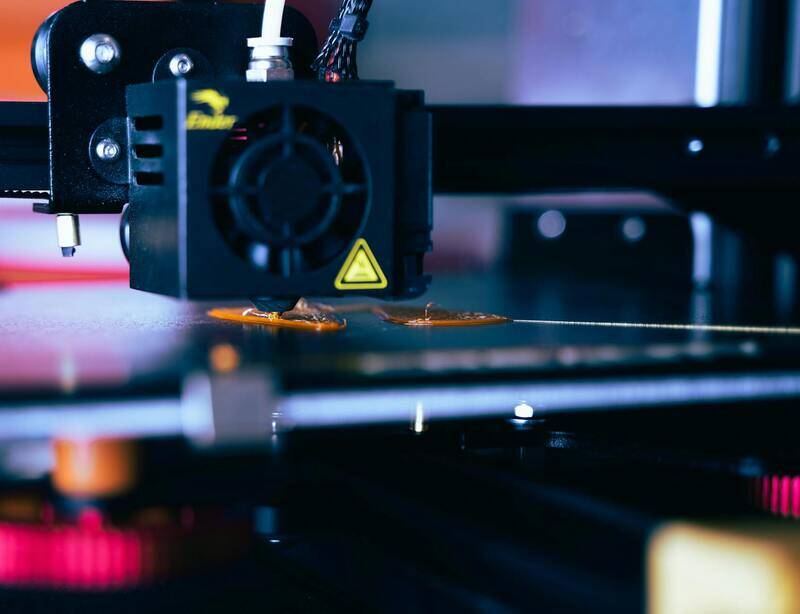
When it comes to achieving a professional and eye-catching banner, selecting the appropriate printing methods is essential. Using high-quality equipment and official printing techniques ensures vibrant colors, sharp details, and durable results that withstand environmental elements. Reputable printing service providers employ advanced digital printers capable of producing large-format, high-resolution images that maintain clarity, even when scaled to billboard size. These machines use precise ink delivery systems that prevent color inconsistencies and produce smooth gradations, which are crucial for capturing the desired visual impact.
Printing Methods Employed in Banner Production
Several official printing processes are suitable for banner creation, each offering different advantages depending on the desired durability, finish, and budget. The most common methods include:
- UV Printing: This technique involves ink curing through ultraviolet light exposure, resulting in vibrant, highly detailed images with excellent adhesion to various materials. UV printing is ideal for banners requiring sharp resolution and weather-resistant finishes.
- Solvent and Eco-solvent Printing: These methods use solvent-based inks that penetrate the material, enhancing durability and resistance to water, UV rays, and scratches. Eco-solvent options are preferred for environmentally conscious projects as they emit fewer volatile organic compounds.
- Latex Printing: With latex inks, banners benefit from flexibility, quick drying times, and eco-friendliness. Latex printing is often chosen for its resilience against environmental stresses, making it suitable for outdoor displays.
Maintaining Consistent Quality in Banner Print Outs
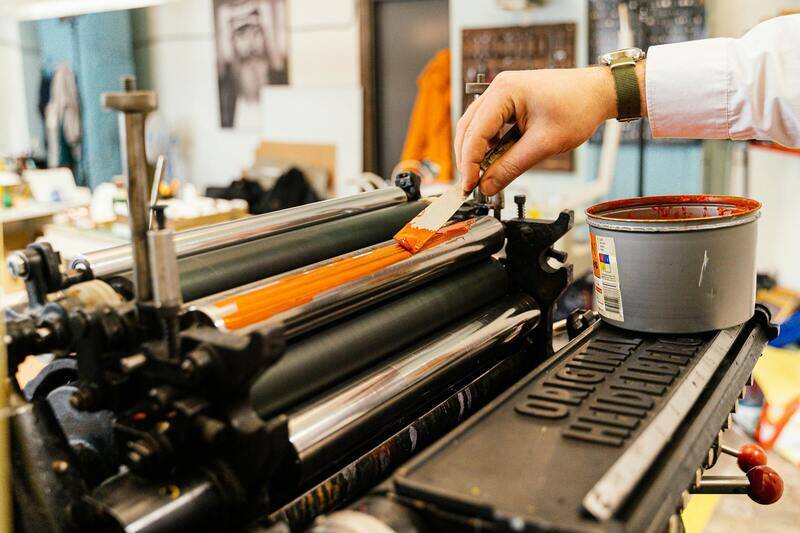
To guarantee a outstanding outcome, it is vital to work closely with experienced printing professionals who follow established industry standards. Reputable printers verify that artwork files are prepared with appropriate resolution (usually 300 dpi or higher) and correct color profiles to ensure fidelities between the design and final print. They also conduct sample runs to review color accuracy, registration, and overall appearance before proceeding with large batches.
Technical Support and Consultation
Consulting with expert print technicians allows for personalized recommendations based on your banner's intended application—whether for short-term promotions or long-term outdoor advertising. They can advise on material selection to enhance durability and highlight finishing options that add value and longevity, such as hemming, grommets, or UV lamination. These details, though seemingly minor, significantly influence the durability and visual appeal of the finished product.
Understanding Banner Printing
Banner printing is a vital component of visual marketing strategies, offering versatility and high-impact visibility for a wide range of promotional, informational, and decorative purposes. When preparing for a banner print out, it’s essential to grasp the factors that influence the final product, including material choices, printing techniques, and design specifications. A well-executed banner not only captures attention but also maintains its visual integrity over time, ensuring that messaging remains clear and compelling across various environments.
Types of Banners Suitable for Print Out
The selection of banner types depends on their intended use, duration of display, and environmental exposure. Common options include:
- Vinyl Banners: Known for durability, flexibility, and weather resistance, vinyl banners are ideal for outdoor advertising and long-term displays. They withstand water, UV rays, and wind, making them a reliable choice for various outdoor settings.
- Mesh Banners: Featuring a perforated surface, mesh banners allow wind passage, reducing strain on hanging structures. They are well-suited for large-format outdoor displays where airflow is a concern, such as construction sites or sports venues.
- Fabric Banners: Typically made from polyester or polyester blends, fabric banners provide a high-end appearance with vibrant color reproduction. They are often used indoors or in short-term outdoor events where a more refined look is desired.
- Eco-friendly Materials: For environmentally conscious projects, biodegradable or recyclable materials are increasingly available. These materials minimize environmental impact while still delivering quality print outcomes.
Materials and Finishes for Banner Printing
Material selection directly impacts the durability and appearance of your banner. Common materials include vinyl, mesh, fabric, and eco-friendly options, each with unique benefits. Finishes also play a critical role in enhancing longevity and visual appeal:
- Grommets and Hemming: Reinforced edges and metal grommets facilitate easy installation and help prevent tearing, especially in windy conditions.
- UV Coatings and Lamination: Applying UV-resistant coatings or lamination protects the print from fading, scratches, and water damage, extending the banner’s lifespan.
- Matte vs. Gloss Finishes: Matte finishes reduce glare for better readability, while gloss finishes enhance vibrancy and color depth, depending on the desired visual effect.
Choosing the Right Printing Techniques
Selecting an appropriate printing technique ensures high-quality output tailored to your project's needs. Predominant methods include:
- Solvent and Eco-solvent Printing: These techniques use solvent-based inks that provide excellent adhesion and durability, especially for outdoor banners. Eco-solvent options emit fewer volatile organic compounds, aligning with environmental considerations.
- Latex Printing: Latex inks offer flexibility, quick drying, and water resistance. They are suitable for banners requiring durability against weather elements and frequent handling.
- UV Print: UV printing utilizes ultraviolet light to cure inks instantaneously, resulting in crisp, vibrant images ideal for short-run projects or specialty applications such as textured or layered effects.
Design Considerations for Banner Print Out
To produce an effective banner, design plays a crucial role. Consider:
- Resolution: Files should be prepared at a minimum of 300 dpi to ensure sharp, clear images when enlarged.
- Color Profiles: CMYK color mode is essential for accurate color reproduction in printing.
- Typography: Use bold, legible fonts that remain readable from a distance, and avoid overly intricate typefaces that may lose clarity when scaled up.
- Visual Hierarchy: Design with a clear focal point, balancing text and imagery to guide viewers’ attention effectively.
- Safe Margins: Maintain safe margins around the edges to prevent important elements from being cut off or obscured during finishing.

Understanding Banner Printing
Banner printing involves the process of producing large-format prints that are used for advertising, promotional displays, events, and signage. This method combines high-resolution digital imaging with specialized printing equipment to create visually compelling graphics that retain clarity and vibrancy even at substantial sizes. Accurate reproduction of colors, sharpness of images, and durability of the material are essential factors that decent banner print out methods address effectively.
Key Aspects of Banner Printing
- Resolution: Ensuring digital files are prepared at a minimum of 300 dpi for enlarged images.
- Color Accuracy: Employing color profiles like CMYK to match print output precisely with design intentions.
- Material Selection: Choosing appropriate substrates based on the intended use and environment.
- Durability: Selecting finishes and inks that withstand weather elements and prolonged exposure.
Digital vs. Traditional Methods
Modern banner printing primarily relies on digital printing techniques, which offer quick turnaround and excellent detail reproduction. Unlike traditional screen printing, digital methods can easily accommodate complex designs, gradients, and photographic imagery without extensive setup costs. Essential digital techniques encompass solvent, eco-solvent, latex, and UV printing, each suited for specific outdoor, indoor, or specialty applications.
Types of Banners Suitable for Print Out
Different types of banners serve varied purposes, each requiring specific materials and sizes to optimize visibility and longevity. When printing banners, selecting the correct type ensures the displayed message remains clear and impactful over time.
Common Banner Types
- Vinyl Banners: Durable, weather-resistant, ideal for outdoor advertising. They can be printed with solvent or UV inks for extended lifespan.
Composed of perforated material allowing wind to pass through, suitable for outdoor areas with high wind exposure. - Fabric Banners: Lightweight and flexible, offering a more refined appearance suitable for indoor displays or events.
- Polyester Banners: Cost-effective and easy to print, often used for trade shows and short-term promotions.
- Foam Core or Foam Board Banners: Rigid options primarily used for indoor signage with a polished look.
Choosing the Right Banner Type
Assess environmental conditions, display duration, and required visual impact to select the best banner type. Outdoor banners demand materials with high durability against UV exposure, moisture, and wind, while indoor banners can utilize less resilient but more visually versatile media. Proper selection enhances the banner's effectiveness and lifespan.

Materials and Finishes for Banner Printing
The durability and visual appeal of a printed banner largely depend on the choice of materials and finishing options. Manufacturers offer a range of substrates and surface treatments that are compatible with digital printing techniques, enabling customized results tailored to specific needs.
Common Banner Materials
- PVC Vinyl: Most versatile, weather-resistant, suitable for long-term outdoor use.
- Polyester Fabric: Provides a more premium look, often washable, suited for indoor applications.
- Mesh Fabric: Perforated material allowing airflow, reducing wind load on outdoor banners.
- Polypropylene: Lightweight, resistant to chemicals and moisture, good for short-term indoor banners.
Finish Options
- Laminations: Applying gloss or matte laminates protects against scratches, UV rays, and environmental damage.
- Grommets: Reinforced eyelets added for secure installation.
- Hem and Reinforcements: Edging techniques to prevent fraying and improve durability.
- Cutting and Shape: Custom shapes or precut options to enhance visual impact and ease installation.

Choosing the Right Printing Techniques
Selecting an appropriate printing technique is pivotal to achieving the desired quality and durability of your banner. The technique must align with the material used, the intended environment, and visual specifications.
Primary Banner Printing Techniques
- Solvent and Eco-solvent Printing: Uses solvent-based inks, excellent for outdoor banners requiring weather resistance. Eco-solvent options emit fewer pollutants, suitable for environmentally conscious projects.
- Latex Printing: Offers flexibility and water resistance, ideal for banners that need to endure exposure while maintaining vibrant colors.
- UV Printing: Utilizes UV light to cure ink instantly, producing sharp images with textured options for short-term projects or specialty signage.
- DJ (Direct-to-Substrate) Printing: Suitable for rigid materials like foam boards used in indoor displays, providing high-definition results.
Matching Technique to Material and Use
The choice of printing method should consider environmental exposure, budget, and desired finish. For instance, solvent and eco-solvent printing excel outdoors due to their weather resistance, whereas UV printing offers quick and high-precision results for short-term or indoor applications.
Design Considerations for Banner Print Out
Effective design is essential in conveying your message clearly and attractively through banner print outs. The design should be optimized for large-scale viewing, ensuring that all elements are visible and impactful from a distance.
Design Principles
- Resolution: Maintain a minimum of 300 dpi in digital files to prevent pixelation when enlarged.
- Color Profiles: Use CMYK color mode to achieve accurate color output.
- Typography: Select bold, legible fonts that remain readable from afar, avoiding overly intricate styles.
- Visual Hierarchy: Prioritize core messages and design elements to guide viewers naturally across the banner.
- Margin and Bleed: Incorporate safe margins to prevent elements from being cut off and add bleed areas for edge-to-edge printing.
Design Tips
- Use high-contrast colors for readability.
- Keep text concise and impactful.
- Utilize imagery that maintains clarity when scaled up.
- Test the design at actual size to ensure readability and effectiveness.
Choosing the Right Printing Methods for Banner Out
Once the design and material specifications are established, selecting the appropriate printing method becomes crucial for achieving the desired quality and durability. Digital printing stands out as the most prevalent technique due to its efficiency, flexibility, and capacity for high-resolution output. Within digital printing, various methods cater to specific application needs, and understanding these options assists in making well-informed decisions.
Digital Printing Techniques for Banner Production
- Solvent and Eco-Solvent Printing: These methods utilize solvent-based inks that penetrate the material surface, resulting in vibrant colors and weather resistance. Eco-solvent printing is an environmentally friendlier alternative, producing durable banners suitable for outdoor use.
- Latex Printing: Employs water-based inks with latex polymers, offering high flexibility, quick drying times, and a broad color gamut. Latex printing is ideal for banners exposed to outdoor conditions, providing resistance to weathering and UV exposure.
- UV Printing: Uses ultraviolet light to cure inks instantly on rigid or flexible substrates. UV printing delivers sharp image quality with excellent color accuracy, suitable for short-term or long-term indoor banners.
Large-Format Printing for Banner Production
Given the typically wide dimensions of banners, large-format printers are employed to produce seamless, high-resolution prints. This technology ensures the final output maintains clarity and vibrancy despite size scaling, and it supports various flexible and rigid materials depending on the intended display environment.

Considerations in Selecting a Printing Technique
Choosing the right method involves evaluating several factors such as durability requirements, environmental exposure, budget constraints, and desired visual quality. For instance, solvent and latex printing are more suitable for outdoor banners owing to their weather-resistant properties, whereas UV printing might be preferred for indoor displays that demand high detail and color fidelity.
Ensuring Consistent Results with Professional Printing
Working with reputable printing providers guarantees adherence to quality standards. Professional companies employ calibrated equipment and standardized procedures to ensure consistent color matching, sharp imagery, and durable finishes. This minimizes waste and revisions, streamlining the production process and ensuring the final banner meets expectations.
Additional Tips for Optimal Banner Printing
- Pre-flight Checks: Verify the digital file’s resolution, color profiles, and bleed margins before sending to print.
- Proofing: Request proofs to preview color accuracy and layout consistency, enabling adjustments before mass printing.
- Vendor Selection: Choose experienced printers with proven portfolios, especially those specializing in large-format banner production.
- Quality Inks and Materials: Insist on high-quality inks compatible with chosen materials to ensure longevity and vibrancy.
Adherence to these practices results in banners that effectively communicate promotional messages, withstand environmental stressors, and uphold brand integrity over time.
