Understanding Outdoor Banner Printing
Outdoor banner printing is a specialized process designed to produce visually striking advertising materials capable of withstanding the elements. It involves the creation of large-scale banners typically displayed in outdoor environments, ranging from city streets and event venues to storefront establishments. The primary goal is to combine high-impact visuals with durable construction, ensuring that the message remains clear and intact over extended periods.
Various materials are utilized in outdoor banner printing, each selected for specific environmental conditions and display durations. Common options include vinyl, mesh, and fabric substrates. Vinyl banners are the most popular due to their affordability, flexibility, and weather resistance. Mesh banners incorporate tiny perforations that allow wind to pass through, reducing stress on the structure and minimizing wind-related damage. Fabric banners, often made from polyester or nylon, offer a premium appearance and are suitable for more refined presentations.
Durability features are crucial for outdoor banners. These include weather-resistant coatings that protect against rain, UV rays, and wind, along with reinforced edges to prevent tearing. Banners designed for outdoor use often feature enhanced lamination or UV protection to maintain color vibrancy and structural integrity over time. Various types of banners are used for outdoor advertising, including standalone banners for roadshows, building wraps that cover entire facades, and tote banners for temporary events.
Proper selection of materials and printing techniques ensures an outdoor banner's ability to resist fading, tearing, and environmental wear. By understanding these foundational elements, businesses and organizations can optimize their outdoor advertising impact while minimizing replacement costs and maintenance efforts.
Choosing the Right Material for Outdoor Banners
When selecting materials for outdoor banner printing, it is essential to prioritize durability, weather resistance, and visual clarity. The suitability of a material greatly influences the overall effectiveness, lifespan, and appearance of the banner. Common options include vinyl, mesh, fabric, and sometimes rigid substrates, each offering distinct advantages that serve different advertising needs.
Vinyl remains the most popular choice due to its excellent weather resistance, flexibility, and affordability. It can endure rain, wind, and sun exposure without significant deterioration. High-quality vinyl banners often feature laminated surfaces and UV coatings that further protect against fading and tearing. Such properties are crucial for maintaining the visual impact during prolonged outdoor campaigns.
Mesh banners are specially designed for large-scale outdoor displays where wind load is a concern. Tiny perforations in the mesh allow wind to pass through, reducing stress on the banner and mounting structure. This feature is particularly useful for banners mounted in high-wind areas or on tall structures.

Fabric banners, often made from polyester or nylon, offer a premium appearance with a smooth, high-quality surface suitable for detailed graphics and vibrant colors. While they may require more careful handling and maintenance, fabric banners are an excellent choice for event banners or advertising requiring a sophisticated look. They are generally treated with weather-resistant coatings to enhance their durability outdoors.
Rigid substrates, such as acrylic or aluminum panels, are also utilized in outdoor banners for applications like building wraps or directional signage. These materials provide a high-end, durable finish and are suitable for installations where a permanent or semi-permanent presence is desired.
Choosing the optimal material depends on multiple factors such as the intended display duration, environmental conditions, installation location, and budget constraints. By aligning these considerations with material properties like UV resistance, tearing strength, and flexibility, organizations can ensure their outdoor banners remain effective and visually appealing over the necessary timeframe.
Understanding Outdoor Banner Printing
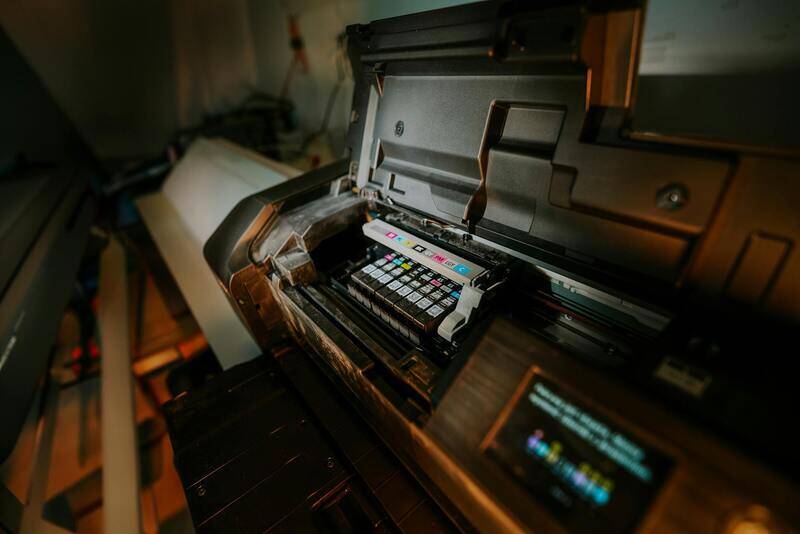
Outdoor banner printing encompasses a range of specialized methods for creating large-scale visual displays intended for outdoor environments. The process involves not only the choice of suitable printing technologies but also the selection of appropriate materials that withstand the elements while maintaining vibrant visibility. When designing outdoor banners, factors such as color vibrancy, clarity, and durability become critical. The printing process must utilize advanced ink formulations capable of resisting fading from UV exposure and water ingress, ensuring the message remains impactful over time. Heavy-duty printers equipped with UV-curable or solvent-based inks facilitate high-quality outputs that adhere firmly to chosen substrates, offering resistance to peeling and cracking. Such technological advancements have made it feasible to produce banners that endure harsh weather conditions, confirming their role as reliable marketing tools for various industries.
In addition to print technology, a detailed understanding of environmental factors such as wind, rain, and sunlight guides the production process. For instance, banners exposed to strong winds benefit from techniques like grommet reinforcement or hemmed edges to prevent tearing. Moreover, the choice of ink and substrate should align with the expected display period and location to optimize longevity. Proper calibration of printers for color accuracy and resolution ensures that the final product captures the intended visual impact, whether for large business events, promotional campaigns, or directional signage. Ultimately, the integration of state-of-the-art printing techniques with tailored material selection guarantees that outdoor banners reach their full promotional potential, regardless of the outdoor setting.
Ensuring Proper Installation for Maximum Impact
Effective installation is crucial to maximize the visibility and lifespan of outdoor banners. Proper anchoring techniques prevent the banner from fluttering excessively or becoming detached during adverse weather conditions. Utilizing sturdy grommets, reinforced hems, and high-quality fasteners ensures that the banner remains securely in place, even under high wind pressures. When mounting banners on different surfaces, it’s essential to select the appropriate hardware—such as eyelets, hooks, or tension systems—that can withstand environmental stresses. Placement plays a vital role in campaign effectiveness. Strategic positioning at high-traffic areas, eye level viewing heights, and unobstructed locations enhances visibility. Ensuring the banner is installed tight to avoid sagging improves aesthetic appeal and prevents wind damage. Regular inspection during its display period helps identify early signs of wear or damage, allowing for prompt repairs or adjustments. In outdoor environments, consider safety protocols to prevent accidents due to loose banners or equipment. Using scaffolding or ladders with safety harnesses during mounting ensures the safety of personnel involved. Proper installation not only preserves the banner’s appearance but also preserves the integrity of the campaign message, delivering consistent exposure to passersby.
Maintaining and Extending the Lifespan of Your Outdoor Banner
Proper maintenance extends the functional life and visual quality of outdoor banners, safeguarding your investment. Routine care involves gentle cleaning to remove dirt, dust, and pollutants that can degrade the material over time. Use mild soap and water, avoiding harsh chemicals that may damage the ink or fabric. For stubborn stains, employing a soft brush helps remove debris without abrasions. Inspect banners regularly for signs of wear, such as tears, fraying edges, or fading of colors. Promptly addressing minor damage prevents it from escalating into larger issues, which could compromise the banner’s structural integrity or visual impact. Weather-related factors like UV radiation, moisture, and temperature fluctuations accelerate deterioration. Applying protective coatings such as UV-resistant sprays can provide an additional barrier against UV rays, preserving color vibrancy. When signs of significant damage occur, timely replacements are preferable to ensure continuous effective advertising. Proper storage of banners when not in use is equally important—roll and store in a dry, cool place away from direct sunlight to prevent material degradation. By integrating these maintenance practices, organizations can maintain a professional appearance and ensure their outdoor banners continue to serve as effective promotional tools for extended periods.
Installation Tips for Outdoor Banners
Proper installation of outdoor banners is essential to maximize their visibility and ensure their durability under various weather conditions. Achieving a professional appearance involves selecting appropriate fixing methods, fixture materials, and strategic positioning.
Fixing Methods
Secure attachment is critical for preventing banners from sagging, tearing, or being blown away. Common fixing techniques include:
- Grommets and Eyelets: Reinforced metal rings sewn into the banner edges facilitate easy attachment with ropes or bungee cords. Use rust-resistant hardware to prolong the effectiveness of the fixtures.
- Pole Bockets: Sleeves or pockets at the banner's top and bottom allow for smooth threading onto poles or posts, offering a taut appearance.
- Adhesive Options: Industrial-strength outdoor adhesives can be used for temporary installations, particularly on smooth, clean surfaces.
Fixture Materials
Selecting the right fixtures ensures stability and prevents damage over time. Popular options include:
- Galvanized steel hooks and chains resistant to rust and corrosion.
- UV-resistant ropes designed to withstand prolonged sunlight exposure.
- Heavy-duty zip ties for quick, yet secure fastening, suitable for temporary installations.
Optimal Positioning
To maximize exposure, consider the following factors during installation:
- Visibility: Position banners in high-traffic areas where they are unobstructed by trees, poles, or other structures.
- Lighting: Install banners where they can benefit from natural or artificial light, enhancing their visual impact.
- Wind considerations: Ensure proper tensioning to prevent flapping or damage caused by strong gusts. Reinforce fixtures in windy locations.
- Height: Hang banners at a height that allows commuters or passersby to view them comfortably, typically eye level or slightly above.

Understanding Outdoor Banner Printing
Outdoor banner printing involves the production of large-scale visual displays designed for outdoor environments. This process uses durable materials and advanced printing technologies to ensure that banners withstand varying weather conditions while maintaining visual clarity. The primary goal of outdoor banner printing is to create eye-catching advertisements or messages that attract attention from a distance and remain vibrant over time. The specifications include high-resolution printing for sharp images, UV-resistant inks to prevent fading, and weatherproof materials to endure rain, wind, and sunlight exposure.
When selecting an outdoor banner printing service, it's vital to assess the provider’s expertise, equipment, and commitment to quality. A reputable printer will utilize the latest printing technologies, such as wide-format digital printers that offer consistent color reproduction and detailed imagery. They should also provide guidance on choosing the most suitable materials and finishing options based on the banner’s intended use, location, and expected lifespan. Proper consultation and a portfolio of previous work are often indicators of an experienced provider capable of delivering professional results.
Choosing the Right Material for Outdoor Banners
The durability and visual appeal of outdoor banners largely depend on the materials used. Common options encompass:
- Vinyl Banner Material: PVC vinyl is the most popular choice due to its robustness, flexibility, and weather resistance. It is suitable for long-term outdoor use and can be printed in vibrant colors.
- Polyester Mesh: Designed with small perforations, mesh banners are ideal for windy areas as they allow wind to pass through, reducing stress on the banner and its fixtures.
- Canvas and Fabric: While less common for outdoor use, specially treated canvas can be employed for certain applications where a softer or textured appearance is desired.
Other considerations include UV coating, which protects colors from fading, and thickness (measured in mils), where thicker banners generally offer better durability against environmental wear and tear.
Design Considerations for Outdoor Banners
Effective outdoor banners combine compelling visual elements with strategic layout choices. Key factors include:
- High-Contrast Colors: Utilize bold, contrasting colors to ensure readability and visibility from afar, especially under bright sunlight.
- Clear Text: Use large, legible fonts with minimal text to quickly convey the core message.
- Simple Graphics: Focus on straightforward imagery that reinforces the message without clutter.
- Brand Consistency: Incorporate brand logos, colors, and fonts that align with overall branding for effective recognition.
- Visual Hierarchy: Design with a focal point that draws the viewer’s eye and guides them through the message naturally.
Consider the placement of the banner, ensuring that the design takes into account the viewing angles and distances to optimize impact.
Printing Techniques and Technologies
Modern outdoor banners benefit from advanced printing methods that enhance their durability and visual appeal. Notable techniques include:
- Solvent and Eco-Solvent Printing: Widely used in outdoor applications, these methods offer excellent adhesion to vinyl and other materials, along with UV and water resistance.
- UV Printing: This technique cures inks with ultraviolet light, producing vibrant, scratch-resistant images that last longer outdoors.
- Latex Printing: Known for its eco-friendliness and flexibility, latex printing provides durable prints with a wide color gamut suitable for outdoor banners.
Choosing the appropriate technology depends on factors such as the banner’s size, intended exposure duration, and environmental conditions. Skilled printers can recommend the best options to ensure the longevity of the final product.
Integration of these printing methods with high-quality substrates results in banners that not only withstand outdoor elements but also deliver vibrant, high-precision graphics that effectively communicate messages to passersby.
Understanding Outdoor Banner Printing
Outdoor banner printing involves the production of large-scale visual displays designed to capture attention in outdoor environments. These banners serve a variety of purposes, including advertising promotions, branding, event announcements, and directional signage. The effectiveness of an outdoor banner hinges on multiple factors: high-quality visuals, durable materials, and precise printing techniques that withstand diverse weather conditions. Selecting the right printing approach is crucial to ensure vibrant colors, crisp details, and long-lasting performance. Experienced printing providers employ industry-leading methods to achieve these standards, tailoring each banner to the specific needs of the client and the environment where it will be displayed.
Choosing the Right Material for Outdoor Banners
The foundation of a durable outdoor banner lies in the selection of suitable materials. Common options include:
- Vinyl (PVC): A popular choice due to its robustness, flexibility, and weather resistance. It provides a smooth surface ideal for vivid printing and can be easily installed on various surfaces.
- Mesh Banner Material: Equipped with small holes, mesh banners reduce wind resistance and are suitable for large displays in windy areas. They maintain visibility and structural integrity even under harsh conditions.
- Teardrop and Fabric Materials: Used for specific applications where a softer texture or aesthetic look is desired, though they typically require specialized printing techniques to ensure durability outdoors.

Each material type offers unique advantages, and the choice depends on factors such as expected exposure duration, environmental conditions, and budget constraints. High-quality substrates form the basis for achieving vibrant, weather-resistant prints that remain impactful over time.
Design Considerations for Outdoor Banners
Designing effective outdoor banners requires careful thought to ensure maximum visibility and message clarity. Key considerations include:
- Color Selection: Opt for bold, contrasting colors that stand out from a distance and maintain their vibrancy under sunlight and weather exposure.
- Font Choice and Size: Use clear, legible fonts with appropriate sizing to ensure readability from various distances and angles.
- Visual Hierarchy: Prioritize important information through strategic placement, sizing, and color emphasis to guide viewers’ focus naturally.
- Message Simplicity: Limit text to essential details to prevent clutter and facilitate quick comprehension.
- Incorporating Visuals: Utilize high-resolution images and graphics that communicate your message effectively without overwhelming the overall design.
Printing Techniques and Technologies
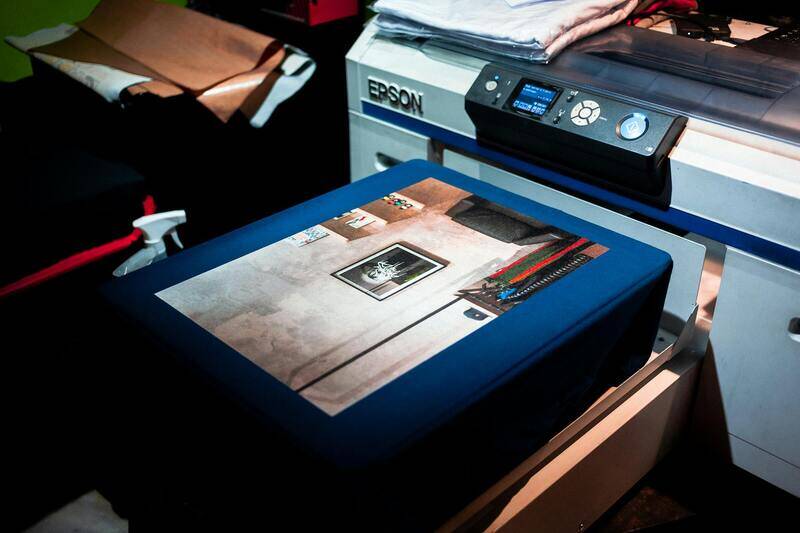
Advancements in printing technology have elevated the quality and durability of outdoor banners. Leading techniques include:
- Solvent and Eco-Solvent Printing: These methods utilize solvents that bond well with vinyl, producing vibrant images with excellent resistance to UV rays and moisture, making them highly suitable for outdoor use.
- UV Printing: Utilizing ultraviolet light to cure inks, UV printing results in vivid, scratch-resistant images that withstand exposure to the elements for extended periods.
- Latex Printing: Known for its eco-friendliness and flexibility, latex printing offers high-quality color replication and durable finishes appropriate for outdoor environments.
The choice of technology depends on factors like size, budget, and environmental exposure. Skilled operators optimize printing parameters to enhance color accuracy, adhesion, and longevity of the banners.
Installation Tips for Outdoor Banners
Proper installation not only ensures safety but also maximizes the visual impact of outdoor banners. Key tips include:
- Use of Appropriate Hardware: Select sturdy, weather-resistant fixtures such as grommets, ropes, or pole systems that can withstand wind and rain.
- Optimal Placement: Position banners at eye level and in high-traffic areas for maximum visibility. Consider natural light angles and potential obstructions.
- Secure Fastening: Ensure all attachments are tight and reinforced to prevent flapping or detachment during storms or high winds.
- Regular Inspection: Periodically check for damages or loosening, especially after adverse weather events, to maintain safety and appearance.

Maintenance and Longevity of Outdoor Banners
To extend the lifespan of outdoor banners, consistent maintenance is essential. Practices include:
- Cleaning: Regularly wash banners with mild soap and water to remove dirt, dust, and pollutants that can accumulate and dull printed images.
- Protection from Elements: When not in use for extended periods, consider retracting or covering banners to shield them from prolonged sun, rain, or snow exposure.
- Repairs: Promptly address tears or hardware issues to prevent further damage and maintain overall appearance.
- Environmental Considerations: Be mindful of placement to avoid areas with excessive pollution or direct contact with chemicals that may degrade materials.

Ensuring Proper Legal Compliance in Outdoor Banner Printing
When planning to display outdoor banners, it is crucial to adhere to the official guidelines set forth by local authorities and zoning regulations. This ensures that your banners meet the standards for safety, placement, and content, avoiding potential penalties or removal.
Official Permits and Approvals
Before installation, acquire all necessary permits from relevant municipal departments. These permits typically specify size limits, permissible locations, and display durations. Submitting detailed plans and designs for review helps streamline the approval process and confirms your banner complies with regulations.
Content Guidelines and Restrictions
Use approved content that aligns with advertising standards. Avoid misleading information, offensive language, or graphic content that might violate decency laws. Ensuring your message is clear, honest, and respectful regard to public sensibilities helps prevent complaints and legal issues.
Design Standards and Specifications
Design your banners according to prescribed size and structural standards, ensuring visibility without obstructing public pathways or signals. Use appropriate fonts, colors, and image resolutions that conform to official guidelines, guaranteeing your banners are both effective and compliant.
Documentation and Record-Keeping
- Maintain copies of all permits and approvals for reference.
- Document your material quality certifications and safety inspections.
- Keep records of installation dates and locations for future audits.
Adopting a Responsible Approach to Banner Display
Implement best practices for installation, such as securing banners to withstand weather variation, and regularly inspecting for security and damage. This proactive approach minimizes risks and ensures your banners remain within prescribed regulations throughout their display period.