Guide To Outdoor Banner Printing: Techniques, M...
Understanding Outdoor Banner Printing
Outdoor banner printing is a specialized form of large-scale printing designed to produce visually impactful banners for outdoor advertising, promotional events, and branding efforts. These banners serve as strategic tools for businesses aiming to increase visibility in busy public spaces, such as city streets, shopping malls, exhibition venues, and sporting events. The importance of outdoor banner printing lies in its ability to combine eye-catching visuals with the durability required for prolonged exposure to various weather conditions, making it a vital component of comprehensive marketing campaigns.
Effective outdoor banners are more than just large printed visuals; they are designed to communicate clear messages quickly and attract attention amid the clutter of urban environments. This form of advertising is cost-effective and versatile, accommodating a range of designs, sizes, and materials to suit different branding objectives. For retail outlets, outdoor banners can announce sales or new arrivals; for corporate events, they reinforce brand recognition; for community initiatives, they spread awareness efficiently. As digital advertising continues to grow, outdoor banners remain a reliable source of physical, tangible promotion that leaves a lasting impression on viewers.
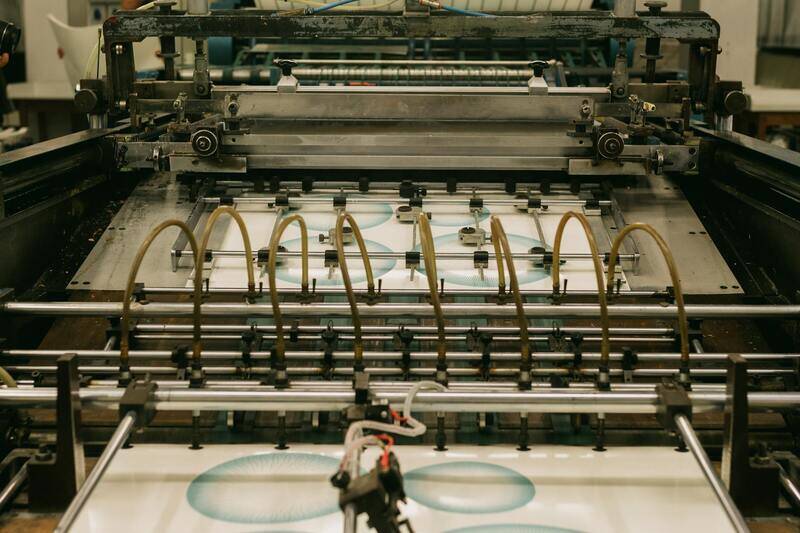
Illustration of outdoor banner printing in action — showcasing the vibrant, durable banners displayed across various environments.
Modern outdoor banner printing combines traditional skills with technological advancements, ensuring that banners not only grab attention but also withstand the rigors of outdoor exposure. This capability is especially critical in regions with high humidity, intense sunlight, or frequent rain, where banner longevity and visual clarity are paramount. When executed correctly, outdoor banners become a powerful extension of a brand’s physical presence, offering a long-lasting promotional solution that can be tailored to specific needs and locations.
Choosing the appropriate printing method, materials, and design is essential to maximize the effectiveness and durability of outdoor banners. From small localized promotions to large-scale citywide campaigns, understanding the core principles of outdoor banner printing helps businesses optimize their investment and ensure their message resonates reliably over time.
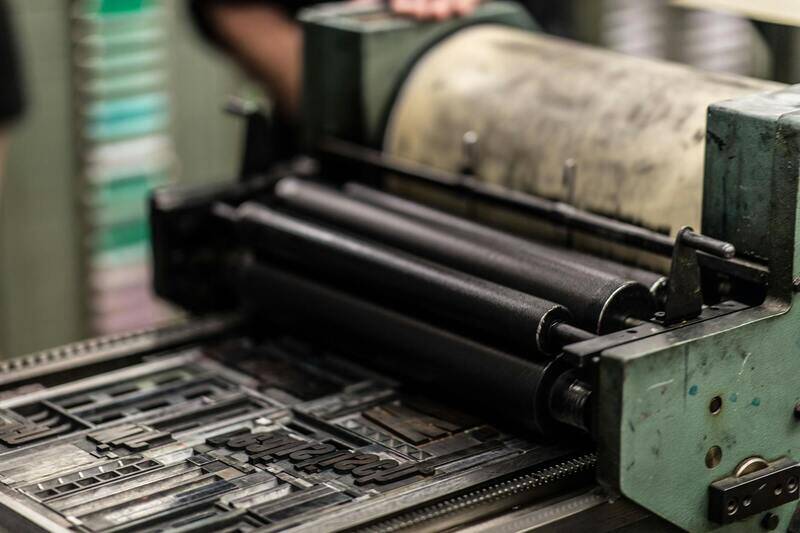
Close-up of high-quality outdoor banner material, emphasizing durability and color vibrancy for outdoor advertising.
Key Materials Used in Outdoor Banner Printing
Choosing the right material is crucial to ensuring that outdoor banners maintain their visual appeal and structural integrity amid varying environmental conditions. The most common and reliable materials include vinyl, mesh, and fabric, each offering distinct advantages based on application and location.
Vinyl: Vinyl is the most popular choice due to its durability and versatility. It provides excellent resistance to wind, rain, and UV rays, making it suitable for both temporary and long-term displays. Its smooth surface ensures vibrant color reproduction, which enhances brand visibility.
Mesh: Mesh banners are designed with small holes that allow wind to pass through, reducing the stress on the banner material and supporting stability in high-wind areas. This breathable quality makes mesh an ideal choice for large outdoor signage on structures like scaffolding or fences.
Fabric: Fabric banners, often made from polyester or polyester blends, are lightweight and offer a rich, premium appearance. They are best suited for more aesthetic-driven campaigns, such as event displays or storefront promotions. Their flexibility allows for detailed graphics and high-resolution printing.
Close-up of high-quality outdoor banner material, emphasizing durability and color vibrancy for outdoor advertising.
When selecting materials, factors such as exposure to sunlight, potential weather conditions, and the intended lifespan of the banner should be considered to optimize performance and lifespan. Material choice directly influences the banner's ability to endure outdoor elements while delivering clear, engaging visuals to passersby.
Printing Techniques for Outdoor Banners
Versatile printing methods allow for customization, durability, and high-resolution graphics. The most effective techniques for outdoor banners include solvent printing, UV printing, and latex printing, each chosen based on specific project requirements and environmental challenges.
Solvent Printing: This method uses solvent-based inks that penetrate the material, providing excellent weather resistance and color stability. It is ideal for large-scale banners that need to withstand prolonged outdoor exposure.
UV Printing: UV printing employs ultraviolet light to instantly cure inks onto the substrate. It produces sharp images with vibrant colors and offers excellent scratch and weather resistance.
Latex Printing: This eco-friendly technique combines high-quality image reproduction with flexibility and resistance to outdoor elements. Latex prints are highly durable, making them suitable for long-term outdoor campaigns.
Choosing the right printing technique depends on factors such as projected display duration, environmental conditions, and budget constraints. A professional printing service can advise on the most suitable method to ensure the banner’s effectiveness and longevity.
Choosing the Appropriate Printing Technique for Outdoor Banners
In outdoor banner printing, selecting the most suitable printing process is essential for achieving vibrant visuals combined with durability against environmental factors. Each printing method offers distinct advantages tailored to specific project requirements, helping businesses maximize their promotional impact and return on investment.
Comparison of Common Outdoor Banner Printing Techniques
Digital Printing
Digital printing is a widely adopted method for producing high-resolution banners with intricate designs and detailed images. Its versatility allows for rapid production turnaround, making it ideal for short-run campaigns or customized banners. With digital printing, clients can easily update designs without significant setup costs, providing flexibility for changing marketing messages. However, while digital printing offers excellent image quality, its resistance to harsh weather conditions depends heavily on the inks and materials used.
UV Printing
UV printing utilizes ultraviolet light to instantly cure inks onto the substrate, producing vivid, sharp images with high color accuracy. Its ability to firmly bond inks to rigid and flexible materials makes it suitable for outdoor banners exposed to sunlight, rain, and wind. Additionally, UV printing creates a protective layer that enhances scratch resistance and prolongs banner lifespan. Its eco-friendly nature, owing to reduced volatile organic compounds, aligns with sustainable business practices.
Solvent Printing
Solvent printing is recognized for its outstanding weather resistance. It employs solvent-based inks that tightly penetrate the material, resulting in banners capable of enduring prolonged outdoor exposure. This method is particularly effective for larger-scale banners intended for long-term outdoor use. Besides durability, solvent printing provides intense color vibrancy, ensuring the promotional message remains eye-catching over time. This technique is often chosen for campaigns where the banner needs to withstand challenging weather conditions without degradation.
Latex Printing
Latex printing combines environmental consciousness with high durability. As an eco-friendly solution, it uses water-based inks that are safe for the environment while offering exceptional flexibility. Latex prints deliver vivid colors, excellent resistance to water, UV rays, and scratching, making them highly suitable for banners displayed in outdoor environments with fluctuating weather patterns. The flexibility of latex materials also allows for banners to be rolled or folded without damage, facilitating easier transportation and installation.
Factors Influencing the Choice of Technique
Projected Lifespan: For long-term outdoor advertising, solvent and latex printing are often preferred due to their superior weather resistance.
Environmental Conditions: Banners exposed to intense sunlight, frequent rain, or wind may benefit more from UV or solvent-based processes.
Design Complexity: High-resolution, detailed images are best suited for digital and UV printing methods.
Budget Constraints: Digital printing tends to be more cost-effective for short runs, whereas solvent and latex printing might involve higher initial costs but offer longer durability.
Visual Comparison of Printing Options
Visual differences between UV, solvent, digital, and latex printing techniques
Understanding Outdoor Banner Printing
Outdoor banner printing is a specialized form of large-format advertising that requires careful selection of materials, printing techniques, and finishing options to ensure visual impact and longevity. These banners are often displayed in high-traffic outdoor environments, making it essential that they withstand various weather conditions such as rain, wind, pollution, and intense sunlight. High-quality outdoor banners not only attract attention but also maintain their vibrant appearance over extended periods, serving as a reliable marketing tool for businesses, events, and campaigns.
Durable outdoor banners designed for high visibility and weather resistance
To achieve optimal results, the process begins with selecting the right materials; this is followed by an appropriate printing method, finishing touches, and proper installation techniques. Each step plays a crucial role in ensuring that the final product meets the desired standards of durability, color fidelity, and readability. Understanding these fundamental aspects helps clients make informed decisions and collaborates effectively with printing professionals, ensuring their advertising investments deliver maximum returns.
Key Materials Used in Outdoor Banner Printing
The durability of outdoor banners largely depends on the materials used in their construction. Commonly employed substrates are designed to withstand environmental stressors and maintain their appearance over time. The most popular options include:
Vinyl (PVC): Known for its robustness, vinyl offers excellent weather resistance, flexibility, and ease of printing. It can be coated for additional UV protection, which helps prevent fading and cracking in prolonged exposure.
Mesh Fabric: Features a perforated surface allowing wind to pass through, reducing the risk of tearing or damage in windy conditions. Mesh banners are ideal for large outdoor advertising spaces.
Polyester Fabric: Often used for high-end applications, polyester banners provide sharp image reproduction and are resistant to tearing. They are frequently coated for enhanced weather resistance.
Premium Canvas: Suitable for both outdoor and indoor displays, offering a textured finish and high durability. Canvas banners can be coated or treated to resist moisture and UV rays.
Variety of materials used for durable outdoor banners
Printing Techniques for Outdoor Banners
Choosing the correct printing technology is pivotal for achieving vibrant colors, crisp details, and long-lasting results in outdoor environments. Several techniques dominate the industry:
UV Printing: Utilizes ultraviolet light to instantly cure the ink, resulting in highly durable and water-resistant banners. Ideal for detailed imagery with vivid color profiles.
Solvent Printing: Employs solvent-based inks that penetrate the substrate, providing excellent weather resistance and color vibrancy. It is suitable for large-format outdoor banners that require longevity.
Latex Printing: A versatile and eco-friendly method that produces flexible, waterproof prints with excellent UV resistance. Latex prints are capable of withstanding harsh outdoor conditions without degradation.
Digital Printing: Known for its high speed and cost-effectiveness, digital printing is suitable for short-term campaigns and smaller quantities, providing sharp images and color clarity.
The selection among these techniques depends on factors such as expected lifespan, environmental exposure, design complexity, and budget considerations. Proper application of each method ensures the banner remains visually impactful throughout its display period.
Design Considerations for Outdoor Banners
Effective outdoor banners are crafted with strategic design choices to maximize visibility and message clarity. Some essential points include:
Size and Shape: Ensuring dimensions are proportionate to the viewing distance so that messages are easily readable.
Color Contrasts: Utilizing contrasting colors improves legibility and attracts attention amidst competing visual stimuli.
Typography: Opting for bold, legible fonts that are recognizable from a distance, avoiding overly intricate typefaces.
Minimal Text: Keeping messages concise to reinforce key points without cluttering the visual space.
High-Quality Graphics: Incorporating sharp, high-resolution images and logos that retain clarity when scaled up.
Design practices that enhance outdoor banner effectiveness
Balancing aesthetic appeal with functional readability is vital. Ensuring sufficient contrast, strategic use of color, and unambiguous messaging fosters maximum engagement from the target audience. When planning outdoor banners, collaboration with experienced graphic designers and printing professionals allows for optimal outcomes tailored to specific outdoor conditions and promotional goals.
Durability and Weather Resistance
Outdoor banners are subject to various environmental conditions, making durability a top priority. The materials chosen for printing must resist fading, tearing, and deterioration caused by exposure to sun, rain, wind, and pollutants. High-quality vinyl or mesh fabrics are commonly used because they offer excellent durability and lightweight properties, facilitating easier installation and maintenance.
UV coating plays a crucial role in enhancing the longevity of outdoor banners. This protective layer shields the print from the harmful effects of ultraviolet rays, preventing color fading and material degradation over time. Additionally, UV coatings help resist scratches and abrasions, ensuring that the banner maintains its visual appeal despite harsh weather conditions.
UV coating provides essential protection, prolonging the vibrancy of outdoor banners even in intense sunlight.
Waterproofing treatments are also vital, especially in regions with frequent rain. These treatments prevent water absorption, which can cause peeling or warping of the banner material. Wind resistance is achieved by using reinforced edges and grommets, allowing secure installation on various surfaces and reducing the risk of damage caused by strong gusts.
Regular inspection and cleaning extend the lifespan of outdoor banners. Gentle cleaning with water and mild detergents prevents dirt buildup and mold formation. When properly maintained, the banners can retain their effectiveness for months or even years, providing ongoing marketing value without frequent replacement.
Installation and Maintenance of Outdoor Banners
Proper installation techniques are essential to maximize the durability and visibility of outdoor banners. Using appropriate hardware such as heavy-duty grommets, snap hooks, and tension cables ensures the banner remains taut and secure in windy conditions. Choosing mounting surfaces that are smooth and free from abrasive elements prevents premature wear.
Routine maintenance involves checking for tears, loose fittings, or fading, and addressing issues promptly. Cleaning should be performed regularly to remove dust, dirt, and pollutants that may accumulate over time. Applying touch-up treatments for minor damages can prolong the banner's usability, ensuring that it continues to serve as an effective advertising tool and maintains a professional appearance.
Image Placeholder:
Understanding Outdoor Banner Printing
Outdoor banner printing is a specialized service that caters to the need for high visibility advertising in various environments. It involves printing large-format graphics on durable materials designed to withstand outdoor conditions. These banners are commonly used for promotional events, storefront advertising, trade shows, and public awareness campaigns. The process emphasizes achieving vibrant colors, sharp imagery, and clear messaging, all while ensuring the final product remains resilient against elements such as rain, wind, and sunlight. Ensuring quality in outdoor banner printing requires a thorough understanding of the materials, techniques, and design principles that contribute to an effective and lasting display.
Key Materials Used in Outdoor Banner Printing
The choice of materials significantly impacts the durability and visual appeal of outdoor banners. Commonly used substrates include vinyl, mesh fabric, and polyester fabric, each offering distinct advantages depending on the specific application and environmental exposure. Vinyl banners are the most prevalent due to their excellent weather resistance, flexibility, and easy printing capabilities. Mesh banners feature perforations that allow wind passage, reducing the risk of tearing in high-wind areas. Polyester fabrics are favored for their high-resolution print quality and resistance to tearing, often used for more premium or decorative applications.
High-durability vinyl material used for outdoor banners in Singapore.
In addition to these substrates, protective coatings such as UV lamination or gloss overlays are applied to enhance weather resistance and maintain vibrant colors over time. These coatings shield the inks from fading and provide a smoother surface that is easier to clean and maintain.
Printing Techniques for Outdoor Banners
To ensure longevity and visual clarity, outdoor banners employ advanced printing techniques designed to produce sharp, vibrant images that resist fading and damage. Large-format digital printing is the most common method, utilizing eco-solvent, UV, or latex inks known for their robustness and colorfast properties.
Eco-solvent printing offers excellent color vibrancy and adhesion on vinyl and fabric substrates while providing resistance to weathering and UV exposure. UV printing involves direct ink curing using ultraviolet light, producing highly durable and scratch-resistant images suitable for prolonged outdoor use. Latex printing, a more recent innovation, utilizes latex-based inks that combine flexibility, durability, and environmental sustainability, making it ideal for banners exposed to variable weather conditions.
Advanced digital printing techniques ensure vibrant and durable outdoor banners.
The selection of printing technique depends on the banner’s intended lifespan, budget, and specific environmental challenges. Combining these innovative printing methods with high-quality materials ensures that outdoor banners will maintain their appeal and effectiveness even under harsh weather conditions.
Design Considerations for Outdoor Banners
Effective outdoor banner design prioritizes visibility and clarity. This involves strategic use of bold colors, clean typography, and minimal text to ensure the message is easy to read from a distance. The layout should be simple yet impactful, directing viewers’ attention swiftly to the key message or branding element.
Colors must be chosen with contrast in mind, ensuring that text stands out against backgrounds. It’s also important to consider the environment where the banner will be displayed, selecting colors and graphics that attract attention amidst surrounding visual clutter.
Safety and compliance are vital, especially when banners are installed at heights or along busy pathways. Incorporating reflective elements or high-visibility design features can enhance safety and prevent accidents during installation or maintenance.
Durability and Weather Resistance
Outdoor banners are exposed to fluctuating weather conditions, including rain, sun, and wind. Proper material selection and finishing techniques are crucial to ensuring longevity. UV-resistant inks and coatings protect colors from fading caused by prolonged sun exposure, maintaining visual impact. Water-proofing treatments prevent water infiltration and material warping, which can compromise structural integrity.
Protective coatings and material choices enhance weather resistance in outdoor banners.
Wind resistance is achieved through reinforced edges, grommets, and tensioning systems that keep the banner taut and secure against gusts. Regular inspections and maintenance, including cleaning and minor repairs, extend the lifespan of outdoor banners.
Understanding Outdoor Banner Printing
Outdoor banner printing involves the production of large-scale visual displays designed to withstand outdoor conditions while effectively conveying messages, branding, or promotional content. Precision in printing technology and high-quality materials are essential to ensure clarity, color accuracy, and durability. Outdoor banners serve as versatile advertising tools, suitable for everything from grand openings and festivals to directional signage and event promotions. A thorough understanding of the entire printing process—from material selection to finishing—enables businesses to optimize their investment and achieve maximum visibility. Furthermore, leveraging reputable printing methods and high-performance materials safeguards the integrity of the message, even under challenging weather conditions, ensuring banners maintain their visual impact and structural integrity over time.
Key Materials Used in Outdoor Banner Printing
The foundation of an effective outdoor banner lies in choosing appropriate materials that balance durability with visual appeal. Common substrates include vinyl, mesh, and fabric, each offering unique advantages tailored to specific display requirements:
Vinyl: Known for its robustness and flexibility, vinyl is a popular choice for most outdoor banners. It exhibits excellent resistance to water, UV rays, and tearing, making it suitable for long-term applications.
Mesh: Constructed with tiny perforations, mesh banners permit wind passage, reducing strain and the risk of tears. It’s ideal for large banners in high-wind environments and offers good visual transparency.
Fabric (e.g., polyester): Provides a premium look for banners with a softer texture. Treated fabrics can resist fading and water, although they might require additional reinforcement for extensive outdoor use.
Specialized coatings and finishes are often applied to these materials to enhance weather resistance and facilitate superior print quality. For instance, UV-protective coatings prevent color fading, while water-resistant treatments mitigate water ingress, prolonging banner lifespan.
Printing Techniques for Outdoor Banners
Several advanced printing methods are utilized to produce vibrant, durable outdoor banners. The choice of technique affects the visual quality, color fidelity, and resistance to environmental factors. Common printing methods include:
Solvent and Eco-Solvent Printing: These techniques employ solvent-based inks that penetrate the substrate, resulting in vivid colors with excellent adhesion. They offer high durability and resistance to UV fading, suitable for long-term outdoor displays.
UV Printing: Uses ultraviolet light to cure inks instantly on the material surface. This produces sharp images with high precision and excellent resistance to scratching and weather conditions, making it suitable for both rigid and flexible substrates.
Latex Printing: A water-based ink system that combines environmental friendliness with durability. Latex prints are flexible, weather-resistant, and offer a broad color gamut, ideal for large outdoor banners.
The selection of the appropriate printing method depends on factors such as budget, desired lifespan, and environmental conditions. Ensuring that the printer uses high-quality inks and proper maintenance guarantees consistent results and longevity of the banners produced.
High-resolution outdoor banner printed with UV technology, showcasing vivid colors and sharp details.
Choosing the Right Method for Outdoor Banner Printing
Implementing official and reputable outdoor banner printing methods guarantees that your visuals remain vibrant and intact despite exposure to varying weather conditions. When selecting a printing approach, prioritize processes that utilize industry-standard techniques accompanied by high-quality inks and substrates. Solvent and eco-solvent printing, for example, are widely recognized for producing durable, color-rich banners capable of withstanding prolonged outdoor exposure. These methods employ inks that penetrate the material, ensuring excellent adhesion and resistance to UV fading, water damage, and scrubbing. UV printing, on the other hand, involves rapid curing of inks with ultraviolet light, creating sharp, detailed images that resist scratching, peeling, and UV degradation. Latex printing offers an eco-friendly alternative, combining water-based inks with flexibility and weather resistance, suitable for large-format banners that require durability and vibrant color reproduction.
High-quality outdoor banner printed with UV technology showcasing vivid colors and sharp details
Choosing the appropriate printing method is influenced by several key factors, including budget constraints, desired lifespan of the banner, and environmental conditions at the placement site. Reliable printers ensure the use of high-grade inks and substrates, which are vital for preserving color fidelity and structural integrity over time. Investing in professional printing services that adhere to these standards results in banners that maintain their visual appeal and functional performance, effectively supporting branding and promotional objectives without frequent replacements.
Official and Proven Installation and Maintenance Practices
Proper installation techniques are essential for maximizing the lifespan and visibility of outdoor banners. Secure mounting using appropriate fixtures and tensioning methods prevents sagging, tearing, or damage caused by wind and weather. Regular maintenance checks, including cleaning with non-abrasive solutions, help remove dirt, dust, or pollutants that can degrade the material. Additionally, inspecting for tears or hardware damage allows for timely repairs, preserving the banner’s integrity and appearance. Using protective reinforcements such as eyelets and grommets at strategic points facilitates safer and more effective installation. When banners are no longer needed, professional removal without excessive force reduces potential damage, enabling proper disposal or repurposing according to environmental standards.
Ensuring Compliance with Industry Standards
Employing official methods and reputable providers in outdoor banner printing upholds compliance with recognized industry standards and best practices. These include standards related to material specifications, printing quality, and environmental safety measures. Certified printers typically follow rigorous quality control procedures, ensuring consistent output and adherence to specifications. This guarantees that banners are produced with advanced printing technologies, high-grade inks, and durable substrates, contributing to a professional appearance and lasting performance. Moreover, using certified service providers often involves transparent communication regarding production timelines, pricing, and scope of work, fostering trust and satisfaction for clients seeking high-quality outdoor advertising solutions.