
Introduction to Card Printing
Card printing plays a vital role in a wide array of industries, serving as a fundamental tool for branding, identification, and access control. From requesting business cards for professional networking to producing ID badges for employees and event attendees, the process involves transforming digital designs into tangible, durable cards that meet specific functional and aesthetic requirements. These printed cards are essential in creating a professional image, fostering security, and streamlining operations across sectors such as corporate business, hospitality, healthcare, education, and memberships.

Comprehensive card printing services focus on producing a consistent and polished final product, which directly influences the perception of professionalism and reliability. In addition to standard business cards, other common applications include identification cards used in workplaces, access cards for secure facilities, loyalty and membership cards for retail outlets, and event passes. Given the diversity in their applications, ensuring the accuracy, durability, and security features of printed cards is critical for organizations aiming to uphold their brand image and operational integrity.
Effective card printing not only enhances the visual appeal through professional design and finishing techniques but also integrates essential safety features, such as embedded chips, holograms, and barcodes. The selection of the appropriate printing method, materials, and design intricacies directly impacts the card’s functionality and lifespan. Therefore, understanding the core principles and strategies of card printing is crucial for individuals and businesses looking to produce reliable, attractive, and functional cards that serve their operational needs reliably.
Understanding the Significance of Proper Card Printing
Accurate and high-quality card printing fundamentally influences effective identification and brand representation. In competitive markets, the clarity and durability of printed cards can differentiate a professional organization from competitors. When a business invests in reputable printing techniques, it ensures that their identity communicates credibility and attention to detail. Likewise, organizations concerned with security benefit from printed cards that incorporate both visual and technological safety features that are difficult to duplicate or tamper with.
Furthermore, the importance of card printing extends beyond aesthetics; it also encompasses the structural elements of the card itself. The choice of materials, printing methods, and finishing options must align with the intended use of the card. For instance, cards exposed to frequent handling or environmental elements require more resilient substrates and protective coatings. Conversely, professional-grade cards used for marketing purposes should emphasize visual appeal and brand consistency.
Key Applications of Card Printing
- Business cards for professional networking
- ID cards for employee verification
- Membership and loyalty cards for retail and hospitality
- Access control cards for secure premises
- Event passes and conference badges
- Promotional cards for marketing campaigns
In summary, card printing is an essential service that supports organizational functions, helps build brand identity, and ensures secure access and management. Utilizing the right printing methods and materials is fundamental to achieving high-quality results that meet specific operational demands and aesthetic standards.
Materials Used in Card Printing
Selecting the appropriate materials is a crucial aspect of producing durable, functional, and visually appealing cards. The most commonly used substrates include PVC (polyvinyl chloride), PET (polyethylene terephthalate), and composite materials. PVC remains the industry standard due to its robustness, flexibility, and ease of printing, making it ideal for ID cards, membership cards, and access control badges. Its ability to hold detailed color images and secure overlay layers enhances the card's visual appeal and longevity.

For applications requiring increased environmental resistance, such as outdoor access cards or loyalty cards exposed to frequent handling, PET or composite substrates may be preferable. These materials offer enhanced protection against water, UV exposure, and physical wear. Additionally, laminated or coated surfaces can further improve endurance, maintaining the card’s appearance over time and safeguarding the embedded security features.
Innovative materials like ABS (Acrylonitrile Butadiene Styrene) or polycarbonate are also gaining popularity for specialized applications where impact resistance and high clarity are essential. These materials support the integration of complex technological features and provide superior durability in demanding settings.
Design Considerations for Card Printing
Creating an effective card design involves a careful balance of aesthetics, security, and functionality. High-resolution graphics and vibrant color schemes should be prioritized to ensure sharp images and clear text. Incorporating brand elements such as logos, color palettes, and typography enhances visual consistency across all printed cards.
Furthermore, the design must accommodate security features like holograms, microtext, and embedded chips without compromising the card's visual integrity. Considerations regarding card size, layout, and the placement of information are critical; for example, real estate for personalized data should be easily accessible yet protected from tampering.
Other aspects include the choice of finishes—glossy, matte, or textured—each offering distinct visual effects and tactile experiences. These choices not only influence aesthetic appeal but also impact minimal fingerprint visibility and ease of handling. Material compatibility, especially when integrating RFID or magnetic stripe components, is also a fundamental design consideration.
Customization Options and Features
Modern card printing offers extensive customization opportunities to meet diverse organizational needs. Custom features include:
- Embedded technological features such as RFID chips, magnetic stripes, or contactless NFC modules
- Holograms and holographic overlays for added security and visual appeal
- Personalized data, including names, IDs, or membership details
- Photographs, signatures, and barcodes for quick identification and verification
- Special finishes like embossing or spot gloss UV coating to highlight particular elements
Advanced personalization techniques enable rapid production of unique cards at scale, ensuring each card is tailored to its intended user or application. Additionally, creative customization can include special shapes, transparent sections, or layered elements that enhance the card's uniqueness and functionality.
Quality Control and Printing Standards
Maintaining high standards of quality control is vital in card printing to ensure consistent results and the integrity of security features. This involves rigorous checks during the production process, such as calibration of printing equipment, color accuracy assessments, and verification of embedded features.
Standards for print resolution should typically be at least 300 dpi to guarantee sharp images and text. Security features like holograms and embedded chips must be tested thoroughly to prevent tampering and cloning. Post-production inspections include visual checks for defects, alignment, and material consistency, ensuring each batch meets specified quality benchmarks.
Environmental and Cost Considerations
Sustainable practices in card printing focus on minimizing waste and reducing environmental impact through the use of eco-friendly materials and processes. Recyclable substrates, water-based inks, and energy-efficient printing equipment contribute to greener production methods.
Cost efficiency is achieved by balancing the quality of materials and complexity of features with production volume. Employing automated printing systems and bulk processing techniques can reduce per-unit costs, especially for large orders. It is also essential to consider the longevity of cards; investing in higher-quality materials and finishes may result in lower replacement and maintenance costs over time.
Choosing a Card Printing Service Provider
Partnering with a reputable card printing service provider involves assessing their experience, technological capabilities, and commitment to quality. A reliable provider should offer comprehensive consultation on material selection, design customization, and security features, ensuring that the final product aligns with organizational objectives. Transparency in pricing, turnaround times, and after-sales support are also critical factors to consider.

Review portfolios, request samples, and verify certifications or standards adhered to by the provider. An established company with advanced printing technology can deliver consistent results across large orders while incorporating innovative features that enhance card security and aesthetics. Ensuring clear communication channels and reliable customer support further facilitates a seamless printing experience.
Introduction to Card Printing
Card printing has become an essential aspect of many industries, including banking, hospitality, healthcare, and corporate identification. The process involves creating durable, visually appealing cards that often incorporate security features to prevent unauthorized duplication. As organizations seek customized and branded solutions, selecting the right method of card printing ensures that the final product meets both functional and aesthetic requirements. Whether for employee badges, customer loyalty cards, or membership credentials, understanding the official, reliable methods available is crucial for achieving optimal results and maintaining organizational credibility.
Types of Card Printing Technologies
Different printing techniques cater to various needs, levels of security, and volume requirements. Recognizing these methods helps in choosing the most appropriate technology for your application.
Offset Card Printing
This traditional method involves transferring ink from a plate to a rubber sheet, then onto the printing surface. Offset card printing is ideal for large-volume productions requiring consistent color quality and sharp images. It provides high-quality visuals with minimal variation across bulk prints, making it suitable for corporate branding and promotional materials.
Digital Card Printing
Digital printing utilizes computer-controlled processes to produce high-resolution images directly onto card surfaces. It offers advantages like quick turnaround times, cost-efficiency for small quantities, and flexible design options. Digital methods allow for personalized cards with individual data, making them popular for identification cards, event badges, and loyalty programs.
Thermal and Dye Sublimation Printing
These techniques involve transferring images onto cards through heat-activated processes. Thermal printing is often used for ID cards and access badges because it quickly produces durable images. Dye sublimation delivers vibrant, photographic-quality results, suitable for high-end membership or branded cards requiring rich color detail. Both methods are efficient for producing secure and visually appealing cards in moderate volumes.

Materials Used in Card Printing
The foundation of any quality card is its material. The choice of substrate influences durability, appearance, and overall functionality. Common materials include:
- PVC (Polyvinyl Chloride): The most prevalent material for professional-grade cards, offering resistance to wear and tear, water, and chemicals. PVC cards can be embedded with security features and holograms for added protection.
- Composite PVC: Combines PVC with other materials for enhanced strength and flexibility, often used for high-security applications.
- PVC-Free Options: Eco-friendly alternatives made from biodegradable or recyclable substrates, suitable for organizations prioritizing sustainability.
- Paper and Cardstock: Commonly used for temporary or promotional cards, less durable but cost-effective.
- Specialty Substrates: Includes materials like PET, Teslin, or laminate composites for specific functionalities such as rigidity or enhanced security.
Optimizing material selection ensures that the final cards withstand daily handling and environmental factors while aligning with organizational branding and security needs.
Design Considerations for Card Printing
Design plays a vital role in the effectiveness and professionalism of printed cards. Key factors include layout, color scheme, font clarity, and the integration of images or logos. Incorporating security features seamlessly into the design enhances the card’s resistance to forgery. Consistent branding elements should be maintained, utilizing high-resolution graphics and precise color management to ensure visual impact.
Security Features Integration
Adding holograms, microtext, UV reactive elements, and embedded chips enhances card security. These features must be carefully incorporated into the design during the printing process, necessitating advanced equipment and expertise to avoid compromising visual or functional quality.
Customization Options and Features
Customization elevates card printing from generic to distinctive. Options include:
- Personalized data with photo identification
- Embedded smart chips or magnetic stripes for access or transactions
- Variable data printing for unique serial numbers or names
- Special finishes like embossed textures, matte or gloss coating
- Edge printing and decorative overlays for advanced aesthetic appeal
Partnering with a service provider that offers a comprehensive range of customization options ensures that each card not only meets security standards but also aligns with branding and user experience expectations.
Quality Control and Printing Standards
Maintaining high standards during the card printing process involves rigorous quality control checks at each stage. This includes verifying color consistency, print alignment, security feature integration, and substrate integrity. Certified printing facilities adhere to standardized protocols to minimize errors and ensure reproducibility across large batches. Inspection of sample cards before full production helps in identifying potential issues early, ensuring a seamless delivery of final products that meet stringent quality benchmarks.
Environmental and Cost Considerations
Efficient use of resources and sustainable practices are increasingly significant in card printing. Organizations are encouraged to select environmentally friendly substrates and inks that reduce carbon footprint without compromising quality. Cost-effective strategies include bulk ordering, utilizing automated printing processes, and choosing durable materials that minimize replacement needs over time. Balancing environmental impact and production costs ensures responsible practices while delivering high-quality cards.
Choosing a Card Printing Service Provider
When selecting a provider for official card printing, it is essential to evaluate their adherence to best practices and technological capabilities. An experienced provider should offer tailored consultations, assisting in material and feature selection aligned with specific organizational goals. Transparency in pricing, clear turnaround timelines, and reliable customer support are critical due to the specialized nature of high-quality card printing. Reviewing portfolios and requesting samples offers insight into the provider’s expertise and consistency, ensuring the final product meets professional standards and security requirements.
Understanding Official Methods of Card Printing in Singapore
For organizations seeking to produce high-quality, durable, and visually appealing cards, adopting authorized methods is crucial. Official card printing processes in Singapore involve a combination of advanced printing technologies, quality materials, and meticulous quality control measures, all tailored to meet specific organizational needs while ensuring consistency and security.
Utilizing Advanced Digital Printing Techniques
Digital printing remains a widely employed official method, primarily due to its efficiency and ability to produce high-resolution images with vibrant color accuracy. This technique leverages inkjet or laser printers equipped with specialized inks that adhere well to card substrates, producing crisp texts, detailed graphics, and complex security features such as holograms or microtext.
One of the advantages of digital printing is the ease of customization. Small batches or one-off designs can be produced without the need for extensive setup, which is ideal for organizations that regularly update their card visuals or incorporate personalized data.
Embossing and Thermal Transfer Printing
For cards requiring tactile or embossed features, such as government IDs or membership cards, thermal transfer printing and embossing provide professional-grade finishes. Thermal transfer printing involves a heated ribbon that transfers ink onto the card surface, allowing for durable, fade-resistant text and images.
Embossing, often combined with lamination, creates raised characters or logos that enhance the card’s tactile feel and visual hierarchy. These methods are commonly used for official documents where authenticity and durability are paramount.
Offset Printing for Large Batch Production
Offset printing is suitable when large quantities of standardized cards need to be produced with uniformity and high quality. This technique involves transferring ink from a plate onto a rubber blanket, and then onto the card surface. Offset printing provides consistent color replication and fine detail reproduction, making it cost-effective for bulk orders.
Specialized Security Features through Offsetting
Incorporating security features within the card printing process enhances authenticity. Methods such as UV printing, holographic overlays, and microtext are integrated during printing to prevent forgery and unauthorized duplication. These features are usually applied during advanced printing phases or as overlay laminates, ensuring they are embedded securely within the card surface.
Considerations for Material Compatibility
When choosing printing methods, it is essential to select compatible materials. PVC remains the most common substrate for official cards, offering durability and flexibility. However, other materials such as polycarbonate and composite substrates may be used for specialized applications requiring additional security or environmental resistance.
Maintaining Strict Quality Standards
Adhering to established standards in card printing ensures the final product meets the desired durability, security, and aesthetic requirements. This includes rigorous inspection after printing, verifying color accuracy, alignment, and the integrity of security features. Continuous staff training and investment in state-of-the-art machinery are vital for maintaining quality consistency across production batches.
Investing in legitimate, technologically advanced printing methods guarantees that official cards are produced with precision, security, and professionalism, fulfilling the needs of agencies, corporations, and institutions committed to integrity and excellence in document issuance.

Legal Documentation and Certification of Authenticity in Card Printing
To ensure the credibility and acceptance of official cards, it is essential to incorporate verifiable documentation and certification during the printing process. This involves working with authorized vendors who adhere to recognized standards and possess the necessary certifications, such as ISO certifications or industry-specific accreditations. These credentials serve to uphold the integrity of the card production, ensuring that all security features and manufacturing processes meet stringent requirements.
Documentation may include detailed production logs, quality assurance reports, and certificates of conformity that verify the materials and processes used. Such records are vital for audits, compliance checks, and establishing trust with clients and stakeholders. A transparent production process, bolstered by certification, guarantees that each card produced aligns with established specifications and security protocols.
Implementing Secure Printing Procedures
Secure printing procedures are crucial to maintain the integrity of official card issuance. This encompasses controlled access to printing facilities, surveillance systems, and strict inventory management of sensitive materials like holographic overlays and microtext features. Additionally, employing secure printing environments with restricted access to authorized personnel helps prevent unauthorized duplication or tampering.
Utilizing tamper-evident measures during printing, such as invisible inks or micro-perforations, further enhances security. These methods make it evident if a card has been altered or forged, providing an added layer of protection. Periodic audits and staff training are necessary to sustain high security standards and ensure all procedures are correctly followed.
Validation and Final Inspection Processes
Before a card is finalized and dispatched, a comprehensive validation and inspection process is conducted to guarantee compliance with all standards. This includes verifying the correct application of security features, inspecting the print quality, and confirming the accuracy of personalization details such as names, dates, or identification numbers.
Advanced validation tools like digital scanners, color consistency analyzers, and automated inspection software are employed to detect any discrepancies or defects. This meticulous scrutiny ensures that the final product is flawless and fully functional, aligning with the client’s requirements. Maintaining rigorous validation protocols not only prevents errors but also enhances customer confidence.

Types of Card Printing Technologies
Choosing the right card printing technology is crucial to achieving optimal quality, durability, and security for your cards. Different methods offer unique benefits tailored to specific applications, ranging from simple identification cards to highly secure access credentials.
Offset Printing
Offset printing is a traditional method that provides high-quality prints with sharp details and vibrant colors. It is suitable for large volume orders due to its cost-efficiency at scale. This process involves transferring ink from a plate to a rubber blanket before applying it to the card surface, ensuring consistent quality across a massive print run.
Thermal Transfer Printing
Thermal transfer printing uses heat to transfer ink from a ribbon onto the card surface, typically PVC. It is widely used for printing identification cards that require durability and resistance to wear and tear. The technique allows for precise color fidelity and the inclusion of barcodes or other machine-readable features.
Dye-Sublimation Printing
This method involves converting dye into gas through heat, allowing it to embed into the card material. Dye-sublimation is prized for producing seamless, photo-quality images with high color resolution. It is often used for ID cards, membership cards, and other applications where visual quality is paramount.
PVC Card Printing with UV Coating
PVC card printing, combined with UV coating, enhances the card's surface resistance to scratches, chemicals, and UV rays. This process is ideal for cards that need to withstand frequent handling and environmental exposure, ensuring longevity and continued visual appeal.
Emerging Technologies
Recent advancements include digital printing methods such as inkjet and laser printing, offering greater flexibility for short runs and customized designs. Additionally, RFID embedding during the printing process provides integrated security features, extending the functionality of standard cards.
Materials Used in Card Printing
The base material significantly influences a card's durability, security, and appearance. Commonly used materials include PVC, PET, PET-G, and composite substrates, each offering distinct advantages based on the intended use and environmental requirements.
PVC (Polyvinyl Chloride)
The most prevalent material for card printing, PVC provides strength, flexibility, and excellent printability. Its durability makes it suitable for everyday use across various sectors, including corporate, hospitality, and retail.
PET and PET-G
Polyethylene terephthalate (PET) and its glycol-modified variant (PET-G) are lightweight, environmentally friendly options with high chemical resistance. These materials are ideal for eco-conscious organizations and produce cards resistant to bending and cracking.
Composite Cards
Composite materials combine layers of PVC with other substrates such as polycarbonate or metal foils. This multilayer approach enhances security features and provides additional durability for high-security applications like government IDs and secure access cards.
Special Materials for Security Features
Materials embedded with holograms, transparent windows, or fluorescent inks add layers of complexity against fakes and duplications. Using such specialized substrates elevates the overall security of the printed card.

Design Considerations for Card Printing
Effective card design balances aesthetic appeal with functionality. Important factors include layout, color schemes, security features, and usability, all aligned with branding and practical requirements.
Layout and Visual Hierarchy
Arranging elements logically ensures that key information is easily accessible. Clear sections for photographs, names, identification numbers, and security features help users quickly verify details.
Color Schemes and Branding
Consistent color use reinforces brand identity and improves visual recognition. High-resolution images and branding slogans should complement the overall design without compromising readability.
Security Elements Integration
Incorporating elements such as microtext, holograms, watermarks, and UV features enhances security and authenticity. These elements should be seamlessly integrated into the design to prevent tampering or counterfeiting.
Accessibility and Usability
Designing with user convenience in mind involves clear font choices, sufficient contrast, and easy-to-read layouts. For access cards, features like tactile markings or embedded chips can improve user experience and functionality.
Choosing a Card Printing Service Provider
When selecting a provider for card printing services, it is essential to prioritize reliability, expertise, and adherence to industry standards. A reputable provider employs advanced printing technologies, offers comprehensive customization options, and maintains strict quality control measures to ensure each card meets specific requirements. Companies with extensive experience in the field can better advise clients on design considerations, security features, and material selection, ultimately delivering products that align with branding goals and functional needs.
Evaluating the range of services offered by potential providers is crucial. Services may include various levels of personalization, security feature integration, and specialty finishes. An experienced service provider also understands the importance of compliance with environmental regulations, providing eco-friendly options such as biodegradable plastics or soy-based inks, which can significantly reduce the environmental footprint of the production process.
Additionally, transparency in pricing and turnaround times reflect a professional operation. Clients should seek providers that offer detailed quotations, explaining the costs associated with different materials, customization features, and security elements. Reliable companies also provide prototypes or samples before full production to verify the design, security features, and overall quality. This step minimizes risks and ensures that the final product aligns perfectly with expectations.

Customer service and technical support are also vital aspects. A dedicated support team can assist with complex design files, troubleshooting, and updates, ensuring a smooth production process. Furthermore, reviewing client feedback, testimonials, and industry reputation can offer insights into the provider’s credibility and commitment to excellence.
Finally, consider providers that use secure production environments, including controlled access to printing facilities and tamper-evident packaging. These measures further ensure that the cards are handled with care and delivered intact, reducing the risk of theft or duplication. Emphasizing stringent quality assurance practices, such as regular calibration of printing equipment and thorough inspection procedures, guarantees that each batch of cards maintains consistent standards.
Ensuring Proper Methods for Card Printing
When it comes to producing high-quality cards for various purposes—be it identification, membership, or promotional material—adhering to established and reputable printing methods is essential. These methods define the durability, clarity, security, and overall professionalism of the finished product. Legitimate card printing relies on the use of proven, certified techniques that meet industry standards, ensuring that each card is created with precision and attention to detail.
Official Techniques for Card Printing
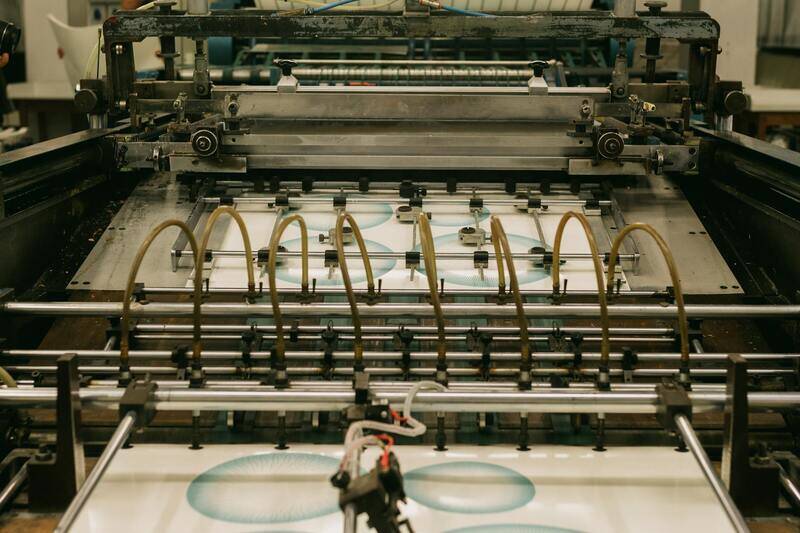
Most recognized card printing services utilize a combination of advanced printing technologies and premium materials to achieve optimal results. These include the use of digital printing for high-resolution images and text, and offset printing for larger quantities requiring consistency. Furthermore, security-enhanced printing methods, such as holographic overlays, embedded microtext, and UV printing, are employed to prevent counterfeiting and tampering. Choosing a provider that employs these certified methods helps guarantee the durability of the cards and their resistance to wear and tear, which is crucial for items such as ID cards and access passes.
Utilizing Certified Equipment and Materials
Professional card printing strictly relies on certified equipment—such as industrial-grade printers calibrated regularly for accuracy—and materials that meet industry standards. These include PVC, PET, or composite materials that are compatible with the chosen printing technology, providing longevity and resilience. Reputable providers source their materials from trusted suppliers, ensuring that each batch of card stock guarantees consistent quality and safety.
Security Features and Certification
To produce secure and reliable cards, it is vital to incorporate certified security features. These include holograms, UV inks, laser engraving, or embedded RFID chips. Only authorized printing services with the proper certifications and security protocols can embed these features accurately. Working with such providers ensures that the security elements are embedded correctly and function as intended, providing confidence in the authenticity of each card.
Processing and Proofing
Before proceeding with full production, legitimate card printing services typically generate digital proofs or physical samples. These samples allow clients to verify the placement, accuracy, and security features, ensuring the final output aligns with expectations. This step is an integral part of professional practice, as it minimizes errors and prevents costly reprints.
Adherence to Industry Standards
Adhering to established industry standards, such as those set by ISO or ASTM, helps maintain a consistent quality benchmark. These standards address various aspects, including material safety, printing durability, and security measures, reinforcing the integrity of the final product.
Environmental Considerations in Card Printing
Choosing methods that minimize environmental impact is also gaining importance in legitimate card printing operations. Certified providers often implement eco-friendly practices, such as using recyclable materials, reducing chemical waste, and conserving energy during production. These environmentally responsible approaches not only contribute to sustainability but also reflect a commitment to quality and ethical standards.
