
Overview of Large Format Photo Printing in Singapore
Large format photo printing has become an essential service in Singapore’s thriving creative and commercial sectors. With the city-state's vibrant arts scene, competitive advertising industry, and numerous events requiring high-quality visual displays, the demand for expansive, high-resolution images continues to grow. This form of printing involves producing photographs on sizable substrates that can be used for various purposes, from advertising banners and gallery displays to personal murals and installation art.
In Singapore, the market for large format photo printing is characterized by advanced technology and high standards. Consumers range from professional photographers and artists who require precise reproduction of their work to corporate clients seeking impactful advertising solutions. The versatility of large format printing allows for customization and adaptability across different applications, making it a preferred choice for impactful visual communication.
As a city that values innovation and quality, Singapore's printing industry emphasizes not only scale but also the longevity and clarity of printed images. The availability of state-of-the-art equipment and specialized materials ensures that customers receive results that meet diverse specifications and expectations. This burgeoning sector continues to evolve with new technologies, enabling sharper images, more durable media, and environmentally sustainable options.
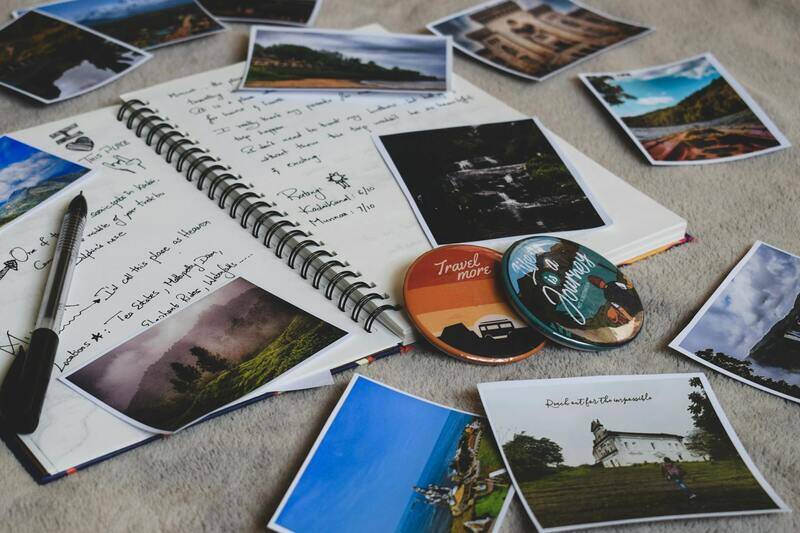
Overall, the widespread adoption of large format photo printing within Singapore underscores its essential role in multimedia presentation, branding, public art, and personal expression. Its significance is reflected in the growing number of service providers specializing in professional-grade printing solutions, ensuring clients receive premium results tailored to their specific needs.
Types of Large Format Photo Printing Technologies
Singapore’s market for large format photo printing leverages a variety of advanced technologies to meet diverse client needs. Among these, inkjet printing stands out as the most prevalent due to its ability to produce high-resolution images with rich color depth. This method employs tiny nozzles to deposit liquid ink directly onto media, resulting in vibrant, detailed prints suitable for art, photography exhibitions, and commercial displays.
Solvent and eco-solvent printing technologies are also widely utilized, especially for outdoor applications that require enhanced durability and weather resistance. Solvent printers use solvent-based inks that penetrate the media surface, creating prints resistant to moisture, UV rays, and abrasion. These characteristics make them ideal for banners, outdoor signage, vehicle wraps, and other environmental displays where longevity is crucial.
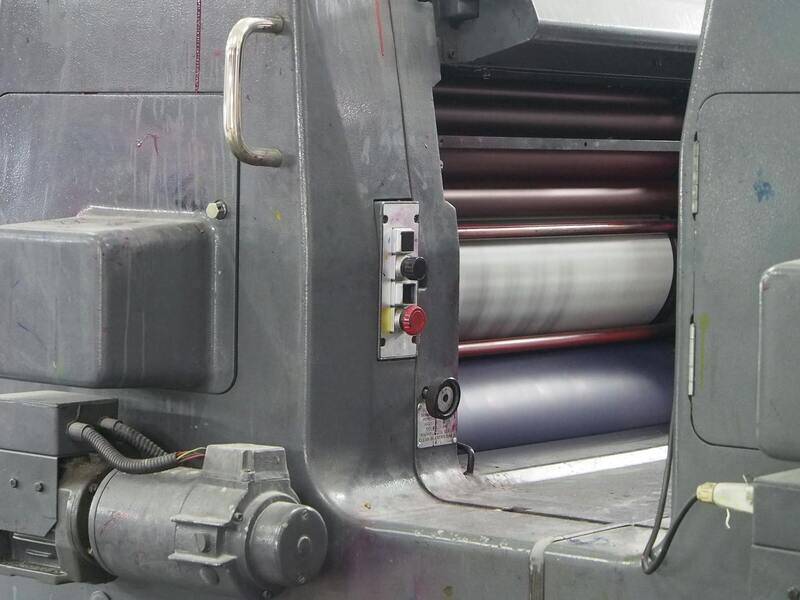
During the selection process, clients must consider the specific requirements of their project. For example, fine art reproductions necessitate ultra-high-definition inkjet printing to capture intricate details and subtle tonal gradations. Conversely, large-scale advertisement banners often prioritize durability and weather resistance, favoring solvent-based printing options.
LeoTech's latest advancements in UV printing technology also expanding the options available within Singapore. UV printers affix ink via ultraviolet light curing, resulting in vivid images directly on various rigid surfaces like acrylic or metal. This technology allows for innovative display solutions, such as three-dimensional photo murals or embedded signage, broadening creative possibilities significantly.
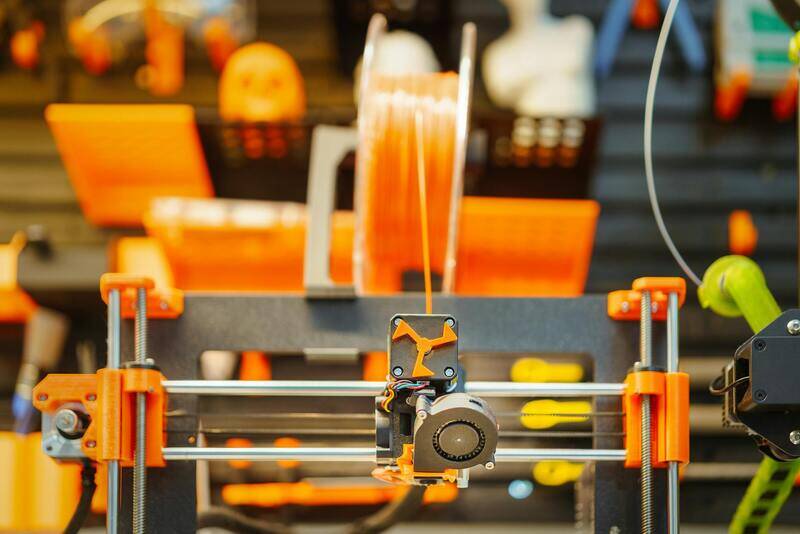
Ultimately, the choice of technology hinges on application specifics, budget, and expectations regarding image quality, environmental resistance, and media compatibility. Reputable printing service providers in Singapore maintain a diverse array of equipment to ensure clients receive products optimized for their intended use and aesthetic goals.
Materials and Media Choices for Large Format Photo Printing
When selecting materials for large format photo printing in Singapore, it is essential to consider each media's unique properties to ensure optimal results and longevity. The choice of media impacts the visual appeal, durability, and suitability for the environment where the printed image will be displayed.
Canvas is a popular option for high-end art reproductions and gallery displays due to its textured surface that mimics traditional art mediums. It offers a sophisticated finish and is often paired with protective coatings to enhance durability against fading and environmental factors.
Vinyl is widely used for banners, outdoor signage, and vehicle wraps thanks to its weather-resistant characteristics. It withstands exposure to sunlight, moisture, and varying temperatures, making it ideal for outdoor applications. Matte and gloss vinyl options are available to match the desired aesthetic, whether subdued or vibrant.
Photo paper remains a classic choice for sharp, detailed images intended for indoor displays or framing. Specialty photo papers, such as luster or satin finishes, enhance color vibrancy and contrast, providing a high-quality presentation for portraits, landscapes, and fine art prints.

In addition to these, rigid materials like acrylic, metal, and foam board are used for more durable and eye-catching signage or art installations. UV printing technology makes these surfaces suitable for direct printing, creating vivid and resilient displays that can serve both decorative and informational functions.
The selection of media should align with the intended display environment, desired aesthetic, and budget. Consulting with professional printing providers can help determine the most appropriate material to achieve the desired outcome without compromising quality or durability.
Overview of Large Format Photo Printing in Singapore
Large format photo printing has become an essential service for artists, photographers, businesses, and event organizers in Singapore seeking to display their visuals prominently. This method involves printing high-resolution images on expansive surfaces, allowing for impactful visual communication across various contexts. Whether for indoor exhibitions, outdoor banners, retail displays, or decorative wall art, large format photo printing affords a versatility that caters to a wide array of needs. The thriving creative industry, coupled with Singapore’s proactive approach to technological innovation, makes the city-state a hub for cutting-edge printing solutions. With a plethora of professional service providers equipped with advanced technology and extensive experience, clients can access high-quality, durable prints that meet their specific size and resolution requirements.
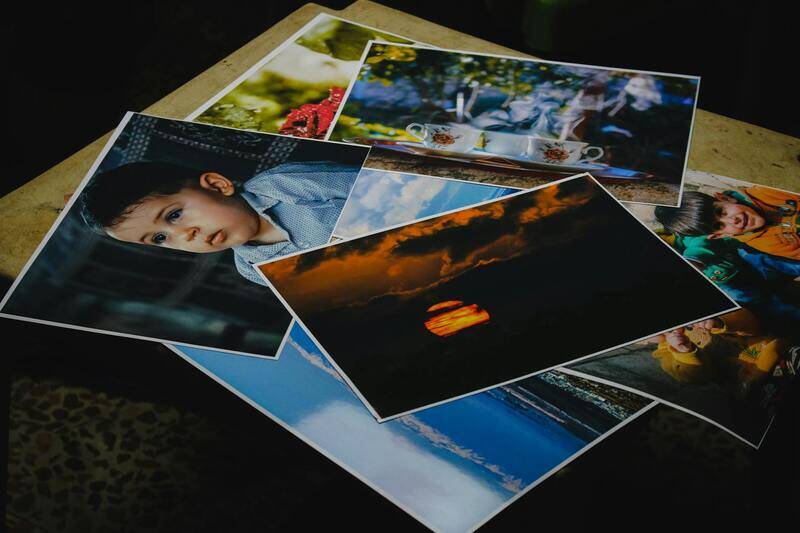
Consequently, demand for these services extends beyond commercial applications to include personal art projects and commemorative displays, highlighting the importance of precision, color fidelity, and material durability. The growing trend toward creating immersive visual experiences has propelled Singapore to the forefront of large format photo printing, blending artistic expression with technological advancement to produce vivid, eye-catching prints suited for a multitude of environments.
Types of Large Format Photo Printing Technologies
To achieve the highest standards in enlargements, professional print providers in Singapore utilize a variety of advanced printing technologies. Each technique is designed to optimize image quality, color accuracy, and material compatibility for specific applications:
- Inkjet Printing: The most prevalent method, especially for photographic reproductions, inkjet printers utilize fine nozzles to deposit precise droplets of ink onto media. High-end models feature multiple ink channels, including light cyan, light magenta, and black, to produce smoothly graduated tones and a wide color gamut.
- UV Printing: Ideal for printing directly onto rigid substrates like acrylic, glass, or metal. UV technology employs ultraviolet light to instantly cure the ink, resulting in vibrant images with excellent adhesion and resistance to environmental factors. This method is particularly suitable for making durable art displays and signage.
- Solvent and Eco-Solvent Printing: These systems use solvent-based inks that are absorbed into the media, resulting in weather-resistant outputs suitable for outdoor use. Eco-solvent options offer reduced odor and environmental impact while maintaining durability.
Choice of Materials and Media
The selection of the appropriate media is pivotal in large format photo printing, impacting the aesthetic, longevity, and suitability for specific environments. Singapore's printing industry offers a comprehensive range of materials tailored to diverse needs:
- Photo Paper: Used predominantly for indoor displays, glossy, matte, and satin finishes cater to different stylistic preferences. Photo papers are optimized for high-resolution images with sharp details and vibrant colors.
- Vinyl: Commonly employed for outdoor signage and banners due to its weather resistance. Matte or gloss vinyl types can be selected based on the desired visual effect and lighting conditions.
- Acrylic and Plexiglass: These rigid surfaces add a modern, premium touch to displays, ideal for art installations and high-end branding. UV printing techniques enhance color vibrancy on these materials.
- Metal and Aluminum Composite Panels: Durable and sleek, these surfaces are used for impactful signage and decorative panels, capable of withstanding harsh weather elements.
- Specialty Media: Canvas, fabric, and textured papers are available for fine art reproductions, offering a tactile experience and a unique aesthetic.
Choosing the appropriate material entails reviewing the environment where the print will be displayed, the expected exposure to elements, and the aesthetic desired. Consulting professionals with expertise in media selection can ensure optimal results that align with project goals and budget considerations.
Design Preparation and File Requirements
Achieving outstanding results in large format photo printing begins long before the printing process itself. Proper design preparation and adherence to specific file requirements are essential to ensure clarity, color accuracy, and overall visual impact. In Singapore, reputable printing service providers emphasize meticulous file preparation standards, often including:
- Resolution: Files should typically be submitted at a minimum of 300 DPI at the final print size to guarantee sharpness and detail. Low-resolution images may appear pixelated or blurry when enlarged.
- Color Mode: Files must be in CMYK color mode, aligning with the color models used in professional printing. This conversion helps in predicting the final color output more accurately.
- Conversions from RGB should be performed prior to submission to prevent color discrepancies.
- File Formats: Preferred formats include TIFF, JPEG with minimum compression, or PDF/X formats, which maintain high image quality and layer information.
- Bleed and Margins: Incorporate bleed areas where necessary to prevent unwanted borders or white edges. Typically, an extra 3-5 mm is recommended beyond the final dimensions.
- Color Calibration and Proofs: Whenever possible, provide color-calibrated proofs or soft proofs to help facilitate accurate color reproduction, especially for projects demanding precise color matching.

Collaborating with printing providers that offer detailed pre-press consultations can considerably enhance the final output. They often provide guidelines or templates to assist in setting up files correctly, reducing revision cycles and ensuring the project adheres to the desired specifications.
The use of high-resolution images and proper color management is vital for producing prints that faithfully reproduce the intended visual effects. Regular communication with the printing team about file specifications and expectations further streamlines the process.

Care and Maintenance of Large Format Prints
Proper care and maintenance are essential to preserve the vibrancy and integrity of large format photo prints over time. Since these prints are often used for display purposes, understanding how to handle and care for them helps ensure they remain visually striking and free from damage.
One of the most critical aspects of maintaining large format prints is controlling environmental conditions. Excessive exposure to direct sunlight can cause fading or discoloration, especially if the print is on uncoated or vulnerable media. It is advisable to position prints away from direct sunlight and, if necessary, use UV-protective glass or acrylic to shield the surface without compromising image quality.
Humidity and temperature fluctuations can also impact the longevity of large prints. High humidity levels may cause the print material to warp or develop mold, while overly dry environments can lead to cracking or brittleness in certain media types. Maintaining a stable indoor climate with moderate humidity and temperature levels helps preserve the print's physical and visual qualities.

Cleaning and handling practices are equally important. It is recommended to dust the surface gently with a soft, lint-free cloth or use a gentle vacuum with a soft brush attachment to remove surface dust. Avoid using harsh chemicals, abrasive materials, or water directly on the print, as these can damage the surface or cause color fading.
If the large format print is framed or mounted, inspect the frame and mounting materials regularly for signs of deterioration. Ensure that hanging hardware is secure and that the framed piece is kept in a location with stable conditions to prevent deformation or damage.
For those wishing to preserve their large format prints long-term, consider consulting professionals about archival display options. These may include specialized mounting techniques, UV-protective glass, or acid-free backing materials that help prevent deterioration caused by environmental factors.
Regular maintenance and mindful handling not only extend the lifespan of large format photos but also ensure that their visual impact remains as intended, whether showcased indoors or in professional art or photographic exhibitions.
Care and Maintenance of Large Format Prints
Ensuring the longevity and visual appeal of large format photos is essential for both personal displays and professional exhibitions. Proper handling, cleaning, and environmental control are integral to maintaining these impressive prints in pristine condition over time.
Handling and Installation Precautions
When moving or installing large format prints, use clean, lint-free gloves to prevent fingerprints, oils, or dirt from transferring onto the surface. Support the print adequately during transport to avoid creases, tears, or bends, especially for delicate media types. During installation, employ appropriate mounting hardware that distributes weight evenly, reducing stress on the material and preventing warping or sagging.
Cleaning and Surface Maintenance
Regular cleaning of large format prints should only involve gentle methods to avoid damaging pigments or media. Employ a soft, dry microfiber cloth or a blower to remove loose dust and debris. For stubborn spots, use a lightly dampened cloth with distilled water or a mild, pH-neutral cleaning solution specifically designed for photographic or printed media. Harsh chemicals, abrasive cleaners, or excessive moisture must be avoided, as they risk fading, discoloration, or surface damage.

Environmental Conditions for Longevity
Controlling ambient humidity and temperature is crucial in safeguarding large format photographs. Maintaining a stable environment with relative humidity around 40-50% minimizes risks of warping or mold growth. Additionally, keeping the temperature consistent—ideally between 18°C to 22°C—prevents expansion and contraction of media that could cause physical deformation.
Light exposure, particularly to UV rays, accelerates fading and deterioration. Positioning prints away from direct sunlight or using UV-protective coatings or glass can significantly prolong their visual and physical integrity. When displaying prints in areas prone to fluctuating conditions, consider specialized framing with climate control features to buffer environmental changes.
Routine Inspection and Preservation
Periodic inspection is recommended to identify early signs of deterioration, such as discoloration, peeling, or surface discoloration. Frames, mounting hardware, and backing materials should be checked for stability and signs of aging. Professional conservation techniques and archival mounting materials like acid-free backing or UV-filtering glass can be employed to enhance preservation efforts.
Adhering to these best practices in handling, cleaning, environmental management, and regular monitoring ensures that large format photos retain their aesthetic appeal and structural integrity, allowing them to be enjoyed for many years and showcased at their fullest visual potential.
Care and Maintenance of Large Format Prints
Proper care and diligent maintenance are vital to preserving the quality, vibrancy, and structural integrity of large format photographic prints. These steps not only prolong the visual appeal of the artwork but also prevent unnecessary deterioration caused by environmental factors, handling, or aging.
Cleaning and Handling
When cleaning large format prints, always use soft, lint-free microfiber cloths to gently remove dust and surface dirt. Avoid using abrasive materials or harsh cleaning agents, which can scratch or degrade the media. For more stubborn spots, slightly dampen the cloth with distilled water or a specially formulated archival cleaning solution designed for photographic or inkjet prints.
Handling should be done with clean, dry hands or gloves to prevent transferring oils and dirt. Support the print fully when moving or repositioning it, and avoid touching the surface of the image area directly.
Protection During Display
To shield large format photos from environmental damage, consider framing with UV-protective glass or acrylic. Using climate-controlled display cases or environments can drastically reduce exposure to humidity fluctuations, dust, and pollutants. When unframed, store prints in dedicated portfolios or flat storage that provides clean, acid-free, and padded environments.
Environmental Controls
Maintaining stable environmental conditions is crucial. Ideal storage and display conditions feature relative humidity levels between 40% and 50%, and temperatures maintained between 18°C and 22°C. Consistent conditions reduce physical stresses such as warping, cracking, or curling.
Routine Inspection and Preservation
Regular examinations should be conducted to identify early signs of deterioration such as fading, discoloration, bubbling, or peeling. When issues are detected, consult professional conservators for remedial treatment. Employing archival-quality framing materials, such as acid-free backing and UV-filtering glass, forms an additional layer of protection against environmental stressors.
Long-term Storage Tips
- Store large format prints flat in a cool, dry, and dark environment.
- Use acid-free, lignin-free storage folders or boxes designed for archival purposes.
- Avoid rolling or folding prints unless they are specifically designed for such storage, and ensure they are rolled with the images on the inside to prevent surface abrasion.
- Handle stored prints with caution, minimizing contact to prevent surface damage.
Implementing these comprehensive care practices ensures that large format photographic prints maintain their visual impact and physical condition over the years, making them worthy investments for both professional display and personal collection.
