
Understanding Poster Print Requirements
Creating a high-quality poster print begins with understanding the fundamental requirements that ensure your artwork is accurately reproduced and visually impactful. Proper preparation of your digital files is crucial, as it directly influences the final appearance and effectiveness of your poster. Several key considerations include selecting the appropriate size, maintaining high resolution, and incorporating effective design elements tailored to your intended audience and display environment.
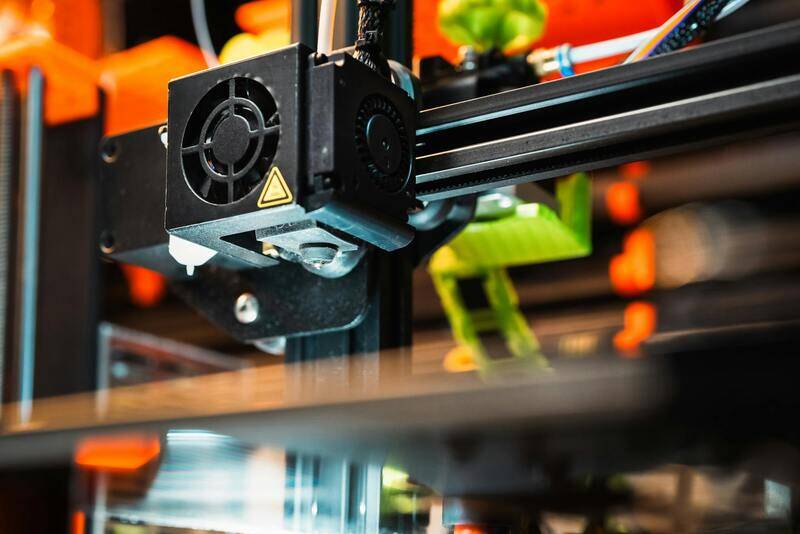
Size and Dimensions
Determining the correct size for your poster is fundamental. Standard sizes such as A2, A1, or custom dimensions should align with the display space and purpose. Larger posters demand higher resolution to prevent pixelation and ensure clarity when viewed from a distance. It’s important to plan your design around the final print dimensions to avoid distortion or cropping issues.
Resolution and Image Quality
For optimal clarity, your artwork should be created at a minimum resolution of 300 DPI (dots per inch). This resolution guarantees crisp text and sharp images, regardless of the size. Low-resolution files may appear blurry or pixelated once printed. Always work with the original high-quality images and avoid enlarging smaller images beyond their intended size.
Design Elements and Composition
A well-structured design fosters effective communication. Use bold headlines, concise messaging, and eye-catching visuals to attract attention. Balance text and imagery to prevent overcrowding, and incorporate colors that enhance readability while aligning with your brand or message. Strategic use of negative space can improve overall composition and visual impact.
Color Spaces and File Formats
Creating artwork in CMYK color mode is recommended for print projects, as it reflects how inks will appear on paper. Save files in accepted formats such as PDF, TIFF, or high-resolution JPEG to preserve quality. Embed fonts and include bleeds (usually 3mm) to facilitate seamless printing and trimming processes.
Additional Considerations
- Margins and bleed areas should be clearly defined within your file to prevent important elements from being cut off.
- Use vector graphics for logos and text to maintain sharpness at any size.
- Perform color proofs or soft proofs to preview the final look before printing.
Understanding and adhering to these preparation guidelines ensures your poster will be printed accurately and will effectively communicate your message. Proper planning at this stage minimizes the risk of errors, saves costs, and results in a visually compelling final product.
Material Selection for Poster Printing
Choosing the appropriate printing material is vital to achieving the desired visual impact and ensuring durability. The most common substrates include various types of paper, vinyl, and fabric, each suited for specific environments and purposes.
- Standard Paper: Ideal for indoor displays, presentations, or temporary promotions. It offers an economical option with good color reproduction but limited resistance to weather elements.
- Premium Poster Paper: Exhibits higher weight and gloss finishes to enhance color vibrancy. Suitable for gallery displays or high-quality visual presentations where appearance is critical.
- Vinyl: A durable, weather-resistant choice perfect for outdoor advertising, signage, or banners. Available in matte, gloss, or custom finishes, vinyl offers longevity and resilience against environmental factors.
- Fabric: Often used for art installations or high-end displays, fabric posters provide a textured, sophisticated look. They are lightweight, easy to transport, and can be laminated for additional protection.
When selecting a material, consider factors such as the intended display environment, duration of use, and budget. For outdoor posters exposed to varying weather conditions, heavy-duty vinyl with UV coating provides optimal longevity. Conversely, for indoor use where visuals are the main focus, high-quality paper or fabric materials can deliver superior aesthetics.

Proper material choice enhances not only the visual appeal but also the longevity and overall effectiveness of your poster. Always discuss these options with your printing service provider to ensure the selected material aligns with your goals and expectations.
Ensuring Proper Material Selection for Durability and Visual Impact
When it comes to creating a poster print that effectively communicates your message and withstands the intended environment, selecting the right printing material is a critical step. The choice of material not only influences the visual quality but also determines how well the poster will hold up over time.
For indoor posters, high-quality paper options such as gloss or matte finishes are popular. These materials are ideal for displays like conference rooms, retail environments, and indoor exhibitions where weather resistance is unnecessary. They provide rich color reproduction and sharp detailing, making your visuals stand out.

However, outdoor posters demand more resilient materials. Heavy-duty vinyl with UV coating is the preferred choice for outdoor signage. This material resists fading caused by UV rays, as well as tears and weather-related wear and tear. Vinyl banners and posters are suitable for outdoor events, traffic signs, or billboard advertising, providing long-term durability.
Fabric posters cater to high-end visual displays and artistic installations. These materials add a textured, sophisticated aesthetic and can be easily transported due to their lightweight nature. When laminated, fabric posters gain additional protection from moisture and physical damage, extending their lifespan.

The decision on material selection should factor in exposure conditions, intended duration of display, and budget constraints. For brief indoor promotions, paper and fabric options can suffice, but if the poster needs to withstand outdoor elements or long-term installation, investing in vinyl or laminated fabric ensures sustained performance.
Always engage with your printing service provider to explore the best material options tailored to your specific requirements. Their expertise can guide you toward choosing a substrate that balances aesthetics, durability, and cost efficiency, ensuring your message leaves a lasting impression.
Official Methods for Making a Poster Print
When seeking to create a high-quality poster print, adhering to officially recognized methods ensures the best visual outcome and durability. The process typically starts with selecting an authorized printing service that specializes in large-format graphic reproduction. These providers utilize professional-grade printing equipment, such as large-format inkjet printers or digital press systems, capable of accurately rendering vibrant colors and intricate details.
To begin, prepare a print-ready digital file in an accepted format, often PDF, TIFF, or EPS, which preserves image quality and color fidelity. The file should incorporate a bleed area—usually around 3mm to 5mm—to prevent unwanted borders after trimming. Maintaining a high resolution, ideally 300 DPI, is critical for sharp, clear images, especially for posters intended for close viewing.
Submission of your file can be done through secure online portals or physical storage devices, depending on the service provider. Clear instructions must be included regarding the desired size, material choice, and finishing options such as lamination or mounting. It’s important to consult with the provider to verify that all specifications meet the printer’s requirements, ensuring that the output matches your expectations.

Official printing methods also encompass quality control protocols, where print samples are examined for color accuracy, registration, and overall appearance. Once approved, the final order is produced with consistent quality assurance measures. The use of environmentally friendly inks and sustainable substrates is increasingly common, aligning with responsible manufacturing practices.
Engaging Licensed Printing Facilities
It is advisable to work with licensed printing facilities that maintain compliance with industry standards. These facilities often hold certifications such as ISO 9001 or environmentally compliant seals, providing added assurance of their commitment to quality and responsible practices. They also often provide consultation services to guide clients through the selection of suitable materials and finishes, ensuring the end product effectively communicates your desired message.
By following these official steps—from preparing compliant digital files to working with authorized printing providers—you can produce a professional, impactful poster print that meets your specific needs and stands the test of time.
Proper File Formatting for Poster Printing
To ensure your poster print meets the highest standards of quality and accuracy, it is essential to prepare your digital files correctly. High-resolution files, ideally at 300 DPI, prevent pixelation and ensure crisp details upon enlargement. Preferred file formats typically include PDF, TIFF, or high-quality JPEGs, as these maintain image integrity and support color fidelity.
Color management plays a crucial role; using the CMYK color profile allows for a more precise preview of how your colors will appear once printed. Embedding fonts or converting text to outlines prevents font substitution issues, which could alter your design. Keep in mind that bleed areas—usually around 3-5 mm beyond the trim line—must be included to prevent unwanted white borders after cutting.
Organize your layers and maintain a clear outline of elements that require special attention, such as cut lines or specific finishes. Once your design is complete, double-check all details, and ensure that images are not stretched or compressed, which could distort quality. Many professional printing services provide templates and specific guidelines tailored to their machinery, so consulting these resources prior to submission can streamline the process and reduce rework.
Figure Placeholder: 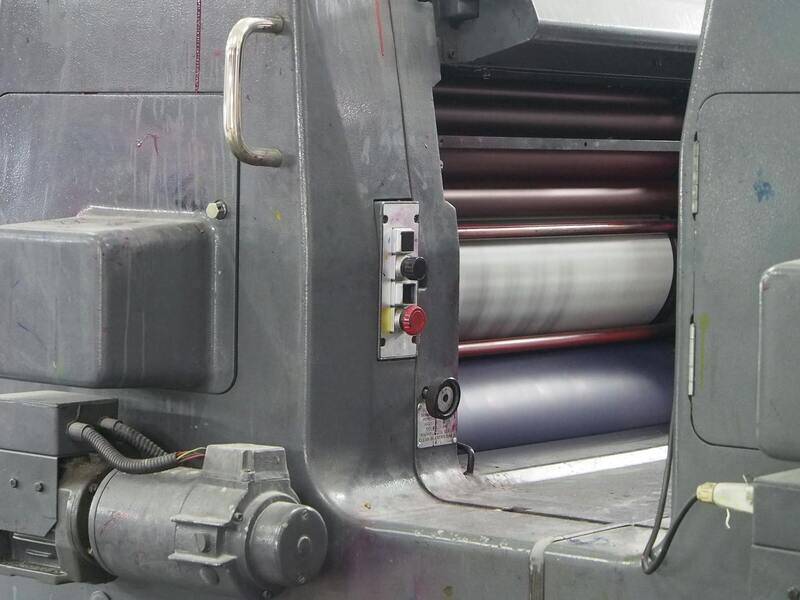
Final Proofing and Approvals
Prior to mass production, most official printing facilities offer or require a proofing step. This can be a digital proof sent via email or a printed hard copy of a scaled or full-size version of your poster. Reviewing this proof allows you to verify color accuracy, layout, and overall appearance, preventing costly errors. It’s advisable to scrutinize every detail carefully, especially if the poster communicates critical information or branding.
Upon approval, the printing process commences, guided by stringent quality control procedures. These procedures include checking color consistency, registration accuracy, and finishing quality. Many providers also perform post-production inspections to ensure that the final posters meet established standards.
Responsible printing practices increasingly involve the use of environmentally friendly inks and sustainable materials, which contribute to minimizing environmental impact without compromising quality. This commitment to sustainability is often reflected in certifications and adherence to industry standards, further assuring clients of their ecological responsibility during production.
Figure Placeholder: 
Preparing Your Artwork for a Professional Poster Print
Ensuring your poster design is print-ready is crucial for achieving a high-quality final product. Start by selecting the appropriate resolution; typically, a minimum of 300 DPI (dots per inch) is recommended to ensure crisp, clear images and text. Low-resolution files can lead to pixelation and a loss of detail when enlarged. Use vector-based graphics for logos and text whenever possible, as they maintain clarity regardless of size adjustments.
Color management is also essential. Convert your design to the CMYK color space, which is standard for printing, to ensure color accuracy. Including bleed areas—additional space beyond the final trim size—prevents unintentional white margins after trimming. Typically, bleed allowances of 3-5mm are sufficient and should be set within your design file.
When preparing your file, adhere strictly to the printing service's specified dimensions, bleed, and margin requirements. Save your artwork in PDF, TIFF, or other formats preferred by the printer, ensuring all fonts are embedded or outlined to prevent font substitution errors. Use high-quality image files with embedded color profiles to preserve visual fidelity.
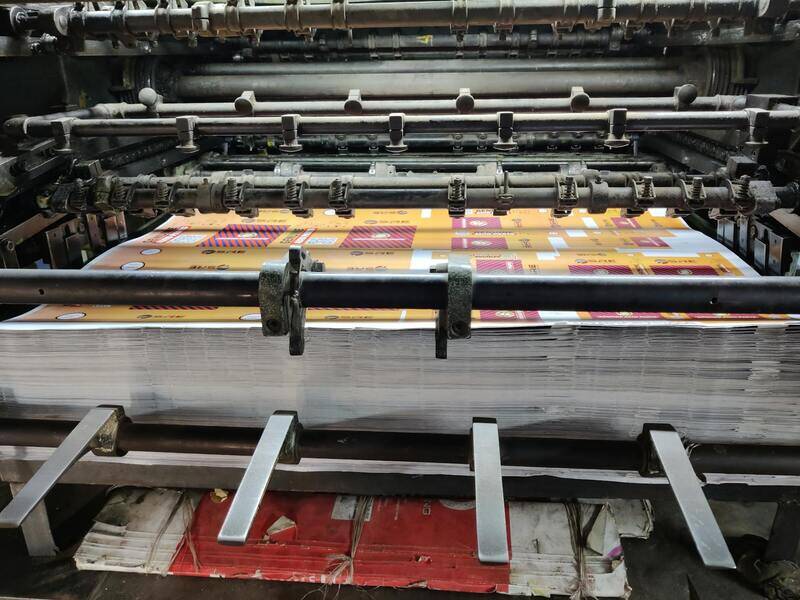
Prior to submission, review your design thoroughly. Check for typographical errors, alignment issues, and color inconsistencies. Leveraging proofing options offered by many printing providers, such as digital proofs or physical samples, can highlight potential issues before the entire batch is produced. This step minimizes costly reprints and delays.
Finalizing Your Submission and Ensuring Quality
When your file is ready, submit it following the specific guidelines provided by your chosen printing provider. Maintain communication channels open in case adjustments are needed. After submission, the printing facility may perform a pre-production proof to confirm that the colors and layout match your expectations.
Once the proof is approved, the production process begins. During this stage, quality control measures—such as checking color accuracy, registration, and finishing details—are strictly followed. Some providers also conduct post-production inspections to guarantee each poster meets their quality standards.
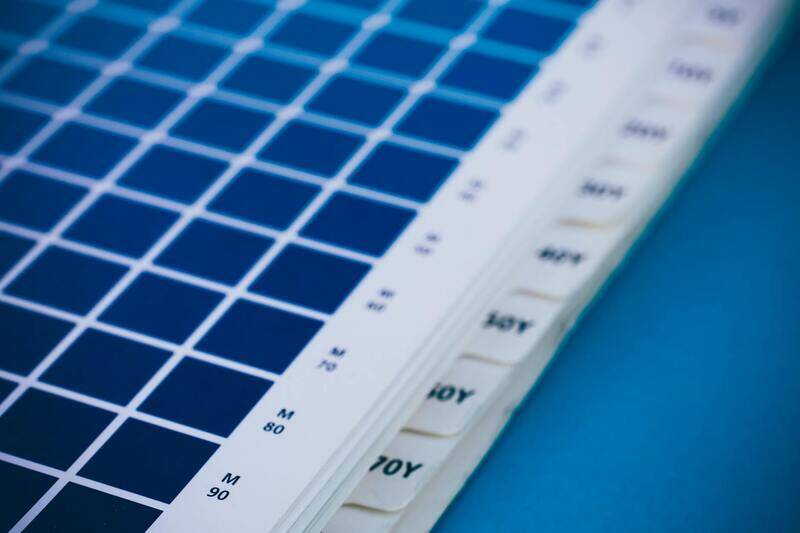
Many professional printers now prioritize environmentally responsible practices by using eco-friendly inks and sustainable materials. These efforts align with broader industry standards for green printing, contributing to reduced environmental impact while maintaining high-quality output.
Understanding Poster Print Requirements
To achieve high-quality results when making a poster print, it is essential to understand the specific requirements that printing professionals or facilities expect. These guidelines ensure that your digital files, design elements, and overall submission adhere to industry standards, ultimately facilitating a smooth printing process and a striking final product. Key aspects include resolution, color profiles, format compatibility, and bleed settings.
Resolution and Image Quality
For vibrant and sharp posters, your design files should have a minimum resolution of 300 DPI (dots per inch) at the final print size. This level of detail prevents pixelation or blurriness, especially when enlarging images. Low-resolution files tend to produce dull, blurry prints that undermine the visual impact of your poster. Always verify your image resolutions before submission, and opt for high-quality graphics that maintain clarity at large scales.
Color Profiles and Compatibility
Proper color management is vital to ensure the colors in your digital design match the printed output. Work within color spaces such as Adobe RGB or sRGB during design, and communicate with your printer about their preferred profiles. Converting files to CMYK color mode is often necessary, as it corresponds to the color gamut used in professional printing. Sharing color swatches or proofs can also help control color accuracy throughout the process.
File Formats and Dimension Specifications
Most printing providers accept high-resolution PDFs, TIFFs, or EPS files. These formats preserve image quality and support complex vector-based designs for sharp lines and text. When saving your file, specify exact dimensions matching your intended poster size, and include a bleed margin—usually around 3mm—to prevent unwanted white borders after trimming. Clearly label your files, including necessary specifications, to avoid confusion during production.
Preparing Files with Bleed and Margins
Incorporate bleed zones into your document to account for trimming tolerances. This ensures that important content or background colors extend beyond the final cut lines, creating a seamless appearance. Maintain safe margins within your design, keeping critical information away from edges to prevent accidental cropping.
Refining Design for Printing
Prior to submitting your files, conduct a thorough review. Use proofing tools to visualize how colors will appear and verify that all elements are correctly aligned. Adjustments to contrast, brightness, and saturation might be necessary to optimize visual impact for print media. Collaborate with your chosen printing service, seeking their feedback on any technical aspects to guarantee alignment with their production standards.
Optimizing Poster Print Delivery and Final Presentation
When you entrust a reputable printing service to produce your poster, understanding the delivery process and proper display techniques ensures that your investment achieves maximum visual impact. Once the printing is completed to your specifications, the focus shifts to safe transportation, effective installation, and long-term presentation quality.
Ensuring Secure and Efficient Delivery
Most professional printing providers in Singapore employ protective packaging methods to prevent damage during transit. Your poster prints are typically shipped in sturdy tubes or flat packages, depending on their size and material. Request confirmation on packaging details and tracking options to monitor the delivery process actively. Inspect the package upon receipt for any signs of mishandling or damage, which could affect the integrity of your print.
Preparing for Installation
Before mounting your poster, select the appropriate display surface that complements your poster’s size and material. Common options include walls, boards, or display frames. For wall mounting, clean and dry the surface thoroughly. If your poster is on paper or lightweight material, consider using poster mounting strips or adhesive putty to avoid damage or residue. For heavier or fabric posters, mounting with appropriate hardware or clips may be necessary.
- Use a level to ensure even hanging, especially for larger posters.
- Measure key points to align the poster correctly and prevent lopsided presentation.
- If framing your poster, choose a frame that matches the print dimensions to enhance the professional appearance and provide additional protection.
Long-Lasting Display and Maintenance
To maximize the lifespan of your poster, avoid direct sunlight for prolonged periods, which can cause discoloration over time. Regularly dust and clean the surface with a soft, dry cloth. If your poster is laminated or mounted within a frame, inspect it periodically for signs of wear or damage. Proper storage when not on display—such as in a flat, cool, dry environment—also helps preserve its vibrancy and attachment integrity.
Additional Tips for Showcasing
- Choose an optimal viewing height—generally eye level—to enhance visibility and viewer engagement.
- Use lighting strategically, such as LED spotlights or diffused lighting, to draw attention without causing glare.
- Consider creating thematic or cohesive display setups that complement your poster’s purpose, whether for promotional, informational, or decorative purposes.
By adhering to these protocols for delivery, installation, and maintenance, your poster print will retain its quality, beauty, and communicative effectiveness over time. Partnering with esteemed local printers ensures that every stage—from printing to display—is handled with professionalism, resulting in a finished product that meets your highest expectations.
