
Printing Techniques and Technologies
Poster printing employs a variety of advanced techniques designed to produce high-quality visuals that effectively communicate messages. Digital printing stands out as the most flexible method, suitable for small to medium runs with quick turnaround times. It allows for vibrant color reproduction and detailed images, making it ideal for promotional posters, event advertisements, and customized designs. Offset printing is traditionally used for large quantities, offering cost efficiency and superior image clarity at scale, commonly utilized for corporate campaigns and extensive marketing materials. Large-format printing is essential for billboard-sized posters and murals, utilizing specialized inks and printers capable of producing expansive, attention-grabbing visuals.
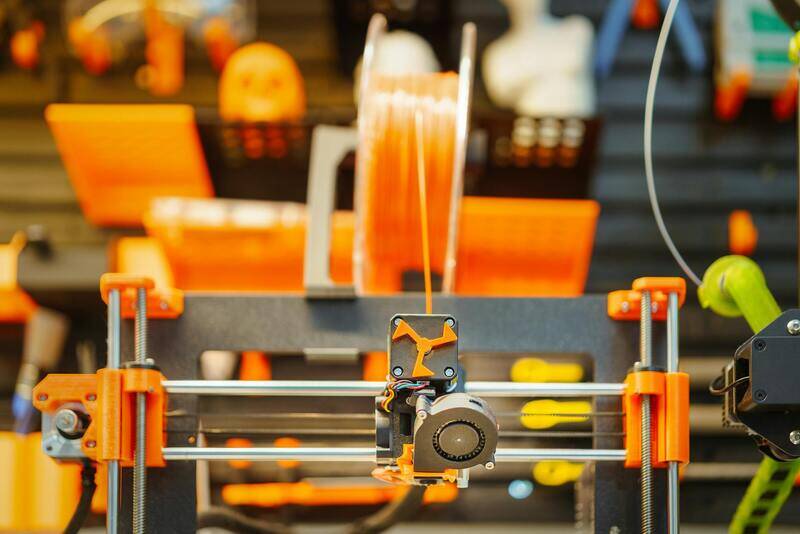
Each printing method is selected based on the poster's purpose, size, volume, and desired quality. Digital printers, for instance, excel in producing detailed, short-run posters with fast delivery, while offset printing is optimal for bulk orders with consistent high-quality results. Large-format printers leverage UV and latex inks that adhere well to diverse materials, ensuring durability and bright colors even in outdoor settings. Knowing the distinctions among these technologies allows for better planning and selection, ensuring the poster meets its intended impact and longevity.
Customization and Finishing Options
Beyond the core printing technology, numerous customization and finishing options enhance the poster's appearance and durability. Lamination adds a protective layer against water, dirt, and scratches, prolonging the poster's lifespan, especially for outdoor displays. Matte, gloss, or satin finishes are available, each providing different visual effects and tactile qualities. Die-cutting shapes the poster edges into unique forms, while mounting and framing services help prepare the poster for professional display. Additionally, incorporating special effects like metallic inks, spot UV coating, or embossing can create eye-catching details that elevate brand or message visibility.
Understanding Poster Printing
Poster printing involves translating digital designs into large-scale visual displays that effectively communicate messages to targeted audiences. This process starts with quality design preparation, ensuring clarity, color accuracy, and appropriate sizing. The printing itself hinges on selecting the right technique and material, depending on whether the poster is for indoor or outdoor use, its size, and desired visual impact. A thorough understanding of these elements helps ensure that the final product aligns with marketing goals or personal preferences, providing a strong visual presence in any setting.
Where to Get Poster Printing Services in Singapore
Singapore boasts numerous reputable providers specializing in poster printing, offering comprehensive services from design consultation to finished product. These service providers utilize state-of-the-art equipment and adhere to high standards of quality. They cater to diverse needs, whether for small business promotions, event banners, or large-scale advertising campaigns. When selecting a service, consider their experience, turnaround times, available customization options, and customer reviews to ensure a smooth and satisfactory printing experience.
Types of Posters and Materials Used
Posters can be classified based on their usage and the materials employed. Common types include promotional posters, decorative posters, informational posters, and event banners. Materials vary from standard paper and glossy cardstock to more durable vinyl, fabric, or canvas options. Vinyl posters are weather-resistant, making them suitable for outdoor environments, while paper-based posters are ideal for indoor use. Specialty materials such as fabric or mesh can provide a unique aesthetic or enhanced breathability, broadening the scope of design and display possibilities.
Printing Techniques and Technologies
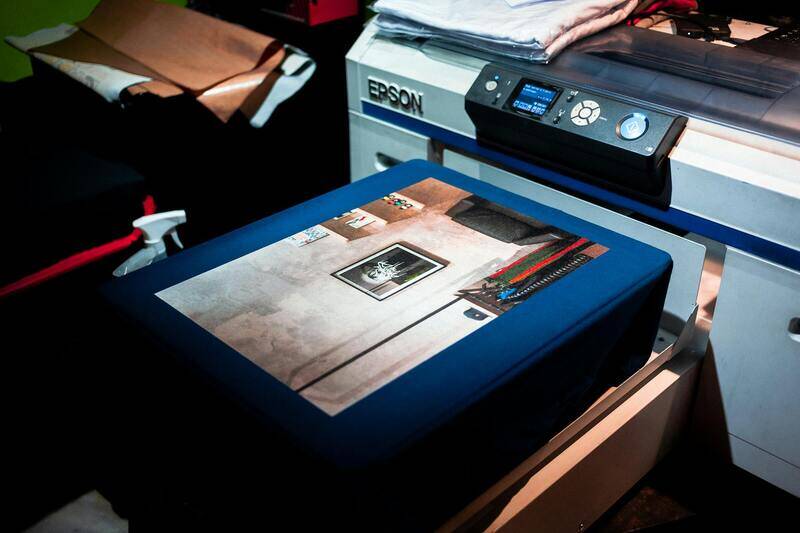
When it comes to poster printing, selecting the appropriate printing technique is fundamental to achieving high-quality results that align with specific project requirements. Various printing technologies are available, each suited to particular types of posters and materials. Digital printing is among the most common choices for small to medium-sized runs, offering quick turnaround times and excellent image clarity. This method employs inkjet or laser printers that deposit high-resolution ink directly onto the chosen substrate, making it ideal for vibrant, detailed posters suitable for indoor displays.
Offset printing is typically preferred for larger quantities due to its cost-efficiency and consistent quality. This process involves creating metal plates for each color, which transfer ink onto the printing surface. While the initial setup is more involved, offset printing ensures sharp image reproduction and color fidelity, especially for complex designs or large-scale production. It is often used for promotional posters, event banners, and campaigns requiring uniform color output.
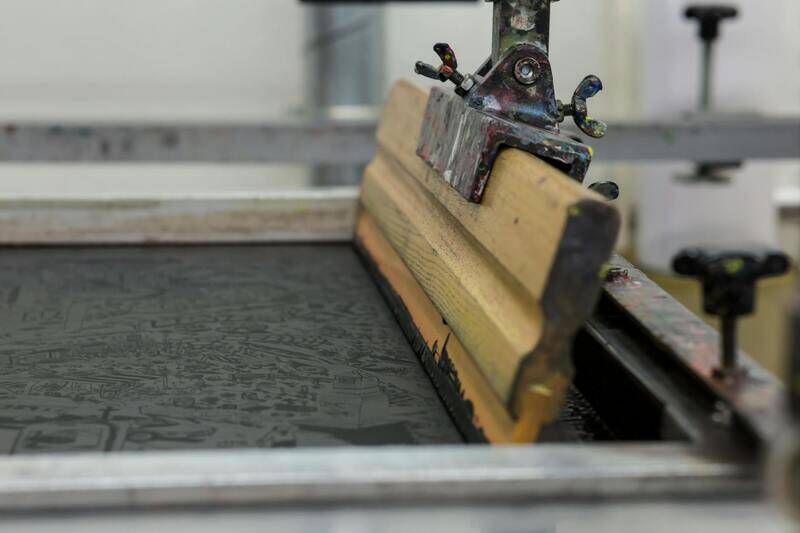
Silkscreen printing, also known as screen printing, is particularly effective for posters that feature bold colors or limited color palettes. This method pushes ink through a mesh screen onto the substrate, allowing for durable, vibrant images. It is often employed for artistic posters, promotional materials, or designs requiring specific textures. Although it may involve a longer setup process, silkscreen printing produces resilient posters capable of withstanding indoor or outdoor conditions.
Emerging technologies such as UV printing and sublimation printing are expanding the possibilities for poster production. UV printing uses ultraviolet light to instantly cure inks onto substrates, resulting in a highly durable and vibrant finish that can be applied to rigid or flexible materials. Sublimation printing, on the other hand, is primarily used for fabric posters, allowing for full-color, photo-realistic images that are embedded into the material itself. This method is especially suited for high-end aesthetic projects and custom art pieces.
Choosing the right printing technique hinges on several factors including material compatibility, desired durability, printing volume, and budget constraints. Professional poster printing service providers in Singapore utilize these advanced technologies to cater to a range of needs, ensuring that clients receive products that meet specific expectations and withstand the conditions of their installation environment.
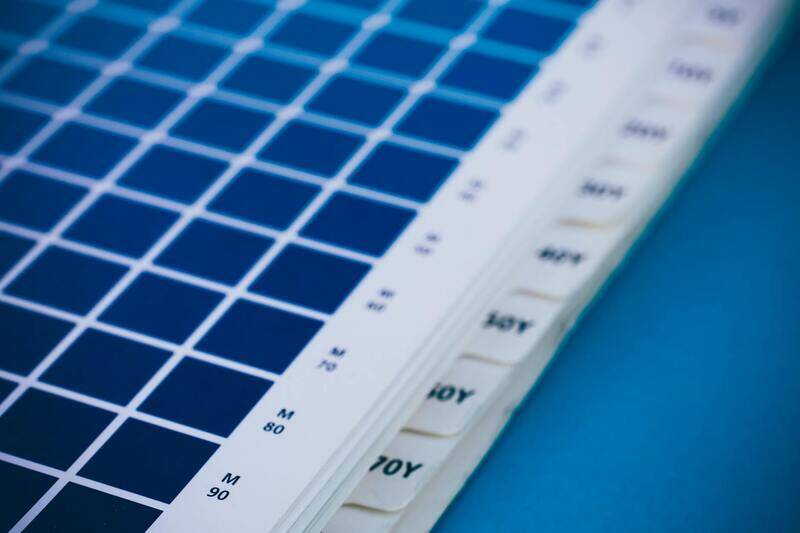
Moreover, the integration of digital workflows with traditional techniques allows for enhanced customization, rapid turnaround, and precise color matching. This synergy ensures that each poster is produced efficiently without compromising on quality, providing businesses and individuals with versatile options for their visual communication strategies. As printing technology continues to evolve, the ability to produce larger, more complex, and environmentally sustainable posters becomes increasingly accessible, benefitting all types of projects and environments.
Advances in Printing Techniques and Technologies
In the realm of poster printing, technological innovations have significantly elevated the standards of quality, durability, and customization options available to clients. Modern printing methods such as UV printing and sublimation have become industry mainstays, each offering unique benefits tailored to specific project requirements.
UV printing employs ultraviolet light to instantly cure inks onto diverse substrates, creating highly durable and vibrant images that resist fading, scratching, and environmental wear. This technique is particularly advantageous for posters destined for outdoor or high-traffic areas where longevity is crucial. The immediacy of UV curing facilitates rapid production cycles, enabling businesses to meet tight deadlines without compromising on the visual impact of their posters.
Sublimation printing, primarily used for fabric-based posters, involves transferring dye-based inks onto materials through a heat process. This produces images that are embedded into the fabric, resulting in stunning, full-color, photo-realistic posters with excellent color fidelity and softness. Sublimation is ideal for custom art, fashion-forward displays, and events requiring lightweight, portable signage.

These advanced methods are complemented by digital workflows integrated with traditional printing techniques, allowing for precise color reproduction and rapid adjustments. The synergy of these technologies ensures that poster production is both efficient and of consistently high quality, providing flexibility to accommodate various sizes, materials, and environmental demands.
Customization and Finishing Options
Effective poster printing encompasses a broad array of customization and finishing options that elevate the visual appeal and functionality of the final product. From size variations and material choices to finishing touches like lamination, mounting, and framing, these options enable clients to tailor their posters specifically to their needs and environments.
Size flexibility is crucial in poster design, with standard formats like A1, A2, and 24x36 inches, as well as bespoke dimensions, readily available. Material choices range from glossy and matte paper to vinyl, fabric, and rigid substrates such as foam board and acrylic, each offering different aesthetic and durability characteristics.
Finishing options include:
- Lamination for added protection against moisture, scratches, or UV rays.
- Matte or gloss coatings to affect visual texture and light reflection.
- Mounting and framing services to simplify installation and enhance presentation.
- Edge trimming and corner rounding for polished, professional finishes.

Such comprehensive customization ensures that each poster not only communicates effectively but also endures the conditions of its installation space. Leading printing service providers in Singapore leverage these options to deliver products that align with branding goals, environmental conditions, and budget considerations, creating impactful visual communications for diverse sectors including advertising, education, retail, and corporate events.
Printing Techniques and Technologies
To achieve high-quality poster printing, it is essential to utilize advanced printing techniques that cater to diverse design requirements and material specifications. Digital printing, the most prevalent method, offers quick turnaround times, cost-efficiency for short runs, and precise color reproduction. It uses inkjet or laser printers capable of detailed imagery, providing vibrant colors and sharp lines suitable for posters with complex graphics or photographic content.
Offset printing, although less common for small batches, remains a preferred choice for large volumes due to its consistent color output and superior quality for intricate designs. It involves transferring ink from a plate to a rubber blanket, then onto the printing surface, allowing for high-resolution prints with fine detail. Large-format inkjet printers, equipped with wide-format capabilities and specialized inks, enable printing on various materials such as vinyl, fabric, and rigid substrates, ensuring flexibility in applications ranging from outdoor signage to gallery displays.

UV printing technology has gained traction, especially when printing on non-porous, rigid materials like acrylic or metal. It uses ultraviolet light to cure the ink as it is sprayed onto the substrate, resulting in highly weather-resistant and vivid posters. This method is ideal for signage that needs to withstand harsh outdoor conditions while maintaining visual impact.
Emerging printing innovations such as sublimation printing and eco-solvent printing are also providing sustainable and high-quality options for poster production. Sublimation, which transfers dye onto specially coated materials, produces vibrant, durable images ideal for fabric banners, while eco-solvent inks offer environmentally friendly solutions with excellent adhesion and longevity.
Customization and Finishing Options
Beyond the printing process itself, finishing techniques significantly influence the final appearance and durability of posters. Finishing options include lamination, which adds a protective layer against moisture, scratches, and UV damage, extending the poster’s lifespan and maintaining visual clarity. Matte laminations reduce glare, enhancing readability in well-lit environments, while gloss laminations amplify color vibrancy for more impactful displays.
Mounting and framing provide structural support and ease of installation. Posters can be mounted on various backings such as foam boards or rigid aluminum panels, making them suitable for outdoor or high-traffic settings. Framing options from simple frames to custom-designed borders not only protect the poster but also enhance its aesthetic appeal in professional or exhibition contexts.
Additional finishing touches include edge trimming for a crisp, clean boundary and corner rounding to prevent damage. These options collectively allow for tailored presentation, ensuring posters are not only visually striking but also resilient in their display environment.

Understanding Poster Printing
Poster printing combines creative design with technical precision. Selecting the appropriate printing method hinges on factors such as intended use, viewing distance, environmental exposure, and budget. High-resolution digital or inkjet printing ensures sharp images and vibrant colors, suitable for detailed graphics and photographic content. Meanwhile, larger runs or projects requiring consistent color matching may benefit from offset printing techniques.
Materials play a crucial role in achieving desired visual and physical attributes. Common materials include glossy and matte papers, weatherproof vinyl, fabric, and rigid panels like foam boards and acrylic sheets. Each material offers distinct advantages regarding durability, reflectiveness, and ease of installation, influencing the overall effectiveness of the poster’s message.

Understanding Poster Printing Materials and Their Impact
When selecting poster printing options, understanding the materials available is essential for achieving the desired visual appeal, durability, and overall effectiveness. Different materials cater to specific environments and purposes, ensuring that the final product aligns perfectly with the intended application.
Common Materials Used in Poster Printing
- Glossy Paper: Known for its high-shine surface, glossy paper enhances color vibrancy and sharpness, making images and graphics pop. It’s suitable for indoor use, especially where visual impact is paramount.
- Matte Paper: Offers a non-reflective finish that minimizes glare, ideal for posters viewed under various lighting conditions. It provides a subdued, professional look, often preferred for presentations and informational displays.
- Weatherproof Vinyl: Designed for outdoor use, vinyl posters are resistant to water, UV rays, and tearing. This durability makes them appropriate for advertising campaigns, event signage, or any display exposed to the elements.
- Fabric or Canvas: For a textured, artistic feel, fabric materials are excellent choices. They add a sophisticated touch to displays in galleries, exhibitions, or premium retail settings.
- Rigid Panels like Foam Boards and Acrylic Sheets: These materials provide sturdy backing for posters, making them suitable for mounting in environments where durability and stability are priorities. They are often used for display stands or exhibition boards.
Choosing the Right Material for Your Poster
Selecting the right substrate hinges on where and how the poster will be displayed. For instance, high-gloss paper can elevate visual impact indoors, but may not hold up well outdoors without additional lamination. Conversely, vinyl’s weather-resistant qualities make it perfect for outdoor advertising, but it might be unnecessary for simple indoor displays. Rigid panels offer a professional presentation for gallery exhibitions or high-traffic areas, providing longevity and ease of installation.

Environmental and Maintenance Considerations
In addition to visual and physical attributes, consider the environmental context of your poster. For outdoor posters, weather-resistant materials like vinyl or laminated surfaces are preferable, ensuring longevity despite exposure to sunlight, rain, or wind. Indoor posters benefit from thinner, more vibrant materials like gloss or matte paper, which provide crisp imagery and easy handling.
Maintenance is also a critical aspect—some materials require minimal cleaning and are resistant to smudging or fading over time, which preserves the integrity of your message. Proper selection and handling of materials contribute not only to the aesthetic quality but also to the longevity of the poster, ensuring your investment remains effective for its intended lifespan.
Printing Techniques and Technologies
Poster printing in Singapore leverages a diverse array of advanced printing techniques tailored to meet specific needs for quality, durability, and visual impact. The most common methods include digital printing, screen printing, and large-format inkjet printing, each offering distinct benefits suited for different types of posters and materials.
Digital printing, also known as inkjet printing, involves depositing tiny droplets of ink onto substrates to produce vibrant, high-resolution images. This method is ideal for short runs, custom designs, or posters that demand intricate details and a wide color spectrum. It allows for quick turnaround times and flexible adjustments, making it highly suitable for marketing campaigns, event posters, and displays that require frequent updates.
Screen printing, on the other hand, employs stencils and mesh screens to apply ink onto the surface. Though traditionally used for textiles and apparel, it is also effective for producing bold, durable posters on specific materials like vinyl or fabric. Screen printing offers longevity and resistance to weather conditions, making it advantageous for outdoor signage or large banners intended for prolonged use.
Large-format inkjet printers utilize state-of-the-art UV, solvent, or latex inks to produce expansive prints with stunning detail and color accuracy. These machines enable the printing of oversized posters on various substrates such as vinyl, fabric, and rigid panels without compromising quality. The precision of large-format printing ensures crisp visuals for exhibits, trade shows, and outdoor advertising, even under challenging environmental conditions.

Emerging Technologies
Innovative printing solutions such as eco-solvent inks and UV curing technologies are continuously enhancing poster printing capabilities in Singapore. These methods not only improve print durability and color vibrancy but also reduce environmental impact through eco-friendly inks and processes. As a result, businesses and individuals can expect high-quality, sustainable options that align with contemporary environmental considerations.
Moreover, the integration of digital cutting and laminating devices streamlines finishing processes, providing a polished look with added protection against wear and tear. This synergy of printing and finishing technologies ensures posters remain vivid, intact, and effective throughout their display periods.

Advanced Techniques in Poster Printing
State-of-the-art poster printing in Singapore leverages a variety of advanced techniques to meet diverse needs, ensuring high-quality output that adheres to specific project demands. Among the most prevalent are UV printing, solvent printing, and latex printing, each offering unique benefits suited for different environments and applications.
UV Printing
UV printing employs ultraviolet light to instantly cure inks as they are deposited onto the substrate. This technology provides exceptional color vibrancy and allows printing on a wide range of materials, including textured surfaces and rigid panels. The result is a durable, scratch-resistant poster that maintains visual clarity even in outdoor settings or high-traffic areas.
Solvent Printing
Solvent printing is favored for its ability to produce vivid colors and excellent adhesion on vinyl and other flexible materials. This method is particularly suitable for outdoor advertising due to its resistance to weather elements like rain and UV rays. Posters printed with solvent technology are also characterized by their flexibility and longevity, making them ideal for banners, vehicle wraps, and large-scale outdoor displays.
Latex Printing
Latex printing offers a versatile option combining durability with environmental benefits. It uses water-based inks that are non-toxic and eco-friendly, suitable for indoor and outdoor applications. Latex prints dry quickly, enabling efficient production workflows, and produce vibrant, high-resolution images with an array of finishes, including matte and gloss options.

These cutting-edge technologies are often integrated with other finishing solutions such as laminating and cutting to enhance the lifespan and presentation quality of posters. For example, UV-cured posters can be further laminated with protective films to prevent damage from environmental exposure, ensuring their visual impact remains intact for extended periods.
Emerging Innovations and Sustainable Options
Innovative developments continue to shape the poster printing landscape. Eco-solvent inks and UV curing machinery not only improve environmental sustainability but also enhance print quality and durability. The ability to produce high-resolution images with minimal environmental impact reflects the growing emphasis on eco-conscious practices within the industry.
Furthermore, digital cutting and laminating tools are seamlessly integrated into printing workflows, allowing for precise finishing and customization. These advancements enable businesses to create attention-grabbing posters with intricate details, custom shapes, and protective coatings, ultimately boosting their visual appeal and resilience against wear and tear.
Choosing the Appropriate Technique for Your Project
When selecting a poster printing method, consider the intended display environment, durability requirements, and budget constraints. For outdoor signage exposed to harsh weather, solvent or UV printing provides superior resilience. For indoor displays emphasizing vibrant colors and eco-friendliness, latex printing is an excellent choice. Consulting with reliable printing service providers in Singapore ensures the optimal technology is employed to meet your specific goals.
Keeping abreast of technological advancements allows clients to leverage the latest solutions for impactful poster displays that stand out and endure over time. Ultimately, informed decisions on printing techniques contribute significantly to the overall effectiveness and longevity of posters used for marketing, branding, or informational purposes.
Understanding Different Printing Techniques and Technologies
Posters can be produced using a variety of printing methods, each offering distinct advantages suited to specific needs. Digital printing remains the most versatile choice for short runs and custom designs, providing high-resolution images with quick turnaround times. Its ability to handle complex color gradients and detailed graphics makes it ideal for marketing campaigns, event promotions, and artistic displays.
Large-format printing techniques, such as inkjet and solvent printing, are commonly employed for posters requiring larger sizes and higher durability. Inkjet printing utilizes aqueous inks suitable for indoor displays with vibrant color reproduction, while solvent printing uses solvent-based inks that offer resistance against weather elements, making it suitable for outdoor signage. UV printing, which involves ultraviolet light curing inks, adds an extra layer of durability and can print on a variety of substrates, including rigid materials like foam board or acrylic.

Screen printing remains a traditional yet effective method when producing posters with limited color palettes, especially on fabrics or textured surfaces. The process involves creating a stencil and applying ink through a mesh screen, ensuring vivid colors and high durability for specific materials.
Emerging Technologies in Poster Printing
Innovations such as eco-solvent and latex printing have transformed the industry by offering environmentally friendly options without compromising quality. Eco-solvent inks provide excellent adhesion and longevity, especially in outdoor settings. Latex printing, on the other hand, uses water-based inks that produce vibrant colors with less environmental impact, ideal for indoor and short-term displays.
Customization and Finishing Options
To enhance the visual impact and resilience of posters, finishing techniques such as lamination, mounting, and cut-outs are commonly employed. Lamination protects posters from moisture, scratches, and fading, especially if they are intended for outdoor use. Mounting onto rigid materials like foam boards or acrylic can increase stability and facilitate easier display. Custom shapes and cut-outs allow for unique presentation styles that can draw more attention and match branding requirements.
In addition, folding and perforation are useful for interactive displays or promotional materials that need to be portable or divisible into sections. These options enable businesses and individuals to tailor their posters to specific display environments, ensuring maximum visibility and durability over time.
Choosing Materials for Poster Printing
- Glossy and satin fabric papers enhance color vibrancy and are suitable for indoor displays.
- Matte finishes reduce glare, ideal for readability in bright environments.
- Vinyl and weather-resistant materials are preferred for outdoor signage due to their durability against environmental factors.
- Rigid substrates like foam board or PVC provide additional sturdiness, suitable for mounting or free-standing displays.
Design Considerations for Effective Poster Printing
Design plays a crucial role in the impact and clarity of printed posters. High-resolution images (at least 300 dpi) ensure crisp visuals, while contrasting colors and bold typography improve readability from a distance. Incorporating brand elements, such as logos and color schemes, maintains consistency across promotional materials.
It is also important to consider the poster’s intended viewing environment. For outdoor posters, large, bold fonts and minimal clutter are recommended to ensure visibility in passing traffic. For indoor or detailed informational posters, finer text and intricate graphics can be incorporated, but maintaining sufficient contrast is key to preventing visual fatigue.
Cost Factors Influencing Poster Printing
The overall expenses of poster printing depend on several factors. The choice of printing technology impacts material costs and production time, with digital and large-format printing generally being more cost-effective for short runs, while screen printing may incur higher setup costs but lower per-unit costs for large quantities. Material selections, size, finishing options, and the number of copies also influence pricing. Additionally, artwork complexity and the need for custom cuts or mounts can add to the total expenditure.
Budget planning should include these elements to optimize spending without compromising quality. Requesting detailed quotes from reputable printing providers in Singapore ensures accurate cost assessments tailored to specific project requirements.
Best Practices for Optimizing Poster Production
- Prepare high-resolution vector or raster images to avoid pixelation.
- Ensure your design adheres to the specified dimensions and bleed requirements.
- Choose appropriate materials based on the intended display environment.
- Request sample prints or proofs to verify color accuracy and layout before full production.
- Work with experienced printing specialists who can advise on the best techniques and finishes for your needs.
Proper Display and Maintenance to Maximize Lifespan
Posters should be strategically placed in well-lit areas, avoiding direct sunlight to prevent fading. Using appropriate framing or protective coverings can significantly extend the visual appeal and lifespan of the prints. Regular cleaning with soft, dry cloths helps remove dust and pollutants that can diminish image quality over time.
For outdoor posters, inspecting for damage and reapplying protective coatings or replacing worn-out mounts ensures continued visibility. When properly maintained, high-quality posters sustain their vibrant colors and structural integrity for extended periods, maximizing the return on your investment in their production.
Advanced Poster Printing Techniques and Technologies
In today’s competitive visual landscape, employing the latest poster printing techniques is essential to achieve high-quality, eye-catching results. Modern printing methods incorporate both traditional and innovative technologies, ensuring vibrant colors, sharp details, and durable finishes suitable for various display environments.
Offset Printing
Offset lithography remains a preferred method for large-scale poster printing due to its superior color accuracy and cost efficiency at volume. This technique involves transferring ink from a plate to a rubber blanket before printing onto the substrate, allowing for consistent quality across extensive runs. Offset printing is particularly advantageous when uniformity and color fidelity are critical, making it ideal for marketing campaigns, event promotions, and large displays.
Digital Printing
Digital printing offers flexibility for short-run posters, personalized designs, or on-demand orders. This technique directly applies digital images onto substrates, enabling quick turnaround times without the need for plates or extensive setup. It supports a wide range of media, from standard paper to vinyl and fabric, with high-resolution output that captures intricate details and vivid colors. Digital printing is especially suitable for customized posters or projects requiring rapid execution.
Large-Format Inkjet Printing
For large-scale posters, banners, and displays, large-format inkjet printing is prevalent. It utilizes wide-format printers capable of handling substrates up to several meters in width, producing seamless, high-quality images. Advances in inkjet technology, including UV-curable and latex inks, enhance durability, color vibrancy, and resistance to environmental factors. These options are particularly beneficial for outdoor advertising and long-term displays.
UV Printing
UV printing employs ultraviolet light to instantly cure the ink upon application, resulting in sharp, durable images with a glossy or matte finish. This process allows printing directly onto various substrates, such as acrylic, glass, or metal, expanding creative possibilities. UV printing is ideal for premium posters, signs, and displays that require enhanced robustness and visual impact.
Screen Printing
For specific applications like limited color posters or high-volume runs with specialized finishes, screen printing remains relevant. This technique involves creating a stencil and pressing ink through a mesh onto the substrate. It is particularly suited for bold designs, textured effects, or unique material choices, providing a high degree of customization and durability.
Finishing and Customization Options
Custom finishing touches elevate the overall impact and durability of posters. These options include lamination, mounting, framing, and special coatings. Selecting the right finish enhances visual appeal and protects against environmental wear, ensuring the poster maintains its vibrancy over time.
Lamination and Protective Coatings
Laminating posters with gloss, matte, or satin films not only improves aesthetics but also shields prints from scratches, moisture, and fading. UV coating provides an added layer of protection against UV rays and environmental pollutants, prolonging the poster’s lifespan in outdoor or high-traffic settings.
Mounting and Framing
Mounting posters onto foam board, acrylic, or other rigid materials facilitates easy installation and enhances their visual prominence. Framing options protect posters from damage while providing a refined presentation suitable for galleries, corporate environments, and exhibitions.
Special Effects and Embellishments
Advanced finishing techniques include spot UV, embossing, and die-cutting, which add texture and dimension to posters. These treatments are particularly effective for branding, awards, or promotional items designed to grab attention quickly.
Details on Poster Customization and Sizes
Custom poster printing allows for a wide range of size options, from compact A4 prints to large-format banners. Clients can choose from various paper and material types, finishes, and embellishments to suit specific branding or promotional needs. Bespoke designs enable total control over the visual style, ensuring that the final product aligns perfectly with campaign objectives and display environments.

Types of Posters and Materials Used
Choosing the correct type of poster and material is essential to achieve the desired visual impact and longevity. Different materials serve specific purposes, whether for indoor or outdoor display, temporary promotions, or permanent signage.
- Paper Posters: The most common and versatile option, available in various finishes such as gloss, matte, and satin. Suitable for indoor use, exhibitions, and short-term advertising campaigns.
- Vinyl Banners: Durable and weather-resistant, ideal for outdoor advertising. Flexible and easy to install, vinyl banners can withstand exposure to sunlight, rain, and wind, maintaining vibrancy over extended periods.
- Canvas Prints: Provide a high-end, textured appearance suitable for artistic displays, corporate decor, or gallery exhibitions. Canvas materials are durable and can be stretched or framed for a sophisticated presentation.
- PVC and Rigid Materials: Used in larger signage or displays requiring rigidity, these materials are often employed for billboard-sized posters or display panels in high-traffic areas. They are resistant to impact and environmental factors.
- Mesh Fabrics: Designed for outdoor settings where wind resistance is necessary. The perforated surface allows airflow, reducing wind resistance and preventing damage.

Design Considerations for Poster Printing
Achieving a striking visual effect depends heavily on the design process. High-resolution artwork (minimum 300 dpi) ensures crisp details, especially when enlarging images. It’s crucial to align the design with the intended viewing distance and environment; for example, bright colors and bold fonts attract attention from afar, while subtle tones may be suitable for close-up viewing.
Color accuracy is vital for brand consistency, so selecting the appropriate color mode (preferably CMYK) during the design phase helps ensure the printed output matches digital proofs. Additionally, incorporating sufficient bleed margins prevents unwanted cropping during trimming. Using vector graphics for logos and icons maintains clarity at any size, providing a polished and professional appearance.
Cost Factors in Poster Printing
Understanding the expenses associated with poster printing allows for better budget management. Cost considerations include material selection, print size, finishing options, and the complexity of design elements. Larger formats naturally incur higher printing and material costs. Specialty finishes such as laminations, embossing, or UV coatings add to expenses but significantly enhance the poster's durability and visual appeal.
Quantity also influences unit costs; bulk orders often attract discounts, making large-scale promotions more economical. Time sensitivity and delivery requirements can affect overall pricing, especially when expedited services are necessary. Opting for simplified designs and standard sizes can streamline production and reduce costs without compromising quality.
Choosing the Right Printing Techniques
The selection of a suitable printing process hinges on the specific needs of the project, including image quality, durability, and budget. For high-detail designs and vibrant color reproduction, digital UV printing is preferred due to its precision and flexibility. Offset printing provides excellent consistency for large runs, ensuring uniform results across multiple posters.
For materials such as vinyl and fabric banners, large-format solvent and eco-solvent printing technologies offer excellent color vibrancy and weather resistance. These techniques enable seamless, high-quality prints over broad surfaces, ideal for outdoor banners and large promotional displays.

Advanced Printing Techniques for Durable and Vibrant Posters
When aiming for posters that combine longevity with visual impact, selecting the appropriate printing method is crucial. Digital UV printing has become a top choice due to its ability to produce sharp images with vivid colors, especially suitable for small to medium-sized posters requiring high resolution. This technique employs ultraviolet light to instantly cure ink on various surfaces, resulting in a durable and scratch-resistant finish. It is particularly advantageous for posters displayed in environments exposed to frequent handling or varying weather conditions.
Offset printing remains a preferred option for large-volume orders where consistency and cost-effectiveness are priorities. This method involves transferring ink from a plate to a rubber blanket before printing onto the surface, allowing for precise color matching and high-quality results across extensive quantities. The process excels in reproducing intricate graphics and photographic images, making it ideal for promotional campaigns requiring uniform appearance.

For outdoor or weather-resistant posters, solvent and eco-solvent printing technologies provide excellent solutions. These methods utilize solvent-based inks that adhere well to materials like vinyl and fabric, ensuring vibrant colors and longevity against environmental elements. They are perfect for large banners, signage, or promotional displays intended for prolonged outdoor use.
Each printing technique offers unique qualities, with considerations such as material compatibility, color fidelity, durability, and turnaround time influencing choice. For instance, UV printing provides vibrant results with rapid curing, making it suitable for detailed artwork and custom projects. Meanwhile, offset printing, with its efficiency in bulk production, supports large campaigns with consistent quality.
Understanding the Different Materials for Poster Printing
One of the critical considerations in poster printing involves selecting the appropriate material to match the intended display environment and purpose. Common materials include paper, vinyl, fabric, and plastic, each offering unique characteristics.
- Standard Paper: Ideal for indoor posters, basic advertising, and presentations. Available in different finishes such as matte, gloss, or semi-gloss to enhance visual appeal and readability.
- Vinyl: Durable and weather-resistant, vinyl posters are suitable for outdoor advertising or signage exposed to various environmental conditions. They can be printed with UV or solvent inks for added longevity.
- Fabric: Provides a high-quality, textured finish with excellent color vibrancy. Fabric posters are lightweight, easy to transport, and resistant to tearing, making them popular for events and exhibitions.
- Plastic and Polypropylene: Offer durability and water resistance, suitable for displays that require frequent handling or are exposed to moisture. These materials also support a range of printing techniques for crisp, clear images.
Choosing the right substrate ensures that the poster not only looks appealing but also withstands its display conditions effectively.
Environmental Considerations in Poster Printing
With increasing focus on sustainability, selecting eco-friendly printing options has become more prevalent. Many printing providers now offer environmentally conscious inks and biodegradable materials, reducing the environmental impact of large-format printing projects.
- Eco-solvent Inks: Lower volatile organic compound emissions while maintaining durability and color vibrancy.
- Recyclable Materials: Emphasis on biodegradable and recyclable substrates minimizes waste and supports sustainable practices.
- Reusability: Some formats, such as fabric or certain vinyl types, allow for reprinting or reusing, thereby conserving resources.
Incorporating these considerations not only aligns with environmental responsibility but can also enhance a brand’s reputation by demonstrating a commitment to sustainability.
Printing Techniques and Technologies
Choosing the appropriate printing method is pivotal for achieving high-quality poster outputs that meet specific project requirements. Offset printing remains a popular choice for large-volume orders, offering consistent color reproduction and sharp details. Digital printing, on the other hand, provides flexibility for short runs, customized designs, and quick turnaround times. Large-format inkjet printers utilize advanced piezoelectric technology to print vibrant, detailed images on various substrates. UV printing is also gaining popularity for its ability to produce durable posters on materials like acrylic and metal, adding a sleek, modern finish.

Each technique offers distinct advantages regarding cost efficiency, quality, and material compatibility. Offset printing delivers cost-effective results for mass production, while digital options excel at customization and smaller batch quantities. UV printing's enhanced durability makes it suitable for outdoor displays, resisting fading and weathering over time. Producers should evaluate project scope, desired quality, and budget constraints when selecting the most suitable technique to ensure the final product aligns with expectations and display requirements.
Customization and Finishing Options
Post-printing customization significantly elevates a poster's visual appeal and functional usability. Finishing techniques such as lamination provide added protection against moisture, scratches, and prolonged UV exposure. Matte, gloss, or satin lamination options allow for different aesthetic effects, enhancing either vibrancy or subtlety based on the purpose.
Edge finishing methods like rounded or beveled edges can improve safety and visual refinement. Additionally, mounting options—including foamboard backing, magnetic strips, or frame fitting—offer stability and ease of display. Special coatings or varnishes can also be applied to emphasize certain areas or textures, providing tactile interest and additional visual layers.
Specialty Effects and Interactive Features
- Spot UV coating for gloss emphasis on specific areas
- Mixed media applications, combining textiles with printed elements
- Printable surfaces that accommodate magnetic or adhesive backing
These options allow brands and organizations to create memorable, interactive displays that engage audiences and communicate messages effectively.
Understanding Poster Printing
Posters serve as visual communication tools, combining graphic design, typography, and imagery to convey messages at a glance. Effective poster printing involves understanding resolution, color management, and layout considerations to ensure your design remains impactful in physical form. Resolution standards recommend 150-300 dpi at the final print size to preserve clarity and detail—a crucial factor when working with large-format prints where pixelation can easily detract from quality.
Color accuracy is maintained through proper calibration of printers and color profiles, ensuring that the printed colors match your digital design. It’s important to consider the viewing distance; larger posters viewed from afar require bold, simple visuals, while smaller, close-up posters can incorporate more detailed graphics. The choice of paper or material is also fundamental, affecting the final appearance and durability.
Where to Get Poster Printing Services in Singapore
Singapore boasts a wide range of professional printing service providers equipped with state-of-the-art large-format printers. Reputable establishments focus on quality control, offering consultations to match specific requirements with suitable materials and techniques. Many services operate both online and offline, enabling clients to request quotes, upload designs, and receive finished products with efficiency and reliability.
Industry leaders prioritize transparency in pricing and turnaround times, ensuring that projects are delivered promptly and within budget. Established providers also adhere to strict quality standards, leveraging modern technology to guarantee color fidelity, sharpness, and material consistency across large-scale prints.
Types of Posters and Materials Used
Diverse poster types suit different environments and purposes. Vinyl posters are weather-resistant, ideal for outdoor advertisements, while fabric posters offer a lightweight option with vibrant color reproduction suitable for indoor displays. Paper posters, available in matte or gloss finishes, are cost-effective and suitable for short-term use, promotions, or event signage.
Specialty materials like acrylic and metal-backed substrates provide a premium look, often used for corporate branding or installation art. Recyclable and eco-friendly materials support sustainable practices while ensuring posters are versatile enough for various display contexts. Ultimately, selecting the appropriate material hinges on factors such as durability, aesthetic preference, budget, and environmental considerations.
Design Considerations for Poster Printing
Effective poster design hinges on clarity, contrast, and hierarchy. Critical messages should be prominently displayed, supported by compelling visuals and legible typography. Use of sufficient margins and balanced spacing enhances readability. Designers must also consider color schemes that align with branding, ensuring sufficient contrast for visibility at various distances.
Importantly, artwork should be prepared in the correct format with bleed margins included to prevent unwanted white borders after trimming. Vector graphics are preferred for logos and icons to maintain resolution integrity, while high-resolution images ensure sharp reproduction of photographic elements. Including guiding templates and adhering to printer specifications minimize errors and facilitate a smoother production process.
Cost Factors in Poster Printing
Cost determinants include material choice, size, print quantity, complexity of design, and finishing options. Larger posters naturally incur higher printing expenses due to increased material and ink consumption. Additional costs may arise from special finishes, mounting, framing, and delivery logistics. Bulk orders generally benefit from discounted rates, making large projects more budget-friendly.
Design intricacy also influences costs; intricate graphics or custom effects require advanced printing techniques and longer setup times. Transparent communication with the printing provider helps establish realistic budgets while ensuring quality standards are met within financial constraints.
Choosing the Right Printing Techniques
Selecting the optimal printing method depends on the final usage and display environment. For outdoor posters exposed to weather conditions, UV or solvent printing provides excellent durability. For indoor posters requiring sharp image quality, digital inkjet printing offers high resolution and color vibrancy. Offset printing remains a reliable choice for large-volume projects demanding cost efficiency and consistent output.
Customization and Sizes Available
Custom sizes are fundamental for ensuring that posters meet specific display needs. Standard dimensions include A0, A1, A2, and custom dimensions tailored to banner stands, wall displays, or tabletop signage. Providers typically offer a range of sizes, from small handouts to large banners, with options for trimming, fold lines, or special cutouts to match design specifications. Customization also extends to unique shapes or die-cut formats that help posters stand out in busy environments.
Tips for Successful Poster Printing
- Begin with high-resolution artwork to prevent pixelation.
- Use CMYK color mode for accurate print colors.
- Incorporate bleed margins in your design files to avoid unwanted borders.
- Choose the appropriate material based on intended display conditions.
- Consult with experienced printers to select suitable finishes and accessories.
- Allow sufficient lead time for complex projects and proofing processes.
Implementing these steps ensures that the finished product effectively communicates your message and maintains visual integrity throughout its display lifespan.
Pricing Factors and Budgeting
Budget allocation should consider material costs, size, quantity, and additional features. While high-quality finishes and durable substrates increase expenses, they also enhance the poster's visual impact and longevity. Planning ahead and requesting detailed quotes from multiple vendors can help identify the most cost-effective options that do not compromise quality.
Furthermore, early engagement with printing providers allows for adjustments in design and material choices, aligning project goals with budget constraints. Transparent communication regarding expectations and specifications is essential to prevent unforeseen costs and ensure a smooth printing process.
Finding Reliable Poster Printing Services in Singapore
The selection of a reputable poster printing service hinges on a provider’s portfolio, customer reviews, and adherence to quality standards. Leading printing companies invest in advanced technology, employ skilled technicians, and offer comprehensive support from design consultation to delivery. Many providers also prioritize sustainability, offering environmentally friendly options to clients who value eco-conscious practices.
Locating a trustworthy partner involves evaluating their portfolio, asking for samples of previous work, and verifying their ability to meet deadlines and specifications. Choosing a service with transparent pricing and excellent client feedback ensures your poster project is handled professionally, resulting in a visually striking and durable product tailored to your needs.
