Understanding the Speed of Colour Printers
When selecting a colour printer, particularly one touted as the fastest available, understanding how printing speed is measured is essential. Printing speed typically refers to the number of pages a printer can produce within a specific timeframe, most often expressed as pages per minute (PPM). This metric provides a standardized way to compare different models and manufacturers, offering insight into how quickly a printer can fulfill high-volume printing demands.
Speed measurement often varies based on the type of document being printed. For example, printing a simple text document generally yields a higher PPM than printing detailed images or complex graphics. Manufacturers may also measure and report the fastest PPM for specific types of jobs, which can differ significantly depending on the workload and print settings.
Beyond PPM, other factors influence overall printing efficiency. These include warm-up time—the period it takes for the printer to become ready after powered on—and the time between print jobs. For businesses or individuals who require rapid turnaround for large printing tasks, these additional metrics can impact productivity.

Choosing a colour printer with rapid output capabilities involves considering how these speed metrics align with your specific printing requirements. The importance of speed extends beyond mere convenience; it impacts workflow efficiency, reduces wait times, and enhances overall productivity, especially in settings such as busy offices, commercial printing services, and retail environments.
Key Features of Fast Colour Printers
To achieve high-speed colour printing, modern printers incorporate several advanced technological features. Central to these capabilities are the processor speed and memory capacity, which play crucial roles in managing complex print jobs efficiently. A faster processor allows the printer to interpret print data more quickly, thereby reducing the delay between sending a command and the actual printing process. Additionally, increased onboard memory helps handle large or multiple print jobs without compromising speed, ensuring continuous operation with minimal buffering issues.
Print layout optimization is another significant factor that enhances printing speed. This involves intelligent algorithms that streamline how pages are processed and arranged before printing, minimizing unnecessary movements and ink application. Features like automatic duplexing, advanced paper handling, and high-capacity output trays contribute to reducing the time spent on manual interventions and reloading paper, further boosting overall productivity.
Types of Colour Printers Known for Fast Speed
Among the various models available, laser colour printers are renowned for their rapid print speeds, especially when handling large volumes. They utilize a laser beam coupled with dry toner to produce crisp images swiftly, making them ideal for busy office environments and commercial settings. Inkjet printers, while traditionally slower, have seen significant advancements with high-capacity printheads and faster ink drying technologies that improve throughput. Additionally, multifunction printers combine scanning, copying, and faxing capabilities with high-speed printing, optimizing office workflows.
Factors Affecting Printing Speed
- Print Resolution: Higher resolutions demand more processing power and can slow down printing speeds, especially with detailed images.
- Complexity of Documents: Prints with intricate graphics or large color fills take longer than simple text documents.
- Paper Type and Size: Heavier or special media may require slower operation to ensure print quality and avoid jams.
- Printer Warm-up Time: Time taken for the printer to reach optimal operating temperature can influence turnaround for smaller jobs.
- Connectivity Options: Wired connections generally offer faster data transfer rates compared to wireless setups, impacting overall speed.
Measuring and Comparing Printer Speeds
When evaluating the speed of colour printers, pages per minute (PPM) is the standard metric used. It's important to consider both the rated PPM for standard documents and the actual performance observed during real-world tasks, which can vary based on settings and workload. Comparing printers involves examining their PPM in conjunction with traversal times, warm-up durations, and output quality. Testing models with the same types of jobs provides a more accurate comparison aligned with specific operational needs.
Benefits of Fast Colour Printing in Business
- Increased Productivity: Rapid printing reduces wait times, enabling employees to focus on core tasks more effectively.
- Enhanced Customer Service: Quick turnaround of marketing materials, invoices, and reports supports better client interactions.
- Cost Efficiency: Faster throughput minimizes downtime and maximizes resource utilization, leading to savings over time.
- Operational Flexibility: High-speed printers accommodate fluctuating demands, particularly during peak periods or high volume projects.
Choosing the Right Fast Colour Printer
Selection should be based on matching speed capabilities with specific operational needs. Factors such as print volume, desired resolution, multifunctional features, and budget considerations play a role. Prioritizing models with proven high-speed performance, robust build quality, and reliable maintenance support ensures investment longevity and consistent productivity. Consulting with experts or reviewing industry benchmarks can aid in identifying the most suitable device for your printing environment.
Maintenance and Optimization for Speed
Regular upkeep is essential for maintaining peak printing speed. Routine cleaning of print heads, updating firmware, and using quality consumables prevent bottlenecks caused by hardware or software issues. Optimizing print settings—such as selecting draft mode when high quality isn't necessary—can also significantly improve throughput. Periodic assessments of workflow processes help identify opportunities to streamline tasks further, ensuring your speed-focused colour printers operate at their maximum potential.
Understanding the Speed of Colour Printers
In the realm of colour printing technology, the term 'speed' encompasses more than just the time it takes to produce a single page. It involves the overall throughput, efficiency, and consistency of a device when handling various print jobs, especially those involving complex graphics and high-resolution images. The speed of a colour printer is influenced by multiple factors including its print mechanism, processing power, and the quality of its components. For businesses that rely heavily on rapid output of marketing materials, reports, or client deliverables, knowing which printers deliver high-speed performance is crucial to maintaining workflow efficiency.
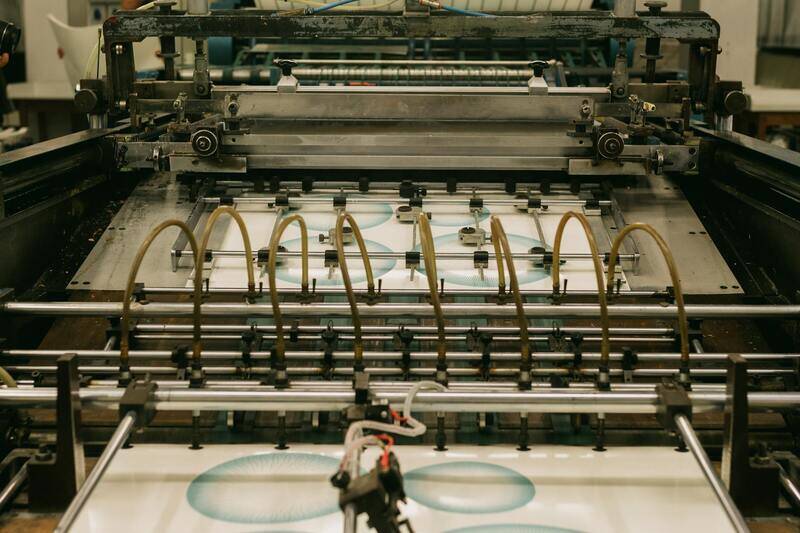
Traditional laser printers tend to outperform inkjet models in speed, particularly for high-volume printing. This is because laser technology utilizes toners that adhere rapidly to paper and print at a much faster rate due to the nature of their dry printing process. Conversely, advanced inkjet printers have made significant strides, especially in high-end models, by integrating improved print head mechanisms and faster processing units, allowing them to handle large volumes at impressive speeds.
Key Features of Fast Colour Printers
- High Processing Power: Enables quick handling of complex images and multiple pages simultaneously.
- Robust Print Engine: Manufactured with durable components that sustain high-speed operations without frequent breakdowns.
- Enhanced Paper Handling: Features such as larger paper trays and faster paper feeds reduce downtime between printing tasks.
- Advanced Firmware: Optimizes print workflows and minimizes delays caused by processing bottlenecks.
- Dual or Multi-gear Transfer Systems: Enhance the rate at which toner or ink is transferred to the paper, increasing overall speed.
Incorporating these features into a colour printer ensures that your business can keep pace with demanding schedules, especially when dealing with repetitive or large-scale print jobs. Moreover, selecting a model with proven speed capabilities often correlates with higher reliability and better long-term cost efficiency due to reduced maintenance needs and less frequent paper jams or hardware stalls.

Factors Affecting Printing Speed
When evaluating the speed of a colour printer, several key factors influence overall performance. Understanding these elements helps in selecting the most suitable device for high-volume or time-sensitive printing tasks.
- Print Resolution: Higher resolutions, such as 1200 dpi or above, generate sharper images but require more processing time. Lower resolutions can significantly increase print speeds, making them ideal for routine drafts or internal documents where quality is less critical.
- Document Complexity: The number of graphics, color depth, and detail within a document impact processing and printing times. Complex images with numerous layers or high color variations demand more processing power, resulting in slower output.
- Connectivity and Network Setup: Wired connections such as Ethernet provide more stable and faster data transfer, reducing delays caused by network congestion. Wireless connections, while convenient, may introduce latency that can affect overall speed, especially in busy networks.
- Printer Processing Power: The printer’s internal processor and memory determine how quickly it can manage complex print jobs. More robust processing units and larger memory capacities facilitate faster processing, enabling higher throughput in busy work environments.
- Paper Handling Capacity: Larger input trays and faster paper feed mechanisms minimize interruptions during high-volume printing. Automatic duplexing (double-sided printing) can also save time for double-sided document production.

Measuring and Comparing Printer Speeds
Printer speed is typically quantified through pages per minute (PPM), a standard metric to assess how many pages a device can produce within a given timeframe. When comparing models, it's crucial to consider multiple factors beyond PPM alone, including the type of print jobs, connection stability, and the complexity of documents handled.
For objective comparison, look at the print speed under different conditions:
- Draft Mode: Provides an estimate of the maximum speed during less-intensive tasks, useful for internal printing.
- Standard Mode: Reflects typical printing scenarios, balancing speed and quality.
- High-Quality Mode: Usually slower, but necessary for final copies requiring detailed color accuracy.
In addition to PPM, some models include burst modes or high-speed printing options, which can temporarily boost output during peak times, further streamlining workflow.

Benefits of Fast Colour Printing in Business
In fast-paced business environments, rapid colour printing capabilities translate into significant operational advantages. High-speed colour printers enable companies to meet tight deadlines, reduce wait times for critical documents, and enhance overall productivity. The ability to produce vibrant, high-quality coloured materials swiftly ensures that marketing campaigns, presentations, and client reports are delivered promptly and with visual impact. This efficiency not only streamlines workflow but also fosters a professional image, demonstrating responsiveness and attentiveness to client needs.
Moreover, fast colour printers contribute to better resource management. By decreasing the time spent waiting for print jobs, employees can focus more on core tasks, reducing downtime and increasing throughput. In settings where multiple departments rely on immediate access to printed materials, a high-speed device ensures seamless operations, preventing bottlenecks that can impede progress. This capacity for rapid output is especially valuable during periods of high demand, such as product launches or quarterly report distributions.
Increased printing speed also aids in maintaining document confidentiality. With faster output, sensitive materials are printed and collected promptly, reducing the risk of unauthorized access during prolonged printing sessions. Additionally, for businesses handling large volumes of printing, integrating high-speed colour printers can result in substantial cost savings by minimizing energy consumption per page and decreasing the need for multiple devices. This consolidated approach simplifies maintenance and reduces overall operational expenses.
Furthermore, the enhanced efficiency brought by rapid colour printing encourages better version control and document management. Quick turnaround times facilitate iterative review processes and on-the-fly adjustments, which are crucial for dynamic project environments. Especially in industries like advertising, design, and media, the ability to produce accurate, vivid prints swiftly supports creative workflows and client presentations, adding value to the service process.

Investing in the fastest colour printing technology ultimately aligns with strategic business goals of agility, quality, and cost-effectiveness. It empowers organizations to operate more flexibly and competitively in demanding markets, where prompt and vibrant output can make a decisive difference in establishing brand presence and client relations.
Understanding the Speed of Colour Printers
The speed of a colour printer is a critical factor that influences operational efficiency, especially in environments with high printing demands. Generally measured in pages per minute (PPM), printing speed varies significantly across different models and types of printers. High-performance colour printers are engineered to produce vibrant, high-quality images swiftly, enabling organizations to meet tight deadlines without sacrificing print quality. Understanding what contributes to printing speed helps in selecting devices that align with specific business needs.
Factors such as printer technology, processing power, and the type of printing task influence speed performance. For instance, laser printers typically outperform inkjet counterparts in speed due to their rapid toner-based printing process. Moreover, newer models equipped with advanced processors and high-capacity memory modules can handle large data files more efficiently, leading to faster output. The hardware architecture, including print head design and paper handling mechanisms, also plays a vital role in determining the overall speed of colour printing devices.
Key Features of Fast Colour Printers
- High Pages Per Minute (PPM): Premium models can deliver over 30 pages per minute, ensuring fast output for large volumes.
- Automatic Document Feeder (ADF): Facilitates quick scanning, copying, or printing of multiple pages without manual intervention.
- Advanced Processing Capabilities: Enhanced CPU and memory capacity enable rapid processing of complex images and high-resolution graphics.
- Duplex Printing: Automated double-sided printing reduces turnaround time when printing double-sided documents.
- High-Caper Paper Handling: Larger input and output trays minimize the need for frequent reloading, supporting continuous printing sessions.
Types of Colour Printers Known for Fast Speed
- Laser Colour Printers: Renowned for rapid printing speeds and sharp image quality, suitable for high-volume corporate environments.
- LED Colour Printers: Offer comparable speed to traditional laser printers with a more compact design, ideal for space-constrained offices.
- High-Volume Inkjet Printers: While traditionally slower, advanced models equipped with high-capacity ink systems and improved feed mechanisms can achieve impressive speeds compatible with large print runs.

Factors Affecting Printing Speed
Several elements influence how quickly a colour printer can produce output, including:
- Printer Hardware and Technology: The underlying mechanism—laser, LED, or inkjet—dictates inherent speed capabilities.
- Print Resolution: Higher resolution (DPI) settings may slow down printing due to increased data processing and rendering requirements.
- Connectivity and Data Transfer: Wired Ethernet or high-speed Wi-Fi connections ensure faster data transmission from computer to device.
- Complexity of the Document: Graphics-heavy and high-resolution images take longer to process and print.
- Paper Handling Capabilities: Larger input trays and faster paper feed mechanisms support higher throughput without delays.
Measuring and Comparing Printer Speeds
When evaluating the performance of colour printers, the primary metric is pages per minute (PPM). It's essential to distinguish between 'normal' and 'draft' modes, as speeds vary accordingly, with draft mode often providing faster throughput at the cost of print quality. Manufacturers typically specify the PPM for both black-and-white and colour printing, allowing users to compare models effectively. For a comprehensive comparison, consider testing units with representative document types to observe real-world performance. Factors such as warm-up time, first-page-out time, and continuous print capacity further contribute to overall efficiency and should be taken into account during procurement.
Understanding the Speed of Colour Printers
In the competitive landscape of high-quality printing, the speed at which a colour printer operates is a critical factor for many businesses and professionals. Fast colour printers are equipped to produce vibrant, high-resolution prints with minimal delays, serving to enhance productivity and streamline workflows. The speed of a colour printer is primarily determined by its internal hardware design and the technological principles harnessed within, such as laser, LED, or advanced inkjet mechanisms. Recognizing how these technological differences impact print speed enables users to make informed decisions aligned with their operational needs.

Key Features of Fast Colour Printers
- High Pages Per Minute (PPM) Rate: This metric indicates how many sheets a printer can produce in a minute. Fast printers typically exceed 30 PPM for colour prints, with some models reaching over 50 PPM, making them suitable for high-volume tasks.
- Advanced Print Engine Technology: Laser and LED technologies inherently support rapid processing speeds, with laser printers often leading in speed due to their efficient photoreceptor systems.
- Large Paper Input and Output Capacity: The ability to hold more sheets reduces the need for frequent reloading, facilitating uninterrupted, high-speed printing sessions.
- 高速数据传输: Using wired Ethernet or high-speed wireless networks ensures minimal lag in data transfer from the computer to the printer, effectively reducing overall printing time.
- Efficient Paper Handling and Auto-Feeding Systems: Features like duplex (double-sided) printing and automatic document feeders contribute to faster throughput without compromising print quality.
Types of Colour Printers Known for Fast Speed
Different printer technologies excel at delivering rapid colour output. Laser printers dominate the high-speed segment, especially for large-volume printing tasks. They leverage a dry toner process that allows for quick page processing and immediate output, making them ideal for busy offices. LED printers, sharing similar mechanisms with laser units but with a linear light-emitting diode array, often offer comparable speeds with added durability and lower maintenance. Advanced inkjet printers, particularly those designed for commercial or industrial use, have also improved their speed characteristics, especially models optimized with high-capacity ink delivery systems and quick-drying inks, to handle short-term bulk printing tasks efficiently.
Factors Affecting Printing Speed
The actual performance of a colour printer can vary based on several technical parameters and operational conditions. These include:
- Print Quality Settings: Higher resolution modes demand more processing time, reducing overall speed. Conversely, lower resolution settings can significantly increase throughput for non-critical jobs.
- Document Complexity: Graphics-heavy or high-resolution images take longer to process and print compared to simple text documents.
- Connectivity Methods: Wired connections generally outperform Wi-Fi, particularly in environments with network congestion or interference, leading to faster and more reliable data transfer.
- Printer Warm-up Time: Some models exhibit longer warm-up periods, which can affect instant readiness for high-speed tasks.
- Consumables and Maintenance Status: Worn-out toner or clogged nozzles in inkjet printers can cause delays, underscoring the importance of regular maintenance for sustained speed.
Measuring and Comparing Printer Speeds
Page output speed, measured in pages per minute (PPM), remains the benchmark metric for evaluating printer performance. When comparing devices, it is essential to consider specific modes, such as standard versus draft or high-quality versus economy, as these significantly influence speed metrics. Manufacturers often provide PPM figures based on standardized testing, but real-world conditions can differ. To ensure that a chosen printer meets operational demands, testing units with typical document formats—such as complex graphics or simple text—can offer insights into real-life performance. Additional factors like first-page-out time and continuous printing capacity further inform overall efficiency and suitability for fast-paced environments.
Maintenance and Optimization for Speed
To sustain the high performance of a fast colour printer, implementing routine maintenance practices is essential. Regular servicing not only prolongs the lifespan of the device but also ensures it operates at peak speed, minimizing delays caused by equipment malfunctions or clogged components.
Routine Maintenance Practices
- Cleaning Print Heads and Nozzles: For inkjet models, particularly those designed for rapid printing, frequent cleaning of the print heads and nozzles prevents ink buildup and ensures smooth ink flow, reducing print errors and speed reductions.
- Replacing Consumables: Timely replacement of toner cartridges or ink tanks prevents printing delays caused by low ink levels. Modern printers often include alerts for consumables that are running low, facilitating timely changes.
- Updating Firmware and Drivers: Keeping the printer's firmware and driver software current improves communication between hardware and software, optimizing print speed and functionality.
- Cleaning Paper Paths and Rollers: Dust, paper debris, or ink residue in paper feeding mechanisms can cause jams or misfeeds, slowing down output. Regular cleaning ensures smooth paper handling and consistent printing speed.
- Checking and Replacing Worn-Out Components: Parts such as transfer belts, rollers, or fusers may wear out over time. Replacing these components as needed guarantees the printer maintains its designed speed and output quality.
Optimizing Printing Settings for Speed
- Adjust Resolution Settings: Lowering the resolution for non-critical quick prints can significantly increase throughput without noticeably affecting document clarity.
- Use Draft Mode: Many printers offer draft or economy modes that prioritize speed over image quality, ideal for internal or preliminary prints.
- Utilize Fast Printing Preferences: Enable any built-in fast print options in the printer settings, such as 'high-speed printing' modes, to maximize throughput.
- Manage Document Complexity: Simplify graphics or reduce image resolution when printing large volumes of simple documents to expedite the process.
- Optimize Connectivity: Use wired connections where possible to avoid the latency introduced by Wi-Fi or wireless networks, especially in high-volume environments.
Environmental and Operational Factors
Creating an optimal printing environment can further enhance speed and efficiency. Ensuring proper ventilation prevents overheating of the printer components during continuous high-speed operations. Additionally, organizing workflows by batching similar print jobs reduces the frequency of printer reconfiguration and warming-up cycles, maintaining a steady high throughput.