
Overview of Multi Colour Printing
Multi colour printing stands as a cornerstone in the printing industry, enabling the reproduction of complex images, detailed graphics, and vibrant visuals with precision. This method involves the application of multiple inks in various shades and hues to produce images that are rich in detail, color depth, and vibrancy. Unlike single-colour or monochrome printing, which limits the output to one or two shades, multi colour printing offers a broad spectrum, allowing for accurate color matching and detailed tonal variations.
The process is essential for creating high-quality corporate branding materials, promotional displays, packaging, and artwork reproductions. Its ability to accurately render a wide range of colours makes it invaluable for applications where visual appeal and brand consistency are critical. High-resolution images, detailed logos, and intricate designs are all effectively brought to life through multi colour printing techniques.
In addition to its aesthetic benefits, multi colour printing enhances the overall professionalism of printed materials. It ensures that the final product aligns closely with original designs, capturing subtle colour nuances that may be lost in simpler printing methods. This process also supports the production of print materials at scale, making it a preferred choice for large orders and commercial projects where consistency and accuracy are paramount.
Understanding the fundamentals of multi colour printing underscores its vital role in delivering vibrant, accurate, and detailed printed outputs. As a versatile and sophisticated printing technique, it bridges the gap between creative design and tangible output, making it indispensable in modern print production workflows.
Types of Multi Colour Printing Techniques
Offset Multi Colour Printing
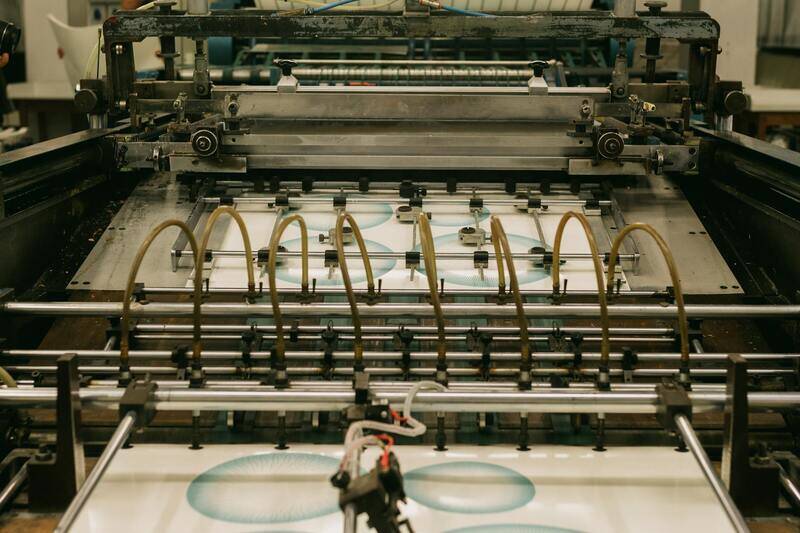
Offset printing remains a dominant method for producing high-quality multi colour prints, especially for large-volume projects. This technique involves transferring ink from a metal plate to a rubber blanket, then onto the printing surface. It offers exceptional color fidelity, sharp image details, and consistency across multiple copies. Offset multi colour printing is ideal for corporate brochures, posters, catalogs, and packaging materials that demand vibrant colours and precise registration. The process involves creating separate plates for each colour, allowing intricate layering and complex colour combinations that are seamlessly aligned.
Digital Multi Colour Printing
Digital multi colour printing offers versatility and speed, making it suitable for short runs or customized projects. Unlike offset, digital printing does not require plates, which significantly reduces setup time and costs. This method employs advanced inkjet or toner-based technology to produce vibrant, high-resolution images directly onto various substrates. Digital multi colour printing excels in applications requiring quick turnaround, such as bespoke marketing materials, personalized packaging, or small batch art reproductions. Although it may have some limitations in colour matching precision compared to offset, advancements in digital printing have narrowed this gap, providing rich, true-to-life colours for diverse design needs.

Flexography
Flexography is a flexible relief printing technique extensively used for packaging, labels, and flexible materials. It employs fast-drying inks and flexible plates, which facilitate high-speed production while maintaining colour vibrancy. Flexography is especially effective for printing on non-porous surfaces like plastic, foil, and laminated packaging. Multi colour flexography utilizes multiple plates and ink stations, enabling complex, colourful designs with consistent quality across large production runs. Its efficiency and ability to print on a broad range of substrates make it a preferred choice for packaging industries where multi colour designs enhance product appeal.
Screen Printing
Screen printing channels ink through a fine mesh onto the printing surface, making it particularly effective for printing on textured, uneven, or unconventional surfaces. When used for multi colour effects, each colour requires a separate mesh, and the design must be carefully aligned for accurate layering. This technique is popular for promotional items, apparel, signage, and decorative prints. Its ability to produce vivid colours on various materials makes screen printing suitable for both small and medium production runs, especially when special inks or textures are desired. Proper tensioning of screens and precise registration are critical to achieving optimal multi colour results in this method.

Color Management and Accuracy
Achieving precise color reproduction in multi colour printing hinges on meticulous color management practices. Establishing a standardized color palette, often utilizing Pantone Matching System (PMS) colors, helps ensure consistent hues across all print runs. Color profiling involves creating detailed ICC profiles for the printers and substrates used, which aids in maintaining color fidelity from digital files to final printed products.
Calibration of printing equipment is paramount; this process involves regular adjustments to ensure color output remains consistent over time. Accurate registration is also critical for multi colour prints, requiring precise alignment of each colour layer to prevent blurring or misregistration that could compromise the design's visual impact. Advanced prepress software enables designers to preview how colours will overlay, allowing adjustments prior to printing to avoid costly mistakes.
Applications of Multi Colour Printing
Multi colour printing finds extensive application across diverse industries, driven by its ability to produce vibrant and intricate designs. Packaging displays the most prominent utilization, where colourful branding elements and product information are critical for consumer attention. Labels for food, cosmetics, and beverages often employ multi colour techniques to enhance visual appeal and communicate brand identity effectively.
Advertising materials, including banners, posters, and point-of-sale displays, leverage multi colour printing to make marketing messages stand out. Promotional items like branded apparel, tote bags, and souvenirs often incorporate multi colour screen printing or flexography to achieve vivid visuals. Additionally, decorative and artistic prints, such as murals and wallpaper, benefit from the rich colour depth provided by advanced multi colour printing processes.

Advantages of Multi Colour Printing
- Enhanced visual appeal with vibrant, eye-catching colours
- Ability to reproduce complex and detailed designs accurately
- Improved brand recognition through consistent colour branding
- Flexibility to print on a variety of substrates and surfaces
- Cost-effective for large production runs due to high printing speeds
- Wide range of ink options including metallic, matte, and gloss finishes
These benefits make multi colour printing an optimal choice for businesses seeking high-impact visuals that elevate their product presentation and marketing efforts.
Cost Considerations and Production Tips
While multi colour printing can significantly elevate the aesthetic quality of a product, it involves considerations related to setup costs and throughput efficiency. The requirement for multiple plates or screens increases initial setup expenses, which can be justified by the economies of scale in large production runs. To maximize cost-efficiency, it is advisable to optimize design files by reducing unnecessary colours or combining similar hues, thereby minimizing the number of print stations required.
Precise colour separation during prepress preparation ensures accurate registration and reduces waste. Proper substrate selection and ink compatibility are essential to prevent adhesion issues and colour bleeding. Regular maintenance of printing equipment and calibration routines are vital to sustain print quality and reduce rework costs. Employing the latest digital proofing techniques allows clients to review colours and layouts beforehand, minimizing costly errors.

Choosing a Printing Service Provider
Selecting a reputable printing service provider involves evaluating their technical expertise, portfolio, and capacity for handling multi colour projects. An experienced provider will utilize state-of-the-art equipment, including high-resolution digital presses, flexography, or screen printing setups, ensuring vibrant and precise results. It's also important to consider their ability to manage color matching, complexity of designs, and turnaround times.
Look for providers with comprehensive quality control procedures and extensive substrate versatility, which are crucial for complex multi colour prints. Customer testimonials and case studies can provide insights into their reliability and craftsmanship. Establishing clear communication channels and requesting detailed project proposals help ensure expectations are aligned, leading to a successful multi colour printing outcome.
Color Management and Accuracy
Maintaining precise color consistency is fundamental when undertaking multi colour printing projects. It requires a combination of advanced tools and disciplined practices to ensure that the final output matches the intended design across different batches and substrates. One of the key tools used in achieving this is the neutral density filter, which helps evaluate the color balance and tonality of printed materials. Spectrophotometers and colorimeters are also instrumental in measuring inks and ensuring precise color matching from digital files to print. These instruments generate color profiles that help in calibrating printers, inks, and substrates to maintain consistency.
Implementing a rigorous color management workflow begins in the prepress phase, where digital files are prepared with embedded color profiles and carefully separated into different color layers. Standardized color spaces, such as Adobe RGB or CMYK, are used to facilitate smooth translation of digital designs into print. Prepress professionals perform soft proofing using high-resolution monitors calibrated regularly to reflect accurate colors. Hard proofing, which involves printing sample sheets, allows clients and operators to review colors and make necessary adjustments before the full production run.
Consistent ink formulation and substrate choice also play crucial roles. High-quality inks with stable pigmentation reduce the risk of color shifts caused by aging or environmental exposure. Choosing compatible substrates that absorb inks evenly prevents unintended color variations and bleeding. Regular maintenance of printing equipment, including cleaning and calibration routines, sustains the accuracy of color reproduction and prevents discrepancies from developing over time.
Quality control measures such as inline color monitoring systems can detect deviations during the print run, allowing real-time adjustments. Post-print inspection processes further verify that each piece aligns with the desired color standards. Employing these practices comprehensively ensures that multi colour prints retain their vibrancy, depth, and consistency throughout production.
Applications of Multi Colour Printing
- Packaging and Labels: Creating eye-catching designs with intricate color details that enhance brand visibility.
- Promotional Materials: Producing vibrant flyers, posters, and banners that grab attention.
- Textile and Apparel: Achieving rich and diverse color schemes in fabric prints.
- Art reproductions: Preserving the hues and tonal nuances of original artworks.
- Decorative Items: Enhancing home décor with multi-coloured patterns and motifs.
Understanding the Technical Aspects of Multi Colour Printing
Achieving precise multi colour prints requires a comprehensive grasp of the underlying printing techniques and equipment calibration. Each method varies in complexity, cost, and suitability depending on the specific project requirements. Common approaches include digital, offset, flexographic, and screen printing, each offering distinct benefits for multi colour applications.
Printing Plate Preparation and Ink Compatibility
In processes like offset and flexographic printing, the creation of distinct printing plates for each colour ensures sharp, vibrant results. The quality of these plates directly influences colour registration accuracy and overall image clarity. Precise alignment of plates—known as registration—is vital to prevent colour overlaps or gaps, which can compromise the visual integrity of the final product.
Choosing compatible inks plays a pivotal role in maintaining colour fidelity and durability. Multi colour printing often employs various Pantone-matched inks, ensuring consistent hues across different print runs and substrates. Additionally, ink formulations should be resistant to fading, smudging, and environmental factors to preserve print quality over time.
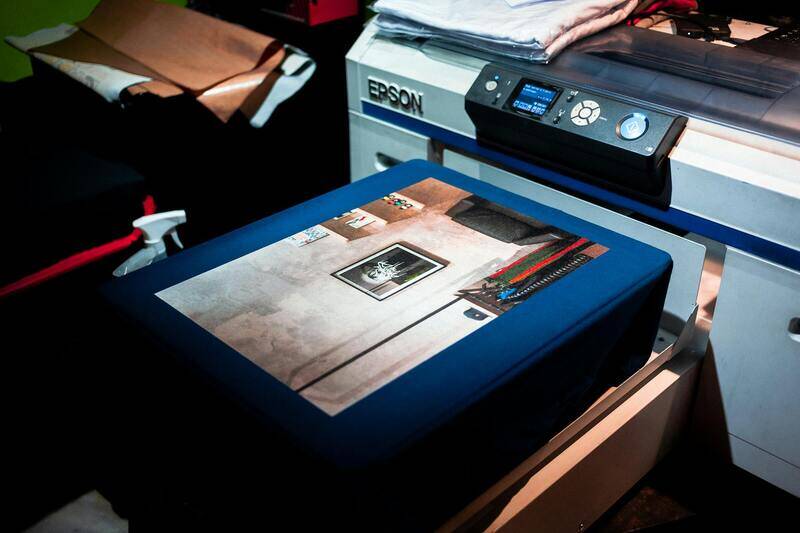
Color Separation and Layer Alignment
Effective color separation is the backbone of multi colour printing. This process involves dividing a multi-tone image into individual colour components, each representing a spot or process colour. Accurate separation ensures each colour layer aligns perfectly, resulting in a cohesive, vibrant output. Advanced software tools assist designers in creating separation channels that accommodate colour overlaps and transparency effects without causing unwanted colour mixing.
During printing, meticulous layer alignment—also known as registration—is crucial. Modern presses are equipped with sophisticated registration systems that adjust paper feed and plate positions in real-time, reducing misalignment and maintaining colour crispness throughout the run.
Substrate Selection and Its Impact on Multi Colour Printing
The choice of substrate significantly influences colour rendition and printing fidelity. Smooth surfaces like coated paper are ideal for detailed, vibrant images, as they allow inks to lay evenly without bleeding or absorption issues. Conversely, uncoated or textured substrates may require adjusted ink formulations to achieve comparable vibrancy.
Understanding the substrate's absorption rate, surface tension, and compatibility with inks helps predict the final colour outcomes. Ensuring uniform absorption prevents inconsistent colour density and reduces the need for reprints or adjustments, leading to smoother production workflows.

Methods for Achieving Multi Colour Printing Legally and Effectively
Utilizing Official Printing Processes and Techniques
To produce high-quality, multi colour printed materials, leveraging established printing processes is essential. These methods rely on authorized equipment and techniques that follow industry standards, ensuring consistency, vibrancy, and durability of the printed outputs. Among the most prevalent approaches are four-color process printing, spot colour printing, and hybrid techniques that combine both to achieve precise colour effects.
Four-color process printing, often referred to as CMYK printing, is widely used for reproducing full-color images with a broad spectrum of hues. This technique uses a combination of Cyan, Magenta, Yellow, and Key (black) inks applied through carefully calibrated presses. The process involves colour separation, halftoning, and layered printing, all of which are managed through legitimate and calibrated equipment. This ensures colour accuracy and consistency across large print runs.
Spot colour printing involves the use of pre-mixed inks dedicated to specific shades, often Pantone or other standardized colour systems. This method yields precise matching of colours for logos, brand colours, or intricate designs requiring specific hues. It requires formal ink formulations and dedicated hardware to uphold the integrity of the colours, making it a reliable choice for promotional materials with strict branding requirements.
Hybrid techniques combine CMYK with spot colours, allowing for a broader colour palette while maintaining colour precision. Commercial printing facilities adopt these legitimate methods, backed by strict quality controls to produce vibrant, multi-dimensional visuals without concerns about illegal or unregulated practices.

Importance of Professional Software and Color Management
Design software such as Adobe Photoshop, Illustrator, and other industry-standard tools play a critical role in multi colour printing. These programs facilitate accurate colour separation, simulation, and proofing, which are vital for ensuring the intended hues are achieved during print runs. Importantly, reputable printers employ color management systems—hardware and software solutions designed to maintain colour fidelity from digital files to printed output.
Color calibration of monitors, proofing devices, and printing presses ensures that colour reproduction remains consistent and true to the original design. Standardized color profiles and calibration tools help prevent discrepancies, enabling designers and printers to work collaboratively with confidence that final results will meet expectations.
Authored Quality Control and Inspection
Ensuring the quality of multi colour prints involves thorough pre-press checks, inline inspection, and final approval. These processes are carried out using authorized tools and techniques that adhere to recognized standards. Regular calibration of printing equipment, coupled with detailed colour matching and registration checks, guarantees that layers align perfectly and colours remain vibrant.

Applying Legal and Certified Materials for Secure Results
All inks, toners, and substrates used in multi colour printing should be sourced from certified suppliers to guarantee compliance with safety and quality standards. This reduces the risk of ink bleeding, fading, or other issues that could compromise the integrity of your print project. Using licensed inks and substrates processed with approved machinery ensures that all outputs are within regulated specifications, providing peace of mind and dependable results.
Ensuring Precision in Multi Colour Printing Through Certified Methods
Reliable multi colour printing hinges on the use of official, accredited methods that prioritize accuracy, consistency, and quality. Central to achieving these standards is the employment of professional printing techniques and material sources that adhere to industry-recognized criteria, ensuring vibrant, true-to-design outputs every time.
Utilization of Certified Printing Inks and Substrates
One of the foundational aspects of legitimate multi colour printing is the exclusive use of inks, toners, and substrates from reputable suppliers. These materials are produced under stringent quality controls and are often accompanied by certification labels that affirm their compliance with safety, environmental, and performance standards. This practice not only guarantees colour fidelity but also minimizes issues such as ink bleeding, smudging, or fading which can occur with substandard products.
Certified inks are formulated to work seamlessly with specific printing technologies, reducing the risk of misregistration and enhancing colour vibrancy. When choosing materials, it is crucial to verify that they are compatible with the selected printing process—be it offset, digital, or flexography. Suppliers who provide comprehensive certificates of conformity give users confidence in the durability and safety of the final product.
Adherence to Approved Machinery and Equipment Standards
Implementing official, certified machinery is another critical aspect of legitimate multi colour printing. Modern presses and digital printers should be maintained regularly through calibration and servicing by authorized technicians. This ensures that the output precisely matches the intended colour profiles and alignment specifications, reducing inconsistencies and reprints that can inflate project costs and timelines.
Using certified machinery that conforms to industry standards also helps in maintaining uniformity when producing large batches, guaranteeing that each piece carries the same quality and aesthetics as the original design. Proper maintenance and calibration of equipment are non-negotiable practices for achieving high-end results in multi colour printing.
Preparation and Certification of Digital Files
Before engaging in the printing process, digital files should be prepared using legitimate colour management software and approved colour profiles. These tools ensure that colours are represented accurately across different devices and mediums. Files should include embedded colour profiles and follow standard formatting guidelines to facilitate seamless translation from digital to physical output.
For added assurance, some printing services offer pre-press proofing using certified proofing devices, allowing clients to review how colours will appear in the final product. This step helps in making necessary adjustments beforehand, ensuring that the actual print matches the client's expectations precisely.

Implementing Quality Control Programs
Comprehensive quality control protocols are integral to maintaining the standards of multi colour prints. These procedures include regular inspections during the printing run, with the use of authorized measurement tools such as spectrophotometers and densitometers to verify colour accuracy and registration alignment.
Quality control teams are responsible for checking the consistency of each batch, comparing printed colours against approved standards, and documenting deviations. When discrepancies are detected, immediate corrective actions—such as readjusting ink densities, recalibrating equipment, or replacing materials—are taken to ensure the output continues to meet high-quality benchmarks.
This rigorous process not only supports regulatory compliance but also builds trust with clients by consistently delivering prints that meet predefined specifications and aesthetic standards.
Understanding the Methods for Multi Colour Printing Compliance
Ensuring that your printed materials adhere to industry standards involves employing methods that guarantee the precision and consistency of colour reproduction. The primary approach includes detailed colour management systems integrated into the printing workflow. These systems encompass the creation of colour profiles tailored to specific printing equipment, media, and inks, which serve as a benchmark for colour accuracy throughout the production process. Using standardized colour measurement tools, such as spectrophotometers and densitometers, allows for objective validation of colour fidelity at various stages of printing. Such tools help detect deviations early, facilitating immediate adjustments to maintain the integrity of the original design.
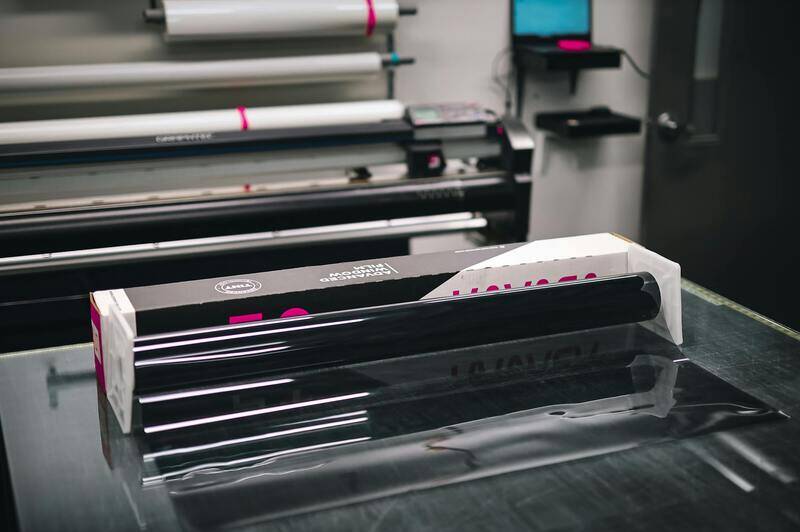
In addition, rigorous pre-press proofing procedures constitute an integral part of quality assurance. This involves producing a physical or digital proof that closely simulates the final printed product. Proofing workflows typically leverage certified proofing devices that can reproduce colours with a high degree of accuracy, providing clients and printers with a visual representation of the finished product. Adjustments can then be made prior to the full print run, reducing the risk of discrepancies and rework.
Certification marks from relevant industry authorities or standardization bodies are often incorporated into the process to validate that the printing practices and outputs meet predefined standards. These certifications reinforce the credibility of the printing service and reassure clients that the printed materials will consistently meet expectations.
Maintaining Consistency and Quality throughout the Print Run
During the printing process, continuous monitoring is essential. This involves routine checks using measurement devices at regular intervals to ensure colour stability and registration accuracy. Maintaining this consistency is crucial, especially for large-scale runs where minor variations can become more apparent and impact the overall quality.
Any detected deviations should trigger immediate corrective procedures. For example, recalibrating ink densities, adjusting registration settings, or replacing worn equipment components can rectify issues promptly. Documenting these adjustments is vital for traceability and for making future improvements.
Incorporating Automated Control Systems
Many advanced multi colour printing setups utilize automated control systems that adjust parameters dynamically based on real-time feedback. These systems can automatically correct colour shifts and registration problems as they occur, significantly enhancing production efficiency and ensuring consistent output.
Engaging Qualified Professionals for Quality Assurance
It's advisable to involve experienced specialists in managing the colour management and quality control processes. These professionals possess the technical expertise to interpret measurement data accurately, troubleshoot issues effectively, and ensure that the printing results align with the set standards.

By integrating advanced measurement technologies, adhering to stringent pre-press validation stages, and maintaining meticulous control during printing, legitimate multi colour printing processes uphold the highest levels of colour fidelity and quality. This comprehensive approach ensures that the final product not only meets design specifications but also aligns with industry practices for excellence in multi colour reproduction.
