
Understanding Color Printing Methods
In the realm of professional printing, selecting the appropriate color printing method is crucial to achieving vibrant, consistent results that align with your project's specifications. Various techniques are employed in the industry, each suited to different types of materials, quantities, and quality expectations. Exploring these methods comprehensively ensures optimal outcomes and efficient use of resources.

Offset Printing
Offset printing remains a popular choice for large volume projects owing to its ability to produce high-quality, consistent color reproduction. This method involves transferring ink from a engraved plate onto a rubber blanket, which then prints onto the selected substrate. It offers excellent color fidelity and sharpness, making it ideal for printing brochures, magazines, and detailed marketing materials. While setup costs are higher, the per-unit cost decreases significantly with larger print runs, making it cost-effective for bulk projects. Offset printing supports a wide color gamut, enabling the precise matching of corporate palettes and complex color gradients.
Digital Printing
Digital printing is favored for short runs and projects requiring quick turnaround times. This technique involves directly printing digital images onto substrates using inkjet or laser technology. Its flexibility allows for on-demand printing, personalized outputs, and rapid modifications without extensive setup. Color accuracy in digital printing has improved remarkably, making it suitable for producing high-quality posters, labels, and small batch marketing materials. Additionally, digital printing minimizes waste and reduces lead time, providing a cost-efficient solution for small to medium-sized jobs that demand vibrant color output.
Screen Printing
Screen printing, also known as silk screening, involves pressing ink through a mesh screen that has been prepared with a stencil of the desired design. This method excels in printing on a variety of substrates including textiles, plastics, and specialty materials. Screen printing is particularly effective for applying vibrant, opaque colors and is often used for promotional merchandise, apparel, and signage. Its durability and ability to produce consistent, bold colors make it suitable for objects requiring long-lasting prints. However, the setup process is more involved, making it less ideal for small quantities or intricate designs.
Selecting the right color printing method hinges on factors such as print volume, material compatibility, budget, and desired quality. A thorough understanding of each technique empowers businesses to produce visually striking, accurate color outputs tailored to their specific needs.
Color Modes and Color Management
Understanding and utilizing appropriate color modes is fundamental to achieving accurate and vibrant print results. The most common color modes in professional printing are CMYK (Cyan, Magenta, Yellow, Black) and RGB (Red, Green, Blue). Each mode serves specific purposes: RGB is primarily used for digital displays, while CMYK is tailored for printing processes. Transitioning digital designs from RGB to CMYK requires careful management to maintain color fidelity, as certain hues may shift during conversion.
Effective color management involves calibrating devices, such as monitors and printers, to ensure consistent reproduction across different mediums. Color profiles are used to communicate color characteristics between devices, minimizing discrepancies. Implementing soft-proofing allows designers to preview how colors will appear after printing, enabling adjustments before production begins. This rigorous approach to color control results in outputs that align closely with original designs, especially when printing in color for branding, packaging, or marketing materials.

In addition to device calibration, material selection and ink quality play crucial roles in the final color accuracy. Consistent color output relies on high-quality inks, proper printing parameters, and the correct color profiles applied during prepress workflows. Advanced color management software can automate many of these processes, ensuring that each print run meets precise color specifications and maintains uniformity across batches. This systematic control over color modes and management techniques enhances the professionalism and visual impact of printed materials, especially when executing vibrant, detailed images or complex color gradients.
Design Considerations for Color Printing
Creating designs optimized for color printing involves several key considerations. First, choosing the right color palette and ensuring color consistency from digital to print is essential. Designers should utilize color profiles compatible with the printing method and substrate to prevent color shifts. High-resolution images and vector graphics ensure clarity and sharpness in printed outputs, avoiding pixelation in detailed areas.
Next, contrast and color harmony are vital; optimal contrast ensures text readability and visual emphasis, while harmonious color combinations guide viewer attention effortlessly. When designing for color printing, pay close attention to bleed areas, margins, and the placement of color elements to prevent unwanted cropping or misalignment.
Furthermore, testing proofs before the final print run can help identify potential issues related to color appearance or registration errors. Collaborating with experienced printers and understanding their specific capabilities and limitations is also crucial to align design intentions with practical output possibilities. Incorporating these considerations ensures the final product is both aesthetically appealing and technically sound, making vibrant, accurate colors a hallmark of professional-quality print materials.
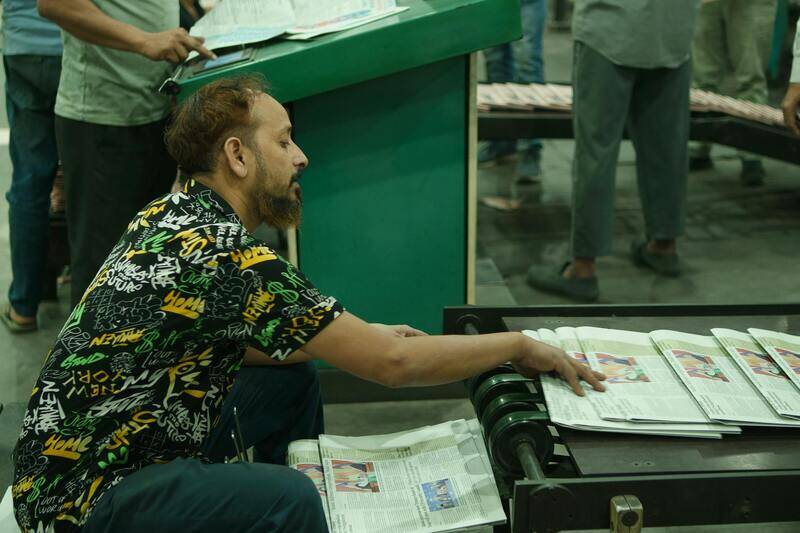
Understanding Color Printing Methods
Color printing employs various techniques to transfer vibrant and accurate hues onto different substrates, each suited to specific applications and volume requirements. The most common methods include digital printing, offset printing, and flexographic printing, among others. Digital printing stands out for its quick turnaround and high customization capabilities, making it ideal for short runs and personalized projects. It utilizes inkjet or laser technology to produce sharp, vibrant images with precise color control. Offset printing, on the other hand, is well-suited for large quantities, offering superior color consistency and quality over extensive runs. This method involves transferring ink from plates to a rubber blanket before printing onto the substrate, allowing for detailed color mixing and high-resolution outputs. Flexographic printing uses flexible relief plates and is often employed for packaging, labels, and large-volume print jobs, especially on non-porous surfaces like plastics and foils.
Choosing the Right Method Based on Project Needs
Deciding on the most appropriate color printing method depends heavily on project specifications, budget, and desired output quality. Digital printing excels in producing quick, vibrant results for variations, proofs, and small batches. Its ability to produce high-fidelity colors with detailed imagery makes it preferred for items like brochures, business cards, and promotional materials. Offset printing remains the go-to for large-scale production where color consistency and economic efficiency are paramount, such as catalogs and posters. Flexographic printing is often selected for packaging solutions due to its versatility on different substrates and its capacity for high-speed production of colorful labels and wrappers. Understanding the strengths and limitations of each technique allows for better alignment with project goals, ensuring high-quality, vivid prints that meet expectations.

Advanced Color Technologies in Commercial Printing
Emerging advancements, such as expanders in color gamut and hybrid printing systems, are pushing the boundaries of what can be achieved with color printing. High-definition digital presses offer an extended color range, leading to richer and more nuanced hues. Color management systems (CMS) further enhance precision, maintaining consistency across different devices and substrates. These innovations facilitate complex color reproductions, near-photographic quality, and accurate color matching, which are essential in industries demanding exact color fidelity, including fashion, branding, and fine art reproduction.
Implementing these modern approaches involves strategic planning, including calibration of equipment and adherence to standardized color profiles. When executed properly, they enable the production of print materials with unmatched color depth, vibrancy, and consistency, reinforcing brand identity and visual impact across diverse media.
Materials and Substrates for Color Printing
Choosing the right materials and substrates is fundamental to achieving vibrant and enduring color prints. The selection process involves understanding the compatibility of various surfaces with different printing technologies and how their inherent properties influence color reproduction. High-quality paper, fabric, or other mediums can significantly enhance the visual impact and longevity of printed materials.
Paper substrates, for example, come in a wide range of textures and finishes, from gloss, matte, silk to textured options. Glossy papers tend to intensify colors and provide a shiny, vibrant appearance, making them ideal for photographic images and promotional materials. Matte finishes, on the other hand, reduce glare and enhance readability, suitable for professional reports and artistic prints where subtlety is desired.
Fabrics, such as cotton, polyester, or blends used in textile printing, demand specific inks and preparation methods to ensure color vibrancy and wash durability. Specialty substrates like vinyl, cardboard, or transparent films expand the scope of color printing applications, from outdoor signage to packaging and product labels. These materials often require compatible inks that adhere well and provide resistance against environmental factors.
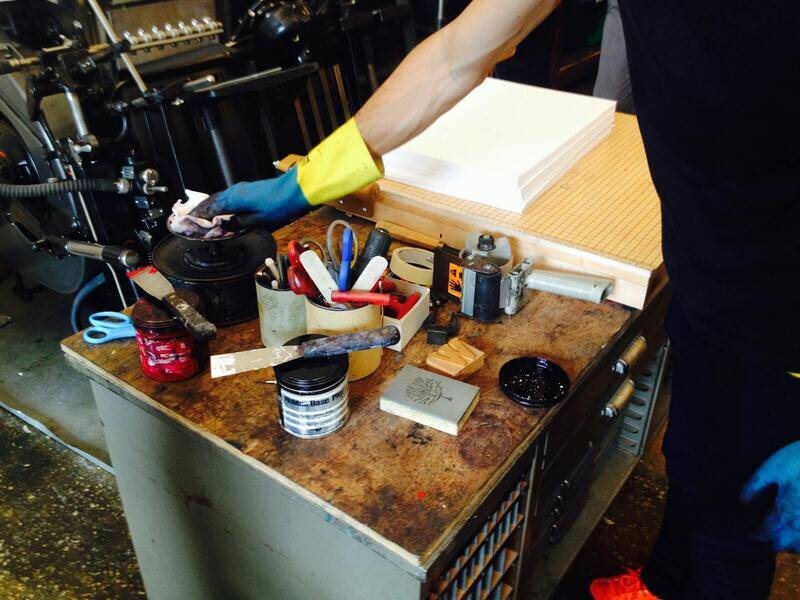
Materials must also be evaluated for environmental resilience, including resistance to moisture, fading, and physical wear. For instance, UV-resistant coatings extend the life of outdoor banners, while archival-grade papers preserve artworks or documents over long periods without significant color degradation. Matching the substrate with the intended use ensures that the vibrant qualities of the print are maintained throughout its lifecycle, which is key to high-quality color printing.
Engaging with experienced printing service providers enables clients to identify the most suitable materials for their specific project needs. Proper preparation, including surface treatment and pre-coating, enhances ink adhesion and color consistency, ensuring optimal results across various printing techniques.
Understanding Color Printing Methods
Color printing employs various techniques, each suited to specific requirements, materials, and output quality expectations. The most common methods include digital printing, offset printing, and flexography, among others.
Digital color printing offers high versatility, fast turnaround, and the ability to produce small to medium print runs with minimal setup. It is ideal for personalized items, short promotional materials, and on-demand printing. This method uses digitally controlled inks that are directly transferred onto substrates, ensuring precise color matching and quick adjustments.
Offset printing, on the other hand, remains the preferred choice for high-volume projects. It involves transferring ink from a plate to a rubber blanket and then onto the printing surface. Offset printing provides superior color consistency and detail, making it suitable for commercial catalogs, magazines, and packaging. This process requires a more extensive setup but offers cost efficiency for large quantities.
Flexography employs fast-drying, flexible printing plates, making it applicable for continuous roll materials, such as packaging, labels, and wrappers. It excels in printing on uneven surfaces and a variety of substrates, especially plastics and metallic foils, with vibrant colors and consistent quality.

Color Modes and Color Management
Achieving consistent and accurate color output hinges on effective color management, which involves selecting appropriate color modes and managing how colors are reproduced across different devices and media.
The two primary color modes used in printing are RGB (Red, Green, Blue) and CMYK (Cyan, Magenta, Yellow, Black). RGB is predominantly used in digital displays and images designed for electronic viewing because it aligns with how screens emit light. Conversely, CMYK is the standard for print materials, as it corresponds to the ink colors used in most commercial printing processes.
Color management systems and profiles ensure that colors are reproduced faithfully from digital design to final printed output. By calibrating monitors and printers, aligning color profiles, and employing color gamut mapping, print providers can minimize discrepancies, ensuring the vibrancy and accuracy of the output, especially when printing in color.

Design Considerations for Color Printing
- Color Contrast: Proper contrast enhances readability and visual impact, especially in marketing materials.
- Color Compatibility: Use color schemes that complement the intended message and audience, considering color psychology.
- Resolution and Detail: High-resolution images ensure that colors are rendered crisply without pixelation.
- Proofing and Testing: Conduct print proofs to assess color accuracy and make necessary adjustments before large-scale production.
Accurate color reproduction relies not only on the printing process but also heavily on the initial design preparation. Vector graphics and high-resolution raster images provide better results in color fidelity. Also, understanding how colors will appear on different substrates aids in creating designs that look vibrant and consistent across various materials.
Materials and Substrates for Color Printing
The choice of materials and substrates heavily influences the vibrancy, durability, and overall quality of color prints. Common substrates include coated and uncoated papers, plastics, textiles, and specialty materials like vinyl and transparent films. Each material offers unique advantages and constraints.
Coated papers provide a smooth surface that allows for sharper detail and more vibrant color representation. Uncoated papers, while offering a more natural texture, may absorb inks differently, affecting color saturation. Plastics and films are often used in outdoor signage and labels, requiring inks that adhere well and resist environmental elements such as moisture and UV exposure.
Fabrics used in textile printing demand specific inks and preparation procedures to ensure the vibrancy and wash durability of colors. Similarly, specialty substrates like vinyl or cardboard expand the scope of color printing applications, from eye-catching signage to product packaging.
Ensuring the compatibility of chosen inks with the substrate, along with surface treatments for adhesion and durability, is crucial. Proper preparation, including surface cleaning and pre-coating, enhances ink adherence, resulting in vivid, long-lasting colors in finished prints.
Understanding Color Printing Methods
Digital vs. Offset Printing
Color printing can be achieved through various methodologies, each suited to different production needs and quality requirements. Digital printing is highly flexible and cost-effective for short runs, offering quick turnaround times and the ability to easily modify designs. It employs inkjet or laser technology to produce vibrant colors directly from digital files, making it ideal for personalized projects and small batches.
Offset printing, on the other hand, is preferred for large-volume prints such as magazines, brochures, and packaging. This technique involves transferring ink from a metal plate to a rubber blanket and then onto the substrate. Offset printing delivers superior color consistency, sharp detail, and high-quality finishes, especially when producing large quantities where economies of scale significantly reduce per-unit costs.

Screen Printing and Its Applications
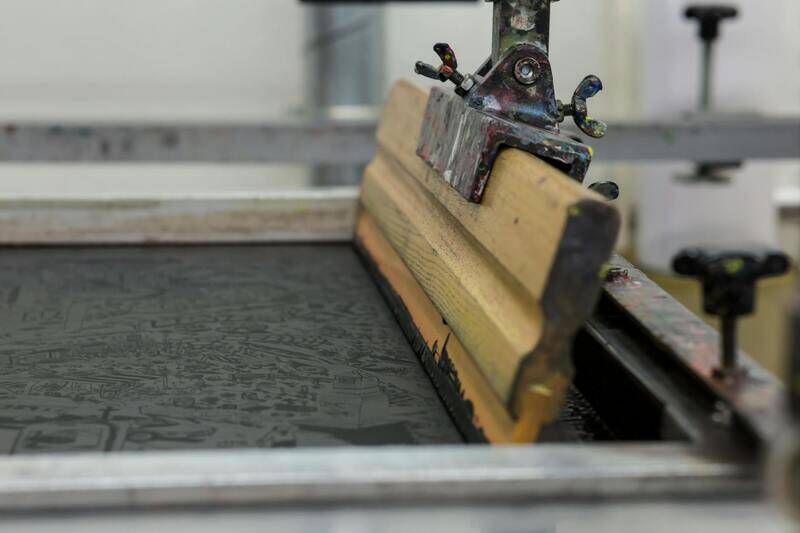
Screen printing remains a vital technique in color printing, particularly on textiles, ceramics, and promotional items. This method involves creating a stencil (or screen) and pushing ink through it onto the fabric or substrate. Screen printing is renowned for its vibrant color payoff and durability, especially for large, bold designs on garments, signage, and custom products. It requires specialized preparation but offers excellent color opacity and stability against washing and weathering.
Color Printing Technologies
- Inkjet Printing: Uses liquid inks sprayed through tiny nozzles to produce detailed and vivid images. Suitable for both small and large format applications.
- Laser Printing: Utilizes laser beams to fuse toner onto paper, producing sharp images with rich colors, often used for business documents and high-quality prints.
- Flexography: Commonly employed in packaging, this rotary printing technique uses flexible plates and fast-drying inks to print on a variety of substrates with vibrant colors and high speed.
- Gravure Printing: Utilized for high-volume packaging and publication printing, gravure offers excellent color depth and consistency for elaborate designs.
Advancements in Color Printing Technologies
Recent innovations include UV-curable inks, which offer rapid drying and increased durability, and wide-format printers capable of producing large, seamless color banners and murals. Digital enhancement tools, such as expanded color gamuts and multi-layered printing processes, allow for more precise color reproductions and special effects, including metallic and fluorescent inks that add vibrancy and visual impact.
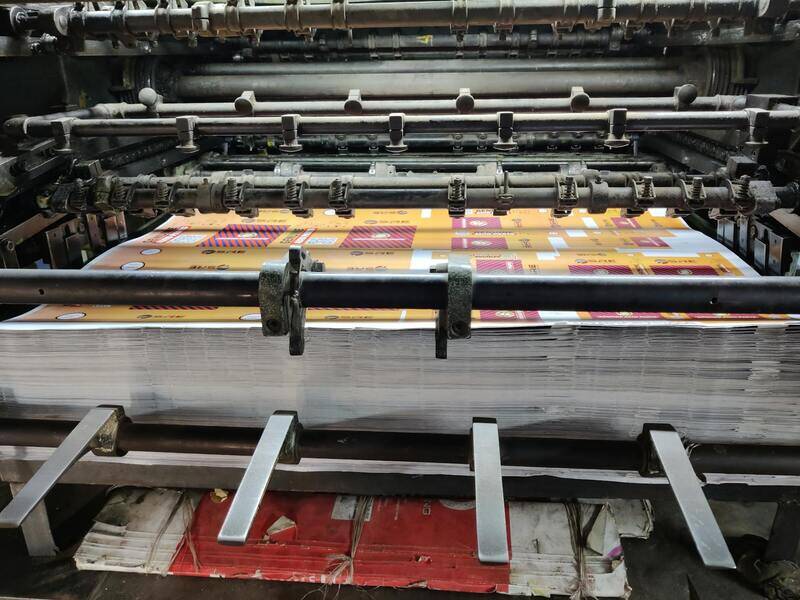
Understanding Color Printing Methods
Color printing encompasses a variety of techniques, each suited for different applications, substrates, and desired outcomes. The most prevalent methods include inkjet printing, laser printing, flexography, and gravure printing. Inkjet printing is highly versatile, capable of producing high-resolution images with a broad spectrum of colors, making it ideal for photographic reproductions, fine art, and custom promotional items. It works by propelling tiny droplets of liquid ink directly onto substrates, allowing for detailed color gradients and complex designs. Laser printing, on the other hand, excels in producing sharp, vibrant images on paper, with toner particles fused via heat for durability and precision. This method is commonly used in professional environments for document printing with rich color fidelity.
Flexography is frequently employed in packaging and labels. It utilizes flexible relief plates and fast-drying inks to print efficiently on uneven or textured surfaces such as plastics, foils, and corrugated cardboard. Its ability to deliver vibrant colors on diverse materials makes it a preferred choice for commercial packaging. Gravure printing is renowned for high-volume production, particularly in the publishing and packaging sectors. It employs engraved cylinders to transfer ink onto substrates, offering consistent color depth and excellent image quality for large runs.
Color Modes and Color Management
Achieving accurate and consistent color output hinges on a solid understanding of color modes such as RGB and CMYK. RGB (Red, Green, Blue) is primarily used in digital displays and screens, where colors are created through light emission. For printed materials, CMYK (Cyan, Magenta, Yellow, Key/Black) is the standard color mode, as it aligns with the subtractive mixing process used in print production. Proper color management involves calibrating devices, utilizing color profiles, and ensuring that digital designs are converted correctly before printing. To optimize color accuracy, designers should work within the CMYK color space for print jobs, especially when precise color matching is essential. Color management systems help monitor color profiles across devices, ensuring that the colors seen on a monitor closely resemble what appears on the final print. Consistent calibration of monitors, printers, and proofing devices reduces discrepancies and enhances the fidelity of colors, which is critical in branding and detailed artwork.
Design Considerations for Color Printing
- Color Palette Selection: Choose a limited, harmonious color palette for better color consistency and vibrancy.
- Contrast and Brightness: Adjust contrast to ensure colors stand out without sacrificing detail.
- Resolution and Detail: Higher resolution images translate to sharper, more vibrant colors in the final product.
- Avoiding Color Clashes: Use color harmony principles to prevent incompatible color pairings that can diminish visual impact.
- Proofing and Color Proofs: Always review physical or digital proofs to verify the accuracy of colors before full production runs.

Materials and Substrates for Color Printing
Selection of suitable materials is key to achieving optimal color reproduction. Common substrates include paper, cardstock, plastic films, textiles, and metal surfaces. Each material interacts differently with inks, affecting absorption, gloss, and color vibrancy. For instance, glossy or semi-glossy papers enhance color richness and contrast, making images pop with vivid intensity. Matte finishes, while offering a subdued aesthetic, can soften colors and reduce glare, which may be desirable for certain applications.
In addition to traditional substrates, modern color printing techniques extend to more unconventional materials. Label printers often work with PVC or PET films, while textile printers utilize specialized inks that bond strongly with fabrics like cotton, polyester, or blended materials. Metal and glass surfaces require inks with enhanced adhesion and durability, often necessitating pre-treatment or priming steps.
Cost Factors in Color Printing
Understanding the associated costs of color printing helps in planning and budgeting effectively. Several factors influence the overall expenditure, including the choice of printing technology, complexity of designs, color quantity, and material costs. For example, digital inkjet printing offers rapid turnaround times with minimal setup costs, making it economical for short runs and customized jobs. Conversely, traditional processes like offset or gravure printing involve higher setup expenses but tend to be more cost-efficient for large quantities. Color-rich designs often require more ink or toner, increasing material costs. Additionally, high-resolution images and intricate artwork demand higher quality printing equipment and longer production times, contributing to elevated costs. Post-processing steps, such as lamination or coating, can also add to expenses but are crucial for protecting color vibrancy and enhancing durability. Careful selection of materials and printing methods aligned with project scope helps control costs without compromising quality.
Strategies to Manage Printing Expenses:
- Choose the appropriate printing method based on quantity and quality requirements.
- Limit color palette complexity to reduce ink consumption.
- Utilize high-quality digital proofs to minimize reprints and waste.
- Negotiate with suppliers for bulk material procurement to benefit from discounts.
- Implement efficient workflow practices to streamline production and reduce labor costs.
Optimizing Color Output and Quality
Achieving consistent and vibrant color output requires meticulous calibration and process optimization. Regular maintenance of printing equipment ensures that colors are reproduced accurately over time. Using color calibration tools, such as spectrophotometers for printers and monitors, helps standardize color output, reducing discrepancies between digital designs and physical prints. Prepress preparation is critical—this involves converting digital files to the appropriate color mode, embedding color profiles, and performing soft proofs. Printing tests or small batch runs serve as quality assurance steps, allowing adjustments before committing to full production. Employing advanced features like multi-layered printing, metallic inks, and fluorescent colors can add vibrancy and visual interest, provided the color management protocols are meticulously followed. Moreover, selecting the correct substrate, optimizing ink or toner application, and controlling printing conditions such as humidity and temperature further enhance color stability and brilliance. Post-print treatments like varnishing, coating, or laminating not only protect the print but also amplify the visual impact of colors, ensuring a stunning final product that meets professional standards.
8. Techniques for Achieving Accurate and Vivid Color Prints
Use of Color Management Systems (CMS)
Implementing comprehensive color management systems is essential for ensuring consistency across digital and printed media. A CMS employs standardized color profiles and calibration techniques to align the colors displayed on monitors, stored in digital files, and reproduced on various print substrates. Integrating hardware devices like spectrophotometers with software to calibrate monitors and printers reduces discrepancies, providing predictable, vibrant, and accurate color results. By establishing a color workflow that includes soft proofing and color profile embedding, practitioners can anticipate how colors will appear on different surfaces, minimizing errors and reprints.

Precise Color Calibration and Profiling
Regular calibration of printing equipment is crucial for maintaining color fidelity over time. This process involves adjusting the printer, monitor, and scanner to a standardized baseline. Using calibration tools and color charts helps identify color deviations, allowing technicians to fine-tune devices accordingly. Creating custom ICC profiles for specific materials and inks ensures accurate translation of digital colors into physical outputs. This detailed profiling process minimizes color drift and helps reproduce shades exactly as intended by design, thus enhancing the vibrancy and accuracy of the final product.
Design and File Preparation for Optimal Color Output
Proper preparation of digital files significantly impacts color reproduction. Designers should work within appropriate color modes, such as CMYK for printing, to match the intended output. Embedding accurate color profiles within files ensures the printer interprets colors correctly. Soft proofing allows visualization of how colors will appear post-print, enabling adjustments before production. Employing high-resolution images and correctly converting spot colors to process colors further contributes to consistent quality. These meticulous steps aid in achieving rich, vivid colors that meet professional standards.
Advanced Printing Techniques to Enhance Color Brightness
Innovative techniques such as multi-layered printing, metallic inks, and fluorescent pigments significantly boost visual impact. Multi-layered printing involves stacking inks to produce richer hues and depth, especially in images requiring high vibrancy. Metallic inks lend shimmer and brilliance, perfect for branding elements or luxurious finishes. Fluorescent or UV inks offer luminous effects that stand out under specific lighting conditions. When deploying these techniques, maintaining strict control over ink consistency, print settings, and substrate compatibility ensures the colors are rendered vividly and faithfully, elevating the overall quality of the print job.
Controlling Environmental Conditions for Consistent Color Output
Ambient factors such as humidity, temperature, and dust can influence color reproduction. Maintaining a controlled environment in the printing workspace helps stabilize ink behavior and substrate interactions, preventing color shifts. Climate control measures, proper ventilation, and regular cleaning of printing equipment reduce the risk of contamination that may dull or distort colors. Monitoring these variables and adjusting printing parameters accordingly compact the variables affecting color fidelity, resulting in cleaner, more vibrant prints that meet exacting standards.
