
Understanding Business Booklet Printing
Business booklet printing is a specialized process that involves creating professionally designed printed materials to effectively communicate a company's message, showcase products or services, and enhance branding efforts. These booklets serve as valuable tools in various settings, including client presentations, trade shows, investor meetings, and internal communications. The relevance of business booklet printing lies in its ability to deliver compelling information in a visually appealing and organized manner, which helps to capture attention and leave a lasting impression on stakeholders.
Essentially, a well-crafted business booklet combines persuasive content with high-quality visual elements to reflect the company's professionalism and credibility. It offers a tangible representation of the brand, allowing companies to present their story, achievements, product details, or service offerings in a format that is both informative and engaging. Given the competitive market landscape, investing in quality booklet printing can significantly enhance a business’s marketing and communication strategies.

In the realm of corporate communications, business booklets are versatile assets. They can be used as detailed marketing brochures, product catalogs, event programs, or annual reports. Their physical presence provides a tactile experience that digital formats often cannot match, making them excellent for creating a memorable impression. The importance of choosing the right printing methods, materials, and design elements cannot be overstated, as these factors directly impact the overall effectiveness and perception of the booklet.
As companies aim to strengthen their branding and outreach efforts, business booklet printing remains a key component in distributing comprehensive, high-quality informational materials. From the initial concept and design to the final print, each step is critical in producing a booklet that truly represents the company's values and professional standards.
Choosing the Right Paper and Finish
Selecting the appropriate paper stock and finish plays a crucial role in the overall quality and durability of a business booklet. High-quality paper not only enhances visual appeal but also ensures longevity and a professional feel, reflecting positively on the company's image. When considering paper options, businesses should evaluate weight, texture, and opacity to match the intended purpose of the booklet.
Opting for thicker paper stocks, such as 170gsm or higher, can create a sense of premium quality that appeals to discerning clients and partners. Conversely, lighter weights, like 130gsm, are suitable for more economical projects or shorter-term distributions.
Finish choices significantly influence the tactile experience and aesthetic impact. Matte finishes offer a sophisticated, non-reflective surface that minimizes glare, making text and images easy to read. Glossy finishes, on the other hand, provide vibrant colors and sharp images that captivate attention but may be more prone to fingerprints and scratches.
Specialty finishes such as soft-touch coatings, varnishes, or lamination can provide additional protective layers while enhancing gloss or matte effects. Embossing or debossing can add tactile dimension to headlines or logos, elevating the booklet's overall feel.

Official and Established Methods for Business Booklet Printing
Businesses seeking to produce high-quality booklets without compromising their brand image must rely on professionally recognized printing methods. Approaches such as offset printing and digital printing stand out as the most reliable choices, each serving different production needs and project scales.
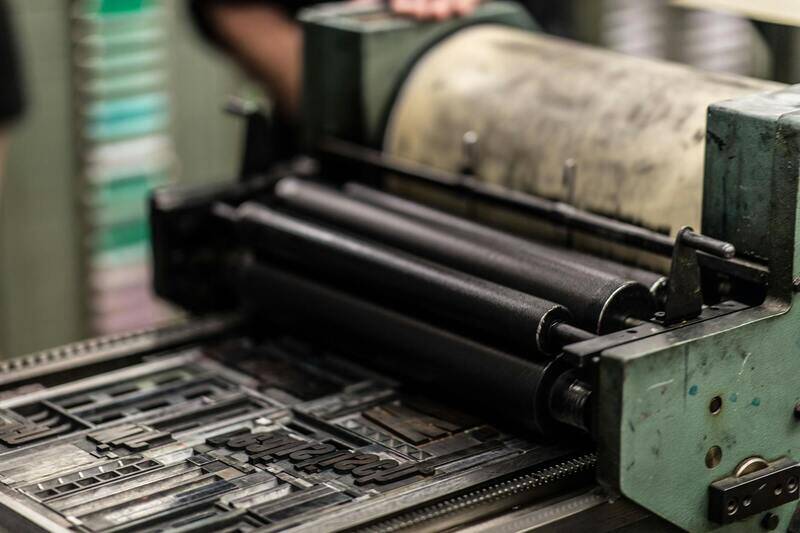
Offset printing, renowned for its cost-efficiency in large-volume runs, involves transferring ink from a plate to a rubber blanket before pressing it onto the printing surface. This technique offers exceptional color accuracy, sharp image detail, and uniformity, making it ideal for creating professional business booklets with complex graphics or a vast array of color shades. Offset presses also allow for the use of diverse paper types and finishes, providing flexibility to tailor the booklet’s tactile and visual effects to the brand's standards.
Digital printing has transformed small to medium-sized projects with its convenience and quick turnaround times. Since it eliminates the need for plates, this method allows for faster setup, making it suitable for print-on-demand scenarios or when customization is necessary. Advances in digital technology now enable high-resolution output that rivals offset quality, ensuring crisp images and vibrant colors. Additionally, digital printing facilitates personalization, where each booklet can be customized with recipient-specific details—an advantage for marketing campaigns and client-specific presentations.

Another notable technique includes lithography, used predominantly in large-scale production, thanks to its capacity for detailed, consistent output across high-volume runs. UV printing, often employed for specialty projects, offers a glossy finish and fast-drying inks that contribute to a durable, eye-catching booklet. Engaging with experienced printing providers ensures adherence to best practices, optimal technique selection, and adherence to industry standards, which together guarantee the output meets professional benchmarks.
When selecting a printing method, considerations such as turnaround time, budget, project volume, and desired quality outcomes should be evaluated. Established printing facilities in Singapore offer consultation services that can guide businesses through the choice process, ensuring optimum results that align with brand identity and project specifications.
Understanding Business Booklet Printing
Business booklet printing is a specialized service that combines high-quality printing techniques with strategic design to create professional marketing materials, corporate reports, product catalogs, and more. Selecting the right printing method depends on multiple factors, including the volume of copies needed, the desired quality, budget, and turnaround time. Offset printing remains the preferred choice for large quantities due to its cost efficiency and consistent color reproduction, while digital printing offers flexibility for smaller runs and quick turnaround, making it ideal for personalized or short-term projects. Both techniques are capable of producing sharp images and vibrant colors that enhance brand presentation. The choice of printing method directly influences not only the visual appeal but also the overall durability and professionalism of the final product.
Utilizing the appropriate printing technology, supported by industry-standard equipment and professional expertise, ensures that each booklet meets specific quality benchmarks. Established print providers in Singapore often incorporate advanced processes to maintain color consistency and image clarity across multiple copies, which is essential for brand integrity. When planning a business booklet printing project, it’s crucial to consult with experienced printers who can advise on the best methods and materials suited to your objectives, helping you achieve impactful results while adhering to budget constraints.
Design Considerations for Business Booklets
A well-designed business booklet acts as a powerful communication tool. Effective layout, clear branding, and strategic use of visuals enhance readability and engagement. When designing, consider factors such as font size, color schemes, image placement, and white space to create a balanced, professional appearance. Consistency in style aligns with your corporate identity, reinforcing brand recognition. Seamless integration of graphics, charts, and photographs adds visual interest and supports key messages.
Content hierarchy is vital; information should be organized logically, guiding readers effortlessly through the material. Use headings, subheadings, and bullet points to break down complex content, improving skim readability. Incorporating call-to-action elements within the booklet encourages recipients to engage further with your brand or services.
Choosing a design that is compatible with the chosen printing technique ensures the final product achieves the desired aesthetic and functional qualities. For instance, detailed illustrations and vibrant colors benefit from high-resolution digital printing, while simpler designs with less color variation may be more economical with offset printing. A comprehensive review process, including proofing and color calibration, helps prevent costly mistakes and guarantees the final output accurately reflects the intended design.

Choosing the Right Paper and Finish
Paper selection plays a crucial role in the tactile experience and durability of your business booklet. Premium papers, such as coated stocks, provide a smooth surface that enhances image sharpness and color vibrancy. Matte finishes offer an elegant, non-reflective surface ideal for readability and a sophisticated appearance, while gloss finishes amplify colors and add a striking visual appeal.
Weight and thickness are also essential considerations. Heavier papers impart a sense of quality and durability, making your booklet feel more substantial and professional. Standard weights for business booklets typically range from 80gsm to 170gsm, depending on the desired durability and handling.
Specialty finishes can further elevate your booklet's visual impact and longevity. UV coating provides a glossy, protective layer that resists scuffs and moisture, ideal for frequently handled materials. Soft-touch coatings impart a luxurious, velvety feel, enhancing tactile engagement.
Taking the time to select the appropriate paper and finish ensures that your booklet not only looks professional but also withstands the wear and tear of distribution. Reputable printing companies in Singapore offer samples and consultations to help you determine the best options tailored to your project goals.
Understanding Business Booklet Printing
Business booklet printing is a strategic process that goes beyond mere duplication of your content. It involves selecting the appropriate printing methods, materials, and finishing techniques to produce a high-quality product that effectively communicates your brand message. The goal is to create a durable, visually appealing booklet that engages your audience and leaves a lasting impression. This process begins with careful planning, including assessing the scope, target audience, and the desired outcome of the booklet, ensuring every aspect aligns with your business objectives.
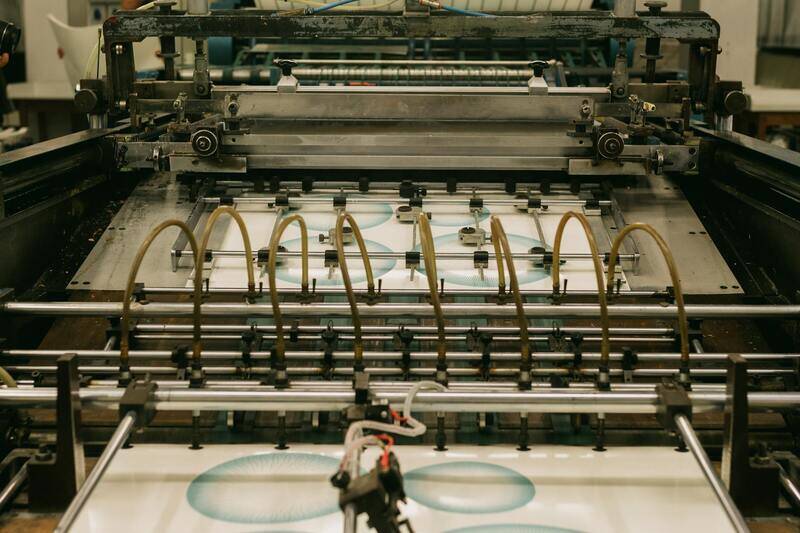
In Singapore, numerous printing service providers leverage advanced technology and sustainable practices to deliver customized solutions that meet diverse business needs. From small batches to large campaigns, reputable printers ensure consistency, color accuracy, and timely delivery. Understanding the core principles of business booklet printing helps in guiding your choices, whether it involves printing techniques, paper selection, or finishing options, ultimately contributing to a polished and impactful final product.
Key Aspects of Effective Business Booklet Printing
- Accurate Color Reproduction: Ensuring the printed colors match your digital design is vital for brand consistency.
- Material Durability: Selecting right paper and finishing techniques prolongs the longevity of your booklet, especially for materials intended for frequent handling.
- Cost Efficiency: Balancing quality with budget constraints involves making informed choices about printing scale, paper type, and finishing options.
- Design Precision: Bleed, margins, and resolution settings influence the overall look and professional quality of the final product.
Collaborating with Reputable Printing Partners
Establishing a partnership with trusted local printing companies, particularly those experienced in business booklet printing in Singapore, ensures smooth project execution. Reliable printers offer consultation services to help you select the right specifications, provide samples, and clarify turnaround times. This collaboration guarantees that your booklet not only meets technical standards but also aligns with your branding and marketing goals.
Understanding the Production Workflow
The process typically involves several stages: design review, proofing, material selection, printing, finishing, and quality inspection. During each phase, communication with your printer is essential to ensure that your specifications are precisely followed. High-quality business booklet printing often incorporates both digital and offset printing techniques, depending on the project size and complexity. Digital printing offers flexibility and quick turnaround for smaller runs, while offset printing provides cost-effective solutions for larger quantities with superior color accuracy.
Investing in professional business booklet printing not only elevates your corporate image but also serves as a versatile marketing tool that can be distributed at events, sent as part of client packages, or used in showrooms. The choice of methods, materials, and partners influences the overall impact and success of your communication strategy, making it essential to approach this process with careful consideration and expert guidance.
Advanced Printing Techniques and Finishing Options
To ensure your business booklet stands out with a professional finish, selecting the appropriate printing techniques and finishing options is crucial. Offset printing remains the preferred choice for large-volume projects, offering high precision and consistency in color reproduction, which is vital for maintaining brand integrity. For smaller runs or projects requiring rapid turnaround, digital printing offers flexibility without compromising quality.
In addition to printing methods, various finishing techniques can enhance the tactile appeal and durability of your booklet. These include:
- Lamination: Adds a protective layer that resists wear and tear, suitable for booklets expected to withstand frequent handling.
- UV Coating: Provides a glossy or matte finish, enhancing visual appeal and providing additional surface protection.
- Spot UV: Targets specific areas for gloss effects, perfect for highlighting key elements like logos or headings.
- Embossing and Debossing: Creates a raised or recessed effect, adding a sophisticated touch to covers and important sections.
- Specialty Foils: Incorporates metallic or pigmented foils for luxurious accents and branding.

Choosing the right combination of printing and finishing techniques depends on the intended use, target audience, and budget. Collaborating with experienced local printers can provide valuable insights into the most effective options for your project, ensuring that your booklet is not only informative but also visually compelling and durable.
Quality Control and Final Inspection
Maintaining strict quality control throughout the printing process is essential to achieve a professional product. This includes reviewing proofs meticulously before mass production, verifying color accuracy, checking for alignment, and assessing the quality of finishing touches. High standards during this stage prevent costly reprints and delays, ensuring that the final product aligns perfectly with your specifications.
Environmental Considerations in Business Booklet Printing
In today’s environmentally conscious business landscape, incorporating sustainable practices into your printing process can reinforce your company’s commitment to environmental responsibility. Opt for paper sourced from responsibly managed forests and choose eco-friendly inks and coatings whenever possible. Many local printers in Singapore offer green printing options that align with eco-friendly standards while maintaining high-quality output.

By prioritizing quality in printing choices and embracing sustainable practices, your business booklet can serve as a compelling, environmentally responsible marketing piece that resonates with your target audience and enhances your corporate image.
Understanding Business Booklet Printing
Business booklet printing involves transforming your marketing content, company information, or product details into a professionally crafted physical or digital booklet that effectively communicates your message. The process encompasses selecting appropriate formats, paper types, printing techniques, and finishing options to create a product that is both visually appealing and durable. This method serves as a powerful tool for brand promotion, product launches, training manuals, and corporate portfolios. The choice of printing methods can significantly impact the overall quality, production speed, and cost, making it crucial to understand the various possibilities available to match your specific business needs and objectives.
Design Considerations for Business Booklets
An effective business booklet design combines clarity, aesthetic appeal, and strategic content placement. It should align with your brand identity, including consistent use of colors, fonts, and imagery. Layout planning involves organizing information logically—covering introductions, core content, and calls to action—ensuring ease of navigation for readers. Incorporating high-resolution images, infographics, and icons can break up text and enhance comprehension. Accessibility features, such as legible fonts and clear headings, are essential for reaching diverse audiences. Thoughtful design ultimately elevates the professionalism of your booklet, making it a valuable touchpoint with clients and stakeholders.
Choosing the Right Paper and Finish
The tactile quality of your booklet heavily relies on the choice of paper and finishing touches. Thicker paper stocks, like 170gsm or higher, provide a premium feel and support durability. Matte finishes are preferred for a sophisticated, glare-free look, suitable for lengthy reading material, while gloss coatings give vibrant colors and a lively appearance, ideal for image-heavy content. Soft-touch coatings add a luxurious texture, leaving a memorable impression. Sustainable paper options, such as recycled or FSC-certified materials, can reflect your company's environmental commitments. Selection should consider both aesthetics and practicality, maintaining durability without sacrificing visual appeal.

Printing Types and Techniques
Various printing techniques are at your disposal when producing business booklets. Digital printing offers quick turnaround times and cost-effective solutions for small to medium runs, ideal for personalized or short-term projects. Offset printing, on the other hand, excels in producing high-volume orders with consistent color quality and sharp details. Specialty techniques such as foil stamping, embossing, or spot UV coating can add distinctive visual and tactile elements, enhancing perceived value. Additionally, saddle stitching or perfect binding are common methods for assembling booklets, influencing the overall durability and aesthetics. Selecting the appropriate printing technique depends on your project scope, budget, and desired finish.
Cost Factors and Budgeting
Cost considerations in business booklet printing extend beyond mere page count. Factors influencing pricing include paper quality, printing method, binding type, quantity, and any additional finishes or customizations. Bulk printing typically reduces the unit cost, making it advantageous for larger campaigns or ongoing distribution. Design complexity, such as bleeds or intricate graphics, can also affect expenses due to increased preparation time and printing depth. To optimize your budget, it is beneficial to request detailed quotations from reputable printers, comparing options based on quality and value rather than just price. Proper planning ensures your project aligns with financial expectations without compromising on quality or effectiveness.
Customization and Personalization Options
Modern printing technology enables extensive customization possibilities to make your business booklet unique and aligned with your branding goals. Variable data printing allows for personalization with recipient-specific information, enhancing engagement. Custom sizes, shapes, and formats can help your booklet stand out amidst competitors. Special finishes, such as embossed logos, metallic inks, or decorative coatings, add an upscale touch. Furthermore, incorporating interactive elements like QR codes or augmented reality features can bridge the gap between print and digital experiences. Tailoring these options to your target audience ensures your booklet leaves a memorable impression and supports your overarching marketing or communication strategy.
Best Practices for Printing Business Booklets
Ensuring the highest quality in your business booklet printing begins with clear communication and meticulous planning. Collaborating with a reputable printing service is essential to translate your creative vision into a polished final product that effectively promotes your brand or communicates your message. Engaging in detailed discussions about your design specifications, preferred materials, and finishing options helps establish a shared understanding and minimizes errors during production.
Reviewing digital proofs is a critical step before the mass printing process commences. Virtually all professional printers provide these proofs, which serve as a preliminary visual confirmation of colors, layout, and content accuracy. Pay close attention to details such as image resolution, font clarity, and the placement of your branding elements. Request multiple samples if necessary, especially when incorporating complex graphics or custom finishes. This proactive approach minimizes costly reprints and ensures the final product aligns with your expectations.

Conducting Quality Checks
Once the printing process begins, carry out thorough quality inspections during and after production. Check for consistency in color reproduction, sharpness of images, and the accuracy of folds and trims. Verify that binding methods are secure and that all pages are correctly aligned. It is advisable to request a small batch for initial delivery to assess the quality before proceeding with larger quantities, especially for critical marketing or presentation materials.
Ensuring Optimal Durability and Presentation
To maximize the longevity and appeal of your booklet, select finishing options that suit the intended use and environment. Matte or gloss coatings can enhance visual appeal and protect pages from wear and tear. For added sophistication and texture, consider embossing or spot UV finishes on specific design elements. These features not only contribute to a professional appearance but also reinforce your brand identity through tactile engagement.
Maintaining Consistency Across Batches
If you require multiple print runs, maintaining consistency is paramount. Establish clear guidelines for color matching, paper type, and finishing processes to ensure uniformity. Keep detailed records of your specifications and communicate them explicitly with your printing partner for future projects. This approach helps preserve brand integrity and ensures your business booklet remains recognizable and impactful across different distributions.
Leveraging Feedback and Continuous Improvement
Gathering feedback from recipients regarding the booklet’s design and physical quality can provide valuable insights for future projects. Analyze aspects such as readability, visual appeal, and overall impression. Use this information to refine your design concepts and select better-suited printing techniques or materials. Continuous evaluation and adaptation are essential for producing impactful business booklets that resonate with your audience and effectively support your strategic objectives.
