
Understanding Booklet Printing Costs
Booklet printing costs are influenced by several key factors that collectively determine the final price. When planning your print project, it is essential to grasp these components to make informed decisions and achieve the desired quality within your budget. The primary elements affecting booklet printing costs include the type of paper used, the quantity of booklets ordered, and the printing process—specifically, the color options and finishing touches selected.

Paper Quality and Finish
The selection of paper grade plays a significant role in the overall expense. Thicker, higher-quality paper options such as glossy or matte finishes tend to cost more than standard paper types. These choices affect not only the feel and durability of the finished product but also the printing cost, as more premium paper often requires specialized handling.
Printing Quantity
The number of booklets printed impacts per-unit costs significantly. Larger print runs usually benefit from economies of scale, reducing the cost per booklet. Conversely, small quantities may incur higher costs due to setup fees and minimal bulk discounts.
Color Printing Options
The extent of color usage influences the cost substantially. Printing in full color generally costs more than black-and-white printing. The complexity of color designs and whether spot UV or special inks are involved can further elevate expenses.
Additional Attributes
- Binding styles—stapled, spiral, or saddle stitch—each have different costs.
- Number of pages—more pages typically increase the printing and finishing costs.
- Design complexity—detailed graphics or high-resolution images may require more printing resources.
Therefore, balancing quality preferences with budget constraints is vital when estimating booklet printing costs. Clear communication with your chosen printing provider can also help optimize both quality and affordability.
Factors Affecting Printing Prices
When determining the cost of booklet printing, several critical factors come into play that can significantly influence the final expense. A thorough understanding of these elements allows for more precise budget planning and better decision-making during the printing process.
Paper Quality and Finish
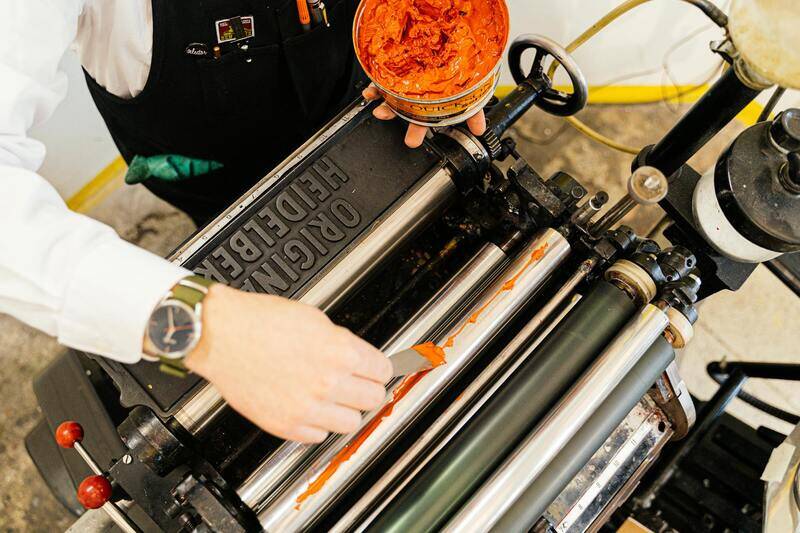
The foundational element impacting booklet costs is the choice of paper. Standard paper options such as 80gsm or 100gsm uncoated paper are generally less expensive and suitable for many general purposes. However, opting for higher-quality options like glossy or matte finishes, thicker cardstock, or specialty papers can substantially increase production costs. These premium papers enhance the tactile experience and durability of the printed materials, which may be essential for marketing booklets or premium brochures. The finish applied—be it UV coating, lamination, or soft-touch lamination—also affects costs, as each adds additional layers to the production process and materials involved.
Booklet Size and Number of Pages
The dimensions and length of the booklet are pivotal in cost determination. A standard A4 or A5 booklet might incur different costs compared to custom sizes, which may require specialized printing setups. Additionally, the number of pages directly correlates with production expenses. Booklets with more pages demand more paper, increased ink usage, and longer printing and finishing times, driving up the total cost.
Binding and Finishing Options
The type of binding chosen—such as saddle stitch, coil, spiral, or perfect binding—each has its cost implications. Saddle stitch binding, often used for booklets under 64 pages, tends to be more affordable, especially in large quantities. Conversely, spiral or perfect binding might be more appropriate for thicker or more durable documents but tend to be costlier. Finishing touches like scoring, folding, lamination, embossing, or UV coating also contribute to additional expenses and should be considered during budgeting.
Printing Method and Color Usage
Printing in full color offers vibrant visuals essential for promotional material but increases costs compared to black-and-white printing. The complexity of color design, including the use of spot UV, metallic or special inks, can escalate expenses further. Digital printing is typically more economical for small quantities, offering flexibility without high setup charges, while offset printing becomes cost-effective for larger runs due to economies of scale.
Additional Attributes and Customization
Personalized or custom features, such as embossed covers, numbered pages, or unique die cuts, enhance the appeal but inevitably increase costs. The choice of paper thickness and the inclusion of specialty design elements should be evaluated in terms of how they influence your overall budget and project goals.
Understanding Booklet Printing Costs
Accurately estimating the booklet printing cost involves a comprehensive understanding of various components that contribute to the overall expense. Beyond the base price, factors like paper quality, printing technique, and finishing options significantly affect the final quote. It's essential to evaluate these elements carefully to align your project requirements with your budget.

Factors Influencing Printing Prices
Printing Method and Run Size
The choice between digital and offset printing plays a crucial role in cost determination. Digital printing offers lower setup costs, making it ideal for small quantities or rapid turnaround projects. Offset printing, while requiring higher initial setup fees, provides more economical per-unit costs when printing large quantities. The scale of the print run directly affects the price per booklet, with larger volumes typically reducing the overall expense.
Paper Quality and Finish
The selection of paper stock impacts cost heavily. Thicker, coated, or specialty papers, like linen or textured finishes, increase material costs. Finishing touches such as gloss or matte lamination, UV coating, or embossing further elevate expenses but can enhance the tactile and visual appeal of the booklet. Incorporating these details should be considered during the planning phase to maintain budget control.
Binding and Additional Features
The chosen binding method determines a significant part of your booklet's cost. Saddle stitching remains affordable for shorter booklets, while spiral and perfect binding are preferred for thicker or more durable projects, though they tend to be pricier. Additionally, custom features like die cuts, foil stamping, or numbered pages, while adding value, increase production costs and should be factored into your overall budget.
Pricing Models and Cost Estimation Methods
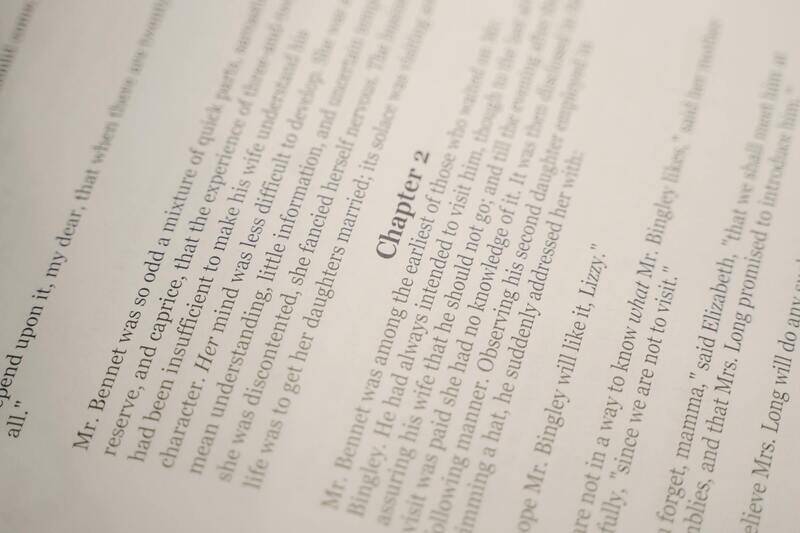
Printing services typically employ a combination of fixed setup fees, per-unit costs, and volume-based discounts to calculate the total expense. Setup fees cover pre-press preparations such as plate creation or digital file processing. The per-unit cost diminishes as the quantity increases, thanks to economies of scale. Many providers provide tiered pricing, offering lower prices for larger print runs, which can significantly reduce your overall expenditure. To ensure accurate budgeting, request a detailed quote that itemizes each component, including setup, printing, binding, and finishing charges.
Understanding Booklet Printing Costs
When considering booklet printing, it is essential to grasp the various elements that contribute to the overall pricing. The cost structure is often composed of several key components, each influencing the final expense. These include the scope of the project, the chosen specifications, the quantity, and the complexity of design. Being aware of these factors enables businesses and individuals to plan effectively, aligning quality expectations with budget constraints.
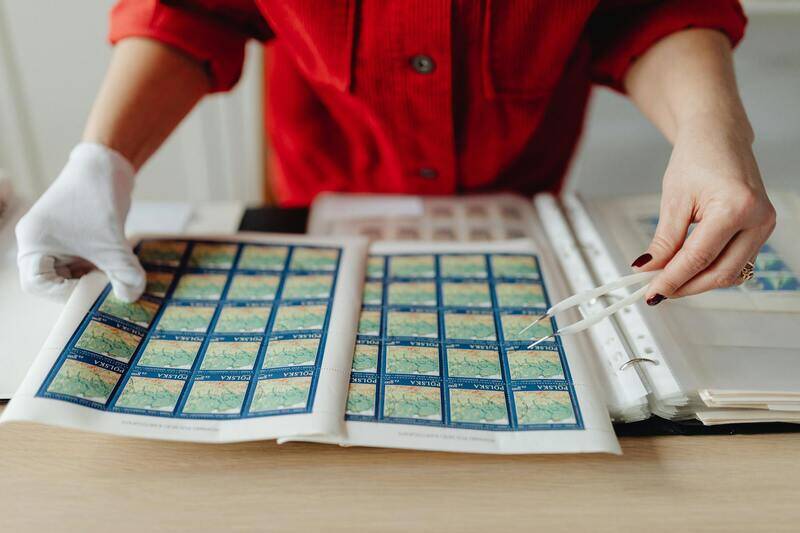
Fundamentally, the pricing for booklet printing involves initial setup costs which encompass preparing files, creating plates, or configuring digital workflows. These fixed costs are incurred regardless of the order size but can be more impactful for small runs. Additionally, the printing process itself incurs variable costs based on the number of copies, the number of pages, and the chosen printing method.
Key Components Affecting Printing Expenses
- Page Count and Size: Larger booklets with more pages require more material and longer printing time, increasing costs.
- Color Versus Black & White: Color printing typically costs more due to the use of multiple inks or specialized processes, whereas black and white options tend to be more affordable.
- Paper Quality and Finish: Thicker, high-quality paper enhances the tactile feel but adds to expenses. Finishing processes such as lamination, UV coating, embossing, or foil stamping elevate the presentation but also increase costs.
- Binding Method: Saddle stitching remains a cost-effective choice for shorter booklets. For thicker or more durable products, spiral or perfect binding are preferred, but they are generally more costly.
- Quantity: Bulk orders benefit from reduced per-unit costs due to economies of scale, making larger print runs more cost-efficient.
Influence of Design and Custom Features
Design complexity can significantly impact costs. Intricate graphics, custom die cuts, unique foldings, and specialty finishes require additional preparation and precision, thus elevating production expenses. When planning your booklet, consider how these elements align with your budget and desired impact.
Impact of Turnaround Time
Standard processing timelines typically result in lower prices, whereas expedited orders may involve additional fees. Align your scheduling with your budget by discussing turnaround expectations upfront with the printing provider.
Overall, understanding the composition of costs allows for better decision-making. By carefully analyzing your requirements and communicating clearly with your printing service, you can optimize your budget while achieving a professionally finished booklet suited to your needs.
Additional Charges and Hidden Fees
When estimating the cost of booklet printing, it’s essential to account for potential additional charges that may not be immediately apparent in the initial quote. These include setup fees, especially for complex or customized designs that require additional preparation. Die-cutting, embossing, foil stamping, or specialty finishes often involve extra charges due to the additional equipment and labor involved. Shipping costs are another factor that can significantly influence the total expenditure, particularly if expedited delivery options are selected or if the shipment is international.
Furthermore, some printing providers impose charges for proofing services, which are crucial for confirming design accuracy before mass production begins. These proofs ensure that the final product meets expectations but can add to overall expenses. It’s advisable to clarify these potential fees upfront to avoid unexpected expenditures.
Certain providers may also apply surcharges for small print runs, as the setup costs tend to be distributed across larger quantities. Conversely, there might be minimum order requirements that could impact your planning and budgeting. Failing to consider these aspects can lead to budget overruns, so comprehensive communication with your chosen printer is critical.
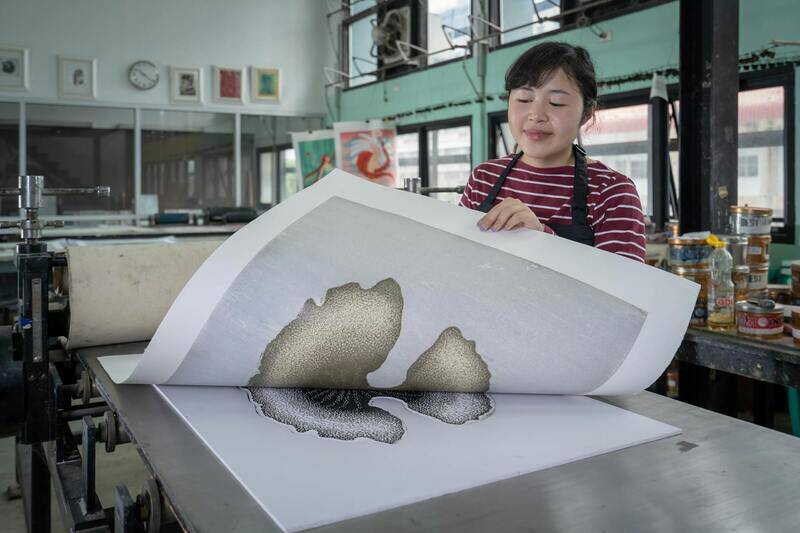
Understanding Booklet Printing Costs
When planning for booklet printing, it’s essential to grasp the comprehensive cost structure involved in producing high-quality printed materials. The booklet printing cost encompasses several core components, each contributing to the final price you will pay. These include the raw printing costs, design and layout preparations, materials used, finishing touches, and additional services such as shipping or expedited processing. A thorough understanding of these factors enables you to develop an accurate budget and avoid unexpected expenses.

It is advisable to request detailed quotations from multiple printing service providers to compare costs comprehensively. These quotes should specify individual charges for each element, such as setup fees, per-unit printing costs, binding options, lamination, or any special finishes. Transparency in pricing supports better budgeting and ensures the final invoice aligns with initial expectations. Prioritize providers that offer detailed, itemized estimates to facilitate a clearer understanding of what you will be billed for and to make informed decisions based on your specific needs and budget constraints.
Factors Affecting Printing Prices
Several variables influence the final cost of booklet printing, making it crucial to identify how each aspect impacts the budget. These factors include:
- Print Quantity: Larger print runs typically reduce the unit cost due to economies of scale, while small quantities may involve higher per-unit costs because of setup expenses.
- Page Count: The number of pages directly affects printing time and material costs. More pages usually mean higher expenses.
- Paper Quality and Type: Thicker or specialty papers, such as textured or coated options, incur higher costs compared to standard offsets.
- Binding and Finishing: Choices like saddle-stitching, perfect binding, or spiral binding influence the overall expense. Additional finishes like gloss lamination, embossing, or foil stamping also add to costs.
- Design Complexity: Intricate graphics or custom design elements can require extra preparation and proofing time, impacting costs.
- Turnaround Time: Urgent orders or rush services often carry premium charges due to expedited processing and production schedules.
Pricing Models and Cost Estimation Methods
Estimating booklet printing costs effectively involves understanding the pricing models used by providers. Many printing companies offer standard quotes based on a combination of fixed setup fees and variable costs per printed unit. To arrive at an accurate estimate, consider incorporating:
- Per-Unit Pricing: Powers calculations based on the number of copies you intend to produce.
- Setup Fees: One-time charges associated with preparing the press and files for printing.
- Material Charges: Prices for paper, ink, and finishing materials.
- Additional Services: Design assistance, proofing, or special finishing options.
Requesting detailed quotations that delineate each of these components can help you create precise financial plans. For bulk orders, inquire about volume discounts, which can significantly lower per-unit costs and provide more budget flexibility.
Typical Price Range for Booklet Printing
The cost of printing a booklet varies depending on size, page count, quality, and quantity. As a general guideline, small runs of basic booklets (around 50 to 100 copies with standard paper and saddle-stitch binding) often start from as low as a few hundred dollars. Conversely, larger orders or more elaborate options—such as high-quality glossy paper, multiple finishes, or specialty binding—may push the expenses into the thousands.

To optimize your budget, it’s helpful to obtain quotes based on your specific booklet specifications, comparing providers that specialize in different aspects like small batch or large-scale printing. Having a clear idea of the expected price range assists in aligning your project scope with your financial parameters and selecting the most suitable printing partner.
Cost-Saving Tips for Booklet Printing
Efficiency and strategic planning can significantly reduce your booklet printing expenses:
- Opt for Bulk Printing: Larger quantities benefit from lower per-unit costs, making bulk orders a cost-effective choice for extensive distribution.
- Choose Standard Sizes and Finishes: Sticking to common dimensions and basic finishes minimizes processing time and material costs.
- Consolidate Printing Needs: Combining multiple projects with similar specifications can leverage volume discounts and reduce setup fees.
- Design Simplification: Simplified layouts without excessive embellishments decrease design costs and expedite production.
- Plan Ahead: Avoiding last-minute orders prevents premium charges related to rush services and expedited shipping.
Communicating your budget constraints clearly with your printing provider helps identify affordable options without compromising on quality. Some companies also offer discounts for non-profit or educational organizations, which can further enhance savings.
Understanding Booklet Printing Costs
Accurate estimation of booklet printing costs requires a comprehensive understanding of the various elements influencing the final price. The cost structure is often informed by factors such as the size of the booklet, choice of paper quality, type of binding, color options, and quantity ordered. Recognizing these components allows clients to plan effectively and avoid unexpected expenses throughout the printing process.
Factors Affecting Printing Prices
Several pivotal factors impact the overall cost of booklet printing. These include:
- Paper Quality and Thickness: Higher-quality and thicker paper enhances durability and aesthetics but increases material costs.
- Printing Color: Full-color prints are more expensive than black-and-white options due to additional ink usage and printing complexity.
- Booklet Size and Dimensions: Custom sizes may require special plates or settings, raising costs compared to standard dimensions.
- Number of Pages: More pages entail increased printing time and paper consumption, affecting price calculations.
- Binding Methods: Options such as saddle stitching, perfect binding, or spiral binding vary in their pricing implications.
- Order Volume: Higher quantities typically benefit from economies of scale, reducing individual unit costs.
- Turnaround Time: Urgent deadlines often incur premium charges for expedited production and shipping.
Pricing Models and Cost Estimation Methods
Understanding different pricing structures aids in obtaining fair and transparent quotes. Common models include:
- Per-Unit Pricing: Cost calculated based on the number of booklets printed, with discounts often available for bulk orders.
- Setup Fees: A fixed initial fee to prepare the printing plates or customize the printing process, especially for small runs.
- Material Costs: Charges based on paper quality, finishes, and binding types specified.
- Additional Services: Fees for design assistance, proofing, or special finishing effects.
To produce precise cost estimates, clients should furnish detailed specifications—including dimensions, page count, color preferences, quantity, and binding type—to potential printers. Comparing multiple quotes ensures an understanding of market rates and helps identify the most cost-effective options without sacrificing quality.
Typical Price Range for Booklet Printing
The costs associated with booklet printing can vary widely based on the specifications and order volume. For small quantities of standard-sized booklets—say, 100 to 500 copies—per-unit costs might range from SGD 1.50 to SGD 5.00. Larger quantities, such as 1,000 or more, often benefit from bulk discounts, bringing the unit price down to approximately SGD 0.80 to SGD 2.50. Custom sizes, heavy finishes, or color-intensive pages will skew these figures higher.
Cost-Saving Tips for Booklet Printing
Effective planning and strategic choices can significantly curtail printing expenses. Consider the following approaches:
- Opt for Bulk Orders: Printing larger quantities reduces per-unit costs, especially advantageous for promotional or event-related materials.
- Maintain Standard Sizes: Using common dimensions can streamline production, saving time and material costs.
- Consolidate Projects: Combining multiple print jobs with similar specifications maximizes economies of scale.
- Simplify Designs: Reduced embellishments and minimalist layouts speed up printing and lower design-related expenses.
- Plan Early: Advance planning avoids rush charges and gives room for better pricing negotiations.
Additional Charges and Hidden Fees
While obtaining quotes, be aware of supplementary costs that may not be immediately apparent. These include:
- Design and Layout Fees: Charges for professional assistance in preparing print-ready files.
- Proofing Costs: Fees related to sample or prototype approvals prior to mass printing.
- Special Finishes: Additional charges for gloss varnish, embossed textures, or die-cutting.
- Shipping and Delivery: Costs depend on location, size, and urgency of delivery.
- After-Sales Services: Expenses for reprints, warranties, or modifications post-printing.
Thorough communication with the printing provider about all potential fees ensures clear budgeting and avoids surprises that could impact the overall project cost.
Understanding Booklet Printing Costs
When evaluating booklet printing expenses, it is essential to consider the different efficient and reputable methods available for obtaining pricing information. Relying solely on online calculators or generic estimates can lead to inaccuracies. Instead, confident decisions are best made through direct engagement with printing service providers who adhere to transparent and standardized pricing practices.

Engaging with Official Printing Providers
For precise cost assessments, reaching out directly to established printing services ensures access to tailored quotes that reflect the scope and specifications of your project. Legitimate providers typically request detailed information, including booklet page count, dimensions, paper quality, finishing options, and quantity. This detailed communication facilitates accurate and comprehensive pricing estimates, minimizing the risk of unforeseen expenses.
Requesting Detailed Price Quotes
- Provide specific project details such as size, color requirements, and finishing touches.
- Ask for itemized quotes that break down costs for printing, binding, design, and additional services.
- Compare multiple quotes to evaluate the best balance of price, quality, and service.
- Confirm the inclusion of all potential charges to prevent hidden fees from impacting your budget.

Understanding Pricing Structures
Official printing companies often base their rates on several key factors, including the number of copies, complexity of design, and choose of materials. They typically offer multiple pricing models such as volume discounts and package deals that can be leveraged to achieve cost savings. Gaining clarity on these structures through official channels ensures that your project remains within the intended budget and aligns with quality expectations.
Benefits of Using Certified and Reputable Printing Services
- Guarantee of adherence to quality standards and consistent output.
- Access to professional advice on cost-effective options and customization.
- Transparency in billing and clear communication regarding all charges.
- Availability of after-sales support, including reprints or modifications if needed.
Final Recommendations for Cost-Effective Booklet Printing
Always opt for established and well-reviewed printing services to ensure both quality and price reliability. Confirm the details of the quote and ask about the scope of included services before proceeding. Building a good relationship with your chosen provider can also lead to better negotiations and tailored solutions for your specific project, ultimately optimizing your booklet printing costs.
