
Overview of Custom Banner Printing
In Singapore's vibrant commercial and social landscape, custom banner printing has become an essential tool for businesses, organizations, and individuals looking to communicate messages effectively. Custom banners serve as versatile promotional mediums, suitable for a multitude of events such as trade shows, sports celebrations, political campaigns, grand openings, and community festivals. Their ability to attract attention and convey brand or event information succinctly makes them a popular choice in various contexts.
Custom banner printing involves the creation of banners tailored to specific dimensions, designs, and material preferences, ensuring they meet precise marketing or informational needs. This customization process allows organizations to reinforce their visual identity and produce eye-catching displays that stand out in crowded environments. Whether utilizing bold graphics, detailed images, or concise text, the goal is to produce banners that communicate messages clearly and effectively.
In the bustling urban areas of Singapore, custom banners are often seen adorning construction sites, storefronts, and event venues, reflecting their importance in public advertising and event promotion. The process of custom banner printing aligns with the evolving needs of clients who seek high-quality, durable, and visually compelling banners that can withstand Singapore’s tropical climate. Modern printing technology ensures vibrant colors, sharp images, and long-lasting materials, making custom banners a practical investment for impactful visual communication.
Furthermore, the adaptability of this printing method allows for a wide range of sizes and styles, accommodating both small-scale indoor displays and large outdoor advertisements. This flexibility makes custom banner printing a vital service for entities aiming to maximize visibility and leave a lasting impression on their target audience.
Beyond commercial uses, custom banners also play an important role in cultural, community, and social events, contributing to the inclusive and dynamic environment that Singapore is known for. Their importance as a communication tool is underscored by the capacity to deliver tailored messages that resonate with diverse audiences and occasions.
Materials and Printing Techniques
Choosing the appropriate materials and printing techniques is essential to ensure the durability, visual appeal, and effectiveness of custom banners. The selection largely depends on the intended location, duration of display, and environmental conditions that banners will endure.
Vinyl remains a popular choice for outdoor banners due to its weather-resistant properties, including resistance to rain, UV rays, and wind. High-quality vinyl banners can last several years, making them suitable for long-term advertising campaigns. They are produced using solvent or eco-solvent printing methods, which deliver vivid colors, sharp details, and durable finishes.
Fabric banners, often made from polyester or nylon, are favored for indoor settings, trade shows, and events that require a sophisticated appearance. These banners can be printed using dye sublimation techniques, which produce high-resolution images with vivid colors and a soft, matte finish.
Mesh banners are designed with perforations to allow air to pass through, making them ideal for large outdoor displays on high-wind sites or construction fences. The material’s strength and flexibility prevent tearing while maintaining visibility.
Retractable banners or roll-up banners incorporate durable vinyl or fabric materials with sturdy retractable mechanisms. They are easy to transport and set up, making them perfect for quick promotions and portable advertising needs.
Printing techniques vary from UV printing, which provides a scratch-resistant surface suitable for outdoor banners, to eco-solvent and solvent printing that offer vibrant color reproduction with excellent adhesion on different materials. Digital printing, with its ability to produce complex graphics and photographs, is the prevailing method for all types of banners, ensuring precision and consistency.
Design Considerations for Custom Banners
Effective banner design must align with the intended message, brand identity, and audience perception. Considerations when designing include:
- Visibility: Opt for bold fonts and contrasting colors to enhance readability from a distance.
- Simplicity: Minimize clutter; focus on key messages or visuals that communicate your intention clearly.
- Brand Consistency: Incorporate logos, brand colors, and style guidelines to reinforce brand recognition.
- Call to Action: Include concise directives such as contact details, website URLs, or promotional messages.
In addition, pay attention to the resolution and image quality to avoid pixelation, and consider the viewing environment to select the appropriate material and finish. Collaborating with professional designers and print specialists ensures that your banner not only meets aesthetic standards but also performs effectively across different settings.
Materials and Printing Techniques
Choosing the appropriate materials is crucial to ensuring the durability and visual appeal of your custom banner. Commonly used materials include vinyl, mesh, fabric, and PVC, each suited to different environments and purposes. Vinyl banners are popular for their robustness and weather resistance, making them ideal for outdoor advertising. Mesh banners, featuring small holes, allow wind to pass through, reducing strain during high-wind conditions, and are often used for large outdoor displays or event signage. Fabric banners, often made of polyester or textile blends, lend a premium appearance, suitable for indoor or event settings where aesthetics are paramount. PVC banners are lightweight and flexible, making them easy to transport and install.
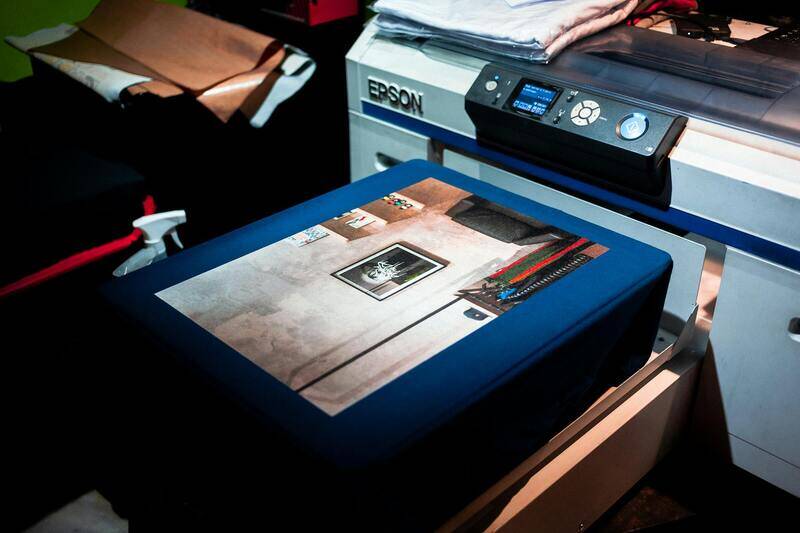
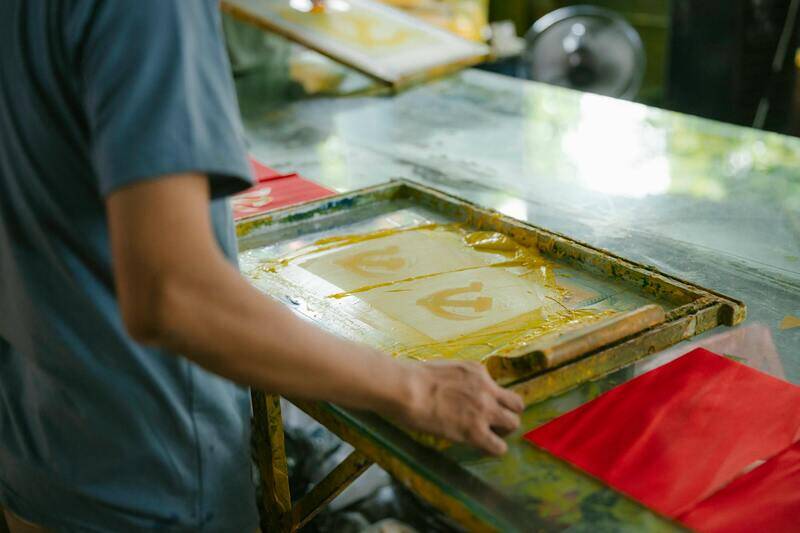
The choice of printing technique significantly influences the quality and durability of the finished banner. Digital printing, especially UV and solvent printing, dominates the landscape, offering high-resolution images and vibrant colors. UV printing uses ultraviolet light to quickly cure the inks, resulting in scratch-resistant surfaces suitable for outdoor use. Eco-solvent and solvent printing utilize solvent-based inks that adhere strongly to non-porous surfaces, providing excellent color saturation and weather resistance. Sublimation printing is another technique used primarily on fabric banners, producing vivid, long-lasting images that are integrated into the material itself. Screen printing, although less common today, still finds niche applications for banners with simpler designs and larger runs, offering cost-effectiveness for bulk orders.
Each technique carries specific benefits and considerations related to color fidelity, durability, environmental impact, and production speed. Collaborating with experienced printing providers ensures that the chosen method aligns with the intended use, environmental conditions, and budget constraints.
Design Considerations for Custom Banners
Effective banner design hinges on clarity, visual hierarchy, and alignment with branding principles. Prioritize high-contrast color schemes and bold typography to maximize visibility from afar. Keep the design simple: a clutter-free visual with a clear message ensures that viewers grasp your intent quickly. Incorporate your brand’s logo, color palette, and style guidelines to maintain consistency and reinforce recognition.
Visual elements should complement the messaging; for instance, using relevant images or icons that support the banner's purpose enhances impact. Always include a concise Call to Action (CTA), such as a phone number, website, or promotional phrase, guiding viewers on the next step. The resolution of images and graphics must be high enough to prevent pixelation, especially for banners viewed from a distance. Considering the environment where the banner will be displayed—sunlight intensity, wind exposure, and viewing angles—helps in selecting suitable materials and finishes.

Engaging professional designers and print specialists improves the outcome, ensuring your banners are both visually appealing and effective in conveying your message. Proper design not only attracts attention but also sustains viewer engagement, ultimately amplifying your advertising or branding efforts.
Legal and Copyright Considerations for Custom Banner Printing
When creating custom banners, it is essential to adhere to legal requirements and copyright regulations to ensure compliance and avoid potential disputes. Properly managing these aspects not only safeguards your business but also maintains your brand’s integrity and reputation in the marketplace.
Respecting Intellectual Property Rights
Using copyrighted images, logos, or textual content without authorization can lead to complications. To prevent infringement, always secure proper permissions or licenses before incorporating third-party intellectual property into your banners. This includes images, fonts, taglines, and any other proprietary elements that are not originally created by your team. Opting for royalty-free images or custom-designed graphics ensures your banners remain compliant and unique.
Understanding Trademark Regulations
Incorporating trademarks, logos, or brand identifiers requires authorization from the rightful owner. Using trademarks without permission can cause legal misunderstandings and possibly lead to the cessation of your advertising campaign. Always verify that your design elements are either owned by your organization or are used under proper licensing agreements to prevent conflicts with trademark holders.
Legal Guidelines for Content and Messaging
Ensure that the content displayed on your banners adheres to advertising standards and does not contain false, deceptive, or misleading information. Respect advertising laws concerning claims, pricing, and promotional offers. Transparent and truthful messaging bolsters trust with viewers and reduces the likelihood of disputes or legal action.
Permits and Local Regulations
Many jurisdictions require specific permits or permissions for outdoor advertising banners, particularly in public spaces or high-traffic areas. Before installation, verify local regulations regarding signage dimensions, placement, and display duration. Securing the necessary approvals helps avoid fines, removal orders, or other legal issues that can impact your branding efforts.
Documenting and Archiving Design Approvals
Maintain records of all permissions, licensing agreements, and approvals related to your banners. Proper documentation facilitates future reference and demonstrates compliance in case of audits or reviews. Collaborate with trusted printing service providers who assist in ensuring your materials meet all legal standards.
Conclusion
Always prioritize legal diligence when designing and producing custom banners. Protecting your creative assets through proper licensing and compliance not only shields your organization from avoidable issues but also promotes a professional image that aligns with best practices in advertising and branding. Working closely with experienced print specialists can further streamline this process and ensure your banners meet all legal and ethical standards.
Legal and Copyright Considerations
When engaging in custom banner printing, it is crucial to adhere to legal and copyright standards to ensure your branding efforts remain compliant and professional. This includes obtaining the necessary rights for any visual elements, images, or text incorporated into your banners. Using copyrighted images or logos without permission can lead to legal disputes, damage to your brand reputation, and potential financial liabilities.
To mitigate these risks, it is advisable to source images and design elements from reputable platforms offering licensed content or to create original artwork tailored specifically for your banners. If you plan to incorporate trademarks or branding assets belonging to others, securing explicit authorization or licensing agreements is essential before production.
In addition, understanding local advertising regulations can help prevent issues related to banner placement and content. These may specify restrictions on size, messaging, and display duration—particularly for outdoor or high-traffic locations. Working with experienced printing providers familiar with these standards can facilitate compliance and streamline the approval process for your materials.
Effective documentation of permissions and licenses is also vital. Maintain clear records of approvals, licensing agreements, and correspondence related to your banners. Such documentation supports transparency and can be helpful if questions arise regarding the ownership and lawful use of design elements.
By prioritizing these legal considerations, organizations can safeguard their branding initiatives, avoid potential disruptions, and uphold a high standard of professional integrity in all promotional activities. Ensuring your banners are produced within the framework of applicable laws demonstrates respect for intellectual property rights and reinforces trust with your audience.
Legal and Copyright Considerations
When undertaking custom banner printing, it is essential to respect intellectual property rights and adhere to relevant legal standards to ensure smooth production and display processes. This involves verifying the originality of your design elements, including images, logos, slogans, and artwork. Utilizing copyrighted images or proprietary designs without explicit permission can lead to operational delays, financial penalties, or damage to brand reputation. Therefore, sourcing assets from licensed libraries, creating original artwork, or obtaining proper authorization from rights holders is crucial.
Before finalizing your banner design, it’s advisable to review any trademarks or protected branding assets incorporated into your visuals. Securing written consent or licensing agreements from the rights owners ensures that your use aligns with legal standards and fosters good professional relationships. Proper documentation of these permissions can serve as evidence of compliance if questions arise during approval or display phases.

Furthermore, it is important to familiarize yourself with local advertising regulations and display restrictions, especially for outdoor banners in public spaces. These guidelines often specify limitations on banner size, content, placement, and display duration, which are put in place to maintain public safety and community standards. Working with a reputable printing service that understands these standards can help you navigate compliance smoothly, preventing costly rejections or removal notices.
Transparency is also key in legal considerations. Maintain detailed records of all permissions, licensing agreements, and correspondence pertaining to your banners. Such documentation demonstrates responsible management of copyrighted materials and can be useful in resolving any disputes or clarifications related to content ownership or lawful use.
Careful attention to these legal and copyright aspects not only preserves the integrity of your marketing efforts but also supports long-term brand reputation. By ensuring all design and content elements are appropriately licensed and compliant with local advertising laws, you avoid disruptions that can hinder your promotional activities and maintain a positive relationship with your audience and regulatory bodies alike.
Ensuring Compliance with Design and Content Standards
When engaging in custom banner printing, meticulous attention to the design and content of your banners is essential for a successful and legally compliant campaign. Start by verifying that all visual and textual elements adhere to the guidelines set out by local authorities and industry standards.
Originality in design and content not only helps your banners stand out but also minimizes potential conflicts over intellectual property rights. Avoid using copyrighted images, logos, or slogans without proper authorization. Opt for creating unique artwork or sourcing materials from reputable stock image providers that offer licenses for commercial use.
Best Practices for Content Development
- Develop clear, concise messaging that aligns with your branding objectives.
- Incorporate high-resolution images that meet industry standards to ensure clarity once printed.
- Use legible fonts and appropriate font sizes for readability from a distance.
- Be mindful of language that could be misinterpreted or deemed offensive, maintaining professionalism at all times.
Technical Considerations in Banner Design
Design layouts should consider the viewing distance, placement environment, and overall aesthetic harmony. For outdoor banners, high contrast color schemes and bold typography improve visibility. For indoor banners, detailed graphics and intricate designs can be appreciated better due to proximity.
Furthermore, the file formats used for printing should conform to the specifications of the printing service. Typically, vector formats such as AI, EPS, or PDF are preferred for sharp, scalable graphics, while high-resolution raster images (JPEG, PNG) are suitable for photographic content.
Pre-Printing Verification and Approval
Before finalizing your banner files, conduct thorough reviews to ensure accuracy, consistency in branding, and compliance with any relevant advertising rules. Involving a professional designer or a printing expert can facilitate this process by catching errors or potential issues prior to production.
Documenting and Managing Content Rights
Maintain comprehensive records of all permissions and licensing agreements associated with your banner content. This documentation provides clarity and defensibility regarding the sources and rights of use for each element incorporated in your banners.
Collaborating with Reputable Printing Providers
Partnering with experienced printing companies that prioritize adherence to content standards will ensure your banners are produced in accordance with best practices. These providers often offer consultation services to optimize your design for print quality and compliance, thus safeguarding your campaign's integrity.
Legal and Copyright Considerations
When engaging in custom banner printing, it is crucial to ensure that all design elements, images, and text used in your banners are obtained and utilized in accordance with applicable rights and permissions. This practice not only safeguards your organization from potential disputes but also maintains the integrity and professionalism of your branding efforts.
Proper management of content rights involves meticulous documentation and verification of all assets incorporated into your banners. This includes securing licenses for copyrighted images, fonts, and graphics, as well as obtaining explicit permission for any proprietary content. Maintaining clear records of these permissions can streamline processes and provide legal clarity in case of inquiries or disputes.
In addition to content rights, adherence to local regulations regarding advertising permits or approvals may be necessary, depending on where your banners will be displayed. Securing the necessary permits ensures that your marketing campaigns run smoothly without interruptions due to compliance issues.
Trademark considerations are also vital. When designing custom banners, avoid the unauthorized use of trademarks belonging to other entities. Using trademarks improperly may lead to claims of infringement, which can harm your brand reputation and result in costly legal actions. If your banner incorporates protected trademarks, ensure you have obtained the proper rights or licenses from the trademark owner.

Working with reputable printing providers who understand and adhere to these legal standards can significantly reduce risks. Experienced providers will offer guidance on content rights and compliance, helping to ensure that your banners meet all legal requirements while achieving your promotional goals.
To facilitate responsible banner printing, consider consulting with legal experts or intellectual property professionals who specialize in advertising and branding. They can review your content, advise on necessary permissions, and help draft agreements to protect your rights.
Ultimately, proactive management of legal and copyright considerations enhances the credibility of your campaign and prevents potential conflicts. It underscores your commitment to ethical marketing practices and reinforces your brand’s trustworthiness among your audience.
