
Comprehensive Guide to Choosing a Printing Company in Singapore
Types of Printing Services Offered
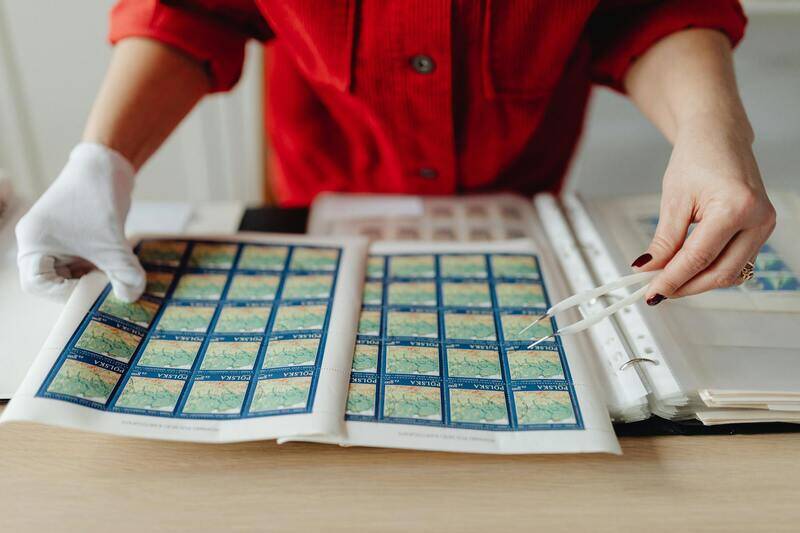
When selecting a printing company, understanding the range of services available is essential to meet specific business needs. Digital printing is favored for quick turnaround times and cost-effectiveness, making it ideal for short-run projects such as promotional materials, brochures, or event flyers. Offset printing, on the other hand, offers high-quality output suitable for bulk printing, ensuring vibrant colors and sharp images for large-scale production of catalogs, magazines, or packaging materials. Large format printing caters to banners, posters, and signage, providing impactful visual displays for marketing campaigns and trade shows. Specialty printing services include premium finishes like embossing, foil stamping, or textured effects, which enhance branding elements and create a distinguished look.
Key Factors to Consider When Selecting a Printing Company
Choosing the right printing partner involves evaluating several critical aspects. Quality management is paramount; review their quality assurance processes and previous work to ensure high standards. Turnaround times and production capacity are equally vital for meeting tight schedules, especially during peak periods or large campaigns. Additionally, the technology and equipment used should align with your project requirements, providing clarity on whether they utilize modern digital or offset presses. Reliability and reputation are also vital. Check customer reviews, industry certifications, and the company's history to gauge their track record. Effective communication and transparency about timelines, costs, and potential challenges help foster smooth collaboration. Flexibility in service options and the willingness to accommodate custom requests can significantly impact project success. Finally, proximity and local presence can influence responsiveness and ease of communication, which is particularly beneficial for urgent or sensitive projects.
Materials and Printing Techniques
The choice of printing materials and techniques can dramatically influence the final output's appearance and durability. Common materials include different types of paper, such as gloss, matte, recycled, or cardstock, each suitable for specific applications. For outdoor signage or banners, durable materials like vinyl or fabric are preferred. Printing techniques vary based on the desired effect and budget. Digital printing offers quick results with high flexibility, perfect for small batches or prototypes. Offset printing is ideal for high-volume jobs, delivering consistent color quality and sharp image reproduction. Specialty techniques like screen printing, flexography, or thermography are employed for unique finishes or textured effects. Understanding the compatibility of materials and techniques ensures that your printed materials are visually appealing and resilient, aligning with your branding and functional needs.
Types of Printing Services Offered
When selecting a printing company, understanding the range of printing services available is essential for matching your project requirements with the right expertise. A reputable printing provider typically offers multiple options designed to cater to different needs, whether for marketing collateral, promotional materials, packaging, or promotional items.
Digital printing is among the most versatile services, enabling quick turnaround times and high-resolution results. It is especially suited for small to medium-sized orders, personalized prints, or proofs. Offset printing, on the other hand, is the preferred choice for large-volume jobs, capable of delivering consistent color reproduction with precision across thousands of copies. Screen printing offers textured finishes ideal for apparel, signage, or promotional items like bags and caps, utilizing stencils and mesh screens to apply ink or dyes.
Specialized services include:
- Large Format Printing: Perfect for banners, posters, and billboards that require eye-catching visuals in large sizes.
- Embossing and Debossing: Creating raised or recessed designs on paper or other materials for a tactile effect that enhances brand identity.
- Foil Stamping: Adding metallic accents for luxury or premium branding, often used on business cards or packaging.
- UV Coating and Laminations: Providing durability and a glossy finish to protect printed materials from wear and tear.
- Textile and Fabric Printing: For customized apparel, banners, and fabric-based promotional items.
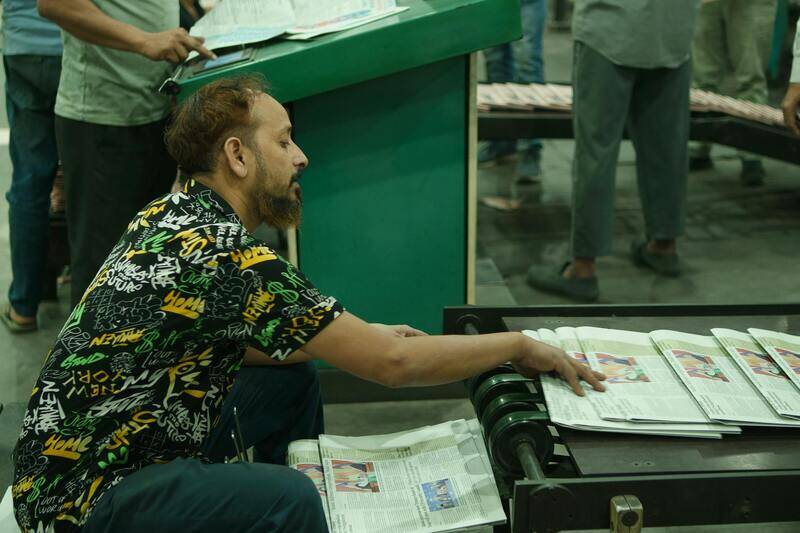
Many modern printing companies integrate hybrid solutions combining several techniques to meet complex project needs. This flexibility allows customization of finishes, textures, and effects that align with branding strategies, ensuring that the final product is both visually impactful and durable. Additionally, the incorporation of advanced printing technologies, such as UV LED or eco-solvent inks, can offer environmentally friendly options with long-lasting vibrancy and adhesion.
Exploring these options and matching them with project specifications enables businesses to optimize the visual appeal and functional attributes of their printed materials, making them stand out in competitive markets.
Materials and Printing Techniques
Choosing the right materials and printing methods is crucial to achieving the desired aesthetic, durability, and budget efficiency for your project. Different materials, such as paper, cardboard, fabric, vinyl, and plastics, each have unique properties that influence the final outcome. For example, coated papers are ideal for high-resolution images with vibrant colors, while textured papers add tactile appeal for luxurious brochures or invitations. Vinyl and other adhesive-backed materials are often used for outdoor signage due to their weather resistance.
Similarly, selecting the appropriate printing technique impacts both visual quality and longevity. Offset printing offers high accuracy and cost-effectiveness for large runs, making it suitable for magazines and catalogs. Digital printing provides quick turnaround and is excellent for small to medium quantities, personalized prints, and on-demand orders. Screen printing is favored for vibrant colors on textiles and promotional items, whereas flexography is typically used for packaging materials like labels and wrappers. UV printing is another advanced method that produces vivid, durable images directly onto various substrates, ideal for signage and promotional displays.
Integrating these techniques with suitable materials ensures that final products are not only visually compelling but also resilient and aligned with budget expectations. Modern innovations, such as eco-friendly inks and recyclable substrates, further enhance the sustainability aspect without compromising quality.

Customization and Design Services
Customization plays a vital role in translating brand identity into printed materials that resonate with your target audience. Professional printing companies offer comprehensive design services, working closely with clients to develop concepts that align with branding guidelines and marketing goals. This includes assistance with layout, color schemes, logo integration, and selecting the most suitable printing techniques and materials to enhance visual impact.
Design services often extend to creating mock-ups and samples, allowing clients to visualize the final product before mass production. Some printing firms provide digital proofs for approval, ensuring alignment with expectations and facilitating any necessary revisions. By leveraging expert insights, businesses can produce promotional items such as branded stationery, packaging, banners, and direct mail pieces that stand out in competitive markets.
Materials and Printing Techniques
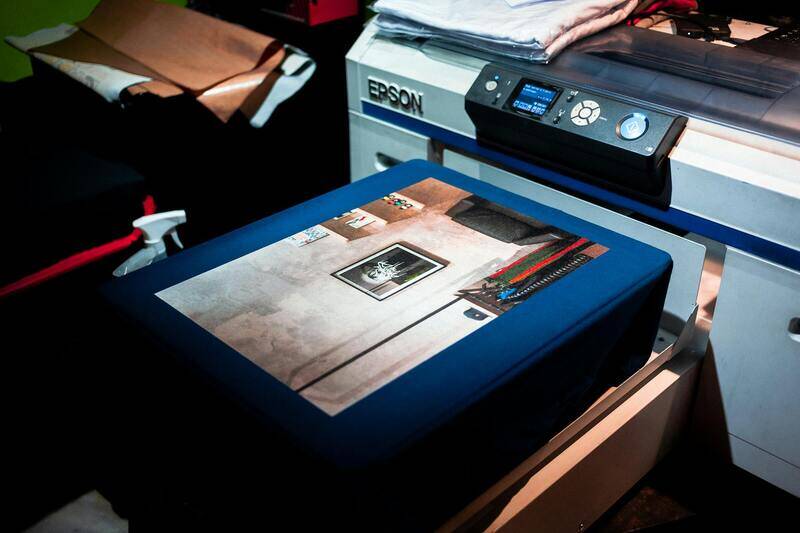
Choosing the right materials and techniques is essential for achieving the desired outcome in your printed products. A reputable printing company provides a diverse range of printing methods, each suited to different applications and material types. For instance, digital printing offers quick turnaround times and is ideal for small runs and personalized items. It allows for high-resolution images and vibrant color reproduction, making it suitable for business cards, flyers, and promotional materials.
Offset printing, on the other hand, excels for large volume orders, delivering consistent quality and cost efficiency at scale. It is often used for catalogs, magazines, and brochures. The process involves transferring ink from a plate to a rubber blanket, which then presses it onto the printing surface, resulting in sharp images and color fidelity.
Screen printing remains a popular choice for apparel, signage, and promotional merchandise. This technique involves creating a stencil and pushing ink through a screen to produce durable, vibrant prints on various substrates. Its flexibility in ink types and colors makes it ideal for customized promotional items.
Large-format printing techniques are specialized for banners, posters, and signage. This method can handle wider media and supports high-resolution output for impactful visual communication. Eco-friendly printing options, such as vegetable-based inks and recyclable substrates, are increasingly available, aligning with sustainability goals without compromising print quality.

Materials and Printing Techniques
Choosing the right materials and printing techniques is essential to achieve desired quality, durability, and visual impact. Printing companies utilize a broad range of substrates, including paper, plastic, fabric, and even metal, each selected based on the specific application and environment of use. For example, lightweight paper stock is ideal for brochures and promotional flyers, while weather-resistant materials are preferred for outdoor signage and banners.
Various printing methods cater to different needs:
- Digital Printing: Offers quick turnaround times and cost efficiency for short runs. Suitable for personalized or customized prints, digital printing ensures high-resolution output with vibrant colors on various substrates.
- Offset Printing: Ideal for large-volume jobs, this technique provides consistent quality and sharp image reproduction. It’s often used for magazines, catalogs, and high-quality brochures due to its ability to produce precise color matching and detailed images.
- Screen Printing: Commonly used for textiles and promotional apparel, this method involves pressing ink through a mesh screen onto the substrate. It enables vibrant colors and is cost-effective for bulk production.
- Large-Format Printing: Specializes in producing oversized prints like banners, posters, and signage. It employs solvent, eco-solvent, or latex inks to produce vivid, durable images suitable for outdoor exposure.
Innovations in the industry also include eco-friendly options, such as vegetable-based inks and recyclable or biodegradable substrates. These sustainable alternatives support environmental initiatives without sacrificing quality or visual appeal. Additionally, finishing processes like lamination, embossing, and foil stamping can further enhance the tactile and aesthetic qualities of printed materials, making them more engaging and memorable.
Customization and Design Services
Many printing companies in Singapore provide comprehensive design assistance to help clients realize their creative visions. Their in-house design teams collaborate closely with clients to develop graphics that are both visually appealing and aligned with branding strategies. This collaborative process ensures that the final output effectively communicates the intended message, whether in a corporate brochure, event banner, or promotional giveaway.
Customization options extend beyond design to include special finishes, tailored sizes, and unique materials. These features allow businesses to create distinctive printed items that stand out in the marketplace, reinforcing brand recognition and attracting customer attention. Advanced digital workflows enable rapid adjustments and proofs, facilitating a smooth transition from conceptualization to production.
By leveraging expert knowledge and innovative technologies, printing services ensure that each project is executed with precision, meeting functional requirements and exceeding aesthetic expectations. This comprehensive approach to customization guarantees that every printed piece contributes effectively to overall marketing goals and brand identity.
Materials and Printing Techniques
Choosing the right materials and printing techniques is fundamental to producing impactful printed materials that meet specific needs. A reputable printing company in Singapore offers a broad selection of substrates, including various paper stocks, cardboards, vinyl, fabric, and specialty materials such as transparent films or textured surfaces. Each material possesses unique characteristics that influence the final aesthetic, durability, and functional qualities of the printed product.
For example, premium matte or gloss papers are frequently used for corporate brochures and marketing collateral, offering a polished look and feel. For outdoor signage or banners, weather-resistant vinyl or PVC materials are preferred to withstand environmental conditions. When it comes to packaging, rigid substrates like cardboard or eco-friendly biodegradable materials are chosen to balance protection with sustainability.
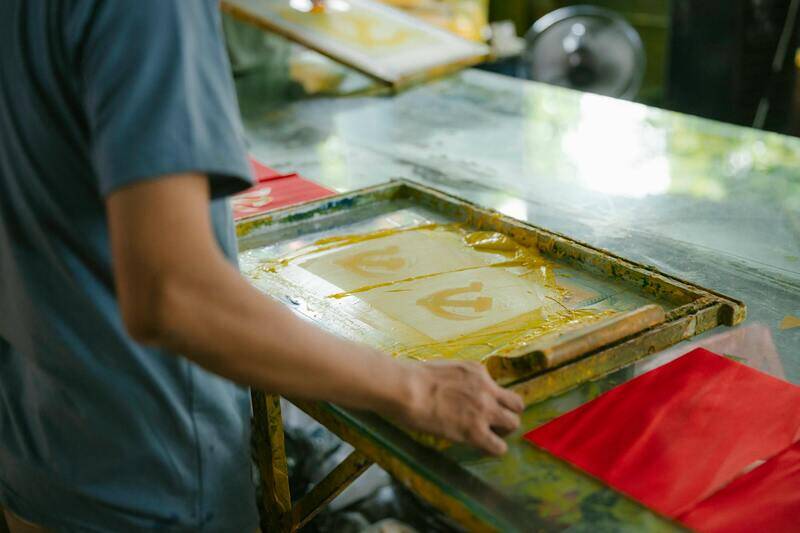
In terms of printing techniques, offset printing remains a staple for high-volume, consistent quality outputs, particularly for catalogues, large batch posters, or packaging. Digital printing advances provide quick turnaround times and cost-effectiveness for small to medium runs, personalized items, and prototypes. Additionally, special printing methods such as screen printing, flexography, or pad printing are employed for textured effects, vibrant colors on non-paper surfaces, or customized branding on various products.
Techniques like UV coating, aqueous coating, and varnishing add protective finishes and visual enhancement, elevating the professionalism of printed pieces. Embossing, debossing, foil stamping, and spot UV effects further add tactile sensations and visual depth, making printed materials more engaging and memorable.
Customization and Design Services
Many Singapore-based printing companies extend beyond mere printing, offering comprehensive customization and design services to bring creative visions to life. Their in-house design teams work synergistically with clients, utilizing state-of-the-art design software to develop compelling graphics aligned with branding strategies. This collaborative approach ensures that every detail, from color schemes to typography, meets specified goals and maintains brand consistency.
Customization options encompass a variety of features. These include selecting specific finishes such as matte, gloss, or textured coatings, as well as bespoke sizes, shapes, and materials to fit unique purposes. Advanced digital workflows facilitate quick revisions, proofs, and samples, streamlining the transition from concept to finished product.
Fabrication of custom packaging boxes, product labels, and promotional items further demonstrates the flexibility of these services. Such tailored solutions enhance product presentation, reinforce brand identity, and attract consumer attention in increasingly competitive markets.

Environmental Sustainability in Printing
As awareness of environmental impact heightens, many printing companies in Singapore embrace eco-friendly practices to reduce their carbon footprint. This commitment involves selecting sustainable materials, such as FSC-certified papers, biodegradable plastics, and recycled substrates, which contribute to conservation efforts without compromising quality.
Further, environmentally conscious printing techniques include the use of soy-based inks, water-based coatings, and energy-efficient machinery. Digital printing methods tend to generate less waste compared to traditional offset processes, aligning with sustainability goals and cost savings.
Many service providers also participate in initiatives to minimize waste through efficient workflow management, recycling programs, and responsible disposal of chemicals and excess materials. Clients can opt for environmentally responsible printing choices that dovetail with their corporate social responsibility objectives, reinforcing their commitment to sustainability while producing visually impactful materials.
Materials and Printing Techniques
Understanding the variety of materials and printing techniques available is crucial when choosing a reliable printing company. The choice of material influences the durability, appearance, and overall impact of the final printed product. Common materials include various types of paper such as gloss, matte, semi-gloss, and textured finishes, each offering unique aesthetics suited to different applications. For packaging, kraft paper, cardboard, and corrugated boards are frequently utilized for their strength and eco-friendly qualities. In addition to paper, substrates like vinyl, fabric, metal, and plastic are often used for specialized items such as banners, promotional merchandise, and signage.
Printing techniques significantly affect the quality and efficiency of production. Offset printing remains a popular choice for high-volume, high-precision projects, offering excellent color consistency and sharp image reproduction. Digital printing, on the other hand, provides flexibility for short runs and quick turnaround times, often at a lower cost. Techniques like screen printing excel in creating vibrant designs on textiles and surfaces requiring thick ink layers, while flexography is optimal for large-scale packaging materials due to its fast processing capabilities.
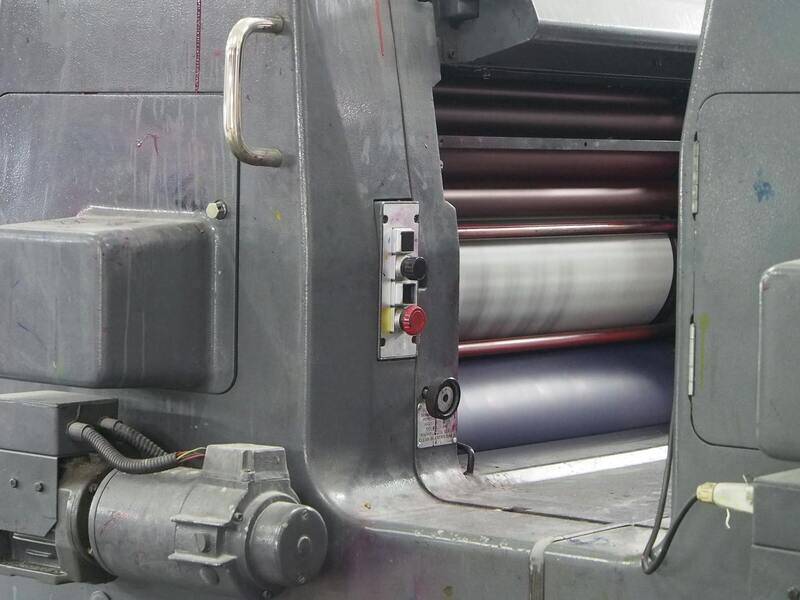
Precision in material selection and printing method ensures that printed materials meet specific functional and aesthetic requirements. Consulting with experienced printing professionals can help identify the most suitable options based on project scope, budget, and intended use.
Customization and Design Services
Most reputable printing companies offer comprehensive customization and design assistance to help clients develop impactful visual materials. From branding elements like logos and color schemes to complex graphic layouts, design specialists collaborate closely with clients to realize their vision. Advanced software tools and expertise in visual composition enable the creation of cohesive, attention-grabbing printed assets.
Services often include:
- Graphic design and layout development
- Brand identity integration
- Template creation for consistency across materials
- Proofing and sample printing for approval
Several companies provide online design tools for clients who prefer a hands-on approach or require simple modifications. This collaborative process ensures that the final product aligns with brand standards and marketing objectives, enhancing overall effectiveness.
Environmental Sustainability in Printing
As part of responsible business practices, many printing firms are adopting sustainability measures that minimize environmental impact. The use of eco-friendly materials such as FSC-certified papers, recycled plastics, and biodegradable inks not only supports conservation efforts but also communicates corporate social responsibility to clients. Soy-based and water-based inks offer vibrant color output while reducing toxic emissions.
Innovative printing methods, like digital printing, generate less waste than traditional offset processes. Energy-efficient machinery and optimized workflow management further contribute toward reducing a company's carbon footprint. Recycling and waste management protocols are integral components of eco-conscious operations, ensuring responsible disposal of chemicals and excess materials.

Choosing environmentally responsible printing options demonstrates a commitment to sustainability, aligning with broader corporate social responsibility goals while producing high-quality, visually compelling materials.
Types of Printing Services Offered
In the dynamic landscape of the printing industry, a reputable printing company typically offers an extensive array of services tailored to meet diverse business and personal needs. Common offerings include digital printing, offset printing, large format printing, and specialized finishing techniques. Digital printing is ideal for short runs due to its speed and cost-efficiency, making it suitable for promotional materials such as flyers, business cards, and posters. Offset printing, on the other hand, excels in high-volume production with superior color fidelity, often preferred for packaging, brochures, and annual reports. Large format printing caters to outdoor banners, trade show displays, and branding murals, utilizing wide-format printers capable of producing high-resolution images on various substrates.
Additional specialized services include UV coating for enhanced durability, die-cutting for custom shapes, embossing and debossing for textured effects, and laminating to protect printed materials. Many companies also provide bindery and finishing options such as saddle stitching, perfect binding, and booklet making, which help transform simple prints into professional-grade marketing tools or presentation materials.
It is essential to select a printing company that can provide comprehensive solutions under one roof, streamlining the production process and ensuring consistency across various printed pieces. Moreover, the adoption of advanced printing technologies facilitates rapid turnaround times without compromising quality—an essential factor in fast-paced marketing campaigns and urgent project deadlines.
Key Factors to Consider When Selecting a Printing Company
Choosing the right printing partner involves evaluating multiple criteria that impact the quality, efficiency, and overall success of your printed materials. Foremost is the company's reputation and track record in delivering consistent results. Client testimonials and portfolio samples serve as valuable indicators of their capabilities and standards.
- Technology and Equipment: Cutting-edge machinery ensures precise color matching, sharp image resolution, and versatile material handling. Modern printers with automation features minimize errors and reduce production times.
- Quality Control Processes: Comprehensive QC protocols, including color calibration and material inspections, guarantee that each print meets specified standards.
- Turnaround Time: Reliable scheduling is crucial, especially for urgent campaigns. Confirm the company's capacity to meet deadlines without sacrificing quality.
- Customer Service and Support: Effective communication channels, transparent pricing, and after-sales service are vital components of a positive working relationship.
- Certifications and Standards Compliance: Accreditation from recognized industry bodies reflects adherence to quality and safety standards.
Materials and Printing Techniques
Understanding the materials and techniques used by a printing company helps ensure your projects achieve the desired appearance and durability. Common substrates include paper varieties such as gloss, matte, silk, and textured finishes, as well as plastics, fabrics, and specialty materials for unique applications.
Printing techniques range from traditional offset to modern digital methods. Offset printing produces rich, vibrant images suitable for large-volume runs, utilizing plates and inks for consistent results. Digital printing offers flexibility and faster output, ideal for small batches or customized pieces. Screen printing excels in producing bold graphics on various surfaces, especially textiles and promotional goods. UV printing provides enhanced durability and glossy finishes, making it suitable for outdoor signage and long-lasting displays.

Customization and Design Services
Many printing companies extend beyond basic printing to include comprehensive design and customization services. These offerings encompass layout creation, image retouching, pre-press adjustments, and personalized artwork revisions. Such support ensures that clients' branding and messaging are accurately reflected in the final product, fostering brand consistency.
Advanced design tools and collaborative platforms allow clients to visualize their concepts before printing, minimizing revisions and ensuring satisfaction. Additionally, some companies provide specialist services such as embossing, foil stamping, and spot UV coating, which add a tactile dimension and visual intrigue to printed materials.
Environmental Sustainability in Printing
Eco-conscious printing practices have gained prominence, aligning operational procedures with sustainable development goals. Leading printing firms incorporate environmentally responsible methods, including the use of FSC-certified papers, recycled substrates, and biodegradable inks. Soy-based and water-based inks deliver vibrant color output while reducing harmful emissions during production and printing processes.
Adopting digital printing methods reduces waste generated from excess production, streamlining resource usage. Energy-efficient machinery and workflow management further lower the environmental footprint. Recycling protocols for chemicals, inks, and excess materials help ensure responsible disposal, contributing to a greener supply chain.
Pricing Structures and Budgeting
Understanding a printing company's pricing model is key to effective budget planning. Factors influencing costs include the choice of materials, print volume, color complexity, finishing requirements, and turnaround times. Many providers offer tiered pricing, volume discounts, or project-based quotes, allowing clients to select options that align with their financial constraints.
Transparent pricing with detailed breakdowns helps prevent unforeseen expenses and facilitates accurate budgeting. Additionally, requesting quotes based on sample proofs enables clients to evaluate cost versus quality trade-offs before committing to large orders.
Delivery and After-Sales Support
Efficient logistics and reliable distribution channels are critical for timely project completion. Leading printing companies coordinate carefully to ensure on-time delivery, leveraging local courier partnerships and tracking systems. Packaging is also tailored to protect products during transit, especially for delicate or large-format items.
Post-production support includes comprehensive after-sales service, such as reprints, defect resolution, and ongoing client assistance. Strong communication lines foster trust and facilitate seamless handling of revisions or urgent requests, ensuring clients' ongoing satisfaction with their printing solutions.
