Understanding Custom Banner Printing
Custom banner printing is a specialized service that transforms your specific design ideas into vibrant, durable banners tailored to meet the unique needs of your business, event, or promotional campaign. Unlike standard banners that come in generic sizes and designs, custom banners offer a high degree of flexibility in terms of dimensions, materials, and artwork, ensuring your message is conveyed effectively and professionally.
These banners are widely used across various industries and events, including trade shows, retail promotions, corporate gatherings, and community celebrations. The ability to customize your banners allows for precise branding, including logos, slogans, images, and other essential visual elements. This targeted approach enhances visibility and engagement, making custom banners an invaluable tool for marketing and communications.
One of the primary advantages of opting for customized banners is the control over aesthetic and messaging. You can select specific colors, fonts, and graphics to align with your brand identity or campaign goals. High-quality custom banners also ensure longevity and resilience against weather conditions, especially when produced with durable materials and advanced printing techniques.
Furthermore, custom banner printing offers flexibility in size and design complexity, making it suitable for a broad range of uses—from small indoor displays to large outdoor advertisements. This adaptability allows organizations and individuals to craft visually impactful banners that effectively attract attention and communicate their intended message.
In terms of application, custom banners serve a variety of purposes, such as announcing grand openings, promoting sales, celebrating milestones, or establishing environmental branding at events. Their versatility coupled with tailored design options makes them a vital component of comprehensive marketing and event strategies.
Choosing the right custom banner printing provider is crucial to ensuring quality results. Professional services utilize advanced printing techniques and high-grade materials to produce banners that not only look striking but also withstand environmental elements, maintaining their visual appeal over time.
Choosing the Appropriate Materials for Custom Banners
When selecting materials for custom banner printing, understanding the environment in which the banner will be displayed is essential. Each material offers unique properties that can influence longevity, appearance, and overall effectiveness of the banner. Durable, weather-resistant materials such as vinyl and mesh are commonly preferred for outdoor applications, providing resilience against rain, wind, and sunlight. Vinyl banners are especially popular due to their robustness, flexibility, and ability to hold vibrant inks without fading. Fabric banners, often made from polyester or nylon, are ideal for indoor settings or high-end events where a sophisticated look is desired. They are lightweight, easily foldable, and tend to feature a softer appearance that enhances visual appeal. Mesh banners, characterized by their porous nature, are advantageous in windy outdoor locations, as they allow wind to pass through, reducing stress on mounting points. Choosing the right material is also influenced by the intended longevity of the banner. For temporary campaigns or short-term events, lightweight options like paper or vinyl with UV coatings might suffice. Conversely, for long-term installations, reinforced materials with weatherproofing treatments ensure the banner maintains its quality over extended periods. Moreover, environmental considerations are increasingly shaping material choices. Recyclable and eco-friendly materials are gaining ground in custom banner production, aligning with sustainable practices and corporate responsibility objectives. Below are some commonly used materials and their typical applications:
- Vinyl: Best for outdoor ads, durable and weather-resistant.
- Fabric: Suitable for indoor displays, exhibits, and premium signage.
- Mesh: Ideal for windy areas, allowing airflow to reduce wind damage.
- Paper or Cardboard: Used for temporary indoor promotions or short-term displays.
Impact of Surface and Printing Techniques on Final Quality
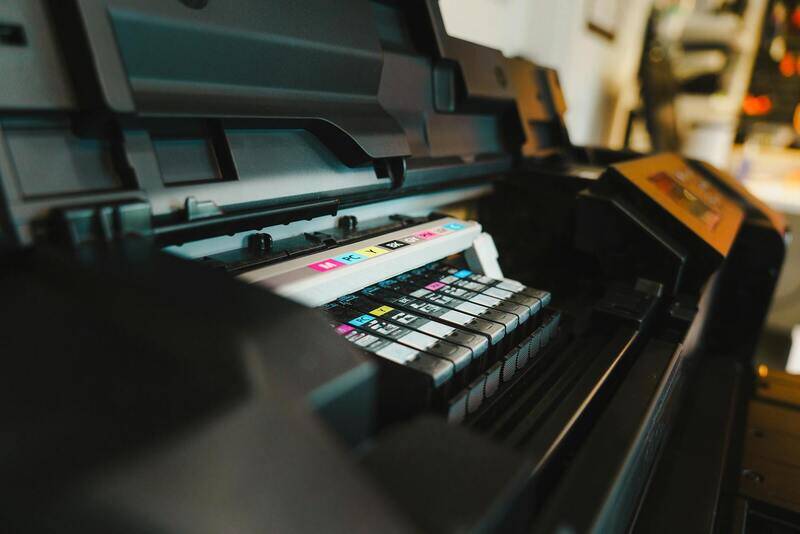
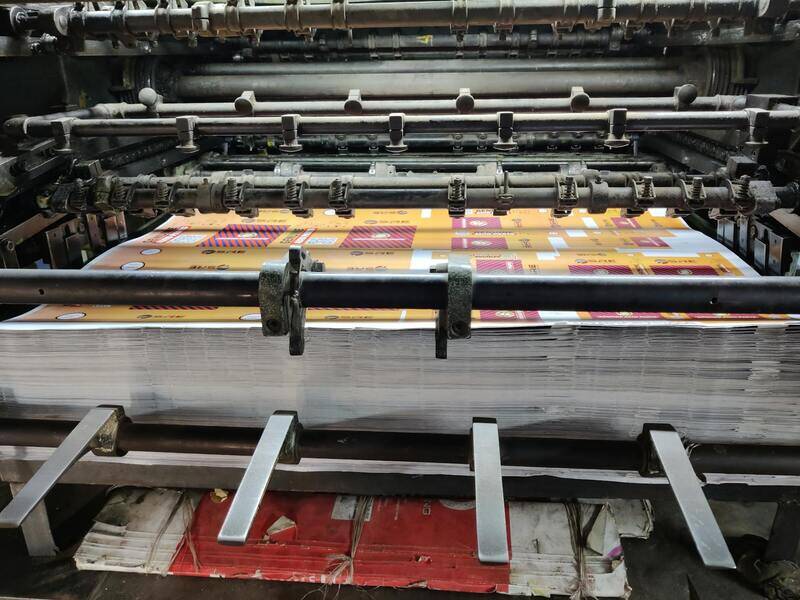
The surface of the chosen material directly influences the appearance of printed banners. Smooth surfaces, such as gloss vinyl, enhance color vibrancy and sharpness, making graphics stand out. Matte finishes minimize glare, making banners easier to view under bright lighting conditions. Advanced printing techniques further elevate the quality and durability of custom banners. Solvent printing, UV printing, and dye-sublimation are among the technologies employed to achieve vibrant, crisp images with excellent color accuracy. Solvent printing is renowned for producing weather-resistant banners with high-resolution graphics suitable for outdoor use. UV printing offers quick-drying results and is capable of printing on a variety of substrates, including fabrics and plastics, with superb color retention. Dye-sublimation, primarily used on fabric banners, infuses dyes directly into the material, creating a long-lasting, fade-resistant image. Selecting the proper surface finish and printing technique is vital to maximize visual impact and ensure the banner withstands environmental factors over time. Consulting with experienced printing professionals can aid in choosing the most appropriate combination tailored to specific project needs.
Understanding Custom Banner Printing
Custom banner printing represents a strategic visual communication method used across various industries and events. When developing a banner, it is essential to consider the balance between design, durability, and environmental suitability. By understanding the intricacies of the process, businesses and organizations can effectively utilize banners to enhance visibility and promote their messages seamlessly.
In essence, the process involves selecting suitable materials, employing appropriate printing techniques, and executing designs that resonate with target audiences. The choice of the right method depends on factors such as expected display duration, outdoor versus indoor placement, and visual impact requirements. When properly executed, custom banners serve as versatile tools for branding, advertising campaigns, or event promotion, delivering impactful messages that capture attention effortlessly.
It's critical for businesses to collaborate with reputable printing professionals who have extensive experience in fabricating banners that meet specific needs. Expert input on material selection, sizing, and finishing options ensures the final product aligns perfectly with the intended purpose, location, and environmental factors. Moreover, understanding the nuances of printing processes enables clients to make informed decisions, resulting in banners that are visually appealing and capable of withstanding weather conditions when used outdoors.
Impact of Material Selection on Custom Banner Outcomes
The quality and durability of a custom banner heavily depend on the choice of materials. Various options are available, each suited for different environments and purposes:
- Vinyl:** This is the most common material used for outdoor banners due to its robustness and resistance to weather elements. It provides a smooth surface ideal for high-resolution graphics, ensuring vibrant and crisp images.
- Mesh Fabric: Designed with tiny holes, mesh banners allow wind to pass through, reducing stress on the material during outdoor display. Ideal for large-scale signage exposed to wind-heavy areas.
- Fabric: Typically used for indoor banners, fabrics such as polyester or linen offer a sophisticated appearance, perfect for exhibitions or high-end promotional displays. Dye-sublimation printing on fabric results in rich colors and long-lasting images.
- Paper and Cardboard: Suitable for temporary indoor use, such as point-of-sale displays or short-term promotions. These are less durable but cost-effective for quick setups.
Advanced Printing Techniques Enhancing Banner Quality
The printing method significantly influences the visual quality and longevity of custom banners. Modern technologies used include solvent printing, UV printing, and dye-sublimation — each offering unique advantages:
- Solvent Printing: Ideal for outdoor banners due to its weather-resistant properties. It produces high-resolution, vibrant images capable of withstanding exposure to sunlight, rain, and wind.
- UV Printing: Known for quick drying and the ability to print on a wide range of surfaces including plastics, wood, and fabric. This technique offers excellent color retention and durability, making it suitable for both indoor and outdoor applications.
- Dye-Sublimation: Primarily used on fabric, this method infuses dye directly into the material, resulting in vivid, fade-resistant images with a smooth finish. It is preferred for creating high-quality, photographic banners.
Careful consideration of the printing technique aligned with material choice ensures that the banner not only looks impressive but also retains its visual appeal over time regardless of environmental factors. Professional consultation plays a vital role in selecting the appropriate technology to meet specific project demands.
Ensuring Quality and Durability Through Proper Printing Techniques
To produce banners that are both visually striking and long-lasting, selecting the right printing technology is crucial. Each method offers distinct benefits tailored to specific needs, environments, and budget considerations.
Digital Printing stands out for its versatility and ability to produce high-resolution images with vibrant colors. It is widely used for short runs or highly detailed graphics, making it a popular choice for promotional banners that require rapid turnaround times. This method excels in reproducing complex images and gradients, ensuring sharpness and color accuracy.
Screen Printing is often selected for designs with limited color palettes or large quantities. It applies ink through a mesh stencil, producing bold, opaque images with a tactile finish. Though less suitable for detailed photographic prints, screen printing offers excellent color consistency and durability, especially on fabric or vinyl surfaces at a cost-effective rate for bulk orders.
solvent printing is specially formulated for outdoor banners. The inks used are weather-resistant and capable of withstanding exposure to sunlight, rain, and wind without fading. This method produces highly detailed and vibrant images that maintain their appearance over extended periods of outdoor display.
UV printing employs ultraviolet light to cure inks instantly, resulting in quick-drying, vivid images on a variety of surfaces such as plastic, wood, and fabric. Its durability makes it ideal for indoor and outdoor banners needing high impact and longevity.
Dye-sublimation is primarily used with fabric materials, infusing dyes directly into the fabric fibers. This technique creates rich, fade-resistant images with smooth finishes, making it especially suitable for photographic or artistic banners intended for indoor environments or short-term outdoor use.
Choosing the appropriate combination of material and printing technology is essential for achieving the desired visual impact and ensuring the banner retains its appeal over time. Engaging with professionals for expert consultation can help tailor the printing process to match specific requirements, environmental conditions, and budget constraints.
Understanding Custom Banner Printing
Custom banner printing serves as a vital marketing asset, enabling businesses and organizations to communicate their messages effectively in both indoor and outdoor environments. The process involves translating a visual concept into a tangible, durable display that captures attention, conveys branding, and promotes events or campaigns. An essential aspect of successful banner creation lies in understanding the technical nuances of the printing process, the appropriateness of materials, and the integration of design elements to maximize visual impact.
Types of Banners and Materials Used
Choosing the right type of banner and material depends on the intended use, location, and duration of display. Common types include:
- Vinyl Banners: Known for durability and weather resistance, vinyl banners are versatile and widely used for outdoor advertising. They come in various thicknesses, with thicker options offering enhanced robustness.
- Canvas Banners: Ideal for artistic displays or indoor use, canvas banners provide a premium look with a textured surface that lends a sophisticated aesthetic.
- Mesh Banners: Featuring small perforations, mesh banners are suitable for windy outdoor conditions, allowing air to pass through while maintaining visibility of the message.
- Fabric Banners: Often used for trade shows or events, fabric banners are lightweight, reusable, and capable of high-quality printing with vibrant colors.
Design Considerations for Custom Banners
Effective banner design hinges on several key principles:
- Simplicity: Clear, concise messages communicate quickly. Avoid clutter and focus on the core message or brand logo.
- Contrast and Colors: Utilize high-contrast colors to enhance readability from a distance. Select color schemes aligned with branding guidelines.
- Font Selection: Use large, legible fonts that are easy to read even at a glance. Limit font varieties to maintain visual coherence.
- Images and Graphics: Incorporate high-resolution images to ensure clarity. Avoid pixelation by supplying files in appropriate formats and sizes.
- Layout and Composition: Balance images and text harmoniously, ensuring the focal points are prominent and guiding viewers’ eyes naturally across the banner.
Printing Technologies and Techniques
A variety of printing methods are employed to produce banners with different visual effects and durability levels. Selection depends on material compatibility, desired visual quality, and environmental exposure. Among the most prevalent techniques are:
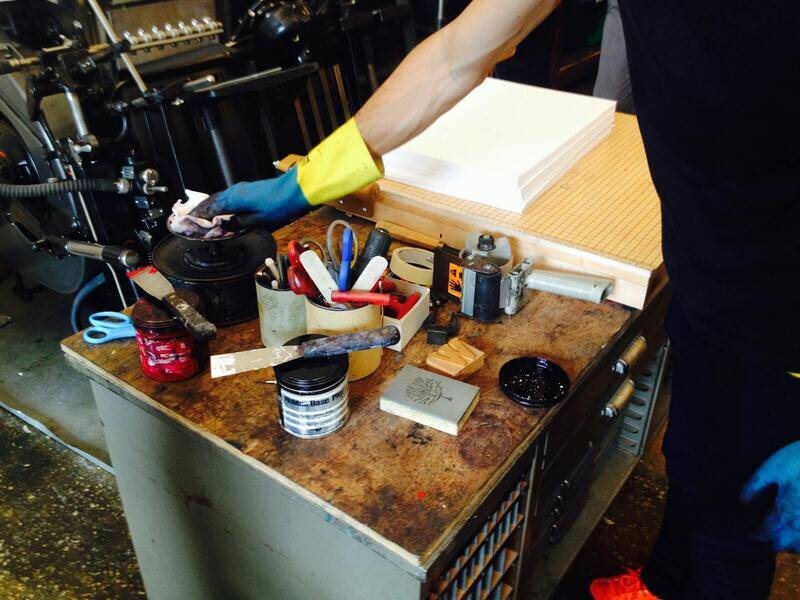
- Solvent Printing: Specially formulated for outdoor banners, solvent inks are weather-resistant and capable of withstanding prolonged exposure to sunlight and rain. They produce vibrant and detailed images suitable for large-format outdoor displays.
- UV Printing: Using ultraviolet light to cure inks instantly, UV printing delivers vivid, long-lasting images on multiple surfaces. Its quick drying time and durability make it ideal for high-traffic indoor or outdoor environments.
- Dye-Sublimation: Primarily applied to fabric banners, this method infuses dyes directly into the fibers, resulting in rich, fade-resistant images with smooth color transitions. It’s especially suitable for artistic or photographic banners.
- Screen Printing and Digital Printing: Offering cost-effective solutions for bulk orders and highly detailed designs, these methods are often used for simpler graphics or logos on fabric or vinyl surfaces.
Correlating the choice of printing technique with the material and intended environment ensures the banner maintains its visual appeal over time, effectively supporting promotional efforts.
Installation and Maintenance of Custom Banners
Proper installation is essential to maximize the visual impact and longevity of custom banners. The choice of mounting surfaces and hardware plays a significant role in ensuring stability, safety, and aesthetic appeal. For outdoor environments, banners should be affixed using durable hardware capable of withstanding weather conditions such as wind, rain, and UV exposure. Use of grommets, zip ties, or heavy-duty hooks can facilitate secure attachment to various surfaces like walls, fences, or frames.
Internal banners, such as those displayed indoors or in controlled environments, can often be hung with less robust fixtures like adhesive hooks or wire systems. It’s important to ensure that banners are installed without causing damage to the material, especially when handling delicate fabrics or vinyl surfaces. Leveling and tensioning the banner correctly prevent issues like sagging or wrinkling, which could diminish visual effectiveness.
Regular maintenance extends the lifespan of custom banners. Routine cleaning with mild soap and water typically suffices for most materials. Avoid abrasive cleaners or harsh chemicals that may cause fading or deterioration. For outdoor banners, periodic inspection for signs of wear—such as tears, fading, or loose hardware—is advisable, particularly after severe weather events. Prompt repairs or replacements help maintain the banner’s performance and appearance over time.
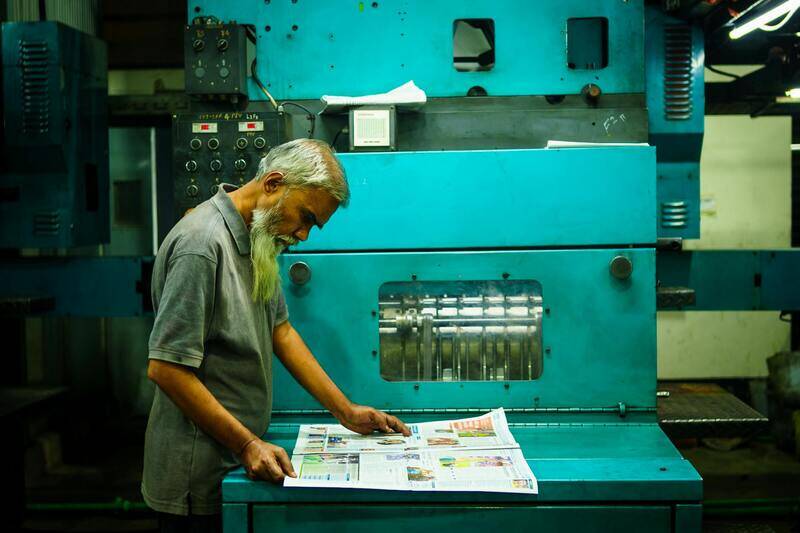
Investing in professional installation services can ensure that banners are mounted securely and aesthetically. Experienced installers understand the best practices for various surface types and environmental conditions, reducing potential issues and optimizing the display’s effectiveness. Additionally, they can advise on appropriate hardware choices and tensioning methods to prevent premature wear.
Maintenance also involves protection against common issues such as UV damage, dirt, and environmental pollutants. Applying protective coatings or anti-fade laminates can shield banners from sun damage and weathering, preserving their colors and structural integrity. For fabric banners, storing them in dry, cool places when not in use prevents mold and degradation. This preventive care ensures that your custom banners remain vibrant and effective for extended periods.
Understanding Custom Banner Printing
Custom banner printing involves a precise process that combines high-quality materials, advanced printing techniques, and tailored design specifications to produce visual assets that effectively communicate your message. The process begins with selecting the appropriate materials, which are then transformed into vibrant, durable banners through sophisticated printing methods. Each step is meticulously executed to ensure that the final product not only meets aesthetic expectations but also withstands various environmental conditions, especially for outdoor displays.
Types of Banners and Materials Used
There is a diverse array of banners suited to different needs and environments:
- Vinyl Banners: These are among the most popular options due to their versatility. Made from durable PVC, vinyl banners are weather-resistant and ideal for outdoor use. They can be coated with a matte or glossy finish, enhancing their visual appeal.
- Mesh Banners: Featuring small perforations, mesh banners allow wind to pass through, making them suitable for large-scale outdoor advertising in windy areas. Their breathability reduces stress on the banner’s structure.
- Fabric Banners: Typically printed on polyester or other specialized textiles, fabric banners offer a premium look with vibrant colors and smooth finishes. They are often used indoors for trade shows or events.
- Roll-up Banners: Portable and lightweight, these retractable banners are frequently used for quick setups at promotional events and outdoor campaigns.
Choosing the right material depends largely on the intended use, environmental exposure, and desired lifespan of the banner. For instance, while vinyl is excellent for long-term outdoor applications, fabric banners are preferred for indoor displays where elegance is prioritized.
Design Considerations for Custom Banners
Effective banner design hinges on clarity, visual hierarchy, and brand consistency. It is crucial to:
- Prioritize Readability: Use bold, legible fonts and high-contrast colors to ensure the message is easily seen from a distance.
- Use Striking Visuals: Incorporate high-resolution images and graphics that align with the message and attract attention.
- Maintain Simplicity: Avoid clutter by limiting text and focusing on key messages. The design should convey the main points at a glance.
- Adhere to Brand Guidelines: Utilize brand colors, logos, and fonts to maintain consistency and reinforce brand identity.
- Optimize for Size: Adjust design elements proportionally based on the final banner size to prevent distortion and ensure clarity.
Printing Technologies and Techniques
The quality and durability of custom banners largely depend on the printing technology used:
- UV Printing: Uses ultraviolet light to cure ink instantly, resulting in vibrant, weather-resistant images suitable for outdoor banners.
- Solvent/Eco-Solvent Printing: Employs solvent-based inks that embed into the material, providing excellent adhesion and longevity for outdoor environments.
- Latex Printing: Utilizes water-based inks that are eco-friendly and deliver high-resolution results with good flexibility, ideal for various banner materials.
- UV-Curable Inkjet Printing: Offers precision and vibrant colors with strong adhesion, suitable for intricate designs and detailed artwork.
Selecting the appropriate technology hinges on factors such as environmental exposure, desired print quality, and turnaround time. Advanced techniques also allow for special effects like gloss finishes or textured surfaces, enhancing the overall impact of the banner.
Understanding Custom Banner Printing
Custom banner printing serves as a powerful method for businesses, organizations, and individuals to communicate messages effectively in both indoor and outdoor settings. To achieve optimal results, it is essential to understand the various printing options, materials, and techniques involved. With the right approach, custom banners can capture attention, reinforce branding, and deliver promotional messages that leave a lasting impression.
Types of Banners and Materials Used
Selection of the appropriate banner type and material plays a crucial role in the overall effectiveness and durability of the print. Common types include:
- Vinyl Banners: Highly versatile and weather-resistant, ideal for outdoor use. They come in various thicknesses such as 13 oz or 15 oz, providing durability against environmental elements.
Made with perforated material that allows wind to pass through, reducing the risk of tearing, suitable for large outdoor displays. - Crafted from polyester or similar fabrics, offering a refined appearance with vibrant color reproduction, often used for indoor events.
- Self-Adhesive Banners: Stick directly onto surfaces, suitable for short-term or temporary displays.
Material choice influences not only aesthetics but also longevity and ease of installation. High-quality vinyl and mesh materials are frequently chosen for their resilience in outdoor environments, while fabric options serve indoor or special event purposes.
Design Considerations for Custom Banners
Effective banner designs utilize clear visuals and concise messaging. Key considerations include:
- Simplicity: Limit text to essential information, ensuring readability from a distance.
- Brand Elements: Incorporate consistent logos, color schemes, and fonts to reinforce brand recognition.
- Color Contrast: Use high contrast between text and background to enhance visibility.
- Proportional Design: Scale graphics and text proportionately according to the banner size to maintain clarity.
- Call to Action: Include direct instructions or contact details to encourage viewer engagement.
Printing Technologies and Techniques
The durability and vibrancy of custom banners are heavily dependent on the chosen printing technology. Common methods include:
- UV Printing: Employs ultraviolet light to instantly cure ink, resulting in vivid, weather-resistant imagery perfect for outdoor installations.
- Solvent / Eco-Solvent Printing: Uses solvent-based inks that penetrate the material, offering excellent adhesion, flexible application, and weather resistance.
- Latex Printing: Based on water-soluble inks, this technology provides high-resolution images with excellent flexibility and eco-friendliness.
- UV-Curable Inkjet Printing: Delivers precise, detailed artwork with vibrant colors and strong adhesion, ideal for intricate designs and textured surfaces.

Custom Banner Sizes and Specifications
Choosing the right size for a banner depends on its placement, viewing distance, and purpose. Typical sizes include:
- Small Banners (2ft x 4ft): Suitable for indoor displays or booth signage.
- Medium Banners (4ft x 8ft): Common for storefront promotions and event banners.
- Large Banners (6ft x 12ft or more): Designed for outdoor visibility in high-traffic areas.
Minimum and maximum specifications vary based on materials and printing equipment, but professional printers can accommodate a wide range of custom dimensions to meet unique requirements.
Installation and Maintenance
Proper installation ensures maximum visibility and longevity of your banner. Consider the following:
- Mounting Methods: Use grommets, banners ties, or adhesive solutions suitable for the surface and environment.
- Environmental Factors: Secure banners tightly to prevent flapping or damage caused by wind or adverse weather.
- Cleaning and Care: Regularly clean with mild soap and water. Avoid abrasive cleaners that could damage the material or print.
- Storage: When not in use, store banners rolled or flat in a cool, dry place to prevent material degradation.

Cost Factors and Budgeting
The overall expense of producing a custom banner hinges on multiple variables:
- Size and Dimensions: Larger banners demand more material and higher printing costs.
- Material Choice: Premium materials like heavy-duty vinyl or fabric incur higher expenses compared to standard options.
- Design Complexity: Intricate artwork or custom finishes like gloss or textured effects can increase production costs.
- Printing Technology: Advanced techniques such as UV-curing or eco-solvent printing are typically more expensive but offer superior durability and color precision.
- Quantity: Bulk orders often benefit from volume discounts, reducing the per-unit cost.