
Choosing the Right Paper and Finishes for Professional Brochure Printing
Selecting the appropriate paper and finishes is a fundamental aspect of producing high-quality business brochures. The choice of material directly impacts the visual appeal, tactile experience, and durability of the final product. When aiming for a professional presentation, businesses must consider various paper qualities, coatings, and finishing options that not only enhance aesthetics but also withstand handling and environmental factors.
In professional brochure printing, paper thickness, often measured in weight (gsm), plays a vital role in conveying the message's seriousness and importance. Thicker, heavier paper stocks tend to project a premium image and offer additional durability, which is ideal for marketing materials that require frequent handling or distribution. For instance, a 300gsm or higher cardstock provides rigidity and a high-end feel, making it suitable for cover pages and inserts.
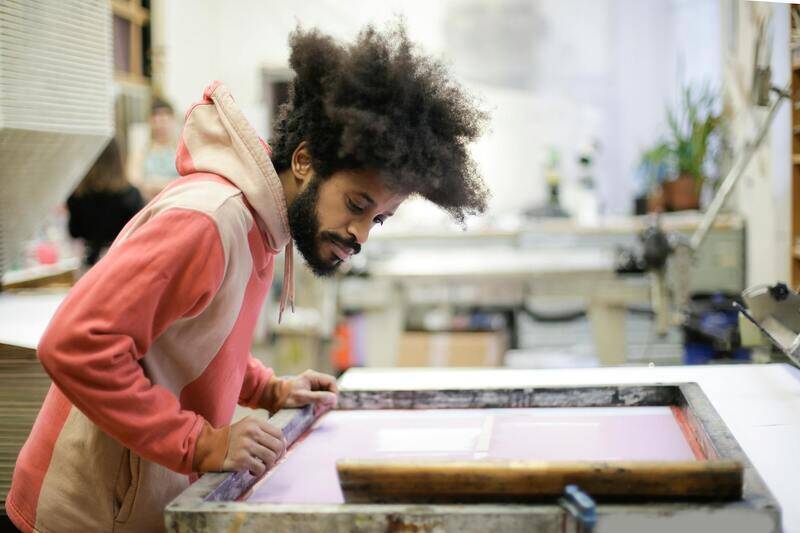
Beyond the weight, the type of paper finish influences the overall presentation. Matte finishes deliver a sophisticated, non-reflective surface that minimizes glare, perfect for text-heavy brochures. Glossy finishes, on the other hand, amplify colors and images, making photographs and vibrant graphics pop to capture attention swiftly. Satin or semi-gloss finishes offer a balanced option, combining the richness of gloss with a softer, less reflective surface.
Coatings and finishes further extend the longevity of brochures by providing resistance against scratches, moisture, and fingerprints. UV coatings are often applied for added protection and to achieve a high-gloss look, suitable for showcasing high-resolution images. Spot UV effects allow selective highlighting of specific areas, such as logos or call-to-action sections, adding an element of sophistication.
Embossing and foil stamping are advanced finish options used to create textured or metallic effects, respectively. These techniques lend a tactile dimension and elevate the perceived value of the brochures, aligning with brands that aim to communicate exclusivity or premium quality. Such finishes are particularly beneficial for luxury brands, real estate companies, or any enterprise seeking to leave a memorable impression.
Choosing the right combination of paper and finish requires careful consideration of the brochure’s purpose, target audience, and distribution environment. Based on these factors, professional printers can advise on the optimal choices to ensure the printed materials stand out while maintaining robustness during handling and transit.
Ultimately, investing in high-quality paper stocks and finishes enhances not only the visual presentation but also the tactile experience, reinforcing a brand’s professionalism and attention to detail. The selection process should be guided by a clear understanding of the brochure’s intent and how the physical qualities of the materials can support that message.
Understanding the Range of Paper Options for Professional Brochure Printing
When selecting materials for brochure printing, the choice of paper is a fundamental factor that influences not only appearance but also the overall durability of the finished product. A wide spectrum of paper stocks is available, each designed to meet specific needs and presentation styles. Standard options like matte, gloss, and satin finishes serve different purposes, from reducing glare for easy reading to creating eye-catching high-gloss surfaces that enhance visual vibrancy. For luxury or premium brand brochures, thicker, textured papers such as linen or silk finishes can convey sophistication and tactile richness.
Daarnaast bieden gespecialiseerde papieropties zoals recycled materials voor milieubewuste merken, of stiffboard voor tactiele en duurzame toepassingen. Het selecteren van het juiste papier moet afgestemd zijn op de doelgroep, het gebruik en de distributieomgeving. Zo profiteren brochures die bedoeld zijn voor buitengebruik van waterbestendige en scheurvaste papieropties die bestand zijn tegen natuurlijke elementen. Professionele drukkerijen in Singapore kunnen advies geven over het meest geschikte papier dat de boodschap versterkt en de presentatie optimaliseert, terwijl het ook de praktische aspecten zoals vouwbaarheid en transportbestendigheid in overweging neemt.
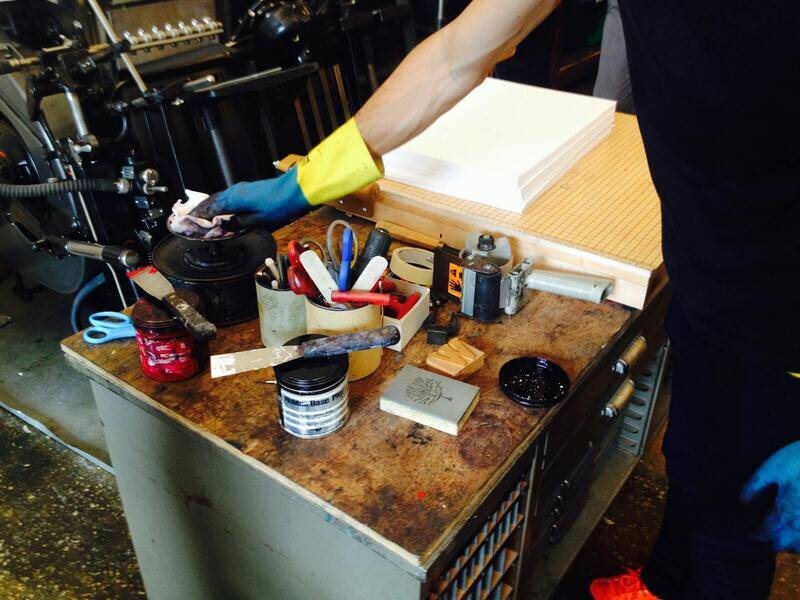
Het belang van Finishing Touches en Coatings
Naast keuze van het papier speelt de afwerking een cruciale rol in het laten opvallen van een brochure. Uv-coatings kunnen een glanzende, duurzame afwerking bieden die de impressie versterkt en extra bescherming biedt tegen vlekken en schade. Spot UV, waarbij specifieke delen van de brochure zoals logo’s of call-to-action segmenten worden benadrukt, biedt een hoge mate van verfijning en visueel onderscheidend vermogen.
Voor een meer tastbare en exclusieve uitstraling kunnen technieken zoals embossing of foil stamping worden toegepast. Embossing creëert een verhoogde hartlijn, waardoor bepaalde elementen letterlijk uit het papier lijken te komen. Foil stamping voegt een metallic glans toe, waardoor het ontwerp een luxe uitstraling krijgt. Deze technieken zijn ideaal voor high-end merken die een sterke visuele impact willen maken en hun premium positionering willen ondersteunen.
Verhoogde duurzaamheid en bescherming met speciale coatings
Naast esthetiek is duurzaamheid een andere belangrijke factor die wordt beïnvloed door de keuze van afwerkingen. Beschermende coatings zoals matte of glanzende laminaatlagen helpen de brochure beschermen tegen vlekken, vegen en slijtage tijdens het gebruik en transport. Matlaminaat geeft een discretere, professionele uitstraling en vermindert vingerafdrukken, terwijl glanscoatings juist de kleuren en het ontwerp versterkt voor een levendig resultaat.
Wanneer brochures worden blootgesteld aan ruwe omgevingen of langdurige distributie, is het essentieel om de juiste finishing optieg te selecteren om de kwaliteit en presentatie lange tijd te behouden. Deskundige printers kunnen adviseren over combinaties van papier en afwerkingen die het beste aansluiten bij de gewenste uitstraling en praktische vereisten.
Het belang van communicatie met professionele drukkers
Het proces van het kiezen van de juiste materialen en afwerkingen wordt versterkt door de expertise van professionele printing services. In Singapore zorgen drukkerijen voor uitgebreide begeleiding, zodat klanten inzicht krijgen in de opties die het beste aansluiten bij hun merkboodschap en budget. Ze bieden voorbeelden, technische specificaties en proefdrukken aan om het proces transparant te maken en zo het eindresultaat nauwkeurig af te stemmen op de wensen.
Door nauw samen te werken met ervaren drukkers kunnen bedrijven verzekerd zijn van een gepersonaliseerd eindproduct dat visueel indruk maakt, tactiel onderscheidend is en bestand is tegen de gebruiksomstandigheden waaraan het wordt blootgesteld. Het maken van weloverwogen keuzes qua materialen en finishes draagt bij aan het versterken van de merkidentiteit en het realiseren van campagne-doelstellingen.
Choosing the Right Paper and Finishes
One of the critical aspects of professional brochure printing involves selecting suitable materials and finishes that align with your branding goals and functional requirements. The choice of paper quality, weight, texture, and finishes can significantly influence the brochure’s tactile appeal, durability, and overall impression.
High-quality paper stock enhances the perceived value of your brochure, reinforcing your brand’s professionalism and commitment to excellence. Thicker paper options, such as 170gsm or 300gsm, are often favored for their sturdiness and premium feel. Matte finishes provide a smooth, non-reflective surface that lends a sophisticated look, ideal for text-heavy brochures or elegant branding. Conversely, gloss finishes deliver vibrant colors and sharp images, making visuals pop and creating a dynamic presentation that captures attention effectively.
Further, considering special finishes such as UV coating or soft-touch lamination can add an extra layer of sophistication. UV coatings enhance glossiness and protect against scratches, while soft-touch finishes provide a luxurious tactile experience. These elements not only elevate the tactile quality but also help protect the brochure from wear and tear during handling and distribution.
Environmental Considerations in Material Choice
Eco-conscious options are increasingly popular among businesses aiming to demonstrate sustainability. Recycled paper and vegetable-based inks are available without compromising print quality. Using environmentally friendly materials can also resonate positively with environmentally aware consumers, fostering brand loyalty and responsible corporate image.
Working with Printing Experts for Material Selection
Consulting with professional printers in Singapore can provide valuable insights into the best material choices tailored to your specific needs. Experts can recommend combinations of paper and finishing options based on factors such as budget, intended use, and distribution environment. They can also provide samples and prototypes to assess tactile and visual qualities before proceeding with full-scale production.
This collaborative approach ensures that the finished product matches your vision while maintaining high standards of quality and durability. By selecting the appropriate combination of paper and finishes, your brochure will not only look exceptional but also stand the test of time in various handling conditions, strengthening your brand presence.
In summary, thoughtful consideration of paper quality and finishes, paired with professional guidance, is essential to produce impactful, resilient brochures that effectively communicate your brand message and leave a lasting impression on your target audience.
Choosing the Right Paper and Finishes
When it comes to professional brochure printing, selecting the appropriate paper type and finishing options plays a critical role in achieving an impactful presentation. High-quality paper not only enhances the tactile experience but also ensures that the visual elements of your brochure stand out. Different paper weights and textures can evoke distinct responses, influencing how recipients perceive your brand. For instance, thicker cardstock provides a sense of durability and luxury, making it suitable for corporate profiles or high-end promotional materials. On the other hand, lighter paper may be appropriate for mass distribution flyers.
Finishes further elevate the aesthetic and protective qualities of brochures. Matte finishes offer a sophisticated, glare-free surface that is ideal for readability and subtle elegance. Glossy finishes, on the other hand, amplify colors and images, making visuals more vibrant and appealing. Spot UV coatings can be strategically applied to highlight specific design elements, logos, or headings, adding depth and visual interest.
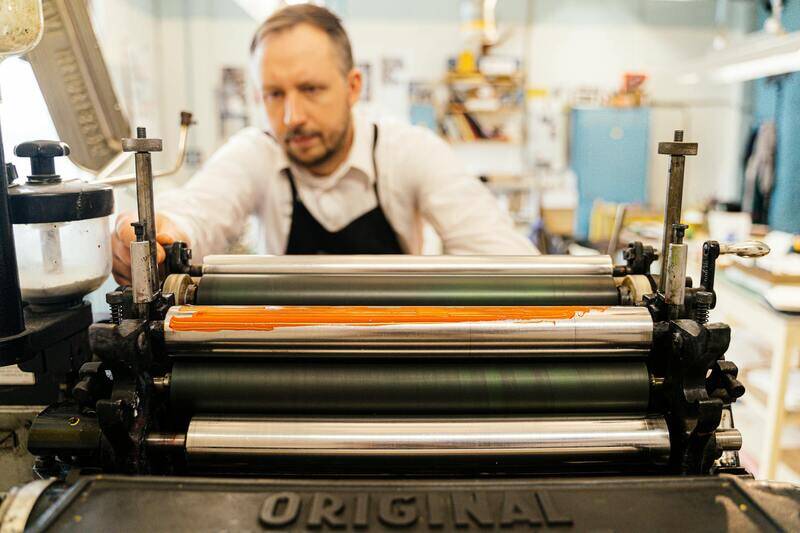
Figure 1: The choice of paper and finish can significantly influence the perceived quality of your brochure.
In addition to visual effects, finishes also impact the durability of printed materials. Protective coatings such as lamination or UV coating can safeguard against moisture, fingerprints, and general wear and tear, extending the lifespan of your brochure, especially when it will be handled frequently during events or in-store displays.
Choosing Printing Materials and Finishes
Beyond paper and finishing options, selecting the right printing materials involves considering factors like environmental sustainability and cost-efficiency. Eco-friendly options, such as recycled paper or biodegradable coatings, are increasingly popular among brands aiming to demonstrate their commitment to sustainability without sacrificing quality. vegetable-based inks, which are less harmful to the environment, are also available for those who prioritize eco-conscious practices.
Expert consultation with professional printers in Singapore can guide you through the multitude of available options. They can recommend the most suitable combination of paper and finish based on your brochure’s purpose, target audience, and distribution environment. This collaborative approach guarantees a final product that aligns perfectly with your brand image and expectations.
Strategies for Selecting Optimal Materials for Professional Brochure Printing
When aiming for a high-impact promotional tool, the choice of printing materials is crucial. The selection process should be guided by factors like target audience preferences, branding objectives, and environmental considerations. Premium paper options such as silk or matte finish card stocks provide a sophisticated tactile experience, enhancing the perceived value of the brochure. These materials also serve as excellent surfaces for detailed graphics and vibrant colors, ensuring that your visuals are rendered with clarity and brilliance.
For organizations prioritizing eco-conscious practices, recycled papers and biodegradable coatings are readily available. These sustainable choices not only reduce environmental impact but also demonstrate a company's commitment to responsible business. Vegetable-based inks complement these options, offering vibrant color reproduction without the use of harmful chemicals. Engaging with professional printers in Singapore can help you navigate these choices, balancing cost, durability, and ecological impact based on your specific needs.
Choosing Finishing Techniques to Enhance Brochure Appeal
Finishing techniques play a vital role in elevating the aesthetic and functional qualities of your printed brochures. Options like matte, gloss, or satin coatings impart different visual effects and tactile experiences that can align with brand identity. A matte finish provides a sleek, non-reflective surface ideal for readability, while gloss coatings accentuate vibrant colors and lend a premium look to images and graphics.
Specialty finishes such as UV coatings serve to add depth, highlight specific design elements, or protect the print from scratches and smudges. Lamination can also be applied to improve durability, especially for brochures that are expected to endure frequent handling. Embossing or foil stamping can further lend an element of tactile sophistication, making certain sections or logos stand out. Collaborating with seasoned printing professionals ensures that your chosen finishes complement the overall design, reinforcement of brand positioning, and longevity of the brochure.
Matching Materials and Finishes with Brochure Purpose and Distribution Environment
Understanding the environment in which your brochures will be presented or handled can influence the choice of printing materials and finishes. For instance, brochures intended for outdoor or heavily trafficked areas should feature durable, weather-resistant materials with protective coatings, such as laminated or UV-coated finishes. This ensures they withstand exposure to moisture, dirt, and frequent handling without losing their visual appeal.
Conversely, brochures designed for mail campaigns or indoor display may prioritize aesthetic qualities like texture and gloss rather than heavy-duty durability. Thinner, lightweight paper stocks with subtle finishes can be suitable for these purposes, reducing costs without compromising quality. By consulting with professional printers familiar with local options and environmental factors in Singapore, you can select materials that align closely with your distribution plans and brand positioning, ensuring your brochures serve their marketing purpose effectively.
Choosing the Right Paper and Finishes
Selecting the appropriate paper stock and finishing options is critical to maximizing the impact and durability of professional brochures. In Singapore, the variety of available materials allows for tailored choices that align with your brand image and distribution needs. When considering paper quality, factors such as weight, texture, and opacity should be prioritized. Thicker papers, such as 170gsm or higher, provide a premium feel that is suitable for luxury branding or high-end products, while lighter stocks, around 130gsm, can be more cost-effective for mass distribution.
Finishes play a significant role in enhancing visual appeal and tactile experience. Glossy finishes amplify vibrant colors and create a sleek appearance, making images pop and catch the eye. Matte finishes, on the other hand, offer a sophisticated, understated look with reduced glare, ideal for text-heavy designs where readability is paramount. Specialized finishes like soft-touch coating deliver a velvety texture that adds a sense of luxury, whereas matte lamination can increase durability and resistance to fingerprints and scratches.
The choice of finishes should complement the brochure's purpose and the environment in which it will be handled. For outdoor displays or high-traffic public areas, durable coatings like UV-resistant laminates or waterproof varnishes ensure longevity and preservation of visual integrity. Conversely, indoor brochures meant for detailed reading or branding impressions may benefit from refined, tactile finishes that invite touch and engagement.
Choosing the Right Paper and Finishes
Selecting the appropriate paper type and finishing options is crucial to producing a professional brochure that aligns with your brand image and marketing goals. High-quality paper not only enhances visual appeal but also impacts the tactile experience and durability of your printed materials. When choosing paper, consider factors such as weight, texture, and opacity, which influence the brochure's feel and legibility.
Bright white, premium gloss, or silk-coated papers are popular choices for their vibrant color reproduction and smooth surface, ideal for showcasing high-resolution images and detailed graphics. Matte finishes, on the other hand, offer understated elegance and help reduce glare, making them suitable for text-heavy brochures. For outdoor or high-touch environments, weather-resistant or waterproof coatings provide added protection against elements and handling wear.
Specialty Finishes to Elevate Brochure Appeal
- Soft-Touch Coating: Offers a velvety texture that invites touch, conveying luxury and exclusivity.
- Matte Lamination: Provides a non-reflective surface with increased resistance to fingerprints and scratches.
- Gloss Lamination: Adds eye-catching shine, making colors pop for impactful visuals.
- UV-Coating: Enhances durability with a high-gloss finish and resistance to UV rays, ideal for outdoor use.
- Spot UV: Adds selective gloss to specific design elements, creating visual contrast and emphasis.
Factors Influencing Material Choice
- Intended use and handling environment
- Target audience's expectations and preferences
- Budget constraints and project scope
- Design aesthetic and branding alignment
Collaborating with Professional Printers
Consulting with experienced printing providers allows for tailored recommendations based on your specific needs. Local expertise ensures the selection of suitable materials that balance quality, budget, and production efficiency, ultimately delivering a finished product that effectively communicates your brand message while enduring routine handling and display requirements.
Collaborating with Professional Printers for Material Selection
Partnering with experienced printing specialists in Singapore ensures that your brochure is produced with optimal material choices that align with your branding goals and functional needs. Professional printers bring an in-depth understanding of various paper stocks and finishing options, guiding clients toward selections that enhance visual appeal and durability. Their expertise helps in evaluating factors such as weight, texture, and coating compatibility, ensuring that the final product not only looks impressive but also withstands handling over time.
Consultation with these experts allows for tailored recommendations based on your target audience and distribution channels. For high-impact marketing campaigns, selecting thicker, premium-grade paper with specialty finishes can elevate the perceived value of your brochures. Conversely, for large-volume, cost-sensitive projects, more economical yet high-quality options are available to meet both budget and quality expectations. By engaging with trusted printing providers, businesses can navigate the myriad of material options confidently, resulting in a finished brochure that communicates professionalism and brand consistency effectively.
Through collaborative planning, your chosen printer can advise on optimal paper characteristics such as:
- Basis weight: Heavier papers provide a luxurious feel and greater durability, suitable for high-end marketing.
- Finish: Matte, gloss, soft-touch, or satin surfaces offer different tactile experiences that complement your design aesthetic.
- Coatings: UV, varnish, or spot coatings add protective layers and visual accents, making key elements stand out.
- Environmental considerations: Eco-friendly materials, including recycled or FSC-certified papers, align with sustainability commitments.
In addition to material selection, printers can assist in determining the best finishes to achieve desired visual effects, such as adding gloss to vibrant images or soft-touch coating for a premium tactile experience. These choices significantly contribute to the overall impact and effectiveness of your brochures, facilitating a strong connection with your audience and reinforcing brand identity.
How to Select the Appropriate Printing Materials for Brochures
When aiming for professional brochure printing, the choice of printing materials plays a pivotal role in conveying your brand's message effectively. High-quality materials not only enhance visual appeal but also ensure durability, leaving a lasting impression on your audience. It starts with evaluating the weight of the paper; heavier stock such as 170gsm or 300gsm options lend a premium feel, suitable for upscale marketing collateral.
Next, consider the surface finish—matte, gloss, satin, or soft-touch coatings each bring a unique tactile and visual experience. For instance, gloss finishes amplify vibrant colors, making images pop, while matte surfaces lend an understated elegance, minimizing glare and fingerprints. Soft-touch coatings offer a tactile richness that can elevate the perception of quality.

Coatings such as UV coating or spot varnish provide additional durability and decorative accents, helping key elements stand out. Environmental considerations are increasingly important; opting for recycled paper or FSC-certified materials aligns your marketing efforts with sustainability goals without compromising quality. Working closely with your print provider enables you to select materials that meet your aesthetic, functional, and environmental requirements.
Assessing Finishing Options to Elevate Brochure Quality
Finishing touches significantly influence the final presentation of your brochures. Lamination, whether gloss or matte, provides a protective layer that enhances durability and resists wear and tear. Embossing and debossing add a tactile dimension, making specific design elements prominent. Spot UV coating selectively enhances certain areas, delivering contrast and visual interest.
Texture plays a vital role in engaging your audience; a soft-touch coating on a luxury brochure creates a memorable tactile experience, reinforcing perceptions of quality and sophistication. Additionally, the application of foil stamping or metallic inks can add a touch of elegance or highlight important messaging.
Work with Experienced Printers to Achieve Optimal Results
Integrating material and finishing choices into your overall design plan requires expertise. Reputable printing services have extensive experience advising clients on selecting the right combination of paper quality, finishes, and coatings to align with brand image and campaign objectives. They can help you balance cost considerations with the desired aesthetic effects, ensuring that your brochure not only looks professional but also withstands handling over time.
Material and Finishing Options for Brochure Printing
When selecting materials for professional brochure printing, jurisdictions must prioritize durability, visual appeal, and how well the material complements the overall design. Premium paper stocks are often preferred for their robust feel and ability to hold vibrant color vibrancy. Common options include coated papers like gloss or matte finishes, which enhance images and text clarity, as well as uncoated papers that offer a more tactile, natural feel suitable for certain branding aesthetics.
Paper weight plays a critical role, with heavier stocks (such as 150-300 gsm) providing a luxurious, substantial feel, reinforcing the perceived quality of the brand. Lighter papers, while more economical, may be suitable for mass distribution where cost-efficiency is a priority. Selecting the right weight ensures balance between cost, durability, and tactile experience.
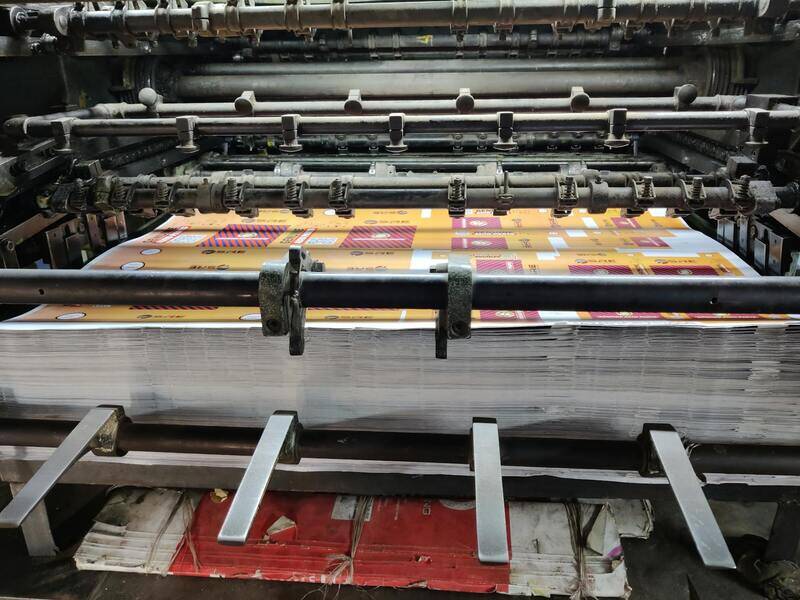
Surface coatings and finishes elevate the visual and tactile impact of brochures. Gloss coatings impart a shiny, vibrant look that accentuates colors and images, making visuals pop. Matte coatings, on the other hand, provide a subdued, elegant finish with reduced glare—ideal for designs emphasizing readability and sophistication. Soft-touch coatings add a velvety, luxurious tactile sensation, especially effective for high-end branding.
Additional finishing techniques include:
- Spot UV Coating: Applied selectively to highlight specific areas, creating contrast and drawing attention to key messages or images.
- Embossing and Debossing: Add a three-dimensional texture to certain design elements, enhancing tactile engagement and visual interest.
- Foil Stamping: Uses metallic or pigmented foils to create reflective accents, often used for logos or headings to add a touch of elegance.
- Lamination: A protective layer that shields the brochure from scratches, fingerprints, and moisture, extending its lifespan.
Choosing the right combination of materials and finishes requires careful consideration of the intended purpose, target audience, and brand image. Experienced printing providers in Singapore can offer valuable insights into the most suitable options, ensuring your brochures stand out while remaining cost-effective and durable.
Imagery and textures must align seamlessly with your overall branding strategy. For luxury brands, high-gloss, soft-touch, or embossed finishes can communicate exclusivity and sophistication, while more straightforward matte finishes might suit corporate or technical brochures emphasizing clarity and professionalism.
Collaboration with a reputable printing service ensures that these choices translate effectively into the final product. Skilled professionals can advise on compatible materials, finishing techniques, and production processes to achieve the desired aesthetic and functional qualities. Overall, thoughtful selection of paper and finishing options enhances your brochure's ability to impress and engage your audience, conveying your message with clarity and style.
Material and Finishing Options for Brochure Printing
When it comes to professional brochure printing, the selection of materials and finishing touches plays a critical role in achieving a polished, impactful final product. The choice of paper quality, thickness, texture, and finishing techniques directly influences the tactile experience, visual appeal, and overall durability of your brochures. To create an impression that resonates with your audience, it is essential to understand the array of available options and how they align with your branding goals.
The most common paper types for brochures include coated, uncoated, and specialty papers. Coated papers, such as gloss and satin finishes, offer a smooth surface with vibrant color reproduction, ideal for visually rich imagery and graphics. Matte coatings provide a subdued, sophisticated look, reducing glare and fingerprints, which makes them suitable for detailed textual content or professional presentations.
Thickness, often measured in GSM (grams per square meter), determines the sturdiness of the brochure. Heavier paper stocks, such as 170 GSM or higher, enhance durability and convey luxury, while lighter options can reduce costs for bulk distributions or informational sheets.
Finishing Techniques
- Gloss and Satin Lamination: These add a shiny or semi-shiny protective layer, increasing vibrancy and providing excellent resistance to scratches and moisture.
- Matte Finish: Offers a smooth, non-reflective surface that accentuates subtle color tones and text clarity, suitable for a professional or understated aesthetic.
- Spot UV Coating: Applies a glossy coating to specific areas, such as logos or headlines, to create visual contrast and tactile interest.
- Embossing and Debossing: Add three-dimensional effects by raising or indenting design elements, adding depth and sophistication.
- Foil Stamping: Utilizes metallic or pigmented foils to highlight headings or logos, offering a touch of elegance or luxury.
- Lamination: Provides a protective layer that shields from scratches, fingerprints, and moisture, extending the lifespan of the brochure.
Matching Materials and Finishes with Branding Goals
The selection of materials and finishes should align with your brand identity and the message you wish to convey. For premium, luxury branding, consider using thick paper stocks combined with embossing, foil stamping, and gloss lamination to communicate sophistication and exclusivity. Conversely, for straightforward corporate communications, a clean matte finish with uncoated paper may emphasize clarity, professionalism, and approachability.
It's advantageous to collaborate with experienced printing providers in Singapore who can offer guidance on suitable combinations based on your brochure's purpose, target audience, and distribution method. The right material and finish choices not only enhance visual appeal but also improve tactile engagement, encouraging recipients to interact more deeply with your content.
Ultimately, the overall durability, appearance, and tactile experience of your brochure are the results of careful material and finish selection. When these components are thoughtfully combined, they help ensure your printed collateral effectively captures attention, reinforces your brand identity, and leaves a lasting impression on your audience. In addition to aesthetic considerations, choosing the right options can also optimize cost-effectiveness and manufacturing efficiency, making your brochure a strategic asset within your marketing toolkit.
Material and Finishing Options for Brochure Printing
In the realm of professional brochure printing, selecting appropriate materials and finishes plays a pivotal role in delivering a compelling and durable product. The material choice influences the tactile experience, visual appeal, and longevity of the brochure, aligning with your branding strategy and intended audience engagement.
Common Materials Used in Brochure Printing
- Uncoated Paper: Ideal for a natural, textured feel that emphasizes readability and simplicity. Suitable for business proposals, event programs, or informational brochures that require a straightforward presentation.
- Glossy Paper: Features a shiny surface that enhances vibrant colors and sharp images. Perfect for visually rich brochures like product catalogs, fashion portfolios, or real estate listings.
- Matte Paper: Offers a non-reflective surface that minimizes glare, providing a sophisticated look with a smooth finish. Commonly used for corporate brochures, art portfolios, or luxury branding materials.
- Silk or Satin Finish: Combines the aesthetic appeal of gloss with a softer, semi-matte texture, offering a refined tactile experience that enhances image quality without excessive glossiness.
Innovative Finishing Options to Elevate Your Brochure
Finishing techniques can significantly enhance visual impact and tactile appeal, making your brochures stand out against competitors.
- UV Coating: Provides a glossy, durable surface resistant to scratches and moisture, ideal for protecting high-end brochures that require a premium feel.
- Embossing and Debossing: Creates raised or recessed designs, adding a tactile dimension that highlights specific elements, such as logos or graphics, communicating sophistication and attention to detail.
- Foil Stamping: Applies metallic or pigmented foil to selected areas for an eye-catching metallic effect. Often used for logos, titles, or decorative accents to evoke a sense of luxury.
- Lamination: Adds a protective layer, available in gloss, matte, or satin finishes. It enhances durability, resistance to wear and tear, and overall presentation quality.
Matching Material and Finish to Your Branding Goals
The selection of materials and finishes should reflect your brand’s personality and the message you intend to convey. For high-end, luxury brands, thick cardstock with foil stamping and gloss lamination reinforces exclusivity. Conversely, for approachable, trustworthy brands, lighter weight paper with matte finishes can communicate professionalism and sincerity.
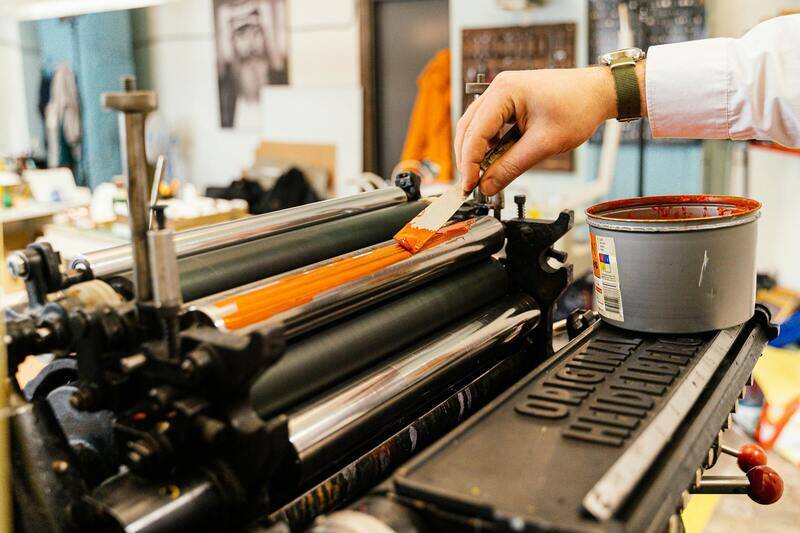
Working closely with experienced printing providers in Singapore allows you to explore sample options and receive guidance on the most suitable combinations. This collaborative approach ensures your brochure reflects your brand identity effectively while remaining within budget constraints and production timelines.
Material and Finishing Options for Brochure Printing
Beyond the selection of paper stock, the finishes applied during the printing process significantly influence the final appearance and durability of your brochures. Different finishing options serve distinct purposes, allowing businesses to tailor their marketing materials to match their brand identity and target audience expectations.
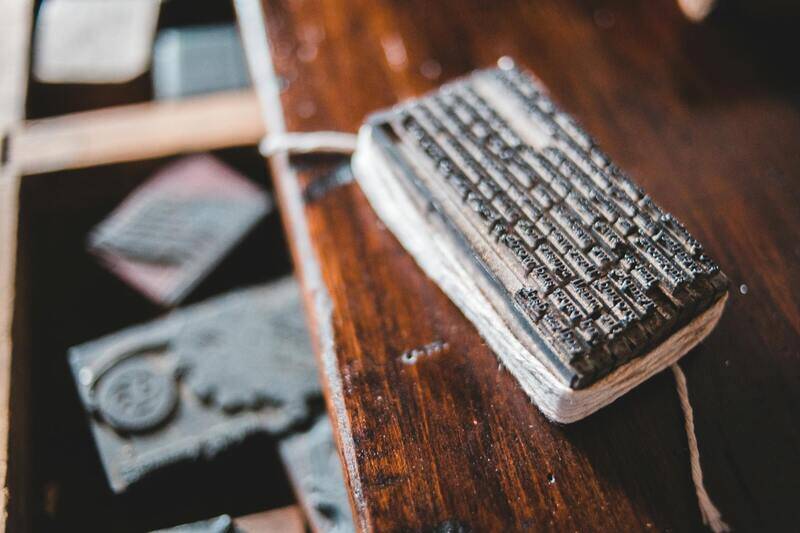
Laminate Finishes
Laminate finishes, available in gloss, matte, and satin, provide a protective layer over the printed material. Gloss lamination creates a shiny, vibrant surface that accentuates colors and details, making images pop and encouraging visual engagement. Matte lamination offers a subdued, elegant look, reducing glare while providing a soft touch that exudes sophistication. Satin finishes strike a balance, delivering subtle sheen combined with smooth texture, suitable for a professional, contemporary appearance. These protective layers enhance resistance to moisture, smudges, and wear, thereby extending the lifespan of your brochures, especially crucial for materials exposed to handling or outdoor environments.
Embossing and Debossing
Embossing raises specific areas of the brochure's surface, while debossing creates recessed impressions. These techniques add tactile depth, drawing attention to key elements such as logos, headlines, or decorative motifs. Embossed or debossed features evoke a sense of luxury and craftsmanship, making your marketing materials stand out in a stack of ordinary brochures. These finishes are often combined with foil stamping to produce a high-end, textured appearance that appeals to premium brands or products.
Foil Stamping
Foil stamping involves applying metallic or pigmented foils onto selected areas of the brochure. This technique highlights important design elements like logos, borders, or titles, adding an eye-catching metallic sheen. Popular foil colors include gold, silver, and copper, which convey a sense of prestige and exclusivity. Foil stamping is usually combined with embossing for an enhanced tactile and visual impact, effectively communicating luxury and refinement.
Specialty Finishes
- Varnishes and Spot UV Coatings: Add gloss or semi-gloss effects to specific areas for visual contrast and depth.
- Soft-touch Coatings: Achieve a velvety, luxurious tactile experience that invites handling and promotes impressions of quality.
- Textured Finishes: Incorporate patterns or textured surfaces like linen or canvas effects to enhance tactile engagement and reinforce brand personality.
Choosing the appropriate finishing options requires consideration of your brand’s character, target audience, and the environment in which the brochures will be used. Collaborating with an experienced printing provider ensures you evaluate samples that match your vision while optimizing cost efficiency and production timelines. When selecting materials and finishes, always keep in mind how they complement your design and overarching marketing strategy to deliver a cohesive, impactful message.
Material and Finishing Options for Brochure Printing
When selecting materials and finishes for professional brochure printing, it is essential to consider both aesthetic appeal and durability. The right choice of paper and finishing techniques can significantly impact how your brochure is perceived by your target audience, reflecting your brand’s professionalism and attention to quality.
Material options range from standard coated papers to premium uncoated options. Coated papers with a glossy or semi-gloss finish are popular choices for vibrant, eye-catching brochures as they enhance color intensity and sharpness. These finishes are ideal for designs that rely heavily on imagery or intricate graphics, ensuring that visual elements stand out with clarity.
Matte finishes provide a sophisticated look with a subtle, non-reflective surface that reduces glare, making text easier to read and giving a more subdued elegance to the design. Soft-touch coatings, which add a velvety feel, can elevate the tactile experience, making the brochure feel luxurious and inviting to handle. For maximum impact, specialty finishes such as gloss UV coating or spot UV can be applied selectively to highlight specific design elements, such as logos, headlines, or images.
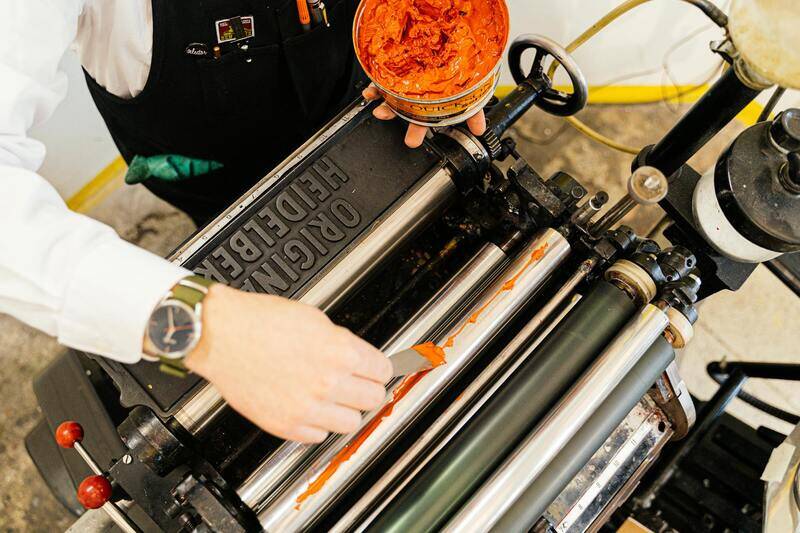
Additionally, textured finishes like linen or canvas surfaces can convey a sense of sophistication or craftsmanship, aligning with high-end branding strategies. Textured papers also add tactile interest, encouraging viewers to engage physically with the brochure, which can leave a lasting impression.
Choosing the appropriate combination of material and finish ultimately depends on the nature of your brand and marketing goals. For instance, luxury brands often prefer thicker, textured papers with matte or soft-touch finishes to emphasize exclusivity, while retail or promotional brochures might benefit from glossy coatings to maximize visual appeal.
Working collaboratively with an experienced printing provider allows you to review samples, ensuring that the selected material and finish complement your overall design concept. It helps to evaluate how different finishes will look under various lighting conditions and in different environments, guaranteeing that the final product aligns with your expectations and brand standards.
Material and Finishing Options for Brochure Printing
Choosing the appropriate material and finishing options plays a crucial role in achieving a professional look and feel for your brochure. The selection of paper weight, texture, and finish can significantly influence the tactile experience and visual appeal. For instance, thicker cardstock, such as 170gsm or higher, provides sturdiness that enhances durability and imparts a premium feel, making your brochure more resistant to wear and tear.
Surface finishes like matte, gloss, or soft-touch coating offer varied aesthetic effects. A matte finish lends a sophisticated, understated elegance that reduces glare, ideal for understated branding. Glossy coatings, on the other hand, amplify vibrancy and sharpness of images, making colors pop and drawing attention to high-impact visuals.
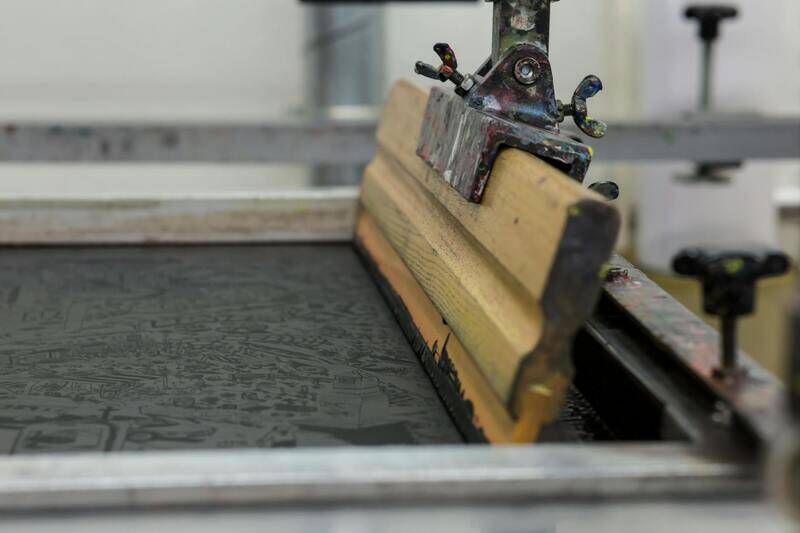
Specialty finishes such as spot gloss or UV coating can be applied selectively to highlight specific areas like logos, headers, or product images, creating contrast and visual interest. Textured finishes such as linen, canvas, or felt can add a tactile dimension that communicates luxury or craftsmanship, especially suitable for high-end brands seeking to convey exclusivity.
Working with experienced printers allows you to review samples of different materials and finishes, ensuring the final product aligns with your branding strategy. It is advisable to evaluate how various textures and coatings behave under different lighting conditions and in diverse environments, such as outdoor vs. indoor settings, to guarantee consistent quality and visual impact.
Furthermore, consider the environmental implications of material choices. Eco-friendly options like recycled paper or vegetable-based finishes can enhance your brand’s sustainability commitment, appealing to environmentally conscious consumers while maintaining professionalism.
Ultimately, the combination of paper quality, texture, and finishing techniques should reflect your brand identity and marketing objectives. Whether the goal is to project luxury, promote vibrancy, or emphasize reliability, each element must work harmoniously to create a compelling and durable brochure that encourages engagement and leaves a lasting impression.
Choosing the right material and finish is a strategic decision that impacts not only the visual presentation but also the tactile experience of your brochure. Collaborating closely with a reputable printing provider ensures that your selections are feasible within your budget and meet your quality expectations, resulting in a professionally finished product that elevates your brand image and effectively communicates your message.
Material and Finishing Options for Brochure Printing
Selecting the appropriate material and finish for your brochures is critical to creating a lasting impression. The choice of paper weight, texture, and coating not only affects the aesthetic appeal but also influences the durability and tactile experience for the reader. High-quality paper options such as silk, matte, or gloss finishes can dramatically enhance the visual impact of your designs. For instance, gloss finishes tend to amplify vibrant colors, making images and graphics pop, while matte finishes offer a sophisticated, understated look that minimizes glare, enhancing readability in various lighting conditions.

Eco-friendly options, such as recycled paper or vegetable-based coatings, are increasingly popular among brands emphasizing sustainability. These materials not only reduce environmental impact but also communicate a company's commitment to responsible practices. When selecting finishes, consider protective coatings like UV varnish or spot gloss, which can highlight specific design elements or provide an additional layer of protection against wear and tear, especially for brochures intended for outdoor distribution or frequent handling.
Design Elements for Effective Brochures
Crafting an impactful brochure involves more than just attractive visuals. Strategic placement of images, clear typography, and thoughtful use of white space contribute to an engaging layout. Incorporating consistent branding elements such as logos, color schemes, and taglines reinforces brand recognition. High-resolution images combined with crisp, legible fonts ensure that your message is conveyed clearly to your target audience. Using durable materials paired with appropriate finishes ensures that these design elements remain vibrant and intact over time, maintaining a professional image.
Understanding Brand Promotion through Brochure Printing
A well-designed brochure serves as a tangible extension of your brand. It communicates your company's values, highlights key products or services, and builds trust with potential clients. The tactile quality provided by premium materials and finishes can elevate the perceived value of your brand, making it more memorable. Consistent use of brand colors, typography, and messaging across printed materials helps establish a cohesive identity that resonates with your audience long after the initial interaction.
Design Considerations for Effective Brochures
Effective brochure design hinges on balancing aesthetics with functionality. The layout should guide readers logically through your content, emphasizing important messages and calls to action. Material choices influence the overall feel; heavier stock suggests quality, while thinner options might be suitable for bulk distributions without sacrificing presentation. Incorporating durable finishes ensures that your brochure maintains its intended look and feel, whether printed on matte or gloss paper, and ensures longevity pressuring the integrity of your design for all reading environments.
Material and Finishing Options for Brochure Printing
When selecting materials and finishes for professional brochure printing, it is essential to consider both the tactile experience and the visual appeal. The choice of paper stock can significantly influence the perception of your brand and the durability of the brochure. Common options include matte, gloss, and silk finishes, each offering distinct advantages. Matte finishes provide a sophisticated, non-reflective surface ideal for detailed images and subdued color palettes, while gloss finishes enhance vibrancy and sharpness, making images pop and text stand out. Silk finishes strike a balance, offering a smooth texture with a slight sheen that appeals to a wide range of branding styles.
In addition to paper finish, consider the weight of the stock. Heavier paper, such as 170gsm or 300gsm, conveys quality and durability, ideal for showcasing premium products or services. Lighter options, like 120gsm, are cost-effective and suitable for large volume distributions. For special effects, finishes like spot UV coating can be applied to highlight specific areas, adding a layer of sophistication and tactile contrast. Embossing and foil stamping are also available for creating textured or metallic effects, making key information or branding elements stand out.
Choosing the Right Printing Techniques and Technologies
In the realm of professional brochure printing, selecting the appropriate printing technology plays a crucial role in achieving desired quality and efficiency. Offset printing remains the preferred method for high-volume orders, as it delivers consistent color fidelity and sharp detail. Digital printing, on the other hand, offers flexibility for small quantities or customized prints with quick turnaround times. Modern printing facilities in Singapore often employ hybrid solutions or newer technologies like UV printing, which allows for vibrant color reproduction on unconventional materials and faster drying times. These advances ensure that your brochures are produced with precision, vibrant colors, and durable finishes, aligning with your brand’s professional standards.

Choosing the right technique depends on your project scope, budget, and desired quality. Ensuring that your printing partner utilizes equipment capable of delivering accurate color management, consistent registration, and detailed finishes will boost your brand’s credibility. A reputable printing provider in Singapore often provides sample proofs and color calibration services to ensure that the final product meets your specifications. This meticulous approach to quality control guarantees that every brochure reflects your brand image effectively and professionally, minimizing the need for reprints or adjustments.
Costs and Turnaround Times
Understanding the factors affecting brochure printing costs is vital for effective budget planning. Key elements include the choice of paper and finish, desired quantity, color complexity, special effects, and binding options. High-quality materials and elaborate finishes naturally elevate costs but create a premium impression. Conversely, bulk orders with standard finishes tend to be more cost-effective. Turnaround times depend on the complexity of the project, the printers’ capacity, and the production schedule. Typical lead times range from a few days for simple digital prints to two weeks or more for large-volume offset runs with customized finishes. Coordinating with your printing provider to establish realistic timelines ensures your brochures are ready for distribution without delays.
In Singapore, many printing firms offer fast turnaround services for urgent requirements, often at an additional cost. Clear communication regarding your deadlines and requirements facilitates a smooth process, ensuring that your professional brochures are delivered on schedule and meet quality expectations. Planning ahead and requesting detailed quotations with time estimates from your chosen provider can help streamline your project and optimize your marketing efforts.
Material and Finishing Options for Brochure Printing
When selecting materials for your professional brochure printing, the choice of paper and finishes plays a crucial role in determining the overall aesthetic appeal and durability of the final product. High-quality paper options, such as coated cardstock, silk, or matte finishes, can enhance the visual impact of your brochure by providing a smooth surface ideal for vibrant color reproduction and detailed graphics. Coated cardstock is often preferred for its ability to showcase vivid imagery and sharp text, making it suitable for marketing materials that demand a polished look.

Beyond paper selection, various finishing options can further elevate your brochure's appearance and longevity. Laminations, UV coatings, and varnishes not only contribute to a sophisticated look but also provide protection against wear and tear. Glossy finishes create a vibrant, eye-catching surface that accentuates colors and details, suitable for high-impact promotional items. Matte finishes, on the other hand, offer a sleek, sophisticated impression with reduced glare, ideal for reading-intensive brochures or those with detailed text and images requiring a softer touch.
Embossing, foiling, and spot UV are additional finishing techniques that can add tactile interest and premium accents to your brochures. Embossing creates a raised effect, highlighting logos or key design elements, while foil stamping introduces metallic accents that catch light and attract attention. Spot UV coating applies a glossy layer to specific areas, emphasizing particular sections without affecting the overall surface. These options should be chosen carefully to align with your brand identity and marketing goals, balancing visual impact with practical durability.

Design Elements for Effective Brochures
Creating an impactful professional brochure involves careful consideration of various design elements that work in harmony to communicate your message effectively. The selection of colors, typography, imagery, and layout should reflect your brand personality while maintaining clarity and readability. Consistent branding elements, such as logos, color schemes, and font styles, foster recognition and reinforce your identity.
- Color Schemes: Opt for color palettes that align with your brand and evoke the desired emotional response from your target audience. Using complementary colors can create visual harmony and enhance the overall aesthetic.
- Typography: Choose legible fonts that match your brand tone, whether professional, playful, or innovative. Combining a primary font with a secondary, supporting typeface can add visual interest without cluttering the design.
- Imagery: High-resolution images, illustrations, and icons should be aligned with your messaging. They should be clear, relevant, and strategically placed to support the textual content.
- Layout: A balanced layout with appropriate spacing directs the reader’s eye smoothly through the brochure. Strategic use of white space prevents overcrowding and emphasizes key information.
Effective brochures utilize these design elements to create a cohesive visual narrative that captures attention, facilitates understanding, and encourages action.
Material and Finishing Options for Brochure Printing
When selecting materials for professional brochure printing, the choice of paper type, thickness, and finish significantly influences the final product's appearance and durability. Commonly used papers include gloss, matte, silk, and uncoated textures, each offering distinct visual and tactile qualities suited for different brand images and purposes. A glossy finish enhances vibrant colors and sharp images, making it ideal for showcasing product images or detailed graphics. Matte finishes, on the other hand, provide a sophisticated look with reduced glare and are easier to write on, making them perfect for brochures that include forms or notes.
Beyond paper selection, finishing techniques such as lamination, UV coating, embossing, and spot varnishing add extra flair and protection. Lamination can provide both a glossy or matte surface, increasing resistance to water, tearing, and fading. UV coating adds a shiny overlay that makes colors pop and provides a durable surface, especially suitable for high-traffic or exterior brochures. Embossing and debossing create tactile textures that enhance visual interest and branding elements, lending a premium feel to the printed piece.
When choosing finishes, consider the intended use and the impression you aim to leave. For instance, a premium product brochure might incorporate embossed logos and UV spot highlights, while an outdoor marketing flyer might prioritize laminated surfaces for weather resistance. These options not only elevate the aesthetic value but also enhance the longevity and functionality of your brochures.
Understanding the Role of High-Quality Printing Technology in Brochure Production
One of the key aspects that distinguish professional brochure printing from amateur efforts is the utilization of advanced printing technology. Modern printing presses and digital printers equipped with cutting-edge features deliver precise color reproduction, sharp details, and consistent quality across large batches. High-resolution printing ensures that every element, from images to text, appears crisp and clear, conveying your message with clarity and impact.
Technology such as offset printing stands out for its ability to produce vibrant colors and fine details on large volume runs, making it ideal for companies seeking uniformity and cost-efficiency. Digital printing, on the other hand, offers flexibility for short runs, quick turnaround times, and personalized design elements, suitable for targeted marketing campaigns or customized brochures. These techniques support a professional presentation that aligns with your brand's visual identity.
Color Management and Ensuring Accurate Color Reproduction
Color accuracy is fundamental for the visual appeal and branding consistency of your brochures. Implementing proper color management practices ensures that the printed colors match your digital design intentions. This involves calibrating monitors and printers, using standardized color profiles, and selecting quality inks and substrates. Minimize discrepancies by working closely with your printing partner to perform proofs and color tests before the full production run.

Advanced color management also involves spot colors and color matching systems that guarantee specific shades are consistently replicated, which is crucial for brand recognition. When choosing a printing service, ask about their process for maintaining color consistency and their ability to deliver high-fidelity reproductions across various printing projects.
Environmental Considerations and Sustainable Printing Practices
As corporations increasingly emphasize corporate social responsibility, sustainable printing practices have gained importance in professional brochure production. Eco-friendly options include using recycled or FSC-certified paper, vegetable-based inks, and environmentally conscious finishing processes. These solutions reduce environmental impact without compromising quality or durability. Additionally, waterless and digital printing technologies further enhance eco-efficiency by reducing waste and energy consumption.
Selecting environmentally sustainable materials and finishes can also enhance your brand image by demonstrating your commitment to sustainability. When working with a printing provider, inquire about their green initiatives and certifications to ensure your brochures are produced responsibly, aligning environmental considerations with your marketing goals.
Material and Finishing Options for Brochure Printing
The choice of materials and finishes plays a pivotal role in the overall impact and durability of your brochures. Selecting the right combination ensures your marketing materials effectively convey professionalism and brand integrity. Material options range from various paper stocks to synthetic and specialty materials, each offering distinct advantages depending on your design goals and target audience.
Common paper stocks include matte, gloss, and silk finishes, each influencing how colors appear and how tactile the brochure feels. Matte finishes provide an elegant, non-reflective surface, ideal for text-heavy brochures or those intended for long-term use, as they resist fingerprint smudges. Gloss finishes enhance color vibrancy and sharpness, making visuals pop, which is suitable for image-heavy brochures. Silk or satin finishes offer a balanced mid-point, combining smoothness with subdued gloss, creating an upscale look well-suited for corporate branding.
Environmental considerations are increasingly important in material selection. Recycled papers, FSC-certified stocks, and biodegradable coatings demonstrate a commitment to sustainability that resonates with eco-conscious consumers. Additionally, specialty materials such as translucent or textured papers can add a unique touch, making your brochure stand out.
Finishing Techniques to Elevate Brochure Quality
- UV Coating: Adds a high-gloss protective layer, making elements more resistant to wear, water, and handling.
- Matte or Satin Lamination: Provides a soft, fingerprint-resistant finish that exudes sophistication.
- Spot UV: Highlights specific areas of your brochure with localized gloss, drawing attention to key features or branding elements.
- Embossing and Debossing: Creates tactile effects that give depth and texture to specific design components.
- Varnishing: Offers subtle enhancement without the glossiness, suitable for delicate designs or refined aesthetics.
Combining these finishing techniques allows for tailored effects that align with your branding and marketing goals. It is advisable to consult with printing specialists to select the most suitable materials and finishes, ensuring your brochures leave a lasting impression while maintaining durability through rigorous handling and distribution processes.
Material and Finishing Options for Brochure Printing
Selecting the appropriate materials and finishes is crucial to creating impactful and durable brochures. The choice of paper stock not only influences the tactile experience but also affects the visual appeal and overall perception of your brand. Common options include gloss, matte, satin, and textured papers, each offering distinct advantages aligned with different marketing objectives.
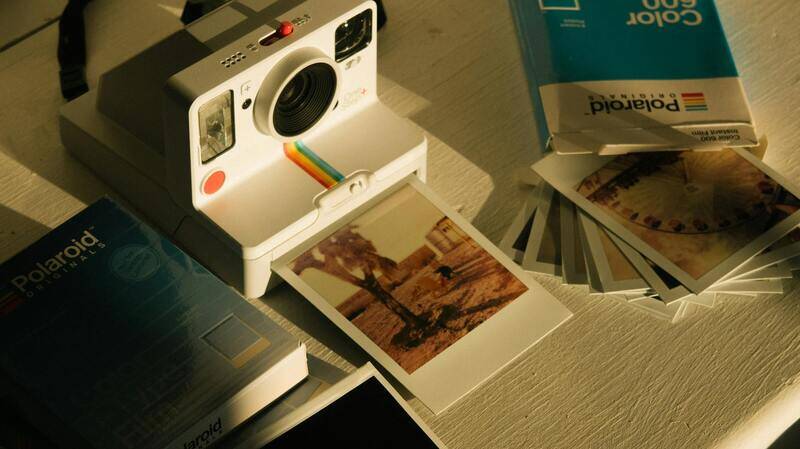
Glossy papers are favored for vibrant, eye-catching visuals, making colors pop for maximum impact. Matte finishes, on the other hand, evoke a more subdued, sophisticated tone, reducing glare and fingerprints, ideal for elegant designs. Satin or silk finishes strike a balance, offering a smooth surface with a gentle sheen that lends a touch of luxury. Textured papers introduce tactile depth, which can elevate a brochure from mere informational material to a luxurious tactile experience.
Finishing techniques further enhance the brochure's presentation and durability. UV coatings create a shiny, protective surface that resists water and wear, perfect for brochures exposed to frequent handling. Matte or satin lamination imparts a soft, fingerprint-resistant surface, maintaining a refined look over time. Spot UV allows selective glossing on specific design elements, such as logos or images, drawing visual attention precisely where needed.
- Embossing and Debossing: Adds dimension to key design features, making text or images stand out physically and visually.
- Varnishing: Applying a thin layer of varnish can subtly enhance design details without adding gloss, creating an understated elegance.
- Specialty Finishes: Incorporating foiling, holography, or textured embossing can further tailor the brochure, setting it apart in competitive markets.
Choosing the right combination of paper quality and finishing techniques should align with your branding strategy, target audience, and budget. Consulting with experienced print professionals can help identify options that withstand handling, convey your message effectively, and reinforce your brand identity through every brochure produced.
Material and Finishing Options for Brochure Printing
Selecting the appropriate materials and finishes is paramount in creating a professional brochure that captures attention and leaves a lasting impression. Various paper stocks offer diverse textures, weights, and durability levels, all of which contribute to the overall perception of your brand. A thicker, high-quality paper such as 170gsm or 250gsm provides a robust feel that conveys premium quality, ideal for luxury brands or highly detailed designs. Conversely, lighter weights like 130gsm can be suitable for more cost-effective options or multi-page brochures where flexibility is necessary.

In terms of finishes, a range of options exist to suit different branding goals. Gloss finishes, such as high gloss or semi-gloss, provide vibrant color reproduction and a shiny surface that commands attention, making images pop and text stand out vividly. Matte finishes offer a subdued, sophisticated look that reduces glare and fingerprint smudges, perfect for an elegant, understated presentation. Satin or silk finishes strike a balance, giving a smooth surface with a subtle sheen that lends a touch of luxury without overwhelming the design.
Textured papers, such as linen or felt finishes, introduce tactile depth, making brochures more engaging physically. These textures can elevate a brochure from mere informational material to a piece of tactile art, enhancing user interaction and perception of quality. Additionally, specialty finishes like soft-touch coatings add an extra layer of smoothness and luxury, which can be particularly effective in high-end promotional campaigns.
Advanced Finishing Techniques for Enhanced Brochure Presentation
Beyond basic finishes, advanced techniques such as UV coatings can produce a shiny, protective layer that resists water, scratches, and general wear—ideal for brochures exposed to frequent handling or outdoor environments. Matte or satin lamination provides a durable, fingerprint-resistant surface while maintaining a refined aesthetic. Spot UV, a technique that selectively applies gloss to specific areas such as logos or images, can create a striking contrast and highlight key elements with precision, drawing the eye exactly where you want it.
Embossing and debossing techniques add physical dimensions to your brochure. Embossing raises specific design features, creating a tactile element that invites interaction, while debossing impresses the design into the paper for a subtle but sophisticated effect. These techniques are especially effective for accentuating logos, patterns, or headlines, making your brochure visually appealing even at a glance.
Varnishing offers subtle enhancements by applying a thin, clear layer over particular design areas, which can subtly refine the visual details without adding gloss. When combined with foil stamping—using metallic foils like gold, silver, or holographic patterns—brochures can be transformed into eye-catching, premium marketing tools suitable for high-stakes presentations or exclusive campaigns.
Choosing Suitable Material and Finish Combinations
The optimal combination of materials and finishes should align with your branding objectives, target audience preferences, and budget considerations. For luxury product promotions, choosing heavy-stock papers with embossing, foil accents, and UV coatings can deliver an impeccable presentation. For informational brochures with a broader distribution, cost-effective lighter paper with matte finish and basic lamination may suffice while still maintaining professionalism.
Collaborating with experienced printing professionals can help refine your choices, ensuring that each brochure's physical characteristics reinforce the message and values you wish to communicate. The right selection of paper and finish can elevate your marketing collateral, making it memorable and effectively communicative to your target audience.
