
Overview of Card Printing Services
Card printing companies play a vital role in producing a diverse range of card products that serve various functional and branding purposes across industries. These companies offer the expertise and technology necessary to produce high-quality, durable, and visually appealing cards tailored to the specific needs of their clients.
Among the most common types of cards printed are identity cards, which are utilized for access control, employee identification, and security verification within corporate and institutional environments. Business cards remain a fundamental tool for professional networking, offering a compact way to share contact details and corporate branding during meetings and events. Membership cards are designed to foster customer loyalty by providing exclusive access, discounts, or benefits, often used by retail outlets, gyms, clubs, and associations. Gift cards are popular for retail stores, restaurants, and online businesses, serving as versatile vouchers that encourage repeat business and enhance customer engagement.
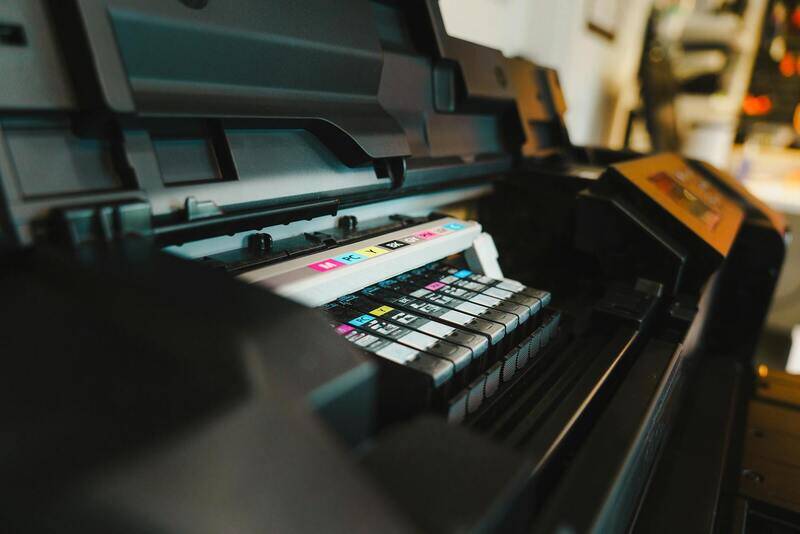
These different card types typically require specific printing processes, materials, and finishes to ensure durability and a professional appearance. The scope of services provided by card printing companies usually includes design consultations, material selection, customization options, and finishing techniques to meet particular requirements. Their expertise ensures that each card project aligns with branding standards and functional specifications, supporting effective communication and operational efficiency for their clients.
Furthermore, high-quality card printing not only improves the presentation but also enhances durability, security, and functionality. Depending on the purpose, companies may incorporate features such as embedded chips, holograms, magnetic stripes, or QR codes, adding layers of security and interactivity. As the demand for innovative and personalized card solutions continues to grow, reputable card printing companies leverage advanced technologies and materials to deliver products that meet the evolving needs of businesses and organizations.
Materials and Card Types Offered
Leading card printing companies utilize a diverse range of materials to cater to different functional and aesthetic requirements. Common materials include PVC (polyvinyl chloride), PET (polyethylene terephthalate), and composite materials that combine durability with flexibility. PVC remains the most widely used material due to its affordability, durability, and ease of printing, making it ideal for ID cards, membership cards, and access badges.
For high-security or premium applications, companies often offer cards made from polycarbonate or Teslin, which provide enhanced physical strength and resistance to wear and tear. These materials are suitable for government IDs, banking cards, and other secure identification solutions. Additionally, specialty finishes such as matte, gloss, and textured surfaces can be applied to enhance visual appeal and tactile experience.

Beyond standard cards, some printing companies offer specialized options like RFID-enabled cards embedded with chips for contactless transactions or access control. Magnetic stripe cards continue to be popular for loyalty programs and hotel key cards, with options for high-coercivity magnetic stripes for increased data storage and security.
Fashion and branding also play a significant role, leading to the availability of metallic, transparent, or frosted cards that create unique visual effects. These options allow businesses to stand out and reinforce their brand identity while ensuring the card's longevity and usability across various environments.
Design and Customization Options
Design versatility is a critical component in selecting a card printing partner. Professional companies offer comprehensive customization services that allow clients to incorporate their branding seamlessly into the card design. This includes options for full-color printing, custom logos, artwork, and personalized text. Advanced printing techniques such as offset, digital, and UV printing enable high-resolution images with vibrant colors and crisp details.
Customization also extends to the shape and size of the cards. Standard rectangular cards are common, but many companies provide options for rounded corners, custom shapes, or perforated designs for promotional or gifting purposes. Additional customization options include embossing, serial number printing, and the addition of holograms or metallic foils to enhance security and aesthetic appeal.
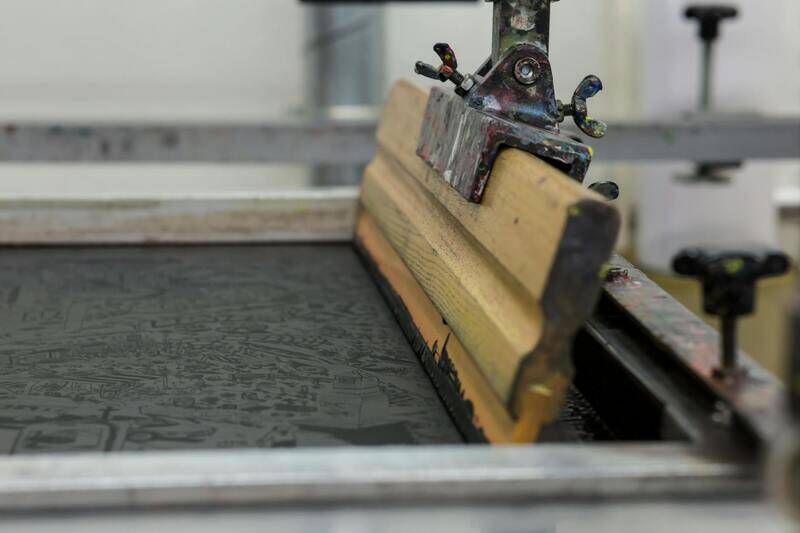
Some companies incorporate interactive features such as QR codes or augmented reality markers that can be scanned for digital engagement or loyalty tracking. The integration of these elements requires precise printing and design coordination to ensure functionality aligns with branding strategies.
Factors to Consider When Choosing a Card Printing Company
- Experience and Reputation: Select a company with proven industry experience, positive client testimonials, and a portfolio demonstrating diverse projects.
- Technology and Equipment: Ensure they employ advanced printing technologies suitable for your card specifications, offering high-quality outputs and innovative features.
- Customization Capabilities: Verify their ability to meet specific design preferences, including materials, finishes, and added security features.
- Turnaround Times: Consider their ability to deliver within your required timelines, especially for bulk or urgent orders.
- Cost Transparency: Seek clear pricing structures that include setup fees, material costs, and potential additional charges for customization.
Materials and Card Types Offered
When selecting a card printing provider, the variety of materials and card types available plays a crucial role in meeting your specific needs. PVC remains the most popular choice for its durability, flexibility, and professional appearance, making it ideal for business cards, access cards, and membership badges. PET (Polyethylene Terephthalate), on the other hand, offers heightened resistance to wear and environmental factors, which is suited for cards exposed to harsher conditions.
Beyond these mainstream options, some companies provide specialty materials such as composite plastics, biodegradable options, or even metal-based cards for luxury branding or high-security applications. The choice of material often dictates the card’s lifespan, resistance to bending, and overall tactile experience. Furthermore, designers can incorporate various finishes, including matte, gloss, or soft-touch coatings, to enhance visual appeal and tactile sensation.

In terms of functionalities, many providers incorporate magnetic stripes, smart chips, contactless NFC tags, or print security features directly onto the cards. These elements significantly increase the card’s utility, allowing for secure access control, contactless payments, or encrypted data storage. Customization of these features often requires specialized printing techniques and equipment to ensure compatibility and performance.
Design and Customization Options
Design flexibility is a key benefit offered by reputable card printing companies. Clients can choose from standard shapes, such as rectangular or rounded corners, or opt for customized shapes that align with branding themes. Embossing, foil stamping, and lamination are popular ways to add texture and a premium feel to cards.
Advanced customization features include the integration of holograms or metallic foils to bolster security and visual appeal. Additionally, incorporating digital interactive elements, such as QR codes, augmented reality markers, or serial numbering, allows for enhanced user engagement and data tracking. Achieving seamless integration of these features demands precise design coordination and high-resolution printing capabilities.
Factors to Consider When Choosing a Card Printing Company
- Experience and Reputation: Opt for companies with a solid track record, positive client feedback, and a comprehensive portfolio that showcases their versatility and quality standards.
- Technology and Equipment: Ensure their facilities utilize the latest printing technologies, including offset, digital, or screen printing, capable of producing detailed, high-quality images and complex security features.
- Customization Capabilities: Confirm their ability to accommodate specific design requests, materials, and security requirements, ensuring the final product aligns with branding and functional needs.
- Turnaround Times: Confirm their capacity to meet deadlines for both small batches and large volume orders, particularly when time-sensitive projects are involved.
- Pricing Transparency: Seek detailed quotations that clearly outline setup fees, material costs, and adjustments for custom features, preventing unforeseen expenses during the project.
Pricing and Order Quantities
Order quantity often influences pricing, with bulk orders typically offering significant discounts due to economies of scale. While small runs might carry higher per-unit costs, larger batches reduce expenses and enhance cost-efficiency for organizations requiring numerous cards. Establishing clear communication regarding order size and budget constraints is essential to achieve the best value.
Environmental and Security Features
Sustainable practices are increasingly integral to card production, with many companies offering eco-friendly materials such as biodegradable plastics or using environmentally conscious printing processes. Security features are equally vital; incorporating elements like holograms, microtext, UV printing, and secure laminates can prevent counterfeiting and ensure authenticity. These features not only safeguard your branding but also enhance the perceived value of the cards.
Working with Card Printing Companies in Singapore
Singapore-based card printing firms are known for their precision, innovation, and adherence to high-quality standards. When working with local providers, organizations benefit from shorter lead times, easier communication, and a deeper understanding of regional security requirements. Many companies also offer consultation services to help clients choose the most appropriate materials and security features for their intended use, ensuring optimal results.
Overview of Card Printing Services
Card printing companies in Singapore provide comprehensive solutions for a wide range of needs, from corporate identification badges and membership cards to event passes and gift cards. These services encompass not only basic printing but also advanced customization, security enhancements, and innovative material choices to meet the diverse requirements of businesses and organizations.

Partnering with reputable card printing providers ensures production of durable, professional-looking cards that reinforce brand identity and support operational efficiency. These companies employ state-of-the-art machinery and adhere to strict standards to guarantee consistency, accuracy, and timely delivery. Additionally, many offer consultative services to assist clients in selecting the most suitable options based on their specific objectives, desired security levels, and budget constraints.
Types of Card Printing Technologies
The choice of printing technology directly impacts the quality, durability, and security features of the cards produced. Key technologies used in card printing include:
- Offset Printing: Ideal for large runs, offset printing ensures high-quality, uniform images with excellent color fidelity. It is often used for promotional or branding cards where visual appeal is paramount.
- Digital Printing: Suitable for small to medium orders, digital printing offers flexibility with quick turnaround times. It supports personalized designs and variable data printing, making it popular for customized or short-run cards.
- Thermal Transfer and Dye Sublimation: These methods are commonly used for ID cards and membership cards requiring vibrant images built into the card surface, offering resistance to wear and tear.
- PVC Card Printing: PVC remains the standard material due to its durability and cost-effectiveness, supporting various security features like holograms and microtext.
Materials and Card Types Offered
Card printing companies in Singapore offer a broad spectrum of materials tailored to different applications:
- PVC Cards: The most common material, known for flexibility and durability, suitable for identification, membership, and loyalty cards.
- PET and PET-G Cards: More environmentally friendly options that offer excellent durability and resistance to chemicals, ideal for long-term use.
- Composite Cards: Combining multiple materials to enhance strength and security, these are suitable for high-security identification and access control cards.
- Eco-Friendly Materials: Biodegradable plastics and other sustainable options are increasingly available, aligning with environmentally conscious initiatives.

Beyond material choices, the range of card types includes standard ID badges, contactless cards with embedded chips, magnetic stripe cards, and QR code-enabled cards. Each type serves particular functional and security needs, allowing organizations to select the most appropriate format for their operations.
Design and Customization Options
When selecting a card printing service, the variety of design and customization options significantly impacts the effectiveness and aesthetic appeal of the final product. Reputable card printing companies in Singapore offer extensive personalization features to meet the specific branding and functional requirements of their clients. These include high-resolution printing capabilities for vivid images, detailed graphics, and sharp text, ensuring that each card reflects the unique identity of an organization or individual.
Customization options typically encompass a wide range of visual elements such as logos, color schemes, background patterns, and security features. Many companies leverage advanced printing methods like digital offset and UV printing to achieve precise and vibrant visualization of complex designs. The ability to incorporate custom shapes, holograms, microtext, and embedded security elements enhances not only the visual appeal but also the card’s security profile.
Furthermore, manufacturers often provide design templates or allow clients to upload their own artwork through dedicated online portals. This flexibility supports bulk orders and enables organizations to maintain визу consistency across their fleet of cards. Additionally, some companies offer online design tools that facilitate real-time customization, speeding up the approval process and reducing lead times for project completion.
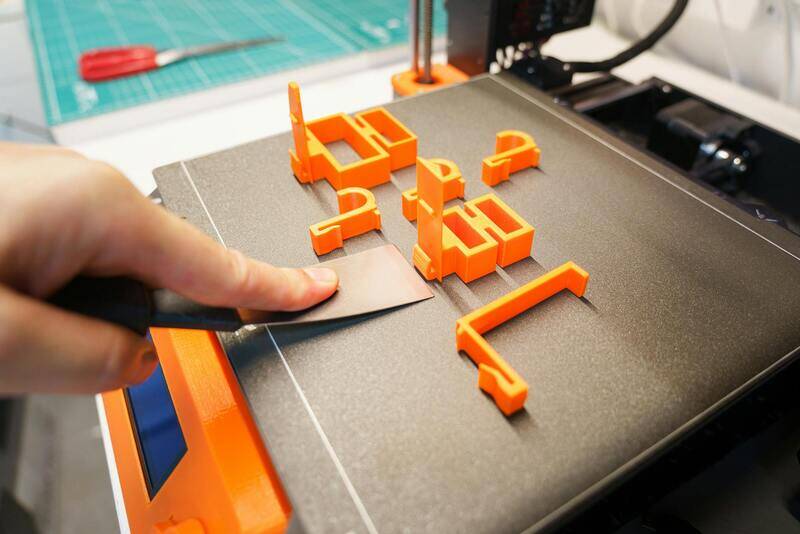
Material selection also plays a crucial role in customization. For instance, PVC cards can be embossed, laminated, or embedded with contactless chips, offering multi-functional capabilities. PET and other eco-friendly materials can be customized with specific textures and finishes that highlight sustainability aspects while preserving durability.
Innovative companies incorporate features such as magnetic stripes, QR codes, or RFID chips directly into their card designs. These integrations enhance both security and functionality, enabling contactless transactions, access control, and data storage. The use of custom laminates, matte or gloss finishes, and edge printing further elevates the visual and tactile quality of each card. This comprehensive approach to design and customization ensures that the final product not only meets branding standards but also enhances operational security and user experience.
Overview of Card Printing Services
Card printing companies provide a vital service for businesses and organizations seeking professional, durable, and secure cards for various applications. These services encompass a broad spectrum of card types, including identification badges, access control cards, membership or loyalty cards, and even gift cards. Reputable providers leverage state-of-the-art printing technologies to produce high-quality outputs that are both visually appealing and functional. They cater to diverse requirements, from simple designs for casual use to complex configurations incorporating multiple security layers. Efficient turnaround times, scalable production capabilities, and a focus on quality ensure that organizations receive cards that meet their specific standards and operational needs.
Types of Card Printing Technologies
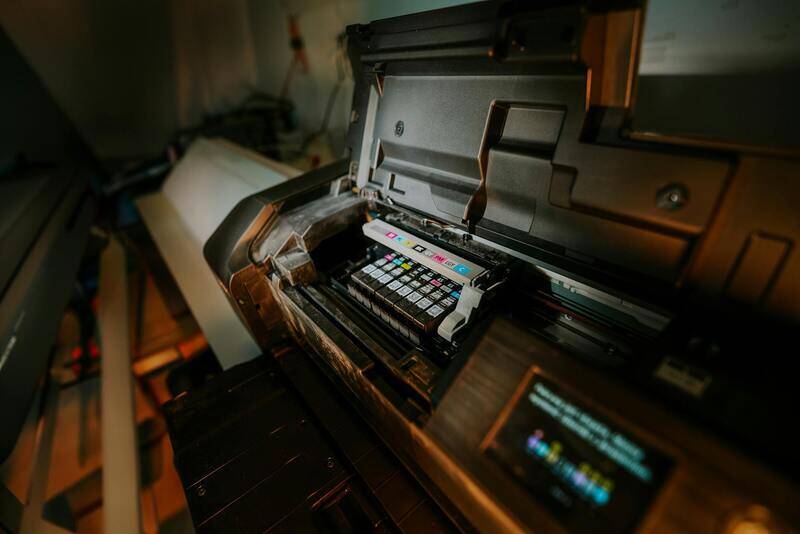
Advancements in card printing technology have expanded options available to clients, each suited for different levels of security, affordability, and purpose. The main technologies include:
- Dye Sublimation Printing: Known for producing vibrant, full-color images with sharp detail, dye sublimation is widely used for high-quality ID badges and membership cards. The process involves transferring dyes onto the card surface through heat, resulting in durable coloration resistant to fading.
- Laminated Card Printing: This technique combines printing with multiple layers of protective laminate overlay, enhancing durability and resisting scratches or chemical damage. It is ideal for cards exposed to harsh environments or frequent handling.
- UV Offset Printing: Suitable for large-scale production, UV offset printing offers precise registration and fine detail, often used for branding and complex designs requiring high fidelity.
- Embossing and Hot Stamping: For adding tactile elements like raised lettering or symbols, embossing and hot stamping are performed in conjunction with standard printing methods to enhance visual and tactile appeal.
- Direct-to-Card (DTC) Printing: This digital printing technology permits printing directly onto a blank card, allowing for quick customization and smaller batch runs, thus ideal for personalized or short-term cards.
Materials and Card Types Offered
Card printing companies in Singapore typically offer a variety of materials to meet different durability, security, and aesthetic requirements. The most common materials include:
- PVC (Polyvinyl Chloride): The standard material for most ID and access cards, PVC is flexible, durable, and receptive to multiple printing and finishing techniques. It can be embedded with contactless chips, magnetic strips, or RFID components.
- PET (Polyethylene Terephthalate): This eco-friendly alternative is more rigid and resistant to cracking, making it suitable for long-term use in high-security environments.
- Composite Materials: Combining layers of different plastics or adding special finishes, composite materials enhance strength and security features.
- Eco-Friendly Options: Biodegradable or recycled materials are increasingly available for organizations committed to sustainability, often customizable with textures and finishes that emphasize eco-conscious branding.
Typical card types produced include:
- ID badges with photo and text customization
- Access control cards incorporating contactless technology
- Membership or loyalty cards with magnetic stripes or QR codes
- Gift and prepaid cards with vibrant branding elements

Design and Customization Options
Reputable card printing companies offer extensive design and customization services to align with branding standards and functional needs. Clients can choose from pre-designed templates or upload bespoke artwork through user-friendly online portals. Features generally include:
- High-resolution full-color digital printing
- Custom graphics, logos, and text layouts
- Security features like holograms, microtext, and UV-sensitive elements
- Embossed lettering or raised printing for tactile enhancement
- Optional embedded contactless chips, magnetic stripes, or RFID tags
- Finishing options such as matte, gloss, or satin lamination
- Edge printing and custom-shaped cards for unique aesthetics
Advanced online design tools enable real-time modifications, preview features, and streamlined approval processes, reducing lead times. The integration of security features directly into the design ensures both protection against counterfeiting and compliance with organizational standards, resulting in cohesive, functional, and visually compelling cards.

Factors to Consider When Choosing a Card Printing Company
When selecting a provider, organizations should evaluate several critical aspects to ensure their specific needs are met. Key considerations include:
- Product Portfolio and Capabilities: To ascertain the range of available card types, printing technologies, material options, and security features.
- Quality Assurance: The company’s standards for print quality, durability, and color accuracy, supported by reviews and sample evaluations.
- Turnaround Time: Ability to deliver orders within required timelines, especially for urgent or large-scale projects.
- Customization Support: Availability of design assistance, online design tools, and flexible options for special security features.
- Pricing and Volume Discounts: Competitive costs relative to the scope of work, with scalable pricing models for bulk orders.
- Security and Confidentiality: Procedures to protect sensitive design files and organizational data during production.
- Customer Support and Service: Reliable communication channels, after-sales support, and clarity in process documentation.
Choosing the right partner involves aligning their capabilities with organizational security standards, design preferences, and budget constraints to ensure a seamless and secure card issuance process.
Environmental and Security Features
For organizations seeking to enhance both the sustainability and security of their cards, many reputable card printing companies offer advanced features that meet these dual objectives. Eco-friendly printing options are increasingly available, utilizing biodegradable materials and environmentally conscious inks that reduce the carbon footprint of production processes. These sustainable practices not only reflect corporate responsibility but also appeal to environmentally conscious clients and stakeholders.
Security features incorporated during the printing process are crucial for preventing fraud and unauthorized access. High-quality holograms provide a visual anti-counterfeit measure and can be customized with logos or specific patterns unique to an organization. Ultraviolet (UV) coatings serve as an additional security layer, revealing hidden marks or serial numbers only under UV light to authenticate the card.

RFID technology is another significant feature that integrates wireless communication capabilities into cards for access control, contactless payments, and data transfer. Embedding RFID chips ensures a secure, quick, and contactless user experience, which is especially vital for organizations with high-volume access needs.
When selecting a card printing service, it is advisable to inquire about the availability and customization of these features to align with security protocols and operational efficiency. Each feature should be implemented with precision to prevent potential vulnerabilities, and companies often provide sample cards demonstrating these enhancements.
Working with Card Printing Companies in Singapore
Choosing a reliable partner among the numerous card printing companies based in Singapore requires careful assessment. An ideal provider will demonstrate extensive experience with various card types, including PVC, composite, and specialty materials tailored to specific needs. They should also employ cutting-edge printing technologies that support high-resolution imagery and complex security features.
Effective communication and support are essential throughout the process. This involves clear discussions about design specifications, turnaround times for large or urgent orders, and precise cost estimates to avoid surprises. Many companies offer dedicated account managers or customer support teams to facilitate smooth collaboration.
Furthermore, reviewing customer testimonials and samples of previous work can offer insights into their quality standards and reliability. An established company maintains comprehensive quality assurance protocols to ensure each batch of cards meets stringent standards before delivery.
Comprehensive List of Official Methods for Card Printing
To ensure the production of high-quality cards that meet professional standards, it is essential to rely on established and reputable card printing companies. These companies utilize official, proven methods that incorporate advanced technology to produce durable, visually appealing, and secure cards. The process typically involves multiple stages, including design consultation, material selection, printing, and quality assurance, all carried out using reliable and recognized techniques.
Authentic Printing Processes
The primary methods used by card printing companies include digital printing, offset printing, and hybrid techniques that combine the strengths of both. Digital printing offers fast turnaround times and excellent resolution, ideal for small batches or customized designs. Offset printing, on the other hand, is suitable for large quantities, providing cost efficiency and consistent quality throughout the run. Companies often adopt the latest digital presses equipped with high dpi settings to ensure sharpness and vibrancy in the final product.
Moreover, some high-security applications may require specialty printing techniques such as dye sublimation or thermal transfer. These methods provide enhanced durability and enable the incorporation of complex security features like holograms, microtext, and embedded images that are difficult to replicate. Employing genuine printing technologies guarantees the production of cards that adhere to global standards and operational requirements.

Materials and Card Types Ensuring Quality and Compliance
Leading card printing companies utilize a range of official materials that uphold durability and aesthetic standards. The most common substrate is PVC (polyvinyl chloride), known for its flexibility, resistance to wear, and ease of customization. For specialized needs, companies may offer composite cards made from layered materials that enhance security features or durability.
Additional materials include PET (polyethylene terephthalate), ideal for environmentally friendly options, and composite substrates that combine multiple layers for added protection and design complexity. Each material is chosen based on the intended application, whether for identification, access control, or membership cards.
Security-Enhanced Materials and Features
- Holographic overlays
- Embedded microchips and RFID components
- UV protective layers
- Water- and scratch-resistant coatings

Design and Customization: Precision and Personalization
Official card printing companies offer extensive options for design and personalization, ensuring each card aligns with branding and functional requirements. Customization extends to color matching, logo placement, text, and artwork, all handled through professional design tools that facilitate precise layout control.
Advanced customization capabilities include the integration of magnetic stripes, barcodes, QR codes, and embedded chips. Some providers also support variable data printing, which enables individual customization for large batches, such as employee badges or membership cards, streamlining the process while maintaining accuracy.
Critical Factors for Selecting a Credentialing Partner
When choosing a card printing company, verifying their adherence to established standards and proven practices is vital. Reputable providers demonstrate a robust track record of working with different card formats, security features, and materials. They should employ high-end, certified printing equipment capable of handling complex designs with consistency.
Clear communication channels and responsive support teams ensure seamless collaboration. Early engagement in design review, sample approval, and production timelines minimizes errors and delays. Additionally, assessing a company’s responsiveness to urgent orders and their capacity to scale production helps in making an informed decision.
Pricing Structures and Order Quantities
Pricing for official card printing services is typically influenced by factors such as order volume, card complexity, and material choices. Many companies offer tiered pricing, with discounts available for bulk orders, enabling cost-effective solutions without compromising quality. The level of customization also impacts overall costs; more complex security features or detailed artwork might incur additional charges.
Most providers publish clear pricing guidelines, including setup fees, artwork adjustments, and delivery charges, facilitating straightforward budgeting. For small batches or urgent requirements, premium pricing may apply, emphasizing the importance of early planning and consultation.
Environmental and Security Features: Confirmed and Trusted Implementations
Reliable card printing companies incorporate security features that are verified through rigorous quality checks. Encrypted microtext, hologram overlays, and embedded chips contribute to a card’s authenticity and resistance to duplication. These features are implemented using proven processes that meet industry standards, verified by sample testing and certification.
Environmental considerations are also paramount. Use of eco-friendly materials such as biodegradable substrates, sustainable inks, and waste reduction practices ensures a responsible production cycle. Secure handling protocols and protected manufacturing environments further guarantee the integrity of each batch, aligning with best practices for data and card security.
