
Understanding Custom Made Business Cards
Custom made business cards serve as a powerful tool for professionals aiming to make a memorable impression and effectively communicate their brand identity. Unlike standard or off-the-shelf options, custom cards are tailored to reflect the unique personality of a business or individual, incorporating specific design elements, materials, and finishes that align with branding goals. They are not merely contact details on paper but embody a strategic aspect of professional representation, helping to establish credibility and foster meaningful connections within various industries.
In the realm of corporate branding and personal marketing, the significance of personalized business cards cannot be overstated. They function as both an introduction and a lasting visual reminder for potential clients, partners, or colleagues. By choosing custom made options, businesses can distinguish themselves from competitors, communicate professionalism, and showcase creativity. The tailored nature of these cards allows for integration of logos, color schemes, unique textures, and innovative design features that reinforce brand recognition and increase the likelihood of future engagement.
Moreover, custom business cards enable endless possibilities for expressing individuality and brand personality. They can be designed to reflect the industry’s standards or to break conventional norms in favor of more avant-garde or refined aesthetics. This versatility ensures that each card created serves a specific purpose, whether it’s emphasizing elegance and sophistication or highlighting innovative and modern branding concepts.
In today’s competitive marketplace, the importance of high-quality, personalized business cards extends beyond mere contact information. They are an extension of your professional image and an essential component of your networking toolkit. Investing in custom made business cards means prioritizing quality, design, and individuality, ensuring your first impression is both impactful and memorable, thereby strengthening your overall branding efforts and paving the way for successful professional relationships.
Materials and Finishes for Custom Business Cards
Choosing the right materials and finishes is crucial in creating business cards that are not only visually appealing but also durable and aligned with your brand image. Traditionally, cardstock remains the most popular choice due to its sturdiness and versatility, but modern options have expanded to include a variety of premium materials such as PVC, metal, or even wood for a unique tactile experience.
Cardstocks come in various thicknesses—ranging from standard 14pt to heavyweight 32pt—allowing you to select the weight that best represents your brand’s strength and professionalism. Matte finishes provide a subdued, sophisticated look with minimal glare, ideal for conveying elegance, while glossy finishes enhance vibrant colors and make design elements pop, attracting immediate attention.
Stamping techniques, such as foil stamping, are used to add metallic accents that enhance luxury and sophistication. Spot UV coating offers a shiny, protective layer on specific areas of the card, emphasizing logos or key design features. Textured finishes, like linen, soft-touch, or embossed surfaces, contribute to a memorable tactile impression, aligning with high-end or boutique brands seeking to stand out.

Design Trends and Creative Elements
Staying current with design trends ensures your business cards resonate with contemporary aesthetics while maintaining distinctiveness. Minimalist layouts continue to dominate, emphasizing clean lines, ample white space, and subtle color accents. However, bold typography and vibrant color palettes are increasingly popular for brands aiming to make an impactful statement.
Innovative use of negative space can subtly communicate your brand message, while asymmetrical layouts break away from traditional grid systems for a more dynamic appearance. Incorporating visual elements such as geometric patterns, abstract illustrations, and custom icons further personalizes the design, making your card memorable.
Incorporating brand-specific motifs and cultural elements may also reflect localized identity, especially relevant in Singapore’s diverse business environment. Furthermore, experimental finishes like holographic effects or soft-touch coatings can elevate a standard design into a piece of art that captures attention at a glance.
Customization Options and Personalization Techniques
Personalization remains a key advantage of custom made business cards, allowing businesses to create distinctive designs aligned with their brand identity. Options include choosing specific color schemes, typography, logos, and imagery that reflect the personality and values of your company.
Advanced customization techniques include letterpress printing, which creates tactile, raised impressions for a sophisticated look. Die-cutting allows for unique shapes and contours, breaking away from conventional rectangular formats, and adding visual interest. The integration of embossed or debossed elements can enhance brand recognition by giving certain features prominence through texture.
Textural and visual contrast can be further achieved with techniques such as foil stamping or spot color accents, which add a layer of depth and sophistication. Additionally, incorporating QR codes or augmented reality features can blend traditional aesthetics with modern technology, providing recipients with immediate digital engagement.
Printing Methods for Custom Business Cards
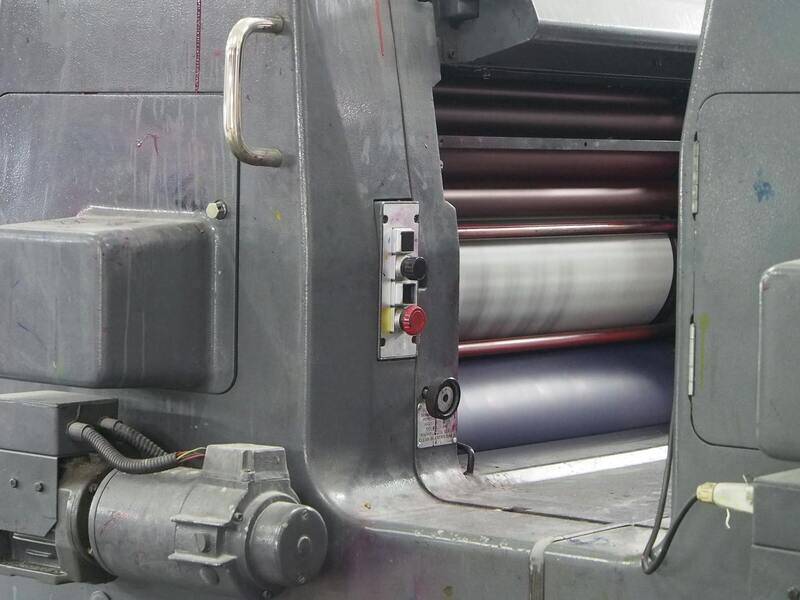
The selection of printing methods significantly impacts the final appearance, texture, and durability of your business cards. Offset printing is a popular choice for high-volume orders, offering precision and consistency in color reproduction. Digital printing, on the other hand, provides quick turnaround times and flexibility for small batches or personalized designs.
Specialty printing techniques include letterpress, which uses engraved plates to press ink into the paper, creating a sophisticated, tactile effect. Flexo printing and screen printing are also employed for specific finishes and textures. In recent years, UV coating and aqueous coatings have gained popularity to add gloss and protect the surface, ensuring your cards maintain their pristine condition over time.

Choosing the Right Size, Shape, and Orientation
Standard business card dimensions typically measure 85 x 55 mm, but customizing size and shape allows you to stand out in a sea of conventional cards. Rounded corners, die-cut custom shapes, or asymmetrical designs can add a modern twist. Vertical orientations or layered, foldable formats also provide opportunities for creative expression while maintaining functionality.
The choice of size and shape should complement your overall branding and ensure that contact information remains easily accessible. oversized or uniquely shaped cards may draw more attention but could also influence printing costs and compatibility with wallet or cardholder storage.
Cost Factors and Budget Considerations
Investing in custom made business cards involves evaluating various cost factors, including material choices, printing techniques, finishing options, and order volume. Higher-quality materials, intricate finishes, and customized shapes typically command a premium, but they also deliver a more luxurious and impactful product.
Bulk orders often reduce the unit cost, making it more economical to produce large quantities for extensive marketing campaigns. However, detailed designs, specialty finishes, and premium materials may increase final costs. It’s essential to balance your budget with your desired impact, prioritizing features that enhance your brand’s perception.
Tips for Working with Printing Providers in Singapore
Effective collaboration with experienced printing providers ensures your vision is realized seamlessly. Start by clearly communicating your design concepts, preferred materials, and finishing details. Request samples or proofs to verify quality before proceeding with full production. Understanding lead times and establishing a detailed timeline can prevent delays and facilitate smooth project execution.
Leverage local expertise by choosing printers familiar with Singapore’s market trends and standards. Asking for recommendations, viewing portfolios, and reading reviews can help identify reputable providers capable of delivering high-quality custom business cards that meet your specifications and budget constraints.

Understanding Custom Made Business Cards
Custom made business cards serve as a vital touchpoint in professional branding, offering opportunities to convey your brand identity and personality through unique design and craftsmanship. Unlike standard disposable cards, custom options allow for personalized features that reflect your company's ethos, from bespoke finishes to innovative shapes. This emphasis on individuality enhances memorability and can leave a lasting impression on potential clients and partners.
In the realm of quality assurance, selecting the right customization techniques ensures your business cards effectively communicate professionalism and creativity. The process begins with choosing suitable materials such as thick cardstock, textured finishes, or eco-friendly options, each contributing different sensory experiences and visual appeal. Incorporating distinctive design elements, such as embossed logos, foil accents, or die-cut edges, further elevates the card’s impact.
To ensure your custom business cards meet expectations, collaboration with experienced printing providers is essential. Clear communication of your vision, along with detailed specifications, lays the groundwork for a successful project. It is advisable to review samples or proofs before committing to large orders, allowing for adjustments and quality checks. Understanding lead times and maintaining a detailed production schedule minimizes delays and guarantees timely delivery, especially crucial for urgent branding campaigns or networking events.
Materials and Finishes for Custom Business Cards
The choice of materials directly influences the tactile and visual outcome of your business cards. Common options include:
- Standard cardstock: Cost-effective, versatile, suitable for everyday use.
- Premium paper: Thicker, textured, offers a luxurious feel that enhances perceived value.
- Recycled materials: Eco-friendly, demonstrating environmental responsibility, appealing to conscious consumers.
Finishing techniques add depth and sophistication to your cards, with popular options including:
- Matte finish: Subtle, non-reflective surface for a contemporary look.
- Glossy finish: Vibrant colors and sharp images that command attention.
- Spot UV coating: Highlights specific design elements with a glossy overlay.
- Embossing and debossing: Creates tactile dimension by raising or recessing design features.
- Foil stamping: Adds metallic accents for a sophisticated, premium appearance.

Integrating these elements thoughtfully allows your business cards to stand out while aligning with your brand image. Collaborate closely with your printing partner to explore available options, ensuring the final product resonates with your professional profile and strategic goals.
Customization Options and Personalization Techniques
Optimal customization strategies enable businesses to craft business cards that truly reflect their unique identity and message. Several personalization techniques are widely used to add distinctive touches, making cards memorable and aligned with branding objectives.
Embossing and Debossing
Embossing raises areas of the card surface to create a three-dimensional effect, offering a tactile and visual distinction. Debossing, conversely, recesses design elements into the card, providing a subtle but sophisticated touch. These techniques are ideal for highlighting logos, names, or vital information and convey a sense of craftsmanship and attention to detail.
Foil Stamping
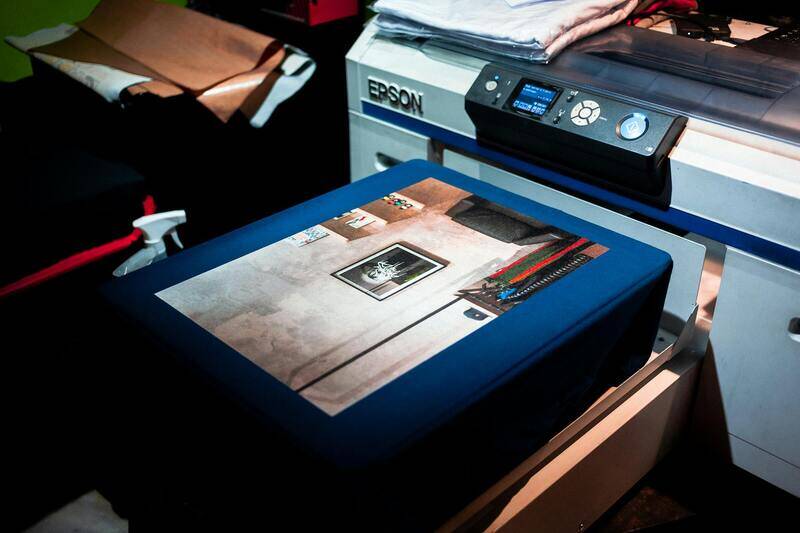
Applying metallic foils—such as gold, silver, or specialty colors—through stamping introduces a high-end look that exudes professionalism and elegance. Foil accents are often used on logos, borders, or key text to capture attention and emphasize the card's premium quality. The choice of foil color can be tailored to match brand aesthetics, ensuring visual harmony.
Die-Cut Shapes
Moving beyond traditional rectangular formats, die-cutting allows for custom shapes that can be tailored to a brand’s personality or product niche. Circular, rounded edges, or intricate custom outlines help cards stand out and become memorable pieces of stationery. Accurate die-cutting requires collaboration with experienced printing providers to achieve precise, clean edges that enhance overall presentation.
Personalized Elements and Data Integration
Integrating personalized data, such as individual names or specific contact details, on each card enhances the relevance and impact of the networking tool. Advanced digital printing techniques facilitate variable data printing, ensuring each card can be uniquely tailored to its recipient without compromising production efficiency.
Additional Features for Customization
- Textured finishes, such as linen or canvas textures, to create a distinctive tactile experience.
- Introduction of unique materials like transparent or translucent plastics, metal sheets, or wood veneer for a truly standout appearance.
- Incorporation of augmented reality (AR) elements for an interactive experience, where scanning the card reveals dynamic content or promotional videos.
Partnering with a professional printing provider ensures that these customization options are executed flawlessly, maintaining a high standard of quality and precision. A well-designed, customized business card not only encapsulates your brand identity but also leaves a lasting impression that can convert casual contacts into valuable business relationships.
Ensuring the Authenticity of Your Custom Made Business Cards
When investing in custom made business cards, it is essential to work exclusively with recognized and reputable printing providers who utilize legitimate methods and adhere to standard industry practices. These providers demonstrate a commitment to quality, consistency, and transparency, ensuring that each card meets professional standards and accurately reflects your brand image.
Confirmed manufacturing facilities often hold industry certifications and memberships that validate their expertise in high-quality printing and customization services. Such certifications serve as markers of their adherence to best practices, technological advances, and ethical standards within the industry. Requesting proof of these credentials during your selection process can help you make informed decisions and select a partner capable of delivering your vision with precision.
Partnerships with suppliers known for transparent processes and accurate project timelines foster a smooth workflow. Through clear communication and detailed quotations, these providers detail all aspects of the production process, including material sourcing, finish options, and turnaround times. As a result, you can reliably plan your branding campaigns and networking events without unexpected delays or discrepancies in output quality.
It is also wise to verify the use of certified inks and environmentally friendly practices. Many professional printing companies employ eco-conscious materials that align with sustainable business practices while producing vibrant and durable cards. These environmentally responsible choices not only reflect positively on your brand but also meet societal expectations for corporate accountability.
When discussing your project, request samples from your shortlisted providers. Physical samples serve as tangible proof of their craftsmanship, color accuracy, and material quality. Examining these samples allows you to assess whether the provider’s standard aligns with your expectations for professionalism and aesthetic appeal.
Furthermore, ensure the provider employs industry-leading digital or offset printing techniques and offers credibility through positive customer testimonials or case studies. Engaging a printing partner with a proven track record of delivering customized business cards can help prevent issues such as misprints, color mismatches, or inconsistent finishes, ultimately safeguarding your brand’s integrity.
Mandatory quality checks should be part of the production process, including pre-press reviews and post-print inspections. These procedures catch potential errors early, ensuring the cards delivered to you meet predetermined specifications. Confirm that the provider has robust quality assurance protocols to maintain high standards.
By prioritizing verified methods, certifications, and transparent practices, businesses can confidently invest in custom made business cards that are authentic, durable, and impeccably crafted. This strategic approach guarantees that your business cards truly represent your brand identity and strengthen your professional image across all networking platforms.
Printing Methods for Custom Business Cards
When selecting a printing method for your custom made business cards, understanding the different techniques available is essential to achieve the desired quality, durability, and visual impact. Each method offers unique advantages and can be tailored to suit specific design elements and budget constraints.
- Digital Printing: This modern technique provides high-quality results with quick turnaround times, making it ideal for small runs or highly customized designs. Digital printing allows for easy manipulation of design elements and the inclusion of complex graphics or photographs. It is cost-effective for short quantities and offers excellent color accuracy and vibrancy.
- Offset Printing: Known for its superior color consistency and sharp image reproduction, offset printing is often preferred for larger print runs. It involves creating a plate for each color used in the design, ensuring intricate color blending and precise finishing. The initial setup costs are higher, but the per-unit cost decreases significantly with volume, making it suitable for bulk orders.
- Letterpress Printing: This traditional technique creates a tactile impression on the paper surface, adding a sophisticated and vintage touch to your business cards. Letterpress printing is ideal for minimalist designs and can be combined with raised ink or foil stamping to further enhance the tactile experience.
- Foil Stamping and Embossing: Enhance the physical and visual appeal of your business cards by incorporating metallic foils or raised designs. Foil stamping provides a reflective, eye-catching effect, while embossing adds texture and depth, making certain design elements stand out.
Choosing the appropriate printing method depends on several factors, including the intended card design, the desired tactile effect, budget, and the projected volume of cards needed. Engaging with experienced printing providers can help you navigate these options effectively, ensuring your custom made business cards reflect your brand’s professionalism and aesthetic appeal.
Furthermore, inspecting proof samples prior to full production is a critical step. It allows you to verify that color consistency, design fidelity, and finishing details meet your expectations. High-standard providers employ rigorous quality assurance practices, such as pre-press reviews and post-print inspections, to catch any issues early and deliver products that truly embody your envisioned branding.
Choosing the Right Size, Shape, and Orientation
Opting for the appropriate dimensions, form, and layout is fundamental in creating custom made business cards that stand out and serve their purpose effectively. Standard business cards typically measure 3.5 x 2 inches, offering a familiar and professional look. However, custom options allow for variations that reflect your brand identity or industry standards, such as square cards, rounded corners, or slim profiles.
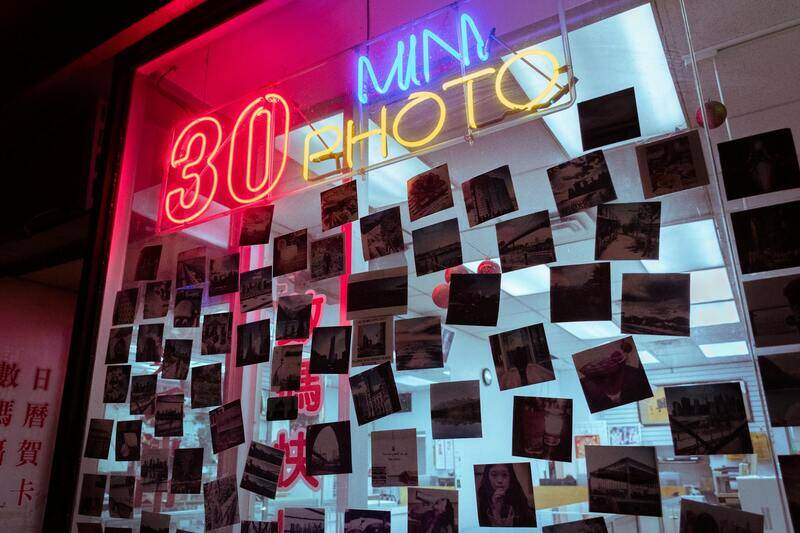
- Size Customization: Selecting a unique size can catch the eye and make your card memorable, but it’s important to balance creativity with practicality. Ensure your card still fits comfortably into standard wallets or cardholders for ease of distribution.
- Shape Variations: Rounded edges, oval shapes, or custom-cut designs like wave or geometric outlines can add a distinctive touch. These shapes often convey creativity and innovation but might require specialized cutting machinery.
- Orientation Choices: Portrait versus landscape orientations influence the visual flow and layout of your design. Choose based on the hierarchy of information you want to emphasize and the overall style of your branding.
Additionally, consider how the chosen dimensions and shape harmonize with your branding assets. For instance, minimalist designs typically benefit from clean, simple shapes, while more elaborate logos or images may require a larger surface area to maintain clarity and impact.
Customization also includes considering edge treatments—gold foiled edges or painted borders can further enhance the visual appeal and tactile experience of your business cards. It’s essential to collaborate closely with your printing provider to select options that align with your branding strategy and practical needs.
Final Considerations for Size, Shape, and Orientation
- Compatibility with Design Elements: Ensure that your chosen dimensions and shape accommodate your logo, contact information, and other visual components without appearing cluttered.
- Consistency with Brand Messaging: The shape and size should reflect your brand's personality—sleek and modern or traditional and reliable.
- Functional Practicality: Cards should be easy to store, handle, and distribute, making practicality a key aspect when exploring custom shapes or sizes.
- Material Considerations: Thicker or textured materials may require specific shaping or sizing considerations to maintain durability and quality.
The process of selecting the optimal size, shape, and orientation involves balancing aesthetics, practicality, and branding goals. Engaging with experienced designers and printing experts ensures your custom made business cards are both visually striking and functional, leaving a lasting impression on recipients.
Ensuring Authenticity and Quality in Custom Made Business Cards
Manufacturers and print service providers offering custom made business cards in Singapore typically adhere to strict standards and certification processes that assure product authenticity and quality. To navigate this landscape effectively, business owners should focus on partnerships with established and well-reviewed providers who demonstrate transparency through clear communication and detailed portfolios. Authentic providers often showcase certifications of quality management, industry awards, and customer testimonials, which serve as indicators of their credibility and commitment to excellence.
When selecting a provider, inquire about their sourcing strategies for materials, their adherence to environmental and safety standards, and their processes for ensuring consistent quality across different batches. Reputable companies often have stringent quality control measures in place, including regular inspections and tests that assess color fidelity, edge precision, and surface durability. These measures are vital in producing a custom business card that meets the specified standards and expectations of clients.
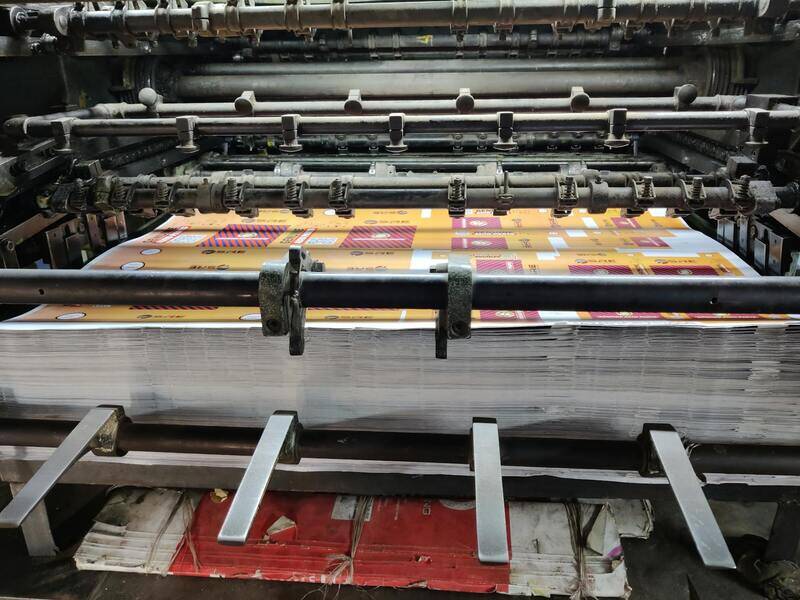
Another essential aspect involves verifying the authenticity of the printing techniques employed. Recognized printing methods such as offset, letterpress, foil stamping, and embossing are often associated with higher credibility due to their precision and material compatibility. Many quality-oriented providers ensure the use of such methods for intricate designs or special finishes, which require advanced machinery and experienced craftsmanship. Clients should request detailed explanations or samples of previous work to confirm that the finished product aligns with their expectations of authenticity and quality.
To further guarantee the legitimacy of the products, it is advisable to review the provider’s compliance with industry standards for ink safety and material certifications. This is particularly important for businesses handling sensitive information or aiming for environmentally sustainable practices. Certifications such as ISO, FSC, or eco-labels showcase a commitment to environmentally responsible sourcing and manufacturing processes. Opting for providers with these credentials ensures that the custom made business cards are produced using legitimate, safe, and sustainable methods that uphold your brand’s integrity.
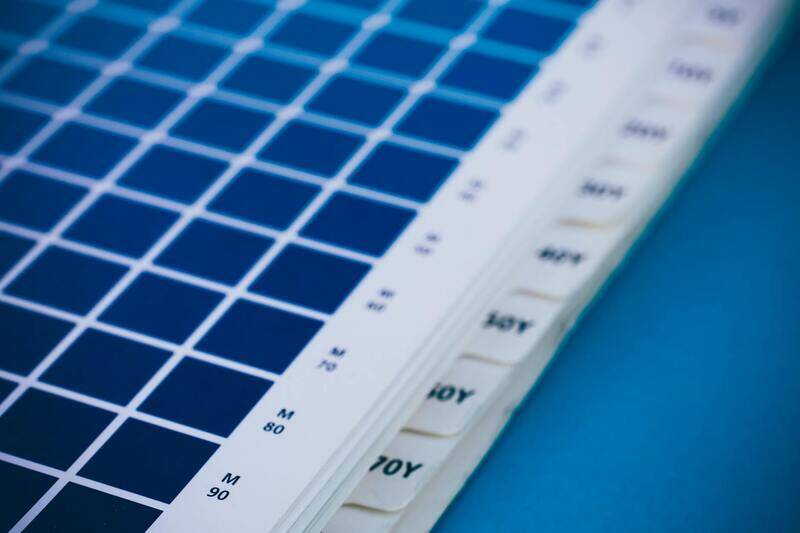
Understanding the control measures for color accuracy and material consistency is also crucial. Authentic suppliers utilize advanced color management systems and calibration procedures for their printing equipment. This minimizes color deviations and guarantees that each batch of cards match the specified design precisely. Additionally, they employ high-quality raw materials—such as premium cardstock, eco-friendly inks, and durable finishes—that stand up to wear and tear, further reflecting the authenticity of the product.
Potential clients should engage with service providers that provide manufacturing documentation or certificates of authenticity for their materials and processes. Such documentation is a reliable indicator of the provider’s dedication to delivering products that are not only visually impressive but also produced through legitimate and verified processes.
Finally, establishing a clear communication line with your selected provider helps ensure that every step—from design approval to final production—is conducted with transparency. Regular updates, sample approvals, and detailed invoices contribute toward a seamless process, providing peace of mind that your custom made business cards are genuine, high-quality, and worth the investment.
