
Overview of Large Format Printing in Singapore
Large format printing has emerged as a vital component of Singapore's visual communication landscape. This specialized printing technique involves producing graphics, banners, and displays on substrates that exceed standard printing sizes, often ranging from several feet to multiple meters in width and length. With its ability to create visually impactful and highly customizable outputs, large format printing caters to diverse industries, including retail, events, real estate, hospitality, and corporate sectors.
In Singapore, the demand for large format printing is driven by the country's vibrant commercial environment and its emphasis on aesthetics and branding. Businesses leverage these printing solutions to enhance brand visibility, create engaging advertising displays, and facilitate large-scale promotional campaigns. Moreover, the versatility of large format printing allows for the creation of wayfinding signs, vehicle wraps, trade show banners, wall murals, and architectural installations, each serving unique communications and marketing objectives.

As technology advances, the sophistication and quality of large format printing continue to improve, providing sharper images, more vibrant colors, and a broader range of material compatibility. This evolution bolsters its importance in forming a compelling visual identity for brands and organizations within Singapore’s competitive market landscape.
Understanding the fundamental role of large format printing within Singapore's diverse industrial sectors is essential for businesses aiming to optimize their visual outreach and operational effectiveness. Whether for temporary advertising or permanent architectural features, large format printing offers tailored solutions that align with strategic branding and communication goals.
By embracing official, high-quality printing methods, companies ensure their visual materials meet professional standards, resonate with target audiences, and withstand the rigors of Singapore’s dynamic environment. As the industry moves forward, the focus on innovation and precise execution remains a cornerstone of effective large format printing services present in Singapore today.
Common Materials Used in Large Format Printing
Choosing the appropriate material is fundamental to achieving high-quality large format prints that endure in Singapore’s vibrant and often demanding environment. Various substrates and media are available, each tailored to specific applications and conditions.
Vinyl continues to be a popular choice due to its durability, flexibility, and cost-effectiveness. It is especially suitable for outdoor signage, vehicle wraps, and banners that require resistance to weather elements. Calendered vinyl offers a gloss finish with smooth surfaces, ideal for short to medium-term indoor advertising, while cast vinyl provides superior conformability for complex vehicle curves and prolonged outdoor use.
Substrate options extend beyond vinyl proxies. Fabric-based materials, such as textile banners and backdrops, deliver a premium appearance with vibrant color reproduction, suitable for event settings or retail displays. Acrylic and plexiglass are often used for architectural signage, offering clarity and a sleek, modern aesthetic. Forex or foam boards are lightweight and easy to install, serving well for short-term indoor displays and point-of-sale signage.

For environmental sustainability, many print service providers now offer eco-friendly substrates, including biodegradable plastics or recyclable materials, aligning with Singapore’s push toward greener practices. Additionally, specialized media like reflective and transparent films enable innovative signage solutions, expanding creative options for businesses seeking to stand out in a competitive marketplace.
Heat-resistance, UV stability, and flexibility are critical considerations when selecting materials, especially given Singapore’s tropical climate, which subjects outdoor prints to harsh sunlight and humidity. Proper material selection not only ensures the longevity of advertising materials but also preserves visual clarity and color vibrancy over time, making material choice a strategic decision for achieving maximum impact with large format printing projects.
Overview of Large Format Printing in Singapore
Large format printing in Singapore is an integral part of the visual communication landscape, serving diverse industries ranging from retail and real estate to hospitality and event management. The ability to produce eye-catching visuals on a grand scale allows businesses to effectively capture attention, convey branding messages, and create immersive experiences. With Singapore's strategic location and robust commercial environment, a multitude of printing companies offer advanced solutions tailored to meet specific project requirements. These providers leverage cutting-edge technology and high-quality materials to deliver results that balance durability, aesthetic appeal, and cost-efficiency. As the demand for large-scale graphics continues to grow, particularly in outdoor advertising, trade shows, and architectural signage, the importance of selecting the right printing techniques and materials becomes increasingly critical for achieving impactful results. Providers in Singapore are committed to adhering to industry standards, ensuring that each project is executed with precision, consistency, and environmental responsibility, aligning with the country's sustainability goals.

The expansive urban landscape of Singapore, combined with a vibrant retail scene and active event calendar, drives continual innovation in large format printing. This sector is characterized by a focus on eco-conscious practices, incorporating environmentally friendly substrates and inks that minimize ecological footprints while maintaining superior quality. Technological advancements, such as UV-curable and latex printing methods, have further expanded creative possibilities, allowing for versatile applications ranging from outdoor billboards to detailed interior murals. As businesses seek dynamic visual content, the market is evolving to include not only traditional signage but also interactive and 3D elements that enhance viewer engagement. Overall, large format printing in Singapore is a dynamic industry rooted in both tradition and innovation, consistently adapting to meet the evolving needs of commerce and communication.
Applications and Use Cases in Singapore
Large format printing plays a pivotal role across various sectors in Singapore, facilitating both visual communication and branding efforts. Its versatility enables businesses and organizations to create impactful displays that attract attention and convey messages effectively. This section explores the diverse applications of large format printing within the city-state.
Outdoor Advertising and Signage
One of the most prominent uses of large format printing in Singapore is in outdoor advertising. Billboards, bus wraps, and transit advertising utilize high-quality, durable prints designed to withstand Singapore’s tropical climate. These advertisements are strategically placed in high-traffic areas to maximize visibility among residents and visitors alike. Additionally, storefront banners and event signage are common applications, crafted to entice passersby and reinforce brand identity.
Interior Branding and Decor
Beyond outdoor applications, large format printing is extensively used for interior branding purposes. Retail outlets often employ custom wall murals, window graphics, and point-of-sale displays to enhance customer experience and reinforce their branding. Corporate offices and hospitality venues also leverage large prints for reception areas, event backdrops, and themed interiors, creating immersive environments that leave lasting impressions.
Architectural and Construction Signage
In Singapore’s bustling construction and architectural industries, large format printing is essential for project signage, technical drawings, and site plans. These prints are often produced on weather-resistant and high-clarity substrates to ensure clarity and durability throughout construction phases. This facilitates seamless communication among stakeholders while maintaining safety standards and project visibility.
Trade Shows and Exhibitions
Trade shows and exhibitions benefit significantly from large format graphics. Custom booth displays, backdrops, and promotional banners are crafted to capture attention from great distances, making a memorable impact on attendees. The ability to produce vibrant, detailed visuals efficiently allows exhibitors to showcase their brands dynamically and professionally.
Event and Cultural Installations
Singapore’s vibrant cultural scene and numerous international events often feature large scale visual installations. These range from festival banners, stage backdrops, to interactive digital displays. The capability to produce large, eye-catching visuals contributes to a lively atmosphere and enhances visitor engagement during festivals, concerts, and public celebrations.
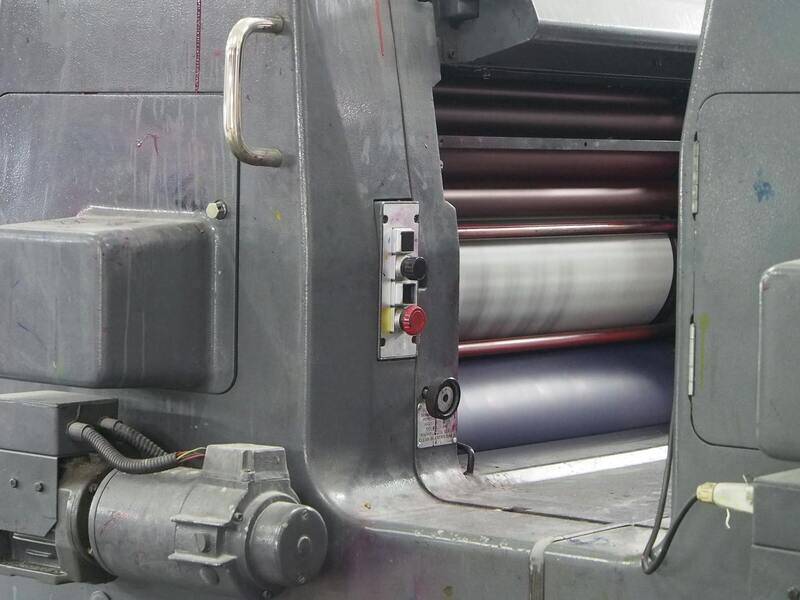
The adaptability of large format printing ensures it remains an integral component of Singapore’s visual landscape, supporting a broad spectrum of commercial, cultural, and informational needs. As the city continues to evolve as a global hub, the demand for innovative and high-quality large format visuals is expected to grow, encouraging ongoing advancements in printing technology and material sustainability.
Materials and Surface Finishing Options in Large Format Printing
Choosing the appropriate materials is crucial to achieving the desired visual impact and ensuring the longevity of large format prints. In Singapore, standard substrates include vinyl, canvas, mesh, and fabric, each tailored to specific environments and purposes.
- Vinyl Films: An extremely versatile material, vinyl is ideal for both indoor and outdoor applications due to its durability and weather resistance. It is commonly used for banners, billboards, and vehicle wraps.
- Canvas: Known for its rich texture and artistic appeal, canvas prints are suitable for interior decor, exhibition displays, and retail environments where a high-end aesthetic is desired.
- Mesh Fabrics: Specifically designed to facilitate airflow, mesh is commonly employed for outdoor banners in high-wind areas, maintaining visibility while reducing wind resistance.
- Fabrics and Textiles: For soft signage and versatile applications, textiles provide flexibility for curved displays, trade show backdrops, and window graphics.
Beyond material selection, finishing techniques such as lamination, UV coating, and edge sealing enhance print durability and visual appeal. Laminations can provide additional UV protection, resistance to scratches, and a glossy or matte finish, depending on the desired aesthetic. UV coatings offer an extra layer of protection against environmental damage, making prints ideal for prolonged outdoor use.

Environmental and Sustainability Considerations in Large Format Printing
As Singapore pushes towards sustainable development, many printing service providers are adopting eco-friendly practices. This includes utilizing biodegradable or recyclable materials, employing solvent-free inks, and optimizing production processes to reduce waste. These initiatives not only align with national environmental goals but also appeal to clients who prioritize green practices.
For environmental considerations, it is important for businesses to inquire about the sustainability credentials of their printing partner. Selecting providers that demonstrate adherence to environmentally conscious standards can contribute to a more sustainable branding strategy and corporate responsibility profile.

Maintenance and Care Tips to Maximize Longevity of Large Format Prints
Proper maintenance extends the life and visual quality of large format prints. Regular cleaning with gentle, non-abrasive solutions helps remove dust, dirt, and environmental pollutants. For outdoor banners and signage, periodic inspections for tears, fading, or detachment are essential, especially after harsh weather conditions.
Storage and handling procedures are also important; rolls should be stored in dry, cool environments away from direct sunlight to prevent warping or color fading. When installing, securing the print properly and avoiding excessive tension can prevent damage and ensure optimal appearance over time.

Common Materials Used in Large Format Printing
Choosing the appropriate material is fundamental to achieving optimal results in large format printing. The selection depends on the intended use—whether for indoor displays, outdoor signage, or specialized applications—and the environmental conditions the material must withstand. Typical materials encompass a diverse range designed to meet durability, aesthetic, and functional requirements.
- Vinyl (PVC) Banners: Widely used for outdoor advertising due to their robustness and weather resistance. Vinyl banners are flexible, durable, and suitable for large-scale displays requiring exposure to the elements.
- Polyester Fabrics: Utilized for high-quality indoor displays, fabric prints offer a premium appearance with vibrant color reproduction. They are often used in exhibitions, trade shows, and point-of-sale displays.
- Canvas: Ideal for fine art reproductions, specialty wall coverings, and luxury branding. Canvas provides a textured surface that enhances visual depth and aesthetic appeal.
- Backlit Films: Designed for illuminated signage, these materials are semi-translucent to allow light to pass through, creating eye-catching backlit displays for retail or indoor applications.
- Rigid Substrates: Includes materials such as aluminum composite panels (ACP), acrylic sheets, and foam boards. These are appropriate for durable signage like directional signs, exhibition displays, and point-of-information signage.
Selection criteria should include the material’s compatibility with the chosen printing technology, environmental resilience, weight considerations for installation, and overall visual effect desired. Consulting with a printing specialist ensures that the selected media aligns with project specifications and longevity expectations.
Types of Large Format Printing Technologies
In Singapore, the choice of large format printing technology significantly influences the quality, durability, and overall effectiveness of visual displays. Understanding the main printing methods available is essential for businesses seeking the optimal solution for their specific needs.
Solvent and Eco-Solvent Printing
Solvent and eco-solvent printing are among the most prevalent methods for outdoor advertising and signage. These technologies utilize solvent-based inks that penetrate the material surface, resulting in vibrant, weather-resistant images. Eco-solvent printers, a more environmentally friendly variation, emit lower volatile organic compounds (VOCs), aligning with Singapore’s increasing emphasis on sustainability.
UV Printing
UV printing employs ultraviolet light to instantly cure ink on a variety of rigid and flexible substrates. This technique enables sharp, highly detailed prints with excellent color fidelity. UV printing excels in applications requiring vibrant visuals on non-porous surfaces such as acrylics, metals, or glass, making it ideal for premium signage and decorative displays.
Latex Printing
Latex technology utilizes water-based inks that are eco-friendly, offering high flexibility and outdoor durability. It produces high-quality, matte or semi-gloss finishes that are suitable for banners, wall coverings, and vehicle wraps. Latex printers are popular in Singapore for their quick turnaround times and compliance with stringent environmental regulations.
Solvent, Eco-Solvent, UV, and Latex: Comparative Insights
- Durability: Solvent and eco-solvent prints provide superior resistance to weather and UV exposure, essential for outdoor signage.
- Image Quality: UV and latex printing deliver high-resolution images with crisp details and vibrant colors, suitable for indoor graphics and high-end applications.
- Environmental Considerations: Eco-solvent and latex printing are more environmentally conscious options, with reduced emissions and VOCs.
- Material Compatibility: UV printing best suits rigid surfaces, while solvent-based methods excel on flexible media such as vinyl or fabric.
Advancements in Large Format Printing Technologies
Singapore’s printing industry continually adopts innovative technologies like hybrid printing systems that combine multiple methods for enhanced versatility. Additionally, developments in printhead precision and ink formulations contribute to higher resolution and color accuracy, expanding creative possibilities for clients seeking striking visual impacts.
Comprehensive Methods to Ensure Safety and Compliance in Large Format Printing in Singapore
Maintaining safety standards and adhering to regulatory requirements are fundamental aspects of professional large format printing operations within Singapore. This ensures not only the protection of personnel and the environment but also the preservation of quality and durability in printed outputs. Employing official, proven methods underscores a commitment to excellence and sustainable practices.
Adherence to Industry Standards and Certifications
One primary avenue for legitimate operation involves aligning with recognized industry standards and certifications. These include adherence to Singapore’s local regulations concerning environmental impact, safety, and occupational health. Certifications such as ISO 9001 (Quality Management Systems) and ISO 14001 (Environmental Management Systems) signal a printer's dedication to professionalism, quality assurance, and eco-friendly operations.
Utilization of Certified Materials and Inks
Selecting materials and inks verified through official channels ensures that products meet safety and environmental protocols. Approved media types and inks are tested to withstand Singapore’s climate conditions—resisting UV exposure, moisture, and temperature variations—without compromising print integrity or safety.

Implementation of Reliable Workflow and Calibration
Standardized procedures, including regular calibration of printing machines, help maintain color consistency, accuracy, and quality. Using official calibration protocols prevents issues such as color deviations and mechanical malfunctions, ensuring customer satisfaction and compliance with Singapore’s industry benchmarks.
Environmental and Waste Management Practices
Proper disposal of inks, substrates, and chemicals is vital for environmentally responsible operations. Authorized waste management services and adherence to environmental policies help reduce pollution, prevent hazardous incidents, and promote sustainability in line with Singapore’s green initiatives.
Training and Certification for Personnel
Ongoing training for technical staff in safety procedures and industry best practices guarantees that personnel are equipped to handle equipment safely and efficiently. Certification programs endorsed by reputable industry bodies further enhance operational legitimacy and technical proficiency.
Use of Modern Technology and Software for Safety and Quality Control
Integrating advanced software solutions for color management, workflow automation, and safety monitoring supports compliance and enhances overall efficiency. These tools facilitate real-time tracking, quality assurance, and safety checks, reinforcing the integrity of large format printing operations.
Risk Management and Emergency Protocols
Establishing comprehensive safety policies, including emergency response plans and routine safety audits, minimizes operational risks. Proper training in handling chemicals, machine malfunctions, and fire safety forms an integral part of maintaining a secure working environment.
Conclusion
Employing official methodologies such as certified materials, standardized procedures, environmental management, and personnel training establishes a solid foundation for large format printing in Singapore. This approach not only ensures safety and compliance but also upholds the reputation of printing service providers, fostering trust and long-term client relationships.
