
Understanding Huge Photo Prints
Huge photo prints, often termed as oversized or large-format prints, have become a prominent means of artistic expression, commercial advertising, and personal memorabilia in contemporary visual communication. These expansive visuals are characterized by their considerable dimensions, typically exceeding 24 inches in width, and are designed to create a striking visual impact in various environments.
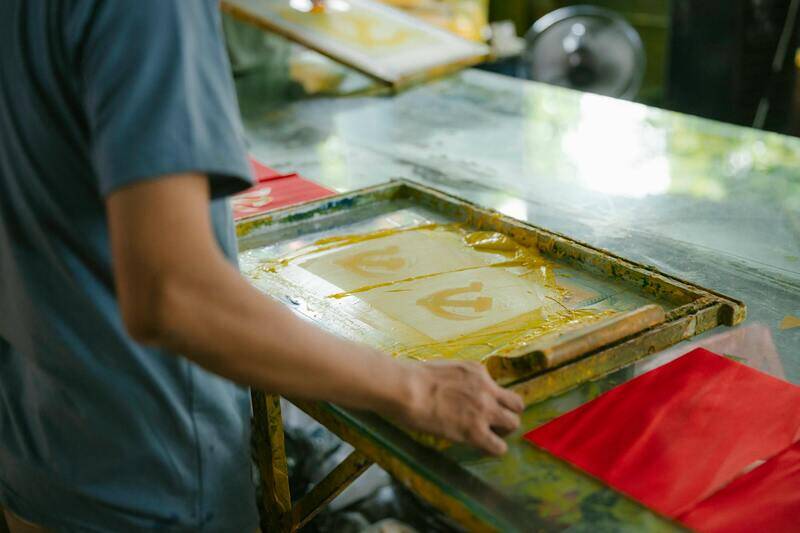
Common Sizes and Formats
Large photo prints vary significantly in size, but some standard formats frequently used in professional and personal contexts include:
- 24x36 inches – popular for posters and promotional displays
- 30x40 inches and 40x60 inches – suitable for gallery walls and exhibition backdrops
- Custom dimensions exceeding 4x8 feet – often for billboards or architectural installations
These sizes can be tailored to specific project requirements, with aspect ratios maintained to ensure proportional accuracy during expansion. The choice of format is often influenced by the desired viewing distance, the environment where the print will be displayed, and the nature of the image itself.
Common Applications in Various Settings
Huge photo prints serve diverse purposes across different sectors:
- Commercial advertising: eye-catching billboards and storefront displays that attract foot and vehicular traffic.
- Art exhibitions: large-scale photographic art pieces intended to evoke emotional responses and provide immersive experiences.
- Corporate environments: impactful wall murals and branding visuals that reinforce corporate identity.
- Public spaces: murals in parks, transport hubs, and city squares designed to engage the community and enhance aesthetics.
- Personal use: panoramic family photos or scenic landscapes printed on an enormous scale for home or event decoration.
Understanding the scope and applications of huge photo prints helps in selecting appropriate sizes and materials, ensuring that the final display meets both aesthetic and functional expectations.
Understanding Huge Photo Prints
Creating large-scale photographic displays requires an understanding of the various methods and techniques to achieve high quality results. The process involves selecting the right printing technology, choosing suitable materials, and ensuring proper resolution and color management to preserve image fidelity. It is essential to utilize specialized equipment and professional printers capable of handling expansive dimensions without compromising image sharpness or color accuracy. The most common approach for huge photo prints involves the use of formatted digital files that are prepared with meticulous attention to detail. This preparation includes resizing images to meet the required dimensions while maintaining optimal resolution, often measured in dots per inch (DPI) to ensure visual clarity from varying viewing distances. With advances in digital printing, large-format printers now accommodate widths of up to several meters, making it possible to produce impressive visual displays suitable for both indoor and outdoor environments. For large prints, a variety of printing methods can be employed:
- UV Printing: This technique involves applying ultraviolet light to cure the inks directly onto the substrate, resulting in vibrant, durable images suitable for outdoor use.
- Solvent and Eco-Solvent Printing: Ideal for vinyl and outdoor advertisements, these methods produce weather-resistant prints with vivid colors and long-lasting quality.
- Electrophotography (Latex and Dye Sub): These technologies offer high-definition output with flexible material options and are preferred for detailed photographic reproductions.
Choosing the Right Material for Your Photo

The selection of material is fundamental to the final appearance and durability of a huge photo print. Common options include:
- Canvas: Offers a textured, artistic feel that enhances photographic depth, suitable for gallery displays and interior decor.
- Vinyl: An excellent choice for outdoor applications due to its weatherproof characteristics and flexibility.
- Backing Films and Banner Materials: Used for lightweight displays, event banners, or temporary advertising fixtures.
- Rigid Substrates (Foam Board, PVC, Aluminum): Provide sturdy support for mounting prints in exhibitions or architectural installations.
Environmental Considerations
When selecting materials and printing methods, it’s crucial to consider environmental factors such as exposure to sunlight, moisture, and temperature variations. For outdoor displays, weather-resistant and UV-blocking coatings help preserve image quality for extended periods. Conversely, indoor applications may prioritize materials that enhance color vibrancy and aesthetic appeal, with less emphasis on weatherproofing.
Understanding Huge Photo Prints
Creating impressive large-scale photo prints involves a meticulous process that ensures the final product maintains sharpness, color accuracy, and durability. It's essential to select the appropriate printing technology, materials, and finishing options to achieve the desired visual impact. Whether for commercial advertising, gallery displays, or personal projects, a clear understanding of how these elements come together can markedly enhance your printing experience and the end result.
Material and Substrate Selection
The foundation of any large photo print is its substrate, which significantly influences its appearance, longevity, and suitability for various environments. Each material offers unique characteristics that cater to specific needs and aesthetic preferences.
- Canvas: Known for its textured finish, canvas adds an artistic touch to photographs, creating a sense of depth and richness. Ideal for interior decor and gallery-quality displays, it provides an elegant, timeless presentation.
- Vinyl: Widely used for outdoor signage and banners due to its weather-resistant qualities. Vinyl allows for vibrant color reproduction and flexibility, making it suitable for large-format advertising in outdoor settings.
- Backing Films and Banner Materials: Lightweight and portable, these are perfect for temporary displays and event banners. They are easy to install and remove, offering versatility for short-term applications.
- Rigid Substrates (Foam Board, PVC, Aluminum): These materials provide structural support that ensures stability and sharpness. They are optimal for mounting in exhibition spaces or architectural projects, offering a clean, professional finish.
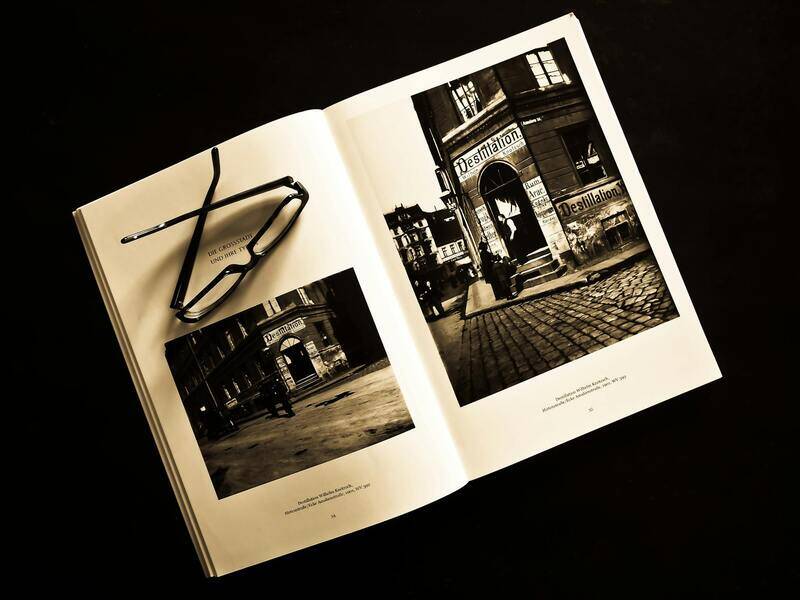
Environmental and Durability Considerations
When choosing materials and printing methods, it is critical to account for the environment where the print will be displayed. Outdoor installations demand weatherproofing, UV resistance, and moisture protection to maintain image quality over time. Indoor displays, in contrast, might prioritize vibrant color reproduction and aesthetic appeal, with less concern for environmental exposure. Specialized coatings and lamination options can significantly enhance the durability of large photo prints, protecting them against fading, scratches, and environmental damage.
Advancements in printing techniques
Modern large-format printing technologies have evolved to produce highly detailed and color-accurate images efficiently. Digital large-format printers utilize advanced inkjet mechanisms, capable of handling wide media and complex color profiles. These printers deliver high resolution, ensuring that even intricate photographic details are preserved at large scales. Additionally, UV flatbed printers can print directly onto rigid materials, streamlining the production process and reducing handling risks.
Conclusion
Choosing the right combination of materials, substrates, and printing methods is vital for producing large photo prints that meet both aesthetic and functional requirements. With advancements in printing technology and a careful selection of environmentally suitable materials, it is possible to achieve stunning visuals with impressive durability, extending the impact and lifespan of these displays for various applications.
Methods for Obtaining Huge Photo Prints Through Reliable Channels
Securing large-scale photographic prints involves selecting trusted sources that specialize in high-quality production. Professional printing services with established reputations often have access to sophisticated equipment capable of handling large formats with precision and consistency. These providers typically employ advanced digital printing technology to ensure the final output maintains sharp details, vibrant colors, and exceptional durability. When choosing a method, it's crucial to evaluate the provider’s portfolio, customer reviews, and industry experience to confirm their ability to deliver large photo prints that meet your expectations.
One official avenue involves collaborating directly with established printing companies that offer bespoke large-format printing services. Such companies often have dedicated teams of professionals who can assist with the technical aspects, from file preparation to print finishing. They provide detailed consultations to help select the appropriate materials, substrates, and finishing options suited for your intended display environment. This pathway ensures the print process is handled meticulously, minimizing potential issues such as color mismatches or resolution problems, and results in professional-grade large photo prints.
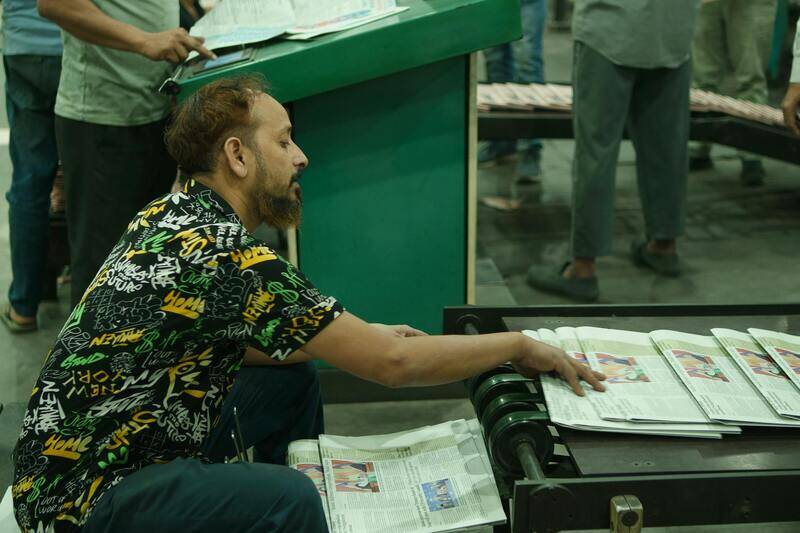
Another legitimate method involves utilizing authorized printing franchise networks or certified local printing hubs that operate under industry standards. These entities often adhere to strict quality control protocols and use certified materials to guarantee the consistency and safety of the final product. Engaging with such sources provides an added layer of assurance that the large photo print will be produced under reliable conditions, with precision calibration for color fidelity and sharpness.
Furthermore, many official online printing platforms now offer seamless ordering processes, allowing customers to upload high-resolution images and specify print dimensions directly through secure websites. These digital services often collaborate with leading print facilities and utilize state-of-the-art equipment, providing a convenient, trustworthy way to commission huge photo prints. Customers benefit from consistent quality, transparent pricing, and detailed support, ensuring that every large-scale print aligns with professional standards.
To maximize the success of your large photo printing project, it’s advisable to work with providers who utilize verified printing methods and transparent workflows. Always ensure that the files you provide are optimized for large-format reproduction—high-resolution, color-corrected images saved in suitable formats. Confirm the printing partner's capabilities regarding color management, material choices, and finishing options, such as lamination or mounting. These elements collectively contribute to producing large photo prints that are both visually stunning and durable, suitable for varied display environments, whether indoor exhibitions, outdoor murals, or personal installations.
Proper Techniques for Producing High-Quality Large Photo Prints
Using Official Printing Facilities
For individuals and businesses seeking to create huge photo prints that meet professional standards, engaging with reputable and authorized printing service providers is essential. These official facilities operate with accredited equipment, adhere to industry best practices, and employ certified processes that ensure the final output aligns with the highest quality standards.
Opting for established printing companies that are transparent about their operations guarantees that your large-format prints are produced using verified methods. Such facilities often have a strict quality control process that includes calibration of printers, color accuracy checks, and consistency measures across production batches. This meticulous approach minimizes discrepancies in color and sharpness, ensuring that your photo prints reflect the original image as precisely as possible.
Many official printing establishments in Singapore offer user-friendly online ordering portals where you can upload high-resolution images directly. These platforms typically integrate secure data transfer and provide detailed file specifications, guiding customers to prepare files in suitable formats like TIFF or PDF, with the appropriate color profiles. By following these guidelines, clients can avoid issues like pixelation, blurriness, or color shifts while maximizing the visual impact of their large prints.
Ensuring Quality Through Verification and Transparency
Choosing a reputable large photo print provider involves verifying their credentials and reviewing customer feedback. Look for facilities that demonstrate transparency through detailed product descriptions, sample galleries, and clear explanations about their equipment and processes. Authentic providers often showcase their certifications, awards, or affiliations with industry organizations, reinforcing their commitment to quality and professionalism.
By trusting official sources, clients can also access additional services such as color management consultations, print previews, and sample swatches. These offerings help in making informed decisions and achieving the desired visual effects when producing sizable images. Furthermore, official printing partners frequently provide guarantees or warranties on their work, adding an extra layer of confidence in the durability and appearance of the final product.
Working with Certified Print Providers
When opting for huge photo prints, it’s crucial to work exclusively with certified providers who have demonstrated expertise in large-format printing. Certifications from industry bodies, accreditation for sustainability practices, or affiliations with leading print technology brands signal a commitment to quality standards. Such partnerships typically involve the use of approved materials, calibrated color workflows, and state-of-the-art machinery, all of which contribute to consistent and vibrant large photo prints.
Engagement with these providers usually begins with a consultation to review your specific requirements, such as intended display environment, required durability, and aesthetic preferences. The professional staff can offer valuable advice on optimal file preparation and material choices, ensuring your images are ready for large-scale reproduction without loss of detail or color fidelity. Subsequent proofs or digital mockups may be provided for approval before the final print run, helping to prevent costly mistakes and ensuring satisfaction with the end product.
Summary of Best Practices
- Always choose authorized and reputable printing providers with verified credentials.
- Prepare high-resolution, color-corrected files in recommended formats before submission.
- Review samples, proofs, and guarantees to ensure production quality aligns with your expectations.
- Consult with certified technicians for material and finishing options suitable for your display needs.
- Verify that the provider utilizes properly calibrated equipment and adheres to industry standards for color and image accuracy.
Best Practices for Mounting and Installation of Large Photo Prints
Proper mounting and installation are critical steps to ensure that your huge photo prints are displayed securely, maintain their visual impact, and endure in various environments. To maximize longevity and aesthetics, selection of appropriate mounting methods and materials is essential, especially considering the size and weight of large-scale prints.
When mounting large photo prints, it is important to choose techniques that prevent warping, sagging, or damage over time. Common methods include:
- Framing: Using a sturdy frame enhances the stability of the print while protecting edges against wear and tear. Frames can be custom-made to fit the size and style of the print, ensuring a seamless presentation that complements the image.
- Gallery Walls and Tension Mounts: For a more contemporary look, tension mounting systems or gallery hangers distribute weight evenly and allow for easy adjustments. These methods are particularly suitable for prints that need to be repositioned frequently.
- Direct Adhesive Mounting: Applying high-quality adhesives or mounting tapes designed for large-format prints and different surfaces ensures secure adhesion. This method is often used on flat, smooth surfaces like glass or acrylic panels, and requires precise application to prevent air bubbles or misalignment.
In addition to selecting the mounting procedure, consider the environment where the print will be installed. Indoor settings with controlled humidity and temperature tend to preserve prints longer, whereas outdoor installations require weather-resistant materials and protective coatings to resist elements such as moisture and UV exposure.
Proper installation not only enhances the visual appeal but also ensures safety, especially for large, heavy prints in high-traffic areas. Employing professional installers with experience in handling oversized prints can prevent common issues such as misalignment, falling, or damage during installation. Confirm that mounting hardware is rated for the weight and size of your print, and that safety measures are followed to keep the display secure over time.
In environments prone to vibrations or accidental impact, additional reinforcement such as wall anchors or safety cables can be incorporated. For outdoor displays, protective coatings or UV laminates can shield the print from weather and UV rays, maintaining vibrant colors and surface integrity.
Understanding Huge Photo Prints
Creating impressive large-scale photo displays requires a clear understanding of the specific techniques and considerations involved. From selecting appropriate printing methods to ensuring clarity and color accuracy at large dimensions, every step plays a vital role in achieving a stunning final piece. When planning for huge photo prints, it’s essential to consider the intended environment—whether for interior décor, commercial displays, or outdoor installations—as each setting influences material choices and printing techniques. High-resolution images are crucial to maintain sharpness and detail when scaled up, as even minor pixelation becomes glaringly obvious at large sizes. Properly preparing digital files, choosing suitable formats, and optimizing color profiles ensure that the final product aligns with your vision and remains true to the original artwork or photograph.
Materials and Substrates for Large Photos
The foundation of every impactful huge photo print lies in the selection of the right materials and substrates. Common options include:
- Vinyl banners: Flexible, weather-resistant, ideal for outdoor installations or temporary displays.
- Canvas: Offers a textured finish reminiscent of traditional artwork, suitable for both indoor and outdoor environments with proper sealing.
- Aluminum composite panels: Durable, lightweight, and with a sleek modern look, perfect for corporate signage or architectural features.
- Acrylic sheets: Provide vibrant color reproduction and a glossy finish, ideal for high-end displays or art installations.
- Vinyl wall coverings: Large, seamless options that can cover entire walls, transforming spaces with immersive visuals.
Choosing the right substrate involves balancing aesthetic preferences with environmental factors such as exposure to sunlight, moisture, and temperature fluctuations. For outdoor signage, weatherproof and UV-resistant materials ensure longevity, while indoor displays might prioritize finishes that enhance color vibrancy and surface texture.

Printing Technologies and Techniques
Advancements in printing technology have expanded the possibilities for producing huge photo prints with incredible detail and color fidelity. The most prevalent methods include:
- UV Printing: Uses ultraviolet light to cure inks instantly on rigid surfaces such as aluminum, acrylic, or wood. This technique produces vibrant images with durable finishes resistant to fading and scratching.
- Solvent and Eco-Solvent Printing: Suitable for vinyl and outdoor materials, these methods offer excellent adhesion, weather resistance, and color vibrancy while maintaining environmental safety standards.
- Latex Printing: Combines environmental benefits with high-resolution output, capable of printing on a variety of substrates with flexible, water-based inks that dry quickly.
- Giclée Printing: Primarily used for fine art reproductions, this high-end inkjet technique provides exceptional detail and color accuracy at larger formats.
Choosing the correct printing technology depends on factors such as substrate material, intended display environment, budget, and desired longevity. Collaborating with experienced printing professionals ensures optimal results tailored to your project specifications.
Color Management and Image Resolution
Accurate color reproduction and sharp detail are critical when enlarging images to substantial sizes. Effective color management involves working within calibrated color profiles and optimizing digital files prior to printing. Ensuring high image resolution—typically a minimum of 150-300 DPI at the final print size—is essential to maintain clarity and prevent pixelation. For large-format prints, the original image should have a resolution sufficiently high to accommodate scaling without loss of detail. When preparing images, use professional software to adjust contrast, brightness, and color balance, and embed color profiles such as Adobe RGB or sRGB to match the printer’s capabilities. Furthermore, color proofing and soft-proofing services enable previewing how colors will appear in the final print, reducing mismatches and ensuring consistency. Regular calibration of printers and monitors guarantees that digital colors correspond accurately to the final product.
Design Considerations for Large-Scale Prints
Designing for huge photo prints requires attention to composition, framing, and cropping. Essential considerations include:
- Focal Points: Ensuring the main subjects are prominently placed and appropriately scaled to maintain visual impact.
- Shallow vs. Deep Depth of Field: Adjusting focus to guide viewer attention and enhance perceived depth in the image.
- Color Balance and Contrast: High contrast and vibrant colors tend to be more striking at large sizes, but should be balanced to avoid visual fatigue.
- Negative Space: Adequate whitespace or background areas help prevent overwhelming viewers and facilitate framing.
- Edge Management: Properly extending backgrounds or using bleed areas ensures seamless borders and prevents unintentional cropping during finishing processes.
Considerations also extend to environmental elements such as lighting, viewing distance, and surrounding décor, which influence how the image will be perceived. Collaborating with graphic designers or printing specialists ensures these factors are optimally integrated into your design.
Installation and Mounting of Huge Photo Prints
Proper installation and mounting techniques are critical to preserving the integrity and visual impact of large-scale photo prints. Given their size and weight, these prints require meticulous handling and preparation to ensure they remain secure and aesthetically pleasing over time.
Choosing the appropriate mounting system depends on the material of the print, the environment, and the desired finish. Common methods include direct wall mounting, floating mounts, and framed displays. Each approach offers different advantages in terms of aesthetics, protection, and ease of installation.
Wall Mounting Solutions
- Z-Clips and French Cleats: These hardware options provide a sleek, flush appearance and enable easy removal or repositioning. They are suitable for large, lightweight prints and minimize wall damage.
- Adhesive Mounts: Heavy-duty adhesives or mounting tapes can be used for certain substrates, offering a less invasive installation while still providing strong hold. It is essential to select adhesives compatible with the print material to prevent warping or damage.
- Frame Mounts: For added protection and a finished look, framing large photo prints is a popular choice. Frames can be custom-made to suit the décor and can include UV-protective glass or acrylic to safeguard the image.
Additional Mounting Considerations
When installing large photo prints, environmental factors such as humidity, temperature variations, and exposure to sunlight should be taken into account. Using protective coatings or laminates can enhance durability and resist fading caused by UV exposure.
Depending on the size and weight, professional installation services are often recommended to ensure safety and precision. Experts utilize specialized equipment such as lift lifts, scaffolding, or wall anchors to handle oversized prints effectively and to minimize the risk of damage during mounting.
Post-installation, regular maintenance routines—such as cleaning with non-abrasive materials—help preserve the print's clarity and vibrancy. If the display is outdoors or in high-traffic areas, additional protective measures should be considered to mitigate environmental wear.
By adhering to best practices in installation and mounting, you can maximize the aesthetic brilliance of your huge photo prints, creating a striking focal point that enhances interior spaces or outdoor environments for years to come.
