
Understanding Large Format Photo Printing
Large format photo printing is a specialized process that involves creating high-quality images on substantial scales. This method is widely used in various professional fields, including advertising, interior design, and event promotion. Such prints typically range from smaller poster sizes to massive banners and wall murals that can span several meters in width and height. The ability to reproduce detailed images on a large scale enhances visual impact, making it an essential service for businesses and individuals seeking to make a significant impression.
Common large format print sizes include 24x36 inches, 36x72 inches, and oversized dimensions such as 10x20 feet or even larger. These sizes cater to diverse needs, from promotional posters and trade show displays to decorative wall coverings. The versatility of large format printing allows for customization to match specific project requirements, whether that involves bold, vibrant visuals or subtle, textured designs.
The applications of large format photo printing are extensive. Banners and signage are frequently produced for outdoor events and storefront displays, necessitating durable materials that withstand weather conditions. Wall murals and graphical wall coverings are popular in retail spaces, hotels, and corporate offices, transforming environments with impactful visuals. Additionally, fine art prints are often reproduced in large formats to preserve intricate details and textures, providing a gallery-quality display that retains the original artwork’s essence.
Advancements in printing technology have made it possible to produce these large images with exceptional clarity, color fidelity, and durability. Whether for commercial or personal projects, understanding the fundamentals of large format photo printing helps in making informed decisions to achieve desired visual outcomes. From selecting appropriate sizes suited to the space to choosing the right materials, every step influences the final quality and visual appeal of the printed image.
In the next sections, we will explore how to select suitable printing materials, optimize image quality, and understand the technical aspects involved in the large format printing process. Ensuring that images are prepared correctly and choosing the right equipment and materials will lead to impressive results that meet professional standards.
Choosing the Appropriate Materials for Large Photos
When it comes to printing large size photos, selecting the right material is crucial to achieve optimal visual impact and durability. Each material carries distinct characteristics that suit various applications, whether for indoor display, outdoor signage, or fine art reproduction. Understanding these options helps in making informed decisions that ensure longevity and aesthetic appeal.
- Vinyl: Vinyl is a highly versatile material favored for its weather resistance and durability. It is ideal for outdoor signage, banners, and large posters that need to withstand harsh environmental elements. Its surface can be smooth or matte, providing options for different visual effects.
- Canvas: Canvas offers a classic, textured appearance that enhances the visual richness of photographic images. Preferring its look for fine art reproductions or decorative wall displays, canvas is often mounted on stretcher frames for a gallery-ready presentation.
- Photo Paper: Specifically designed for high-resolution images, large-format photo paper provides premium clarity and color accuracy. It is suitable for indoor displays such as exhibitions, corporate settings, or personal collections, where precise detail and vibrant color reproduction are desired.
- Polyester and Fabric Materials: These materials are increasingly popular for their lightweight qualities and flexibility. They are well-suited for photographic backdrops or large promotional displays, offering resistant surfaces that maintain image quality over time.
Choosing the appropriate material involves considering factors such as the expected environmental exposure, desired finish, and budget constraints. For outdoor applications, materials like vinyl or weatherproofed banners are preferred for their resilience. Conversely, canvas and photo paper are ideal for indoor environments where high-resolution detail and refined aesthetics are paramount. Additionally, the choice of material influences the printing technique and the overall presentation, necessitating consultation with experts to match the medium with the intended display purpose.
Technical Considerations for Image Preparation and Quality
Ensuring that your digital images are ready for large-scale printing requires careful attention to several technical aspects. The resolution, color profile, and file format directly impact the final output, and any deficiencies in these areas can result in blurry, pixelated, or color-imbalanced prints.
- Resolution: For large prints, a minimum of 150 DPI (dots per inch) at the final print size is recommended to maintain sharpness. High-resolution images with at least 300 DPI are preferred if the image will be viewed up close, such as in gallery displays.
- Color Profiles: Embedding the correct color profiles into digital files ensures accurate color reproduction in the printing process. Working in a professional color-managed workflow minimizes discrepancies between screen display and printed results.
- File Format: Saving images in lossless formats such as TIFF or high-quality JPEG preserves image integrity. Avoid compressed formats that can degrade quality, especially for large-format prints requiring intricate detail.
Pre-press checks, including sharpening images and adjusting color saturation, contribute to the clarity and vibrancy of large photo prints. Collaborating with experienced technicians or print providers can help optimize image settings before initiating production, reducing the risk of costly reprints and ensuring a stunning visual presentation.
Choosing the Right Printing Technology
Different printing technologies cater to various large-format applications, each offering specific benefits based on the desired quality, speed, and cost-effectiveness. Prominent among these are inkjet, laser, and solvent printers, with inkjet being the most common for photographic reproductions.
- Inkjet Printing: Known for its precision and color accuracy, inkjet printers use tiny droplets of ink to produce detailed and vibrant images. They are suitable for fine art prints and photographic reproductions due to their ability to handle a wide range of media with high resolution.
- UV Printing: UV printers employ ultraviolet light to cure inks instantly on various substrates. This technology is advantageous for printing on rigid surfaces like plexiglass or metal, expanding creative possibilities for large-format displays.
- Solvent and Eco-Solvent Printing: These methods provide weather-resistant prints ideal for outdoor signage. Their inks are formulated to adhere well to non-porous surfaces, ensuring longevity and color retention in challenging environments.
Experts recommend selecting a printing technology that aligns with your project's specific needs, considering factors such as surface material, environment, and visual fidelity requirements. Consulting with a professional printing service ensures the best match between desired outcome and available technology, allowing for adjustments in the process that enhance the final visual impact of large photos.
Understanding Large Format Photo Printing
To achieve stunning results when printing large photos, it is crucial to understand the different printing technologies and how they influence the final output. Large format printing often involves high-resolution inkjet printers capable of handling sizable media formats, ensuring that every detail is rendered with clarity and vibrancy. The selection of the appropriate printing technology hinges on factors such as media compatibility, environmental conditions of display, and desired durability of the print surface.
High-quality large-scale photo printing employs advanced inkjet technology, which is designed to produce sharp details and vivid colors at expansive dimensions. These printers use droplets of ink that are extremely small and accurately deposited onto a substrate, allowing for detailed images without loss of resolution. This method is particularly favored for photographic reproductions, fine art prints, and promotional displays where color fidelity and image sharpness are prioritized.
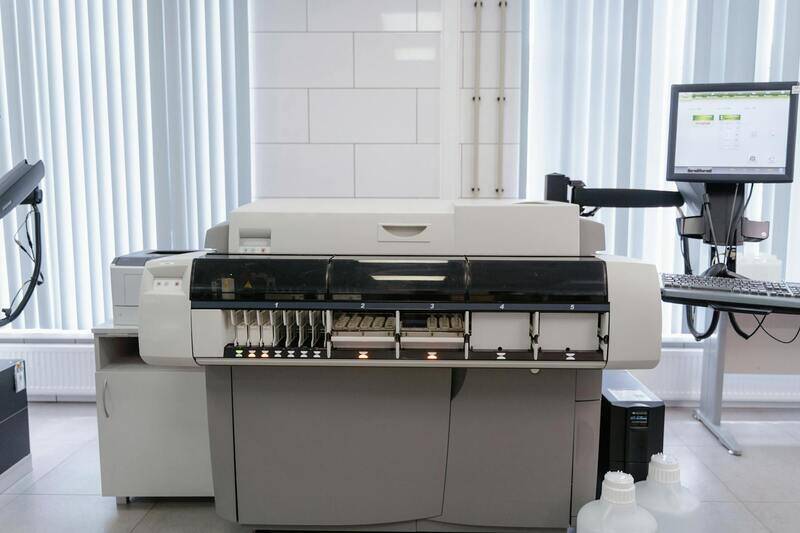
For projects requiring rigid surfaces such as plexiglass, metal, or signage boards, UV printing offers a viable alternative that provides rapid curing of inks with ultraviolet light. This process creates durable, weather-resistant images suitable for outdoor installations or long-term display. Similarly, solvent and eco-solvent printing techniques are often chosen for their ability to produce weatherproof images on non-porous substrates, making them ideal for outdoor signage, murals, and large banners exposed to the elements.
Consulting with a professional printing provider that specializes in large format photos is essential. Experts can advise on the most suitable technology based on your specific needs—whether for indoor gallery displays or outdoor billboards—ensuring optimal results. They also consider variables like media compatibility, ink longevity, and color accuracy to deliver consistent, high-quality prints that meet client expectations.
Choosing the Right Printing Materials
Material selection plays a key role in maximizing the quality and durability of large photos. Common options include:
- Canvas: Ideal for artistic looks, textured surface enhances the visual appeal but may require additional finishing for protection against fading.
- Photo paper: Available in gloss, satin, or matte finishes, offering vibrant color reproduction and surface options based on the aesthetic preference.
- Vinyl and PVC substrates: Suitable for outdoor banners and murals due to their weather-resistant properties.
- Rigid panels: Such as acrylic or metal sheets, suitable for displays needing sturdy, professional appearances with sharp image clarity.
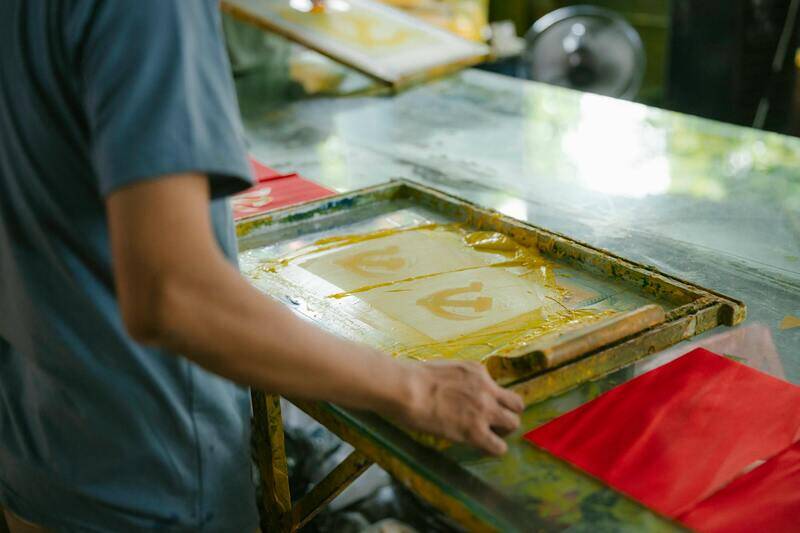
Choosing the appropriate media depends on the intended display environment, projected lifespan, and surface texture preferences. High-end printers can accommodate a variety of materials, allowing customization in size, finish, and texture to fit different display contexts and artistic visions.
Ensuring Proper Image Resolution and Size
When preparing to print large photos, achieving an optimal resolution is crucial to maintaining image clarity and detail at expansive scales. The general guideline is to aim for a minimum of 150-300 DPI (dots per inch), depending on viewing distance and the intended use of the print. For indoor displays viewed up close, higher DPI ensures crisp details, whereas outdoor banners or murals viewed from afar can work effectively with lower DPI settings.
Assessing the original image's resolution is a fundamental step before proceeding with printing. Images captured with high-resolution cameras or scanned at high DPI levels typically provide the necessary quality for enlargements. Conversely, lower-resolution images may require upscaling or vectorization techniques to preserve quality without pixelation.
Consider the aspect ratio and dimensions of the final print to prevent distortion. Proper scaling involves adjusting image proportions accurately while maintaining sharpness and detail. Using professional photo editing software, adjustments can be made to enhance sharpness, contrast, and color fidelity, ensuring the image remains vibrant and true to the original.
Moreover, selecting the right file format impacts print quality. Lossless formats like TIFF or PSD preserve maximum image data, facilitating high-quality output. Compressed formats like JPEG should be saved at the highest quality setting to minimize artifacts.
Preparing Files for Large-scale Printing
Proper file preparation not only involves resolution and scaling but also color management. Ensuring that images are in the appropriate color profile—such as Adobe RGB or sRGB—is essential for color accuracy across different media. Soft-proofing on calibrated monitors helps predict how colors will appear after printing, allowing adjustments to achieve the desired output.
When working with large images, it is beneficial to segment the file into manageable sections if necessary. This approach simplifies handling and can be especially useful for very large murals or billboards, enabling seamless assembly of the final piece.
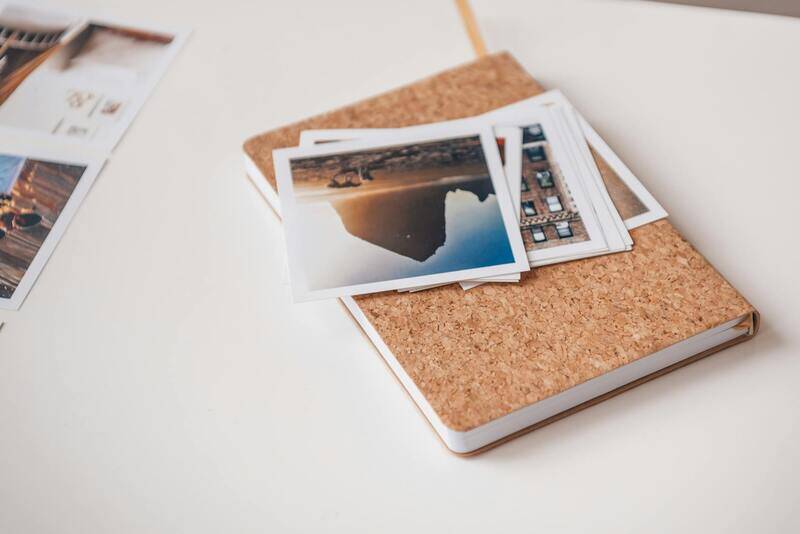
Collaborating with a professional print service can provide guidance on preparing files correctly. They often offer pre-press review to identify potential issues related to resolution, color profiles, and file format before proceeding with large-scale printing, ensuring the finished product meets high standards of visual excellence and detail clarity.
Sizing and Scaling Considerations
Achieving the perfect large photo display relies heavily on accurate sizing and scaling techniques. The first step involves understanding the intended viewing distance and space where the print will be showcased. For distant viewing, such as murals or billboard-sized images, the resolution requirements can be relatively lower without compromising visual clarity. Conversely, for close-up displays like gallery prints or exhibition pieces, higher resolution and meticulous scaling are essential to maintain fine details.
When determining the dimensions of a large photo, it is crucial to consider the aspect ratio of the original image. Preserving the aspect ratio during scaling prevents distortion, ensuring the final output maintains its intended proportions. Using professional image editing software, such as Adobe Photoshop, allows precise resizing by inputting specific dimensions or scaling percentages. It’s advisable to use the image’s original resolution as a baseline; scaling down is less problematic than scaling up, which can result in pixelation and loss of detail.
For very large prints, tiling or segmentation becomes an advantageous strategy. This involves dividing the image into smaller segments that can be printed separately and assembled seamlessly during installation. This method facilitates handling manageable file sizes and allows for precise adjustments to each section, ensuring consistency across the entire print.
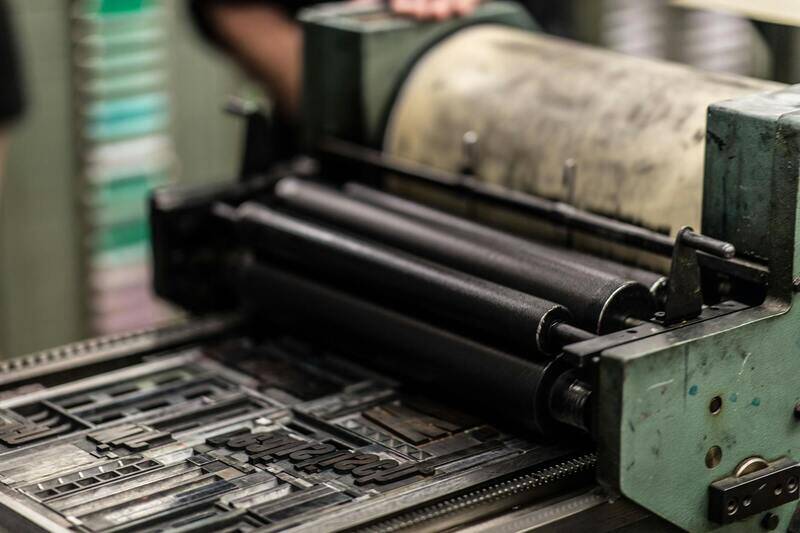
Utilizing scaling techniques such as bicubic interpolation can enhance image quality when enlarging files for large prints. This process introduces new pixel data intelligently, smoothing out the image and reducing artifacts. For optimal results, work with high-resolution source images from the outset, as starting with superior quality files simplifies scaling and results in superior prints.
It’s equally important to consider the final viewing environment. Materials and finishes should complement the scale and intended ambiance. For outdoor installations, weather-resistant options add durability, while indoor displays may benefit from matte or glossy finishes tailored to lighting conditions. Evaluating space constraints and viewing angles during the planning phase ensures the print height, width, and resolution choices align with the overall aesthetic and functional goals.
Collaborating with experienced printing professionals can provide invaluable insights into suitable sizing strategies, helping to balance resolution, cost, and visual impact. A professional consultation ensures that every aspect of scaling—from file preparation to material selection—is optimized for the best possible outcome.
Finishing, Mounting, and Framing
After successfully printing a large photograph, the finishing process plays a crucial role in enhancing its durability, aesthetic appeal, and presentation quality. Appropriate finishing techniques ensure that the print withstands environmental factors and maintains its visual impact over time. Professionals often recommend lamination for added protection against scratches, UV rays, and moisture, especially for prints displayed in high-traffic or outdoor areas. Lamination can also provide a glossy or matte finish, allowing for customization based on the desired visual effect and ambient lighting conditions.
Mounting is another vital step, involving attaching the print securely to a backing material or surface. Common methods include dry mounting, which adheres the print to rigid substrates like foam board or gator board, and hinge mounting, suitable for larger pieces where flexibility and easier adjustments are needed. Proper mounting ensures that the print remains flat, free of wrinkles or bubbles, and suitable for framing or direct display.
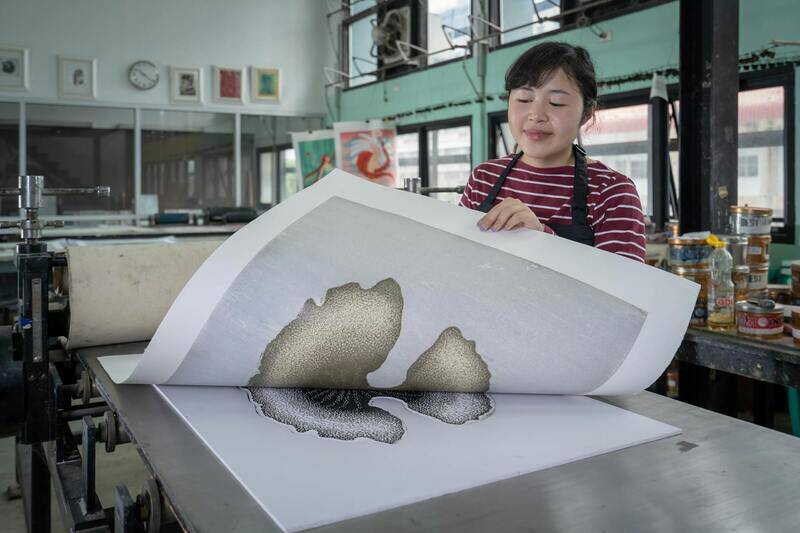
Framing offers both aesthetic enhancement and physical protection for large format photographs. Selecting the right frame depends on the style of the image, the environment where it will be displayed, and the overall interior decor. Options range from sleek metal frames to ornate wooden ones, each adding different character to the presentation. If preferred, a frameless option such as acrylic or glass mounting can provide a modern, minimalist look, emphasizing the image itself.
Additional finishing touches may include passe-partout margins, which not only elevate the visual framing but also prevent glass contact with the printed surface. UV-resistant acrylic sheets can shield the print from fading caused by sunlight, extending its lifespan. For outdoor displays, weather-resistant finishes and corrosion-proof mounting hardware are essential to ensure longevity under varying climatic conditions.
The selection of finishing, mounting, and framing options should be guided by the intended display environment, the material characteristics of the print, and the desired aesthetic outcome. Collaborating with experienced professionals guarantees that the final presentation is both polished and resilient, ultimately enhancing the visual impact and preserving the quality of the large-scale photograph.
Understanding Large Format Photo Printing
When it comes to producing high-quality large size photos, selecting the right printing method is essential. The process involves more than just enlarging an image; it requires careful consideration of equipment, materials, and printing techniques to ensure the final product maintains its clarity, color fidelity, and durability. Large format printing typically involves specialized printers capable of handling wide media widths, which can range from 24 inches to over 100 inches, depending on the project requirements. These printers utilize advanced inkjet technology, often employing solvent, UV, or latex inks that adhere well to various substrates and resist environmental factors. Color management plays a vital role in achieving photorealistic results, where precise color calibration and profile adjustments ensure the printed image closely matches the original digital file.

Enlarging images for large format photo printing without losing detail is a delicate process that demands high-resolution source files. Ideally, digital files used for large prints should have a resolution of at least 150 DPI at the final print size to prevent pixelation. When working with photographs, capturing images at a higher resolution inherently facilitates better enlargement outcomes. Skilled print providers also perform soft proofing—a digital preview—to assess color accuracy and detail retention before printing. Proper image preparation includes sharpening, adjusting contrast, and removing noise to optimize the picture for large display. Advanced software tools help in over-sampling and interpolation techniques, which can enhance the image resolution while minimizing quality loss, setting the stage for a crisp, vibrant final product.
Choosing the Right Printing Materials
The choice of materials significantly influences the look, feel, and longevity of large size photos. Common options include gloss, matte, and satin papers, each offering distinct visual effects and reflective qualities. Glossy finishes enhance color vibrancy and contrast, making images pop with brilliance, while matte surfaces reduce glare and are preferred for viewing in well-lit environments. Satin or semi-gloss papers strike a balance, providing moderate sheen and durability. Beyond paper, other substrates such as canvas, vinyl, or rigid panels allow for versatile applications, including murals and outdoor displays. The selection should align with the intention of the print, the environment of display, and preservation needs. For instance, UV-coated or weather-resistant materials are suitable for outdoor settings, ensuring the print withstands environmental exposure.

Optimizing Image Quality for Large Prints
Maximizing image quality for large size photos involves multiple technological and artistic considerations. First, start with a high-resolution digital source; low-resolution images are unsuitable for enlargement, as they tend to appear pixelated or blurry. Next, employ professional color correction and editing techniques to balance tones, eliminate distractions, and enhance details. Utilizing color profiles ensures consistency across different media and devices, crucial when reproducing photographs accurately. During the printing process, attention to calibration and soft proofing enables printers to anticipate and correct issues before production, saving time and materials. When scaling an image, maintaining aspect ratio is vital to prevent distortion, and cropping should be done thoughtfully to preserve focal points and essential details. Ultimately, a systemized workflow that includes image preparation, proofing, and quality checks guarantees a visually stunning large print that captures the photographer’s intent.
Printer Types and Technology
Choosing the appropriate printing technology is fundamental in achieving high-quality results. Inkjet printers dominate large format printing due to their ability to produce detailed, vibrant images on various substrates. Within inkjet options, flatbed printers are preferred for rigid surfaces such as acrylic, glass, or metal, offering direct printing capabilities with precise control. Roll-fed printers are ideal for flexible media like vinyl banners or canvas, facilitating continuous printing without seams. Latex printers provide eco-friendly options with fast-drying inks that are water-based, suitable for indoor and outdoor applications. UV printers cure inks instantly upon exposure to ultraviolet light, enabling printing directly onto non-porous surfaces with excellent durability. The selection among these technologies depends on project requirements, material compatibility, and environmental considerations, ensuring the finished large photo print aligns with the client's expectations.
Sizing and Scaling Considerations
Determining the correct size and scale for a large photograph involves balancing visual impact with technical feasibility. While enlarging an image enhances its presence, extreme scaling can compromise detail if the original image quality is insufficient. To avoid distortion, it is advisable to work within the resolution limits of the image and the capabilities of the chosen printer and substrate. When resizing images, maintaining the aspect ratio prevents unwanted stretching or squashing of visual elements. For very large formats, splitting the image into sections and assembling them post-printing—known as tiling—can achieve expansive displays without sacrificing detail. Proper measurement of the display space and consideration of viewing distance also influence optimal size, ensuring that the print commands attention without losing clarity when viewed up close or from afar.
Finishing, Mounting, and Framing
Finishing techniques enhance both the aesthetic appeal and durability of large size photos. Mounting on foam boards, gatorboard, or other rigid substrates provides a sturdy base, preventing warping and making the print suitable for various display settings. Prestige framing options include sleek metal, ornate wood, or minimalist acrylic frames that complement the photograph's style and the environment. For a modern appearance, frameless options utilizing acrylic or glass with custom cut edges are popular. Additional finishing touches such as UV-protective coatings preserve colors against fading and environmental damage. Passe-partout mats not only add a classic aesthetic but also provide a buffer between the image and framing materials, reducing contact and potential damage. Weatherproof finishes and corrosion-resistant hardware ensure outdoor installations remain intact over time, resisting climatic challenges effectively. Properly planned finishing and mounting strategies help showcase your large photograph at its best, ensuring longevity and visual impact.
Understanding Large Format Photo Printing
Printing large size photos demands meticulous attention to detail at every stage of the process, from selecting appropriate materials to final finishing. Off-the-shelf printing options are often insufficient for impressive results; instead, professional printing services utilize high-resolution printers that can produce vibrant, detailed images on expansive media. These services often include consultation on image preparation, material choice, and mounting options, ensuring that each large photograph meets aesthetic and durability expectations. Recognizing the importance of these steps helps in achieving a display that commands attention and retains clarity, even when viewed from different distances.
Choosing the Right Printing Materials
Selecting appropriate media is crucial for the longevity and appearance of your large photo prints. The choice depends on the intended display environment—indoor or outdoor—and desired aesthetic qualities. Common materials include high-quality photo papers, canvas, vinyl, and specialized fabrics. Photo papers with satin or glossy finishes enhance vibrancy and sharpness, ideal for gallery settings. Canvas provides a textured, artistic look suitable for interior decor, with the added benefit of being stretchable or frame-ready. Vinyl and outdoor-rated banners are weather-resistant options, perfect for external displays or signage. Durability considerations also influence the choice of coatings, such as UV protection and water resistance, which safeguard against environmental damage and fading over time.
Optimizing Image Quality for Large Prints
Achieving the best possible quality in large scale printing begins with high-resolution images that maintain clarity and detail when enlarged. Digital images should ideally have a resolution of at least 150-300 dpi at the final print size. Image editing software plays a vital role in adjusting contrast, color balance, and sharpness to ensure vibrancy and accuracy. It’s also essential to avoid pixelation or blurriness, which becomes more noticeable at larger scales. Utilizing professional calibration tools and color profiles guarantees consistency between digital files and physical outputs. When necessary, image upscaling techniques, such as advanced interpolation algorithms, can enhance lower-resolution photos without significant quality loss.
Printer Types and Technology
Various printing technologies are employed for large format photos, each offering specific advantages. Inkjet printers are the most prevalent, especially those using solvent, eco-solvent, or UV-curable inks, which provide vibrant colors and excellent adhesion on diverse substrates. Latex printers are another option, known for their eco-friendliness and flexibility, suitable for indoor and outdoor displays. The choice of printer influences resolution, color gamut, and drying time, directly impacting the final product’s quality. High-end professional printers feature multiple ink channels and advanced printheads, capable of producing a near-photographic quality that preserves intricate details at large sizes.
Sizing and Scaling Considerations
Determining the optimal size for large photo prints involves balancing visual impact with practical constraints. Measuring the intended display space helps define a maximum size that maintains high image quality without sacrificing detail. Scaling images up involves careful consideration of pixel dimensions and resolution to prevent blurriness. Tiling or splitting an image into sections allows for printing on multiple panels that can be assembled seamlessly, creating a striking large display without compromising detail. Accounting for viewing distance influences size choices; close-up installations benefit from smaller pixel sizes, enhancing detail, while distant views tolerate larger scales with less apparent pixelation. Proper calculation ensures the final image looks impressive, regardless of its size.
Finishing, Mounting, and Framing
Completing a large photo print entails finishing techniques that enhance durability and visual appeal. Rigid mounting options, such as foam boards, gatorboard, or aluminum panels, offer stability and prevent warping. Framing choices range from sleek modern frames—metal or minimalist acrylic—to traditional wood moldings tailored to the photograph’s style. Frameless options, employing glass or acrylic with precise cut edges, lend a contemporary aesthetic. Additional protective coatings, like UV or waterproof finishes, shield the print from environmental damage, extending its lifespan. Using passe-partout mats adds a refined touch while providing a buffer against framing materials, reducing contact and potential damage. For outdoor displays, weatherproof coatings and corrosion-resistant hardware ensure the photo stays pristine over time.
