Basics of Print Colour
Understanding print colour is essential for achieving desired visual outcomes in printed materials. The foundation of print colour lies in the primary colours and how they are mixed, represented, and managed throughout the printing process. Printing involves several key concepts that directly influence colour accuracy, vibrancy, and consistency. At its core, print colour is about translating visual intent into a physical medium, ensuring that what is designed digitally appears as intended when printed.
One of the fundamental principles of print colour is the use of primary colours. In traditional printing, the primary colours are Cyan, Magenta, Yellow, and Key (Black), collectively known as CMYK. This four-colour process is the standard for full-colour printing, allowing a broad spectrum of colours to be reproduced by layering tiny dots of ink. The process of combining these colours involves subtractive colour mixing, where inks subtract specific wavelengths of light, resulting in the visible colours on the printed surface.
Correspondingly, digital display devices use additive colour models such as RGB (Red, Green, Blue), which are different from those used in printing. RGB combines light to produce a range of colours, whereas CMYK combines ink layers to produce colour. The transition between these models requires careful conversion to maintain colour fidelity across digital and print mediums. Accurate representation of colours in print depends on many factors, including the quality of inks, paper, and the precision of colour management systems implemented during the printing process.

Representing colours in printing involves profiling and colour spaces that standardise how colours are reproduced. Colour spaces encode a range of colours that can be expressed within a specific device or process, which helps in ensuring consistency across different print jobs and media. This is particularly important for brand consistency and achieving high-quality print results, especially when colour accuracy is critical for product packaging, marketing materials, and artwork reproduction.
In essence, mastering the basics of print colour involves understanding the interactions between colour models, how colours are represented digitally and physically, and the tools used to manage and reproduce accurate colours. The goals are to deliver vibrant images, consistent print quality, and faithful colour reproduction that meets the expectations of clients and audiences alike.
Understanding the Importance of Accurate Print Colour Matching
Achieving consistent and precise print colours is a challenge faced by many printing professionals. This process, known as colour matching, involves aligning the colours of a digital design with the final printed output. Proper colour matching ensures that the vibrant hues and subtle shades in visual communications are accurately represented in printed materials, which is essential for brand consistency and the overall aesthetic appeal.
One of the foundational tools in precise colour reproduction is the use of colour profiles. These profiles serve as a reference, translating digital colour data into print-ready instructions that printers can interpret correctly. They encapsulate the colour characteristics of specific devices, inks, and papers, creating a standard reference point to guide the printing process. When accurately calibrated, colour profiles enable a seamless transition from digital designs to physical prints, preserving colour integrity across different media and printing conditions.

Another essential aspect of colour matching is the use of colour guides and swatch books. These physical samples provide tangible references that printers and designers can compare against digital proofs. By selecting colours from established palettes like Pantone, professionals can ensure high fidelity in reproducing specific hues without ambiguity. Pantone colour guides are particularly valuable in industries where exact colour reproduction is crucial, such as fashion, interior design, and product packaging.
Calibration of printers, monitors, and lighting conditions also play a significant role in print colour matching. Regular calibration ensures that digital files viewed on monitors accurately represent the intended hues and shades, aligning digital proofs with printed results. Consistent lighting conditions during both digital design review and printing sessions further minimise colour discrepancies, preventing unwanted shifts or mismatches.
Techniques and Technologies for Achieving Accurate Print Colours
- Spectrophotometers: These devices measure the reflectance or transmittance of colours on printed samples, providing detailed data that calibration software uses for colour management.
- Colour Management Software: Programs like Adobe Colour Management or GMG Colour automate the process of adjusting and controlling colour profiles across devices, ensuring consistency and accuracy.
- Proofing Techniques: Digital and physical proofs serve as previews before mass printing. Digital proofs allow quick adjustments, while physical proofs provide a real-world representation of the final output.
- Calibration Protocols: Regular calibration of printers, monitors, and lighting conditions ensures ongoing colour precision.

Challenges in Maintaining Colour Consistency
Several factors can influence the consistency of print colours from one project to another. Variations in ink formulations, paper stocks, and environmental conditions such as humidity and temperature can lead to colour shifts. Additionally, different batches of inks and papers may have subtle differences, complicating colour matching efforts.
Implementing strict quality control procedures is crucial to mitigate these variables. Regularly monitoring print outputs and adjusting calibration settings accordingly helps maintain colour consistency. Furthermore, establishing clear communication channels between designers, printers, and suppliers ensures everyone adheres to specified colour standards throughout the production cycle.
Best Practices for Reliable Print Colour Reproduction
- Develop detailed colour specifications with reference swatches and profiles from the outset.
- Utilise high-quality, calibrated equipment for all digital and print processes.
- Conduct multiple test prints and compare results against references before proceeding with large runs.
- Maintain controlled printing environments to minimise external influences on colour stability.
- Train staff extensively on colour management techniques and the importance of consistency.
By adhering to these practices, businesses can improve their ability to deliver print materials with colours that match their original designs, fostering trust and satisfaction among clients and consumers.
Print Colour Matching and Reproduction
Achieving accurate colour matching in printing requires meticulous attention to detail and adherence to standardized procedures. Precise colour reproduction begins with establishing a reliable colour management process that includes the use of colour profiles, calibration tools, and standard reference materials. This process ensures that colours specified during the design phase are faithfully reproduced on the final printed product.
One common method involves creating a colour reference chart or swatch that serves as a benchmark throughout the production process. By comparing test prints against this reference, technicians can identify discrepancies and adjust ink mixtures, press settings, or paper selections accordingly. The use of spectrophotometers further enhances this process by providing objective, quantifiable data on colour accuracy.
It’s also vital to communicate clearly with all stakeholders—designers, print operators, and suppliers—to ensure everyone understands the desired colour outcomes. Detailed specifications, including Pantone references or custom colour profiles, help align expectations and reduce errors.
During the actual reproduction process, multiple iterative proofs are typically produced. Press operators review these proofs against the standards and make necessary modifications before moving to full production. This iterative approach minimizes colour inconsistencies in large print runs, ensuring the final product matches the original design as closely as possible.
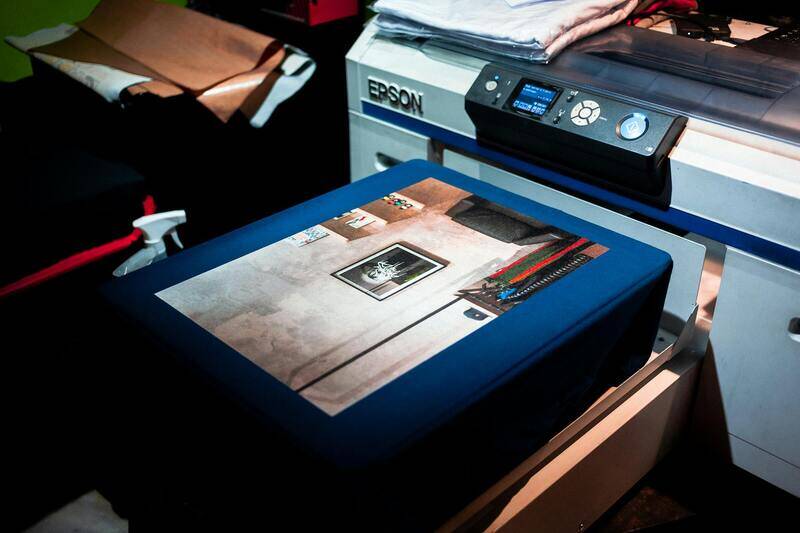
Effective colour reproduction not only depends on the technology used but also on the understanding of how print materials and environmental conditions influence colours. For instance, inks can behave differently on various substrates, and humidity may affect ink drying times, leading to slight deviations in shades. Adjusting for these variables during setup ensures a consistent product across multiple print batches.
Print Colour Matching and Reproduction
Achieving accurate colour reproduction requires a meticulous approach that combines both technology and expertise. One of the foundational tools utilized in this process is the use of standardized colour references, such as colour charts and swatches. These references serve as benchmarks to compare and adjust printed colours, ensuring they match the original design specifications as closely as possible. The use of physical colour charts, like Pantone colour guides, allows designers and printers to communicate precise colour expectations, reducing ambiguity and enhancing consistency across different print runs.
In addition to physical tools, digital colour reproduction techniques play a pivotal role. Colour management software can analyze digital files and offer precise colour profiles tailored to specific printing conditions. By embedding these profiles within design files, printers can achieve a high degree of colour fidelity from digital conception to final output. High-resolution scanners and colourimeters further aid in capturing and calibrating colours, ensuring that the digital data aligns with physical samples.

Another critical aspect involves iterative proofing—producing test prints that are then evaluated against colour standards. These proofs enable adjustments to be made, either through machine calibration or ink modifications, resulting in a closer match with the intended colours. The process often requires multiple iterations, especially for projects demanding high precision, such as branding materials, packaging, and art reproductions.
Ultimately, the goal is to reduce discrepancies between the digital design and the final printed product. This is achieved through a combination of advanced software, carefully maintained calibration tools, and clear communication among all stakeholders involved in the production process. Ensuring that every element—from ink formulation to paper selection—contributes to consistent and accurate colour reproduction is key to meeting client expectations and maintaining high standards in print quality.
Ensuring Accurate Print Colour Reproduction
Achieving consistent and precise print colours involves meticulous calibration of the printing process and careful selection of materials. The calibration process ensures that the printing equipment produces colours that match predetermined standards, minimizing variances across different print runs. This often involves the use of standard colour targets and test sheets to routinely check and adjust printer settings, ink densities, and paper compatibility. Material selection plays a pivotal role in colour accuracy. The choice of paper, for instance, impacts how colours appear once printed, due to its texture, brightness, and absorbency properties. Matte papers tend to diffuse ink, leading to softer colour tones, whereas glossy papers enhance vibrancy and depth, making the colours pop. Matching inks and paper to the desired outcome requires a comprehensive understanding of how each component interacts during the printing process. Moreover, consistent environmental conditions, such as temperature and humidity, are essential for stable print colour outcomes. Fluctuations in these factors can influence ink drying times and ink-paper interactions, ultimately affecting the precise reproduction of colours. Regularly monitoring and controlling these conditions in printing facilities ensures a stable environment, leading to more predictable results. Implementing strict quality control measures—including the use of colour measurement instruments like spectrophotometers—helps maintain high standards. These devices evaluate the spectral properties of colours in printed samples, allowing for objective comparisons with original digital files or colour standards. The data gathered guides adjustments in the printing process, ensuring that each batch maintains its colour integrity. Educating personnel in colour management practices and establishing standardized procedures throughout production further enhances consistency. Effective communication among graphic designers, pre-press technicians, and printers ensures everyone adheres to the same colour protocols, resulting in optimal outcomes without surprises or discrepancies. Ultimately, the commitment to rigorous calibration, material selection, environmental control, and communication solidifies reliable print colour reproduction, meeting clients' expectations with precision and professionalism.
Print Colour Matching and Reproduction
Achieving accurate colour reproduction in printing relies on meticulous colour matching techniques and understanding the dynamics between digital and physical colour representations. Precise colour matching begins with the use of colour management systems that translate digital colour data into printable formats. These systems employ colour profiles, such as ICC profiles, which serve as references to standardise colours across different devices and substrates. When a digital file's colours are converted into the printable medium, these profiles ensure that colours remain consistent regardless of variations in printing equipment or materials.
Effective colour matching also involves selecting appropriate inks and substrates that complement each other. Ink formulations are designed to produce specific spectral properties, which, when combined with the colour of the paper or other substrates, influence the final visual outcome. Compatibility between ink and substrate is crucial to maintaining colour accuracy, especially in high-volume printing jobs where consistency is paramount.

To ensure that printed colours match the original design intentions, proofing plays a vital role. Proofing involves creating a sample print that serves as a benchmark for colour fidelity. Digital proofs enable quick adjustments, but physical proofs provide a more accurate representation of how colours will appear in the final product. Adjustments based on these proofs help in fine-tuning the printing process to minimise discrepancies.
Colour reproduction is further refined through iterative calibration of printing devices. Regular calibration of printers ensures that ink output aligns with the intended colour standards. This process involves measuring the printed colours and adjusting printer settings or ink levels accordingly, thus maintaining colour consistency over time.
Moreover, understanding the colour gamut—the range of reproducible colours—of specific print processes is essential. Some colours in the digital design may fall outside the printer's colour gamut, requiring adjustments or substitutions to approximate the desired hue. Skilled technicians and designers collaborate closely during this stage to balance colour fidelity with feasible reproduction capabilities, ensuring that the final print accurately reflects the original design intent.
Ensuring Consistency in Print Colour
Consistency in print colour is achieved through rigorous controls and comprehensive quality assurance measures. This includes maintaining a stable printing environment, regularly calibrating equipment, managing substrate storage conditions, and adhering to strict workflow protocols. Quality checks at various stages—such as pre-press, during printing, and post-print inspection—help identify and correct colour deviations promptly.
The use of colour measurement devices like spectrophotometers allows technicians to objectively evaluate colour fidelity. These instruments provide detailed spectral data, enabling precise comparisons between printed samples and original colour standards. Any discrepancies can be addressed through process adjustments, whether it involves modifying ink density, altering colour profiles, or refining ink-substrate compatibility.
Ultimately, fostering clear communication among all personnel involved—from digital designers to press operators—helps align expectations and technical parameters. Documented procedures and consistent training ensure everyone follows the same guidelines, creating a cohesive workflow that maintains high standards of print colour quality.
Understanding How Print Colour is Achieved and Maintained
Print Colour Matching and Reproduction
Achieving accurate print colour reproduction requires meticulous attention to detail throughout the printing process. The goal is to replicate the original hues as closely as possible on various substrates, ensuring the final product aligns with design expectations. To accomplish this, printers utilize sophisticated colour matching techniques that involve precise calibration of equipment, careful selection of inks, and optimization of printing parameters. This process typically begins with a detailed colour specification, often derived from digital design files or physical colour samples, which serve as reference standards.
One key step in colour matching is the use of colour profiles, which are digital data sets that characterize the colour behaviour of specific devices and printing conditions. These profiles help translate colours from digital files into printable instructions, maintaining consistency across different printers and substrates. During the reproduction process, test prints and colour comparisons are conducted using measurement tools such as spectrophotometers to ensure the output closely aligns with the intended colours.
Reproduction also involves understanding the limitations of the printing process, including colour gamut constraints. Printers must often make informed compromises to balance vibrancy and accuracy, especially when working with complex colour images or branding elements. Techniques like spot colours and custom inks can be employed to reproduce specific colours that are outside the standard colour range, ensuring fidelity in brand representation and visual appeal.

Print Colour Quality Standards
Maintaining high-quality print colours involves adherence to established standards that define acceptable levels of colour fidelity and consistency. These standards ensure that printed materials meet clients’ expectations and conform to industry benchmarks. Quality assurance processes include routine calibration of printers, the use of flowcharts for workflow consistency, and systematic inspection at various production stages.
Quantitative metrics such as Delta E values are often employed to quantify colour differences between printed samples and original standards. A lower Delta E indicates a closer match, with values below 2 typically considered indistinguishable to the human eye. Regular documentation of calibration data and colour measurements helps in tracking process stability over time and identifying any deviations that might impact colour quality.
Implementing strict quality standards helps minimise colour inconsistencies, reduce waste, and enhance customer satisfaction. It also fosters confidence in print production, especially when producing materials like packaging, marketing collateral, or product labels, where colour integrity is critical.
Factors Affecting Print Colour Outcomes
Several key elements influence the final appearance of print colours, from the preparation stage to the final inspection. These factors include:
- Type of substrate: Different materials like paper, fabric, or plastic interact uniquely with inks, affecting colour vibrancy and tone.
- Ink formulation and quality: The composition, pigmentation, and viscosity of inks directly impact colour clarity, opacity, and durability.
- Printing technology: Whether using digital, offset, or flexographic printing, each method has distinct colour capabilities and limitations that influence final output.
- Press conditions: Factors such as temperature, humidity, and ink temperature must be controlled for consistent colour results.
- Color management practices: The effectiveness of calibration, colour profiling, and monitoring procedures play a vital role in achieving accurate reproduction.
In addition, environmental conditions during storage and printing, as well as handling practices, can alter substrate and ink behaviour, affecting the consistency of print colour. An integrated approach that considers all these variables is essential to deliver predictable, high-quality colour results across different production runs.
Ensuring Print Colour Accuracy Through Calibration and Proofing
Achieving precise print colour reproduction relies heavily on rigorous calibration and proofing procedures. Calibration involves adjusting printers, monitors, and other production equipment to ensure a consistent baseline, aligning device output with standard colour profiles. This process minimizes colour deviations, enabling consistent results across multiple print jobs and production runs.
Proofing serves as a critical step in confirming that the final print will meet specified colour expectations. It provides a tangible preview, allowing designers, clients, and printers to identify potential colour discrepancies early in the workflow. There are different types of proofing methods, including digital proofs, inkjet or toner proofs, and physical press proofs, each suitable for various levels of fidelity and cost considerations.
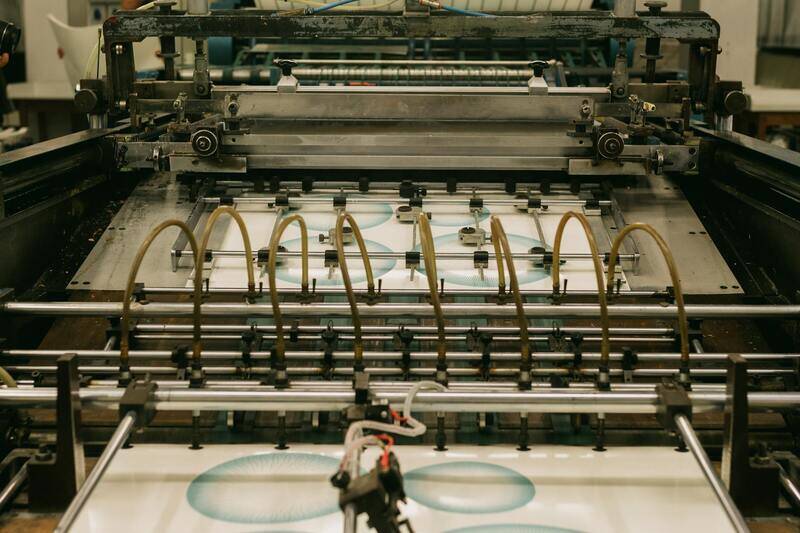
Adopting industry-standard colour management workflows, such as ICC profiles, ensures that colours are consistently reproduced regardless of the output device or substrate. Proper calibration and proofing reduce the margin of error, enhance colour consistency, and foster trust among clients and print providers.
Implementing Best Practices for Print Colour Reproduction
- Use Standardised Colour Profiles: Implement ICC profiles tailored to specific substrates and printing technologies to align device outputs accurately.
- Regular Equipment Maintenance: Schedule routine calibration and servicing of printers and monitors to prevent drift and maintain colour fidelity.
- Controlled Environment: Maintain stable temperature, humidity, and lighting conditions during printing and proofing to prevent environmental factors from affecting colour accuracy.
- Consistent Substrate Selection: Use predefined, high-quality materials with known properties to ensure predictable ink absorption and colour reproduction.
- Pre-Press Communication: Clearly specify desired colour standards and proof approval processes to all stakeholders involved in the print production cycle.
Advances in Print Colour Technology
Recent innovations in print technology, including extended colour gamuts, high-fidelity ink formulations, and enhanced imaging systems, have expanded the possibilities for precise colour reproduction. Digital presses with advanced multi-channel inks can now reproduce a broader spectrum of colours, closely mimicking original designs and photographs.
Furthermore, the integration of real-time colour monitoring systems ensures that deviations are identified and corrected during the print run itself, substantially reducing waste and rework. These technological advancements support the creation of vibrant, accurate, and consistent print materials suitable for a variety of demanding applications, from high-end packaging to detailed photographic reproductions.