
Understanding Full Colour Printing
Full colour printing, often referred to as four-colour or CMYK printing, is a widely utilized process that produces vibrant, detailed images and designs across various media. This method employs four primary ink colours—cyan, magenta, yellow, and black—to recreate a broad spectrum of hues and tones, offering unparalleled depth and realism. Unlike monochrome or single-colour printing, full colour printing allows for intricate photographic reproductions, detailed graphics, and vibrant branding materials that captivate audiences and convey messages with clarity.
The core feature of full colour printing lies in its ability to blend these four inks to generate millions of colours through a subtractive colour process. This process involves layering inks on the printing substrate—such as paper, fabric, or plastic—where the inks absorb and reflect light, culminating in the perception of a wide array of colours. The transfer of these colours onto the final material is achieved via various printing technologies, each suited to different project scales and quality requirements.

One of the distinguishing factors of full colour printing is its ability to accurately reproduce complex images, with smooth gradations and fine tonal variations, making it an ideal choice for photographic prints, marketing collateral, packaging, and promotional materials. Compared to limited colour printing methods, full colour processes offer a higher level of visual fidelity, which enhances brand presentation and aesthetic appeal.
Choosing full colour printing ensures that designs are rendered with precision and vibrancy. This makes it especially effective for projects where colour accuracy and detailed imagery are crucial. Moreover, the technology supports a variety of printing formats and surfaces, providing versatility for different applications, from small business cards to large banners.

Types of Full Colour Printing Technologies
Multiple advanced printing methods are employed to deliver high-quality full colour outputs, each suited to specific needs and project scales. Understanding these diverse technologies enables businesses to select the most appropriate option for their branding and marketing requirements.

Offset Printing
Offset printing is renowned for its capacity to produce large volumes with exceptional colour accuracy and sharp detail. This process involves transferring ink from a metal plate to a rubber blanket, then onto the printing surface. It is particularly advantageous for jobs requiring consistent colour quality across extensive print runs, such as catalogues, brochures, and high-volume promotional materials. The initial setup can be more time-consuming and costly, but the cost per unit decreases significantly with higher quantities, making it an economical choice for large-scale printing projects.
Digital Printing
In contrast, digital printing offers a more flexible, quicker alternative suited for short runs or quick turnarounds. It bypasses traditional plate-making by directly imaging the digital file onto the printing medium. This technology is ideal for personalised prints, small batches, or projects that require frequent updates—such as direct mail campaigns or customised banners. Digital printers can produce vibrant, detailed images with precise colour matching, making them a popular option for diverse business needs.
Large-Format Printing
Large-format printing is specifically designed for creating expansive visuals like banners, wall murals, and trade show displays. Using specialised inkjet printers, this technology can render high-resolution images on various large-scale substrates, such as vinyl, canvas, or fabric. It provides vibrant colours and durable finishes, ensuring visibility and impact even from a distance. The versatility of large-format printing makes it indispensable for brand promotion in outdoor and indoor environments.
Other Noteworthy Technologies
- Flexography: Commonly used for packaging and labels, flexography employs flexible relief plates and fast-drying inks suited to various materials.
- Screen Printing: Effective for printing on textiles and other textured surfaces, especially in limited colour ranges but with high durability.
Understanding the strengths and limitations of each technology allows businesses to optimize their full colour printing strategy according to project scope, budget, and desired visual impact. The selection of appropriate technology is crucial for achieving the desired aesthetic quality and operational efficiency.
Understanding Full Colour Printing Technologies
Full colour printing employs a range of advanced technologies designed to produce vibrant, precise, and durable images across various media. These technologies are classified based on their mechanisms, print sizes, and suitable applications, enabling businesses to select the optimal method for their specific needs.

Offset Lithography
Offset lithography remains a dominant method for high-volume printing due to its exceptional colour accuracy and sharp image quality. This process involves transferring ink from a plate onto a rubber blanket, then onto the printing substrate. It is highly efficient for producing consistent colours in large batches, making it ideal for corporate brochures, magazines, and packaging with intricate graphics. The setup process is meticulous, requiring precise plate creation and calibration, but the cost per unit diminishes significantly as the volume increases.
Digital Printing
Digital printing has revolutionised the industry by providing quick turnaround times and flexible production capabilities. It directly prints digital images onto substrates using advanced inkjet or laser technology, enabling short runs and highly customised prints. The vibrant colour output and sharp detail are optimal for marketing materials such as flyers, labels, and personalised promotional items. Digital printers are particularly advantageous for projects requiring frequent updates or variable data printing, where each piece may carry different information or designs.
Flexography
Flexography utilises flexible relief plates made of rubber or photopolymer to transfer ink onto various substrates, including plastics, foils, and paper. It is especially popular in packaging, labels, and products requiring high-speed production. The technology supports a wide range of inks, including quick-drying and solvent-based options, thereby enabling vibrant colours on diverse materials. Flexography’s versatility makes it suitable for producing consistent quality on packaging with complex shapes and textures.
Flatbed and UV Printing
Flatbed and ultraviolet (UV) printing are specialised digital printing techniques capable of printing directly onto rigid surfaces such as wood, glass, or metal. UV printing uses ultraviolet light to instantly cure inks, resulting in vivid colours with high adhesion and durability. These methods are ideal for creating custom displays, signage, and aesthetic panels with detailed imagery and durable finishes. The ability to print on non-traditional surfaces broadens the scope of full colour printing in bespoke applications.
Screen Printing
Screen printing employs a mesh screen to transfer ink onto substrates, making it suitable for printing on fabrics, plastics, and textured surfaces. Although it may have limitations in colour gradients and detail resolution compared to other methods, screen printing offers excellent colour vibrancy and durability, especially in textile applications like apparel, banners, and fabric-based signage. Its cost-effectiveness for large quantities and vibrant finish makes it a preferred choice for promotional apparel and large-scale wall coverings.
Each of these technologies is selected based on project specifications, material compatibility, cost, and desired visual effects. A thorough understanding of their operational strengths and constraints allows for an informed decision that optimises the quality and efficiency of full colour printing outputs.
Understanding Full Colour Printing
Full colour printing stands as a versatile and vibrant method capable of reproducing intricate images, photographs, and designs with a high degree of fidelity. By utilizing a combination of cyan, magenta, yellow, and black (CMYK) inks, this technique can produce a wide spectrum of colours, allowing for detailed and colour-rich visuals that command attention. The process involves layering inks to achieve precise colour matching, depth, and vibrancy, making it an ideal choice for applications ranging from marketing collateral to detailed artwork. Achieving consistent quality across various mediums and substrates hinges on meticulous control of the printing environment and materials, ensuring colour accuracy and repeatability.

Types of Full Colour Printing Technologies
The choice of technology significantly impacts the final output’s quality, durability, and suitability for specific projects. Each method employs different mechanisms to transfer ink onto substrates, catering to diverse requirements:
- Offset Lithography: This traditional printing method uses plates to transfer ink onto rubber blankets before printing onto the substrate. It offers excellent colour consistency and high-volume output, making it well-suited for bulk printing of brochures, magazines, and packaging materials.
- Digital Printing: This method involves directly applying digital images onto media using inkjet or laser printers. It allows for quick turnaround times, cost-effective short runs, and high-resolution outputs, perfect for customized items or small batches.
- UV and Flatbed Printing: Designed to print directly onto rigid surfaces such as acrylic, glass, or wood, UV printing cures inks instantly under ultraviolet light, resulting in vivid colours with excellent adhesion. Flatbed printing complements this by allowing detailed, large-format prints for displays and signage.
- Screen Printing: Employing a mesh screen to apply ink onto textured or flexible surfaces, this method excels in producing vibrant colours on textiles and large-format banners. Its durability and cost-effectiveness for larger runs make it a popular choice for apparel and promotional merchandise.

Applications of Full Colour Printing
The versatility of full colour printing extends across numerous industries and use cases. Its ability to reproduce detailed, vibrant images makes it indispensable for:
- Marketing and Advertising: Business cards, flyers, posters, and banners benefit from vivid visuals that capture attention and communicate branding effectively.
- Packaging: Product packaging, boxes, and labels rely on full colour printing to create attractive, informative, and brand-consistent designs.
- Custom Merchandise: T-shirts, hats, mugs, and other promotional items leverage high-quality prints for maximum visual impact and durability.
- Interior Decor and Signage: Wall coverings, decorative panels, and signage utilize full colour printing to transform spaces with detailed murals or informative displays.
- Art and Photography: Artists and photographers use full colour printing to reproduce their work with accuracy, colour depth, and longevity.
The capacity to print on a broad range of materials and textures, coupled with advanced finishing options, broadens the scope for creative expression and functional design alike. Manufacturers and designers meticulously select appropriate printing methods to meet specific project goals, ensuring visual excellence and material compatibility.
Understanding Full Colour Printing
Full colour printing entails producing images that utilize the entire colour spectrum, resulting in vibrant, detailed visuals that effectively communicate messages and enhance branding efforts. This printing method employs the combination of four primary colours—cyan, magenta, yellow, and black—commonly referred to as CMYK, allowing for the reproduction of highly nuanced and complex colour schemes. The precise alignment of these inks during printing ensures that images are rendered with sharp clarity, colour depth, and consistency across diverse substrates.
Full colour printing is notable for its ability to vividly reproduce photographs, detailed artwork, and intricate designs. It is widely adopted across various industries for both commercial and creative purposes. The method's adaptability to different materials—including paper, fabric, plastics, and metal—makes it a versatile solution capable of fulfilling an array of production demands. When executed correctly, full colour printing ensures each project achieves maximum visual impact, aligns with brand aesthetics, and meets consumer expectations for quality and durability.
Types of Full Colour Printing Technologies
- Offset Printing: Ideal for large-volume runs, offset printing produces high-quality images with precise colour matching. It involves transferring ink from a plate to a rubber blanket, then onto the printing substrate, resulting in consistent, sharp images suited for packaging, magazines, and promotional materials.
- Digital Printing: Suitable for short runs and quick turnaround projects, digital printing directly applies images from digital files onto media. It allows for rapid customization and is perfect for personalized marketing materials, labels, and smaller batches of high-resolution prints.
- Sublimation Printing: Used predominantly on textiles and specific coated surfaces, sublimation employs heat to transfer dye-based inks into the material, producing durable, vibrant images that are integrated into the substrate itself. This technology is popular for custom apparel, banners, and souvenir items.
- Inkjet Printing: A flexible and cost-effective method for smaller-scale applications, inkjet printing sprays tiny ink droplets directly onto the printing surface. It excels in producing high-quality photographic images on various media types.
Each of these methods offers distinct advantages tailored to specific project requirements, profit margins, and material choices. Selecting the appropriate technology involves considering factors such as volume, colour fidelity, material compatibility, and deadline constraints.
Applications of Full Colour Printing
The reach of full colour printing extends beyond basic branding, influencing multiple facets of visual communication and product presentation. Its capacity for detailed, vibrant imagery makes it a preferred choice for diverse applications, including:
- Marketing and Advertising: Enhancing the attractiveness of business cards, flyers, posters, and banners—full colour visuals grab attention and reinforce brand messaging effectively.
- Packaging: Creating eye-catching product packaging, labels, and boxes that distinguish products on the shelf while conveying essential information clearly.
- Custom Merchandise: Producing promotional items such as T-shirts, hats, mugs, and tote bags with vivid, durable prints that amplify brand recognition and consumer engagement.
- Interior Decor and Signage: Transforming spaces with murals, decorative panels, and wayfinding signage that blend functionality with aesthetic appeal.
- Art and Photography: Reproducing artworks and photographs with high fidelity, colour depth, and longevity, catering to galleries, photographers, and artists seeking premium quality prints.
The capability to print on various materials and textures enhances creative possibilities, providing customised solutions that meet specific design and functional requirements. This flexibility supports innovation in product development and marketing strategies, making full colour printing an essential tool across industries.
Design Considerations for Full Colour Printing
Maximizing the impact of full colour printing involves strategic planning during the design phase. Selecting appropriate colours, resolutions, and layouts is critical to ensuring the final output aligns with brand objectives and visual standards. It is important to:
- Use high-resolution images, typically at least 300 DPI, to avoid pixelation and ensure sharpness.
- Apply colour profiles calibrated to printing devices to maintain consistency between on-screen designs and the printed result.
- Choose colours that complement each other and resonate with your target audience, keeping in mind colour psychology and branding guidelines.
- Design layouts that allow for bleed and safe margins, preventing undesirable cropping or misalignment.
- Opt for simplicity in complex designs to avoid overcrowding, which can diminish clarity and visual impact.
Strategic design considerations are essential for leveraging full colour printing's capabilities fully, delivering visually compelling print materials that effectively communicate their intended messages.
Understanding Full Colour Printing
Full colour printing is a comprehensive printing process that reproduces images and designs in a wide spectrum of hues, enabling vibrant and detailed visual outputs. This technique utilizes multiple colour channels, typically the four-colour process (cyan, magenta, yellow, and black or CMYK), to create seamless blends and gradients that reflect the original design intention with high fidelity. The sophistication of full colour printing allows for meticulous reproduction of colours, making it ideal for a multitude of printed materials ranging from marketing collateral to packaging. Its ability to produce detailed images with vivid hues significantly enhances the impact of visual communication, fostering a stronger connection between the brand and its target audience.
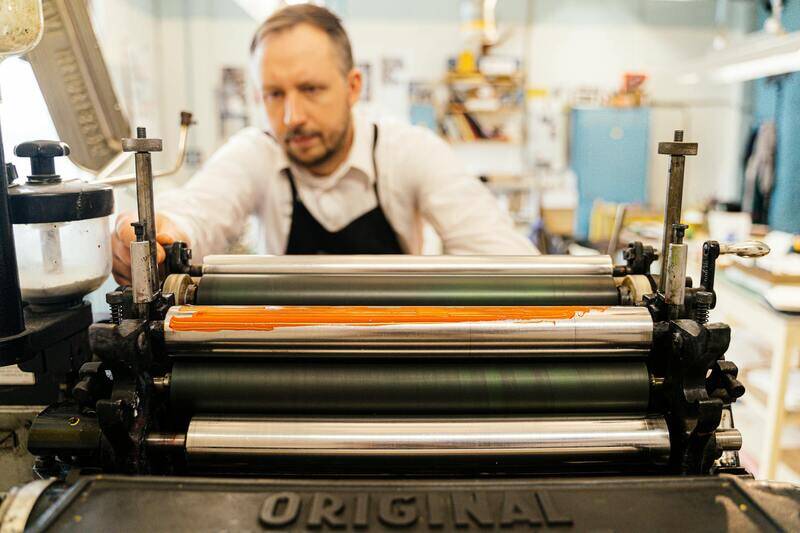
In practical applications, full colour printing allows for richly detailed photographs, complex graphics, and eye-catching designs, all of which can be tailored to meet specific branding and marketing objectives. This versatility makes it a preferred choice for industries that demand not only accuracy but also aesthetic excellence in their printed outputs. Furthermore, advances in digital and offset printing techniques continue to expand the capabilities of full colour printing, providing options that balance quality, speed, and cost-efficiency for various project needs.
Types of Full Colour Printing Technologies
Understanding the different methods of full colour printing is essential for selecting the right solution for your project. The primary technologies include:
- Offset Printing: Known for high-volume production, offset printing offers excellent image quality and colour consistency. It is particularly effective for large runs of magazines, brochures, and packaging materials, where precision and colour fidelity are vital.
- Digital Printing: This method provides quick turnaround times and cost-effective short runs. Digital printers use toner or inkjet technology to produce detailed, vibrant images directly from digital files, making it suitable for personalized and on-demand projects.
- Wide-Format Printing: Ideal for banners, posters, and wall coverings, wide-format printers handle large media sizes while delivering vibrant colours and sharp details, perfect for signage and advertising displays.
- Flexography and Screen Printing: These techniques are often used for packaging, labels, and textiles, offering durability and high colour saturation, especially on irregular surfaces.

Applications of Full Colour Printing
The scope of full colour printing extends across multiple sectors, each benefiting from its ability to produce vivid, high-resolution images. Significant applications include:
- Marketing and Promotional Material: Brochures, flyers, posters, and point-of-sale displays utilize full colour printing to attract attention and convey complex information effectively.
- Packaging and Labels: Product packaging benefits from vibrant visuals that distinguish brands on crowded shelves, while labels require detailed graphics that withstand handling and exposure.
- Interior and Exterior Signage: From shopfront banners to wall murals, full colour printing enhances visibility and branding impact in both indoor and outdoor environments.
- Photobooks and Art Prints: High-fidelity reproductions of photographs and artworks preserve detail and colour accuracy, catering to both commercial and personal projects.
- Textile and Apparel Printing: Custom t-shirts, fabrics, and accessories leverage full colour printing for unique designs that stand out through vibrant hues and intricate patterns.

Colour Management and Calibration
Maintaining consistent colour output is critical in full colour printing, especially when reproducing brand colours or matching specific design specifications. Effective colour management involves a combination of hardware calibration and software profiling. Calibration ensures that monitors, printers, and other output devices produce colours that are as close as possible to the original design intent, reducing discrepancies between on-screen previews and finished prints.
Practices such as creating standardized colour profiles, using colour reference charts, and regularly calibrating printing equipment are essential components of a reliable colour management system. These steps help ensure that colours remain consistent across different print runs and media, preserving visual integrity and brand fidelity. Advanced colour management solutions also involve soft proofing, which allows designers to simulate printed colours on digital screens, reducing waste and ensuring the final product meets expectations.
Design Considerations for Full Colour Printing
To maximize the effectiveness of full colour printing, careful attention must be paid to the initial design process. Start by selecting colours that align with the intended message and branding guidelines, considering the psychological impact of various hues. Ensuring high-resolution images, preferably at 300 DPI or higher, is crucial to retain clarity and detail in the final print.
Design layouts should incorporate safe zones and bleed margins to prevent content from being cut off during trimming. A balanced composition and appropriate use of whitespace enhance visual clarity, especially in intricate designs. When choosing colour schemes, utilize colour harmony principles, and stay consistent with brand palettes to reinforce recognition.
Furthermore, simplifying complex visuals can enhance legibility and impact, avoiding overcrowding that diminishes the overall message. Preparing files with correct colour profiles and resolutions prior to printing minimizes errors and streamlines the production process.
Ensuring Colour Consistency with Industry-Standard Methods
Maintaining accurate and vivid colours throughout the printing process is fundamental to achieving high-quality results that meet clients' expectations. This goal is accomplished by adhering to tried-and-true methodologies designed to deliver consistent, precise colour reproduction across different print runs and media types.
One of the primary techniques involves the use of color management systems (CMS) integrated into the printing workflow. These systems utilize standardized colour profiles, such as Color Value (CV) and International Color Consortium (ICC) profiles, which encode the colour characteristics of devices and media involved in the process. By embedding these profiles into design files and printing workflows, printers can predictably translate digital colours into physical output, resulting in minimal variation between prints.
Calibration plays an equally vital role in this process. Regular calibration of printers, monitors, and proofing devices ensures that all equipment conforms to industry standards and reflects true colour fidelity. For instance, calibrating a monitor involves adjusting its display settings to match a known colour space, such as sRGB or Adobe RGB, providing designers with accurate visual reference during the design phase.
Another important method involves soft proofing, where designers can preview digitally how colours will look once printed. This practice allows adjustments before the actual print, reducing waste and ensuring that the final product aligns precisely with the desired palette. The use of colour swatches and sample proofs further supports this, enabling verification on actual print media to confirm that colours reproduce as intended.
Additionally, selecting the appropriate printing substrate and surface finish can significantly influence the appearance of colours. Matte, gloss, or satin coatings interact differently with inks, affecting saturation and vibrancy. Careful consideration of these factors helps in achieving the most accurate and visually appealing output.
Advanced Colour Control Techniques
- Linearisation of Printing Devices: Ensures consistent ink density and shade reproduction across runs.
- Color Profiling and ICC Profiles: Involves embedding device-specific profiles into digital files and hardware to streamline colour translation.
- Embedded Colour Management in Design Software: Modern Adobe Creative Cloud applications and other design tools support colour management workflows that communicate directly with printing devices.
- Use of Standardised Pantone Colours: When brand consistency and precise colour matching are critical, Pantone colour systems offer a reliable reference point that can be matched across multiple print cycles.
- Consistent Ink Supply and Substrate Selection: Maintaining uniform ink batches and selecting high-quality, stable substrates further minimizes colour discrepancies.
Effective implementation of these methods ensures that companies and designers can consistently produce full colour prints with accurate colour rendition, high vibrancy, and consistent quality, regardless of the scale of production or media used.
Optimising Quality and Consistency in Full Colour Printing
Achieving high-quality full colour prints consistently relies on meticulous control over several technical and procedural aspects. Precision in colour reproduction begins with thorough colour management practices, which include device calibration, the use of standardised colour spaces, and consistent ink and substrate selection.
Device calibration involves regular adjustment of printing hardware to ensure that colours are reproduced accurately from digital files. This process includes linearising the colour output of printers, which ensures that ink density and tonal ranges remain uniform across different print runs. Using internally embedded ICC profiles within design software helps maintain colour fidelity, as these profiles serve to communicate the specific colour capabilities of each device, translating digital colours into physical outputs with precision.
In creative workflows, it is common to incorporate standardized colour references such as Pantone colours, especially when brand accuracy is crucial. These established colour systems provide a universally recognised palette that can be matched reliably across multiple print batches, regardless of variations in ink batches or media. This consistency is vital for branding, packaging, and promotional materials that demand exact colour matching.

Moreover, careful selection of printing materials and surface finishes influences the final appearance of colours. Matte, satin, and gloss coatings interact differently with inks, affecting saturation levels and vibrancy. For instance, gloss finishes tend to enhance colour richness, while matte surfaces may slightly mute hues but reduce glare for a softer look. Choosing the appropriate paper or substrate aligned with the project’s aesthetic goals ensures that the vibrancy and accuracy of colours are preserved post-printing.
Consistent ink supply and high-quality substrates are essential to minimize colour deviations. Stability in ink batches and using substrates with uniform absorption properties help prevent issues such as dulling or shifting of colours during production. Advanced printing systems support automated checks and real-time adjustments, further enhancing control over colour output.
Implementing comprehensive colour control measures, from device calibration to substrate management, enables designers and printers to produce prints with predictable, vibrant colours. This attention to detail ensures that the visual impact of full colour prints aligns precisely with intended designs, whether for detailed artwork, branding visuals, or complex photographic reproductions.
Managing Costs and Meeting Deadlines
Understanding the financial aspects and time expectations for full colour printing projects is essential for effective planning. While the cost per unit decreases with larger quantities due to economies of scale, initial setup fees, colour management processes, and material choices impact overall budget considerations. Accurate quoting often involves analysing printable area, number of colours used, and finishing options required.
Turnaround times can vary based on project complexity, quantity, and the chosen printing technology. Standard digital printing offers rapid deployment, often within same-day or next-day delivery, suitable for small runs and quick-turnaround needs. Lithographic or offset presses, while more Cost-effective for large volumes, may require longer setup and production durations. Coordination with a printing provider experienced in full colour workflows can optimise the schedule, ensuring timely delivery without compromising quality.
Transparency in these processes allows clients to plan effectively, balancing their branding timelines with budget constraints. Regular communication with the print provider to clarify specifications, deadlines, and revision cycles helps prevent delays and ensures that expectations are aligned at every stage of production.
