
Overview of Color Printing
Color printing has become an essential component of modern visual communication, offering vibrancy and precision that monochrome printing cannot achieve. It involves reproducing images, text, and graphics in multiple colors by utilizing advanced printing technologies, allowing businesses to create eye-catching marketing materials, branded packaging, and customized promotional items. In Singapore, a bustling hub of commerce and innovation, the demand for high-quality color printing services continues to grow, supporting the branding and advertising efforts of local companies across various industries.
Color printing plays a vital role in enhancing the visual appeal of advertisements, brochures, banners, and labels. It enables companies to utilize a wide palette of hues to convey their brand identity, evoke emotions, and influence consumer perception. The significance of color printing lies in its ability to communicate messages more effectively and stand out in competitive markets. For many Singaporean businesses, investing in professional color printing solutions translates into elevated brand visibility and increased customer engagement.

The use of color printing spans various sectors in Singapore, including retail, hospitality, real estate, and education. For instance, retail storefronts utilize vibrant banners and signage to attract foot traffic; hotels and restaurants employ colorful menus and promotional flyers to enhance guest experience; real estate agencies rely on stunning property brochures to appeal to prospective buyers. This widespread application highlights the importance of reliable and accurate color reproduction in supporting business growth and customer trust.
Understanding the fundamentals of color printing, from the types of technologies to the selection of materials, enables businesses to optimize the quality and impact of their printed materials. As the demand for sophisticated visual outputs increases, so does the need for knowledgeable providers who can deliver consistent, high-quality results tailored to specific project requirements.

Color Management and Accuracy
Achieving precise color reproduction is a critical aspect of professional color printing. Effective color management involves a series of calibrated processes and tools designed to ensure consistency across different print jobs and materials. This begins with the utilization of color profiles that standardize how colors are interpreted and rendered by printing devices, allowing for predictable output regardless of the printing environment. In practice, color management encompasses the calibration of printers, monitors, and other upstream devices such as scanners and cameras. This calibration helps to bridge the gap between on-screen designs and their printed counterparts, ensuring that colors appear as intended. For instance, a marketer’s vibrant red logo will retain its boldness and hue fidelity when translated from digital design to physical print. Advanced color management techniques also allow for fine-tuning color adjustments, ensuring continuity for large campaigns or multi-location print projects. By employing software solutions that support ICC profiles and color matching, print providers can analyze and correct color discrepancies, maintaining brand consistency. Moreover, the choice of color spaces during design—such as RGB (Red, Green, Blue) versus CMYK (Cyan, Magenta, Yellow, Key)—plays a significant role in the final output. Transitioning from RGB, suitable for screens, to CMYK, optimized for print, requires careful planning to avoid unintended color shifts. Ensuring color accuracy is not just about achieving visual appeal; it directly influences the credibility and professionalism of the printed materials. For Singaporean businesses with diverse visual branding needs, leveraging tailored color management strategies enables reliable reproduction and reinforces brand integrity.

Materials and Substrates for Color Printing
Selecting the appropriate materials and substrates is essential to optimize color vibrancy and longevity in printed materials. The choice of medium impacts how colors are perceived, how durable the print remains over time, and the overall aesthetic appeal. For high-impact marketing collateral, coated papers such as gloss and satin finishes provide smooth, reflective surfaces that enhance color brightness and sharpness. These materials are ideal for brochures, posters, and signage that need to capture attention at first glance. Uncoated papers, on the other hand, offer a more textured, matte appearance, which can lend a sophisticated or understated look suitable for business reports or invitations. Their surface absorbs more ink, leading to a softer color rendition but also reducing glare and fingerprint visibility. Specialized substrates like vinyl, fabric, or acrylic are used for outdoor signage or display banners where durability against weather and UV exposure is critical. These materials often require compatible inks that can withstand environmental factors while retaining vibrant colors. In addition to traditional substrates, environmentally conscious options are gaining popularity. Recycled papers and biodegradable films are available, allowing businesses to align their print projects with sustainability goals without compromising on color quality. Considering the specific application, target audience, and environmental conditions enables Singapore businesses to select the right combination of materials and substrates that ensure both visual impact and functional performance.

Materials and Substrates for Color Printing
Choosing the appropriate materials and substrates is essential for achieving vibrant, crisp, and durable color prints. Different materials respond uniquely to various printing methods, affecting the final appearance and performance of the printed piece.
Standard paper types such as coated and uncoated papers serve as the most common substrates. Coated papers, including gloss, satin, and matte finishes, provide smooth surfaces that facilitate high-resolution color reproduction, making them suitable for marketing collateral, brochures, and high-end pictorial prints. These surfaces reflect ink evenly, resulting in sharp, bright images and vivid colors.
Uncoated papers, with their textured surfaces, absorb more ink, leading to softer color outputs and a more subdued, elegant aesthetic. They are often preferred for business reports, letterheads, or invitations where a more understated look is desired. The choice between coated and uncoated substrates can significantly influence the perceived quality and effectiveness of the printed material.

Beyond traditional papers, specialized substrates expand the possibilities of color printing. Vinyl and polyester films are resistant to outdoor elements, making them ideal for signage, banners, and vehicle wraps that require longevity and weather resistance. Fabric substrates are popular for textile printing, enabling the creation of vibrant apparel, banners, and decor items with high color fidelity.
Environmental considerations are shaping substrate choices. Biodegradable films and recycled papers are increasingly available, allowing businesses to meet sustainability objectives while maintaining quality. The compatibility of these eco-friendly materials with high-quality printing inks ensures that color vibrancy and durability are not compromised.
Manufacturers also develop textured surfaces like linen, canvas, or textured art papers to add unique tactile qualities to printed pieces. These materials can enhance creative projects or luxury packaging by delivering a richer visual and tactile experience.

Proper selection of substrates directly impacts the effectiveness of color printing, influencing both aesthetic appeal and the robustness of the final product. For high-quality outcomes, understanding the compatibility between inks, substrates, and intended use is crucial for optimizing color accuracy, longevity, and overall visual impact.
Materials and Substrates for Color Printing
Effective color printing hinges upon the selection of suitable materials and substrates that can display vibrant hues and precise details. Standard paper types such as coated, matte, and gloss papers serve as foundational substrates, offering varying finishes that can enhance the visual quality of printed images. Coated papers, for example, provide a smooth surface that facilitates high-resolution color reproduction, making them ideal for marketing brochures, catalogs, and high-quality promotional materials.
Beyond conventional paper stocks, a wide array of specialty substrates enables creative expression and functional versatility. Cardstock and heavy-weight papers are frequently employed for business cards, invitations, and packaging, where durability and tactile appeal are paramount. These materials support rich, consistent color application while offering structural strength.
Specialized surfaces such as透明膜 (transparent films), fabric textiles, and textured art papers expand the boundaries of color printing capabilities. Films are frequently used for labels, decals, and point-of-sale displays, providing excellent color vibrancy and weather resistance. Fabric substrates, such as cotton or polyester, are utilized in textile printing, allowing for vibrant, long-lasting designs on apparel, banners, and interior decor items. Textured materials like linen or canvas not only enhance visual richness but also add tactile dimension, elevating the overall aesthetic quality.

Eco-friendly options are increasingly influential in substrate selection, with biodegradable films and recycled papers becoming more accessible. These environmentally conscious materials support sustainability goals without sacrificing print quality or durability. The compatibility of eco-substrates with advanced inks ensures that energy efficiency and environmental responsibility are integrated seamlessly into the color printing process.
Manufacturers also innovate textured surfaces such as linen, canvas, or textured art papers, which are specifically designed to produce unique visual and tactile effects. These surfaces are popular in premium packaging, art reproductions, and high-end marketing collateral, where sensory engagement plays a strategic role.
Impact of Material Choice on Printing Outcomes
The selection of appropriate materials directly influences the vibrancy, clarity, and longevity of printed images. Materials with superior ink absorption and surface smoothness enable more precise color representation, preserving the fidelity of original artwork. Conversely, unsuitable substrates may result in color bleeding, reduced sharpness, or premature wear, adversely affecting the final presentation.
For projects demanding high durability, such as outdoor signage or vehicle wraps, substrates must offer weather resistance and UV stability, ensuring that colors remain vibrant under varying environmental conditions. Conversely, projects with an emphasis on tactile appeal or artistic expression might favor textured or specialty surfaces that enhance visual depth and sensory engagement.
Ultimately, understanding the interplay between ink properties, substrate characteristics, and end-use conditions is essential for achieving optimal color accuracy and product longevity. Careful material selection, aligned with specific project objectives, ensures that color printing results meet professional standards and client expectations.
Materials and Substrates for Color Printing
Selecting the appropriate materials and substrates is a fundamental aspect of achieving top-quality color printing results. The substrate serves as the canvas that can either enhance or compromise the vibrancy, sharpness, and durability of the printed images. When considering substrates, it is essential to evaluate their surface properties, ink absorption rates, and resistance to environmental factors.
For high-resolution color prints that demand color fidelity and fine detail, smooth and non-porous substrates such as coated papers or glossy films are often preferred. These materials facilitate even ink distribution and prevent bleeding, thereby ensuring crisp lines and accurate color reproduction. In contrast, uncoated or matte surfaces may be suitable for projects aiming for a softer aesthetic or increased tactile engagement, although they may slightly compromise vibrancy.
Durability is another critical factor, especially for outdoor signage, vehicle wraps, or promotional items exposed to weather elements. Substrates such as vinyl, weather-resistant posters, and laminated materials provide enhanced UV stability and moisture resistance, preserving color vibrancy over time. For interior displays, paper-based options like cardstock or high-quality art papers can be chosen to achieve a luxurious feel and refined appearance.

In addition to standard materials, specialty surfaces like textured art papers, linen, or canvas are increasingly utilized for artistic reproductions and high-end packaging. These textured materials add depth and tactile richness, creating sensory engagement that elevates the final product. When printing on such surfaces, attention must be paid to ink compatibility and drying times to ensure the texture does not interfere with color accuracy.
Ultimately, the choice of substrate is dictated by project objectives, whether for visual impact, durability, or tactile quality. Proper material selection, combined with the right printing technology, forms the backbone of successful color printing that meets professional and client standards.
Materials and Substrates for Color Printing
Choosing the appropriate substrates is essential to achieving optimal color vibrancy, durability, and overall quality in printed materials. The selection process involves evaluating factors such as the intended use of the print, exposure to environmental elements, tactile requirements, and the desired aesthetic effect.
For indoor applications, paper-based substrates like high-quality art papers, glossy and matte photo papers, and cardstock are prevalent. These materials offer excellent ink adhesion, sharp image detail, and rich color reproduction, making them suitable for posters, professional photos, and premium marketing collateral.
Outdoor and commercial signage demand substrates that withstand weather conditions and UV exposure. Vinyl wraps, weather-resistant banners, and laminated posters provide the necessary resilience while maintaining vibrant colors over extended periods. These materials often incorporate UV-resistant coatings to protect against fading caused by sunlight and moisture, ensuring long-lasting visual impact.
Specialty surfaces like textured art papers, linen, canvas, and transparent films are increasingly popular in artistic and high-end packaging projects. Their textured surfaces add a tactile element and depth to the printed work, which can enhance the sensory experience for viewers. When printing on such textured substrates, compatibility of inks and precise drying times are crucial factors to prevent smudging or distortion of the texture.

Material choice not only influences the aesthetic appeal but also impacts the longevity and functional performance of the printed product. For example, using weather-resistant materials for outdoor signage ensures sustained vibrancy despite harsh environmental conditions. Conversely, for interior displays or artistic reproductions, choosing refined surfaces like canvas or linen can elevate the presentation, adding a layer of sophistication.
Furthermore, compatibility between the substrate and the printing technology employed is vital. Some materials are better suited for digital inkjet printing, while others may require offset or flexographic methods. Proper surface preparation, including cleaning and surface treatment, can significantly enhance ink adhesion and color fidelity.
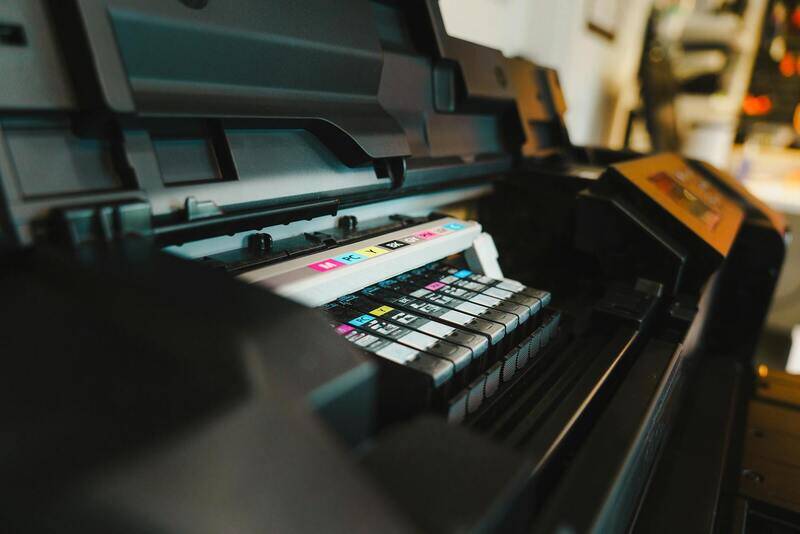
In professional color printing projects, a nuanced understanding of material properties enables printers to select the ideal substrate that aligns with the project's goals, whether that aim is to produce a vibrant advertisement, a durable outdoor sign, or an artistic piece with rich textures. The right combination of substrate and printing technology results in high-quality output that meets client expectations and withstands real-world application conditions.
Ensuring Color Fidelity through Proper Calibration
To achieve consistent and precise color reproduction across various print projects, it is essential for printing facilities to employ rigorous calibration procedures. This involves regularly adjusting the printing equipment, including monitors, printers, and proofing devices, to adhere to established color standards. Calibration ensures that the colors displayed on digital screens correspond accurately to the printed output, minimizing discrepancies that may affect project quality. Implementing standardized calibration protocols not only enhances color accuracy but also streamlines the production process, reducing wastage and rework.
Color Profiling and ICC Profiles
Color profiling plays a pivotal role in controlling how colors are rendered during the printing process. The creation and application of ICC (International Color Consortium) profiles allow printers to characterize the capabilities of specific devices and substrates. These profiles serve as a reference, directing color adjustments to ensure uniformity across different machines and materials. For high-stakes projects such as branding materials or photographic reproductions, utilizing accurate ICC profiles guarantees that the printed colors match the original design intentions, resulting in professional and trustworthy outcomes.
Consistent Color Recalls and Proofing
Implementing a comprehensive proofing system is another critical aspect of maintaining color accuracy. Digital or physical proofs are produced and evaluated before mass printing, allowing stakeholders to verify color fidelity and overall appearance. When discrepancies are identified, adjustments are made to the file or printing parameters. Employing color management software allows for real-time monitoring and correction, ultimately ensuring that the final product aligns with client expectations. Consistent color recalls, supported by robust proofing practices, foster transparency and confidence in the printing process.
Environmental Conditions and Their Impact
Ambient factors such as temperature, humidity, and lighting conditions can influence color printing results. Fluctuations in humidity levels can affect ink adhesion and drying times, while inappropriate lighting during quality checks can misrepresent color accuracy. Maintaining a controlled environment within the printing facility mitigates these risks, ensuring stable conditions that promote predictable color outcomes. Adequate ventilation and climate control systems help preserve the consistency of materials and inks, further safeguarding color fidelity throughout the production cycle.
Technology Integration for Improved Outcomes
Advancements in digital color management tools facilitate seamless integration between software and hardware components, providing real-time updates on color consistency. Automated calibration systems and intelligent color matching software enable operators to quickly identify and correct deviations, reducing manual intervention and human error. Additionally, the adoption of high-resolution screens and precision-engineered printing devices enhances the overall quality of color reproduction, making it possible to produce intricate color gradients and subtle tonal variations with exceptional accuracy.

Comprehensive Methods for Ensuring Accurate Color Printing
Utilizing Official Color Calibration Protocols
To achieve impeccable consistency in color printing, employing certified color calibration procedures is essential. This involves regular calibration of printers using standardized color references and profiles. Calibration ensures that the printer’s output aligns with industry-standard color spaces, reducing discrepancies between digital designs and printed results. Professionals often utilize calibrated color targets and sophisticated software to adjust device settings systematically, fostering uniformity across multiple print runs. When seeking services, verifying that providers adhere to recognized calibration standards guarantees that color fidelity meets the anticipated quality benchmarks.
Adoption of Industry-Standard Color Profiles
Color profiles act as the blueprint for translating digital colors into printable outputs. Employing internationally recognized standards, such as ICC profiles, allows print operators to maintain consistency across different devices and substrates. Incorporating specific profiles suited for particular materials or printing methods enhances color accuracy, especially when reproducing complex shades or subtle gradients. Businesses aiming for precise branding colors or detailed imagery should confirm that their printing partners utilize appropriate color management systems aligned with these standards, ensuring the final product accurately reflects the original design intentions.
Ensuring Consistent Ink and Material Quality
Another vital aspect involves sourcing high-quality inks and substrates designed for color precision. Utilizing inks formulated with stable pigmentation and dedicated colorants minimizes color shifts and enhances vibrancy. Similarly, selecting substrates with uniform surfaces and consistent absorption qualities reduces variability in color reproduction. Establishing quality control measures for incoming materials further ensures that every batch maintains the required color properties, leading to reproducible outcomes over multiple print runs. Regular audits and supplier collaborations help uphold these standards, preserving the integrity of the printed colors.
Implementing Stringent Quality Assurance Protocols
Effective quality control practices encompass pre-press proofing, in-process inspections, and post-print evaluations. Digital proofs, which simulate the final printed result, enable clients and printers to verify color accuracy before the full production run. During printing, employing inline color monitoring tools helps identify deviations in real-time, allowing immediate adjustments. Post-print inspections, including spectrophotometric evaluation, provide objective data on color fidelity, ensuring that final outputs match the intended specifications. Adhering to these rigorous quality assurance steps reduces waste, minimizes reprints, and guarantees consistent color quality.

By integrating these official methods and best practices, companies and individuals can significantly enhance the reliability and quality of their color printing projects. The commitment to standardized procedures, high-quality materials, and continuous calibration fosters a trusted environment where color output meets precise expectations, bolstering brand integrity and customer satisfaction.
