
Understanding Banner Printing Pricing
Banner printing prices can vary significantly based on multiple factors that influence the overall cost. It is essential for businesses and individuals to understand these key elements to budget effectively and choose the most suitable printing options. Typically, the cost is determined by specifications such as size, material, design complexity, quantity, and additional customization features. Recognizing how these factors interplay allows for more accurate cost estimation and better planning of advertising campaigns or event promotions.
One primary consideration is the choice of material used in banner production. Different materials, such as vinyl, mesh, fabric, or fabric substrates, come with different price points due to their durability, visual appeal, and suitability for specific environments. For instance, vinyl banners tend to be more budget-friendly and suitable for short-term outdoor use, whereas fabric banners are often more expensive but offer a premium look for indoor displays.
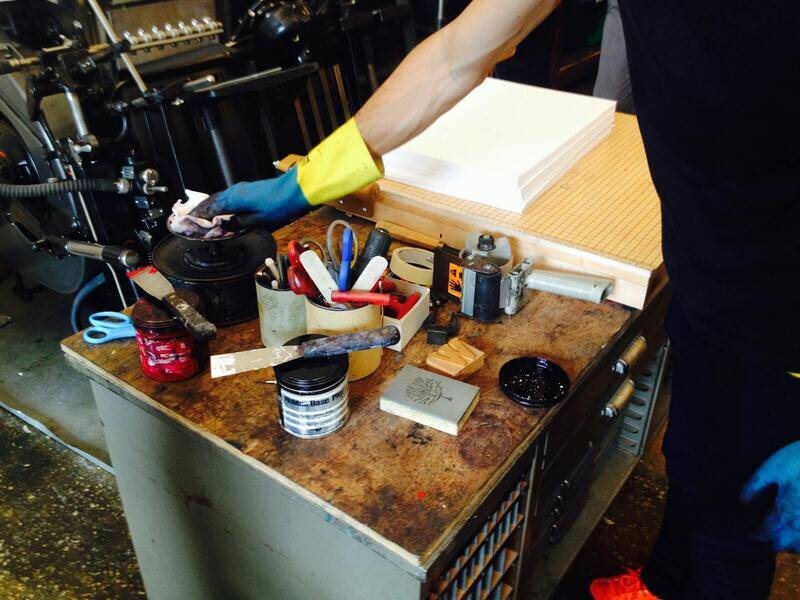
Furthermore, the printing method employed plays a crucial role in price determination. Large-format digital printing is the most prevalent, providing crisp, vibrant images suitable for various banner types. More advanced techniques like dye-sublimation or solvent printing may be used for specific materials or effects, typically incurring higher costs. Additionally, the complexity of the design—including the number of colors, resolution, and special effects—can influence production expenses.
Labor and finishing options also contribute to overall pricing. Finishing processes like hemming, eyelets, grommets, or pole pockets add to the cost but enhance the banner's functionality and lifespan. It is crucial to select features aligned with the banner's intended use, whether for outdoor advertising, event signage, or decorative purposes.
Pricing can further be affected by order size and turnaround time. Bulk orders usually benefit from discounts, while expedited services often come with additional charges due to the need for faster production. These aspects should be balanced according to budget constraints to achieve optimal results.
In summary, understanding the individual components that contribute to banner printing prices—material choices, printing techniques, design details, customization options, and project timelines—serves as a foundation for making informed purchasing decisions. Proper evaluation of these elements ensures efficient use of resources and enhances the effectiveness of promotional materials.
Understanding Banner Printing Pricing
When budgeting for banner printing projects, it is essential to recognize the key components that influence costs. The choice of material is a primary factor; commonly used substrates include vinyl, fabric, and mesh, each with distinct price points based on durability, texture, and visual appeal. Vinyl banners tend to be the most economical option, suitable for short-term outdoor use, while fabric banners often come with a higher price due to their premium appearance and suitability for indoor displays. Mesh banners, designed for windy outdoor environments, usually fall within a mid-range price category but can vary depending on mesh density and material quality.
Another critical element affecting pricing is the printing technique employed. Digital printing, especially large-format UV or solvent printing, is the industry standard for producing vibrant, high-resolution images on banners. Advanced methods such as dye-sublimation, although typically reserved for fabric banners, can elevate visual quality and color gamut but often carry higher costs. The complexity of the artwork—particularly the number of colors and the level of detail—influences the amount of ink used and, consequently, the overall price. Special effects like gradients, photo-realistic images, or textures may necessitate multiple passes or specialized inks, adding to the expense.
Additional Customization and Feature Costs
- Finishing Options: Hemming, eyelets, grommets, pole pockets, and reinforced edges enhance durability and usability. These features increase material and labor costs but extend the banner's lifespan, especially for outdoor applications.
- Size and Dimensions: Larger banners naturally require more material and longer printing times, resulting in higher costs. Standard sizes tend to be more economical, and custom dimensions are priced based on the total square footage.
- Special Effects and Design Elements: Incorporating multi-layer designs, embossing, or metallic inks can add to production costs. These options are typically selected to create unique visual impacts that elevate brand visibility.
Impact of Turnaround Time and Order Volume
Order quantity significantly influences pricing strategies. Bulk purchases tend to benefit from discounts due to economies of scale, while smaller orders might incur higher per-unit costs. Additionally, the timeframe for delivery can impact the final price. Urgent or rush orders require faster processing, often leading to premium charges. Proper planning and clear communication of deadlines can help optimize costs without compromising quality.
Strategies for Cost-Effective Budgeting
To manage expenses effectively, it is recommended to balance design complexity with material choice and finishing options. Prioritizing essential features ensures that the banner meets functional requirements without unnecessary expenditures. Comparing quotes from reputable print providers in Singapore can also reveal competitive pricing and value-added services, such as free design assistance or bundled discounts for large orders. Being aware of seasonal fluctuations and promotional discounts can further enhance cost savings.
Average Banner Printing Prices in Singapore
In Singapore, the price for standard-sized vinyl banners (e.g., 3x6 feet) typically ranges between SGD 80 and SGD 200, depending on material quality, design intricacy, and finishing details. Larger or custom-shaped banners can cost upwards of SGD 300 to SGD 600 or more. Fabric banners, favored for indoor events or high-end branding, generally start from SGD 150 for smaller sizes and escalate with size and enhanced features. Mesh banners, popular for outdoor high-wind areas, fall within a similar price range as vinyl but may vary based on mesh density and durability specifications.

Size and Dimensions Impact on Pricing
Choosing the appropriate size for a banner is a crucial step that significantly influences the overall printing costs. Larger banners demand more material and extended print time, which naturally leads to higher expenses. For instance, a standard 3x6 feet vinyl banner typically costs between SGD 80 and SGD 200, but expanding to 4x8 or 5x10 feet can push prices beyond SGD 300, depending on the material quality and finishing details. The dimensions also determine the complexity of the printing process; larger sizes often require specialized equipment and handling, adding to the production costs. Furthermore, non-standard dimensions or custom shapes may entail additional setup fees or design adjustments, which should be considered when budgeting for your banner. Selecting sizes that align with your specific promotional goals while maintaining cost-efficiency is essential, especially when ordering in bulk quantities where unit prices may decrease with volume.

Design Complexity and Printing Techniques
The intricacy of banner designs plays a pivotal role in determining printing costs. Simple text and minimal graphics can be produced at a relatively low price point, typically starting around SGD 80 to SGD 150 for standard sizes. Conversely, banners featuring detailed artwork, high-resolution imagery, and extensive color gradients require advanced printing techniques such as dye sublimation, solvent, or UV printing, which are more costly due to their technical demands.
Additionally, design complexity extends to the number of colors used; multi-colored or gradient-rich designs often necessitate multiple print passes or color separations, further increasing expenses. Incorporating special finishes like matte, gloss, or textured surfaces can also add to printing costs but provide a premium appearance. To optimize costs, it’s advisable to work with professional designers who can create impactful yet simplified visuals that maintain effectiveness without incurring excessive printing charges.
Additional Features and Customization Costs
Custom features and finishing touches substantially impact the overall price of banner printing. Grommets, hems, pole pockets, reinforced edges, and eyelets are common enhancements that improve durability and ease of installation but incur additional charges. For example, adding grommets at regular intervals may add SGD 20 to SGD 50 depending on the banner size, while reinforced hems can add similar costs but significantly extend the lifespan of the banner.
Special customization options, such as double-sided printing, LED-backlit banners, or fabric textures, are usually priced on a per-project basis. These features enhance visibility and aesthetic appeal, especially for high-profile events or trade shows, but should be factored into the overall budget. Transparency with your printing service provider regarding desired features ensures accurate estimates and helps avoid unforeseen costs during production.
Understanding Banner Printing Pricing
Determining the cost of banner printing requires a clear understanding of the various elements that influence pricing. Several factors come into play, including material quality, production methods, and additional customization options. Manufacturers and printing providers often offer different price points based on these considerations, so it’s essential for clients to evaluate their specific needs and budget constraints carefully. High-quality materials such as polyester mesh or vinyl not only impact durability but also influence the overall expense. Additionally, the longevity and environmental resistance of the banner material can sway costs upward, especially for outdoor use.

Pricing structures are typically itemized to cover the base printing fee, material costs, and optional enhancements. It is common for companies to provide transparent quotes that outline these components, helping clients understand where their investment is allocated. Bulk orders and repeat business often qualify for discounts, which can significantly reduce average costs. When planning your project, request detailed quotations from multiple providers to compare rates and ensure you are getting optimal value for your expenditure.
Common Types of Banners and Their Price Range
The most popular banner types each come with distinct pricing tiers based on size, material, and complexity. Examples include:
- Vinyl Banners: These are versatile and durable, suitable for both indoor and outdoor use. Typically priced between SGD 80 to SGD 200 for standard sizes (2m x 1m), with variations depending on quality and finishing options.
- Mesh Banners: Ideal for large outdoor applications due to wind permeability, with prices similar to vinyl but slightly higher depending on the mesh grade.
- Fabric Banners: Known for their premium appearance, these are often used for indoor displays or events. Costs vary from SGD 150 to SGD 350 depending on fabric type and size.
Size and Dimensions Impact on Pricing
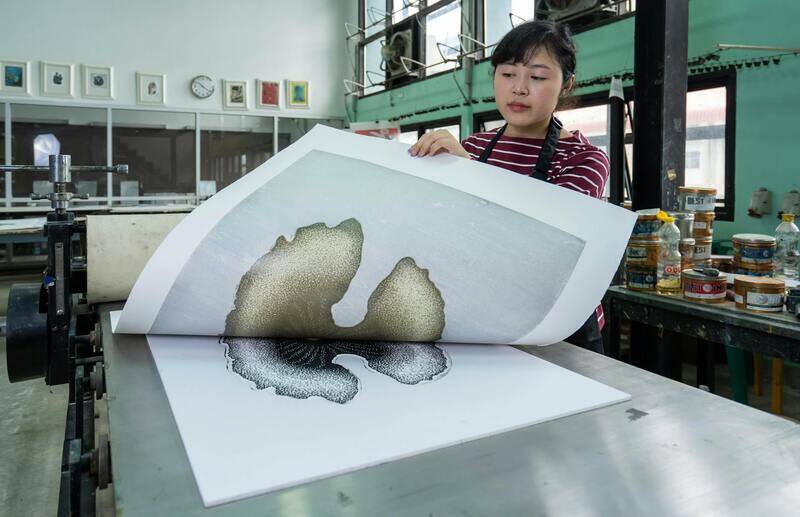
The size of a banner is directly proportional to the cost of production. Larger banners demand more material, higher printing setup, and potentially increased shipping fees. For instance, a 3m x 1.5m vinyl banner might cost around SGD 150 to SGD 250, whereas a smaller 1m x 0.5m banner can be priced under SGD 50. Custom dimensions that deviate from standard sizes may incur additional setup charges due to the need for specialized printing equipment or material cutting.
Depth, width, and aspect ratio influence not only the overall cost but also the visual impact and practicality of installation. When planning a budget, consider the optimal size needed for your display goals, balancing visibility with cost efficiency. Overly large banners intended for high-traffic outdoor areas tend to push the price upward, especially when reinforced with additional features.
Design complexity and printing techniques significantly influence pricing. Simple, one-color banners generally cost less compared to elaborate multi-color or photographic designs. Advanced printing methods such as dye sublimation or UV printing enable high-definition, detailed images but come with a higher price tag due to the machinery and materials involved. These techniques are often warranted for premium advertising campaigns or high-end events where visual quality is paramount.
Design Complexity and Printing Techniques
The intricacy of your banner design affects the production cost. Minimalist designs with fewer colors and simple typography typically incur lower setup and printing charges. Conversely, banners that feature complex graphics, gradients, or photographic imagery require more sophisticated printing technology and longer production times, thus increasing overall expenses.

Color richness and resolution play roles in determining price points. High-resolution images demand more ink and precise calibration, which increase the manufacturing costs. To manage costs effectively, organizations should consult with their printing service providers early in the design process to explore options that balance visual impact with budget constraints. Efficient use of color palettes and simplified graphics can help maintain a professional appearance without incurring unnecessary expenses.
Understanding Banner Printing Pricing
Pricing for banner printing depends on several key factors, including the materials selected, the complexity of the design, the printing technology employed, and additional customization options. When companies and individuals seek to order banners, it is essential to evaluate these elements to determine the most cost-effective solution without compromising on quality. Typically, providers offer transparent quotations based on the size, material, and specifications, enabling clients to plan their budgets effectively. Many reputable printing services in Singapore provide detailed price lists or quoting tools that help outline expected costs upfront, ensuring clear communication and realistic expectations.
Common Types of Banners and Their Price Range
There is a diverse array of banner types available in the market, each suited to specific purposes and budgets. Standard PVC vinyl banners are among the most common, offering durability and affordability. Fabric banners tend to be more premium, providing a luxurious appearance suitable for upscale events, though they may come at a higher price. Mesh banners are ideal for outdoor use as they allow wind passage, with costs varying based on size and mesh density. Specialty banners such as retractable or roll-up types incorporate mechanisms that increase their price but add convenience and portability.
In terms of price, a typical 3x6 feet PVC vinyl banner can range from SGD 50 to SGD 150, depending on factors such as thickness and finish. Larger sizes or more intricate designs can push costs higher, while smaller banners offer an economical alternative. Premium materials and specialized types, such as eco-friendly or luminous banners, tend to have a broader price spectrum, often starting at SGD 200 and exceeding SGD 500 for larger, custom-designed options. The choice ultimately hinges on intended use, durability requirements, and audience reach.
Size and Dimensions Impact on Pricing
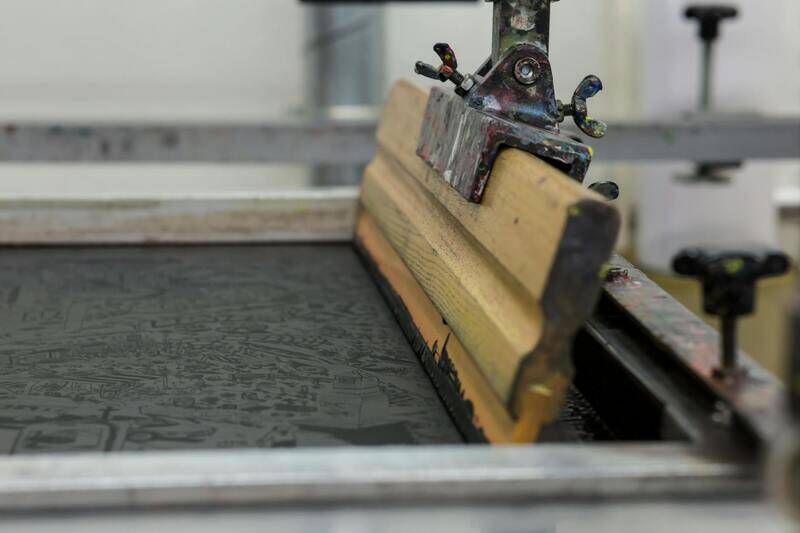
The size of a banner is one of the most influential factors affecting its printing cost. Larger banners require more raw materials and extended printing times, which naturally increase expenses. Standard sizes such as 2x4 feet or 3x6 feet are often priced more affordably, as they are widely used and supported by most printing equipment. Custom dimensions tailored for specific campaigns or venues may involve additional setup fees or adjustments to printing templates, thereby affecting the overall price.
It is crucial to select dimensions that balance visual impact and budget limitations. For instance, creating a billboard-sized banner (e.g., 12x24 feet) will significantly elevate costs due to material, printing, and installation requirements. Conversely, smaller banners are ideal for targeted advertising at events or retail counters, providing impactful messaging at a lower cost. When planning a campaign, always consider how the size influences both the production and transportation expenses.
Design Complexity and Printing Techniques
Design intricacy plays a vital role in determining the overall production costs of banners. Simple designs featuring limited colors, straightforward typography, and minimal graphics tend to be less expensive to produce. Such banners often utilize basic digital printing methods that are quick and cost-effective. In comparison, banners with detailed artwork, photographic elements, or multi-color gradients often require advanced printing techniques like dye sublimation, UV printing, or solvent-based printing. These processes offer high-definition and vibrant color rendering but come with increased equipment costs and longer production times.
High-resolution imagery demands more precise calibration and larger quantities of ink, which affect the price. Moreover, design complexity necessitates expert design work to ensure visual clarity and branding consistency. Organizations should collaborate with print providers early in the process to optimize designs for cost efficiency, perhaps by reducing color palettes or simplifying graphics to achieve desired visual outcomes within budget constraints.
Size and Dimensions Impact on Pricing
One of the most influential factors affecting banner printing prices is the size and dimensions of the finished product. Larger banners inherently require more material, increased ink, and additional production time, which collectively elevate costs. Standard sizes such as 2ft x 4ft are more affordable, while custom or oversized banners like 10ft x 20ft or unique aspect ratios will carry higher price tags due to their complexity and material requirements.
The choice of dimensions also influences transportation and installation expenses. Oversized banners often necessitate specialized hanging equipment or additional manpower, further contributing to overall costs. When planning a banner campaign, it is essential to balance the desired visual impact with budget considerations by selecting an optimal size that meets your promotional needs without incurring unnecessary expenses.
Visual Example:
In addition to overall size, the aspect ratio and shape—such as standard rectangular, square, or custom forms—can influence both the price and the printing process. Standard shapes are typically more economical because they conform to common printing templates, reducing setup time and waste. Conversely, unconventional shapes or intricate cuts may require specialized equipment, adding to the expenditure.
Understanding Banner Printing Pricing
To effectively manage your promotional budget, it is crucial to understand the core factors influencing banner printing prices. These costs are determined by a combination of elements including material quality, printing technology, and the level of customization desired. Recognizing these components helps in making informed decisions that align with your campaign objectives and budget constraints.
Materials used in banner printing vary from budget-friendly vinyl to premium mesh or fabric options. Each material offers different durability, visual appeal, and cost implications. Vinyl banners are typically the most economical, suitable for short-term use, while fabric or mesh banners are pricier but offer higher quality and longevity. The printing process itself can employ digital, solvent, or eco-solvent techniques, with digital printing being the most common for high-quality, full-color banners.
Pricing is also affected by the complexity of your design. Simple designs with minimal colors and straightforward text tend to be less costly, whereas intricate graphics, gradients, or detailed images increase printing time and resource consumption, thereby raising the price. Furthermore, the choice of inks and finishing techniques, such as lamination or hemming, contribute additional costs but can enhance the durability and visual impact of your banner.

Common Types of Banners and Their Price Range
Understanding the different banner types available can help you choose the most appropriate and cost-effective option for your needs. Here is a breakdown of popular banner styles and their typical price ranges:
- Vinyl Banners: Generally priced between SGD 50 to SGD 300 for standard sizes. These are durable, versatile, and suitable for both indoor and outdoor use.
- Mesh Banners: Range from SGD 70 to SGD 350. Ideal for windy areas as they allow airflow, preventing tears and damage.
- Fabric Banners: Cost between SGD 150 to SGD 500, favored for indoor displays and premium events due to their luxurious finish and vibrant colors.
- PVC Banners: Usually priced in the range of SGD 100 to SGD 400. Known for their sturdiness and weather resistance, suitable for long-term outdoor signage.
Size and Dimensions Impact on Pricing
The size and dimensions of banners are primary determinants of overall printing costs. Larger banners demand more raw materials such as vinyl or fabric, increased ink application, and extended printing time. For typical promotional needs, standard sizes like 2ft x 4ft or 3ft x 6ft offer budget-friendly options. These sizes are easy to transport, install, and typically cost less.
Conversely, custom sizes such as 10ft x 20ft or specialized aspect ratios will significantly influence pricing. They require more material, higher quantities of ink, and often more complex setup processes, which elevate the final cost. Additionally, size impacts transportation and installation expenses, especially for oversized banners that might need special equipment or additional labor.
Design Complexity and Printing Techniques
The visual intricacy of your banner directly correlates with the manufacturing costs. Simple designs with flat colors and minimal detail are faster and easier to print, resulting in lower expenses. On the other hand, banners with detailed graphics, multi-layer images, gradients, or photographic elements necessitate advanced printing techniques, increased ink use, and longer production times, thereby increasing costs.
Printing methods such as eco-solvent or solvent printing provide high-resolution images suitable for detailed visuals, but they also come with higher price tags. Additionally, some banners may incorporate special effects like embossing, foil accents, or textured finishes, which enhance visual appeal but add to the overall budget.
Additional Features and Customization Costs
Customization options can significantly influence banner prices. Features such as grommets, hemmed edges, pole pockets, or reinforced corners improve durability and ease of installation but also add to the final cost. Finishing techniques like matte or gloss lamination protect the banner from weather and UV damage, elevating both appearance and longevity, though they typically come at an extra charge.
Color matching and branding consistency require precise print calibration and high-end inks, which may increase the price. Special shapes, such as circular or custom-cut banners, involve additional cutting and shaping processes, further impacting costs. When planning your budget, factoring in these extras ensures a comprehensive understanding of the total investment needed for your banner campaign.
Understanding Banner Printing Pricing
Banner printing prices in Singapore are determined by multiple factors that ensure each project meets specific visual and functional requirements. Pricing can vary broadly depending on the quality of materials used, the complexity of the design, and the chosen printing methods. Customers should be aware that while budget options exist, investing in high-quality printing services ensures durability and vibrant visual appeal, essential for impactful advertising campaigns. Pricing is also influenced by the vendor’s operational capabilities, the equipment utilized, and the level of customization requested, making it crucial to select providers that offer transparent quotes and comprehensive services.
Common Types of Banners and Their Price Range
There are several common types of banners used for various promotional and event needs in Singapore, each with its typical price range:
- Standard PVC Banners: These are the most popular, versatile banners suitable for both indoor and outdoor use. Prices generally range from SGD 20 to SGD 50 per square meter, depending on size and quality.
- Mesh Banners: Designed to withstand windy conditions, mesh banners cost approximately SGD 30 to SGD 60 per square meter. They are ideal for outdoor applications requiring durability against weather elements.
- Fabric Banners: Offering a premium look, fabric banners with dye-sublimation printing tend to be priced between SGD 40 and SGD 80 per square meter. They are often used for indoor settings, exhibitions, or upscale events.
- Vinyl Banners with Special Finishes: Banners that include features like matte or gloss lamination and reinforced edges fall within the SGD 30 to SGD 70 range per square meter, depending on the customizations.
Size and Dimensions Impact on Pricing
The overall cost of banner printing in Singapore is significantly affected by size and dimensions. Larger banners, while often more impactful visually, require more material and longer printing times, which increases expenses. Standard sizes like 3ft x 6ft or 4ft x 8ft are generally priced more affordably on a per-square-meter basis compared to custom dimensions. Furthermore, printing larger formats necessitates high-capacity equipment and specialized handling, potentially leading to additional setup fees or premium charges. When planning your campaign, balancing size with intended visibility and location is essential to optimize your budget while ensuring maximum exposure.
Design Complexity and Printing Techniques
The intricacy of your banner design directly influences the overall printing cost. Simple designs with flat colors and minimal detail are cost-effective because they require less ink and simplified printing processes. Conversely, banners featuring intricate graphics, multi-layer images, gradients, or photographic elements demand advanced printing techniques such as eco-solvent or UV printing, which are more costly due to increased ink consumption and processing time. Special effects like embossing, textured finishes, or metallic foils add a layer of complexity and visual interest but also elevate the price. When preparing your artwork, consider the level of detail needed to communicate your message effectively, balancing visual impact with your budget constraints.
Additional Features and Customization Costs
Enhancing your banner with features like grommets, pole pockets, hemmed edges, or reinforced corners improves durability and ease of installation. The cost for these enhancements generally ranges from SGD 10 to SGD 30 per banner, depending on size and material. Finishing touches such as matte or gloss lamination provide UV protection, weather resistance, and a polished appearance, though these add to the final price. Color matching and branding consistency require high-quality inks and precise calibration, which can influence costs upward. Custom shapes and cut-outs necessitate additional mechanical processing, leading to added charges. Incorporating these features strategically within your design can extend the lifespan and aesthetic appeal of your banners, offering a better return on your investment in the long run.
Pricing Factors: Turnaround Time and Quantity
Order volume significantly impacts pricing in Singapore. Bulk orders typically see a reduction in unit prices due to economies of scale, making large campaigns more cost-efficient. Conversely, expedited turnaround times might incur premium charges, especially when production needs to be completed within tight deadlines. Choosing a vendor with efficient production workflows and clear communication about lead times can help manage costs effectively. Planning your project well in advance allows you to benefit from standard pricing rates and avoid unnecessary rush charges.
Budget Planning and Cost Comparison Tips
To optimize your budget, begin by clearly defining your banner specifications, including size, material, and design complexity. Request detailed quotations from multiple printing providers to compare prices, ensuring that the quote includes all necessary features without hidden fees. Evaluate the quality and durability of the materials offered, considering the environmental conditions where the banner will be displayed. When feasible, opt for standard sizes and straightforward designs to maximize cost efficiency. Additionally, assess each vendor's turnaround times and available customization options to find the best balance between quality and expense. Keep in mind that investing in higher-quality materials and finishes can reduce replacement costs over time, especially for banners used outdoors or in high-traffic areas.
