Overview of Digital Poster Printing
Digital poster printing has become an essential component in modern marketing and communication strategies. This technology leverages advanced digital printing methods to produce high-quality posters rapidly and efficiently, catering to the diverse needs of businesses, organizations, and individuals in Singapore. Unlike traditional poster printing techniques, digital printing allows for quick turnaround times, detailed customization, and vibrant color reproduction, making it an ideal solution for promotional campaigns, event advertisements, and informational displays.
The significance of digital poster printing extends beyond mere visual appeal. It plays a crucial role in effectively conveying messages, attracting attention, and ensuring brand visibility in competitive environments. Singapore's dynamic business landscape demands innovative promotional tools, and digital posters offer a versatile medium that can adapt to various industries and purposes. From retail outlets to corporate events, digital poster printing provides a professional finish and durability, ensuring that advertising materials remain impactful over time.

Businesses opt for digital poster printing due to its precision, efficiency, and broad material compatibility. The ability to produce customized posters tailored to specific campaigns without extensive setup costs makes it an attractive option for companies looking to maintain a fresh and engaging visual presence. In Singapore, where competition is intense and consumer attention spans are short, high-quality digital posters help brands stand out and communicate their messages effectively with minimal delays and maximum impact.
Types of Digital Poster Printing Technologies
Digital poster printing employs various advanced printing technologies to achieve high-quality, vibrant visuals. Two of the most prevalent methods are inkjet printing and UV printing, each offering unique advantages suited to different project requirements.
Inkjet Printing
Inkjet technology stands out for its ability to produce detailed, photorealistic images with a broad color spectrum. This method works by propelling tiny droplets of liquid ink directly onto substrates, facilitating precision in color blending and shading. Inkjet printers are highly versatile, supporting a range of materials such as paper, vinyl, fabric, and specialty substrates. Their suitability for short-run projects and quick turnaround times makes them highly popular among businesses that require frequent updates of promotional posters. The durability of inkjet posters can be enhanced with lamination or protective coatings, ensuring longevity even in outdoor settings.

UV Printing
UV printing utilizes ultraviolet light to instantly cure the inks as they are laid onto the substrate. This technique results in prints that are exceptionally durable, resistant to scratches, weather, and chemical exposure. As UV printing can directly print onto a wide array of rigid and flexible materials—including metal, glass, acrylic, and PVC—it is ideal for creating both indoor and outdoor signage with a premium finish. The instant curing process allows for intricate detailing and a thicker layer of ink compared to traditional methods, giving a tactile, textured quality to posters that enhances visual impact and durability. UV printing also offers eco-friendly benefits as it reduces waste and VOC emissions.

Both inkjet and UV digital printing technologies have revolutionized how businesses approach poster creation in Singapore. Selecting the appropriate method depends on factors such as material choice, desired durability, finish quality, and budget constraints, enabling more tailored and effective promotional solutions.
Material Options for Digital Posters
Choosing the right material for digital posters is crucial to achieve optimal visual impact, durability, and suitability for the intended environment. Various substrates are available, each offering distinct benefits tailored to specific needs.
- Vinyl: One of the most popular materials for outdoor advertising, vinyl is highly resistant to weather elements, including moisture, UV rays, and temperature fluctuations. It provides a robust and flexible surface ideal for large-format posters that need to endure outdoor conditions for extended periods. Vinyl-backed posters are also easily laminated, which enhances their longevity and offers additional protection against scratches and abrasions.
- Fabric: Fabric-based posters are favored for indoor displays due to their sophisticated appearance and vibrant color reproduction. They tend to be lightweight, crease-resistant, and reusable, making them suitable for event backdrops, trade shows, and interior decor. Digital printing on fabric often yields a matte finish with rich, saturated colors, minimizing glare and ensuring clarity from various viewing angles.
- Photo Paper and Cardstock: For indoor applications requiring detailed imagery and high-resolution printing, photo papers and heavyweight cardstock are common choices. These materials provide crisp detail and excellent color fidelity, making them perfect for art displays, gallery exhibitions, and promotional posters that emphasize visual finesse.
- Acrylic and Rigid Substrates: For premium signage or decorative displays, rigid materials such as acrylic, aluminum composite panels, and PVC boards are frequently used. These substrates allow for sleek, modern finishes and are highly durable, suitable for both indoor and outdoor environments. The rigidity ensures that posters maintain their shape over time, especially in high-traffic or windy areas.
Factors Influencing Material Choice
When selecting materials for digital posters, consider the following factors:
- Intended Location: Outdoor posters require weather-resistant materials like vinyl or rigid panels, whereas indoor posters benefit from fabric or coated paper for a refined look.
- Durability Needs: The lifespan of the poster influences material choice. Long-term outdoor signage demands durable substrates that resist environmental stress, while short-term displays may use standard paper or fabric.
- Visual Quality: High-resolution images and vibrant colors are best showcased on materials with smooth, reflective surfaces such as glossy photo paper or acrylic.
- Budget Constraints: Costs vary significantly among materials. Vinyl and rigid substrates tend to be more expensive but offer greater longevity, whereas paper and fabric are more cost-effective options for temporary or indoor use.
Matching the right material to the application ensures that digital posters achieve their intended impact, sustain their appearance over time, and fit within budget requirements.
Material Options for Digital Posters
When selecting materials for digital poster printing, a broad range of options is available, each with unique properties suited to different display environments and design requirements. Commonly utilized materials include vinyl, fabric, and rigid substrates such as acrylic or aluminum composite panels. Vinyl is celebrated for its flexibility, weather resistance, and ease of installation, making it ideal for outdoor signage or temporary displays. Fabric options, often used for textile posters, provide a soft, matte finish that enhances vibrant color reproduction and reduce glare, making them well-suited for indoor exhibitions or retail displays. Rigid substrates like acrylic and aluminum composite panels offer a sleek, modern aesthetic coupled with high durability, lending themselves to long-term outdoor installations or high-traffic indoor areas.

Choosing the appropriate material hinges on several considerations, including the poster’s intended placement, durability requirements, visual quality, and budget constraints. For outdoor purposes, materials that resist environmental factors—such as vinyl or weatherproof rigid boards—are typically preferred. Conversely, indoor posters can leverage fabric or coated papers that provide a refined visual appeal but less resistance to outdoor elements. When prioritizing visual clarity, materials with smooth, reflective surfaces like glossy photo paper or acrylic enable high-resolution image display and vibrant color fidelity. Cost considerations are also pivotal; while vinyl and rigid materials tend to be more expensive owing to their longevity, paper and fabric options are more economical and suitable for short-term or indoor applications.
Overall, the goal in selecting materials is to match the poster's purpose with its environment and expected lifespan. An effective pairing ensures the digital poster maintains its visual integrity over time, withstands environmental stressors, and aligns with budget requirements.

Design Considerations and Best Practices
When developing digital posters, meticulous attention to design elements ensures the final product effectively communicates its intended message while maintaining visual appeal. High-resolution graphics and crisp text are critical; thus, selecting an appropriate image resolution—typically 300 dpi or higher—is essential for clarity and detail. Incorporating a balanced color scheme that aligns with branding and ensures visibility from a distance enhances the poster’s impact. Strategic use of negative space prevents clutter and guides viewers' eyes to key information.
Typography choices must be legible from various distances, especially for outdoor or high-traffic environments. Sans-serif fonts are popularly favored due to their clean and modern appearance and ease of reading. Additionally, the hierarchy of information—through font size, weight, and color—should be carefully crafted to prioritize vital messages and create visual flow.
Consistent branding elements, such as logos, color palettes, and taglines, reinforce brand identity and ensure coherence across different marketing materials. Incorporating call-to-action elements, whether in the form of contact details, event dates, or social media handles, should be prominent and easy to locate.

Before finalizing digital posters, conducting reviews and testing in the intended display environment helps identify and rectify potential issues such as color discrepancies or readability challenges. Employing mock-ups or prototypes also aids in visualizing how the poster will appear in real-world settings, facilitating necessary adjustments for optimal performance.
Material Options for Digital Posters
The choice of materials is pivotal in digital poster printing, impacting durability, appearance, and suitability for various display environments. Common materials include gloss, matte, and satin vinyl, each offering distinct visual effects and tactile qualities. Gloss vinyl accentuates vibrant colors and details, making it ideal for indoor displays and promotional events where visual impact is paramount. Matte vinyl, on the other hand, reduces glare and fingerprints, offering a refined finish suitable for professional settings or displays that require understated elegance.
For outdoor advertisements, weather-resistant materials such as reinforced vinyl or printable fabric are typically employed. These materials withstand exposure to sunlight, rain, and wind without significant deterioration, ensuring the poster maintains its visual integrity over an extended period. Additionally, rigid materials like foam boards or coroplast are used for standoff displays or static posters, providing structural support and ease of mounting.

Specialized printable fabrics are gaining popularity for their lightweight, flexibility, and high-quality image reproduction, making them ideal for both indoor and outdoor banners. Moreover, environmentally friendly options such as recyclable or biodegradable materials are increasingly being preferred by organizations committed to sustainability, aligning with eco-conscious practices in Singapore.
Design Considerations and Best Practices
Creating a compelling digital poster involves strategic design elements that maximize visibility and engagement. Starting with a clear focal point ensures that viewers’ attention is directed to the most important information. Consistent use of brand colors, logos, and typography reinforces brand recognition and cohesion.
- Resolution: High-resolution images (minimum 300 dpi) are essential to produce sharp, clear visuals, especially for large-format prints.
- Color Schemes: Use vibrant, contrasting colors to enhance readability and visibility from afar. Test color profiles on different screens and printers to prevent discrepancies.
- Typography: Selecting easily readable fonts, especially sans-serif styles, helps convey messages legibly across various distances and lighting conditions.
- Negative Space: Adequate spacing prevents clutter, ensuring that all elements are distinct and the message is easily digestible.
- Hierarchy & Layout: Proper arrangement through size, weight, and color emphasizes key points, guiding the viewer through the poster naturally.
Before printing, mock-ups or digital previews should be scrutinized in conditions mimicking the final display environment. This step can reveal issues like color mismatches or readability challenges, allowing for necessary adjustments to optimize the end product.
Customization and Finishing Options
To enhance appeal and functionality, digital posters can be customized with various finishing options tailored to specific needs. Laminating surfaces provides added protection against scratches, moisture, and UV damage, extending the lifespan of outdoor posters. Matte or glossy lamination also influences the visual texture and tactile feel.
Edge finishing techniques such as hemmed, taped, or grommeted borders facilitate easier mounting and secure display. Special mounting accessories like suction cups, hooks, or adhesive strips can be included to suit different installation environments.
Some printers offer additional options like backlighting or incorporating QR codes for interactive engagement. These elements augment the poster’s visibility and user interaction, especially in high-traffic or dynamic settings.
Advanced Techniques and Standards in Digital Poster Printing
Ensuring Precise Color Reproduction
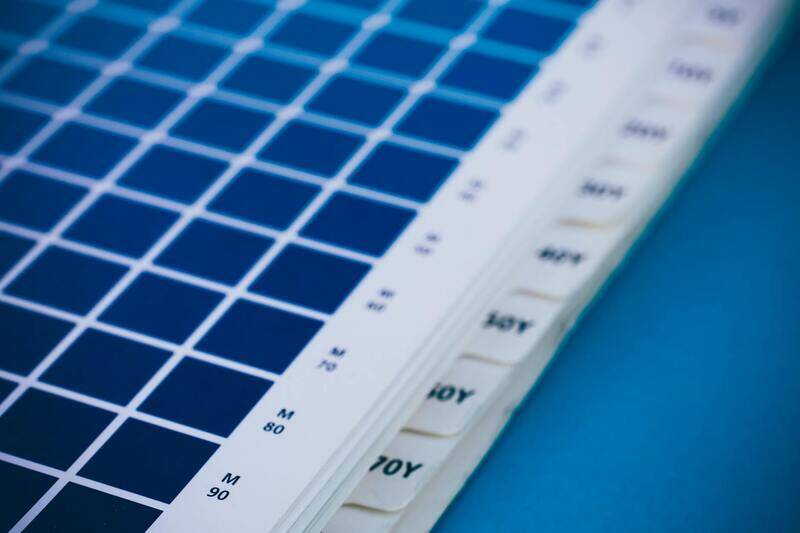
One of the critical aspects of professional digital poster printing is achieving accurate color matching. This is accomplished through sophisticated color management systems that utilize calibrated monitors and color profiles. When selecting a printing service, it's essential to verify their use of high-quality ink sets and calibration protocols to replicate the original design intent faithfully. By maintaining consistency in color output, businesses and organizations can preserve brand integrity and message clarity across all printed materials.
High-Resolution Output for Sharp Imagery
Digital poster printing demands high-resolution images, typically 300 DPI or higher, to ensure clarity and detail, especially when enlarging the poster for display in large-format settings. Advanced printing machines utilize multiple print heads capable of depositing tiny ink droplets, producing smooth gradients and sharp edges that enhance visual impact. When requesting print services, confirming their ability to handle high-resolution files is vital for achieving professional-quality results.
Printer Maintenance and Quality Assurance
Maintaining consistent print quality involves rigorous calibration and routine maintenance of printing equipment. Top-tier printing facilities implement quality assurance checks at every production stage, from pre-press digital proofs to post-print inspections. These measures include color consistency checks, ink density monitoring, and defect detection. Clients should inquire about the printer maintenance protocols, as regular upkeep directly influences the durability and appearance of the final printed posters.
Alignment and Registration Accuracy
Precise alignment between colors, layers, and sections is crucial for complex digital posters that incorporate multiple images or design elements. High-end digital printing technologies employ advanced registration systems that ensure each layer is accurately aligned, preventing misprints or blurring. The use of contour cutting and trimming devices further contributes to delivering posters with clean edges and professional finishes.

Environmental Considerations and Industry Standards
Modern digital poster printing adheres to strict environmental protocols that promote sustainability without compromising quality. This includes the use of low-VOC (volatile organic compounds) inks, recyclable substrates, and energy-efficient printing equipment. Standards such as ISO quality management and safety certifications guide printers in maintaining eco-friendly practices. Clients committed to sustainable sourcing should select vendors that transparently demonstrate their adherence to these industry standards.
Technical Support and Consultation Services
Engaging with a printing provider that offers expert guidance throughout the production process can significantly enhance the final product. Services such as pre-press consultations, color profiling, and material recommendations help optimize design specifications to match technical capabilities. Furthermore, professional support ensures that customizations, such as special finishes or unique mounting solutions, are executed flawlessly, leading to durable and visually compelling digital posters.
Ensuring Compliance with Official Digital Poster Printing Standards
Adhering to recognized practices in digital poster printing involves employing methods and materials that meet industry benchmarks for quality, safety, and environmental impact. Certified digital printing providers utilize technology and processes that guarantee consistent color reproduction, high-resolution outputs, and durable finishes, ensuring that posters not only look professional but also withstand operational conditions. These standards are maintained through regular calibration of printers, meticulous quality control procedures, and adherence to safety guidelines concerning ink and substrate handling.
One of the primary considerations for maintaining high standards is the use of high-quality digital printing equipment that has been calibrated to ensure accurate color management. This calibration process involves adjusting the printer to produce color outputs that match established color profiles, thus maintaining consistency across different print runs and substrates. Additionally, industry-accredited vendors typically invest in advanced software solutions for image processing and color profiling, which contribute to achieving precise, vibrant results that adhere to client specifications.
In the pursuit of maintaining compliance, the selection of inks plays a crucial role. Leading providers opt for inks that meet safety and environmental standards, such as low-VOC or solvent-free options, which minimize harmful emissions while delivering bright, enduring colors. These inks undergo rigorous testing and certification processes that validate their safety and performance, thus reinforcing the overall quality control framework of the printing operation.
Implementing Best Practices for Responsible Digital Poster Printing
- Material Certification: Utilizing substrates that are certified for safety and environmental impact helps ensure compliance with industry norms. Recyclable or biodegradable materials are preferred where applicable, aligning with sustainability goals.
- Process Certification: Working with vendors certified under ISO standards or similar recognized schemes assures adherence to quality management protocols, which include regular equipment maintenance, staff training, and process audits.
- Environmental Measures: Employing printers equipped with energy-efficient features and waste management systems helps reduce the environmental footprint of printing operations.
- Quality Assurance Protocols: Regular inspections and batch testing of printed posters help verify color fidelity, durability, and overall print quality, maintaining standards across all projects.
Documentation and Transparency Measures
Maintaining comprehensive documentation that includes material certifications, process audits, and safety data sheets is vital in ensuring transparency and accountability. Customers can request proof of compliance during the procurement process to guarantee that the digital poster printing adheres to authorized methods and standards.