Factors Influencing Colour Printing Costs
Understanding the various factors that affect colour printing costs is essential for businesses and individuals seeking high-quality outputs without overspending. The complexity of the project, choice of materials, and volume of prints all play significant roles in determining the final expense. By examining these elements closely, stakeholders can better plan their printing requirements and optimize their budgets.
Print Volume and Frequency
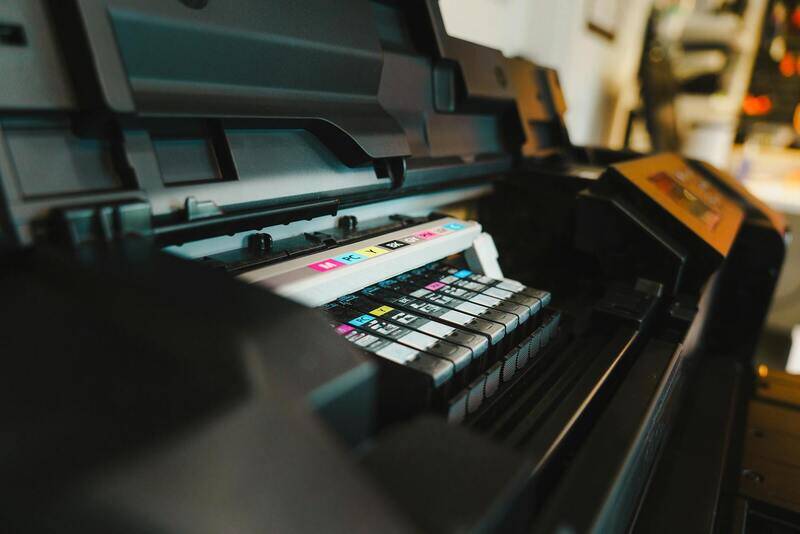
One of the most straightforward cost influencers is the volume of prints. High-volume projects benefit from economies of scale, often resulting in lower per-unit costs. Conversely, small or one-off prints tend to carry higher costs due to setup fees and less efficient use of printing resources. Regular printing requirements can also influence pricing structures, especially if bulk discounts or subscription models are available.
Complexity of Colours and Design
The number of colours used directly impacts the computational and material expenses. Multicolour images and detailed graphics demand more advanced printing techniques and higher ink usage. Fine gradients, colour gradients, and intricate design elements can further increase both the time and cost needed to achieve precise reproduction. Simpler colour schemes typically result in more economical printing options.
Material Choices and Print Substrates
Printing on premium materials such as glossy or textured papers involves higher costs compared to standard materials. Specialized substrates designed for vibrant colour reproduction or durability, such as vinyl or synthetics, also contribute to increased expenses. It's important to select materials aligned with the project’s purpose and budget constraints.
Print Size and Resolution
The dimensions of the print and the desired resolution directly influence the amount of ink used and the time required for printing. Larger formats naturally consume more resources, while high-resolution prints enhance visual quality but at a higher cost. Properly balancing size and resolution can optimize expenditure without compromising on quality.
Technological Factors and Equipment Used
Advanced printing technology, such as digital or offset printing, offers different advantages and costs. Digital printing is often preferred for smaller runs and quick turnaround times, whereas offset printing may be more economical for large quantities but requires initial setup costs. The choice of equipment impacts both the quality and the overall cost structure.
In summary, a comprehensive understanding of these factors is crucial for controlling colour printing costs effectively. By carefully considering the scope of project specifications, material choices, and volume, clients can make informed decisions that align with their budget while achieving the desired output quality.
Factors Influencing Colour Printing Costs
Understanding the variables that impact the overall cost of colour printing is essential for effective budgeting and project planning. Among these, the choice of print substrates plays a significant role. Premium materials such as glossy, matte, or textured papers demand higher expenses due to their enhanced aesthetic qualities and durability. These substrates often require specialized handling and processing, which further elevates costs. Additionally, substrates like vinyl or synthetic materials, which are essential for outdoor signage or long-lasting displays, are inherently more expensive because of their resistance to environmental factors and ability to reproduce vivid colours.
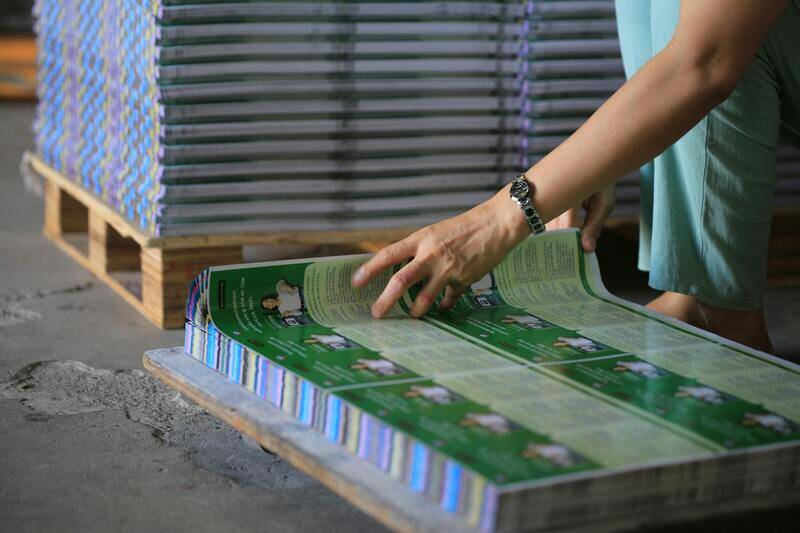
Print size and resolution directly affect the quantity of ink used and the time needed to produce each piece. Larger prints naturally consume more ink and require more precise handling, translating into higher costs. High-resolution images ensure sharp, vibrant reproductions but necessitate advanced technology and increased processing time, which can escalate expenses. Achieving an optimal balance between size and resolution can help manage costs without sacrificing visual impact.

Technological factors, including the type of printing equipment used, also significantly influence costs. Digital printing is highly suitable for small to medium runs, offering quick turnaround times and flexible adjustments. It tends to be more cost-effective for short projects compared to offset printing, which involves higher setup costs but becomes economical with larger quantities. Offset printing often delivers superior colour consistency and quality for high-volume jobs, while digital methods provide greater versatility for short-term or customized projects. The selection of technology should align with project requirements, volume, and budget constraints, ensuring efficient resource utilization.
In essence, a thorough evaluation of materials, size, resolution, and technological factors helps in managing colour printing costs effectively. Strategic planning enables clients to reach their desired visual outcomes without exceeding their financial limits. When these elements are carefully considered, the printing process becomes more predictable, and costs can be kept within planned budgets.
Types of Colour Printing Services and Their Pricing
Various printing services cater to different needs, each with unique pricing models. Digital printing offers quick, on-demand solutions ideal for small batches or personalized designs, often charging based on the number of prints and their complexity. Offset printing, while requiring higher initial investments, becomes more cost-efficient for large quantities due to its lower per-unit cost. Large-format printing is specialized for banners, posters, and displays, with costs influenced by the size, materials, and finishing options chosen. Recognizing these distinctions allows clients to select the most economical and suitable service for their project requirements.
Cost Breakdown of Colour Printing Projects
Understanding the comprehensive cost structure of colour printing projects facilitates better budget management and project planning. Typically, the overall cost is broken down into several key components: setup fees, per-page charges, and material costs. Each element plays an integral role in the final price and can vary depending on the nature and scale of the project.
Setup fees are often associated with preparing the printing equipment, such as plate creation in offset printing or file preparation for digital presses. These costs are usually fixed but can fluctuate based on the complexity of the design or the need for special printing techniques. For large runs, setup costs tend to be amortized over the volume, reducing the per-unit expense.
Per-page charges are calculated based on the number of prints and the intricacy of colour details involved. Full-colour pages with high resolutions and detailed images generally command higher rates than simpler, monochrome equivalents. Digital printing services often charge by the impression, with costs decreasing as the batch size increases, due to economies of scale.
Material costs encompass the printing substrates—such as glossy or matte paper, vinyl, or fabric—as well as any finishing touches like lamination, coating, or embossing. The choice of materials significantly influences the overall price, especially when premium or specialty substrates are selected.
By analyzing these elements, clients can identify potential areas for cost savings and make informed decisions about where to invest based on desired quality and budget constraints. For instance, opting for standard paper stock over specialty materials or adjusting colour resolutions can substantially impact expenses.
Pricing Trends and Market Rates in Singapore
Market rates for colour printing services in Singapore are influenced by factors such as technological advancements, material costs, and competitive landscape. Currently, digital printing rates remain competitive for small-to-medium-sized projects, with prices ranging from SGD 0.10 to SGD 0.50 per print depending on colour complexity and size.
Offset printing, often used for bulk orders, offers significantly lower per-unit costs—sometimes below SGD 0.05 for high-volume jobs—thanks to its efficiency in large runs. Large-format printing prices vary widely based on the dimension, material, and finishing options, typically starting from SGD 20 per square metre.
Keeping abreast of fluctuating shipping, material sourcing, and technological deployment costs helps printers and clients alike to anticipate pricing trends. Bulk procurement of materials and optimized workflow management can also contribute to more stable and competitive market rates.

Understanding these market dynamics enables businesses and individuals to tailor their procurement strategies. Requesting quotes from multiple providers, opting for volume discounts, or scheduling bulk projects during promotional periods can lead to tangible savings.
Tips for Reducing Colour Printing Costs
- Plan print quantities carefully to avoid unnecessary excess, leveraging digital printing's on-demand capabilities.
- Optimize designs to reduce colour complexity where feasible, such as minimizing gradients or using spot colours instead of full-colour images.
- Choose standard materials and finishes instead of premium options unless essential for branding or presentation purposes.
- Combine multiple design elements into a single print run to benefit from economies of scale.
- Negotiate with service providers for volume discounts or package deals, especially for recurring projects.
- Consider digital alternatives like online proofs or prepress simulations to minimize errors and reprints.
Implementing these strategies ensures the efficient use of resources, helping to stay within budget while retaining the quality and visual impact of the final product.
Impact of Colour Quality and Printing Details on Cost
Achieving the desired quality in colour printing often necessitates careful consideration of various printing parameters, which directly influence overall costs. Higher fidelity in colour reproduction, finer image details, and premium finishes can significantly elevate the price per print. Printers that utilize advanced ink formulations and sophisticated printing technology—such as 4-colour or 6-colour presses—provide richer colour depth and smoother gradients, enhancing visual appeal but at a higher expense.
Furthermore, the choice of paper and finishing options plays a critical role in determining costs. Glossy or matte premium papers, as well as specialty textures and thicker stocks, tend to be more costly than standard options. Additionally, detailed finishing processes, such as embossing, lamination, or foil stamping, add layers of complexity and expense to a project.

In terms of printing details, the resolution and precision required for the output can influence expenses. High-resolution prints demand advanced equipment and higher ink volumes, which, although improving image clarity, increase material consumption and processing time. Similarly, complex multi-layered artworks with intricate colour gradients or multiple finishing steps can further escalate costs.
Selecting the Right Printing Service for Budget Efficiency
To optimize costs without compromising quality, clients should evaluate printing services based on their capabilities to handle specific project requirements efficiently. Service providers with state-of-the-art digital printers, equipped with the latest colour management software, are often better positioned to deliver high-quality outputs at competitive prices. It is vital to discuss the expected output specifications, material options, and finishing needs upfront to ensure clarity on pricing.
Furthermore, selecting a provider that offers flexible solutions—such as digital on-demand printing versus traditional offset—can influence cost savings. Digital printing typically offers lower setup costs and is ideal for smaller runs, providing more affordability for customized or short-order projects. Conversely, offset printing is more cost-effective for large volume productions, offering superior colour consistency and higher efficiency at scale.

Clients should also seek providers with transparent pricing structures and clear communication regarding additional fees. This includes setup charges, colour management fees, or costs for special materials and finishes. By understanding the full scope of expenses upfront, businesses and individuals can make informed decisions that align with their budget constraints, ensuring the final output meets expectations without unnecessary financial strain.
Impact of Colour Quality and Printing Details on Cost
The overall expenditure on colour printing is significantly affected by the desired quality of colour output and the specific printing details involved in a project. High-fidelity colour reproduction, precise colour matching, and detailed image clarity generally require advanced printing technologies and meticulous calibration processes. These factors contribute to increased costs, especially for projects where colour accuracy is paramount, such as brand collateral, product packaging, and marketing materials.
Key elements influencing costs related to colour quality and details include:
- Colour Depth and Brightness: Higher colour depth, which allows for more nuanced shades and gradients, demands more sophisticated printers and higher-quality inks, leading to elevated costs.
- Colour Consistency: Maintaining uniform colour output across multiple prints necessitates rigorous colour management and calibration processes, especially for large batches. The more stringent the consistency requirements, the greater the associated costs.
- Image Resolution: Printing high-resolution images with sharp detail requires advanced digital presses capable of handling complex data. This often involves premium equipment and materials, influencing the overall price.
- Special Finishing and Effects: Techniques such as spot varnish, gloss coatings, or textured finishes add to printing expenses. These enhancements improve visual appeal but require additional setup and material costs.
- Paper and Material Choices: Premium substrates, textured papers, or specialty materials contribute to higher printing costs. The compatibility of these materials with colour management systems is vital for maintaining output quality.

Achieving a balance between desired visual effects and budget constraints involves working closely with the printing service provider. Clear communication on quality expectations, combined with understanding the technical specifications and limitations, helps tailor a cost-effective solution without compromising the project's integrity.
Impact of Colour Quality and Printing Details on Cost
The quality of colour output and the intricacies involved in printing finer details significantly influence the overall expense of a colour printing project. High-fidelity colour reproduction demands meticulous calibration of printers, advanced colour management software, and premium inks that can match Pantone or other colour standards with precision. These components ensure that the printed colours are vibrant, consistent, and true to the original design, but they also come with increased costs compared to standard printing options.
Moreover, the complexity of the image or design plays a crucial role. Intricate artwork with numerous colour gradients, subtle tone variations, or detailed textures requires higher resolution settings and sophisticated printing techniques, such as four-colour (CMYK) or additional spot colours, to achieve the desired effect. These methods often involve multiple passes or specialized print heads, which extend the production time and elevate material costs.
Finishing touches, including embossing, foil stamping, spot UV coatings, or textured finishes, add a premium look but increase the expenditure. These enhancements require additional setup steps, specialized equipment, and extra materials, making them suitable for projects that demand a high-end presentation or branding impact. For instance, luxury packaging and promotional materials often incorporate such detailed finishes to stand out visually and tactually, justifying higher costs.
Understanding the interplay between desired visual effects and budget limitations allows clients to make informed decisions. Working closely with printing providers to specify the necessary quality levels and finishes ensures that expectations are aligned, preventing unforeseen charges and optimizing resource allocation.
Selecting the Right Printing Service for Budget Efficiency
Choosing a printing service that strikes a balance between quality standards and cost-effectiveness involves evaluating their technical expertise, range of offered services, and reputation for delivering consistent results. Providers that offer consultation on design optimisation—such as reducing colour complexity or suggesting alternative materials—can substantially decrease project costs without sacrificing visual impact.
Recommendations for Cost-Effective Colour Printing
- Opt for standard colour profiles where possible to minimise calibration and adjustment needs.
- Limit the use of specialised finishes to essential areas to control expenses.
- Select appropriate paper stock that complements the colour design but is economically priced.
- Request sample prints to assess colour accuracy and finish quality before committing to large volumes.
The capability to adapt design elements to the printing process influences both final cost and output quality. Proactive dialogue with a knowledgeable printing partner ensures projects are completed with optimal visual impact within the allocated budget.
Factors Influencing Colour Printing Costs
Understanding the various elements that affect the cost of colour printing is essential for clients seeking efficient budgeting without compromising on quality. One primary factor is the type of printing technology employed. For example, digital colour printing typically incurs lower setup costs and is suitable for smaller runs, whereas offset printing might be more economical for larger quantities due to its high efficiency at high volumes. The choice between these methods can significantly alter the total expenditure.
Paper quality and finish are also pivotal. Thicker, textured, or specialty paper stocks generally increase costs due to higher material expenses and the need for compatible printers and inks. Finishes such as gloss, matte, or laminate add to the overall price, but they play a critical role in achieving the desired visual appeal.
Colour complexity is another influencing factor. Designs that incorporate numerous colours, gradients, or intricate details demand more precise colour management, potentially increasing printing time and material use. Additionally, colour matching and calibration processes ensure consistency across batches but can add to the overhead cost.
Run size remains a decisive determinant. Small quantities often have higher per-unit costs due to setup and preparation, whereas larger orders benefit from economies of scale, reducing the cost per item.

Types of Colour Printing Services and Their Pricing
Colour printing providers in Singapore offer a range of services tailored to diverse client needs, from rapid digital prints to large-scale offset productions. Digital printing services usually feature lower minimum run requirements and faster turnaround times, making them ideal for small to medium projects. The pricing structure here is often based on the number of pages, colour coverage, and the complexity of the design.
Offset printing, on the other hand, is suited for extensive volumes. Although initial setup costs, including plate creation and colour calibration, are higher, the cost per unit decreases substantially as quantity increases. Offset is especially beneficial for projects requiring consistent colour fidelity over large batches and is considered a more economical choice for mass printing.
Specialty services such as spot UV coating, embossing, or custom finishes will inevitably contribute to higher costs but can elevate the overall aesthetic and perceived value of printed materials. Clients should evaluate whether these embellishments align with their branding goals and budget constraints.

Cost Breakdown of Colour Printing Projects
A detailed cost breakdown assists clients in understanding where their budget is allocated. Fundamentally, expenses encompass:
- Prepress and Design Preparation: Includes file setup, colour correction, and proofing. Proper optimisation at this stage prevents costly revisions later.
- Materials: Paper type, ink choices, and any special finishing materials influence expenses.
- Printing Process: Depending on the selected method, factors such as machine time and consumables contribute to its cost.
- Post-Processing and Finishing: Cutting, binding, lamination, and other finishing touches add to the final bill.
- Additional Services: Delivery, expedited service, and custom requirements could introduce extra charges.
Applying meticulous planning and clear specifications during each phase helps to avoid unforeseen costs and aligns the project within the predetermined budget.
Pricing Trends and Market Rates in Singapore
In Singapore’s competitive printing industry, market rates for colour printing tend to fluctuate based on technology advancement, material costs, and demand. Currently, digital printing prices for standard A4-sized full-colour prints typically start around SGD 0.50 to SGD 1.50 per page, with lower rates for larger quantities. Offset printing rates vary, with initial setup costs around SGD 300 to SGD 600, and per-unit costs decreasing significantly for high-volume orders.
Pricing can also be affected by the choice of specialty finishes or premium paper stocks, which command additional fees. Overall, the industry trends suggest a gradual decrease in per-unit costs for bulk print runs, encouraging clients to plan their projects strategically for the best value.

Tips for Reducing Colour Printing Costs
- Optimize Design Files: Use standard colour profiles and minimise colour usage where possible to reduce ink consumption and calibration efforts.
- Limit Finishing Features: Restrict special finishes like embossing or extensive lamination to essential parts of the design to control expenses.
- Choose Suitable Paper Stocks: Selecting economical yet compatible paper options can substantially lower material costs while maintaining quality.
- Plan Large-Scale Projects: Consolidate printing needs into bulk orders to benefit from lower per-unit expenses, especially with offset printing.
- Request Samples and Proofs: Before mass production, review samples to avoid costly reprints and ensure colour accuracy.
Impact of Colour Quality and Printing Details on Cost
The quality of colours and the level of detail in the printing process influence both the visual outcome and the project’s overall cost. High-fidelity colour reproduction requires advanced calibration, premium inks, and sometimes multi-pass printing techniques, increasing expenditure. Similarly, intricate details like fine text, gradients, or shadow effects demand higher precision, leading to additional processing time and material use.
Balancing the desired visual impact with budget considerations involves selecting appropriate colour profiles and simplifying designs where feasible. Effective communication with printing service providers ensures that technical specifications align with expectations, optimizing costs without compromising the visual appeal of the final product.
Additional Fees and Hidden Costs in Colour Printing
While the baseline cost of colour printing is primarily determined by the quantity, type of project, and complexity of design, there are several supplementary charges that clients should be aware of. These extra costs can significantly impact the overall budget if not properly planned for, making it essential to discuss all potential fees with the printing service upfront.
Standard Additional Charges
- Delivery and Shipping Fees: Depending on the location of the client and the size of the print job, delivery costs can vary. Some companies offer free delivery for large volume orders within certain regions, but smaller or expedited deliveries may incur extra charges.
- Setup and Plate Fees: For offset printing, setup charges include preparing plates and calibrating machines. While digital printing often bypasses these costs, offset jobs might have initial fees that influence total expenditure.
- Design Adjustments and File Preparation: Customising or modifying print-ready files to meet specific colour or layout requirements can involve additional charges, especially if adjustments are extensive or require multiple iterations.
- Special Handling or Storage: If the print materials require special handling, such as temperature-sensitive paper or urgent processing, these can add to the cost. Additionally, storage fees may be applicable for large print runs held for distribution or future use.
- Finishing Services: Features like lamination, embossing, spot UV coating, or die-cutting are often charged separately. Limit these to essential areas to prevent cost overruns.
Hidden or Unexpected Expenses
Some costs may not be immediately evident during initial consultations, often due to the specific requirements of a project or oversight. To mitigate surprises:
- Colour Calibration and Proofing: Achieving consistent colour quality may involve multiple test prints or samples, which incur additional fees but are crucial for ensuring the final product meets expectations.
- Reprints Due to Errors: Errors in file setup or miscommunication can lead to reprints, adding to the total cost. Clear instructions and thorough proofing beforehand are vital.
- Material Upgrades: Opting for premium papers or inks midway through production, after initial planning, can escalate costs.
- Custom Options and Special Requests: Requests beyond standard offerings, such as unique binding, textured papers, or bespoke finishes, typically come with premium charges.
Strategies to Minimise Additional Costs
Effective planning and transparent communication with your printing service provider are key to avoiding unexpected expenses. Some practical approaches include:
- Request a comprehensive quote covering all potential fees at the outset.
- Limit the number of proofs to essential stages to control proofing fees.
- Choose standard materials and finishes unless custom features are absolutely necessary.
- Coordinate closely with the printer during the project to align on technical specifications and avoid costly revisions.
- Plan for bulk or consolidated orders to improve cost efficiency and reduce per-unit expenses, especially for large-scale projects.