
Overview of Banner Design and Printing
In the realm of marketing and promotional activities, banners stand out as a versatile and impactful tool to communicate messages, promote brands, and attract targeted audiences. Effective banner design combined with high-quality printing can significantly enhance visibility and reinforce branding efforts across various environments such as trade shows, retail outlets, outdoor events, and storefronts. The primary goal of banner creation is to deliver a compelling visual message that captures attention quickly and leaves a memorable impression.
Creating a successful banner requires attention not only to artistic elements but also to the practical aspects of production. The design must resonate with the intended audience and align with branding standards, while the printing process must ensure durability and clarity. High-quality design and printing are crucial in transforming a simple advertisement into a strategic marketing asset that drives engagement and conversions. Ensuring that these elements are executed with professionalism enhances the effectiveness of your promotional campaigns and helps solidify your brand’s presence in both competitive and high-traffic environments.
In this context, understanding the core aspects of banner design and printing is essential for achieving optimal results. From selecting appropriate materials and design elements to leveraging advanced printing techniques, each step plays a vital role in producing banners that meet marketing objectives and withstand the demands of various display settings.
Choosing the Right Banner Material
The foundation of a successful banner lies in selecting an appropriate material that aligns with its intended use and environmental conditions. Banner materials vary in durability, appearance, and cost, making it crucial to consider the specific requirements of each project.
- Vinyl Banners: Known for their robustness and weather resistance, vinyl banners are ideal for outdoor displays. They are customizable in size, and their surface is optimized for vibrant color printing.
- Mesh Banners: Featuring perforations, mesh banners allow wind to pass through, making them suitable for high-wind outdoor environments while maintaining visual impact.
- Fabric Banners: Usually made of polyester or similar textiles, fabric banners offer a premium appearance and are often used indoors or for events where aesthetics are prioritized.
- Paper and Cardstock: Suitable for indoor short-term uses, paper-based banners are cost-effective but less durable against environmental elements.
Choosing the right material involves balancing budget, display duration, and environmental exposure to ensure that the banner effectively fulfills its purpose without unnecessary expenditures or compromises on quality.
Design Elements for Effective Banners
An impactful banner combines strategic layout, compelling visuals, and clear messaging. Key design components include:
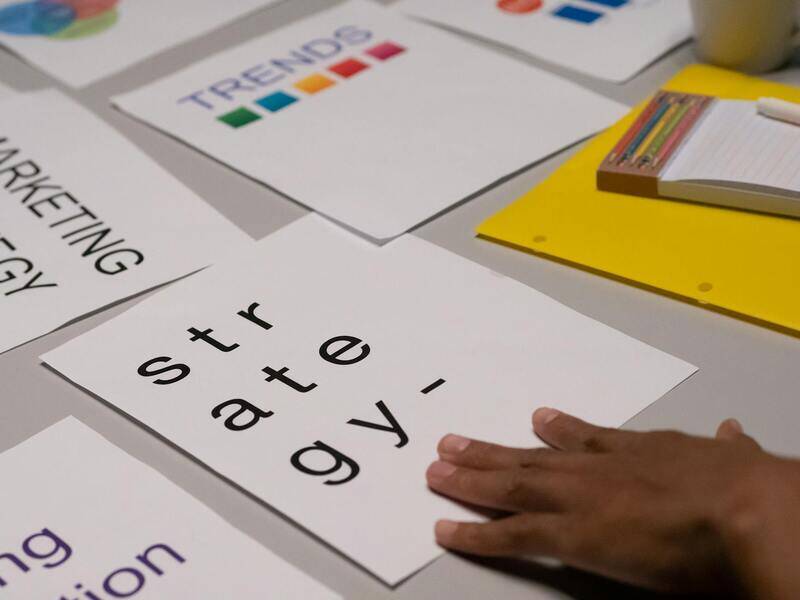
- Simplicity: Clear, concise messages with minimal clutter increase readability and retention.
- Color Scheme: Use contrasting colors and brand colors to draw attention and reinforce brand identity.
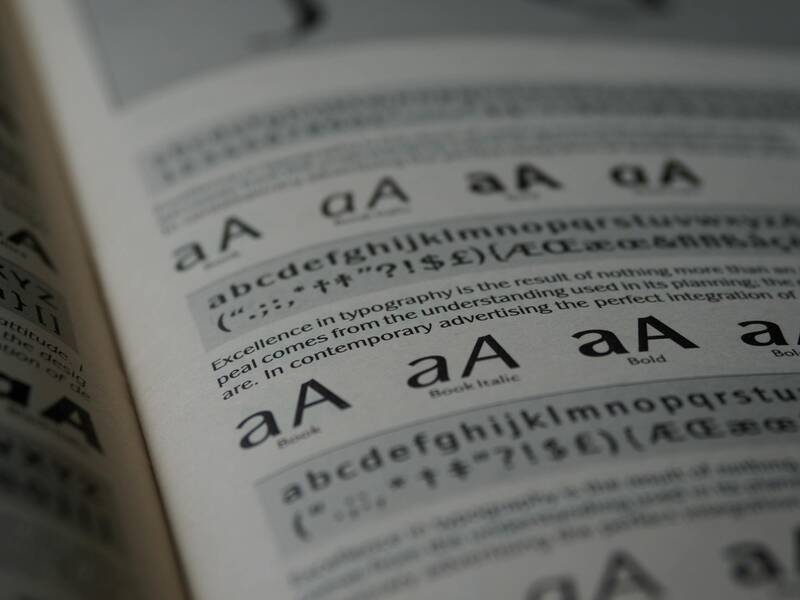
- Typography: Select legible fonts that can be read from a distance, with appropriate sizing and spacing.
- Imagery and Graphics: High-resolution images and professional graphics enhance visual appeal and communicate the message more effectively.
- Call to Action (CTA): A clear CTA guides viewers on the next steps, such as visiting a website or calling a number.
Integrating these elements thoughtfully ensures a balanced design that captures attention and communicates the intended message swiftly and effectively.
Printing Techniques for Banners
The selection of printing techniques directly influences the quality, appearance, and durability of banners. Advances in digital and large-format printing have made it possible to produce vibrant, high-resolution banners efficiently.
- UV Printing: Utilizes ultraviolet light to cure inks instantly, resulting in durable, highly detailed images suitable for outdoor use.
- Solvent and Eco-Solvent Printing: Provides excellent color vibrancy and weather resistance, ideal for outdoor banners exposed to the elements.
- Latex Printing: Known for eco-friendliness and flexibility, suitable for both indoor and outdoor banners with high-quality output.
- Screen Printing: A traditional method that is cost-effective for large quantities of simple designs, primarily used for banners with single or limited colors.
Choosing the appropriate printing method depends on factors such as durability requirements, color fidelity, budget, and the complexity of the design. Professional printing ensures the banner’s visual integrity is maintained over time, even when subjected to outdoor conditions.
Material Selection for Banner Durability and Visual Appeal
Choosing the right material is pivotal to achieving a banner that not only captures attention but also withstands environmental challenges. In Singapore, where outdoor exposure is common, selecting weather-resistant materials ensures longevity and consistent visual quality. Common options include vinyl, mesh, fabric, and canvas, each offering unique advantages.
- Vinyl: Known for its durability and versatility, vinyl banners are resistant to water, tearing, and UV rays. They are suitable for both indoor and outdoor displays and are easy to clean, making them a popular choice for promotional events and storefront advertising.
- Mesh: Comprising tiny holes, mesh banners are ideal for windy environments and large-scale outdoor advertising. They allow airflow, reducing wind resistance while maintaining visibility from a distance.
- Fabric: Usually made from polyester or nylon, fabric banners deliver a premium appearance with vivid color reproduction. They are best suited for indoor use or covered outdoor spaces, such as trade shows or special events.
- Canvas: Offering a textured, artistic look, canvas banners are preferred for high-end displays or decorative purposes. Their sturdy nature makes them suitable for long-term indoor use.

Environmental and Cost Considerations
Environmental sustainability is increasingly influencing material choices. Eco-friendly options, such as recyclable vinyl or biodegradable fabrics, reduce environmental impact without compromising durability. Cost considerations often depend on material type; vinyl tends to be more affordable for large quantities, while fabric and canvas might incur higher costs but offer a more premium presentation.
It's essential to balance durability, visual impact, and budget when selecting materials. Professional signage providers can advise on the best options based on project specifics, including the expected lifespan of the banner and installation environment.
Customization and Printing Compatibility
The selected material must be compatible with the intended printing method. For instance, UV and Latex printing work well with vinyl and fabric, providing vibrant, sharp images. Mesh banners, suitable for high winds, require stable substrates to prevent tearing and maintain clarity. Collaboration with experienced printing service providers ensures the chosen material is optimized for the desired visual effects and durability.
Summary: Optimizing Banner Material for Your Needs
The appropriate banner material selection hinges on specific project requirements, including outdoor exposure, longevity, budget, and aesthetic preferences. Partnering with reputable printing specialists guarantees that your banner’s material not only enhances visual impact but also endures the challenging conditions of Singapore’s dynamic environment.
Overview of Banner Design and Printing
Effective banner design and printing are crucial for conveying your message clearly and making a lasting impression. The process involves several key steps, starting from conceptualizing a compelling visual and textual composition to choosing the appropriate printing methods that ensure the durability and vibrancy of your banner. High-quality design paired with professional printing techniques guarantees that your banners stand out in both outdoor and indoor environments, attracting attention and reinforcing brand identity.
When planning a banner project, it’s essential to consider the specific environment where the banner will be displayed. Outdoor banners require materials resistant to weather conditions such as wind, rain, and UV rays, while indoor banners might prioritize print detail and vibrant color reproduction. The design must be adapted to the size and resolution suitable for large-format printing to ensure clarity and visual impact. Collaboration with experienced printing companies allows for the implementation of design elements that optimize visibility and readability, regardless of viewing distance.
Design Process and Visual Impact
The design phase involves integrating visual hierarchy principles—placing the most critical message or logo prominently while maintaining a balanced layout. Employing bold typography and contrasting colors enhances legibility, especially from a distance. Imagery should be high-resolution and relevant to the message, supporting your branding efforts and engaging viewers effectively.
Ensuring Print Quality and Longevity
Choosing the right printing technology, such as UV or solvent printing, ensures vibrant colors and durability suitable for outdoor exposure. The printing process should also minimize color bleeding and produce sharp details, aligning with your branding standards. Proper finishing techniques like lamination or reinforced grommets can extend the banner’s lifespan and resist wear and tear, preserving its impact over time.

Ultimately, a professional approach to design and printing maximizes the effectiveness of your banner campaign. It’s advisable to work with specialists who understand the nuances of large-format printing, environmental considerations, and aesthetic appeal to develop banners that not only look impressive but also perform reliably in their intended setting.
Overview of Banner Design and Printing
Effective banner design and printing are essential components of impactful visual communication in marketing and branding efforts. When planning your banner project, it is crucial to understand how design elements, material selection, and printing techniques converge to produce a product that not only captures attention but also withstands environmental conditions for extended periods. Quality assurance starts from conceptualization, where clarity of message and visual hierarchy are prioritized, and extends through the selection of appropriate materials and printing technology to ensure durability and vividness.

Choosing the Right Banner Material
Selection of suitable banner materials plays a vital role in achieving durability, visual clarity, and overall effectiveness. Common options include vinyl, mesh, fabric, and banner fabric, each with specific advantages tailored to different environments and display needs. For outdoor banners, weather-resistant materials such as UV-coated vinyl are preferred to resist fading, tearing, and moisture damage. Indoor banners, on the other hand, may utilize lighter fabrics for ease of installation and display.
Vinyl remains the most popular choice due to its versatility and durability, capable of withstanding harsh weather while maintaining color vibrancy. Mesh banners, with their breathable design, are ideal for windy outdoor settings, as they reduce wind load and prevent tearing. Fabric banners offer a premium appearance with rich textures but may require more careful handling to prevent sagging or creasing.
Design Elements for Effective Banners
Effective banner design hinges on a strategic approach to layout, typography, imagery, and color schemes. The core message should be immediately recognizable, leveraging visual hierarchy principles—such as size, contrast, and placement—to guide viewers’ attention naturally. Bold, legible typography ensures readability from a distance, while high-contrast colors enhance visibility and draw attention to key points.
Imagery used in banners must be high-resolution and relevant to the brand message, helping to create an emotional connection or provide visual context. The use of whitespace can help prevent clutter, making the overall design easier to read and aesthetically appealing. Incorporating brand logos and consistent color palettes reinforces brand identity and ensures cohesive visual communication across different marketing materials.
Factors Influencing Cost and Budgeting
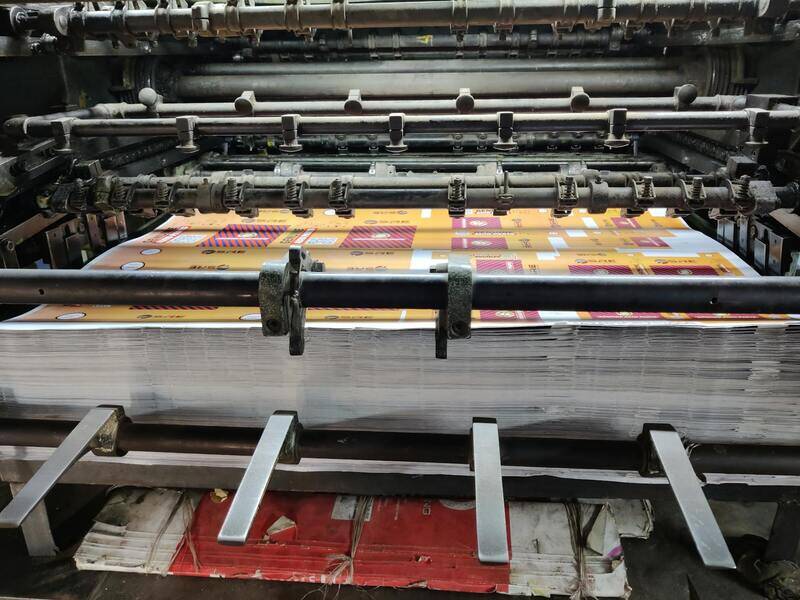
Budget planning for banner projects necessitates a comprehensive understanding of various cost factors, including material selection, banner size, printing method, and finishing options. Larger banners generally incur higher production costs due to increased material usage and printing time, although economies of scale may reduce per-unit expenses.
Additional expenses might arise from design complexities, such as custom graphics or special finishes like lamination or reinforced grommets. It is vital to allocate funds for installation and ongoing maintenance, especially if the banner is intended for long-term outdoor use. Working with experienced printing professionals allows for cost-effective solutions that optimize quality without exceeding budget constraints.
Innovative Printing Techniques for High-Quality Banners
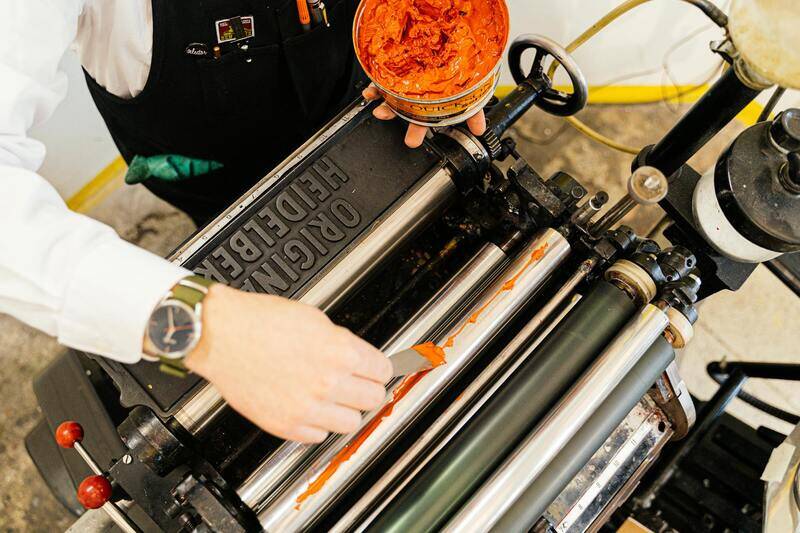
Implementing the right printing methods is crucial for achieving vibrant, durable banners that capture attention and stand the test of time. Advanced printing technologies such as ultraviolet (UV) printing, solvent printing, and dye-sublimation each offer specific advantages tailored to different banner applications.
UV printing provides excellent color fidelity and surface durability, making it well-suited for vibrant, eye-catching indoor or short-term outdoor banners. Solvent printing, on the other hand, is renowned for its capacity to produce weather-resistant prints with rich color depth, ideal for long-term outdoor use. Dye-sublimation is perfect for fabric banners, delivering smooth photographic reproductions with vivid colors and a soft finish.

Matching the best printing method with the intended environment and usage duration helps optimize the banner’s durability and coloration. For instance, UV printing is optimal for short-term campaigns indoors, while solvent printing is preferred for outdoor signage exposed to weather elements. The choice of printing technology also influences additional features such as lamination and finishing options, which further enhance the banner's resistance to wear and environmental factors.
Highly detailed graphics and accurate color reproduction are critical for maintaining branding consistency. Modern large-format printers equipped with precision inkjet technology facilitate the production of images with high resolution, ensuring sharpness and clarity even at large sizes. Moreover, using eco-friendly inks is increasingly important in sustainable printing practices, reducing environmental impact without compromising quality.
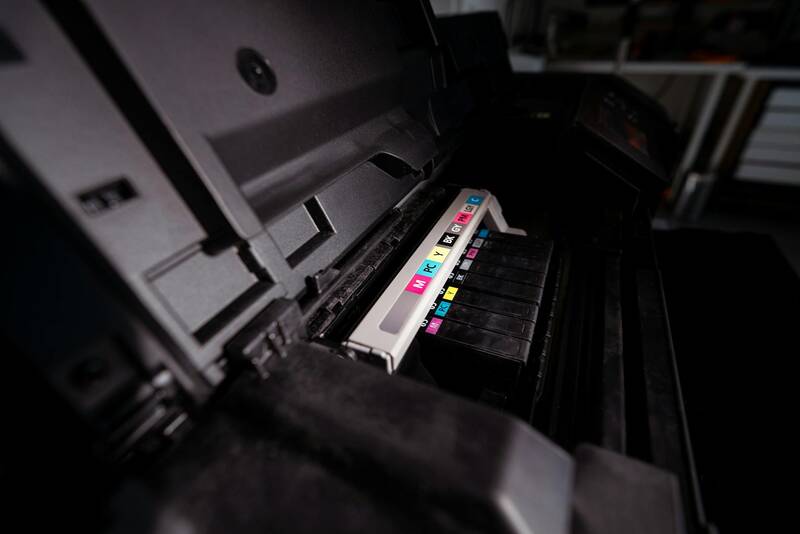
Professional printing services often include additional features such as anti-graffiti coatings, UV protection, or fire-retardant finishes, which can be crucial depending on the banner's placement and legal requirements. Consulting with experienced print providers ensures the correct combination of techniques and materials to meet specific project demands and achieve maximum visual impact.
Opting for reputable printing shops with a track record of high-quality output guarantees the integrity of your banner, from initial color calibration to final product inspection. Properly executed printing techniques not only enhance visual appeal but also extend the lifespan of banners, making them a worthwhile investment for any marketing initiative.
Legal Considerations for Banner Permissions and Compliance
When deploying banners in public or private spaces, ensuring the appropriate permissions are acquired is essential. This involves understanding local regulations governing outdoor advertising, which can vary significantly between jurisdictions. Proper permits typically require detailed documentation of the banner's design, placement location, and size, aligning with safety standards and zoning laws.
To streamline the approval process, organizations should prepare comprehensive submission packages that include specifications of the intended banner, proof of material durability, and installation plans. Engaging with local authorities early in the planning phase can facilitate smooth approval procedures and prevent disruptions caused by non-compliance.
Furthermore, certain areas may impose restrictions on content, such as prohibiting offensive or controversial messaging, or may require banners to adhere to aesthetic guidelines that preserve the area's visual harmony. Respecting these guidelines not only ensures compliance but also enhances the effectiveness of the marketing message.
It is advisable to consult with experienced printing and signage professionals who are familiar with regional requirements. They can advise on the documentation needed and help in designing banners that meet all regulatory standards. Proper adherence to these protocols guarantees that your promotional banners remain visible and compliant throughout their display period.
In addition to securing necessary permissions, consider the following aspects to safeguard your investment and maintain a good relationship with local authorities:
- Verify the maximum permissible size and placement zones for banners in your target area.
- Ensure that banners do not obstruct sightlines or emergency routes.
- Use compliant materials that meet durability and safety standards outlined by regulations.
- Keep documentation and permits readily accessible during inspections or audits.
Adhering to these official procedures guards against potential legal issues, project delays, or the removal of banners, and helps sustain a positive community image for your brand or organization.
Size and Dimensions Considerations
Selecting the appropriate size and dimensions for your banner is fundamental to ensuring visibility and impact. The size should align with the targeted location’s viewing distance and the message complexity. For outdoor banners, larger dimensions are typically necessary to catch attention from afar, often ranging from 4 feet by 8 feet to 10 feet by 20 feet or more. Indoor banners, used for exhibitions or retail displays, may require more modest sizes, such as 2 feet by 4 feet or 3 feet by 6 feet, depending on the available space and audience proximity.
When planning dimensions, consider the aspect ratio to prevent distortion of graphics and text. Maintaining the correct proportions ensures visual clarity and professionalism. It is also important to account for visual margins or bleed areas, which allow for trimming during the printing process without losing vital content. Precise measurements and considering the display environment can significantly enhance the banner’s effectiveness and durability.
Impact of Banner Size on Engagement
A well-sized banner balances readability with aesthetic appeal. Larger banners can accommodate more detailed visuals and longer messages, but they require sturdy installation and careful handling to maintain structural integrity. Conversely, smaller banners are more cost-effective and easier to transport but may limit the complexity of the content. Effective banner design involves tailoring the size to target audiences and display locations, maximizing engagement without cluttering the visual space.
Consulting with experienced printing professionals can provide insights on optimal dimensions tailored to your specific campaign objectives and display environments. Using templates available from reputable printing service providers ensures consistent standards and adherence to size specifications that align with regional display regulations.
Understanding the Printing Process and Ensuring Authenticity
When it comes to producing banners that truly stand out, relying on official and reputable printing methods is crucial. Authentic printing processes leverage modern technology, such as large-format digital printers equipped with UV or solvent inks, which are specifically designed for outdoor durability and vibrant color reproduction. These advanced techniques ensure that the banners are not only visually striking but also resistant to environmental factors like UV exposure, moisture, and wind, maintaining their integrity over time.
Authentic methods involve meticulous color management through calibrated printers and inks. This guarantees color consistency across multiple batches, which is essential for branding continuity. Additionally, official printing services often provide detailed proofs or samples before the production run begins. This step enables clients to approve the design and colors, ensuring that the final product aligns with their expectations and campaign goals.
Ensuring Proper Material Usage and Finishing Touches
Utilizing permitted and certified materials is key to achieving banners that meet rigorous standards for safety, environmental impact, and performance. Reputable providers source vinyl, mesh, or fabric materials known for their durability, high-resolution printing compatibility, and eco-friendly properties. Finishing processes such as hemming, grommet installation, and enhanced laminate coatings further complement authentic printing, increasing the banner's lifespan and visual appeal.
- Hemming: Reinforces edges to prevent fraying and improves durability.
- Grommets: Provide secure attachment points, suitable for various mounting methods.
- Laminates: Offer additional protection against weather elements and physical wear.
Validation of Compliance and Standards
Working exclusively with authorized printing providers ensures that all produced banners adhere to regional display regulations and safety standards. This compliance guarantees that the banners can be displayed in high-traffic areas, exhibition venues, or outdoor environments without restrictions. It also minimizes risks associated with substandard materials or illegal printing techniques that might compromise structural safety or undermine branding efforts.
Securing Your Investment through Certification and Accountability
Choosing recognized and well-established printing companies often includes warranties, quality guarantees, and certificates that validate the authenticity of the process. These assurances serve as an added layer of confidence, confirming that your banners are created through legitimate means and are suitable for public display. Additionally, professional providers maintain transparent communication channels, offering clients detailed documentation about the materials and technologies used throughout the production cycle.

Adherence to official methods in banner design and printing is fundamental in achieving impactful, long-lasting visual communications. It safeguards your investment, enhances credibility, and ensures compliance with regional standards, helping your campaign or branding efforts reach their maximum potential with professional integrity.
