
Understanding the Online Printing Shop Model
An online printing shop functions as a digital platform that enables customers to order printed materials through a web-based interface. These shops serve as a bridge between customers and printing technology, providing convenience, variety, and efficiency. Unlike traditional storefronts, online printing shops operate predominantly via websites, allowing clients to place orders from virtually anywhere at any time, with options tailored to diverse printing needs.
The core advantage of an online printing shop lies in its ability to streamline the entire printing process. Customers can upload digital files, select specifications such as size, paper type, and finishing options, and receive instant pricing information. This operational model facilitates rapid turnaround times and broad access to printing services, often extending to customized products like business cards, banners, flyers, and promotional materials.
Within the printing services industry, this model leverages advanced printing technology and e-commerce solutions to enhance user experience and operational efficiency. It transcends geographical boundaries, enabling service providers to reach a wider client base while reducing overhead costs associated with physical storefronts. Additionally, online printing shops often integrate automated workflows, from order confirmation to fulfillment, ensuring consistency and quality control throughout the production process.
Operating successfully in this domain requires a balanced integration of printing expertise, technological infrastructure, and customer-centered design. The evolution of cloud computing, high-speed internet, and versatile printing hardware continually enhances the capacity of online printing shops to meet diverse demands efficiently. This flexible, technologically driven approach empowers printing service providers to diversify their offerings, optimize their workflows, and deliver superior quality with each order.
Furthermore, the online printing shop model allows for scalable growth. It can start with handling simple print jobs and expand into complex, customized solutions for corporate and retail clients. As demand increases, shops can invest in faster, more sophisticated printing equipment and advanced online management systems, making them more competitive in a dynamic market.
Choosing the Right Printing Equipment and Technology
For an online printing shop to operate efficiently and produce high-quality outputs, selecting the appropriate printing equipment is crucial. The choice of printing technology should align with the types of products offered, volume of orders, and desired turnaround times. Popular options include digital printers, offset presses, large-format printers, and specialized equipment for custom or specialty printing.
Digital printing technology is ideal for short runs and personalized prints, offering quick setup and versatile printing capabilities. Offset printing, while more cost-effective for large batches, requires a significant initial investment but delivers superior quality for extensive production runs. Large-format printers are essential for banners, posters, and signage, accommodating wide material formats and high-resolution outputs.

In addition to printing hardware, investing in specialized finishing equipment such as cutting, binding, and lamination machines enhances the product's final quality and allows for added customization. Advanced color management systems and automated workflows further ensure consistent results across different jobs, minimizing human error and increasing productivity.
Implementing Cutting-Edge Software Solutions
Robust software platforms play a vital role in managing the entire printing process, from order submission to final delivery. Customer-facing interfaces should be intuitive, allowing clients to upload artwork, select specifications, and receive instant quotes. Internally, order management systems coordinate print jobs, automate scheduling, and monitor equipment performance in real time.
Such integration facilitates seamless workflow automation, reduces turnaround times, and enhances order accuracy. Workflow management software should also include features for inventory control, job tracking, and customer communication, all contributing to operational efficiency and transparency.
Ensuring Quality Control and Consistency
Maintaining consistent quality across all print jobs requires rigorous calibration of equipment, ongoing technician training, and the implementation of standardized operating procedures. Regular maintenance schedules for printers help prevent downtime and ensure reliable performance. The use of color calibration tools guarantees that printed colors match digital proofs precisely.
Introducing quality assurance checkpoints at various stages—from pre-press reviews to post-print inspection—can substantially reduce defects and guarantee customer satisfaction. Incorporating customer feedback into continuous improvement processes further refines the production quality and service delivery.
Understanding the Online Printing Shop Model
Operating an online printing shop involves a complex integration of technology, logistics, and customer service. Unlike traditional storefronts, these platforms leverage digital interfaces to connect clients directly with printing services, streamlining the process from order placement to final product delivery. They capitalize on the convenience of internet-based transactions, allowing users to customize their print jobs, upload artwork, and select specifications with ease from their computers or mobile devices. These shops are typically structured around centralized workflows supported by sophisticated management software that orchestrates job batching, scheduling, and quality control, ensuring efficiency and consistency. The core model emphasizes speed, precision, and accessibility, making professional printing services available to a broader audience beyond physical store limitations.
Fundamentally, online printing shops operate by maintaining an expansive digital infrastructure that connects customers, production equipment, and delivery personnel. This infrastructure supports order intake, artwork management, production scheduling, and shipment tracking within a unified platform. The seamless exchange of information across these stages minimizes manual intervention, reduces errors, and accelerates turnaround times. Additionally, integration with logistics partners ensures reliable and timely delivery, often with real-time tracking and transparent updates for customers. This model fundamentally shifts the traditional printing process into a digitally driven operation capable of serving high-volume demands efficiently.
Key Services Offered by Online Printing Shops
Online printing shops provide a broad spectrum of services tailored to meet diverse client needs. These typically include:
- Business Printing: Business cards, letterheads, envelopes, and presentation materials that require professional-grade quality and branding consistency.
- Large Format Printing: Banners, posters, signage, and custom wallpapers suited for promotional events or interior decor.
- Promotional Products: Custom mugs, T-shirts, pens, and other branded merchandise for marketing campaigns and corporate branding.
- Specialty Printing: Embossed, foil-stamped, or textured prints for luxury invitations, packaging, or certificates.
- Variable Data Printing: Personalized printing services for direct mail, invitations, or certificates, enabling tailored content for individual recipients.
Enhancing these core offerings, many online printing shops also provide design templates, proofing services, and fast turnaround guarantees. Customers benefit from comprehensive online interfaces that facilitate easy customization, including color selection, finishing options, and bulk order management, all supported by real-time pricing and availability updates.
Additional Features Supporting Customer Satisfaction
To bolster customer experience, many platforms incorporate features such as live chat support, detailed order tracking, and multiple payment options. These features not only elevate convenience but help foster trust and encourage repeat business. Furthermore, shops often provide insightful guidance on artwork specifications and material choices, ensuring clients are well-informed at every step of the process.
By offering a diverse range of professional printing services, online shops can cater to individual clients, small businesses, and large corporations alike, maintaining flexibility and scalability within their operational frameworks. Such comprehensive service portfolios support sustained growth and client retention, positioning the online printing shop as a vital partner in marketing, branding, and communication efforts across industries.
Managing Orders, Printing, and Delivery Processes
Efficient order management is critical to the success of an online printing shop. The process begins with a seamless digital interface where customers can upload their artwork, select printing specifications, and choose delivery options. Advanced order processing systems automatically verify file quality, ensure proper formatting, and validate printing instructions, reducing errors and minimizing reprints.
After order confirmation, the shop’s backend coordinates with printing equipment to initiate production promptly. Concurrency management ensures that multiple jobs are handled without delays, often through integrated workflow software that tracks progress at each stage—from pre-press preparation to final output.
The printing phase leverages cutting-edge technology, such as high-definition digital printers, large-format presses, and specialty finishing tools. These machines support a variety of materials, including paper, vinyl, fabric, and other substrates, enabling the production of diverse products like banners, business cards, posters, and packaging.
Upon completion, the delivery process is streamlined through logistics collaborations, offering multiple options such as courier, express shipping, or pickup. Real-time tracking systems provide updates at each milestone, ensuring customers remain informed about their order status. Proper packaging safeguards against damage during transit, preserving print quality and maintaining customer satisfaction.
Efficient management of these steps requires comprehensive ERP (Enterprise Resource Planning) systems integrated within the online platform. These systems synchronize order data, inventory levels, production schedules, and delivery routes, fostering operational excellence and timely fulfillment. Additionally, establishing clear communication channels for customer inquiries and issue resolution enhances trust and encourages repeat business.

Understanding the Online Printing Shop Model
Operating an online printing shop requires a comprehensive understanding of the workflow, from order placement to final delivery. Unlike traditional shops, online platforms leverage digital interfaces to streamline customer interactions, order processing, and production management. This model hinges on integrating high-capacity digital printing equipment with sophisticated e-commerce systems that facilitate seamless transactions and real-time updates.
Central to the online printing shop is the digital storefront, which must be user-friendly, visually appealing, and optimized for search engines. Customers should be able to upload their designs, select printing options, and specify delivery details conveniently. Behind the scenes, robust backend systems manage inventory, production schedules, and logistics, ensuring efficient workflow from order initiation to dispatch.
Automation plays a vital role in maintaining the efficiency of online printing shops. Automated workflows handle order verification, payment processing, and printing queue management. Integrations between the website and printing machinery allow for rapid turnaround times, reducing manual intervention and minimizing errors. Moreover, real-time tracking and status updates keep customers informed, fostering transparency and trust.

Successful online printing shops also prioritize scalability. As demand grows, they can upgrade equipment, expand product offerings, and enhance their web infrastructure without disrupting existing operations. This approach ensures sustained growth and the ability to meet diverse customer needs effectively.
Key Services Offered by Online Printing Shops
- Business Card Printing: Customizable cards with various finishes and sizes to promote branding efforts.
- Poster and Banner Printing: Large-format printing for events, advertisements, and retail displays, using durable materials suitable for indoor and outdoor use.
- Packaging Print: Custom packaging solutions, including boxes, labels, and wraps, tailored to product marketing.
- Stationery Printing: Letterheads, envelopes, notepads, and other office essentials that reinforce corporate branding.
- Photo Printing: High-quality prints on various mediums like canvas, photo paper, or metal for personal or commercial use.
- Specialty Printing: Techniques such as embossing, foil stamping, or textured finishes for luxury branding and unique marketing collateral.
The diversity of offerings allows online printing shops to cater to a broad range of industries, including corporate, retail, event planning, and creative sectors. The flexibility inherent in digital printing technology empowers shops to fulfill both small orders and bulk projects efficiently.
Choosing the Right Printing Equipment and Technology
Selecting appropriate printing hardware is crucial to delivering high-quality products consistently. Digital printers with high resolution and precise color reproduction are essential for vibrant, accurate prints. Large-format printers enable printing on various substrates, extending the versatility of product offerings.
Printer technology should align with the types of materials handled and the volume of orders. For instance, UV flat-bed printers offer exceptional versatility for rigid materials like acrylic and wood, whereas roll-to-roll digital printers excel at producing banners and roll-up graphics. Incorporating finishing equipment such as cutters, laminators, and binding machines ensures products meet professional standards.
Investing in software solutions like RIP (Raster Image Processing) software optimizes print quality and color fidelity. Workflow management platforms coordinate job scheduling, printing queues, and quality control, enhancing overall productivity and consistency.

Setting Up an E-Commerce Platform for Printing Services
Establishing a robust online platform involves integrating an e-commerce system that supports a comprehensive product catalog, secure payment gateways, and efficient order management features. Intuitive navigation, clear product descriptions, and interactive design tools enhance customer experience and drive conversions.
Key elements to incorporate include:
- Custom Design Uploads: Enabling clients to upload their artwork directly onto the platform with instant previews.
- Pricing Calculators: Dynamic calculators that factor in size, material, finish, and quantity to provide instant quotes.
- Payment Integration: Secure options including credit cards, digital wallets, and bank transfers to facilitate seamless transactions.
- Order Tracking: Real-time updates on production status, shipping, and delivery estimates.
To maintain efficiency, the platform should seamlessly connect with inventory management, production scheduling, and logistics systems. Implementing a customer service portal, with chat support or help desks, can further improve user satisfaction and resolve issues promptly.
By focusing on these core aspects, an online printing shop can establish itself as a competitive player in the digital marketplace, offering quality, speed, and convenience to its clientele.
Managing Orders, Printing, and Delivery Processes
Achieving seamless management of orders, printing, and delivery is fundamental to running a reputable online printing shop. Efficient systems ensure that customer expectations are met consistently, fostering trust and encouraging repeat business. Implementing an integrated workflow from order placement through production to delivery minimizes errors and accelerates turnaround times.
Order management begins with a sophisticated system capable of handling multiple simultaneous requests, capturing detailed specifications such as size, material, finish, and special instructions. This system should automate the acknowledgment of orders, generate digital proofs for customer approval when necessary, and update clients on each stage of production via automated notifications.
During the printing phase, utilizing state-of-the-art digital printing equipment is vital. Modern printers with capabilities such as high-resolution output, color accuracy, and substrate flexibility support diverse project requirements. To maintain quality, implementing in-house quality checks at various production stages can catch discrepancies early. This includes verifying color consistency, print alignment, and finishing quality.

Delivery logistics are equally crucial. Partnering with reliable courier services or establishing in-house delivery options enables control over shipping quality and scheduling. For local customers, same-day or next-day delivery options can significantly enhance service appeal. For broader reach, integrating tracking systems provides real-time updates, allowing clients to monitor their orders from dispatch to receipt.
It is also essential to incorporate flexible options for order modifications or cancellations, within reasonable limits, to accommodate customer changes without disrupting the workflow. Maintaining an accurate inventory of printing materials prevents delays caused by stock shortages, while synchronized production scheduling ensures maximum efficiency.
Key Components for Effective Process Management
- Order tracking systems: Real-time dashboards for monitoring the status from initial request to delivery.
- Automated workflows: From receiving designs to scheduling printing jobs and dispatching shipments.
- Quality assurance protocols: Regular checks during production to uphold standards.
- Delivery partnerships: Collaborations with couriers for reliable and timely dispatch.
- Customer communication: Regular updates about order progress and post-delivery feedback options.
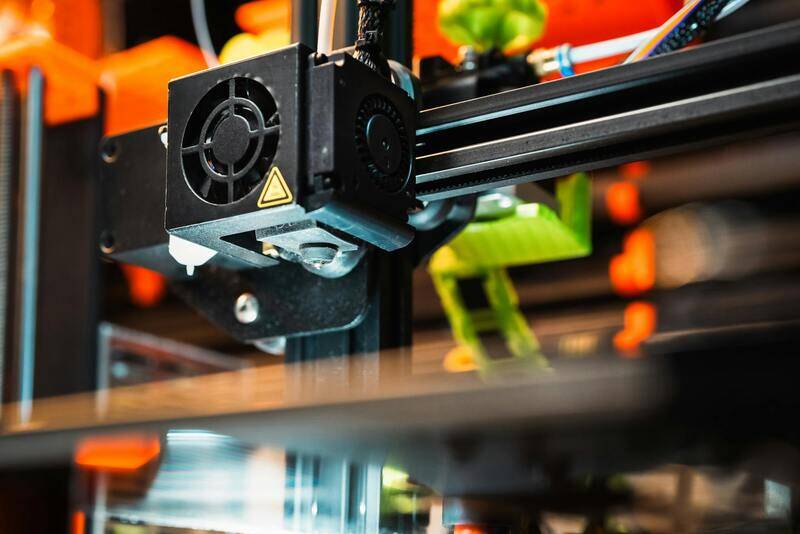
Effective management of all these aspects results in a streamlined operation capable of handling high volumes while maintaining high quality standards. This, in turn, sustains a positive reputation and competitive advantage within the digital printing industry, ensuring long-term success for your online printing shop.
Legal, Compliance, and Growth Opportunities
Understanding the Regulatory Framework for Online Printing Shops
Operating an online printing shop requires adherence to various regulatory standards that ensure consumer protection, fair trade practices, and operational safety. It is essential to understand and comply with local business licensing requirements, taxation policies, and advertising regulations. Proper licensing verifies the legitimacy of your business operations and instills customer trust. Additionally, compliance with intellectual property rights helps prevent disputes related to copyrighted designs or proprietary materials, which can significantly impact your reputation and operational stability.
Implementing standard data protection and privacy policies is also critical. When processing customer orders, personal information such as names, addresses, and payment details must be safeguarded in accordance with prevailing data security laws. Transparent privacy policies not only foster customer confidence but also demonstrate a commitment to responsible business practices.
Opportunities for Business Expansion and Diversification
As your online printing shop establishes a strong market presence, opportunities for expansion can be explored through diversification of product offerings and service channels. This might include introducing new printing materials, adopting environmentally sustainable practices, or offering bespoke design consultations. Incorporating innovative printing methods such as 3D printing or augmented reality-enhanced marketing materials can set your business apart in a competitive landscape.

Expanding into niche markets, such as corporate branding, event promotions, or personalized merchandise, can also open new revenue streams. Building strategic partnerships with local businesses and event organizers enables bulk orders and repeat customers. Furthermore, establishing an affiliate or referral program incentivizes clients and partners to promote your services, boosting visibility and attracting diverse customer segments.
Monitoring Industry Trends and Continuous Improvement
The dynamic nature of the printing industry necessitates ongoing market research and technology updates. Staying abreast of emerging trends, such as eco-friendly inks or digital fabrication techniques, ensures your offerings remain competitive and relevant. Regularly soliciting customer feedback and analyzing sales data helps refine your operations and enhances customer satisfaction levels.
Investing in staff training and quality management systems guarantees consistent product excellence, which is fundamental for maintaining a strong reputation. Embracing automation and digital workflows streamlines production and reduces errors, leading to higher efficiency and profitability.
Legal, Compliance, and Growth Opportunities
Understanding Industry Regulations and Standards
Operating an online printing shop in Singapore requires adherence to a set of comprehensive industry standards and regulations designed to ensure quality, safety, and fair business practices. Although these guidelines vary depending on the type of products and services offered, maintaining compliance is essential for building trust and credibility with customers. This includes following printing and manufacturing standards such as ISO certifications where applicable, as well as adhering to local business licensing requirements. Staying updated with these standards ensures that your operations are aligned with best practices, minimizes potential legal issues, and supports sustainable growth.

Intellectual Property and Copyright Considerations
For online printing shops, handling intellectual property rights responsibly is critical. This involves securing necessary permissions for copyrighted images, logos, and content provided by clients. Implementing robust policies to verify the legitimacy of client submissions prevents inadvertent infringement issues and safeguards your business from legal disputes. Educating your team on copyright laws in Singapore and establishing clear contractual agreements with clients about ownership and usage rights can also mitigate risks. In addition, developing an internal review process for submitted designs ensures compliance and protects both your business and your customers.
Scaling Your Printing Business Responsibly
As your online printing shop gains traction, exploring growth opportunities becomes vital for long-term success. This includes expanding your service portfolio to include new printing techniques, substrates, or target markets. Investing in advanced machinery and digital workflows allows for increased production capacity, efficiency, and product quality. Strategic partnerships with suppliers and distributors can also streamline supply chain operations, reduce costs, and enable bulk procurement benefits.
Moreover, expanding geographic reach through digital marketing initiatives and optimized logistics enhances your capacity to serve a broader customer base. Continuous staff training on new technologies and customer service standards ensures that your team can handle increased demand while maintaining high-quality output. Regular review of operational workflows, coupled with market research, positions your online printing shop to adapt proactively to industry trends and customer preferences, fostering sustained growth.
Opportunities for Innovation and Diversification
- Eco-Friendly Printing Solutions: Transitioning towards sustainable materials and inks aligns with global environmental initiatives and appeals to eco-conscious clients.
- Personalized and Custom Products: Offering bespoke designs, corporate branding, or event-specific merchandise caters to niche markets with high-value demands.
- Technological Advancements: Incorporating innovations such as 3D printing, augmented reality, or digital fabricating techniques can differentiate your shop from competitors.
- Creative Collaborations: Partnering with local artists, designers, or entrepreneurs facilitates diverse product offerings and expands reach within community markets.
Proactively exploring these avenues not only amplifies your service offerings but also positions your online printing shop as a versatile and innovative player within the industry. Adopting an agile approach to market changes ensures your business remains competitive, adaptable, and poised for sustainable growth.
