
Understanding Custom Brochures and Their Purpose
Custom brochures serve as highly versatile tools in the marketing landscape, specifically tailored to embody the unique branding and messaging of a business. They are thoughtfully designed print materials that showcase products, services, or corporate information in a visually appealing and informative manner. Unlike generic flyers or pre-designed templates, custom brochures are crafted to reflect a company's identity, making them an essential asset for engaging target audiences effectively.
At their core, custom brochures facilitate communication between a business and its prospective clients, existing customers, or stakeholders. They encapsulate brand values, highlight key offerings, and often include calls-to-action that guide recipients toward desired outcomes such as inquiries, visits, or purchases. The strategic use of imagery, layout, and wording in these brochures significantly influences how well a brand's message resonates with its audience.
In addition to marketing and promotional purposes, custom brochures also serve to reinforce a company's professional image and credibility. They act as tangible representations of the brand's commitment to quality and attention to detail. Whether used at trade shows, corporate events, or in retail environments, these printed materials enhance brand recognition and foster trust between the business and its clients.
In summary, understanding the significance of custom brochures involves recognizing their dual role: they are both marketing tools and symbols of brand identity. When designed and produced with precision, they help establish a memorable impression that can influence customer perceptions and decision-making processes. As a result, investing in bespoke brochure solutions can deliver long-term benefits in brand positioning and customer engagement.
Material Selection for Custom Brochures
Choosing the appropriate materials for custom brochures is a critical aspect that influences both their visual appeal and durability. High-quality paper stock can elevate the perception of your brand, conveying professionalism and attention to detail. Options range from standard glossy or matte finishes to more luxurious textured papers such as linen or silk, each offering a distinct tactile experience that can reinforce your brand message.
For a modern and sophisticated look, consider using thicknesses from 170gsm to 350gsm. Thicker paper stocks tend to exude a premium feel, making your brochure stand out in a competitive environment. Additionally, specialty materials like recycled paper or environmentally friendly options are increasingly popular among companies committed to sustainability, aligning their brand with eco-conscious values.
Other material considerations include the choice of coating. UV coating adds an extra layer of shine and protection, perfect for brochures that will be handled frequently. Matte coatings, on the other hand, provide a subtle, elegance suited for content-heavy brochures, reducing glare and making text easier to read. The selection of finishes ultimately impacts the tactile experience and perceived quality, making it a vital decision in brochure production.
Printing Techniques and Processes
Printing methods are fundamental to achieving crisp visuals and vibrant colors in custom brochures. Offset printing is the preferred technique for larger quantities due to its cost efficiency and superior quality. It allows for precise color reproduction, which is essential for maintaining brand consistency across various marketing materials. For smaller runs, digital printing offers quick turnaround times and cost-effective options without compromising on quality. It provides flexibility for personalized or variable data printing, enabling businesses to customize brochures for individual recipients or target segments. Specialized printing processes such as spot UV, embossing, or foil stamping can add elements of luxury and tactile interest. Spot UV coating selectively enhances specific areas of a brochure, highlighting key messages or images with a shiny finish. Embossing or debossing creates a raised or recessed texture that adds dimension, making your brochure visually striking and memorable. The choice of printing process impacts not only aesthetics but also the production timeline and budget. Collaborating with reputable printers with experience in advanced techniques ensures optimal results for custom brochures.
Customization Options and Features
Custom brochures offer extensive versatility in design and finishing options to align with your branding goals. Features such as die-cut shapes facilitate unique outline designs, drawing attention and reinforcing your brand identity. Fold types—such as bi-fold, tri-fold, z-fold, or accordion—provide varied formats to organize information effectively. Adding lamination enhances durability and resistance to wear and tear, especially for brochures expected to endure handling over time. Matte or gloss lamination options can also influence the visual tone—glossy for vibrant images, matte for understated elegance. Throughout the customization process, consider incorporating textured finishes or tactile elements like embossed logos or raised lettering to create a multi-sensory experience for your audience. Incorporating QR codes or augmented reality features can also modernize your brochures, providing interactive content that bridges print and digital environments. Working closely with a printing service that offers comprehensive customization options ensures your brochure stands out and effectively communicates your message.

Material Selection for Custom Brochures
Choosing the appropriate materials for custom brochures plays a vital role in achieving the desired visual impact and functional durability. The selection process typically begins with assessing the type of paper, finish, and texture that best aligns with your brand identity and target audience. High-quality paper options such as gloss, matte, or satin finishes can significantly influence how images and text appear, enhancing vibrancy or creating a subtle, elegant tone.
For a luxurious feel, thick cardstock or heavy-weight paper provides a sturdy and sophisticated presentation, ideal for premium brands and corporate communications. Meanwhile, lighter paper options are suitable for mass distribution or where cost-efficiency is a priority, offering ease of handling without compromising quality.
In addition to paper weight, finishing options such as soft-touch coatings, UV coating, or aqueous coating can add unique tactile qualities and protective layers. Textured finishes, like linen or felt, introduce added depth and richness, making your brochures stand out further.
For brochures requiring tactile branding elements, embossed or debossed effects can make logos or key details pop out with added dimension. Similarly, specialty papers containing embedded patterns, metallic flecks, or translucent elements can be incorporated to match specific branding aesthetics.
Printing Techniques and Processes
Once the materials are selected, the choice of printing technique becomes crucial to realize the design intent. Digital printing allows for quick turnaround times and customization of individual copies, making it suitable for short runs or personalized brochures.
Offset lithography remains the standard for large-scale productions, delivering consistent high-quality visuals with sharp color accuracy. This method is particularly advantageous when precise color matching and intricate graphics are required.
Specialized printing processes like foil stamping, spot UV, or embossed printing can be combined with traditional methods to add visual and tactile layers of interest. These techniques can highlight specific elements such as logos or headings, drawing immediate attention.
Advanced modern printing services may also offer eco-friendly options, utilizing soy-based inks and sustainable paper stocks, aligning environmentally conscious principles with your branding efforts.
Quality Control and Proofing Processes
Ensuring your custom brochures meet the highest standards involves meticulous quality control and proofing procedures. Before mass production, a comprehensive proofing process is essential to verify design accuracy, color fidelity, and overall layout. Digital proofs provide a close representation of the final product and allow for adjustments to be made effectively.
Physical proofs, often called press proofs, offer a tangible preview of the finished brochure. These are particularly important when dealing with complex finishes such as embossing, foil stamping, or specialty coatings. Inspecting physical samples helps identify potential issues related to color inconsistencies, registration errors, or tactile effects, and allows for last-minute refinements.
Throughout the production phase, ongoing quality checks at various stages—printing, finishing, and binding—ensure consistency. Reliable print providers rigorously monitor the color accuracy, edge trimming, folding precision, and attachment quality to deliver a product that aligns with your specifications.

Environmental Considerations in Custom Brochure Production
Today’s businesses increasingly emphasize sustainability in their branding materials. When opting for custom brochures, selecting eco-friendly materials and production methods contributes to environmental responsibility.
Choose recycled paper stocks that maintain durability while reducing waste. Many suppliers now offer FSC-certified papers, ensuring responsible forest management practices. Additionally, soy-based or vegetable-based inks can significantly lower the ecological impact of printing processes.
Eco-conscious printing not only supports sustainability but also aligns with the values of environmentally aware consumers and clients. Some print providers in Singapore incorporate waterless or digital printing technologies that minimize chemical usage and waste.

Delivery and Distribution of Custom Brochures
Once the production is complete, effective delivery and distribution are critical to maximize the impact of your custom brochures. Depending on your target audience and geographic reach, different strategies can be employed.
- Direct mailing services are ideal for targeted campaigns, allowing you to reach specific demographics with personalized messages.
- Partnering with logistics providers ensures timely delivery to retail outlets, events, or corporate offices.
- Digital storage and electronic distribution can supplement physical brochures, especially for on-demand or localized campaigns, reducing costs and environmental footprint.
Proper packaging during transit protects the brochures from damage and maintains the quality of tactile finishes. Tracking and delivery confirmation services offer added assurance that your marketing materials arrive intact and on schedule.
Effective Methods for Obtaining Custom Brochures in Singapore
When seeking high-quality custom brochures, it is vital to prioritize methods that ensure the final product aligns with your brand image and marketing goals. Partnering with reputable printing service providers guarantees access to advanced technology, skilled craftsmanship, and a broad range of customization options. These providers typically utilize state-of-the-art digital and offset printing presses, enabling precise color reproduction, sharp detail, and consistent quality across large orders.
Many established printing companies in Singapore offer comprehensive consultation services to help clients determine the most suitable printing techniques and finishing options for their brochures. This process involves analyzing the intended brochure design, target audience, and distribution channels to recommend optimal paper stocks, finishes, and binding methods. Engaging professionals with a proven track record ensures that your brochures meet high standards of durability and visual appeal.
Reviewing Customer Portfolios and Testimonials
To select the most suitable printing partner, review their customer portfolio and testimonials. Reputable providers usually showcase case studies or previous projects that demonstrate their capability to deliver diverse brochure styles and finishes. Client feedback offers insights into the company’s professionalism, adherence to deadlines, and quality control processes.
Request samples of previous work to evaluate print clarity, color accuracy, and material quality firsthand. This approach allows you to assess whether the provider can realize your specific design concepts and achieve the tactile qualities you desire, such as matte, gloss, or textured finishes. An established supplier will also be transparent about their printing processes, turnaround times, and costs.
Exploring Industry Certifications and Standards
Quality assurance is further validated through industry certifications and standards. Look for providers accredited with recognized printing industry quality marks, which indicate compliance with best practices in color management, environmental sustainability, and safety protocols. Certification from organizations such as ISO can reflect a commitment to operational excellence, consistency, and environmental responsibility, aligning your printed materials with global quality norms.
Utilizing Professional Design Support
While many print providers accept digital files prepared by clients, engaging professional designers can significantly enhance the visual appeal and effectiveness of your brochures. Experienced designers bring expertise in layout, typography, color harmony, and visual storytelling, ensuring that each element supports your messaging goal. Collaboration with designers often results in more compelling, well-structured brochures that resonate with your audience and stand out in competitive markets.
Considering Sustainability and Eco-Friendly Options
Ensuring responsible sourcing of paper and inks is increasingly important for corporate branding and community engagement. Opt for providers emphasizing eco-friendly materials, such as recycled papers, biodegradable inks, or waterless printing technologies. These options not only reduce the environmental footprint but also enhance your brand’s reputation among environmentally conscious consumers and partners.
In Singapore's dynamic printing landscape, selecting a reliable, certified, and experienced printing partner is essential for acquiring custom brochures that effectively communicate your message with clarity and visual impact. From initial consultation to delivery logistics, leveraging legitimate and sector-leading methods ensures your marketing investments yield maximum return and coherence with your brand identity.
Understanding Custom Brochures and Their Purpose
Custom brochures serve as essential marketing tools that encapsulate the essence of a brand, product, or service through carefully curated visual and textual content. Their primary goal is to inform, persuade, and engage target audiences by providing a tangible representation of what a company or organization offers. They function as versatile media, suitable for distribution at trade shows, direct mail campaigns, in-store displays, or corporate events. A well-designed custom brochure reflects the professionalism, creativity, and uniqueness of the brand, making it a vital asset in consolidating brand identity and fostering customer trust.
Design Principles for Custom Brochures
Effective design is the cornerstone of impactful custom brochures. Adherence to core design principles ensures that each brochure communicates its message clearly and aesthetically. These include balanced layout, consistent typography, effective use of whitespace, and a cohesive color scheme aligned with branding guidelines. Visual hierarchy guides readers through the content, emphasizing key messages and calls to action. High-resolution images, icons, and infographics should complement the textual content to enhance comprehension and retention. Ensuring the design is tailored to the target demographic increases engagement, making the brochure not just visually appealing, but also highly functional.
Material Selection for Custom Brochures
The choice of materials significantly impacts the tactile experience and overall perception of the brochure. Durable cardstock options such as gloss or matte finishes provide a premium feel, while lighter papers may offer cost advantages for bulk distribution. Recycled and eco-friendly papers are gaining popularity in contemporary printing due to their environmental benefits, aligning with sustainable brand values. Specialty papers with textures, embossing, or foil accents can add a distinctive touch that differentiates the brochure in competitive spaces. Selecting a material that matches the brochure’s purpose ensures it remains an effective and memorable tool for your marketing strategy.
Printing Techniques and Processes
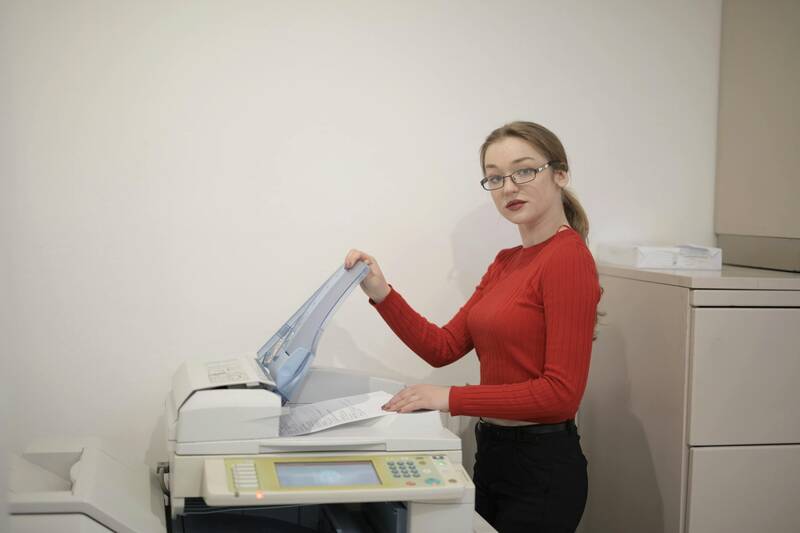
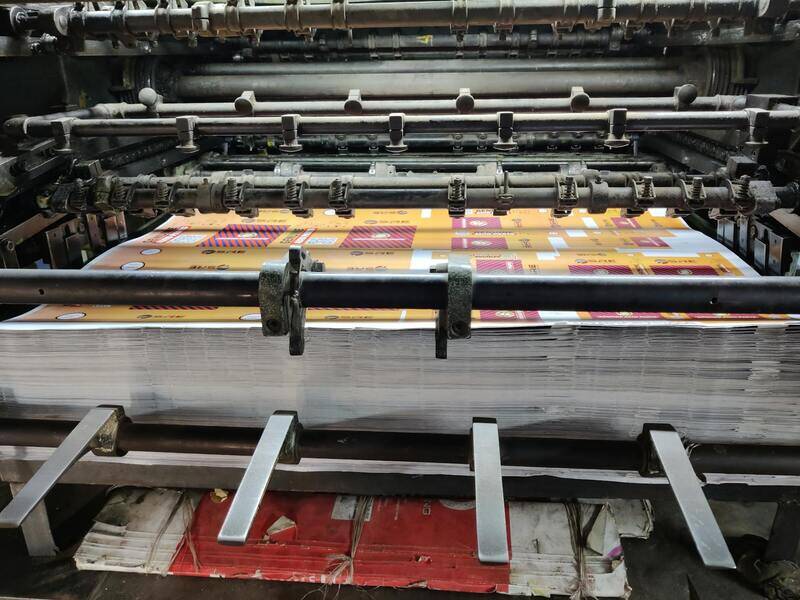
Advanced printing techniques can elevate the visual impact of custom brochures. Offset printing remains the standard for large-scale productions, offering consistent color accuracy and sharp image reproduction. Digital printing provides flexibility for short runs or personalized brochures, enabling quick turnaround times. Special finishes such as gloss, matte, or satin coatings can add a layer of sophistication, protecting the print and enhancing visual appeal. Spot UV coating, embossing, foil stamping, and metallic inks serve to highlight specific design elements or text, creating a luxurious or eye-catching effect. Employing the appropriate printing process ensures that the final product aligns with branding and marketing objectives, delivering professional quality at various price points.
Latest Techniques for Custom Brochures
Incorporating innovative printing methods like thermography, textured varnishes, or augmented reality integration can set your brochures apart. These techniques add sensory dimensions that captivate recipients and foster engagement. For instance, augmented reality allows viewers to scan the brochure with a mobile device to access enriched digital content, merging traditional print with interactive experiences. Such cutting-edge approaches demonstrate a commitment to quality and innovation, enhancing your brand’s reputation and strengthening customer connections.
Customization Options and Features
Modern customization extends beyond simple size and color choices. It encompasses fold styles such as bi-fold, tri-fold, z-fold, or gate fold to best suit content and distribution needs. Incorporating unique die-cut shapes or embossed elements introduces tactile interest while guiding reader attention. Variable data printing enables personalized content based on recipient demographics, increasing relevance and response rates. Additional features like pocket folders, perforations, or attached samples can enhance functionality and user experience. Tailoring these options ensures that each brochure effectively communicates your message while standing out amidst typical marketing materials.

Choosing the Right Size and Format
Selecting the appropriate size and format for your custom brochures is essential for maximizing impact and functionality. Different formats serve specific marketing goals, whether you aim for a compact, portable leaflet or a more elaborate, detail-rich brochure. Standard sizes such as A4, A5, or DL are widely used due to their versatility and ease of distribution, but custom dimensions can be crafted to align precisely with brand aesthetics and campaign needs.
When considering format, it’s important to evaluate how the brochure will be used. For instance, a tri-fold layout is effective for clear segmentation of information, making it ideal for menus, event programs, or product catalogs. Conversely, a bi-fold layout provides a clean, streamlined appearance for straightforward messages. Die-cut shapes or unique fold styles—such as accordion or gate folds—add a distinctive touch that captures attention and encourages recipients to engage with the content more thoroughly.
Balancing size with portability and display needs can influence how well your brochure performs in various settings. For instance, compact sizes are easier to include in mailings or handouts, while larger formats offer ample space for detailed visuals and comprehensive messaging. Careful consideration of format also impacts the overall cost, as unconventional or complex designs may require special handling and finishing processes. By aligning your brochure size and format with your marketing goals, you ensure an optimal presentation that resonates with your target audience.
Ultimately, the choice of size and format should reflect both the nature of the content and the distribution context. Smaller, easily portable brochures are suitable for quick references or event giveaways, while larger formats are better suited for detailed product information or visual storytelling. Employing innovative folding techniques and custom dimensions can set your marketing materials apart, making them memorable and highly functional for your intended audience. Thoughtful planning in this phase ensures your custom brochures will support your branding and communication strategies effectively.
Ensuring Accurate and Authentic Printing of Custom Brochures in Singapore
Securing legitimate printing services in Singapore is a critical step to guarantee that your custom brochures are produced to high standards, meet your expectations, and reflect positively on your brand. When selecting a printer, it is essential to verify their credibility through multiple channels and ensure they employ proper printing methods aligned with industry standards. This careful selection process not only safeguards the quality of your printed materials but also assures timely delivery and comprehensive post-production support.
Verifying Printer Credentials and Industry Experience
Start by researching printers with established reputations within the local market. Look for companies with a proven track record in producing custom brochures, extensive portfolios showcasing their work, and positive client testimonials. A reputable printer typically provides clear information about their company history, certifications, and compliance with local regulations. It is advisable to request references or samples of previous projects to assess craftsmanship, color accuracy, and finish quality.
Consultation and Detailed Quotation
Engage in comprehensive discussions with potential printers to clarify your specific needs. An ethical printing provider will offer detailed quotations that break down costs related to materials, printing techniques, finishing options, and delivery timelines. Be wary of significantly lower bids, which could indicate compromises on quality or hidden charges. Transparent communication about your design specifications, preferred materials, and budget helps ensure an accurate quote and aligns expectations early in the process.
Examining Printing Methods and Materials
Legitimate printing facilities utilize a range of proven printing techniques such as offset printing, digital printing, or UV printing, which cater to different production scales and quality demands. Confirm that they use modern equipment capable of reproducing vibrant colors, sharp details, and consistent finishes. Additionally, inquire about material options—such as premium gloss or matte papers, textured finishes, or environmentally friendly substrates—that can enhance the tactile quality and visual appeal of your brochures.
Quality Assurance and Proofing Processes
Before committing to full-scale production, ensure the printer offers proofing options, either digitally or via physical samples. This step allows you to review color fidelity, design accuracy, and overall presentation. Trusted providers adhere to stringent quality control procedures throughout the printing process, resulting in a flawless final product that accurately represents your intended branding and messaging.

Compliance with Environmental and Safety Standards
Choosing a printer that complies with local environmental regulations and safety standards further assures your brochure's quality and sustainability. Reputable companies often employ eco-friendly inks, recycled materials, and waste management systems that minimize environmental impact, aligning with responsible business practices without compromising quality.
Ongoing Support and Post-Production Services
Reliable printers provide ongoing support for any adjustments needed during the production process and offer post-printing services such as binding, lamination, packaging, and delivery. Confirm their policies on handling reprints or corrections if discrepancies arise, ensuring peace of mind throughout the project lifecycle.

By paying close attention to these criteria, you can secure legitimate printing services in Singapore that produce high-quality custom brochures, reinforcing your branding efforts and maximizing your marketing impact. Selecting a trusted partner ensures your investment delivers tangible results, elevating your visual communication and fostering stronger connections with your audience.
