
Overview of Custom Card Printing Services
Custom card printing services have become an integral part of Singapore’s dynamic printing industry, offering tailored solutions for individuals and businesses alike. These services encompass a wide range of card types designed to meet specific needs, whether for corporate branding, personal events, or promotional activities. As companies seek unique ways to differentiate their brand presence, the demand for high-quality, bespoke cards continues to grow.
In essence, custom card printing involves the creation of cards that are personalized in terms of design, material, size, and finishing techniques. This customization allows clients to translate their ideas into tangible products that effectively communicate their message or identity. The scope of custom cards commonly printed includes business cards, membership or loyalty cards, gift and occasion cards, invitation cards, and even ID cards.
Within the competitive market landscape of Singapore, professional custom card printing services uphold stringent standards of quality and precision. Utilizing advanced printing technology and premium materials, these services ensure durability, vibrant colors, and a refined finish that resonate with the client’s branding goals. Whether for a small enterprise or a large corporation, customized cards are vital marketing tools that facilitate brand recognition and foster customer engagement.
Types of Custom Cards Offered
- Business Cards – Highlighting professional identity with unique designs and textures
- Loyalty & Membership Cards – Building customer retention through durable and stylishly printed cards
- Event & Invitation Cards – Creating personalized invites for weddings, parties, and corporate events
- Gift & Promotional Cards – Enhancing marketing campaigns with eye-catching visuals
- Identification & Access Cards – Ensuring security and convenience for organizational access
Each card type is tailored to serve its specific purpose effectively, combining aesthetic appeal with functionality. Customization options extend from choosing adhesive finishes to incorporating holographic elements, allowing for a broad spectrum of visual effects and tactile experiences.
Design Options and Customization Features
Customization is at the core of premium printing services for custom cards. Clients are empowered to select from a diverse array of design options and features that precisely reflect their branding and personal preferences. The design process typically involves choosing from various layout templates or creating bespoke designs with professional graphic tools. Fonts, colors, and images can be extensively customized to produce a truly unique card that stands out in any context.
One of the key features offered is the selection of finishing touches such as matte, gloss, or satin lamination, which not only enhance aesthetic appeal but also increase durability. Embossing, debossing, and spot UV coating are popular techniques used to add tactile depth and visual contrast. These methods can emphasize certain design elements, like logos or text, making the cards more memorable.
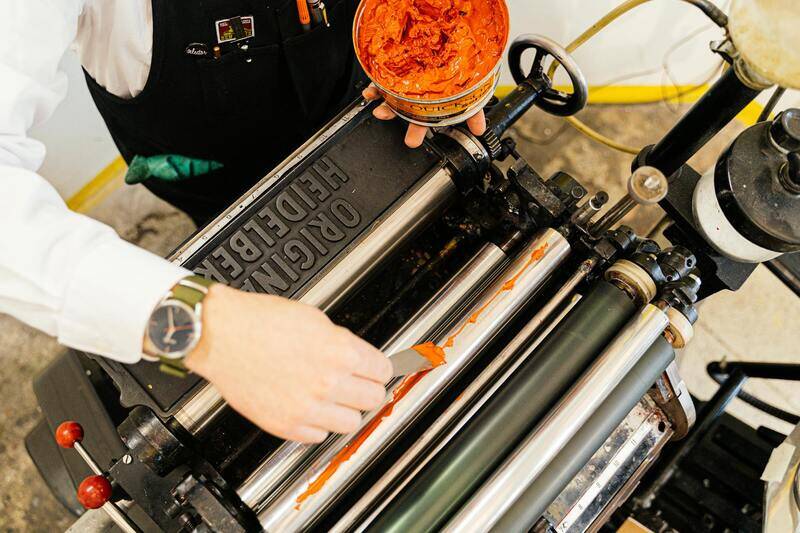
Advanced customization options extend to holographic overlays, foil stamping, and developing personalized textures that create a three-dimensional effect. For client-specific needs, some providers also incorporate specialized printing techniques such as letterpress or thermography, which add a distinct professional feel or decorative flourish. Overall, these features enable businesses and individuals to craft cards that resonate with their unique identity and convey a strong visual message.

Printing Techniques and Technology
Leading custom card printing services employ cutting-edge printing technologies to achieve high-resolution, vibrant results. Digital printing is widely used for its speed and flexibility, making it ideal for small batches and quick turnaround demands. For larger quantities, offset printing offers cost-effective solutions with consistent quality and precise color matching.
In addition, UV printing allows for direct printing on textured or non-standard surfaces, broadening the scope for creative designs. Some providers integrate printing methods like dye sublimation for fabric or specialty card stocks, ensuring colors are vivid and components are well-integrated with the material. Incorporating these advanced techniques guarantees that each card not only meets aesthetic expectations but also maintains high resistance to wear and tear.
Material Choices and Quality Standards
Material selection plays a crucial role in the durability and tactile quality of custom printed cards. Typical options include standard cardstock, PVC, PET, and specialty materials such as recycled paper or eco-friendly options. High-quality cardstock provides rigidity and a premium feel, suitable for business and greeting cards, while PVC and PET are preferred for ID and access cards due to their strength and weather resistance.
Print service providers in Singapore adhere to strict quality standards, utilizing dual-sided coatings, scratch-resistant layers, and waterproof finishes to ensure longevity. The choice of materials impacts the overall presentation and functional longevity of the cards, making it essential for clients to choose options aligned with their intended use. For instance, loyalty cards exposed to frequent handling might benefit from matte finish with protective laminates, whereas corporate greeting cards may prioritize glossy smoothness for visual impact.

Factors Influencing Cost and Turnaround Time
Several elements impact the overall pricing and delivery timeline for custom card printing services. Design complexity, material choices, and finishing options all contribute to cost variations. Higher-end finishes such as metallic foils or holographic overlays typically incur additional charges. The quantity ordered also influences per-unit costs, with bulk orders benefiting from economies of scale.
Turnaround times are affected by the scope of the project, with standard designs usually completed within a few business days, whereas highly customized or large-volume orders might require longer planning and production periods. Urgent requests are often accommodated through expedited services, provided that premium charges are agreed upon. Clear communication and precise specifications help streamline the process, ensuring that deadlines are met without compromising quality.
Selecting a Reliable Printing Service Provider
Choosing an experienced and reputable provider is essential for achieving high-quality custom cards that meet specific requirements. Clients should evaluate factors such as industry experience, available customization features, material options, and customer feedback. A dependable service understands the importance of adherence to deadlines and maintains rigorous quality control during each production stage.
Consulting with the provider about the design process, sample approvals, and revision policies ensures that the final product aligns with expectations. Transparency regarding pricing structures and turnaround times further facilitates smooth collaboration. Selecting a provider with a solid track record and technological capabilities guarantees a final product that effectively enhances branding, security, and personal expression.

Trends and Innovations in Custom Card Printing
The industry continually evolves by integrating innovative features such as digital watermarking, augmented reality triggers, and dynamic holography to increase both security and engagement. Smart cards embedded with RFID or NFC technology are increasingly popular for access control and contactless transactions, blending functionality with sleek design capabilities.
Eco-conscious printing options are gaining prominence, with many providers offering recycled materials, soy-based inks, and sustainable coatings to reduce environmental impact. Additionally, 3D printing and laser cutting techniques provide new avenues for creating textured, three-dimensional elements that elevate the tactile and visual appeal of custom cards.

Types of Custom Cards Offered
Custom card printing services encompass a diverse range of card types, each tailored to meet specific functional and aesthetic requirements. The most common types include business cards, ID cards, membership cards, loyalty cards, gift cards, and event passes. Each type serves a distinct purpose, often requiring specialized features to enhance usability, security, and brand recognition.
Business cards remain a staple in professional circles, offering a compact and impactful way to leave lasting impressions. They can be personalized with various finishes, textures, and embossing techniques to reflect unique brand identities.
ID cards are essential for access control within corporate, educational, and government facilities. These often incorporate security features such as holograms, magnetic strips, or embedded chips to ensure authorized use and data integrity.
Membership and loyalty cards are designed to foster customer engagement and retention. They frequently include features like magnetic stripes, barcodes, or RFID tags to facilitate swift and secure transactions or check-ins.
Gift cards are versatile and popular for retail and hospitality industries. Their design flexibility allows for vibrant visuals, embossed textures, and even customized messages to enhance perceived value and appeal.
Event passes and tickets predominantly serve access and identification purposes. They often incorporate features like QR codes, holographics, or custom cut shapes to enhance security and aesthetic appeal.

When selecting a printing service, it is crucial to consider the provider’s ability to deliver specific card types with the desired level of durability and security. For example, high-end ID cards might incorporate embedded chips or RFID technology, while business cards benefit from premium finishes such as matte, gloss, or soft-touch coating.
Moreover, many providers now offer eco-friendly options for these card types, including recycled materials and environmentally safe inks, aligning with greener business practices without compromising quality.
The continuous integration of innovative features enhances both the function and visual appeal of custom cards. Modern printing techniques enable the embedding of holographic overlays, dynamic color effects, and tactile enhancements, resulting in visually striking and durable products.
Ultimately, the range of custom card options available today allows organizations and individuals to create highly personalized, functional, and secure cards that resonate with their brand or personal identity. Selecting the right printing partner ensures access to cutting-edge technology and high-quality materials, thereby translating design ideas into tangible, impactful products.
Design Options and Customization Features
Choosing the right custom card printing service involves exploring a wide array of design options and advanced customization features that can elevate the uniqueness and functionality of the final product. Modern printing providers offer sophisticated tools that allow for extensive personalization, enabling clients to create cards that truly reflect their brand identity or personal style.
One of the primary customization features is the ability to incorporate high-resolution graphics and intricate artwork. This includes the use of custom logos, detailed images, and personalized text, all of which can be precisely positioned to meet specific branding guidelines. Advanced editors often provide drag-and-drop interfaces, making it easier to visualize the final design before printing.
Material selection plays a crucial role in customization, offering options such as PVC, PET, and composite materials. These selections influence both the durability and aesthetic appeal of the card. For instance, PVC cards can be designed with ultra-glossy or matte finishes, enhancing visual impact. Consequently, clients can choose finishes that align with their brand image—whether it’s a sleek, professional look or a vibrant, eye-catching style.
Security features are vital in custom cards intended for access control, identification, or financial transactions. Innovative providers incorporate elements like holograms, microtext, UV printing, and embedded chips to enhance security and authenticity. For those seeking an added tactile experience, options such as soft-touch coatings, embossed details, and raised printing are available, offering both visual appeal and textural differentiation.
Color matching and special effects further expand design possibilities. Pantone color matching ensures brand consistency, while metallic foils, spot UV coating, and gloss laminates add sophistication and shimmer to the cards. Dynamic effects like holographic overlays or motion-activated elements can also be integrated to create visually captivating cards that stand out in any setting.
Furthermore, environmental considerations are increasingly influencing customization choices. Many providers now offer eco-friendly options, including biodegradable materials and environmentally safe inks, aligning with sustainability goals without sacrificing quality or appearance. This commitment to green practices is reflected in the availability of recycled card stocks and eco-conscious printing techniques.
The convergence of innovative design tools, high-quality materials, and advanced printing technology empowers users to craft custom cards that are not only visually impressive but also secure, durable, and aligned with their specific needs. Whether creating business cards that reinforce branding, ID badges with embedded security features, or promotional cards with interactive elements, the customization process is integral to delivering impactful, personalized products.
Material Choices and Quality Standards
When selecting custom card printing services, the quality of materials used significantly impacts the final product's durability, appearance, and overall professionalism. Common materials include various types of cardstock, plastic (such as PVC), and specialty papers designed for specific purposes and aesthetics. Cardstock is favored for its balance of rigidity and flexibility, making it ideal for business cards, loyalty cards, and gift cards. Its weight and finish—matte or gloss—can be tailored to match branding requirements or personal preferences.
Plastic cards, especially those made from PVC, are widely used for IDs, membership cards, and high-end gift cards due to their robustness and resistance to wear and tear. These cards often feature enhanced durability and water resistance, ensuring longevity even under frequent handling. Specialty papers, including recycled or textured options, are gaining popularity among environmentally conscious clients, providing a unique tactile experience and eco-friendly appeal.
To meet high standards, reputable printing providers adhere to strict quality control protocols. These include precise color replication, consistent text imprinting, and defect inspections. Standard standards for durability encompass resistance to fading, scratching, and bending, ensuring that the cards maintain their visual appeal and functionality over time. Certifications or quality guarantees from manufacturers can serve as an indicator of the reliability of the materials used.
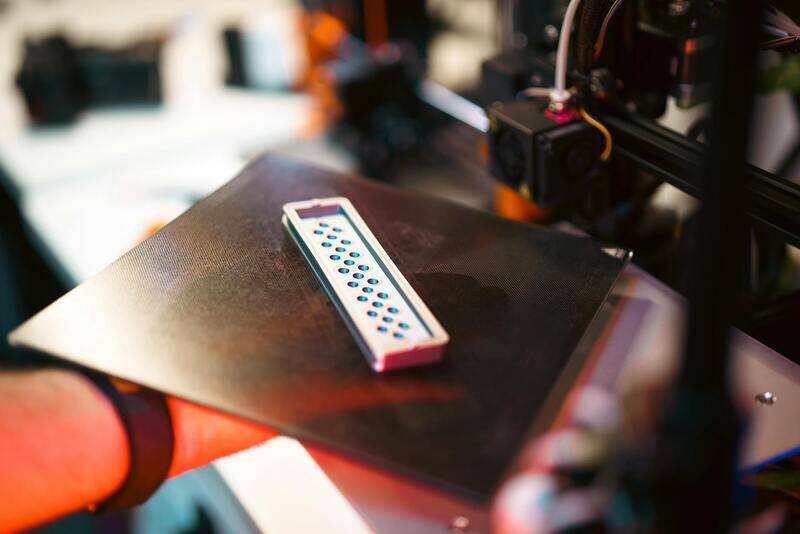
Material choice directly influences the overall perception of the card, whether it’s creating a luxurious feel with thick, textured stocks or a sleek modern look with transparent or metallic finishes. The selection process should consider environmental factors, usage scenarios, and branding objectives to ensure the finished product aligns with the client's vision and standards.
Standards for appearance also emphasize color consistency, surface smoothness, and edge precision. High-quality printing on premium materials results in crisp graphics, vibrant colors, and sharp text. Many providers now incorporate eco-friendly materials aligned with sustainability goals without compromising on quality or visual impact, supporting a greener approach while delivering top-tier products.
Overview of Custom Card Printing Services
Custom card printing services have become an essential solution for individuals and businesses seeking personalized cards that reflect their unique branding, personal style, or special occasion themes. These services provide a comprehensive range of options, allowing clients to choose from various templates, intricate designs, and bespoke features that bring their vision to life. High-quality custom cards can serve multiple purposes, including business branding, event invitations, loyalty programs, gift cards, and personalized communication tools. Established printing providers leverage advanced technology and a wide selection of materials to produce durable, visually striking cards that meet the specific needs of each client. Whether aiming for a minimalist design or an elaborate, textured finish, the focus remains on delivering a product that combines aesthetic appeal with functional durability.

Types of Custom Cards Offered
- Business Cards: Personalized cards designed to make a memorable first impression, incorporating logos, brand colors, and contact details.
- Event Invitations: Custom-designed cards for weddings, corporate events, or celebrations, featuring unique layouts and embellishments.
- Loyalty and Membership Cards: Durable cards with magnetic strips or barcodes for tracking user benefits and access.
- Gift and Promotional Cards: High-impact cards used for promotions or gifting, often with vibrant graphics and creative finishes.
- Membership and ID Cards: Secure, personalized cards with embedded security features, designed for staff or member identification.
Design Options and Customization Features
Clients can enjoy a broad spectrum of design options when customizing their cards. From choosing specific colors to incorporating logos, images, and text, the level of personalization ensures the card accurately represents the intended message or brand identity. Many providers offer digital design templates as a starting point, which can be further refined with advanced editing tools or professional assistance. Additional customization features include embossing, foil stamping, die-cut shapes, and textured finishes, all contributing to a more tactile and visually striking product. These options provide creative flexibility, allowing clients to craft cards that stand out and foster strong recognition and recall.

Printing Techniques and Technology
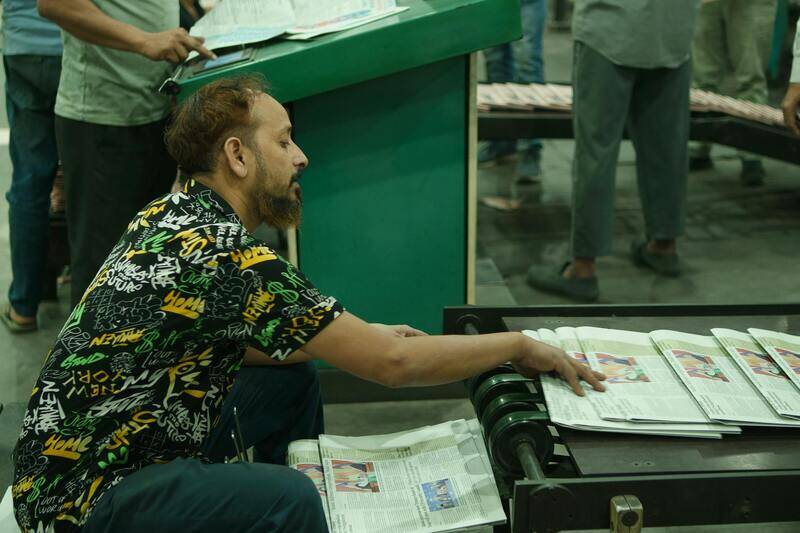
Leading custom card printing services utilize a variety of advanced printing techniques to achieve high levels of precision and vibrancy. Digital printing offers fast turnaround times and is ideal for small to medium quantities, providing excellent color accuracy and detail reproduction. Offset printing, on the other hand, is suited for larger production runs, delivering consistent quality and cost efficiency. Spot UV coating and foil stamping are utilized for adding gloss and metallic effects, elevating the card’s visual appeal. Embossing and debossing techniques create tactile patterns that enhance the physical feel and impression. Additionally, UV lamination offers protective durability against scratches, fading, and moisture. Incorporating the latest technology ensures that printed cards have crisp graphics, sharp text, and vibrant colors, meeting high standards of print quality while supporting environmentally conscious practices through eco-friendly inks and processes.
Material Choices and Quality Standards
Material selection plays a crucial role in defining the visual and tactile quality of custom cards. Options range from standard cardstock to premium thick stocks with textured surfaces, creating a luxurious feel that reinforces branding or personal expression. Transparent PVC, metallic foils, and laminated finishes are popular choices for ensuring durability while delivering a modern aesthetic. Environmental considerations are increasingly influencing material choices, with many providers offering recycled or biodegradable options that support sustainability objectives while maintaining high standards of appearance and resistance. For durable and high-end cards, stricter quality control protocols are implemented throughout the production process. This includes precise color matching, edge finishing, surface smoothness, and defect inspection. Certifications or specific quality guarantees offer assurance of consistent performance, resistance to fading, scratching, and wear over time. Basing the selection on environmental factors, end-use conditions, and branding goals helps produce custom cards that are both visually compelling and long-lasting.

Overview of Custom Card Printing Services
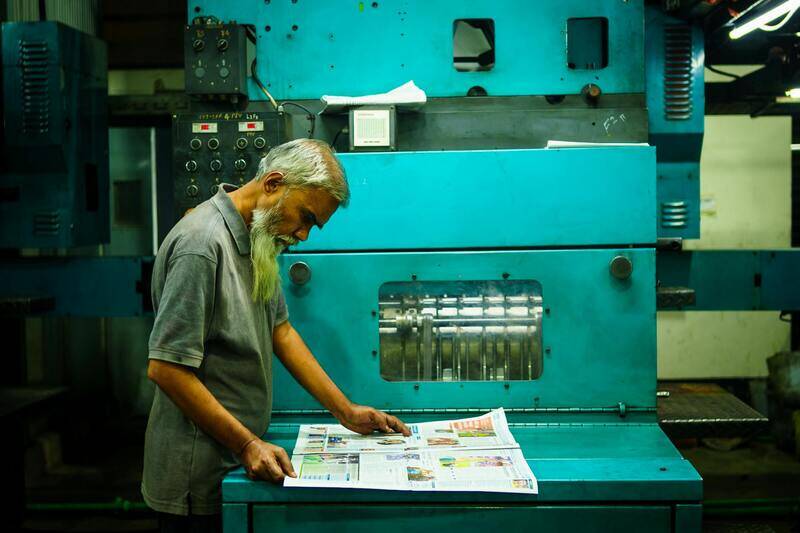
Custom card printing services in Singapore have become increasingly vital for businesses and individuals seeking to create unique, memorable cards that stand out. These services encompass a broad spectrum of options, from business cards and loyalty cards to membership and gift cards. The primary goal is to produce high-quality, visually appealing cards tailored to specific branding or personal preferences. Reputable providers employ advanced manufacturing processes to ensure each card not only meets but exceeds industry standards. With an emphasis on precision, durability, and customization, these services cater to diverse needs, whether for professional branding, promotional campaigns, or personal expressions.
Types of Custom Cards Offered
Various types of custom cards are available through specialized printing services, each serving distinct purposes and featuring unique designs. Common types include:
- Business Cards: Classic tools for networking, often customized with unique finishes such as embossed logos, foil stamping, or die-cut edges.
- Loyalty and Membership Cards: Used by retail and service providers to foster customer retention, these cards often incorporate magnetic stripes, QR codes, or RFID chips.
- Gift and Gift Card Vouchers: Designed with aesthetic appeal for retail promotions, often feature personalized branding elements.
- Event and Personalised Cards: For weddings, parties, and special occasions, these cards are customized with themes, photographs, and personal messages.
Specialty Card Types
- Transparent PVC Cards: Durable and modern, ideal for high-end branding and corporate events.
- Metallic and Foil-Stamped Cards: These add a touch of luxury and sophistication, often used for premium products or exclusive memberships.
- Texture and Embossed Cards: Enhance tactile experience and visual depth, making cards more engaging.

Design Options and Customization Features
Design flexibility plays a pivotal role in creating impactful custom cards. Most printing providers offer comprehensive design tools, allowing clients to upload their artwork or utilize design templates. Customization features include:
- Personalized Graphics and Logos: Embedding logos, images, or personal photographs enhances brand identity or personal touch.
- Color Selection and Matching: Precise color matching ensures brand consistency or achieves specific aesthetic goals, often utilizing Pantone matching systems.
- Finish Options: Matte, gloss, satin, or textured finishes provide different tactile sensations and visual effects suited to the card’s purpose.
- Special Effects: Embossing, debossing, foiling, spot UV coating, and metallic inks add dimension and visual interest.
- Shape and Size Customization: Die-cutting allows for unique shapes beyond standard rectangles, adding novelty and visual impact.

Printing Techniques and Technology
State-of-the-art printing technology ensures that each custom card is produced with precision and superior quality. Techniques commonly employed include:
- Digital Printing: Ideal for short runs and highly detailed designs, offering fast turnaround and cost-effective options.
- Offset Printing: Suitable for larger quantities, providing consistent color quality and sharp image reproduction.
- UV Printing: Enables vibrant colors and adds a protective coating directly onto the card surface, ideal for intricate designs with metallic or glossy effects.
- Letterpress and Foil Stamping: Techniques for adding tactile and visual texture, elevating the card’s appearance.

Material Choices and Quality Standards
High-quality materials underpin the durability and aesthetic appeal of custom cards. Selection depends on the card’s intended use, desired look, and feel. Common materials include:
- Standard and Premium Cardstocks: From 14pt to 32pt thickness, with options for textured surfaces such as linen or matte finish.
- Transparent PVC: Offers a sleek, modern look with excellent durability and resistance.
- Metallic and Foil Materials: Provide a luxurious feel and reflective finish, suitable for premium branding.
- Biodegradable and Recycled Materials: Support sustainability initiatives while maintaining structural integrity.
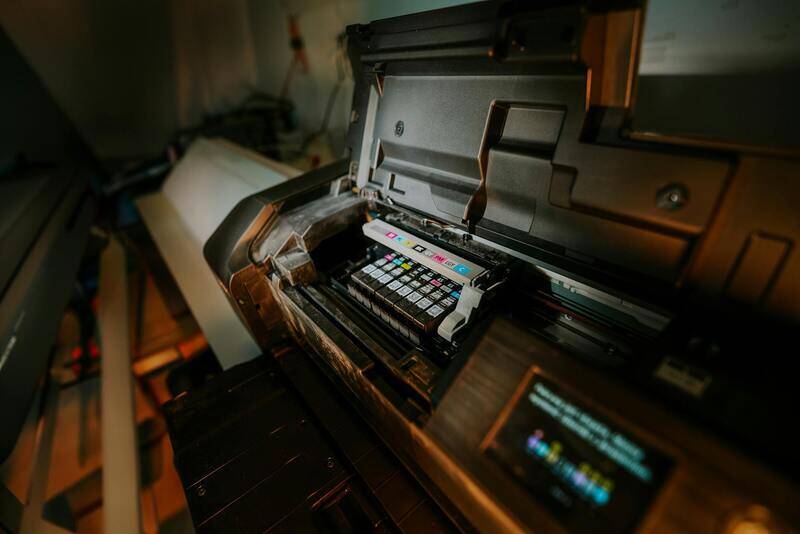
Quality standards are maintained through comprehensive inspection processes that include color consistency, surface smoothness, edge precision, and coating durability. Some providers also hold certifications or guarantee standards to ensure the cards perform well over time against factors like fading, scratching, and wear. Material choice directly influences the card's perceptibility, longevity, and environmental impact, making it crucial to align selection with the specific goals of each print project.
Factors Influencing Cost and Turnaround Time
When selecting a custom card printing service, understanding the key factors that impact cost and delivery timelines is essential for effective planning and budget management. These factors include the complexity of the design, choice of materials, order volume, and the specific printing techniques employed.
Design Complexity and Customization
Detailed and intricate designs require advanced printing techniques such as embossing, debossing, or metallic foiling, which can increase production costs and labor time. Specific customization features like embossed logos, textured surfaces, or multi-layered effects demand additional setup processes, influencing both price and turnaround. Simple designs utilizing standard color prints and minimal embellishments typically result in quicker and more economical production cycles.
Material Selection
Premium materials, such as thick cardstock, metallic finishes, or specialty textured surfaces, naturally incur higher costs due to material expenses and handling requirements. Additionally, eco-friendly or recycled materials may have narrower supplier options or limited availability, potentially extending production schedules. Material durability also affects processing; sturdy or unusual substrates might necessitate equipment adjustments, adding to lead time.
Order Volume and Quantity
Bulk orders generally benefit from economies of scale, reducing the unit cost and often speeding up production due to streamlined processes. Conversely, small or single-piece orders may require custom setups, which can prolong timelines. Some providers prioritize larger batches to optimize efficiency, making it important to plan accordingly for urgent needs.
Printing Techniques and Finishing Options
Specialized finishes such as metallic inks, holographic effects, UV coatings, or soft-touch matte layers demand additional steps and precise calibration. These techniques enhance visual appeal but can add both cost and lead time. Post-printing processes like lamination, UV coating, and custom cutting or shaping further influence the total turnaround, with each stage adding to the project timeline.
Provider Capabilities and Workflow
Different printing companies possess varying levels of technological sophistication and production capacity. Established providers with advanced digital and offset printing equipment can typically deliver faster results without compromising quality. It's advisable to clarify each provider's typical turnaround estimates and their ability to handle rush orders or urgent requests.

Additional Considerations for Cost and Delivery
- Proofing and Approval Processes: Allow sufficient time for design proofs and revisions prior to final printing. Efficient communication and clear specifications help minimize delays.
- Shipping and Logistics: International shipping, handling, and courier options can significantly influence delivery timelines and costs, especially for time-sensitive projects.
- Environmental and Certification Standards: Choosing providers with recognized quality assurance and environmental certifications may impact availability and lead times but ensures compliance with high standards.
Thorough discussion with the printing service provider about these factors helps align expectations, optimize costs, and ensure the successful and timely completion of your custom card project.
