
Types of Cards Offered by Printing Companies
Card printing companies provide a diverse array of card products tailored to meet the varied needs of businesses, organizations, and individuals. Understanding the different types available can help clients make informed decisions that best suit their purposes. Among the most common products are business cards, ID cards, membership cards, and gift cards, each serving unique functions and enhancing brand or organizational identity.
Business Cards
Business cards remain a fundamental tool for professional networking. They serve as a tangible representation of an individual’s identity and a quick reference for contact information. High-quality printing options allow for different finishes, embossing, and foil accents, which help convey a professional image and leave a memorable impression.
ID Cards
Identification cards are vital for security, access control, and employee recognition within organizations. These cards often include personal photographs, security features, and barcodes or magnetic strips for electronic access. Durable materials and advanced printing techniques ensure longevity and security.
Membership Cards
Membership cards foster loyalty and affinity by providing exclusive access to clubs, associations, or retail outlets. These cards can incorporate membership details, expiry dates, and personalized features, facilitating easy management and validation of members’ privileges.
Gift Cards
Gift cards are popular as versatile presents in retail and hospitality industries. They are typically issued with stored value and are designed to be user-friendly and visually appealing. Custom designs and branding options allow businesses to enhance their promotional campaigns with gift cards.
Each of these card types not only addresses specific functional needs but also offers customization avenues that can significantly impact brand recognition and user experience. When selecting a card printing service, understanding these categories provides a foundation for choosing the appropriate product for your specific goals.
Materials and Printing Technologies
Card printing companies utilize a diverse range of materials and printing technologies to deliver high-quality, durable products suited for various applications. The choice of material significantly impacts the card's longevity, flexibility, and overall appearance, ensuring they meet the functional and aesthetic expectations of clients. Common materials include high-grade plastics like PVC, which is renowned for its durability and resistance to wear and tear. PVC cards are frequently used for identification, membership, and access control due to their robustness and ability to withstand frequent handling.
In addition to PVC, some companies offer forms of laminated paper or composite materials for cost-effective solutions where extreme durability is not the primary concern. These options are often suitable for promotional or temporary cards.
Printing Techniques and Their Applications
The choice of printing technology directly influences the card's detail, security features, and overall finish. Digital printing has become the most prevalent due to its speed, cost-effectiveness, and flexibility in customization, making it ideal for small to medium order quantities with complex graphics and personalized data.
Offset printing, although less flexible for short runs, offers superior quality for large-scale production, providing highly detailed images and consistent color reproduction. Thermal printing is widely used for producing barcode, magnetic strip, or QR code integrations directly onto the cards, facilitating efficient data encoding for access management and membership verification.
Features like embossing, hot stamping, and foil printing are also incorporated into the manufacturing process to add tactile elements and visual accents. These finishing techniques not only enhance the aesthetic appeal but also provide additional layers of security and authenticity, especially in high-security or luxury card applications.
Considerations for Material and Technology Selection
- Durability requirements: For frequent handling or outdoor use, PVC or composite materials with advanced lamination are preferable.
- Design complexity: Digital printing supports intricate graphics, photographs, and personalization.
- Security features: Thermal and offset printing enable the integration of holograms, microtext, and other security measures.
- Budget constraints: Cost-effectiveness of the chosen materials and printing techniques will influence project scope.
Advancements in Card Printing Technologies
Emerging innovations such as UV printing, holographic overlays, and smart card functionalities are expanding the capabilities of card printing companies. Smart cards embedded with chips or RFID tags enable enhanced data storage, contactless transactions, and increased security. These advancements ensure that card printing companies stay at the forefront of technological progress, providing clients with options that combine aesthetics, performance, and security.
Types of Cards Offered by Printing Companies
Printing companies in Singapore specialize in producing a diverse range of cards that serve various functional and aesthetic purposes. Standard options include ID cards, membership cards, loyalty cards, gift cards, access control cards, and even event passes. Each type of card is designed with specific features to meet client needs, whether for security, branding, or customer engagement.
For identification and access control, companies often utilize identity cards embedded with magnetic strips, barcode or QR code functionalities, and embedded chips for enhanced security. Membership and loyalty cards typically feature durable materials and optional security features such as holograms or microtext to prevent counterfeiting. Gift cards often emphasize vibrant graphics and high-quality finishes to appeal to consumers, while event passes may incorporate specialized printing techniques for quick recognition and security.

Materials and Printing Technologies
Choosing the appropriate materials and printing techniques is vital for ensuring that cards meet their intended purpose while maintaining durability and security. Common materials in card printing include PVC, composite PVC, PET, and biodegradable plastics. PVC remains the most popular due to its robustness, flexibility, and ease of customization. Composite materials are preferred for high-security applications or where added durability is required.
Printer technology plays a crucial role in guaranteeing high-quality results. Offset printing is optimal for large-volume production, offering consistent imaging and vibrant color reproduction. Digital printing provides flexibility for smaller batches or full-color customization, making it suitable for personalized orders. Thermal transfer and direct thermal printing are frequently used for barcode and QR code applications, offering quick and precise output.

Considerations for Material and Technology Selection
- Durability: PVC and composite cards with lamination coatings withstand frequent handling and outdoor exposure.
- Design Complexity: Digital printing handles detailed graphics, photos, and personalization effectively.
- Security Features: Offset and thermal printing facilitate the integration of holograms, microtext, and other authentication elements.
- Budget Constraints: Cost-effective options such as digital printing are suitable for smaller, more personalized projects, whereas offset printing is better for bulk orders.
Advancements in Card Printing Technologies
Emerging innovations have significantly expanded the capabilities of card printing companies. UV printing allows for high-resolution, vivid images on various materials, opening new avenues for creative design. Holographic overlays are now commonplace, offering visual security features that are difficult to replicate. Smart card functionalities, embedded with RFID chips or contact/contactless payment modules, enable applications that surpass traditional identification, creating opportunities for electronic transactions and data security.
These technological advancements not only improve aesthetic appeal but also enhance the functionality and security of the cards, ensuring they meet modern demands for safety and user-friendliness.
Types of Cards Offered by Printing Companies
Card printing companies in Singapore cater to a diverse range of client needs by providing various types of cards, each tailored for specific applications. These include identification cards, membership cards, gift cards, loyalty program cards, access control cards, and promotional cards. Each category has unique features and design considerations that influence the choice of printing technology and materials.
Identification cards typically require high durability and security features, often utilizing PVC or composite materials with lamination to withstand frequent handling. Membership and loyalty cards focus on branding and customization, allowing businesses to foster customer engagement. Gift and promotional cards often emphasize vibrant designs and quick turnarounds, utilizing rapid digital printing methods to accommodate short-term promotional campaigns. Access control cards integrate contact/contactless chip technology, requiring specialized printing techniques to embed RFID chips securely and effectively.

With technological advancements, certain card types incorporate advanced security features such as holograms, microtext, and embedded chips, making them harder to counterfeit and more reliable for secure transactions. The choice of card type depends heavily on intended usage, security requirements, and budget considerations.
Materials and Printing Technologies
The selection of materials and printing technologies plays a vital role in the quality, durability, and security of the final product. Common materials include PVC, PET, PETG, and composite plastics, chosen based on environmental exposures and handling frequency. PVC remains the most popular due to its robustness and cost-effectiveness, especially for cards with a longer lifespan.
Advancements in printing technologies have introduced a range of options that enhance creativity and security:
- Digital Printing: Ideal for small to medium runs, allowing for full-color, detailed images with quick turnaround times.
- Offset Printing: Suitable for large-volume orders, offering high-resolution quality at a lower per-unit cost; excellent for bulk IDs and membership cards.
- UV Printing: Offers high-resolution, vibrant imagery directly on various materials, perfect for visually striking designs.
- Holographic Overlays: Commonly used to add security features and aesthetic appeal, appearing as a transparent, shimmering layer over the card’s surface.
- Smart Card Integration: Embedding RFID chips or contactless modules through specialized printing processes expands functionality beyond simple identification.

Customization Options and Design Services
Design flexibility is a cornerstone of high-quality card production. Printing companies typically offer a broad spectrum of customization options, including full-color printing, textured finishes, embossing, signature panels, and variable data printing. These features enable clients to personalize cards with photographs, barcodes, QR codes, magnetic stripes, and security features, enhancing both functionality and aesthetics.
Professional design services often assist clients in creating visually appealing layouts that incorporate branding elements such as logos, color schemes, and thematic graphics. Some providers also employ advanced digital tools to preview designs before printing, ensuring alignment with client expectations.
Moreover, customization extends to card sizes and shapes. While standard ISO sizes are common, bespoke shapes and sizes can be produced to meet particular branding or functional needs, further distinguishing a company’s cards in a competitive market.
Types of Cards Offered by Printing Companies
Card printing companies provide a diverse range of card types tailored to various industry needs and client specifications. These include identification cards for corporate employees, membership and loyalty cards for retail businesses, access cards for secure facilities, event passes, and gift cards. Each category of card serves a unique purpose and requires specific features, materials, and printing techniques to optimize functionality and visual appeal.
For instance, identification cards often incorporate embedded security features such as magnetic strips, barcode or QR code integration, and holographic overlays to prevent unauthorized duplication. Membership cards may include variable data printing that updates with each member registration or renewal, ensuring that the cards remain relevant and personalized. Access or security cards typically feature RFID or smart chip technology embedded within the card to facilitate contactless entry, providing both convenience and enhanced security. Additionally, event passes are frequently designed with custom shapes and durable materials to withstand handling and environmental factors, ensuring they remain intact throughout the event.
Materials and Printing Technologies
The choice of materials and printing methods significantly influences the durability, security, and overall aesthetic of printed cards. High-quality printing companies typically utilize plastic substrates such as PVC, PET, or composite materials that confer strength and resistance to wear and tear. For specialized applications, materials like PETG or polycarbonate may be used for added durability and temperature resistance.
Printing technologies employed by reputable firms encompass a variety of advanced techniques. UV printing allows for crisp, detailed images with high resistance to scratches and fading, making it ideal for IDs and long-term use cards. Holographic overlays and metallic foils add security features and visual sophistication, deterring counterfeiting and enhancing brand presence. Moreover, digital printing methods, including dye sublimation and thermal transfer printing, enable quick turnaround times and precise color reproduction for customized designs.

Customization Options and Design Services
Customization lies at the core of delivering impactful, functional cards that meet specific branding and operational needs. Printing companies offer extensive options, from full-color, high-resolution images to textured finishes and embossed elements. Clients can incorporate logos, thematic graphics, and security features directly into the design, creating a distinct visual identity.
Design services often include professional consultations where graphic designers help craft layouts that align with branding guidelines and operational requirements. Advanced digital tools provide clients with real-time previews of the final product, ensuring satisfaction before mass production begins. In addition to visual customization, clients can specify card sizes and shapes—ranging from standard ISO dimensions to bespoke geometries—to further distinguish their cards.
- Full-color photographic printing
- Embossing and debossing for tactile elements
- Signature panels and magnetic stripes
- Security features including holograms and microtext
- Variable data printing for personalization

Pricing and Order Quantities
Pricing structures for card printing services typically depend on several factors, including the type of card, required features, materials used, and order volume. Bulk orders often benefit from reduced unit costs, making large-scale production more economical for organizations with extensive card needs. Many printing companies offer tiered pricing models, with discounts for higher quantities, and flexible options for small batch runs.
Clients are encouraged to request detailed quotes that specify design complexity, material selection, and any additional services such as lamination or special finishes. As lead times vary based on order volume and customization requirements, planning ahead ensures timely delivery, especially for large projects or seasonal demands.
Quality Assurance and Certifications
When selecting a card printing company, compliance with industry standards and strict quality control measures are essential factors to consider. Reputable printing companies implement comprehensive quality assurance protocols throughout every stage of the production process, from initial design verification to final inspection. This approach helps to prevent defects such as printing misalignments, color inconsistencies, or material flaws that could compromise the functionality or appearance of the cards.
Standard certifications often include adherence to ISO quality management standards, which ensure systematic and consistent processes. Many companies also pursue certifications related to safety, environmental management, and data security—particularly important when producing cards with embedded chips, magnetic stripes, or security features. These certifications serve as evidence of a company’s commitment to high standards and client satisfaction.

Overall, thorough quality checks involve multiple stages: proofing of digital designs before printing, calibration of printing equipment to maintain color fidelity, and final inspections to verify conformity with client specifications. Advanced testing methods, such as microtext verification and hologram examinations, are also employed to validate security features and prevent counterfeiting. Clients can request detailed reports on quality assurance procedures to be confident in the standards upheld by their chosen card printing partner.
Industry Standards and Best Practices
- Adherence to ISO 9001 for quality management systems
- Implementation of secure data handling protocols for personalized cards
- Use of environmentally sustainable materials and processes
- Rigorous security measures during production to prevent unauthorized access
- Regular staff training on quality control and security procedures
Choosing a company with recognized certifications and demonstrable quality practices is crucial to ensuring that your cards meet all standards of durability, security, and aesthetic presentation. Reliable providers maintain transparent documentation of their quality assurance processes, providing clients with confidence and peace of mind.
Choosing the Right Card Printing Partner
Determining the ideal card printing company involves assessing their adherence to quality standards, technological capabilities, and commitment to client satisfaction. An experienced provider offers a broad range of customization options, uses high-quality materials, and employs advanced printing techniques to deliver superior products. Additionally, they maintain clear communication channels to facilitate seamless project management from initial concept to final delivery, guaranteeing that the finished cards align with the intended specifications and branding requirements.
Types of Cards Offered by Printing Companies
Card printing companies in Singapore provide a diverse array of card types tailored to various business and personal needs. Common options include standard ID cards, membership cards, loyalty cards, gift cards, access control cards, and event badges. Each type serves a specific purpose and often requires different features such as durability, security elements, or personalization options.
For instance, membership and loyalty cards are frequently used by retail and hospitality businesses to foster customer engagement and track transactions efficiently. Access control cards are vital for organizations that require secure entry points, often integrated with RFID or NFC technology for seamless and contactless access. Gift cards are designed to enhance brand visibility and facilitate sales expansion, while event badges serve as identification tools during conferences, exhibitions, and corporate gatherings.
Depending on the specific application, companies can opt for cards with embedded security features such as holograms, microtext, or UV ink to prevent counterfeiting and ensure authenticity. Some printing companies also offer specialized card types like metal cards or eco-friendly options to align with branding values or environmental initiatives.
Materials and Printing Technologies
The material chosen for card production significantly influences durability, appearance, and functionality. PVC remains the most popular due to its robustness and affordability. However, other materials such as PET, PETG, composite cards, and even metal are increasingly utilized to meet specific security or aesthetic requirements. Eco-friendly materials made from biodegradable substances are also gaining traction among environmentally conscious brands.
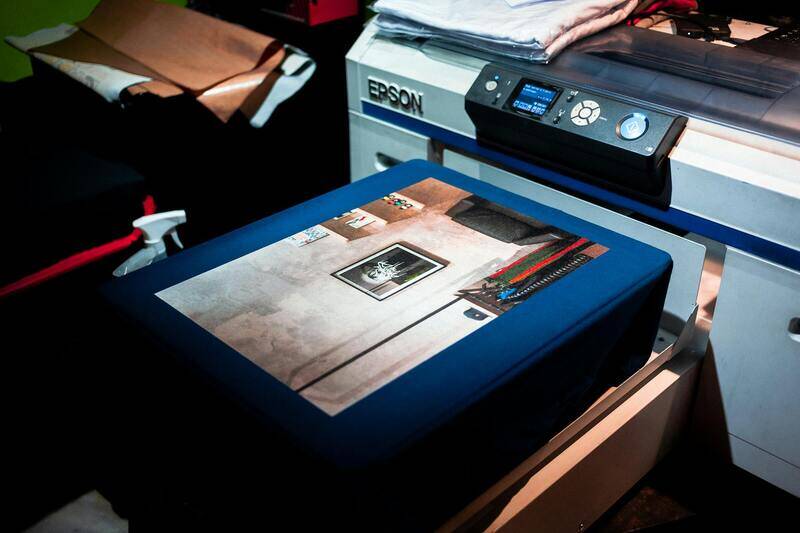
Advanced printing technologies are essential to achieve high-quality output. Digital printing methods enable quick customization and short runs, while offset printing is preferred for large-volume projects due to its cost-effectiveness and superior image detail. Embossing, laser engraving, and thermal printing add tactile and visual security features, enhancing the authenticity of the cards.
Security features incorporated during the printing process include microtext, holographic overlays, UV printing, and guilloché patterns. These elements help deter counterfeiting and ensure that each card maintains its integrity over time.

Customization Options and Design Services
Customization plays a crucial role in aligning printed cards with brand identity and functional requirements. Printing companies offer extensive design services, including graphic layout, logo placement, color schemes, and personalized text or images. Some providers also offer templated designs to streamline the process or allow clients to upload their artwork directly.
Beyond visual customization, advanced options include embedding smart chips, magnetic stripes, or QR codes to facilitate digital interactions such as payment or verification. The incorporation of holograms or microtext enhances security and aesthetic appeal. Many companies utilize online design tools to enable clients to preview their cards before printing, ensuring satisfaction with the final product.
Design considerations also extend to card size, orientation, and surface finish, with options ranging from gloss, matte, to satin finishes, each imparting a different tactile and visual effect.

Pricing and Order Quantities
The cost structure for card printing varies based on several factors, including material choice, design complexity, security features, and order volume. Typically, larger quantities reduce the unit cost due to economies of scale, making bulk orders more economical for organizations requiring thousands of cards.
Pricing models may involve setup fees for bespoke designs or special features, plus a per-card production fee. Some companies offer tiered pricing or discounts for recurring orders, facilitating long-term partnerships. Clear quotations should outline all cost components to prevent unexpected charges and enable accurate budgeting.
Minimum order quantities can range from as low as 50 cards for small projects to thousands for large-scale distributions. It's advisable for clients to consult with providers to determine the most cost-effective options tailored to their specific requirements.

Turnaround Times and Delivery Options
Delivery timelines depend on the complexity of the order, the customization involved, and the chosen printing technology. Standard turnaround times typically range from 3 to 7 business days, with expedited services available for urgent needs. Some companies offer same-day or next-day printing for simple orders with standard specifications, subject to capacity and material availability.
Clients can select from various delivery options, including courier services, pick-up at the printing facility, or scheduled deliveries for ongoing projects. Detailed tracking systems are often available to monitor progress from production to delivery, ensuring transparency and timely receipt of goods.
Effective communication with the printing partner is vital to align expectations and accommodate any last-minute adjustments, ensuring that the final product meets all specifications within the desired timeframe.
Quality Assurance and Certifications
Ensuring consistent quality in card production is a fundamental aspect of choosing a printing provider. Reputable companies implement rigorous quality control procedures at every stage, from material sourcing to final inspection. These include visual inspections, security feature verification, and durability testing.
Certifications such as ISO 9001 demonstrate a company's commitment to maintaining high-quality management standards, while security certifications indicate adherence to specialized practices for secure printing. Some firms also pursue environmental certifications, confirming their commitment to sustainable manufacturing practices.
Transparency about quality assurance processes provides clients with confidence that the printed cards will not only meet aesthetic expectations but will also stand up to everyday use and security requirements, reinforcing their practical reliability and branding impact.
Types of Cards Offered by Printing Companies
Printing companies specializing in card production typically offer a diverse range of card types tailored to various professional, commercial, and personal needs. Common options include standard ID cards, membership cards, gift cards, loyalty cards, access control cards, and event passes. Each type is designed with specific functionalities and security features in mind, allowing organizations to select cards that best suit their operational requirements.
For instance, ID cards used within corporate environments often incorporate features like magnetic stripes or embedded chips for scanning and access control. Likewise, membership and loyalty cards frequently utilize durable materials and personalization options to enhance branding and customer engagement. Event passes and promotional cards are often designed for quick recognition, featuring vibrant graphics and unique designs that capture attention at public gatherings.

Materials and Printing Technologies
High-quality printing companies utilize a range of premium materials to produce durable, aesthetically appealing cards. Common substrates include PVC, PET, composite materials, and, in some cases, eco-friendly alternatives such as recycled plastics or biodegradable options. The choice of material influences the card's longevity, flexibility, and overall appearance.
In terms of printing technologies, companies leverage advanced systems such as offset printing, digital printing, and dye sublimation. Offset printing provides high-volume output with excellent color fidelity, suitable for large orders with complex designs. Digital printing offers rapid turnaround times and is ideal for small to medium quantities, especially when customization is a priority. Dye sublimation printing excels in producing vibrant, high-resolution images, making it a popular choice for photo IDs and promotional cards.

Customization Options and Design Services
Modern card printing services emphasize a high level of customization to align with branding and functional needs. Customers can choose from a variety of templates or work with in-house design teams to develop unique visual identities. Customization options include personalized text, logos, images, holographic features, magnetic stripes, RFID chips, and security elements such as watermarks or microtext.
Design services often extend beyond mere aesthetics. Reputable printers provide guidance on layout, color schemes, and security features to ensure that the final product is both visually appealing and functional. These services streamline the process, saving clients time and enabling the creation of cohesive branding materials across multiple card types.

Pricing and Order Quantities
Pricing structures vary significantly based on factors such as card type, material choice, design complexity, production volume, and additional security features. Many printing companies offer tiered pricing models, with discounts available for bulk orders. Small quantities typically incur higher per-unit costs, whereas larger runs benefit from economies of scale, making bulk printing more economical.
For organizations with ongoing needs, many providers offer flexible packages, including setup fees, reprint guarantees, and package deals that include design, production, and delivery. Transparent quotations and straightforward pricing models are crucial to managing budgets effectively, especially for large-scale projects requiring consistent quality across multiple batches.

Turnaround Times and Delivery Options
Efficient production timelines are essential for organizations with tight schedules. Leading card printing companies typically offer standard turnaround times ranging from 24 hours to several days, depending on the complexity and quantity. Many providers also accommodate rush requests for expedited processing, ensuring clients meet urgent deadlines.
Delivery methods are equally flexible, including options such as courier services, scheduled pickups, in-store collection, or direct mailing. Detailed tracking systems enable customers to monitor their order status from production to delivery, fostering transparency and confidence in the process.

Quality Assurance and Certifications
Consistent quality is critical in card production, especially when security features or branding integrity are involved. Reputable printing companies implement comprehensive quality assurance protocols, including rigorous inspection procedures, color consistency checks, security feature validation, and durability testing. These measures guarantee that each batch of cards meets high standards for appearance, functionality, and longevity.
Certifications such as ISO 9001, security accreditations, and environmental certifications demonstrate a company's commitment to maintaining rigorous quality management systems, secure handling of sensitive data, and environmentally responsible practices.

Choosing the Right Card Printing Partner
Selecting a suitable printing provider involves evaluating their portfolio, technological capabilities, quality assurance standards, and range of services. Consider the company's experience in producing the specific type of card you require, along with their ability to offer customization and security features tailored to your needs.
Turnaround times, pricing structures, and delivery options are also significant factors, especially for mission-critical projects. Assessing client reviews, requesting sample products, and understanding the provider’s certification credentials can further guide informed decision-making, ensuring the final product aligns with your organizational standards and expectations.
