Understanding Large Photo Prints
Large photo prints have become an essential component in both personal and commercial visual displays within Singapore. These prints, often towering over standard-sized photographs, are utilized to make a bold statement, create immersive environments, or serve as eye-catching marketing tools. Their versatility spans various applications, from custom home decor projects to promotional banners for retail spaces and corporate events.
The primary benefit of opting for huge photo prints lies in their ability to convey vivid imagery with high impact. The enlarged visuals capture fine details and colors that smaller prints may not reveal, delivering a more immersive viewing experience. This ability to magnify images results in stunning wall art for residential spaces, impactful backdrops for exhibitions, or large-scale displays that attract attention in bustling areas.
In Singapore, where urban aesthetics favor modern design and impactful visuals, large photo prints are increasingly popular. They serve not only as aesthetic enhancements but also as strategic tools in branding, allowing businesses to communicate their message powerfully. Furthermore, advances in printing technology have made it more feasible to produce large-format images with impeccable clarity, color accuracy, and durability.
Creating large photo prints involves a meticulous process that begins with selecting the right digital image. High-resolution photos are crucial to ensure that the enlarged print maintains sharpness and detail. Once the image quality is confirmed, choices about size, material, and finish are made, tailored to the specific purpose and environment where the print will be displayed.
For individuals seeking personalized large prints, the variety of options available in Singapore allows for customization that suits different interior styles and themes. Meanwhile, commercial entities leverage large photo prints for advertising and brand recognition, often integrating innovative designs to maximize visual impact.
In terms of practical benefits, large photo prints can significantly enhance the ambiance of a space, turning a plain wall into a captivating focal point. They also foster emotional connections by displaying cherished memories or inspiring images on a grand scale. Whether for aesthetic enhancement or marketing prowess, producing high-quality huge photo prints requires expertise, the right technology, and premium materials.
Materials and Finishes for Huge Photo Prints
When selecting materials for large photo prints in Singapore, a variety of options cater to different aesthetic preferences and environmental conditions. The choice of material directly affects the visual appeal, longevity, and suitability of the print for its intended setting.
Common materials include:
- Canvas: Known for its textured finish that mimics traditional paintings, canvas is popular for interior decor. It offers a sophisticated look and can be stretched over a frame for a gallery-style presentation.
- Photographic Paper: High-quality photographic papers deliver sharp detail and vibrant colors. For large prints, matte, gloss, or satin finishes are available to control glare and enhance visual depth.
- Vinyl: Durable and weather-resistant, vinyl is ideal for both indoor and outdoor applications. It is particularly suited for promotional displays, billboards, or outdoor murals due to its robustness.
- Aluminum Dibond: Combining a rigid aluminum surface with a core of polyethylene, Dibond offers a sleek, modern look. Its durability and minimal reflection make it suitable for high-traffic areas or contemporary spaces.
Finish options further customize the visual impact of large photo prints. Glossy finishes enhance color richness and contrast, making images pop. Matte finishes reduce glare and fingerprint marks, suitable for spaces with lots of lighting or high traffic. Satin finishes provide a balanced appearance, combining aspects of both gloss and matte for a subtle sheen.
Specialty finishes such as laminated overlays add a protective layer that guards against scratches, moisture, and UV damage, extending the lifespan of the print. When selecting finishes, consider the environment where the print will be installed, as well as maintenance requirements, to ensure a long-lasting, vibrant display.
Printing Technologies and Quality Considerations
High-quality large photo prints are achieved through advanced printing technologies that ensure precise color reproduction and sharp detail. The most widely used techniques include dye sublimation, UV printing, and wide-format inkjet printing.
Each technology offers specific advantages:
- Dye Sublimation: Ideal for fabric and certain coated materials, this process produces vivid colors with excellent fade resistance. It requires heat transfer, making it suitable for polyester-based substrates.
- UV Printing: Utilizes ultraviolet light to cure ink instantly on rigid surfaces like acrylic and metal, enabling detailed, durable prints with vibrant colors.
- Wide-Format Inkjet Printing: A versatile method compatible with various materials, delivering high-resolution images suitable for large-scale displays.
Quality considerations extend beyond the printing technology itself. Proper image resolution, color calibration, and material compatibility play crucial roles in the final output. For instance, a low-resolution image enlarged to a huge size may appear pixelated, underscoring the importance of starting with high-resolution digital files.
Work with experienced printers who utilize industry-standard color management practices and offer samples or proofs before production. This helps verify that the final product aligns with expectations, especially for large, impactful displays where visual perfection matters.
Materials and Finishes for Huge Photo Prints
When selecting materials for large-format photo prints, the choice significantly influences the final appearance, durability, and suitability for specific display environments. Common materials include canvas, vinyl, acrylic, aluminum, and metallic substrates. Each material offers unique characteristics, allowing customers to tailor their prints to match their aesthetic preferences and functional requirements.
Canvas remains a popular choice for its classic, textured appearance that adds a touch of elegance and artistic flair. It is often preferred for interior decor, especially when a gallery-style presentation is desired. Canvas prints can be finished with matte, semi-gloss, or gloss coatings, each providing distinct visual effects and levels of protection against UV rays and physical wear.
Vinyl banners and adhesive-backed vinyl sheets are versatile, lightweight, and weather-resistant, making them ideal for both indoor and outdoor applications. Vinyl can be printed with high-resolution images and finished with matte or gloss coatings to enhance durability and visual impact. It is especially suitable for large-scale banners, trade show backdrops, or promotional displays that require longevity and resilience against environmental factors.
Acrylic and metallic finishes are increasingly popular due to their vibrant color reproduction and modern aesthetic. Acrylic prints, often produced through direct UV printing or infusing dyes into the material, offer a high-gloss finish that enhances image clarity and color vibrancy. Metallic prints provide a striking, reflective surface that creates dynamic visual effects, especially in well-lit environments, and are often used in corporate settings or upscale interior decor.
Different finishes can be applied to these materials to enhance specific visual qualities and increase protection. Matte finishes reduce glare and fingerprints, ideal for art displays or environments with diffuse lighting. Glossy finishes maximize color intensity and sharpness, making images pop. Satin finishes strike a balance, offering a soft sheen that minimizes glare while providing a smooth appearance.
Additional Considerations for Material and Finish Choices
- Environmental conditions: Outdoor displays benefit from weather-resistant materials like vinyl and laminated finishes, whereas indoor installations might favor canvas or acrylic with specific coatings.
- Visual effects: Matte finishes reduce reflections, suitable for light-sensitive environments, while gloss finishes emphasize vibrancy, ideal for modern, high-energy spaces.
- Maintenance and longevity: Consider the ease of cleaning and resistance to scratching or fading; protective coatings can significantly extend the lifespan of large photo prints.
- Installation space: The choice of material may depend on available mounting options and structural support to ensure stability and safety of the display.
Working with experienced printing professionals ensures proper material selection and finishing techniques aligned with specific project goals, environment, and budget constraints, ultimately achieving a stunning and durable large-format photo display in Singapore.
Understanding Large Photo Prints
Large photo prints serve as impactful visual statements, transforming ordinary spaces into personalized galleries or dynamic commercial displays. The process involves more than simply enlarging an image; it requires a careful assessment of resolution to maintain clarity, appropriate material selection to match environmental demands, and finishing techniques that enhance durability and visual appeal. When opting for huge photo prints, considerations such as color reproduction accuracy, image sharpness, and overall print quality become paramount. High-resolution files ensure detailed imagery, preventing pixelation or blurriness when scaled to massive sizes. Additionally, attention to color calibration and consistency across different printing methods guarantees that the final output aligns with the original photograph's vibrancy and tone.

Understanding these fundamental aspects helps ensure that the final product not only meets aesthetic expectations but also endures the demands of display environments. From corporate branding to personal artwork, the versatility of large photo prints allows for creative expression on an impressive scale while demanding meticulous planning to ensure each print’s optimal visual impact.
Popular Sizes and Formats for Huge Photo Prints
Choosing the right size and format is critical when planning for large-scale photo displays. Conventional dimensions like 24x36 inches are common for bold statement pieces, but expansive projects may involve sizes exceeding 8x10 feet, depending on the intended space and viewing distance. Standard formats include panoramic, canvas, and acrylic prints, each offering unique aesthetic qualities. Panoramic formats are well-suited for landscapes and wide-angle compositions, providing immersive viewing experiences. Canvas prints lend a textured, artistic feel, adding depth and sophistication, ideal for interior decor. Acrylic and metal prints deliver sleek, modern finishes with high-gloss vibrancy that enhances contemporary settings.
To ensure proportional integrity and visual impact, selecting the appropriate aspect ratio and format is essential. For interior settings like cafes, galleries, or corporate lobbies, customized sizing allows for tailored artworks that seamlessly integrate with existing architecture. It’s also important to consider the viewing distance; larger prints meant for broad spaces can be scaled up to create dramatic focal points, whereas smaller large-format prints are better suited for intimate environments.
Common Large Photo Print Sizes in Singapore
- 24 x 36 inches
- 36 x 48 inches
- 48 x 72 inches
- Custom dimensions exceeding 8 feet in width
These sizes can be adapted to suit specific project requirements, ensuring that every large photo print achieves its intended visual and spatial purpose. Manufacturers and service providers in Singapore often offer consultation services to help clients determine the most suitable dimensions based on the installation environment and intended display impact.
Materials and Finishes for Huge Photo Prints
Material choice significantly influences the visual aesthetics, durability, and maintenance of large photo prints. Common options include canvas, vinyl, acrylic, and metal, each offering distinct properties suited for various applications and environments.
- Canvas: Provides a textured, fine-art appearance that complements interior decor. It is lightweight and easy to install, making it popular for gallery walls or home settings. Coatings can be added for UV protection and enhanced longevity.
- Vinyl: Ideal for outdoor and high-traffic areas due to its weather-resistant and waterproof properties. Vinyl prints can be laminated for additional protection against scratches and fading.
- Acrylic: Known for its high gloss finish and vibrant color reproduction, acrylic adds a modern, sleek look, suitable for contemporary commercial spaces or upscale interiors. It offers excellent resistance to moisture and UV rays.
- Metal (Aluminum): Delivers a crisp, industrial aesthetic with high durability. Metal prints are scratch-resistant and easy to maintain, making them suitable for both indoor and outdoor environments.
Finishing touches, such as gloss, matte, or satin coatings, further refine the visual quality and protective features of large photo prints. Glossy finishes accentuate colors and contrast, creating eye-catching displays. Matte finishes reduce glare and reflections, ideal for environments with bright lighting or for art-focused displays. Satin finishes strike a balance, providing a subtle sheen that enhances image vibrancy while minimizing reflections.
Choosing the right combination of material and finish depends on factors such as environment, desired visual effect, and maintenance requirements. Experienced printing professionals in Singapore can advise on optimal options to ensure that large photo prints remain vivid and protected over time, whether installed indoors or outdoors.
Understanding Large Photo Prints
Creating a truly impactful visual statement in large-scale formats requires careful consideration of numerous factors that influence the final appearance and longevity of the print. Large photo prints serve as focal points in various environments, from corporate lobbies and art galleries to private residences and outdoor spaces. Therefore, selecting the appropriate printing method, materials, and finishes is crucial to achieving the desired aesthetic while ensuring durability.
In Singapore, the diversity of climate and environmental conditions underscores the importance of choosing suitable materials that can withstand factors such as humidity, UV exposure, and physical wear. Professionals skilled in large-format printing leverage advanced technologies and top-quality materials to produce oversized images that are vibrant, sharp, and durable. This comprehensive understanding of large photo printing encompasses not just the visual aspects, but also the technical considerations that impact long-term enjoyment and preservation.
Official and Legitimate Methods for Large Photo Printing
Only reputable printing centers that employ industry-certified techniques and premium-grade materials can deliver results that meet high standards for size, clarity, and resilience. Common legitimate methods include inkjet printing on specially coated media, which offers superior color accuracy and detail for oversized images. These facilities often utilize wide-format printers capable of handling very large substrates without compromising on registration or image integrity.
Furthermore, professional large photo printing involves a meticulous process that includes file preparation, color calibration, and quality control. Ensuring images are captured and formatted correctly beforehand helps prevent issues such as pixelation or color mismatches, which are especially noticeable at large scales. Certified printing services in Singapore adhere to strict quality standards and utilize environmentally friendly inks to meet both aesthetic and safety requirements.
Materials and Finishes for Large Photo Prints
- Vinyl: A versatile, weather-resistant material suitable for both indoor and outdoor installations. Vinyl can be printed with eco-solvent inks that resist fading over time, making it a popular choice for banners and large murals.
- Acrylic: Known for its glossy finish, acrylic enhances color vibrancy and provides a sleek, modern look. It is ideal for upscale interior decor and can be laminated for added protection against scratches and UV rays.
- Aluminum (Metal): Offers a contemporary, industrial aesthetic with high durability. Metal prints are highly resistant to physical damage and environmental factors, suitable for outdoor or high-traffic areas.
- Canvas: Provides a textured, artistic appearance. Canvas prints are often stretched over frames and suitable for fine art reproductions or decorative wall displays.
Finishes such as gloss, matte, or satin coatings further influence the visual impact and protective qualities of the print. Glossy finishes amplify color depth, while matte options reduce glare, making them suitable for spaces with bright lighting. Satin finishes balance these effects, providing a subtle sheen that enhances vibrancy without reflections. Selection depends on the installation environment and the desired aesthetic.
High-quality materials and proper finishing not only improve visual appeal but also extend the lifespan of large photo prints, especially when exposed to varying environmental conditions common in Singapore’s tropical climate. Collaborating with experienced printing professionals ensures optimal results tailored to specific display settings and maintenance needs.
Understanding Large Photo Prints
Large photo prints serve as impactful visual statements, transforming ordinary spaces into vibrant displays of art, branding, or personal memories. These prints are characterized by their significant dimensions, often exceeding standard frame sizes, and demand specialized printing techniques, materials, and installation methods to ensure quality and durability. When creating such expansive visuals, it is crucial to consider aspects like resolution, image quality, and material choice, as they directly influence the final appearance and longevity of the print. High-resolution images are essential to maintain sharpness and color accuracy across large surfaces, preventing pixelation or blurriness. Additionally, understanding the contextual application—whether for outdoor signage, interior decor, or commercial advertising—guides the selection of appropriate materials and finishes to withstand environmental factors and usage demands.
Popular Sizes and Formats for Huge Photo Prints
Choosing the right size and format is vital for achieving visual harmony and effectiveness. Common large photo print formats include:
- Billboard Sizes: Often exceeding 10 meters in length, ideal for outdoor advertising and urban signage.
- Wall Murals: Ranging from several meters wide to panoramic formats, perfect for impactful interior decor or promotional displays.
- Banner Prints: Typically used for events, trade shows, or storefronts, with widths up to 5 meters or more.
- Acrylic and Aluminum Panels: Custom sizes for sleek, modern displays in corporate or retail environments.
Format selection depends on the intended viewing distance, installation location, and visual effect desired. High-quality printing allows for large images to retain detail and vibrancy at considerable sizes, making them suitable for diverse uses ranging from art installations to commercial branding.
Materials and Finishes for Huge Photo Prints
Material choices play a pivotal role in determining the durability, appearance, and tactile quality of large photo prints. Popular options include:
- Vinyl: Flexible and weather-resistant, ideal for outdoor banners and large signage subjected to environmental elements.
- Canvas: Adds an artistic texture that can resemble traditional paintings, suitable for indoor art displays.
- Acrylic: Known for its high transparency and glossiness, acrylic enhances color vibrancy and offers a contemporary aesthetic.
- Aluminum (Metal): Provides sleek, modern looks with outstanding durability, perfect for high-traffic zones or outdoor installations.
Finishing options—such as gloss, matte, or satin coatings—further influence how light interacts with the surface and how the artwork or message is perceived. Matte finishes reduce glare in brightly lit environments, while gloss finishes amplify richness and depth of colors. Satin coatings strike a balance, providing a subtle sheen that preserves vibrancy without excessive reflection. Proper material selection and finishing are essential for optimizing the visual impact and protecting large photo prints against environmental challenges common in tropical climates.

Printing Technologies and Quality Considerations
The quality and durability of large photo prints depend heavily on the printing technology employed. Advanced large-format printing methods include:
- UV Printing: Utilizes ultraviolet light to cure inks instantly, producing vibrant, high-definition images suitable for various materials, including acrylic and metal panels.
- Solvent and Eco-Solvent Printing: These technologies penetrate deeply into substrates, offering excellent color density and weather resistance, making them ideal for outdoor applications.
- Latex Printing: Known for flexible, eco-friendly inks that produce vivid images with excellent durability, often used for banners and wall coverings.
To ensure the best result, professionals consider factors such as resolution, color accuracy, and ink longevity. High-quality equipment combined with proper calibration ensures the final output is sharp, color-rich, and consistent across large surfaces. Additionally, selecting reputable printing facilities that utilize the latest technology and adhere to industry standards guarantees that the large photo prints maintain their visual impact over time, despite exposure to Singapore’s humid climate and UV rays.
Understanding Large Photo Prints
Creating large photo prints involves more than scaling up an image; it requires careful consideration of resolution, material, and print technology to ensure the final product maintains clarity and visual impact at a substantial size. High-resolution digital files are essential to prevent pixelation and ensure sharp details are preserved when enlarged. The nature of the image — whether it’s a detailed landscape or a minimalist abstract — influences the choice of materials and the printing process. The objective is to produce a print that captures the vibrancy, depth, and nuance of the original photograph, translating well onto a larger scale without losing fidelity.
Popular Sizes and Formats for Huge Photo Prints
In Singapore, the demand for large photo prints spans various formats, from expansive wall murals to display-worthy gallery pieces. Some of the most favored sizes include:
- 2 meters by 1 meter (6.6 feet by 3.3 feet): Common for room features and art installations.
- 3 meters by 2 meters (9.8 feet by 6.6 feet): Suitable for commercial spaces or impactful home decor.
- Custom sizes exceeding 4 meters: Often used in exhibition displays, outdoor advertising, or architectural features.
Formats tend to vary based on the application and environment. Standard formats like panoramic or square prints are also popular, especially for photographs that emphasize wide landscapes or artistic compositions. Ensuring aspect ratio compatibility during the design phase helps achieve a balanced, visually appealing outcome when enlarging images.
Materials and Finishes for Huge Photo Prints
The selection of materials significantly impacts the longevity, appearance, and durability of large photo prints. Options commonly used in Singapore include:
- Vinyl: Excellent for outdoor displays, resistant to weather and UV exposure, making it ideal for murals and banners.
- Canvas: Offers a textured, fine-art look, suitable for gallery walls or interior decoration.
- Acrylic: Provides vibrant color reproduction with a glossy, high-end finish, often used for premium displays.
- Metal (Aluminum Panels): Durable, sleek, and modern, ideal for contemporary decor and outdoor signage.
Finishes such as matte, gloss, or satin further enhance the visual effect and protection against environmental factors. Matte finishes reduce glare and fingerprint visibility, while gloss enhances vibrancy, making colors pop vividly. Protective coatings can also shield against scratches, moisture, and UV rays, ensuring the print maintains its quality over time despite Singapore’s humid climate.
Printing Technologies and Quality Considerations
The quality of large photo prints hinges on the technology employed during printing. Advanced methods ensure vibrant colors, sharp details, and exceptional durability. The key printing techniques include:
- UV Printing: Uses ultraviolet light to instantly cure inks, ideal for printing on non-porous surfaces like acrylic or metal, resulting in highly vibrant images with excellent adhesion.
- Solvent and Eco-Solvent Printing: These methods penetrate the substrate for weather-resistant and UV-stable finishes, well-suited for outdoor and high-traffic environments.
- Latex Printing: Known for producing flexible, eco-friendly, and highly durable prints. Its vivid color range makes it suitable for banners and wall coverings intended for long-term display.
When selecting a printing provider, it is crucial to consider their equipment calibration, resolution settings, and ink quality. High-resolution capabilities (typically 1440 dpi or higher) ensure maximum detail and sharpness, especially important for close viewing distances. Consistent color calibration across the entire surface guarantees uniformity, avoiding color shifts or inconsistencies. Additionally, brief turnaround times coupled with adherence to industry standards reflect professional expertise, resulting in a final product that remains vibrant and durable over years of exposure to Singapore’s climate.
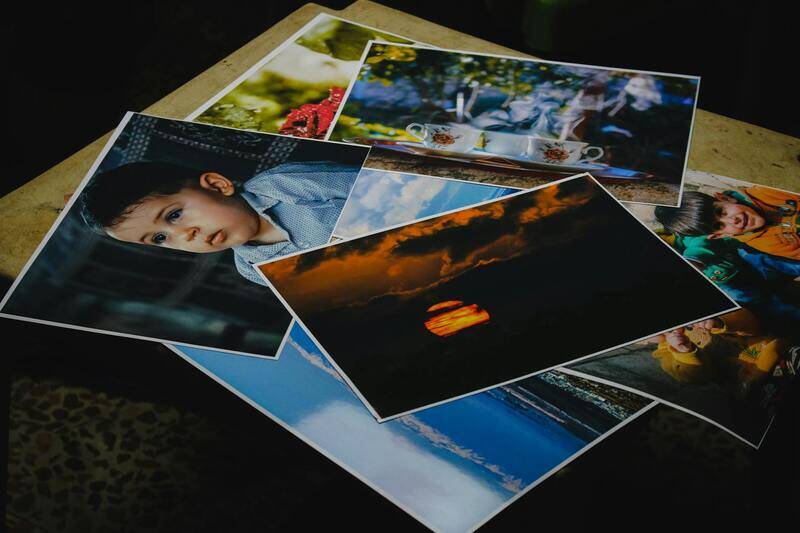
Installation and Display of Large Photo Prints
Proper installation is critical to ensure that large photo prints in Singapore are showcased to their fullest potential and remain in pristine condition over the years. Due to their size, these prints require specialized handling and mounting techniques to prevent damage and to enhance visual impact. Consulting with professional installation services is highly recommended to achieve precise alignment, secure anchoring, and seamless integration into various display environments.

When planning for display, consider the location and environment. Indoor settings with controlled lighting naturally emphasize the details and vibrant colors of large photo prints. For outdoor installations, weather-resistant materials, reinforced mounting systems, and UV-protective layers can significantly extend the lifespan of the print. Common methods of display include wall mounting with specialized brackets, tension systems for fabric prints, or suspended displays for a floating effect.
Handling and Mounting Tips
- Preparation: Ensure the wall or display surface is level, clean, and sturdy enough to support the weight of the print.
- Mounting Hardware: Use reinforced hooks, anchors, or rails specifically designed for large-format prints to avoid sagging or tilting over time.
- Alignment: Employ leveling tools during installation to maintain straightness and consistent spacing, especially for multi-panel displays.
- Protection: Consider UV-protective glass or acrylic coverings to shield the print from dust, scratches, and UV damage without compromising clarity.
Enhancing Visual Impact
Lighting plays a crucial role in accentuating the details and colors of huge photo prints. Track lighting or focused spotlights can create dramatic effects and draw viewers' attention. Additionally, framing options—ranging from sleek modern designs to more traditional styles—can enhance the overall presentation, complementing the aesthetic theme of the space.
Maintenance Post-Installation
Regular cleaning and inspection are essential to preserve the print’s appearance. Gently dust the surface with a soft, lint-free cloth, avoiding abrasive cleaners that can damage the print or its protective coating. If necessary, use a mild, pH-neutral cleaner diluted in water for stubborn marks, applying it with a microfiber cloth. Avoid excessive rubbing and ensure the print remains dry after cleaning. Periodic checks for signs of peeling, fading, or damage will enable prompt repairs or touch-ups, ensuring long-term visual appeal.