
Materials and Substrates for Colour Printing
Choosing the appropriate materials and substrates is fundamental to achieving high-quality colour printing outcomes. The selection impacts the vibrancy of colours, durability, and overall presentation of printed materials. Different projects demand different substrates, and each type offers unique characteristics suited for specific purposes. Understanding the options available ensures that printing results are both visually appealing and long-lasting.

Common Printing Materials
- Paper: The most versatile and widely used substrate, available in multiple finishes such as matte, gloss, and satin. Suitable for flyers, brochures, posters, and packaging.
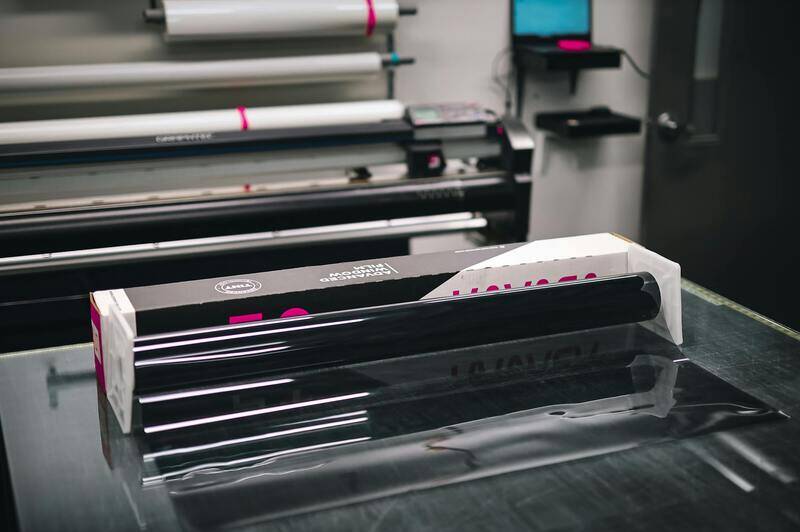
- Vinyl: A durable material often used for banners, window graphics, and outdoor signage. Its weather-resistant properties make it ideal for external displays.
- Fabric: Used for textile printing, banners, and custom apparel. Fabric substrates enhance colour depth and provide a premium tactile experience.
- Polypropylene and PVC: Rigid or flexible plastic substrates designed for signage and display panels, resistant to moisture and wear.
- Canvas: Commonly used for fine art prints and decorative displays, offering a textured surface that enriches colour display.
Choosing the Right Substrate
The decision hinges on several factors, including the desired durability, visual effect, and application environment. For instance, high-gloss paper enhances photographic images, while matte finishes are preferred for text-heavy materials to reduce glare. Weather-resistant substrates like vinyl or coated plastics are suitable for outdoor signage, whereas fabric options excel in fashion or interior decor settings. Selecting the correct substrate ensures the print maintains its vibrancy and integrity over time.
Impact of Material Choice on Print Quality
Material quality influences the precision of colour reproduction, sharpness, and the longevity of the print. High-quality substrates support a broader colour gamut and finer details, resulting in more true-to-life images. Conversely, lower-grade materials may cause ink bleed, fading, or distorted colours. Therefore, professional colour printing services often invest in premium materials and advanced printing technologies to meet exacting standards.
Innovation in Substrate Development
Recent advancements have led to the creation of eco-friendly and innovative materials that provide sustainable options without compromising quality. Recyclable papers, biodegradable films, and water-based inks are increasingly incorporated into commercial printing practices, aligned with global sustainability trends. This evolution expands the possibilities for businesses seeking visually compelling and environmentally responsible printed solutions.
Materials and Substrates for Colour Printing
Choosing the appropriate materials and substrates is a fundamental step in achieving vibrant and durable colour prints. The selection process involves understanding the unique properties of various substrates and how they interact with different printing techniques to produce high-quality results. Commercial colour printing services often utilize a range of substrates tailored to specific applications, whether for indoor displays, outdoor signage, promotional materials, or custom fabrications.
Among the most common substrates are different types of paper, each with distinct finishes and surface textures. Glossy papers are ideal for photographic and high-resolution images that benefit from enhanced colour saturation and sheen. Matte papers, on the other hand, are preferable for materials with extensive text or those requiring a glare-free surface, making them suitable for pamphlets, posters, and presentation materials. Coated papers are engineered to provide a smooth surface that facilitates sharp image reproduction and consistent ink coverage.

For outdoor and high-wear environments, durable substrates like vinyl, polyester, or coated plastics are often employed. These materials offer resistance to weather elements such as UV radiation, moisture, and physical abrasion, ensuring the print remains vibrant over extended periods. Vinyl banners, for example, are a popular choice for outdoor advertising campaigns due to their resilience and ability to maintain colour integrity under varying environmental conditions.
Textile-based substrates serve different creative and commercial purposes. Fabric prints are prominent in fashion, interior decor, and promotional items. These materials support a range of printing technologies, including dye sublimation and direct-to-garment methods, which can produce vivid, long-lasting colours on soft surfaces.

Advances in substrate development focus heavily on sustainable solutions. Recyclable papers, biodegradable films, and eco-friendly inks have become staples within the industry, aligning with global environmental goals. These innovations allow businesses to produce eye-catching visual materials that also support environmentally responsible practices.
Ultimately, the choice of substrate influences not only the appearance of the final product but also its lifespan and suitability for specific environments. Professional colour printing providers are equipped with industry-leading materials and technology to ensure optimal results, whether the project demands high-resolution photographic outputs, long-term outdoor signage, or creative textile designs. Understanding the properties and applications of various substrates enables better planning and outcome for custom printing projects, ensuring client satisfaction and effective visual communication.
Materials and Substrates for Colour Printing
Selecting the appropriate material or substrate is a crucial step in achieving optimal colour printing results. The choice of substrate directly impacts colour vibrancy, durability, and the overall quality of the printed material. Professionals employ a diverse range of substrates, each tailored to specific printing needs and intended application environments.
Paper remains the most common substrate in colour printing, with options including gloss, matte, and satin finishes. High-quality coated papers facilitate sharp images with vivid colours and are preferred for promotional brochures, posters, and packaging. The coating on these papers enhances ink adhesion, resulting in sharper detail and richer colour reproduction. For projects demanding a more premium feel, textured papers such as linen or fine art papers can add tactile value and depth to the printed piece.
For outdoor signage and long-lasting displays, rigid materials such as PVC, acrylic, and metal sheets are frequently used. These substrates are highly resistant to environmental factors, ensuring the persistence of colour intensity over time. Vinyl films are also popular for large-format banners, vehicle wraps, and flexible signage, providing excellent colour consistency and durability.

Textile substrates open up additional creative avenues, especially in fashion, interior decor, and promotional merchandise. Fabrics such as polyester and cotton can be printed through dye sublimation or direct-to-garment (DTG) technologies, producing vibrant, long-lasting colours on soft surfaces. These materials require specific ink compatibility and surface treatments to maximize vibrancy and durability.
Eco-friendly substrates have gained prominence in the industry, reflecting a shift towards sustainable practices. Recyclable papers, biodegradable films, and water-based inks are integral to sustainable printing solutions. Their adoption not only reduces environmental impact but also aligns with the expectations of environmentally conscious consumers and clients.
Understanding the properties of these substrates—including their compatibility with different printing technologies, colour absorption characteristics, and environmental resistance—is essential for achieving the desired visual effect while maintaining cost-efficiency and longevity. Professional colour printing providers are equipped with a broad selection of high-grade materials and advanced printing equipment, ensuring every project benefits from optimal substrate choices tailored to specific client needs.
Different Types of Substrates Suitable for Colour Printing
The range of substrates used in colour printing is diverse, each offering unique properties that influence the outcome of printed visuals. Selecting the appropriate material ensures that the vibrant colours are accurately rendered and durable over time.
- Coated Paper: A popular choice for brochures, posters, and marketing collaterals, coated paper provides a smooth surface that enhances colour vibrancy and sharpness. Its glossy or matte finishes work well with high-resolution images, ensuring detail retention and colour depth.
- Vinyl and Banner Materials: Often employed for outdoor signage and banners, these substrates are weather-resistant and capable of sustaining vivid colour printings in various environmental conditions. They can be coated or uncoated, depending on the desired finish and durability.
- Acrylic and Plastic Boards: Used for high-end displays, point-of-purchase material, and signage, these rigid materials allow for precise, vibrant colour rendering. Their glossy surface enhances colour contrast and is ideal for both indoor and outdoor applications.
- Textile Substrates: Fabrics like polyester or cotton are suited for dye sublimation or direct-to-garment printing, producing eye-catching, durable colours on clothing, soft signage, and promotional textiles. These require specialized inks and treatment to optimize colour absorption.
- Eco-friendly and Recyclable Materials: As sustainability takes precedence, substrates such as recycled paper, biodegradable films, and water-based ink compatible materials are gaining traction. They cater to environmentally conscious branding and packaging needs.

Material Compatibility with Printing Technologies
The efficacy of colour printing significantly depends on the interaction between the substrate and the chosen printing technology. For instance, coated papers are ideal for offset and digital printing due to their smooth surface, which ensures ink adhesion and colour fidelity. Vinyl and banner materials perform better with solvent, eco-solvent, or UV-curable inks that can withstand outdoor conditions without fading or peeling.
Textile substrates, printed via dye sublimation or direct-to-garment (DTG) methods, require specific ink formulations that penetrate the fabric fibres to produce vibrant, embedded colours that resist washing and fading. Similarly, acrylic and plastic surfaces are compatible with UV-curable inks that cure instantly upon exposure to UV light, providing sharp images with high durability.
Environmental Considerations and Sustainable Choices
Beyond aesthetic and technical factors, sustainability remains a vital consideration when selecting materials. Environmentally friendly substrates, made from recycled or biodegradable materials, reduce the environmental footprint of printing projects. Water-based inks compatible with these substrates further enhance eco-conscious production processes. Clients increasingly prioritize these options, aligning with broader business values and consumer expectations.

Materials and Substrates for Colour Printing
Selecting the appropriate materials and substrates is fundamental to achieving vibrant, accurate, and durable colour print results. The choice of substrate directly influences the quality of colour reproduction, adhesion, and longevity of the printed image. Various materials are suitable for different applications, and understanding their properties ensures optimal outcomes in commercial and promotional projects.
Common Substrates in Colour Printing
- Paper and Cardstock: The most prevalent substrates, available in coated, uncoated, glossy, matte, and textured finishes. Coated papers, such as gloss and satin, enhance colour vibrancy and sharpness, making them ideal for high-quality brochures, posters, and promotional materials.
- Vinyl and Banner Materials: Designed for outdoor durability, these substrates withstand weather conditions when printed with solvent, eco-solvent, or UV-curable inks. They are suitable for banners, signage, and vehicle wraps that require colour retention over time.
- Textiles: Used in fabric printing, textiles are compatible with dye sublimation and direct-to-garment (DTG) techniques. They provide rich colours embedded within the fabric fibers, which resist washing and fading, perfect for apparel, banners, and soft signage.
- Acrylics and Plastics: Often printed with UV-curable inks, these substrates support high-resolution images with excellent adhesion and durability, suitable for decorative panels, point-of-sale displays, and signage.
- Specialty and Eco-friendly Materials: Recycled paper, biodegradable films, and other sustainable substrates are increasingly popular for eco-conscious projects. These materials help reduce environmental impact without sacrificing print quality.
Material Compatibility and Selection
The compatibility between printing technology and substrate is vital. Offset and digital presses perform best with smooth, coated papers that support precise ink transfer and vivid colours. Large-format inkjet printers excel with flexible vinyl, canvas, and specialty textiles for large displays. UV-curable inks are ideal for rigid plastics and acrylics, offering sharp images and resistance to environmental factors.
Environmental and Sustainable Material Choices
Modern printing practices increasingly emphasize sustainability. Selecting environmentally friendly substrates—such as recycled papers, biodegradable films, and water-based inks—aligns with global efforts to minimize ecological footprints. These choices not only support responsible production but also appeal to environmentally conscious consumers and clients.
The use of sustainable substrates can involve processes like printing on biodegradable plastics or utilizing recycled fibers in papers. These materials are engineered to meet quality standards while reducing the impact on the environment, ensuring vibrant colours without compromising eco-credentials.
Materials and Substrates for Colour Printing
Choosing the appropriate materials and substrates is fundamental to achieving optimal colour vibrancy and durability in print projects. The selection process involves understanding the specific requirements of your design, the environment where the print will be displayed, and the desired longevity of the output. Common substrates include various types of papers, plastics, textiles, and specialty media, each offering unique advantages for colour printing applications.
In traditional paper-based printing, options range from standard uncoated papers to coated and gloss finishes, which enhance colour brightness and detail clarity. Coated papers, such as satin or gloss finishes, are preferred for high-resolution images and vibrant colour richness. Uncoated papers, on the other hand, are suitable for more subtle and textured effects, providing a different aesthetic appeal while maintaining good colour fidelity.
For large-format and outdoor displays, flexible vinyl, fabric banners, and PVC sheets are commonly used substrates. These materials are durable and can withstand environmental factors, making them ideal for billboards, vehicle wraps, and event signage. Additionally, textiles like canvas or polyester offer a sophisticated look for art reproductions and fine art prints, supporting high-quality colour reproduction with rich tones and nuanced gradations.

Specialty substrates, including translucent films and magnetic substrates, expand the creative possibilities for colour printing. These materials are often used in window graphics, backlit displays, or custom signage that benefits from enhanced visual effects. The compatibility between the chosen substrate and the selected printing technology, such as UV-curable, solvent, or water-based inks, ensures vivid colours, sharp details, and long-lasting results.
Environmental considerations play an increasingly important role when selecting substrates. Eco-friendly options like recycled paper, biodegradable plastics, and water-based inks are designed to minimize ecological impacts without compromising print quality. These sustainable materials often meet industry standards for durability and colour vibrancy, making them attractive options for commercial and environmentally conscious projects.

Proper material selection not only influences visual output but also impacts production costs, application performance, and the overall lifespan of the printed product. Collaborating with experienced printing service providers ensures that the right combination of substrates and techniques is used to meet specific project needs while adhering to quality and environmental standards.
Materials and Substrates for Colour Printing
Selecting the appropriate materials and substrates is fundamental to achieving vibrant and durable colour printing results. Different printing projects require specific types of media, tailored to the desired visual effects and application environment. Common substrates include paper types such as coated, uncoated, glossy, matte, and semi-gloss finishes, each offering unique qualities that influence colour vibrancy and detail sharpness. Coated papers, for instance, provide a smooth surface that enhances colour richness and crispness, making them ideal for high-end marketing materials and photo prints.
Beyond paper, specialty substrates expand creative possibilities. Translucent films are widely used in backlit displays, allowing light to pass through and creating eye-catching visual effects. Magnetic substrates serve for versatile signage that can be repositioned easily, commonly used in retail or event settings. Additionally, textured surfaces like linen or canvas textures add a tactile dimension to printed artworks, elevating their aesthetic appeal.

Material compatibility with different ink types is crucial. UV-curable inks are ideal for rigid substrates like plastics, metal, and glass, providing exceptional durability and vivid colours. Solvent-based inks work well on non-porous surfaces such as vinyl or banners, offering weather resistance for outdoor applications. Water-based inks are compatible with paper and fabric, supporting eco-friendly initiatives while maintaining excellent print quality.
Eco-conscious options are increasingly prominent in the industry. Recycled paper, biodegradable plastics, and water-based inks serve the dual purpose of supporting environmental sustainability while delivering outstanding colour performance. These materials are often manufactured to meet durability standards, resisting fading and wear over time, which is essential for long-lasting displays and packaging.

Proper substrate selection directly impacts not only the visual quality of colour reproduction but also production efficiency, cost management, and functional performance. Work closely with experienced printing service providers to identify the optimal materials for specific project requirements, ensuring a seamless blend of quality, sustainability, and economic efficiency during the production process.
Materials and Substrates for Colour Printing
In colour printing, the choice of material or substrate plays a pivotal role in achieving vibrant, durable, and high-quality results. Different substrates cater to various applications, ranging from promotional displays to packaging solutions. Understanding the properties of each material type helps in selecting the most suitable option for specific project needs.
Common Substrates for Colour Printing
- Paper and Cardboard: The most versatile substrates, suitable for books, brochures, posters, and product packaging. Options include glossy, matte, uncoated, and textured finishes, enabling diverse visual effects and tactile experiences.
- Vinyl and Adhesive Films: Ideal for banners, decals, and vehicle wraps. These materials are weather-resistant, flexible, and can adhere securely to various surfaces, maintaining vibrant colours over time.
- Polycarbonate and Plastics: Used for durable labels, nameplates, and signage. UV-curable inks work best with these substrates, ensuring sharp images with long-lasting brightness.
- Glass and Metal: Suitable for decorative panels, promotional displays, and premium packaging. Special printing techniques, like UV printing, allow for detailed colour reproduction on these non-porous surfaces.
- Textiles and Fabrics: For apparel, banners, and promotional cloth items. Water-based inks are commonly used, supporting eco-friendly initiatives and producing soft, breathable prints.
Factors Influencing Material Selection
Material compatibility with the chosen ink type significantly affects the quality and longevity of the print. For outdoor and high-traffic applications, weather-resistant and high-durability substrates are essential. Conversely, eco-friendly options like recycled paper and biodegradable plastics not only support sustainability goals but also meet the demands of premium visual quality.
Impact of Substrate Quality on End Results
The surface texture, thickness, and coating of the substrate influence colour vibrancy, sharpness, and overall appearance. Proper substrate selection ensures that colours appear rich and consistent, minimizing issues like fading or bleeding. Working with skilled printers who understand material properties ensures optimal results tailored to each project’s specifications.
Types of Colour Printing Techniques
There are several sophisticated techniques used in professional colour printing, each suited to different applications and material types. Understanding these methods helps in selecting the appropriate printing process for desired quality, turnaround time, and cost considerations.
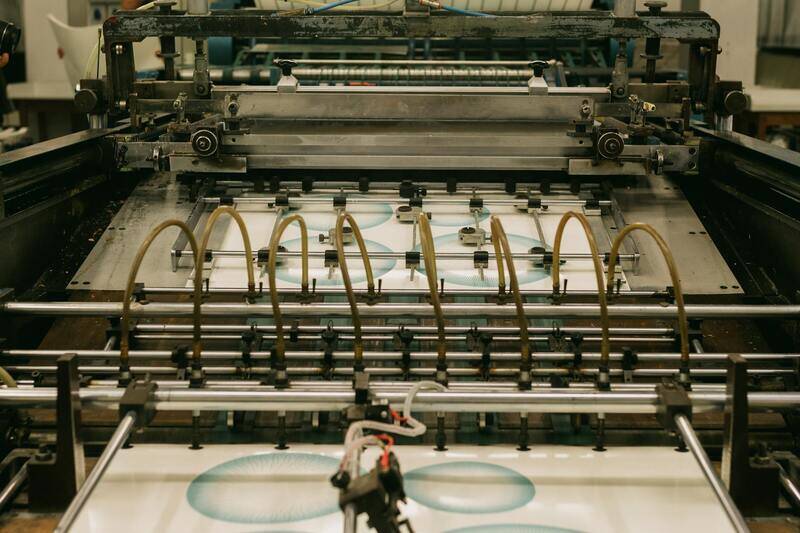
- Offset Printing: Ideal for high-volume print jobs, offset lithography produces vibrant, consistent colours with excellent detail. The process involves transferring ink from a plate to a rubber blanket before printing onto the substrate. It is cost-effective for large runs and offers superior colour accuracy, making it suitable for brochures, catalogs, and corporate materials.
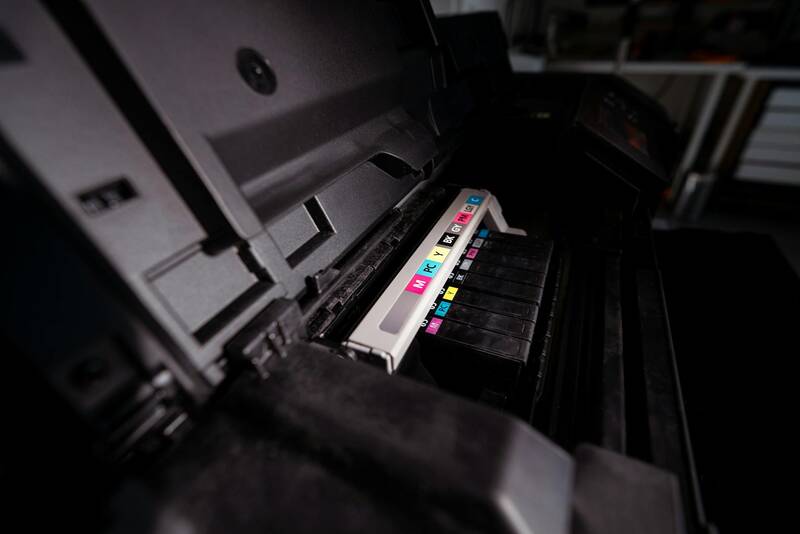
- Digital Printing: Perfect for short to medium runs, digital colour printing enables quick turnaround times with high-resolution results. It uses digital files directly to print without the need for plates, which reduces setup costs. This method is ideal for marketing flyers, business cards, and customised prints needing frequent updates.
- UV Printing: UV-curable inks are employed in this technique, which enables printing on non-porous surfaces like glass, metal, and plastics. UV printing provides highly detailed and vibrant images with excellent adhesion and durability. It’s frequently used for promotional displays, decorative signage, and premium packaging.
- Flexography: Suitable for packaging materials like labels and wrappers, flexography uses flexible plates and fast-drying inks. Its rapid printing capability and adaptability to various substrates make it a popular choice for food packaging and shopping bags with colourful designs.
- Screen Printing: This technique involves pushing ink through a mesh stencil onto the substrate, producing bold, opaque colours. Screen printing is versatile and highly durable, commonly used for textiles, promotional items, and graphic signage where vivid colour and long-lasting durability are necessary.

Factors Influencing Cost and Pricing of Colour Printing
Pricing for colour printing services is influenced by multiple variables that collectively determine the overall cost. Familiarity with these factors helps in budgeting effectively and selecting services that deliver value without compromising quality.
- Print Volume: Higher quantities often lower the per-unit cost due to economies of scale, making bulk orders more economical.
- Material Choice: Premium substrates such as textured papers, vinyl, or specialty plastics typically incur higher expenses compared to standard materials.
- Colour Complexity: Designs with multiple colours, gradients, or intricate details may require more advanced techniques and longer printing times, increasing costs.
- Finish and Effects: Additional finishes such as matte, gloss, varnishing, or embossing add to the overall price but enhance visual appeal and durability.
- Size and Dimensions: Larger formats or custom shapes demand more materials and setup, which influences the total cost.
- Turnaround Time: Expedited services often come at a premium due to the need for faster processing and logistics.
Application and Use Cases of Colour Printing
Colour printing serves a broad spectrum of uses across various industries:
- Marketing and Promotion: Eye-catching flyers, posters, banners, and point-of-sale displays that attract customer attention.
- Branding and Packaging: Custom labels, product packaging, and product inserts that reinforce brand identity.
- Corporate Communications: Annual reports, company brochures, and training materials that convey professionalism and brand consistency.
- Event Materials: Invitations, programmes, and banners designed to create memorable event experiences.
- Educational Resources: Textbooks, workbooks, and visual aids that require accurate colour reproduction for clarity and engagement.

Materials and Substrates for Colour Printing
Choosing the appropriate materials and substrates is crucial for achieving the desired visual impact and durability in colour printing projects. Standard paper types such as gloss, matte, and satin are commonly used for different applications, with each offering unique aesthetic qualities. Gloss paper enhances vibrancy and sharpness, ideal for promotional materials requiring visual pop. Matte paper, on the other hand, minimizes glare and provides a sophisticated finish suitable for elegant branding and professional documents.
Beyond paper, specialty substrates like textured papers, vinyl, and plastics open up a broader range of creative possibilities. Textured papers introduce tactile elements that can elevate the perceived quality of marketing collateral or packaging, although they tend to incur higher costs due to their specialized manufacturing. Vinyl and plastics are often used for outdoor signage, banners, and durable packaging, as they resist environmental factors and maintain colour fidelity over time.

When selecting substrates, it is essential to consider the project requirements such as exposure conditions, print durability, and visual aesthetic. For instance, high-gloss vinyl might be preferred for outdoor banners to withstand weather exposure, whereas delicate textured papers might be suited for limited-edition brochures or luxury packaging. Additionally, custom shapes and large formats demand more materials and sometimes specific substrates to ensure the structural integrity and visual quality are maintained.
Additional Factors Influencing Material Choice
- Environmental Impact: Eco-friendly options like recycled papers or biodegradable plastics can reflect a company's commitment to sustainability.
- Compatibility: Ensuring the chosen substrate is compatible with the selected printing technology (such as digital or offset printing) is vital for achieving accurate colour reproduction and minimizing waste.
- Cost Efficiency: Balancing the quality of the substrate with budget constraints often involves selecting versatile materials that meet both aesthetic and functional needs without excessive expenditure.
Overall, selecting the right materials and substrates involves evaluating the specific project goals, environmental considerations, budget, and desired longevity of the printed piece. When properly matched to the printing technique and intended application, these choices significantly enhance the final visual impact and durability of the print.
Materials and Substrates Used in Colour Printing
Choosing the appropriate materials and substrates is a fundamental aspect of achieving optimal colour printing results. The selection process involves balancing factors such as durability, visual appeal, cost, and compatibility with specific printing techniques. Common substrates include coated papers, uncoated papers, synthetic films, fabrics, and specialty materials like textured or metallic surfaces. Each category offers unique qualities that influence colour vibrancy, clarity, and longevity.
For instance, coated papers, including gloss, matte, or silk finishes, are widely preferred for their ability to produce vivid colours with sharp detail. These substrates are ideal for brochures, posters, and promotional materials where high-quality visuals are imperative. Conversely, uncoated papers tend to have a more natural, subdued appearance suitable for letterheads, notebooks, or packaging that aims for an understated aesthetic.
Synthetic substrates such as vinyl or polypropylene play a significant role in outdoor signage and banners. Their weather resistance ensures that colours remain stable despite environmental exposure. Textured materials like linen or canvas substrates offer an artisanal feel, adding tactile interest to fine art reproductions, luxury packaging, or limited-edition prints.

In addition, specialty materials like metallic foils, clear acetate, or textured boards are employed to create distinctive visual effects that enhance branding and visual storytelling. Selecting the right materials requires a thorough understanding of the printing process, the intended use of the output, environmental factors, and budget considerations.
Environmental and Functional Considerations
- Sustainability: Opting for recycled, biodegradable, or FSC-certified materials reflects a commitment to environmentally conscious practices.
- Weather Resistance: For outdoor applications, materials resistant to moisture, UV exposure, and temperature fluctuations are crucial to maintain colour integrity.
- Compatibility: Ensuring materials are compatible with the chosen printing technology—whether digital, offset, or screen printing—helps prevent issues such as ink adhesion problems or colour inconsistencies.
- Cost-effectiveness: Balancing the quality and durability of materials with project budgets involves selecting substrates that meet aesthetic requirements without unnecessary expenditure.
Implementing these considerations results in vibrant, durable, and visually appealing print projects that effectively communicate brand messages and design intents.
Materials and Substrates for Colour Printing
Choosing the appropriate materials and substrates is a fundamental aspect of achieving optimal colour printing outcomes. The selection process hinges on understanding the specific requirements of the printing project, including durability, aesthetic appeal, environmental exposure, and compatibility with the printing technology employed. Standard substrates such as uncoated and coated papers are popular for various applications, with coated papers providing smoother surfaces that enhance colour vibrancy and detail clarity. For projects demanding a premium finish, materials like fine art papers, textured boards, or specialty substrates such as metallic foils and clear acetate are advantageous.

Environmental considerations are increasingly influencing substrate choices. Recycled papers and biodegradable materials are preferred for environmentally conscious projects, aligning with sustainability initiatives. For outdoor signage or branding materials, weather-resistant substrates like vinyl and weatherproof banners ensure the longevity of printed colours despite exposure to elements.
Specific Substrate Types Used in Colour Printing
- Uncoated Paper: Ideal for reports, letterheads, and business stationery where colour richness is less critical.
- Coated Paper: Provides excellent ink adhesion and colour sharpness, suitable for brochures, magazines, and high-quality marketing materials.
- Self-Adhesive Vinyl: Used for large-format outdoor signage that needs durability and vibrant colour output.
- Textured Boards: Adds tactile dimension, often used for special packaging and limited-edition prints.
- Metallic and Specialty Films: Employed for premium branding, packaging, or artistic applications requiring metallic sheen or unique surface effects.
Ultimately, the choice of substrate impacts not only the visual quality of the print but also its longevity and functional performance. Professional colour printing services leverage a thorough understanding of material properties to recommend the most suitable options, ensuring that the printed output meets both aesthetic standards and practical demands.
Materials and Substrates Used in Colour Printing
Selecting the appropriate materials and substrates is fundamental to achieving high-quality colour printing results that meet both aesthetic and functional requirements. Different projects demand different substrates, each with unique properties that influence colour vibrancy, durability, and overall print quality. An understanding of these materials allows print professionals and clients alike to make informed choices that align with their specific needs.
Common Substrates in Colour Printing
- Uncoated Paper: Often utilized for reports, stationery, or items where colour depth is less critical. It offers a natural matte finish and worsens less with handling, making it suitable for internal documents and basic marketing materials.
- Coated Paper: Features a smooth surface that enhances ink absorption, resulting in sharper images and more vibrant colours. This makes it ideal for brochures, magazines, and promotional prints that require premium visual appeal.
- Self-Adhesive Vinyl: Commonly used for large-format outdoor signage, banners, and vehicle wraps. It offers excellent durability against weather elements while maintaining vivid colour output.
- Textured Boards and Specialty Papers: These materials add tactile dimensions to printed pieces, often seen in premium packaging, limited-edition prints, or artistic projects. They can include embossed surfaces or textured finishes that enhance visual interest.
- Metallic and Specialty Films: Designed for a striking metallic sheen or unique surface effects, these substrates are frequently used in high-end branding and artistic displays where visual impact is paramount.
The choice of substrate influences not only the visual vibrancy of colours but also the durability and suitability for specific application environments. For instance, outdoor signage requires weather-resistant materials like vinyl, while business stationery might benefit from high-quality coated paper to ensure professional appearance and longevity.
Impact of Material Properties on Final Output
Professional colour printing leverages a deep awareness of material properties to guide substrate selection. Factors such as surface texture, thickness, absorbency, and environmental resistance are meticulously considered to align with the project's goals. This approach ensures that the printed material maintains its colour fidelity, withstands environmental exposure if necessary, and aligns with branding or aesthetic standards.
Emerging Trends in Material Use
Advances in sustainable materials, such as recycled papers and biodegradable substrates, are increasingly being integrated into professional colour printing services. These options not only support environmental responsibility but also meet consumer demand for eco-friendly products. Additionally, innovations such as weatherproof coatings and temperature-resistant surfaces are expanding the possibilities for outdoor and specialty printing projects.
Overall, the thoughtful selection of materials and substrates is integral to successful colour printing, ensuring that the final product delivers on visual impact, functional performance, and sustainability considerations.
Materials and Substrates for Colour Printing
Effective colour printing begins with selecting the appropriate materials and substrates that best suit the project’s specific needs. The choice of substrate influences not only the visual quality but also the durability, texture, and overall impression of the final product. Commonly used materials include coated papers, uncoated papers, vinyl, fabric, and specialty substrates such as canvas or plastic sheets. Each material offers unique advantages depending on the intended application, environmental considerations, and budget constraints.
For instance, coated papers with a smooth surface are preferred for high-resolution images requiring sharp details and vibrant colours, making them ideal for brochures, posters, and business cards. Conversely, uncoated papers provide a natural, textured finish that lends a premium feel to stationery and invitations. Vinyl and plastic substrates are chosen for outdoor signage or labels due to their weather-resistant properties, ensuring longevity amidst exposure to various environmental elements. Fabric-based materials can be employed for banners and promotional apparel, offering flexibility and vibrant print quality.

Emerging trends in materials, such as eco-friendly recycled papers and biodegradable substrates, align with sustainable business practices. These alternatives help reduce environmental impact while maintaining high standards of print quality. Additionally, innovations like weatherproof coatings and temperature-resistant surfaces are expanding the versatility of print applications, enabling projects that require outdoor durability without compromising colour fidelity.
Factors Affecting Choice of Materials and Substrates
- Project Type: Whether it’s a retail banner, wedding invitation, or corporate brochure influences substrate selection.
- Environmental Conditions: Outdoor applications necessitate weather-resistant and UV-protected materials.
- Colour Fidelity: Coated surfaces often better preserve vibrant, accurate colour reproduction.
- Budget and Cost-efficiency: Higher-quality substrates may incur greater costs but offer superior durability and visual results.
- Sustainability: Preference for eco-friendly options that support environmentally responsible printing practices.
In professional colour printing, meticulous consideration of these factors ensures a harmonious balance between visual appeal, functionality, and sustainability, ultimately delivering a product that meets or exceeds client expectations.
Summary
Choosing the right materials and substrates is essential for achieving optimal colour accuracy, durability, and visual impact in printing projects. The array of available options provides flexibility tailored to specific application requirements, environmental conditions, and budgetary considerations. As materials technology advances, eco-friendly and innovative substrates continue to enhance the quality and versatility of colour printing products, making them more sustainable without compromising performance.
