
Basics of Print Colour in Printing Industry
Print colour plays a crucial role in the success of any print project, whether it involves marketing materials, packaging, labels, or fine art reproductions. Achieving vibrant, true-to-source colours consistently across different print runs is essential for maintaining brand integrity and visual appeal. The quality of print colour depends on various factors, including the choice of colour models, calibration, and the technology used in the printing process.
Understanding the foundational aspects of print colour starts with recognising that colours are reproduced through complex processes that translate digital designs into physical prints. This translation must be precise to ensure colour accuracy, which directly impacts how the final product aligns with the client's expectations. Careful attention to colour consistency is vital, especially when multiple prints or batches are involved. Proper management of colour ensures that every print maintains the same tone, hue, and saturation, regardless of the production scale.
In professional printing, the importance of accurate colour reproduction cannot be overstated. It affects customer satisfaction, brand perception, and the overall quality of the printed output. Whether working with corporate branding materials, art prints, or packaging, a solid understanding of print colour principles helps printers deliver high-quality results that meet or exceed clients’ specifications. From digital previews to the final printed piece, every step involves careful colour management to guarantee fidelity and consistency.
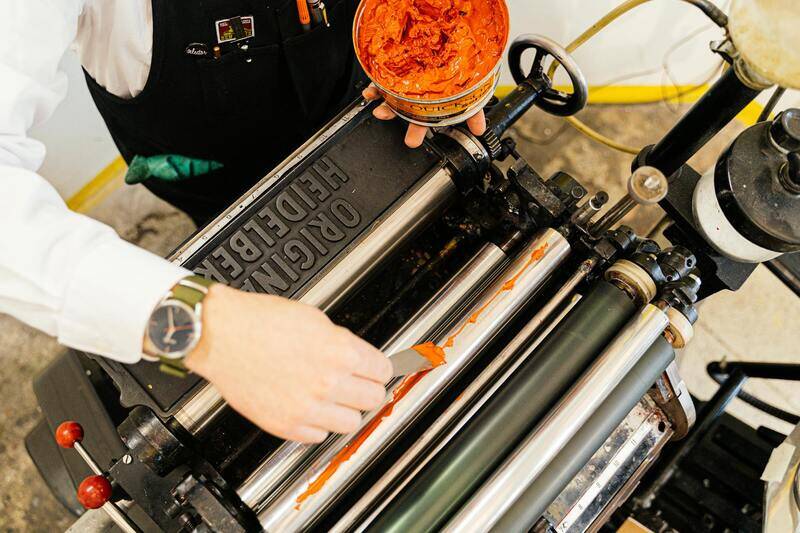
The role of print colour extends beyond aesthetics; it also influences function. For example, colour coding in packaging improves user experience, and precise colours in branding materials reinforce identity and recognition. Therefore, mastering the basics of print colour forms the foundation for successful print production, enabling printers to handle complex projects and meet the exacting standards of modern clients.
Key Principles of Print Colour
- Colour accuracy: Ensuring colours match the original design as closely as possible.
- Reproducibility: Achieving consistent colour output across different print runs and substrates.
- Colour consistency: Maintaining uniform colour appearance despite variations in printing conditions.
- Vividness and saturation: Producing bright, appealing colours that attract attention and convey the intended message.
By adhering to these principles, printing professionals can ensure their outputs are not only visually appealing but also reliable in representing the intended design and brand message. This foundational knowledge supports advanced techniques and tools used later in the printing process, forming a comprehensive approach that guarantees quality and precision in every project.
Color Models Used in Printing
In the realm of print colour, understanding the core color models is essential for achieving precise and consistent results. The two most prevalent models used in commercial printing are CMYK and Pantone, each serving distinct purposes and offering unique advantages. Mastery of these models allows printers and designers to communicate colours effectively and produce accurate reproductions across diverse substrates.

CMYK Color Model
The CMYK color model stands for Cyan, Magenta, Yellow, and Key (Black). It is a subtractive color model primarily used in process colour printing. By combining varying percentages of these four ink bases, a broad spectrum of colours can be created. CMYK is especially effective for photographing detailed images and continuous-tone artwork due to its ability to reproduce complex colour gradations.
In practical applications, printers utilize CMYK to translate digital designs into physical prints. Color management within CMYK workflows ensures that the hues seen on digital screens align closely with the printed results. Proper calibration of ink densities and registration, along with standardized colour profiles, helps maintain colour fidelity across different jobs and printing equipment.
Pantone Color Matching System
The Pantone Matching System (PMS) is a proprietary colour space that offers a vast palette of standardized colours. It is widely used for branding and design, especially when exact colour reproduction is critical. Pantone colours are identified by unique codes, ensuring that everyone involved in the production process interprets colours consistently.
When employing Pantone colours, printers typically use dedicated inks or colour swatches to match specific hues. This system is particularly beneficial for logo branding, packaging, and other applications where a controlled, consistent colour appearance is non-negotiable. Selecting Pantone colours minimizes colour variations caused by different printing conditions or substrates, contributing to cohesive brand representation.
Integrating Models in Production
Combining CMYK and Pantone colours allows for versatile printing strategies. While CMYK is suited for photographic images and high-volume runs, Pantone colours are invaluable for spot colours requiring precision. Digital workflows now allow seamless integration of these models, enabling print professionals to switch between or blend colour methods depending on project requirements.
Advanced software solutions facilitate colour conversion and management, ensuring the final printed piece exhibits the intended palette accurately. Adeptness in choosing and implementing these models directly correlates with a print job’s success, impacting visual appeal, brand consistency, and customer satisfaction.
Implications for Print Quality
The selection and proper application of colour models significantly influence print quality. A thorough understanding helps prevent issues such as colour mismatches, dullness, or oversaturation. Accurate simulation of printed colours during the prepress stage enables stakeholders to make informed decisions and approve proofs that closely resemble the final output.
Effective communication of colour specifications, whether through digital colour profiles or physical swatches, ensures that all parties involved—from designers to printers—are aligned. Consequently, the production process becomes more predictable, minimizing costly reprints or adjustments and elevating overall quality standards.
Color Matching and Calibration
Achieving consistent and accurate print colours across various projects and devices involves meticulous calibration of the printing equipment. Calibration ensures that printers produce colours that align with the original design specifications, regardless of the hardware or medium used. This process typically includes setting and adjusting hardware components like colour profiles, ink cartridges, and paper types, as well as software parameters to maintain colour fidelity. Regular calibration routines are essential, especially when print jobs demand high precision or involve brand-restricted colours. Using standardized colour targets, such as Grey Balances and Colour Charts, professionals can gauge deviations from the desired output and make necessary adjustments. These targets help in fine-tuning the printer's colour output, allowing for minimal colour shifts between print runs. Color matching techniques are integral to calibration. One common approach involves creating custom ICC (International Color Consortium) profiles tailored to specific printer, ink, and paper combinations. By applying these profiles during the prepress stage, the colour management system can accurately translate colours from the digital files into the print output. This process blending hardware calibration with software colour management creates a cohesive environment where colour consistency and quality are maintained. The importance of calibration extends beyond initial setup. Continuous monitoring and periodic recalibration—especially after printer maintenance or running different media—help mitigate colour drift. It ensures that each print run adheres closely to the original design intent, thus minimizing waste and enhancing customer satisfaction.
Color Management Systems and Software
At the core of modern print colour accuracy are advanced color management systems (CMS) designed to streamline and automate the control of colour reproduction processes. These systems utilize comprehensive software tools that integrate hardware and colour profiles to facilitate precise colour matching from digital file to printed material. Through the use of sophisticated software, operators can manage and convert colour data accurately, ensuring that the colours displayed on screens are faithfully reproduced on physical media. Colour management software typically supports ICC profile editing, device calibration, and colour conversion, providing a seamless workflow that maintains colour integrity throughout the production cycle. By integrating these systems, printers can routinely verify colour consistency and make real-time adjustments. This capability is particularly useful in high-volume production environments where multiple printers and media are involved. A robust color management system enables centralised colour settings, reducing inconsistencies caused by device variability. Moreover, these software tools facilitate the creation of colour libraries and allow for precise spot colour matching, such as Pantone references, which are crucial in branding and packaging projects. Digital proofs generated with these systems closely mimic the final print output, further reducing the risk of costly reprints.
Printing Techniques Affecting Colour Output
The choice of printing technology significantly influences how colours are rendered on the final product. Technologies such as offset printing, digital printing, gravure, and flexography each have unique characteristics affecting colour vibrancy, accuracy, and consistency. Offset printing, for instance, is renowned for its sharp colour rendering and high-volume capacity, making it ideal for large batch runs where colour consistency over time is crucial. The process involves transferring ink from plates to paper, with meticulous ink density control necessary to achieve the desired hues. Digital printing, on the other hand, offers flexibility and quick turnaround times. It utilises toner or inkjet heads to deposit colour directly onto substrates, making it suitable for short runs and on-demand printing. The technology’s ability to print variable data and complex images without the need for plates allows for better colour management and customization. Flexography often employs rapid-drying inks suitable for packaging and flexible materials. Its ability to print on unconventional surfaces makes it essential for products requiring vibrant colours and sharp details. Each method’s inherent traits dictate the colour gamut and reproducibility. Consequently, understanding these differences allows print professionals to select appropriate printing techniques aligned with project-specific requirements, ensuring optimal colour output.
Colour Reproduction Standards and Proofing
Adherence to colour reproduction standards is vital for maintaining quality and consistency across print production. Industry standards such as ISO 12647 set comprehensive guidelines for colour management and process control in printing. These standards cover everything from colour profiles, ink density, printing process parameters, to proofing procedures. Proofing is a critical step, allowing stakeholders to preview and approve colour accuracy before full production. Digital proofs, created using calibrated monitors and soft proofing software, simulate the expected final output closely, allowing for adjustments if necessary. Hard proofs, which are physical samples printed with the actual production equipment, provide tangible proofing that captures real-world colour nuances. The use of standardised colour palettes and proofing techniques helps prevent misunderstandings and mismatched expectations. Consistent proofing processes ensure that the colours in the final print align with the approved samples, reducing rework and waste. Color reproduction standards also specify the conditions under which proofs should be evaluated, including lighting and observation angles, to ensure consistent interpretation of colours. Effective collaboration between designers, clients, and printers relies on strict adherence to these practices.
Understanding Color Matching and Calibration in Printing
Achieving consistent color accuracy across various print jobs hinges on meticulous color matching and calibration procedures. These practices ensure that the colors rendered on the final output match the intended design, regardless of differences in printers, inks, or substrates. Essential to this process is the use of standardized color profiles, which serve as a communication bridge between digital files and printing hardware.
Color calibration involves adjusting a printer’s settings and hardware components to produce consistent colors over time. This frequently includes calibrating the printer’s ink densities, curing settings, and media handling to maintain a known baseline. Regular calibration routines help prevent drift in color output that can occur due to environmental changes or wear and tear of equipment.
Advanced calibration tools, such as spectrophotometers, are used to measure the color output precisely. These measurements are then compared against reference color standards, and adjustments are made accordingly to bring the printer’s output into alignment. Implementing automatic calibration tools can streamline this process, ensuring ongoing consistency with minimal manual intervention.

Color management software plays a pivotal role in this process by applying color profiles and ensuring that all digital files are interpreted correctly before printing. Using industry-standard color management workflows, such as ICC profiles, facilitates seamless translation of colors from digital designs to physical prints. Incorporating these tools into the prepress workflow helps align the output with the original creative intent, reducing discrepancies and enhancing overall quality.
It is equally important to establish clear communication channels between designers, clients, and production teams to define color expectations upfront. Documenting specific color codes and standards used in the digital files ensures everyone is aligned, thereby minimizing potential misunderstandings during production.

By adhering to rigorous calibration and color management protocols, printing operations can maintain high levels of color fidelity, thus satisfying both design specifications and client expectations. These measures are essential in specialized print applications—such as branding, packaging, and promotional materials—where color accuracy can directly impact brand perception and commercial success.
Advanced Color Techniques in Modern Printing
To achieve precise and vibrant print colours, printers often utilize advanced color techniques that go beyond standard methods. One such technique is spot colour printing, which involves using pre-mixed inks to reproduce specific hues with higher accuracy and consistency. Spot colours are especially popular in branding and packaging where exact colour matches are critical for brand recognition.
Moreover, applications like gloss or matte finishes can influence the perceived colour intensity and vibrancy of a print. The choice of coating affects how light interacts with the ink layers, either enhancing brightness or muting certain tones for a more subdued effect.
Specialty inks such as metallics, fluorescents, and thermochromics expand the palette available to designers, allowing for eye-catching effects that standard inks cannot achieve. Incorporating these inks requires precise calibration of printing equipment and thorough understanding of how they interact with different substrates.
Additionally, digital enhancement techniques like colour grading and image optimization are employed in the prepress phase to adjust colours digitally, ensuring the printed output aligns with the design intent even before the actual printing begins.

Color Reproduction Standards and Proofing
To achieve consistent and accurate color reproduction in printing projects, adhering to established industry standards is essential. These standards provide a framework for calibrating equipment, managing color workflows, and ensuring that printed materials match the intended design specifications. Common standards such as ISO 12647 define the color parameters for process control in commercial printing, covering color gamut, ink density, and(print resolution.
Proofing plays a pivotal role in color management by providing a physical or digital preview of the final output. This process allows designers and printers to evaluate how colors will appear on the finished product, facilitating adjustments before mass production. There are various proofing methods, including digital soft proofs, which simulate color on a computer screen, and hard proofs, which are physical prints that serve as a reference. High-quality proofs are critical for maintaining color fidelity across different print runs, especially when intricate color matching or precise shades are required. During proofing, adjustments can be made to ink balances, color separations, and other parameters to ensure alignment with the client's expectations and industry standards. The use of color management tools during proofing helps to standardize the process, reducing discrepancies and preventing costly reprints. Ultimately, a rigorous proofing process supported by standardized protocols ensures that the final printed products meet quality and color accuracy benchmarks, fostering trust and satisfaction among clients.

Implementing industry-standard color management practices and thorough proofing workflows enhances the predictability and reliability of print colour results. This systematic approach is vital for projects demanding high precision, such as branding materials, packaging, and photographic reproductions. By integrating these standards into their processes, printers can better control output quality, deliver consistent results, and build long-term client relationships.
Understanding Color Reproduction Standards and Proofing
Achieving consistent and accurate print colours necessitates adherence to established color reproduction standards and a meticulous proofing process. Standards such as ISO 12647 set industry benchmarks for color fidelity, ensuring each stage of the printing process aligns with agreed-upon quality metrics. These standards provide a framework for controlling colour accuracy from digital file preparation through to press operation, reducing variability and enhancing predictability.
Proofing serves as the final checkpoint before mass production, allowing clients and printers to verify colour accuracy and make necessary adjustments. Digital soft proofs simulate how colours will appear on the final product through computer screens, enabling quick evaluations and revisions. However, physical or hard proofs—actual printed samples of the work—are indispensable for evaluating the nuanced differences in colour, gloss, and texture that digital simulations cannot fully capture.
High-quality proofing involves several critical elements:
- Color Consistency: Accurate reproduction of colours across different proofs and final prints.
- Material Matching: Using substrates that mimic the final printing stock during proofing to better predict colour outcomes.
- Lighting Conditions: Reviewing proofs under standardized lighting (such as D50 or D65) to minimize discrepancies caused by ambient light variations.
- Color Checks: Employing color measurement tools like spectrophotometers to quantitatively assess colour accuracy against reference standards.
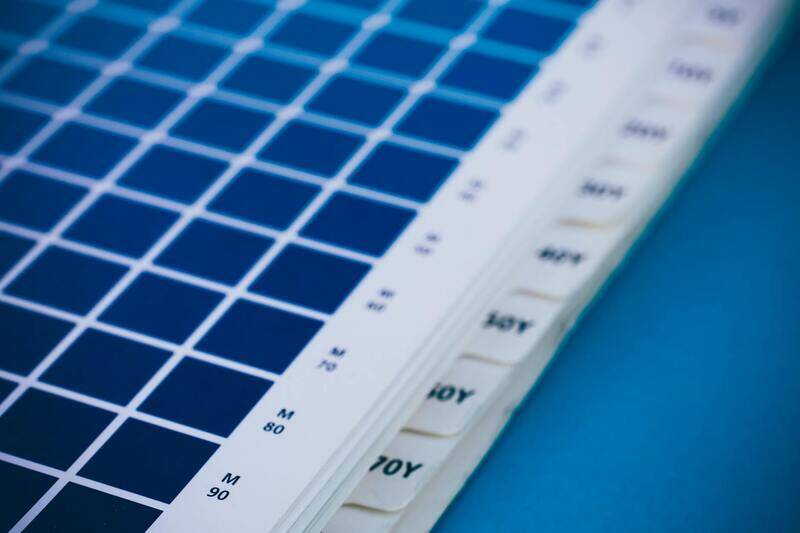
Implementing thorough proofing workflows, supported by industry standards, ensures that the final product reflects the intended colour palette. This process involves iterative adjustments to ink balances, color separations, and other print parameters. Such diligence not only minimizes costly reprints but also strengthens client confidence by delivering predictable results that meet their exact expectations.
Overall, integrating rigorous proofing practices rooted in standardized protocols simplifies complex colour management challenges. It facilitates clear communication among stakeholders, ensures consistency across different print runs, and upholds the quality integrity of the printed output. For printers committed to excellence, adherence to these standards forms a fundamental part of their colour management infrastructure, ultimately contributing to the sustained trust and satisfaction of their clients.
Advanced Techniques for Ensuring Accurate Print Colour Replication
Achieving consistent and precise print colours requires the application of highly specialized techniques rooted in established industry standards. This involves comprehensive color management practices that go beyond basic calibration, incorporating real-time adjustments and advanced measurement methods. Printers must employ a combination of standardized workflows, rigorous quality checks, and sophisticated technology to uphold colour fidelity across diverse print runs.
Use of Certified Colour Standards and Protocols
Implementing verified colour standards such as the Pantone Matching System (PMS) provides a reliable benchmark for colour reproduction. Using these standards ensures that specific shades are consistently matched, helping clients and printers communicate effectively about colour expectations. Protocols like ISO 12647-2 govern the entire print production process, dictating colour separation, ink density, and press calibration, thereby maintaining uniformity across different equipment and locations.
Implementation of Differential Colour Control Techniques
Differential control involves monitoring colour variations during the printing process and making real-time adjustments. This proactive approach utilizes inline spectrophotometers capable of measuring colour density immediately after ink application. By integrating these measurements with automated control systems, printing presses can fine-tune colour output dynamically, significantly reducing discrepancies and enhancing overall colour stability.
Utilizing High-Precision Color Measurement Tools
Accurate measurement of print colours relies on advanced tools like spectrophotometers and colorimeters, which provide detailed spectral data beyond what visual assessment can achieve. When used in conjunction with industry-standard software, these instruments facilitate precise colour analysis, allowing for corrections to be made swiftly before finalizing the print. Regular calibration of measurement devices ensures ongoing accuracy, which is vital for high-quality colour reproduction.
Effective Colour Proofing and Validation Processes
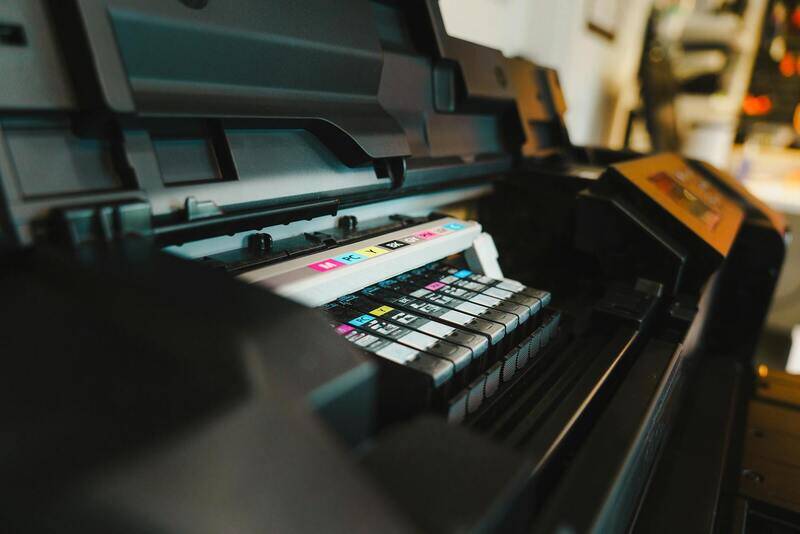
Before completing the final print job, extensive colour proofing is essential. Using inkjet or digital proofing systems that replicate the final print conditions helps evaluate colour fidelity at an early stage. These proofs should be compared against the approved colour standards under standardized lighting conditions, employing measurement devices to validate their accuracy. Any discrepancies identified can be addressed through adjustments in ink formulation, paper choice, or press calibration, ensuring the final product meets expectations.
Training and Staff Expertise in Colour Management
Educating staff on the intricacies of print colour management forms a crucial part of maintaining consistent quality. Ongoing training enables operators to interpret colour measurement data correctly, understand calibration procedures, and implement adjustments appropriately. Skilled personnel can better troubleshoot colour issues as they arise, minimizing waste and rework, and fostering a culture of precision and accountability in the printing process.

Monitoring and Continuous Improvement
Effective colour management is an ongoing process that requires regular monitoring and refinement. Establishing key performance indicators (KPIs) related to colour accuracy, along with routine audits and equipment calibration schedules, builds a foundation of consistency. Feedback loops involving client reviews and internal assessments help identify areas for improvement, ensuring that print colour standards evolve in line with technological advances and market demands.
