
Overview of Color Printing
Color printing has revolutionized the way visual content is presented across multiple industries, offering vibrant, high-quality images and designs that capture attention and effectively communicate messages. This process involves reproducing images or text in multiple colors, enabling more detailed and accurate representations compared to monochrome printing. Its significance lies in enhancing the aesthetic appeal of printed materials, increasing the clarity of visual information, and expanding creative possibilities across sectors such as advertising, packaging, publishing, and corporate branding.
Traditional black-and-white printing served as the foundation for printing technology, but the demand for colorful visuals led to the development of advanced color printing techniques. These techniques make it possible to precisely reproduce complex images, photographs, and graphics with a spectrum of colors, all while maintaining high resolution and consistency. The capability to produce detailed color gradations and realistic color schemes allows businesses and artists to achieve their creative goals effectively.
Color printing is indispensable in various applications, including marketing materials like brochures and posters, packaging designs that attract consumers, detailed photographic reproductions, and educational materials that rely on full-color visuals for better understanding. In the digital age, the demand for high-fidelity color reproduction continues to grow, pushing the evolution of printing technologies and materials used in the process.

Legitimate, high-quality color printing is essential for maintaining brand integrity and ensuring that visual content meets professional standards. Whether for small business promotional items or large-scale printing projects, choosing the appropriate color printing method is vital to achieve the desired outcome and durability of printed materials.
Types of Color Printing Technologies
Understanding the different methods of color printing is crucial for selecting the appropriate technique for specific projects. Each technology offers distinct advantages that align with varying production scales, design complexity, and quality requirements. Prominent among these are digital printing, offset printing, and flexography, each serving unique purposes within the industry.

Digital Color Printing
Digital printing has revolutionized color reproduction by allowing direct printing from digital files to various substrates. It is ideal for short runs, offering quick turnaround times and minimal setup costs. Digital color printers utilize advanced inkjet or laser technology, producing vibrant images with precise color accuracy. This method is highly versatile, catering to on-demand printing needs such as personalized marketing materials, custom packaging, and short-run banners. The ability to easily incorporate variable data makes digital printing particularly valuable for targeted campaigns.
Offset Color Printing
Offset printing remains a dominant technique for large-scale, high-quality color reproduction. This process involves transferring ink from a metal plate to a rubber blanket before onto the printing surface, ensuring consistent, sharp, and detailed images. Offset printers can handle a wide array of materials, including papers, plastics, and textiles, making them suitable for producing magazines, catalogs, and packaging with complex color schemes. The use of precise color management systems ensures color consistency across extensive print runs, aligning with the expectations of branding and quality standards.
Flexography
Primarily employed for packaging and label printing, flexography utilizes flexible relief plates and fast-drying inks to produce vibrant colors on diverse substrates like plastic, foil, and paper. It offers high-speed production, making it well-suited for food packaging, beverage labels, and other consumer product packaging where durability and color fidelity are essential. Flexographic printing's adaptability to different inks and materials provides a broad scope for designers aiming to create eye-catching packaging with consistent color application.
Choosing the Right Color Printing Method
Selection hinges on factors such as project scope, budget, desired quality, and timeline. For instance, small quantities or proofing jobs benefit from digital printing due to its flexibility and quick returns. Large-volume projects with consistent color requirements might be more cost-effective through offset printing. Meanwhile, packaging needs demanding specific textures or durable inks are best served by flexography. Engaging with experienced print providers enables a strategic approach to utilizing the suitable technology for each assignment, ensuring the final output aligns with branding standards and visual expectations.
Color Management in Printing
Effective color management is fundamental to achieving consistent and vibrant results across all printing projects. It involves implementing precise calibration protocols for printers, substrates, and digital devices, ensuring that the colors seen on the screen translate accurately to the printed material. This process is supported by the use of advanced color profiles, such as ICC profiles, which serve as standardized data sets that describe how colors should appear in different devices and media.
Maintaining strict calibration routines for printers ensures that color output remains predictable over time, reducing variability and waste. Regular calibration involves adjusting printer settings, ink levels, and monitor displays to match industry color standards, thereby minimizing discrepancies between proof and final print. This meticulous attention to color accuracy is especially critical for branding materials, where precise hue, opacity, and vibrancy directly influence brand perception.

Moreover, the use of color management software facilitates the creation of custom color profiles tailored to specific print jobs, substrates, and inks. This ensures that colors maintain their integrity regardless of the complexity or volume of the print run. For institutions that require high fidelity in their printed materials, such as corporate branding or artwork reproduction, investing in advanced color management workflows is crucial to uphold standards and meet client expectations.
Materials Used in Color Printing
The choice of materials plays a significant role in the final appearance and durability of printed outputs. Common substrates include paper, cardstock, vinyl, plastic, fabric, and foil, each offering distinct properties that influence color vibrancy and longevity. High-quality paper stocks with smooth surfaces facilitate precise ink deposition and vibrant color rendition, while textured or recycled papers may introduce variability that affects color clarity.
For applications requiring outdoor durability or resistance to fading, materials such as vinyl or synthetic substrates are preferred, often combined with UV-resistant inks. In packaging, specialized materials like laminated films or metallized foils not only enhance visual appeal but also protect printed colors against environmental factors. Selecting appropriate substrates aligned with the intended use and desired visual impact ensures that the printed material maintains its quality over time.

In addition to standard materials, there are eco-friendly options such as recycled paper and biodegradable plastics, which are increasingly integrated into color printing workflows. These environmentally conscious materials require specific inks and printing conditions to achieve optimal results, emphasizing the importance of working closely with experienced print providers to select materials that align with both aesthetic and sustainability goals.
Design Considerations for Color Printing
Creating visually compelling and technically accurate color designs demands careful planning. Designers must consider factors such as color harmony, contrast, and the limitations of the printing process. Use of a well-defined color palette, often based on Pantone or other standardized color systems, helps maintain consistency across different print runs and media.
Additionally, designers should account for the color gamut—the range of colors achievable by the chosen printing technology versus what appears on digital screens. Understanding how colors translate from digital to print helps prevent unexpected results, such as dull or oversaturated hues. Proper use of bleeds, margins, and resolution also affects how colors are rendered and ensures sharp, clean output.

By collaborating with print specialists early in the design phase, creators can adapt their artwork to the technical nuances of color printing, achieving the desired impact while maintaining efficiency and cost-effectiveness.
Materials Used in Color Printing
Choosing the appropriate substrate forms the foundation of high-quality color printing with enduring vibrancy and durability. Common materials include various types of paper such as coated, gloss, matte, and heavyweight options, each influencing how colors are rendered and preserved. Coated papers, for instance, have a smooth surface that enhances color sharpness and gloss, making them ideal for promotional materials, brochures, and high-end marketing collateral. Conversely, uncoated papers tend to produce softer, more muted tones, suitable for note pads or casual printing projects.
Vinyl and synthetic materials have gained popularity for their resilience and ability to withstand harsh environmental conditions. These substrates are extensively used for outdoor signage, banners, and vehicle wraps, where color retention against weathering is critical. The choice of material impacts not only the visual aspect but also the longevity of the print, especially when exposed to sunlight, moisture, or frequent handling.
Additionally, eco-friendly materials like biodegradable plastics and recycled papers are increasingly integrated into color printing processes. These options often require specialized inks and printing conditions but offer sustainable solutions without compromising color fidelity and durability.

Material selection should be guided by the specific requirements of the project, considering factors such as expected lifespan, environmental exposure, and the desired aesthetic outcome. Collaborating with experienced print professionals ensures optimal compatibility between materials and printing technology, ultimately achieving the intended color quality and durability.
Color Management in Printing
Maintaining consistent and accurate colors across different print runs and media remains a critical challenge in color printing. Effective color management involves a combination of color calibration, profiling, and standardization practices that align digital designs with printed outputs.
Color calibration starts with measuring the color output of printers and displays, then creating profiles that correct deviations. These profiles serve as reference points that guide equipment adjustments, ensuring the printer reproduces colors reliably. Standardized color systems like Pantone are frequently used to define specific shades, reducing variability and maintaining brand consistency.

Pre-press workflows involve converting digital files into formats that are optimized for the specific printing process, taking into account color profiles, resolution, and bleed requirements. Proofing services—both digital and physical—allow clients and printers to preview and approve color accuracy prior to full-scale production. This step helps avoid costly reprints and ensures the final output matches expectations.
Advances in color management software and hardware continue to improve the precision of color reproduction. For print service providers, investing in these technologies guarantees greater control over color fidelity, reducing discrepancies caused by equipment variation or environmental factors.
Materials Used in Color Printing
Choosing the appropriate materials is fundamental for achieving vibrant and durable color prints. The selection process considers factors such as the type of media, ink compatibility, and environmental conditions. High-quality paper and specialty substrates play a pivotal role in enhancing color richness, contrast, and longevity.
Standard printing papers, including coated and uncoated varieties, supply a smooth surface that facilitates precise color rendition. Coated papers, often used in high-end photo printing, have a gloss or matte finish designed to maximize color vibrancy and detail sharpness. Conversely, uncoated papers are preferred for materials where a natural feel is desired, though they can pose challenges in maintaining color brightness due to their absorbent nature.

Inks utilized in color printing are equally crucial. Pigment-based inks are favored for their superior longevity, resistance to fading, and color richness, making them ideal for archival prints and outdoor applications. Dye-based inks, on the other hand, provide a wider color gamut and more vivid hues but tend to fade faster, suitable for temporary displays or indoor uses.
Specialized inks are also available for specialized purposes. Metallic, neon, and pearlescent inks introduce unique visual effects, expanding creative possibilities but requiring compatible printers and media. Environmental considerations, such as eco-friendly inks formulated with fewer volatile organic compounds (VOCs), are increasingly influencing material choices in the industry.

Moreover, the compatibility between printing media and inks affects the overall quality of the output. Proper adhesion, absorption, and drying times need to be considered when selecting materials, especially in high-volume or specialized printing contexts. Manufacturers often offer media specifically engineered for certain types of inks and print processes to optimize results.
Considerations for Material Durability
For applications demanding longevity, such as outdoor signage or gallery displays, materials should be resistant to environmental factors like UV exposure, moisture, and abrasion. Laminating or coating printed materials can further safeguard colors and extend life expectancy. These additional layers provide UV protection, impact resistance, and a finished appearance that maintains color integrity over time.
In addition, advancements in printable textiles and flexible substrates have broadened the scope of color printing. These flexible media are used in fashion, interior décor, and branding, where durability and color accuracy must be balanced with flexibility and texture.

Understanding the intricacies of materials and their interactions with inks and print processes is essential for optimizing color printing outcomes. Selecting the right combination of media, inks, and protective coatings ensures vibrant, durable prints that meet the specific needs of each project, whether for commercial, promotional, or artistic purposes.
Understanding the Role of Color Management Systems
Establishing accurate color reproduction across various print jobs hinges on the effective implementation of color management systems (CMS). These systems serve as the backbone for achieving consistent colors, especially when multiple printing devices or different media are involved. CMS utilize calibrated color profiles and standardized workflows to control how colors are interpreted and rendered from digital files to physical prints.
By employing color profiles such as ICC profiles, printers can match colors precisely to the intended output, whether it’s a vibrant promotional poster or a subtle hue in a luxury packaging design. Proper calibration of hardware components—including monitors, printers, and even scanners—ensures that every stage of the printing process aligns with the desired color specifications.
In addition to hardware calibration, software solutions now play a crucial role in streamlining color workflow management. The utilization of advanced RIP (Raster Image Processor) software allows for precise color control during the prepress stage, minimizing discrepancies and waste. For high-volume printing operations, robust color management protocols significantly enhance productivity by reducing the need for costly reprints and adjustments.
Print Quality Control and Proofing
Quality control processes, including proofing techniques, further enhance confidence that the final output matches the design intent. Digital proofs simulate how colors will appear once printed, allowing operators to make adjustments before committing to large runs. Techniques such as soft proofing and hard proofing, which involve physical samples, serve as benchmarks for maintaining color fidelity.
Utilizing these methods ensures that each print aligns with client expectations, particularly in projects where precision is paramount. This approach minimizes revisions, prevents costly mistakes, and maintains a high standard of professionalism in color printing workflows.
Environmental Considerations and Sustainability
Modern color management practices also weigh the environmental impact of printing processes. By optimizing ink usage, reducing waste, and selecting eco-friendly materials, printers can achieve vibrant results while supporting sustainability initiatives. Closer attention to ink formulations and drying times optimizes energy consumption and material efficiency.
Furthermore, advances in digital workflows facilitate better monitoring and control of resource utilization, fostering responsible production practices. For instance, utilizing precise color calibration reduces the need for reprints, thus saving ink and paper. These environmentally conscious strategies align with industry trends focusing on sustainable growth without compromising output quality.
Techniques for Color Printing with Legitimate Methods
Advancing from the fundamental understanding of color printing technologies, it is essential to recognize the importance of employing proper, authorized techniques that ensure the highest standards of quality and consistency. These methods encompass a combination of precise printing processes, adherence to industry standards, and meticulous calibration to achieve vibrant, accurate colors across various mediums.
Utilizing Certified Printing Equipment
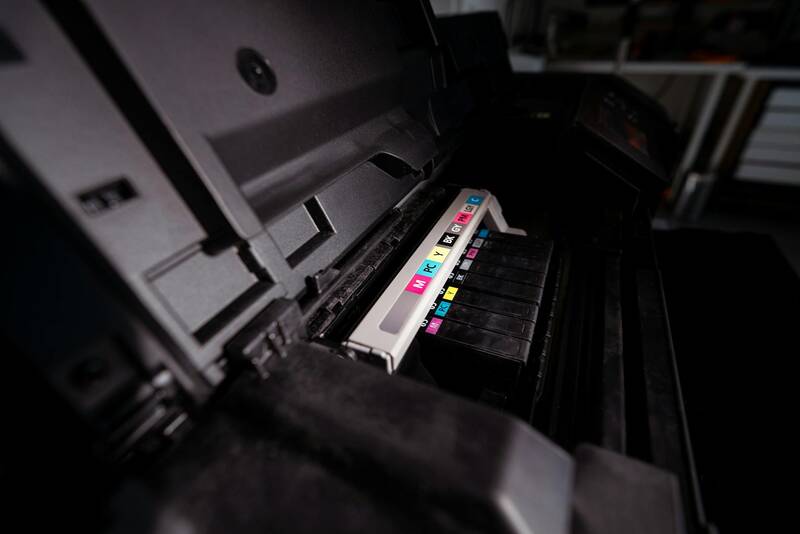
One of the cornerstones of legitimate color printing is the use of properly maintained, certified equipment. Professional-grade printers designed for high-color fidelity are calibrated regularly to match standardized color profiles. This calibration involves sophisticated software and hardware tools that adjust printing parameters, ensuring consistent color reproduction from one print job to another.
Adherence to Color Management Protocols
Implementing comprehensive color management workflows is critical to producing accurate and consistent results. This includes input calibration, which ensures digital files are prepared with correct color profiles; output calibration, where printers are fine-tuned to reproduce these profiles accurately; and proofing, which validates color output before large-scale production. This systematic approach helps maintain fidelity, especially in projects requiring precise color matching.
Employment of Certified Inks and Materials
Legitimate color printing relies on the use of certified inks, papers, and substrates approved for high-quality printing applications. These materials are selected based on their compatibility with the printer’s technology and their ability to produce consistent, vibrant colors without compromising durability. Many reputable providers source eco-friendly and non-toxic inks to align with sustainable practices, thus ensuring both regulatory compliance and high standards.
Quality Control and Final Inspection
Despite advanced technology, rigorous quality control remains essential. Printing companies conduct multiple inspection stages, including initial sample prints, color consistency checks, and end-product evaluations. By utilizing certified proofing methods—such as digital soft proofs and physical hard proofs—professionals verify color accuracy before committing to full production runs. This process minimizes errors, reduces wastage, and guarantees that all printed materials meet precise quality expectations.
Advantages of Authentic Color Printing Techniques
- Enhanced color accuracy, ensuring the final product aligns precisely with design specifications
- Increased repeatability, providing clients with consistent results across multiple print runs
- Reduced waste and rework, leading to cost savings and time efficiency
- Compatibility with sustainable practices through the use of eco-friendly inks and materials
- Better control over color reproduction, especially critical for branding, marketing, and high-specification projects
Employing these legitimate methods in color printing underscores a commitment to quality, professionalism, and customer satisfaction. It also ensures compliance with industry standards and best practices, fostering trust and reliability in every printed piece.
Advanced Techniques for Authentic Color Printing
Ensuring high-quality, vibrant color reproduction in printing processes relies heavily on the precise execution of established techniques. Professionals utilize advanced calibration tools and color profiling software to standardize the output from different printing presses, ensuring consistency across various batches. Color calibration involves adjusting the printer settings to match known color standards, such as those specified by the International Color Consortium (ICC). These adjustments mitigate discrepancies caused by variations in ink, paper, and environmental factors, guaranteeing that the final prints reflect the intended hues accurately.
Specialized color management systems are employed to create comprehensive color profiles that guide the printing process. These profiles translate digital color data into printer-specific instructions, ensuring that the output closely matches the original digital design. The process involves measuring the color output using spectrophotometers, which provide precise data for adjusting the printer's color reproduction capabilities.
Implementing standardized proofing methods before full production demonstrates an essential step in authentic color printing. Digital soft proofs allow designers and clients to view a close approximation of how colors will appear in the final print, facilitating adjustments prior to committing to large runs. Physical hard proofs, produced using the same printing settings intended for the final product, serve as tangible samples for approval. This combination of soft and hard proofing minimizes errors, enhances color fidelity, and reduces waste associated with reprints.
Color Reproduction and Material Influence
Underpinning quality color printing is the choice of suitable materials. The type of paper or substrate significantly influences how colors are rendered. Coated papers tend to produce sharper, more vibrant images due to their smooth surface, which allows ink to sit evenly. Uncoated papers, however, yield softer, more subdued tones suitable for certain artistic or marketing applications. Selecting the appropriate material involves assessing the desired color outcome and the nature of the project.
In addition to paper, other materials such as fabric, plastic, and metal are also used in specialized color printing applications. Each material requires specific inks and formulation adjustments to achieve optimal color accuracy and adhesion. For instance, textile printing often employs dye-based inks capable of deep saturation and colorfastness, whereas plastic printing might utilize solvent or UV-curable inks for durability and vibrant colors.
Ensuring Authenticity Through Quality Control
Rigorous quality control processes are integral to maintaining genuine color printing standards. These include multiple inspection stages, where printed samples undergo meticulous examination for color consistency, registration, and finishing quality. Laser-based inspection systems can detect deviations in color spectrum and registration faults instantly, allowing for immediate corrections. Regular maintenance of printing equipment and calibration ensures ongoing adherence to color standards throughout the print run.
Additionally, professionals cross-reference printed colors with digital designs using color measurement instruments. This step guarantees the accuracy of the hues against original design specifications and helps identify any color shifts caused by environmental or material changes. Such inspections uphold the integrity of the final product, especially critical for branding and high-stakes marketing materials.
Embracing Sustainable and Ethical Practices
Modern color printing emphasizes sustainability by adopting environmentally friendly inks and processes. Water-based, soy-based, or vegetable-oil inks reduce VOC emissions and environmental impact while maintaining color vibrancy. Moreover, sourcing recycled or FSC-certified substrates complements eco-conscious initiatives without compromising on color quality. These practices reinforce a commitment to responsible printing, aligning with evolving consumer expectations and regulatory requirements.
