
Overview of Booklet Printing in Singapore
Booklet printing has become an integral component of visual communication for both businesses and individuals in Singapore. This versatile printing service is widely employed for a range of purposes, including marketing collateral, event programs, corporate reports, educational materials, and personal projects. The popularity of booklet printing is driven by its ability to present information in an organized, compact, and visually appealing format, making it an ideal medium for storytelling, promotional campaigns, and informational handouts.
In the bustling city-state of Singapore, where competition for attention is intense, professionally printed booklets help organizations convey their messages effectively and establish a strong brand presence. For retail outlets, educational institutions, non-profit organizations, and creative professionals, high-quality booklet printing offers an excellent platform to showcase products, share knowledge, and communicate core values. The demand for customized, professionally finished booklets underscores the importance of choosing reliable printing options that meet specific quality standards and budget considerations.
Singapore's strategic position as a regional business hub makes it an attractive destination for printing services that cater to diverse needs. Whether for large-scale corporate publications or small-scale personal projects, local printing houses offer a variety of solutions tailored to different specifications. With advancements in digital and offset printing technologies, clients benefit from faster turnaround times, better customization options, and competitive pricing.
Additionally, booklet printing provides a tangible method of engagement, allowing recipients to interact with content through tactile mediums. This tangible aspect often results in better retention of information and a stronger connection with the audience. As a result, the services offered by Singapore-based print providers emphasize quality, consistency, and attention to detail, ensuring that each booklet aligns with the intended message and visual identity.

Overall, booklet printing in Singapore continues to thrive as a trusted and effective method for communicating ideas. Its adaptability, combined with advanced printing technologies and a robust supply chain of materials and finishing options, make it a preferred choice for those seeking to produce professional, compelling printed materials in the region.
Detailed Methods of Official Booklet Printing in Singapore
When exploring official and established avenues for booklet printing in Singapore, it is essential to focus on methods that guarantee quality, consistency, and adherence to industry standards. Recognized printing techniques include offset printing, digital printing, and flexography, each suited for different project scales and specifications.
Offset Printing: The Industry Standard
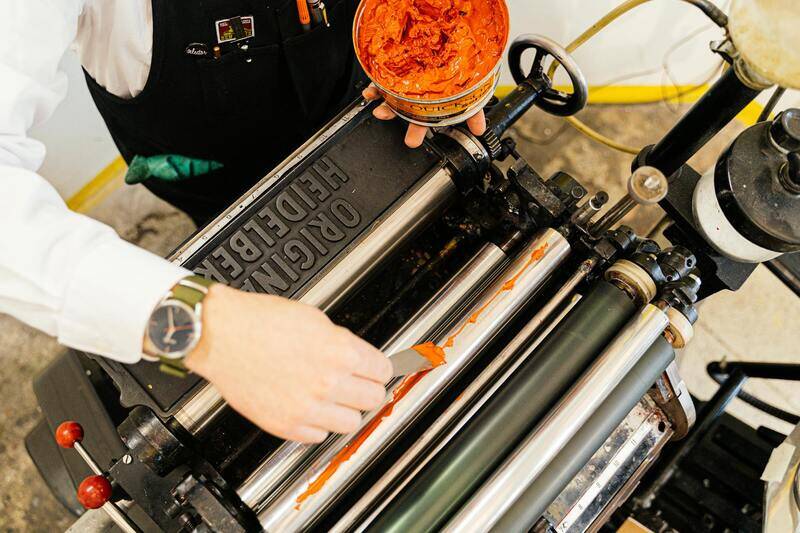
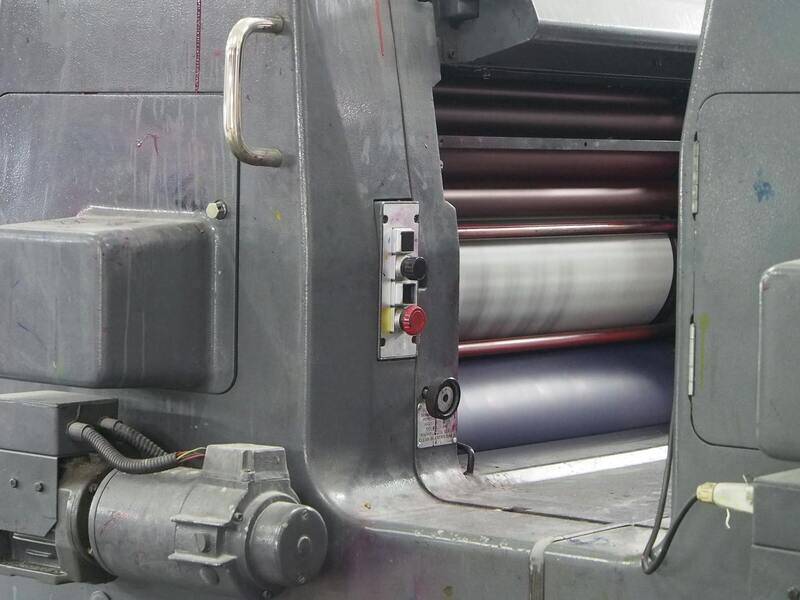
Offset lithography remains the most prevalent and reliable method for large-volume booklet production. This process involves transferring ink from a metal plate to a rubber blanket, then onto the printing surface. It ensures high-resolution images, consistent color reproduction, and cost efficiency for large runs. Offset printing is especially beneficial for projects requiring precise color matching and uniformity across multiple copies.

Digital Printing for Short Runs and Customization
For smaller quantities or projects demanding quick turnaround times, digital printing offers a highly flexible and efficient solution. Utilizing high-quality digital presses, this method enables on-demand production with minimal setup, allowing for easy customization, variable data printing, and faster delivery. Digital printing in Singapore is increasingly popular for its ability to deliver personalizations and targeted content without the need for costly plates or extensive setup.
Flexography for Specialized Materials
Flexographic printing, primarily used for unconventional substrates such as plastics and foils, can be employed for specialty booklet covers or inserts that require unique textures or finishes. This method is advantageous when integrating diverse materials into the overall booklet design, providing innovative options for branding and presentation.
Compliance with Industry Standards
Reputable printing providers in Singapore adhere strictly to industry best practices and standards, including ISO certifications and environmental policies. They utilize official color management protocols, quality assurance checks, and safety standards that ensure each booklet meets the expected high standards. Such commitment enhances the credibility of the printed materials and ensures they serve their intended purpose effectively.
Material Selection and Finishing Options
In addition to selecting official printing methods, choosing the appropriate materials and finishing options is crucial. Local printers offer a variety of paper stocks, coatings, and binding techniques that align with official standards. For example, heavy cardstock or coated papers might be used for durability, while matte or gloss lamination adds a professional touch. Finishing options such as embossing, foil stamping, and UV coating further elevate the booklet’s appearance, making it suitable for official presentations, corporate reports, or government publications.

Ensuring Consistency and Quality
To maintain consistency across large batches, official printers employ rigorous quality control procedures. These include color calibration, proofing processes, and periodic inspections during production. Clients often receive digital or printed proofs before the final run, ensuring that the finished product aligns with their specifications and branding requirements.
Document Preparation and File Submission
Precise file preparation is vital for producing professional booklets. Clients are encouraged to submit print-ready files following specific guidelines provided by reputable printers. These include proper bleed settings, embedded fonts, and correct color profiles. Utilizing official templates and adhering to specified formats minimizes errors and streamlines the production process, ensuring an efficient workflow from file submission to final output.
Materials and Paper Choices for Booklet Printing
Choosing the right materials and paper types is essential to producing a durable and visually appealing booklet that meets official standards in Singapore. The selection of paper impacts not only the aesthetic quality but also the longevity and professional feel of the final product. High-quality paper stocks such as premium coated, uncoated, or specialty papers are commonly used for official documents, corporate reports, and promotional booklets.
In Singapore, printers offer a wide array of paper weights ranging from lightweight options of around 70gsm suitable for general handouts, to heavier stocks of 150gsm or more for cover pages and front sections that require added strength. Coated papers, available in gloss, matte, or satin finishes, enhance image reproduction and color vibrancy, making visuals and text stand out convincingly. Uncoated papers provide a more subdued, professional look suitable for minimalist designs or documents intended for formal review.
Finishing techniques further define the final product's tactile and visual appeal. Options such as soft-touch matte coatings, high-gloss lamination, or textured finishes can add a layer of sophistication to the booklet’s appearance. For official purposes, coatings that provide moisture resistance and enhance durability are recommended, especially for items expected to endure handling or long-term storage.
Specialty papers, including recycled or environmentally certified stocks, are also becoming popular among organizations committed to sustainability. These options provide eco-friendly alternatives without compromising on quality. Variations in the paper’s weight and texture should be carefully aligned with the booklet’s intended use, whether it’s for high-end corporate presentations, training materials, or informational brochures.

For official publications, the choice of paper and finish not only ensures compliance with formal standards but also enhances the credibility and perceived value of the document. Consulting with experienced local printers allows organizations to select the appropriate materials that balance quality with budget considerations, ensuring the final product aligns with their branding and presentation goals.
Materials and Paper Choices for Booklet Printing in Singapore
Choosing the appropriate materials and paper stock plays a vital role in the overall quality and durability of booklet printing. Each project’s purpose, targeted audience, and desired aesthetic influence the selection process. In Singapore, a variety of high-quality, reliable paper options are available to meet diverse needs, from corporate reports to marketing brochures.
Standard paper types used for official booklet printing include matte, gloss, and silk finishes, each offering distinct visual and tactile qualities. Matte paper is favored for its subdued, professional look and ease of readability, minimizing glare and reflections. It is particularly suitable for lengthy documents, reports, and manuals, where clarity and a refined appearance are priorities.
Glossy paper, on the other hand, provides enhanced vibrancy and sharpness to images and graphics, making it ideal for booklets emphasizing visual impact, such as portfolios, promotional materials, or product catalogs. Silk finishes offer a midway balance, combining the qualities of both matte and gloss options, with a smooth, elegant surface that enhances colors without excessive shine.
Beyond surface finishes, weight and thickness of the paper contribute significantly to the booklet's feel and durability. Heavier papers, usually ranging from 120gsm to 170gsm, lend a substantial, high-quality feel to official documents, projecting professionalism and robustness. Lighter papers, around 80gsm to 100gsm, are more cost-effective and suitable for materials that require frequent handling or larger quantities.
Eco-conscious organizations in Singapore often opt for environmentally certified papers, such as FSC or recycled stock, which align with sustainable practices without sacrificing quality. These options are particularly relevant for government agencies, educational institutions, and corporations aiming to demonstrate corporate responsibility.
Additionally, specialty papers like textured or embossed finishes can add tactile interest and a premium touch to official publications. These materials are often used for cover pages or key divider pages, enhancing the overall perception of quality and attention to detail.
Factors to Consider When Selecting Materials
- Purpose and Usage: Formal reports may favor matte or uncoated papers for ease of reading and a professional appearance, while promotional booklets may benefit from gloss or silk finishes for vibrant visuals.
- Durability Needs: Physical handling, storage conditions, and lifespan influence the choice of heavier or coated papers that resist wear and moisture.
- Printing Methods Compatibility: Ensure selected materials are compatible with the printing technology used, whether digital or offset, to prevent issues like smudging or misalignment.
- Environmental Impact: Preference for recycled, FSC-certified, or environmentally friendly papers reflects corporate sustainability commitments.
- Budget Constraints: Balancing quality with cost involves choosing the appropriate paper weight, finish, and quantity to meet financial goals without compromising professionalism.
Professional printers in Singapore provide expert guidance in selecting the most suitable materials based on these considerations. Consulting with experienced print providers ensures the final product adheres to standards of excellence and aligns with organizational branding efforts.
Quality Control and Final Proofing in Booklet Printing
Ensuring that the final booklet meets all specified standards involves a meticulous process of quality control and final proofing. Before the printing run begins, a preliminary proof is typically produced for review. This proof acts as a tangible sample that allows clients and printers to verify layout accuracy, color fidelity, and overall design integrity. By examining the proof in detail, potential issues such as misalignment, incorrect color reproduction, or typographical errors can be identified and corrected before the full run starts.
During production, rigorous quality checks are essential at various stages. These include verifying color consistency across different batches, ensuring binding and folding are precise, and confirming that the paper quality remains uniform. An experienced printer will utilize advanced inspection tools and trained personnel to detect defects such as scuff marks, misprinted areas, or paper jams. In addition, calibration of printers ensures that color tones and sharpness are consistently maintained throughout the print run.
Final inspection involves reviewing the completed booklets for any imprinting or binding issues. It’s advisable to perform a visual and tactile evaluation to confirm quality standards are met. Employing a systematic approach to quality control prevents issues from reaching the client or end users, ensuring the finished product is professional, durable, and visually appealing.

Involving clients in the final approval process can further ensure satisfaction. Many print service providers in Singapore offer sample consultations and physical proofs for review. This collaborative approach helps align expectations and guarantees that the completed booklets will fulfill the intended purpose, whether for marketing, corporate, or informational use.
Materials and Paper Choices for Booklet Printing
Selecting the appropriate materials and paper stock is fundamental to achieving a professional and durable booklet. In Singapore, variety is abundant, from standard to premium options, each suited to different project needs and budgets. The choice of paper influences not only the aesthetic appeal but also the tactile experience and longevity of the final product.
At the most basic level, paper weights typically range from 70gsm to 170gsm for booklet covers, with the heavier stock providing a sturdy, premium feel. For internal pages, lighter weights such as 80gsm or 90gsm are common, offering smooth printability and easy handling. For more luxurious finishes, textured papers like linen or matte coated stocks are widely available, imparting a sophisticated look suitable for corporate brochures or high-end marketing materials.

Environmental considerations are increasingly influencing material choices. Recycled papers and eco-friendly stocks are popular options among businesses committed to sustainability. These materials can be indistinguishable in quality but allow organizations to demonstrate their environmental responsibility.
Furthermore, special finishes such as UV coating, gloss, or matte lamination can be applied to enhance durability and visual impact. UV coating, for example, offers a high-gloss finish that makes colors pop and resist moisture, ideal for covers and promotional materials. Matte lamination provides a softer, non-reflective surface that reduces glare and fingerprints, perfect for readability and a more understated appearance.
Custom options, such as vellum or translucent papers, are also available for inventive designs that require transparency or unique visual textures. It’s essential to work closely with a printing specialist to select the right combination of materials that align with the intended message, lifespan, and aesthetic of the booklet.
Design Considerations for Booklets
Converting a creative concept into an effective printed booklet involves meticulous design planning. Attention to layout, typography, and image placement can significantly influence the final product’s impact and readability. Working with professional designers or printing specialists familiar with Singapore’s printing capabilities ensures that the design translates well physically.
- Page Layout: Consistent margins, balanced whitespace, and logical flow guide the reader effortlessly through the content.
- Typography: Choosing appropriate fonts and sizes improves readability and complements the overall aesthetic.
- Color Schemes: Utilizing CMYK color profiles optimized for the printing process guarantees accurate color reproduction and consistency across batches.
- Image Quality: High-resolution images (300dpi or higher) prevent pixelation and ensure sharpness in the final print.
Templates and mockups can help visualize the final design, enabling adjustments to layout and color schemes before the actual printing takes place. Incorporating bleed areas and safe zones is critical for ensuring that no vital content is trimmed or misplaced during trimming and binding.
Understanding the Printing Process and Delivery Times for Booklet Printing in Singapore
When planning a booklet printing project, it is crucial to understand how the printing process unfolds and the expected turnaround times to ensure deadlines are met without compromising quality. The process begins with pre-press preparations, which include confirming the final design, preparing print files according to the specifications, and ensuring all elements are correctly formatted for the chosen printing method. Subsequently, the printing phase involves actual production, where high-quality presses reproduce the digital layout onto selected paper stock.
In Singapore, most professional printing services utilize digital or offset printing technologies depending on the order volume and complexity. Offset printing, favored for large quantities, offers superior color fidelity and consistency, while digital printing provides faster turnaround for smaller batches and short lead times. Once printing is complete, finishing touches such as folding, binding, trimming, and embossing are carried out to finalize the product.
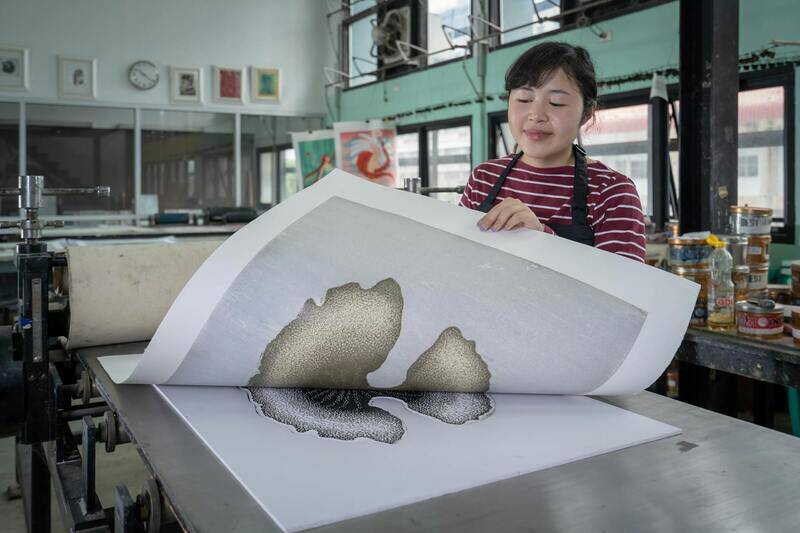
Standard turnaround times for booklet printing in Singapore range from 3 to 7 business days, though expedited options may be available for urgent projects. It is advisable to confirm these timelines with the chosen printer, especially during peak periods or for complex finishing options, which may require additional processing time. For large or customized orders, a detailed production schedule can help manage expectations and avoid surprises.
Effective communication with the printing service provider is essential throughout the process. Providing clear instructions, approved proofs, and timely feedback ensures the final product aligns with your expectations. Many printers also offer online proofing services, allowing clients to review digital mockups before full-scale production begins. This step helps identify potential issues early, saving time and avoiding costly reprints.
Delivery of printed booklets in Singapore is typically handled through secure courier services or directly from the printing facility if located nearby. Delivery times depend on the distance, chosen courier, and the volume of order. For projects with strict deadlines, some printers offer same-day or next-day delivery options, particularly for smaller quantities or smaller geographic zones within Singapore. It is essential to verify these details when finalizing your service agreement to ensure that your project is completed and received on schedule.
Quality Assurance and Inspection Procedures
To guarantee a quality end product, most printing companies in Singapore implement rigorous inspection procedures before dispatching the finished booklets. This includes checking print alignment, color accuracy, binding quality, and overall finish. Some providers may offer sample copies for client approval prior to mass production, which can be critical for maintaining high standards and avoiding mishaps.
Understanding the detailed steps in the printing and delivery pipeline helps to plan effectively. When engaging with a reputable printer, inquire about their quality control measures, lead times for each stage, and contingency plans for unforeseen delays. By maintaining open communication and setting realistic expectations, clients can ensure their booklet printing project progresses smoothly and is delivered on time, meeting the desired specifications.
Ensuring Effective Distribution and Distribution Strategies for Booklets in Singapore
Once the printing process is complete, the focus shifts to efficient and strategic distribution methods that maximize the visibility and impact of your booklets. Effective distribution ensures that your intended audience receives your message clearly and promptly, contributing to your overall communication goals.
Methods of Distribution
- Direct Mail Campaigns: Sending booklets via postal services or courier directly to targeted recipients. This method allows for precise demographic targeting, ensuring your materials reach relevant audiences such as clients, event attendees, or members of a specific community.
- Event Distribution: Handing out booklets during conferences, seminars, or trade shows. This approach capitalizes on face-to-face interactions and allows immediate engagement with your content.
- In-Store and In-Office Placement: Placing booklets in strategic locations within retail or office environments enhances visibility among your audience during their routine activities.
- Partnered Distribution: Collaborating with local businesses or organizations to distribute your booklets can extend your reach. This can include placement in partner stores, community centers, or other high-traffic venues.
- Digital Complementation: While primarily a print medium, supplementing booklets with digital versions via QR codes or web links can broaden accessibility and provide an interactive element to your distribution strategy.
Packaging and Presentation
Proper packaging enhances the professional appearance of your booklets and safeguards them during transit. Consider using custom envelopes or mailing boxes that reflect your brand identity. Maintaining a clean, organized presentation not only protects the printed materials but also leaves a positive impression on recipients.

Tracking and Feedback
- Monitoring Distribution: Implement tracking mechanisms such as unique QR codes, URL redirects, or personalized references to gauge reach and engagement levels.
- Gathering Feedback: Encourage recipients to provide feedback on the booklet’s content and presentation. This can be achieved through surveys or direct communication channels. Feedback helps refine future printing projects and distribution tactics.
Compliance with Local Regulations
Adhering to Singapore’s signage, advertising, and distribution guidelines ensures your efforts are compliant with local standards. Be mindful of restrictions related to flyer and pamphlet distribution in certain areas or during specific times, as well as privacy considerations when handling recipient data.
Maximizing the Impact of Your Booklet Investment
Strategic distribution aligns with your overall marketing goals and ensures your booklet printing investment delivers measurable results. Combining targeted outreach, professional presentation, and responsive feedback mechanisms creates a cohesive approach that amplifies your message and fosters stronger engagement with your audience.
