
Understanding Booklet Printing and Its Requirements
Booklet printing plays a pivotal role in various industries, serving as an effective medium for marketing, informational dissemination, and branding. When embarking on a booklet printing project, it’s essential to comprehend the fundamental aspects involved to ensure the final product aligns with your goals and expectations. This process encompasses selecting appropriate formats, sizes, paper qualities, binding options, and finishing touches, all of which influence both the visual appeal and functional durability of the booklet.
Common types of booklets include brochures, catalogs, programs, and instruction manuals. Each type serves a specific purpose and thus requires tailored specifications. For instance, a marketing brochure might prioritize vibrant color printing and glossy paper to attract attention, whereas an instructional manual may focus on durability and readability with thicker paper stock.
Choosing the right size is also crucial. Standard booklet sizes such as A4, A5, or custom dimensions depend on content volume and distribution needs. Considerations should include how the booklet will be handled, stored, or displayed to ensure practicality and user-friendly design.

Paper quality further impacts the overall look and feel of your booklet. Options range from glossy, matte, to uncoated papers, each with unique textures and finishes suitable for different purposes. Higher-grade paper may cost more but can significantly enhance the perceived value of your printed material.
Binding methods are another critical consideration. Common choices include saddle stitching, perfect binding, spiral binding, or comb binding. The selection depends on the booklet’s size, the number of pages, and how users will interact with the finished product. For example, saddle-stitching is suitable for booklets with fewer pages, offering a clean and professional appearance, while perfect binding is often preferred for thicker publications.
To define project specifications accurately, it’s important to consider these elements collectively. Clear understanding of the intended use, target audience, and budget constraints will guide the appropriate choices in format, size, paper quality, and binding style. This foundational knowledge enables more precise communication with printing service providers and facilitates obtaining relevant and competitive quotes for your booklet printing needs.
How to Prepare for a Booklet Printing Quote
Securing an accurate and competitive booklet printing quote requires careful preparation of your project specifications. First, determine the exact dimensions and layout of your booklet, including the number of pages and whether there are any special formatting or design elements involved. Precise measurements help printing providers identify the appropriate paper stock and binding method, which are essential factors influencing the final cost.
Next, select the type of paper finish that aligns with your visual and tactile expectations. Glossy papers tend to enhance vibrant colors and are suitable for image-heavy content, while matte or uncoated options offer a more subdued look, often preferred for text-focused materials. Clarify your preferred paper weight as well, since heavier papers typically incur higher costs but contribute to a more premium feel.
Decide on the binding style in advance, such as saddle stitching for thinner booklets or perfect binding for thicker publications. The binding choice significantly impacts production time and expenses. Additionally, specify the number of copies needed, as bulk orders usually benefit from volume discounts. This detail allows the printing service to determine economies of scale and provide an optimal quote.
Providing a clear, high-resolution digital file of your design ensures that the print job matches your expectations. If your content involves bleed margins or specific color requirements (like Pantone colors), include this information explicitly. Accurate digital files and detailed instructions reduce the likelihood of misprints or additional costs for revisions.

Communicate any special finishing touches you desire, such as lamination, embossing, or foil stamping. These enhancements can elevate your booklet's appearance but may increase costs and processing time. Clarifying these details at the outset allows printers to factor them into their pricing estimates.
Finally, gather samples of previous print projects or reference images if you have specific quality standards. This helps the printing provider understand your expectations even better, ensuring the quote aligns with the scope and quality you require. When all these aspects are well-prepared and documented, it becomes easier to obtain detailed, accurate quotes from reputable printing companies, streamlining your project planning and budgeting processes.
Importance of Clear Communication of Your Project Details
When requesting a booklet printing quote, providing comprehensive and precise information is essential to receive an accurate estimate. Clear communication includes detailing the exact size and dimensions of the booklet, such as A4, A5, or custom formats, as different sizes influence both material costs and printing procedures. Additionally, specify the number of pages, whether the content is single-sided or double-sided, and the number of copies you intend to produce. These factors directly impact the overall production costs and lead times.
Moreover, the design quality and file preparation play a critical role. Ensure your digital files are in high-resolution format, typically 300 dpi or higher, with files properly formatted to include bleed areas if necessary. Files should be finalized and free of errors to prevent additional charges for revisions or reprints. If using specific color schemes, such as Pantone colors, include this information explicitly to ensure color accuracy in the final print.

Clarify any special finishing options you desire, including lamination, matte or glossy coating, embossing, or foil stamping. These enhancements can considerably elevate the quality of your booklet but tend to add to the overall expense. By specifying these details upfront, you enable the printer to incorporate these features into the preliminary quote.
Gathering Supporting Material and References
Including samples of previous printing projects or reference images can significantly assist the printing provider in understanding your quality expectations. When possible, share images that showcase the color fidelity, paper texture, or binding style you prefer. This helps prevent misinterpretations and ensures that the final output aligns with your plan.
It is advisable to keep a record of all project specifications and correspondence during the quoting process. Documentation streamlines communication, reduces misunderstandings, and creates a clear basis for evaluating multiple quotes. This meticulous approach ensures that the pricing you receive reflects the scope, quality, and complexity of your booklet printing project.
Understanding Booklet Printing and Its Requirements
Booklet printing involves producing professional, multi-page printed materials that are often used for marketing, educational, or informational purposes. The process requires careful planning to ensure that the finished product meets specific quality standards and project expectations. Essential considerations include paper selection, binding methods, print finishes, and design specifications. Each of these factors impacts not only the visual appeal and durability of the booklet but also the overall cost and lead time.
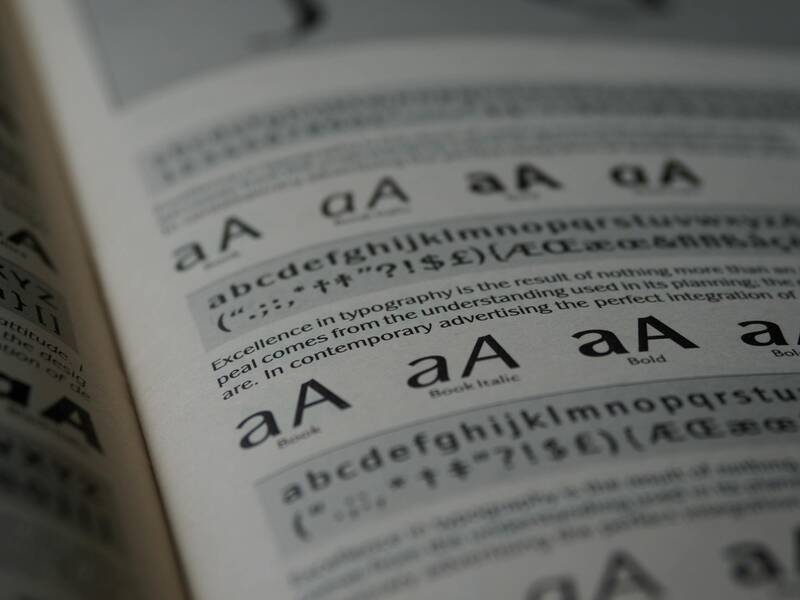
For successful booklet production, clear communication of your requirements with the printing provider is vital. This includes providing print-ready files that are properly formatted, color-accurate, and correctly aligned. Additionally, understanding the printing process helps in anticipating potential challenges and ensuring that the final product aligns with your vision.
Key Factors Influencing Booklet Printing Quotes
A variety of elements influence the pricing of booklet printing projects. These include the size and format of the booklet, page count, paper quality, and the complexity of binding techniques. Custom finishes, such as matte or gloss coatings, embossing, foil stamping, or lamination, can also significantly impact costs. Moreover, the quantity of copies ordered plays a crucial role, with larger runs generally benefiting from discounts due to economies of scale.
Other considerations include the turnaround time, which may influence pricing, as expedited delivery often incurs additional charges. The choice of color versus black-and-white printing also affects costs, with full-color pages being more expensive than monochrome options. Understanding how each factor contributes to the final quote allows you to make informed decisions that balance quality and budget.
How to Prepare for a Booklet Printing Quote
Preparing for a booklet printing quote begins with assembling comprehensive project details. This includes finalizing your design files, ensuring they are formatted correctly, and verifying that all images and text are high resolution. Include specifications for paper type, thickness, and finish to provide a clear picture of your desired outcome.
- Determine the final size and page count of your booklet.
- Specify binding preferences, such as saddle-stitching, perfect binding, or wire-O binding.
- Include detailed information about color schemes, referencing Pantone matching if necessary.
- Outline any special finishing options such as lamination, embossing, or foil accents.
- Gather samples or references that illustrate your preferred quality and style.
- Ensure your files are free from errors, with correct bleed margins, crop marks, and color profiles.
- Request detailed quotations that itemize costs for different options to facilitate comparison.
Having these details ready not only expedites receiving accurate quotes but also helps prevent unexpected expenses during production. Clear documentation supports effective communication and allows multiple vendors to provide comparable estimations, making it easier to evaluate and select the best option for your project.
Additional Costs and Considerations
When procuring a booklet printing quote, it is essential to account for potential additional costs that may influence the overall expense of your project. These costs can include specialized finishing options, custom die-cutting, expedited production, and shipping fees. Clarifying these elements upfront with your printing service provider ensures comprehensive budgeting and avoids unexpected expenses later.
Some vendors might charge extra for finishing treatments such as matte or gloss lamination, UV coating, or embossing, which enhance the tactile quality and visual appeal of your booklet. If your project requires unique binding methods beyond standard options—such as wire-o binding or saddle-stitching—these can also influence pricing. Moreover, if you need rapid turnover, expect premium charges for expedited processing and delivery.
Shipping costs are another factor that should be discussed during the quoting process. Depending on the volume, destination, and urgency, these costs can vary significantly. Clearing these details early helps in maintaining transparency and accurate project budgeting.

To avoid misunderstandings, request that your vendor itemize these additional service charges within the quotation. This transparency allows you to compare options more effectively and select a provider that offers the best value for your specific needs.
Factors That Affect Turnaround Time
The timeline for completing a booklet printing project hinges on several key variables. Understanding these factors can help you set realistic expectations and coordinate your schedule accordingly.
- Project Complexity: Intricately designed booklets with numerous custom finishes or unique binding requirements tend to take longer to produce. Similarly, projects that require multiple revisions or approval stages may extend timelines.
- Quantity: Larger orders involve more extensive printing runs, which can affect production duration, especially if the print shop has a high volume of ongoing jobs.
- Material Availability: Certain paper types or specialty materials might need to be sourced or custom ordered, adding to lead time.
- Vendor Capacity: The workload and capacity of your chosen printing partner influence how quickly they can commence and complete your project.
- Post-Printing Processes: Finishing touches such as lamination, embossing, or foil accents often require additional processing time, thus impacting the overall schedule.
Effective communication about your desired timeline and early planning can help ensure your project aligns with key deadlines. Establishing clear milestones and providing prompt feedback throughout the process are vital steps toward a successful and timely completion.
Understanding Booklet Printing and Its Requirements
Booklet printing involves the production of informational or promotional booklets that serve various marketing, educational, or organizational purposes. The process requires meticulous planning, from selecting paper stocks and finishes to deciding on binding styles and print runs. A clear understanding of these fundamental elements ensures that the final product aligns with your objectives and budget. When requesting a booklet printing quote, it is essential to provide comprehensive details regarding specifications, such as the number of pages, dimensions, paper quality, and any additional finishing touches. Precision in these details enables printing providers to deliver accurate cost estimates tailored to your project's scope.

Key Factors Influencing Booklet Printing Quotes
Several variables can significantly impact the cost of booklet printing. Recognizing these factors allows for better budgeting and negotiation. Key considerations include:
- Page Count: The total number of pages directly influences material and printing costs. More pages mean higher expenses, especially if high-quality paper or special finishes are involved.
- Print Quantity: Larger orders typically benefit from volume discounts, reducing the per-unit cost. However, very small runs might incur higher unit prices due to setup fees.
- Paper Quality and Finishes: Premium paper stocks or specialty finishes like gloss, matte, or textured surfaces add to the overall costs. Embellishments such as embossing or foil stamping also increase expenses.
- Binding Type: Options like saddle stitching, perfect binding, or spiral binding vary in cost based on complexity and durability.
- Design Complexity: Intricate layouts, custom graphics, or unique folding patterns can extend production time and increase costs.
How to Prepare for a Booklet Printing Quote
Preparation is crucial for obtaining accurate and competitive booklet printing estimates. Several steps can streamline the process:
- Gather Detailed Specifications: Clearly define your project’s dimensions, page count, paper choice, and any special finishes or binding styles.
- Determine Quantity: Estimate your desired print volume, keeping in mind potential future needs. Larger quantities can often be negotiated for better pricing.
- Prepare a Design Files: Ensure files are print-ready, with proper bleed, margins, and resolution, to avoid costly revisions or delays.
- Set a Budget and Timeline: Establish your financial limits and schedule to communicate clearly with potential vendors.
- Request Multiple Quotes: Reach out to several printing companies to compare pricing, services, and delivery options.
Pricing Structures and Cost Breakdown
Understanding how prices are formulated provides insight into the actual costs involved in booklet printing. Typical components in a quotation include:
- Setup Fees: Charges for preparing the printing press and creating plates or digital files.
- Per-Page Printing Costs: Variable costs depending on page count, ink coverage, and color usage.
- Material Costs: Expenses for paper, coatings, and any specialty finishes.
- Binding and Finishing: Costs for binding methods, cutting, folding, lamination, and other finishing processes.
- Delivery and Handling: Shipping fees and potential customs or handling charges.

Requesting and Comparing Quotes Effectively
To maximize value, it is important to approach the quote process systematically. Consider the following strategies:
- Provide Complete Details: Share all specifications, including design files, preferred materials, quantities, and deadlines, to receive comprehensive estimates.
- Ask for Itemized Quotes: Request detailed cost breakdowns to identify potential areas for savings or adjustments.
- Evaluate Turnaround Times: Confirm production schedules align with your project timeline, especially for urgent orders.
- Assess Service Quality: Consider the printing shop’s reputation, quality assurance procedures, and customer support in your decision-making process.
- Negotiate Terms: Don’t hesitate to discuss discounts for larger volumes or repeat orders, and ensure all costs and terms are clearly documented before finalizing agreements.
Factors That Affect Turnaround Time
Optimizing the timeline for booklet printing requires an understanding of the various elements that can influence production speed. Different projects come with unique demands, which can significantly impact the duration from initial order placement to delivery completion.
Project Complexity
The intricacy of the booklet’s design and specifications directly affects the production timeline. Booklets with elaborate designs, specialized finishes, or intricate binding methods necessitate additional preparation and quality checks, thereby extending turnaround times. For instance, incorporating foiling, embossing, or varnishes involves more detailed processes that require careful execution to meet quality standards.
Order Volume
While small print runs can often be completed swiftly, larger quantities may take more time due to the need for multiple printing presses or longer setup times. Conversely, high-volume orders might benefit from economies of scale, but the increased volume can demand more extensive scheduling, especially during peak production periods.
Supplier Capacity and Scheduling
The current workload and operational capacity of your chosen printing provider play a crucial role. If the printer is handling multiple projects simultaneously or facing equipment maintenance, lead times may lengthen. Early communication and booking can help ensure your project is prioritized and scheduled efficiently.
Material Availability
The availability of specific materials, such as premium paper or specialty finishes, can also impact turnaround time. Shortages or delays in procurement can cause unforeseen hold-ups, so confirming material stock early on helps mitigate potential delays.
Approval and Revisions
Time spent on client approvals and revisions can considerably extend overall scheduling. Providing clear, detailed feedback promptly ensures that the project remains on track. Delays in approval can bottleneck the entire process, emphasizing the importance of thorough review at the initial stages.

Strategies to Minimize Turnaround Time
- Providing comprehensive and precise specifications from the outset.
- Choosing a printing partner with high capacity and good project management practices.
- Obtaining early approval of prototypes or proofs to avoid last-minute changes.
- Opting for standard finishes and materials when feasible to reduce complexity.
- Scheduling print runs during off-peak periods to ensure faster processing.
Understanding these influencing factors allows for better planning and management of expectations, ensuring that your booklet printing project aligns with your timeline requirements without compromising quality.
Factors That Affect Turnaround Time
Timely completion of booklet printing projects depends on multiple factors that influence the overall turnaround time. Recognizing these factors allows clients to plan effectively and communicate clearly with printing vendors to avoid delays.
Material Availability
The availability of specific materials, such as premium papers or specialized finishes, plays a crucial role in production schedules. Limited stock or supply chain disruptions can cause unexpected hold-ups, emphasizing the importance of consulting with your printer about stock levels and lead times for your chosen materials well in advance. Securing materials early helps mitigate potential delays, especially when working with custom or niche finishes.
Design Complexity and Proofing
Intricate designs or detailed artwork may require additional setup time, precision, and quality checks, all of which can extend the production cycle. The process of proofing—reviewing proofs for accuracy, color fidelity, and layout correctness—is vital. Multiple rounds of revisions or delayed client approvals can significantly impact the production schedule. Providing clear, detailed instructions during the initial stages minimizes back-and-forth and streamlines the process.
Approval and Feedback Delays
Timely client feedback is essential for staying on schedule. Delays in reviewing proofs or requesting alterations can cause bottlenecks, especially if approvals are only given at the last minute. Establishing an early review timeline and maintaining open communication channels with your vendor can help ensure that approvals are completed promptly, keeping the project on track.
Production Capacity and Equipment Schedules
The capacity of the printing facility and their current workload influence how quickly your project can be completed. High-demand periods, such as peak seasons or specific holidays, may result in longer waiting times. Confirming availability and scheduling your print run early during these periods can help secure your preferred timeline.
Type of Finishes and Bindings
Specialty finishes like embossing, UV coating, or foil stamping require additional steps and labor, increasing production time. Similarly, complex binding styles such as saddle-stitching or perfect binding may necessitate more precise equipment setups. When tight schedules are a concern, opting for standard finishes and bindings can facilitate faster turnaround?

Understanding these key factors provides a foundation for effective project management. Early planning, precise specifications, and proactive communication with your printing partner are vital in achieving the desired timeline without compromising on quality. This approach not only minimizes delays but also ensures that the final product meets your expectations and project goals efficiently.
