
Understanding Printing Shop Banners
Printing shop banners are versatile visual communication tools widely used for branding, advertising, event promotion, and public information dissemination. These large-format prints are designed to attract attention and convey messages effectively from a distance, making them essential assets for businesses, organizations, and individuals looking to maximize visibility in various settings. Whether displayed at trade shows, storefronts, concerts, or community events, banners serve as impactful mediums for showcasing products, services, or campaign messages.
In essence, printing shop banners are custom-produced printed materials that can be tailored to fit a variety of specific needs. They are often crafted to be durable, weather-resistant, and visually striking, allowing them to withstand outdoor environments or remain pristine within indoor venues. The primary goal of a banner is to capture the attention of passersby quickly and communicate essential information clearly and convincingly.
Common uses for printing shop banners include:
- Advertising sales, discounts, or special promotions in retail stores
- Creating brand awareness through storefront banners
- Displaying event details at conventions, festivals, or exhibitions
- Promoting new product launches or services
- Providing directional or informational signage in large venues
The significance of banners in the marketing mix cannot be overstated. They serve as immediate visual cues that can influence consumer perception, reinforce branding efforts, and generate interest or foot traffic. Given the competitive landscape of Singapore's market environment, professional-quality banners crafted by experienced printing shops can greatly enhance marketing effectiveness and help achieve business objectives.
Design Considerations for Effective Banners
When creating printing shop banners, strategic design choices are essential to maximize visual impact and convey messages clearly. Effective banners integrate several key visual elements, including compelling imagery, bold typography, and a clear call-to-action (CTA). The visual hierarchy guides the viewer’s eye naturally across the banner, emphasizing the most important information such as promotional offers or event details.
Color selection plays a pivotal role in attracting attention. Utilizing contrasting colors enhances readability and ensures that the message stands out even from a distance. For instance, combining bright hues with neutral backgrounds can create a striking visual composition without overwhelming the viewer.
Typography should be legible from afar. Sans-serif fonts are typically preferred for outdoor banners due to their clarity and modern appearance. The font size must be proportional to the viewing distance; larger text draws focus to headlines or key messages, while smaller supporting information can be placed nearby.
Incorporating branding elements, such as logos and consistent color schemes, reinforces brand recognition and consistency across marketing channels. Additionally, minimal clutter enhances message delivery; banners should avoid overcrowding with excessive text or graphics, which can diminish effectiveness and reduce readability.
Materials and Printing Technologies
The choice of materials directly influences the durability, appearance, and suitability of banners for specific environments. Vinyl remains a popular choice owing to its weather resistance and versatility, making it ideal for outdoor advertising. Mesh banners, featuring tiny holes, allow wind to pass through, lowering the risk of damage in windy outdoor settings. Fabric banners, often printed on polyester or nylon, offer a premium look and are frequently used for indoor displays or special events.
Advancements in printing technology ensure high-resolution output with vibrant color reproduction. UV printing, for example, provides fade-resistant images that withstand prolonged exposure to sunlight, while solvent and eco-solvent printers produce durable graphics with excellent color fidelity. Latex printing offers flexibility and environmentally-conscious choices, often used for large-scale banners requiring vibrant finishes.

Size, Dimensions, and Layout Tips
The dimensions of banners should be carefully considered to ensure visibility and impact. Standard sizes range from small, such as 2 feet by 4 feet, ideal for indoor use, to large-scale formats exceeding 10 feet in width for outdoor displays. The layout must balance text and imagery, allowing each element to breathe while maintaining a cohesive appearance.
Avoid overly cluttered designs by applying the 'less is more' principle. Strategic placement of critical information at the center or top of the banner ensures it captures immediate attention. Margins and spacing are crucial; leaving sufficient whitespace prevents a congested look and enhances overall readability.
When designing for large formats, remember that viewing distance affects how details are perceived. Larger fonts and high-resolution images become essential for outdoor banners viewed from afar, while indoor banners can incorporate finer details due to closer proximity.
Cost Estimation and Budgeting
Pricing for printing banners varies depending on factors such as size, material, complexity of design, and finishing options like grommets or hemmed edges. Smaller banners on standard vinyl or fabric tend to be more budget-friendly, whereas large-format or specialty materials incur higher costs.
Understanding the budgetary implications allows businesses to plan effectively. Opting for simpler designs or standard sizes can reduce expenses, while detailed graphics or unusual dimensions may increase production costs. Many printing shops offer tiered pricing packages, allowing clients to select options that balance quality with affordability.

Production and Turnaround Time
Most printing shops in Singapore offer rapid turnaround times, often completing standard banner projects within 24 to 48 hours. Complex designs or large quantities may require additional time for production, especially if proofs or revisions are involved.
To ensure timely delivery, it is advisable to provide clear specifications upfront, including preferred materials, sizes, and design files. Working with a reputable printing shop that maintains efficient workflows and offers expedited services can help meet urgent marketing timelines or event schedules.
Choosing the Right Printing Shop in Singapore
Picking a reliable printing partner involves evaluating factors such as portfolios, customer reviews, and the variety of services offered. A well-established shop with experience in producing banners for diverse industries can deliver superior results aligned with specific branding needs.
It is important to consider the shop’s technical capabilities, including advanced printing technologies that ensure high-resolution output, as well as their proficiency in finishing options like grommet placement, hemming, or lamination. Proper consultation and transparent communication about project requirements further enhance the quality and durability of the final product.

Materials and Printing Technologies
When selecting a printing shop banner, understanding the materials and printing technology used is essential for achieving the desired durability, appearance, and functionality. High-quality banners typically utilize materials such as vinyl, mesh, fabric, or polymer-based substrates, each offering unique advantages depending on the intended application. Vinyl banners are known for their durability and weather resistance, making them ideal for outdoor use. Mesh banners permit airflow, reducing wind load stress, which is beneficial for large format outdoor displays. Fabric banners, often made from polyester or other textiles, provide a premium look suited for indoor settings and professional events.
Regarding printing technologies, digital printing remains the most prevalent method due to its versatility and high resolution. UV printing is increasingly favored for its ability to produce vibrant imagery with enhanced longevity and resistance to fading. Latex printing offers eco-friendliness along with flexibility, allowing for detailed designs with a wide color gamut. Screen printing is preferred for large quantities of simple designs due to its cost efficiency at scale. Advanced printing methods like solvent and eco-solvent printing also contribute to producing banners with superior durability, especially for outdoor exposure.

Every printing shop in Singapore should provide detailed options based on project requirements, ensuring the banner's performance aligns with the environment it will be displayed in. Additionally, finishing options, such as saddle-stitching, hemmed edges, grommet placement, or lamination, can significantly enhance the banner's lifespan and visual appeal. Consulting with experienced technicians helps identify the most suitable combination of material and printing technology, maximizing impact and value for your marketing investment.
Size, Dimensions, and Layout Tips
Proper sizing and layout are critical aspects of an effective printing shop banner. Standard sizes often include 2ft x 4ft for small displays, 4ft x 8ft for medium-sized banners, and larger formats like 10ft x 20ft or more for prominent outdoor advertising. Custom dimensions are also available to suit specific locations and visibility requirements. When planning the size, consider the viewing distance; larger banners are ideal for areas with high foot traffic, ensuring that key messages remain legible from afar.
Layout considerations should prioritize the clarity of information and visual hierarchy. Use bold, easily readable fonts and limit the number of design elements to avoid clutter. Incorporate high-resolution images aligned with the banner's dimensions to maintain sharpness. Adequate margins and spacing prevent important content from being cut off during finishing. In addition, the strategic placement of branding elements, such as logos or contact information, ensures they are easily recognizable and memorable.
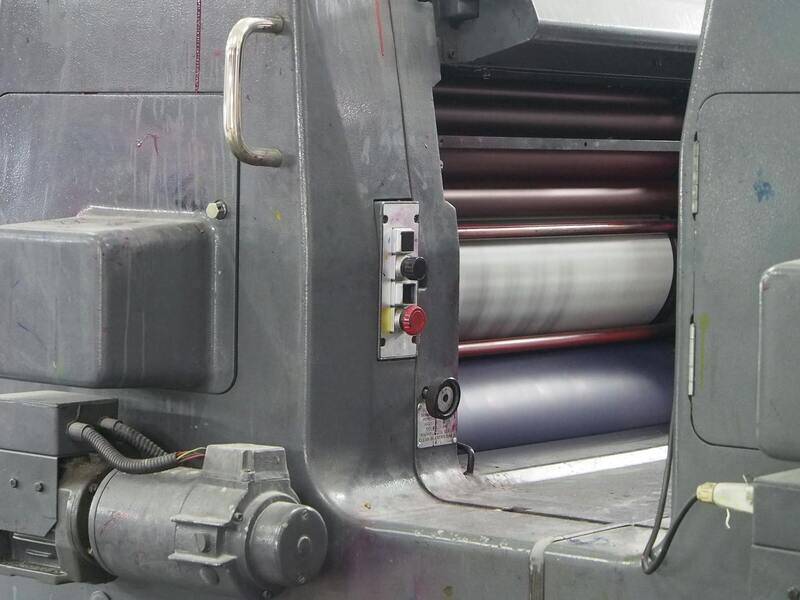
Leveraging layout templates tailored for various purposes—such as promotional events, directional signage, or corporate branding—can streamline the design process and promote consistency. It is advisable to work closely with the printing shop's design team or consult professional graphic designers to optimize banner dimensions and layout for maximum impact and durability.
Understanding Printing Shop Banners
Printing shop banners serve as a versatile and impactful medium for advertising, event promotion, and informational displays. They are essential tools for businesses and organizations aiming to attract attention and communicate messages effectively in various settings, whether indoors or outdoors. Recognizing the different factors involved in producing high-quality banners helps ensure that the final product meets specific needs and standards. When engaging with a printing shop, it is crucial to understand the comprehensive process involved from design to finished product, ensuring seamless coordination and desired outcomes.

The Critical Role of Material Selection
The choice of material significantly influences a banner's appearance, durability, and suitability for its intended environment. Common materials include vinyl, fabric, mesh, and polyester, each offering unique advantages. Vinyl stands out for its durability and weather resistance, making it ideal for outdoor campaigns. Fabric banners provide a premium look and feel, often used for indoor displays and events. Mesh banners are designed for high wind areas, allowing airflow while maintaining visual impact. Polyester banners offer a lightweight option suitable for short-term use or indoor applications. Consulting with professionals ensures selecting the best material that aligns with the banner's purpose, placement, and longevity expectations.
Advancements in Printing Technologies
Modern printing methods, such as digital and wide-format printing, have revolutionized banner production. Digital printing allows for vibrant, high-resolution images and intricate designs, providing precise reproduction with quick turnaround times. Wide-format printers enable the printing of extremely large banners without compromising image quality, ideal for billboards, event backdrops, and large displays. These advanced technologies support custom sizes, complex graphics, and multiple material options, ensuring banners are visually compelling and durable under various conditions. Working with printers equipped with state-of-the-art technology guarantees that the final product reflects high standards of clarity and vibrancy, essential for catching attention in competitive environments.
Image Placeholder

Ensuring Precision and Consistency
Precision in color management and print alignment is vital for achieving the desired visual impact. Professional printing shops utilize calibrated equipment and color profiling tools to ensure color accuracy that matches client specifications. Consistent printing quality across multiple banners maintains brand integrity and visual cohesion during campaigns. Pre-press checks, test prints, and proofs are standard practices to identify and correct potential issues before large-scale production begins. Collaborating with experienced technicians and utilizing the latest technology ensures that the banners produced are flawless, vibrant, and ready to withstand the rigors of outdoor or indoor environments.
Size, Dimensions, and Layout Tips
When designing a printing shop banner, selecting the appropriate size and layout is crucial for maximizing visibility and impact. The banner's dimensions should be tailored to the intended viewing environment, whether it’s for outdoor advertising, event promotion, or indoor displays. Typically, outdoor banners range from 3 feet by 6 feet for smaller needs, to 10 feet by 20 feet or larger for maximum visibility in high-traffic areas. It is essential to consider the distance from which the banner will be viewed; larger fonts and bold visuals are recommended for viewers from afar, while more detailed images can be incorporated for closer viewing distances.
Proper layout design involves balancing text, imagery, and whitespace to create a coherent message that catches attention swiftly. Use a clear hierarchy by placing the most critical information, such as the company name or event date, prominently at the top or center. Incorporate large, legible fonts and contrasting colors to enhance readability, especially in outdoor settings where lighting conditions vary. Aligning visual elements with a grid system helps maintain symmetry and professional appearance, ensuring each component complements the overall composition.
Margins and safe zones are also vital to prevent important details from being cut off during printing or installation. Typically, maintaining a margin of at least 2-3 inches from the edges ensures that no essential content is lost. Moreover, considering the possibility of wind or weather exposure, it’s advisable to incorporate bleed margins—additional image areas extending beyond the final cut—to allow for trimming fluctuations and to preserve the design integrity.

Working closely with a printing professional during the layout phase can help optimize these elements for the best results. Experienced printers can provide insights into design adjustments, material considerations, and installation recommendations that align with your campaign goals. This collaborative approach ensures that the final product not only meets visual expectations but also performs effectively in its designated environment.
Ensuring Proper Installation and Maintenance of Your Printing Shop Banner
After investing in a professionally printed banner, the next critical step involves its proper installation to maximize visibility and durability. Correct installation methods help in maintaining the banner’s structural integrity and visual appeal, especially under varying weather conditions. When mounting banners for outdoor use, use sturdy fixtures such as metal grommets, hooks, or adjustable ties that can withstand wind and rain. For permanent installations, consider using specialized brackets or frames designed for outdoor signage to prevent sagging or damage over time.
It’s also essential to select an appropriate location that aligns with your target audience. Position banners in high-traffic areas, eye-level spots, or locations with adequate lighting to ensure maximum exposure. Ensure the surface is clean, flat, and free of debris before installation, as dirt or irregularities can compromise adhesion or cause uneven hanging.

Routine Maintenance to Extend Banner Lifespan
Maintaining your printed banner can significantly prolong its lifespan and keep it looking vibrant. Regularly inspect the banner for signs of wear such as fading, tearing, or detachment. During routine checks, clean the surface with mild soap and water to remove dirt or grime, avoiding harsh chemicals that might degrade the material or printed ink.
For outdoor banners exposed to the elements, consider additional protective measures such as UV-resistant coatings or anti-fade treatments. When adverse weather conditions are forecasted, temporary removal or additional reinforcement can prevent damage. Ensure that the banner is securely fastened to prevent it from becoming a safety hazard or suffering damage during strong winds.
Replacing or Updating Your Banner
Over time, updating your banner might become necessary to reflect new offers, branding updates, or event details. When replacing a banner, ensure precise measurements to avoid excessive space or awkward overlaps. If possible, keep the existing installation hardware or structures to simplify the process, saving time and cost.
Considering the temporary nature of many banners, plan for easy removal and storage of materials. Carefully roll or fold the banner to prevent creases or tears, and store it in a dry, protected environment. This approach allows for reuse, reducing ongoing costs and contributing to environmentally sustainable practices.
Utilizing Professional Services for Banner Maintenance
Partnering with knowledgeable printing professionals for installation and maintenance can ensure your banners remain effective over time. They can provide tailored advice on suitable materials, mounting techniques, and preservation methods that match your banner’s specific environment and purpose. Additionally, professionals can conduct periodic evaluations and repairs, ensuring your outdoor or long-term banners always project a professional image and achieve your communication objectives.
Understanding Printing Shop Banners
Printing shop banners serve as versatile tools for conveying promotional messages, branding, and event information with high visibility and impact. Their effectiveness hinges on the strategic use of design, material quality, and placement. An expertly crafted banner not only attracts attention but also communicates your message clearly to your target audience. When selecting a printing service, it is essential to evaluate their capability to produce durable, high-resolution banners that suit your needs, whether for indoor exhibitions or outdoor advertisements. Reliable printing shops employ advanced printing technologies and quality materials to ensure vibrant colors, sharp imagery, and longevity under various environmental conditions.

Types of Banners Offered by Printing Shops
- Polyester Fabric Banners: Known for their lightweight, wrinkle-resistant features, ideal for indoor events and displays.
- Vinyl Banners: The most common choice for outdoor advertising due to their durability and weather resistance.
- Mesh Banners: Suitable for windy outdoor locations, as the material allows wind passage, reducing stress on mounting points.
- Foam Boards and Canvas: Used for indoor exhibitions, point-of-purchase displays, and artistic presentations.
- Backlit and Illuminated Banners: Designed for nighttime visibility, often used in storefronts and entertainment venues.
Design Considerations for Effective Banners
An impactful banner requires thoughtful design choices. Prioritize bold and legible typography, contrasting colors for visibility, and minimal text to quickly communicate your message. Incorporate high-resolution images and logos aligned with your branding guidelines. It is crucial to simulate how the design will appear from a distance, ensuring key elements are easily recognizable. Use design templates or consult with printing professionals for layout optimization, considering the banner's size and viewing environment. Remember that simplicity and clarity can significantly increase the effectiveness of your banner in capturing attention and conveying your message succinctly.
Materials and Printing Technologies
Modern printing shops utilize advanced techniques such as UV printing, solvent, eco-solvent, and latex printing, each offering distinct benefits. UV printing provides vibrant colors and excellent durability, suitable for both indoor and outdoor banners. Eco-solvent inks are environmentally friendly, producing water-resistant and fade-resistant prints. Latex printing offers flexibility and high-definition images, ideal for versatile applications. The choice of material—vinyl, fabric, mesh—depends on environmental exposure, lifespan requirements, and budget constraints. Combining the right material with cutting-edge printing technology ensures a professional finish and longevity of your banner across various conditions.
Size, Dimensions, and Layout Tips
Accurate size measurements are fundamental in creating banners that fit installation areas seamlessly. Common sizes range from small posters to giant billboards, with standard dimensions such as 2x4 feet, 3x6 feet, and larger formats for prominent displays. When determining dimensions, consider the viewing distance; larger sizes are suitable for distant visibility, while smaller banners work well in confined spaces. Layout design should prioritize visual hierarchy, with the most critical messages positioned centrally or at eye level. Leave ample margins and avoid clutter by limiting the number of elements, ensuring each component stands out clearly. Properly scaled text and images prevent distortion, maintaining professional aesthetics.
Cost Estimation and Budgeting
Pricing for printing shop banners varies based on size, material, and complexity of design. Typically, larger banners with premium materials and elaborate designs incur higher costs. Bulk orders often benefit from discounts, and additional services such as laminations or reinforced edges can influence the final price. To effectively budget, request detailed quotations from multiple reputable printers, ensuring transparency regarding costs for design, printing, and optional add-ons. Prioritize quality and durability to maximize your investment, as a well-made banner can serve multiple campaigns and withstand environmental stresses over time. Establishing a clear budget aligned with your campaign goals can streamline the process and facilitate the selection of the most suitable printing options.
Ensuring Proper Maintenance and Care for Your Printed Banners
Investing in high-quality printing shop banners is crucial for your marketing success; however, maintaining their visual appeal over time is equally important to ensure ongoing effectiveness. Proper care extends the lifespan of your banners, keeps their colors vibrant, and maintains readability, even after prolonged exposure to various environmental conditions.
Cleaning and Handling
Regular cleaning prevents the buildup of dirt, dust, and smudges that can detract from a banner's visual impact. Use a soft, damp cloth to gently wipe the surface, avoiding abrasive materials that could scratch or damage the print. When handling the banner, always hold it by the edges to minimize contact with printed surfaces, reducing the risk of fingerprints, creases, or tears.
Storage Recommendations
Proper storage is vital when banners are not in use. Roll the banner carefully along its natural fold lines, avoiding sharp bends or creases that may cause cracking or weakening of the material. Store in a cool, dry place away from direct sunlight, extreme temperatures, or humidity to prevent fading, warping, or mold growth. Use protective sleeves or tubes for long-term storage, ensuring the banner remains in pristine condition for future campaigns.
Environmental Considerations
Exposure to environmental elements significantly impacts the durability of outdoor banners. Ensure your banner is printed on weather-resistant materials, such as vinyl or polyester, which can withstand rain, wind, and sunlight. For outdoor displays, consider applying protective coatings or laminations that add a layer of shielding against UV rays, moisture, and abrasions. Regular inspection for signs of wear, such as fading or tearing, allows for timely repairs or replacement, preserving your branding image effectively.

Repair and Reuse
Minor damages like small tears or scratches can often be repaired with appropriate patching or reinforcing tapes. It is wise to consult with your printing service provider for professional repair options that do not compromise the visual quality or structural integrity of the banner. Reusing banners after repairs can be a cost-effective approach, especially for recurring events or marketing campaigns, provided the damage is manageable and the overall appearance remains professional.
Upgrading and Recycling
As technology advances, consider upgrading older banners to modern materials or prints that offer better durability and visual effects. Recycling old banners responsibly reduces environmental impact. Some printing shops participate in eco-friendly disposal or repurposing programs, turning discarded banners into other useful items or materials, aligning with sustainable business practices.
Choosing the Right Supplier for Maintenance Assistance
Partnering with your printing shop for maintenance advice and repair services ensures optimal care for your banners. Reputable providers offer consultation on suitable cleaning agents, repair techniques, and storage solutions, helping you maximize your investment. Always opt for suppliers with extensive experience and positive customer feedback in banner handling and maintenance, providing confidence that your signage remains impactful over time.
