
Overview of Banner Printing
Banner printing stands as a vital component of effective advertising strategies, serving a wide range of promotional and informational purposes across various industries. Banners are versatile, visually impactful tools that capture audience attention in both indoor and outdoor settings. Whether used for marketing campaigns, event promotions, or brand visibility, choosing the appropriate banner printing method is crucial to achieve high-quality results and ensure durability under different environmental conditions.
In the realm of advertising, the importance of banner printing lies in its ability to deliver clear, eye-catching messages in a large-format format. The effectiveness of a banner hinges not only on the design but also on the printing technique and materials employed. Utilising the right combination ensures that banners are vibrant, crisp, and resilient, thus maximizing promotional impact and return on investment.

Understanding different banner printing methods and the materials used is essential for businesses and organizations aiming to elevate their visibility. Legitimacy and professionalism in the printing process help to guarantee durability, color fidelity, and overall presentation that aligns with the brand image. The selection process should consider factors such as location, audience, and duration of display to ensure the banner serves its intended purpose effectively.
Materials Used in Banner Printing
Choosing the right materials is fundamental to producing banners that meet specific functional, aesthetic, and environmental requirements. The materials selected influence the banner's durability, visual clarity, and overall cost. For outdoor applications, weather-resistant fabrics and coatings are necessary to withstand elements such as rain, wind, and UV exposure. Indoor banners, on the other hand, can utilize lighter, more cost-effective substrates that still offer crisp image reproduction.
Vinyl remains the most popular material for banner printing due to its robustness and adaptability. It is available in various thicknesses and finishes, including gloss, matte, or semi-gloss, allowing for tailored visual effects. Fabric banners, often made from polyester or nylon, offer a premium look and are particularly suited for trade shows, exhibitions, or interior decor. Mesh banners, featuring perforations, are ideal for windy outdoor locations, as they allow wind to pass through, reducing stress on the mounting points.
Eco-friendly materials are increasingly popular among organizations committed to sustainable practices. These include biodegradable substrates made from recycled or renewable resources, which provide an environmentally conscious alternative without compromising on quality. Such options are well-suited for short-term campaigns or events where eco-awareness is a priority.
Key Factors in Material Selection
- Weather Resistance: For outdoor banners, select materials with waterproof coatings and UV resistance.
- Durability: Thicker substrates tend to last longer, especially in harsh environments.
- Print Compatibility: Ensure the material’s surface allows for high-quality ink adhesion and vibrant color reproduction.
- Ease of Installation: Lightweight materials facilitate easier mounting and handling.
Each project demands a careful assessment of these factors to optimize the banner’s performance and lifespan. Consulting with professional printing services can help identify the most suitable material options tailored to specific promotional needs and display locations, guaranteeing professional results and effective campaigns.
Materials Used in Banner Printing
Choosing the right material for banner printing is essential to achieve optimal visual impact and longevity, especially considering environmental conditions and display duration. Commonly employed materials include vinyl, polyester, mesh, and eco-friendly substrates, each offering specific advantages tailored to diverse promotional needs.
Vinyl remains the most popular choice for outdoor banners due to its excellent durability, weather resistance, and ability to produce vibrant, high-resolution prints. Its waterproof coating ensures protection against rain and UV exposure, making it suitable for long-term outdoor advertising campaigns. Heavier vinyl substrates provide added robustness, but they also require more careful handling during installation.
Polyester fabric banners, often made from polyester or nylon, provide a different aesthetic, offering a premium and textured look that is highly appealing for indoor settings such as trade shows or retail displays. These fabrics are lightweight, easy to handle, and can be tensioned to achieve a sleek, professional appearance. Moreover, textile banners tend to minimize glare, enhancing visibility for viewers across various angles.
Mesh banners are particularly suitable for outdoor environments exposed to wind. Their perforated design allows wind to pass through, reducing stress on banners mounted in open spaces like sports venues or construction sites. Despite their lighter weight, mesh banners can produce clear, vibrant images that withstand outdoor elements.
Eco-friendly or biodegradable materials made from recycled or renewable resources are gaining popularity among organizations committed to sustainability. These substrates often feature waterproof coatings and UV resistance, providing an environmentally conscious alternative without sacrificing quality. They are ideal for short-term campaigns or events emphasizing eco-awareness, as they combine eco-friendliness with durability.
Key Considerations for Material Selection
- Weather Resistance: For outdoor displays, materials should be waterproof and resistant to UV fading.
- Durability: Thicker substrates tend to endure harsher environmental conditions, extending the lifespan of the banner.
- Print Compatibility: Surface texture and material composition should facilitate high-quality ink adhesion for vivid colors and sharp images.
- Ease of Installation: Lightweight materials enable simpler mounting and handling, especially for large banners.
Considerations for Material Longevity
Effective material selection hinges on the specific needs of the display environment and campaign duration. Consulting with experienced printing professionals can help determine the most appropriate options, ensuring that banners maintain their visual effectiveness over time while withstanding environmental challenges.
Overview of Banner Printing
Banner printing has become a vital component of modern marketing and promotional strategies, offering versatile solutions for businesses, organizations, and event organizers. Through precise craftsmanship and advanced printing technologies, banners serve as impactful visual tools that can convey branding messages, advertise products, or announce upcoming events. The process involves translating a design concept into a large-scale visual display, ensuring clarity and vibrancy that capture attention from afar. Whether for indoor exhibitions, outdoor campaigns, or storefront displays, banner printing combines visual appeal with durability, making it a preferred choice across diverse industries.

Types of Banners and Their Applications
Understanding the different types of banners available is crucial for selecting the right solution for specific purposes. Each banner type offers unique features tailored to particular environments and display durations. Fabric banners are lightweight and easy to transport, ideal for indoor exhibitions or retail displays. Vinyl banners, renowned for their sturdiness, are suitable for outdoor advertising and long-term use. Mesh banners, engineered with small holes, are perfect for large installations in windy conditions as they allow airflow and reduce wind resistance. Retractable banners offer portability and quick setup, making them suitable for trade shows and temporary promotions. Recognizing these options ensures that businesses can deploy banners effectively to maximize visibility and engagement.
Materials Used in Banner Printing
The foundation of a successful banner lies in selecting the appropriate material. Commonly used substrates include PVC vinyl, fabric, mesh, and eco-friendly alternatives. PVC vinyl offers durability, weather resistance, and vibrant print quality, making it the material of choice for outdoor applications. Fabric banners, often made from polyester or cotton blends, provide a sophisticated appearance suitable for indoor environments, trade show booths, and upscale events. Mesh materials, featuring tiny woven holes, balance visibility and breathability, ideal for windy outdoor settings. Eco-friendly options—such as biodegradable or recycled materials—are increasingly popular among organizations aiming to reduce their environmental impact. These materials often include waterproof coatings and UV inhibitors, enhancing longevity while maintaining ecological responsibility.
Effective material choice hinges on several factors:
- Weather Resistance: Ensuring materials withstand rain, sunlight, and wind.
- Durability: Selecting substrates that can endure installation and environmental stresses.
- Print Compatibility: Making sure the surface allows for high-resolution, vivid images.
- Ease of Handling: Considering weight and flexibility for ease of installation.
Consultation with experienced printing professionals is recommended to assess specific needs and to optimize materials for longevity and visual impact. Proper material selection not only enhances the visual appeal of banners but also ensures that they serve their purpose over the desired timeframe without deterioration.
Effective Banner Printing Techniques for Durable and Vivid Results
High-Resolution Digital Printing
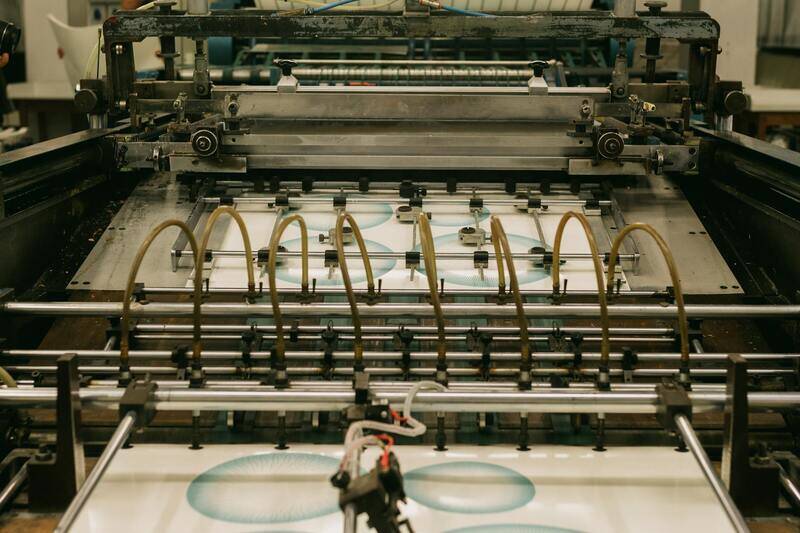
Digital printing remains the most prevalent method for producing vibrant, detailed banners with quick turnaround times. Utilizing large-format inkjet printers capable of printing directly onto various substrates, this technique offers high-resolution images and sharp text, ensuring that brand messages and visual elements are compelling and clear. The technology employs advanced ink delivery systems that produce vivid colors, precise gradients, and intricate graphics, essential for capturing attention in busy environments. Digital printing is especially suited for short to medium runs, custom designs, and projects requiring frequent updates or personalization.
Solvent and Eco-Solvent Printing
This printing method utilizes solvent-based inks that offer excellent adhesion and durability on a variety of outdoor-friendly materials, including vinyl and mesh fabrics. Solvent printing provides weather-resistant and fade-resistant outputs, making it ideal for long-term outdoor displays where exposure to elements is inevitable. Eco-solvent printers produce lower emissions and are more environmentally conscious, aligning with sustainable practices. These prints boast high color vibrancy and flexibility, which prevent cracking or peeling even when banners are subjected to outdoor stressors, including wind, rain, and UV exposure.
Screen Printing
While traditionally associated with fabric and apparel, screen printing also applies to large-format banners, especially when mass production of identical designs is required. This technique involves creating a stencil (screen) for each color in the design. Ink is pressed through the screen onto the banner material, resulting in durable, opaque colors with excellent coverage and consistency. Screen printing yields cost-effective results for bulk orders, making it suitable for promotional banners, event signage, or branding at large-scale events. However, it requires a longer setup time compared to digital methods, which is an important consideration for time-sensitive projects.
Latex and UV Printing
Latex printing employs water-based inks that are flexible, environmentally friendly, and suitable for a broad spectrum of materials. It offers excellent color consistency, vibrant images, and soft finishes, contributing to a sophisticated appearance. UV printing, on the other hand, uses ultraviolet light to instantly cure inks upon contact with the substrate. This results in highly durable banners with crisp details, resistant to scratching, chemicals, and weathering. UV printing is particularly advantageous for banners in high-traffic indoor or outdoor scenarios, where longevity and visual quality are priorities.

Understanding the Official and Reliable Methods for Banner Printing
Utilizing Industry-Standard Methods for Banner Production
When investing in banner printing, selecting reputable and tested techniques ensures that the final product meets both aesthetic and durability expectations. Employing established processes such as digital printing, screen printing, and UV printing not only guarantees high-quality visuals but also aligns with best practices in the industry. These methods rely on precision equipment and certified materials, which contribute to consistency, color accuracy, and weather resistance—a necessity for banners exposed to varying environmental conditions.
Digital Printing
Digital printing stands out as one of the most efficient and versatile techniques for producing banners with complex, vibrant images. It involves creating print data directly from a computer, allowing for quick turnaround times and easy customization with no need for extensive setup. This method is ideal for short runs or projects requiring detailed photographic imagery. The ink used in digital printing capabilities adheres well to various substrates, ensuring sharp details and bright colors, which remain resistant to fading over time. Furthermore, digital printing equipment is calibrated to prevent color inconsistencies, providing a professional finish suitable for corporate branding, promotional campaigns, and event signage.
Screen Printing
Screen printing continues to be a reliable choice for large quantities of banners with uniform designs. It employs stencils, or screens, to apply ink onto the material through mesh panels. This technique produces bold, opaque colors with excellent coverage, making it ideal for logos, solid backgrounds, and simple graphics. Screen printing's high ink volume enhances durability, especially for outdoor banners exposed to weather elements. Despite longer setup times, its cost-effectiveness for bulk orders and the ability to produce consistent outputs make it favored by many professional printing providers.
UV Printing

UV printing involves applying ultraviolet light to instantly cure inks upon contact with the substrate. This immediate curing creates a hard, durable surface resistant to scratching, chemicals, and weathering. Its precision enables the reproduction of intricate designs with high clarity, making it perfect for detailed artwork, textured effects, and vibrant color reproduction. The robustness of UV-printed banners ensures they maintain visual appeal over extended periods, reducing maintenance and replacement costs, especially in high-traffic outdoor environments.
Ensuring the Use of Certified Materials and Techniques
To uphold standards of quality, it is essential to work with suppliers who utilize licensed inks, certified substrates, and properly calibrated machinery. Use of environmentally compliant inks, such as those based on water or UV curing, enhances safety for the environment and end users. Materials selected for banner printing should adhere to industry norms for durability, UV resistance, and flexibility, ensuring the banner retains its visual impact and structural integrity despite exposure to outdoor conditions.
Engaging with seasoned professionals who follow strict manufacturing protocols helps ensure the longevity of the banner, safeguarding your investment and bolstering your brand image. Always verify the credentials of the printing service provider and request samples or proof of their adherence to recognized standards. This due diligence guarantees that the banner produced is compliant with industry norms, offering peace of mind and a lasting impression for your marketing efforts.
Detailed Methods for Banner Printing
Utilizing Authorized Printing Technologies
When it comes to banner printing, adopting official and proven techniques is essential to achieve the desired quality and durability. Among these, offset printing stands out for its ability to produce high-volume runs with consistent color accuracy and fine detail, making it suitable for large batches of banners with intricate designs. Digital printing, on the other hand, offers flexibility for short runs, quick turnaround times, and personalized prints, making it ideal for promotional events or customized campaigns.
Large-format inkjet and solvent printing are also prevalent methods that support vibrant color reproductions on various materials. These techniques are especially favored for outdoor banners due to their capacity to produce weather-resistant prints that withstand environmental factors such as rain, UV exposure, and wind. Ensuring that these methods are executed using certified equipment and inks guarantees the integrity and longevity of the final product.
Certified Materials and Inks
Choosing official materials is crucial in banner printing. This includes selecting approved substrates such as vinyl, mesh, fabric, or polycarbonate, which are tested for resilience and visual clarity. Certified inks, especially solvent, UV, or eco-solvent inks, must be used to ensure high-quality color reproduction and durability against outdoor elements. These inks are formulated to adhere properly to the substrate, resist fading, and maintain vibrant colors over time.
To uphold quality standards, partnering with suppliers who adhere to strict material and ink certification processes is recommended. This reduces the risk of issues related to premature fading, cracking, or peeling. It’s also prudent to request documentation or proof of authenticity from vendors to confirm that all materials meet industry specifications.
Equipment Calibration and Quality Control
Operational accuracy in banner printing depends heavily on properly calibrated machines. Regular maintenance and calibration ensure consistent ink application, precise color matching, and sharp image reproduction. Many reputable printing services implement routine quality control checks at each stage of the printing process, from digital file preparation to final output. This meticulous approach guarantees that each banner aligns with the client's specifications and maintains a high standard of visual appeal.
Environmental Compliance and Safety Standards
Particularly in the context of eco-conscious practices, official banner printing employs environmentally compliant inks and materials that meet regulatory standards. These practices contribute to safer working environments, reduce environmental impact, and often exempt businesses from potential penalties associated with non-compliant substances. Adhering to these standards not only demonstrates professionalism but also reassures clients of commitment to safety and sustainability.
Ensuring Long-Term Investment Value
To maximize the returns on banner printing projects, it is vital to source from established providers committed to using genuine materials and advanced, certified techniques. Investing in high-quality banners ensures durable, vibrant displays that can serve multiple purposes or extended campaigns, thereby reducing the need for frequent replacements. Properly printed banners also elevate brand image, attracting attention and fostering brand recognition effectively.
Ensuring the Longevity and Proper Maintenance of Banners
Once a banner has been professionally printed and installed, maintaining its visual appeal over time becomes essential to maximising its impact and lifespan. Proper care not only preserves the banner’s aesthetic quality but also ensures it continues to serve its promotional purpose effectively.
Cleaning and Upkeep
Regular cleaning is vital to remove dirt, dust, and environmental pollutants that can diminish the vibrancy of the printed graphics. Use gentle cleaning methods, such as soft cloths or sponges with mild soap and water, to avoid damaging the surface or damaging the ink. Avoid harsh chemicals or abrasive scrubbing, as these can cause fading or deterioration of the material and print quality.
Weathering and Exposure Considerations
For banners displayed outdoors, exposure to sunlight, wind, and rain can affect their durability. While high-quality banners are designed to withstand various weather conditions, prolonged exposure may lead to fading or fraying. Implementing protective measures, such as using UV-resistant coatings or installing the banner in sheltered areas, can prolong its lifespan and maintain its visual impact.
Proper Storage for Non-Displayed Banners
When banners are not in use, storing them correctly is crucial. Roll-up banners on a sturdy core with their protective covers are ideal for safe storage, preventing creases, tears, and exposure to moisture or pests. Depending on material, some banners may require specific storage conditions—cool, dry environments free from direct sunlight are recommended to prevent degradation.
Routine Inspection and Repairs
Periodically inspecting banners helps identify early signs of wear, such as fading, tears, or loose seams. Timely repairs, whether through patching small tears or reapplying protective coatings, can extend the banner’s usability. In cases where banner damage is extensive, consulting a professional printing service for restoration or replacement options ensures continued effectiveness.

Additional Tips for Banner Preservation
- Avoid direct sunlight: When possible, position banners in shaded areas or utilize weather-resistant inks designed for outdoor display.
- Secure installation: Ensure that banners are firmly anchored to prevent damage from strong winds or storms.
- Use quality materials: Investing in high-grade banner materials initially provides better resilience against environmental factors.
- Limit handling: Minimize unnecessary touch or movement that can cause abrasions or detachment of print elements.
Conclusion
Proper installation, routine maintenance, and thoughtful storage are essential components in preserving the quality and longevity of banners. By adhering to manufacturer guidelines and employing professional care techniques, businesses can maximize their advertising investment, ensuring that banners continue to draw attention and enhance brand visibility effectively over time.
